
Kalusugan ng Buto at Osteoporosis Impormasyon
Ano ito
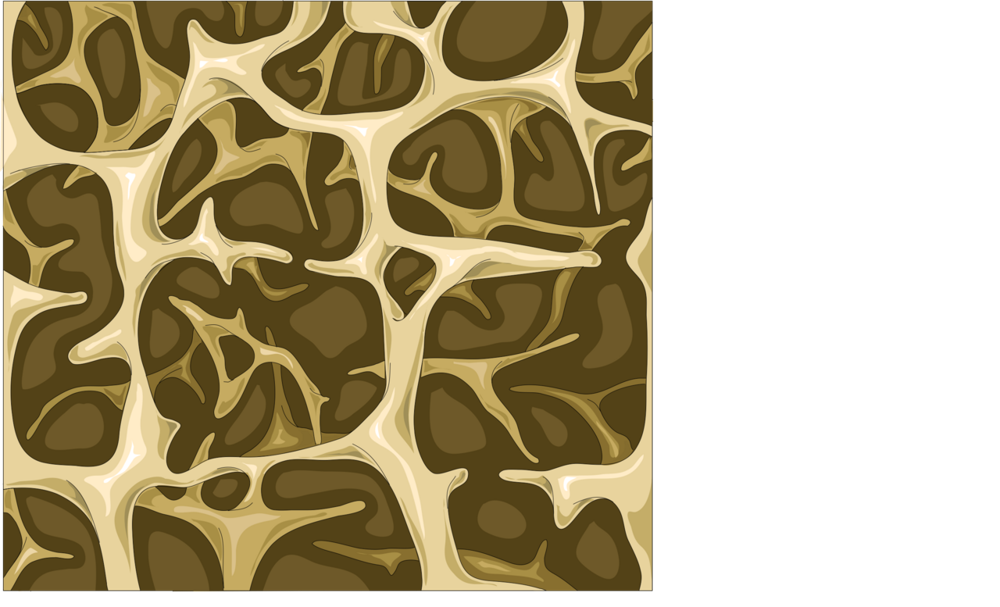
Ang osteoporosis ay nangangahulugang nawalan ng density ang iyong mga buto, kaya ang mga ito ay mas manipis at mas mahina kaysa sa dapat. Isipin ang malusog na buto bilang isang honeycomb na may makakapal na dingding. Sa osteoporosis, ang mga dingding na iyon ay nagiging manipis at puno ng mga puwang. Nandoon pa rin ang buto, ngunit mas madali itong mabali, kung minsan mula sa isang maliit na pagkahulog o kahit sa isang simpleng pagkabunggo. Ang bali na tulad nito ay tinatawag na fragility fracture.
Ang kondisyong ito ay karaniwan pagkatapos ng menopause, at mas nagiging posible habang tumatanda ka. May ilang mga tao na nalalaman lamang na mayroon nito pagkatapos ng isang fracture, dahil madalas na may pagitan sa pagitan ng pagkakaroon ng bali at ng pag-aayos ng diagnosis at paggamot [1]. Mahalaga ang pagitang iyon. Ipinakita ng mga trial na ang paggamot sa osteoporosis pagkatapos ng isang fragility fracture ay maaaring magbawas ng panganib ng isa pang fracture nang hanggang 50%, at magpababa ng mortality rates nang hanggang 30% [2].
Paano ito inaakalang gumagana: ang iyong katawan ay palaging nagre-remodel ng buto, sinisira ang lumang buto at bumubuo ng bagong buto. Nabubuo ang osteoporosis kapag mas mabilis ang pagkasira kaysa sa pagbuo. Ang ilang mga paggamot ay nagpapabagal sa pagkasira. Ang iba, na tinatawag na anabolic treatments, ay itinutulak naman ang panig ng pagbuo, at ang isang approach ay gumagamit muna ng anabolic treatment, pagkatapos ay lumilipat sa paggamot na nagpapabagal sa pagkasira [3]. Ang iyong bone density ay maaaring masukat, at ang mga modelong gumagamit ng routine blood test markers ay maaaring makatulong sa paghula ng iyong fracture risk [4].
May ilang iba pang bagay na mahalagang malaman. Ang bawat 1-unit na pagtaas sa body mass index ay nauugnay sa 9% na pagbaba sa panganib ng osteoporosis sa siyam na pag-aaral [5]. Nakakatulong din ang ehersisyo: resistance at impact exercise upang palakasin ang buto, balance work upang maiwasan ang mga pagkahulog, at spinal extension exercise para sa posture [6]. Kung ikaw ay may osteoporosis at kailangan ng shoulder surgery, hindi ito hadlang. Ang pangkalahatang complication rates pagkatapos ng keyhole rotator cuff repair ay mababa, at ang osteoporosis ay hindi dapat ituring na dahilan upang iwasan ang operasyong iyon [7].
Gumagana ba ito?
Oo, ngunit depende ito sa kung ano ang ibig mong sabihin sa "gumagana". Walang iisang lunas para sa osteoporosis. Ang layunin ay gawing mas matibay ang iyong mga buto at bawasan ang pagkakataon na mabali ang mga ito. May ilang mga gamutan na mahusay na nakagagawa nito. Ang iba naman ay sinusubukan pa lamang.
Ang pinakamalakas na ebidensya ay para sa mga gamot na nagpapabagal sa pagkawala ng buto o bumubuo ng bagong buto. Isang malaking pagsubok ang nakatuklas na ang isang bone-building hormone injection ay nakatulong upang mas mabilis na gumaling ang mga bali na buto, sa loob ng 7.8 linggo kumpara sa 12.6 linggo kung wala ito [1]. Ang ibang mga gamot, na tinatawag na bisphosphonates, ay mas epektibo kaysa sa mga lumang nasal spray sa pagprotekta ng iyong mga buto [2]. Mahalaga rin ang ehersisyo. Ang resistance at impact exercise ay nagpapatibay ng buto, ang balance work ay nakatutulong upang maiwasan ang pagkahulog, at ang spinal extension exercise ay maaaring magpahusay ng iyong postura at maaaring magpababa ng iyong panganib sa spine fracture [3].
Ang ilang iba pang mga gamutan ay may mas mahinang ebidensya. May ilang maliliit na pagsubok na nagmumungkahi na ang acupuncture ay maaaring makatulong sa mga sintomas [4]. Ang isang tradisyunal na herbal capsule ay nagpakita ng ilang benepisyo para sa sakit at bone density [5]. Ang stem cell therapy ay mukhang promising sa mga pag-aaral sa hayop, ngunit hindi pa ito handa para sa mga tao [6]. Sinusubukan din ng mga mananaliksik kung mahalaga ang oras ng araw-araw na injection, at kung ang mga bagong tool tulad ng hand X-rays at online calculators ay maaaring makakita ng bone loss nang mas maaga [7, 8, 9].
May ilang mga kitang-kitang pagkukulang. Maraming tao na nabalian ng balakang ang hindi inaalok ng gamot sa buto pagkatapos, kahit na sinasabi sa mga guideline na dapat silang bigyan nito [10]. At walang perpektong paraan upang pag-aralan ang kondisyong ito sa isang lab, kaya nananatiling bukas ang ilang mga katanungan [11].
Ano ang ibig sabihin nito para sa iyo? Kung ikaw ay may osteoporosis, may mga napatunayang gamutan. Maaari nilang bawasan ang iyong panganib ng isa pang fracture. Pakikipag-usapan ng iyong doktor kung aling mga opsyon ang angkop para sa iyo, at magiging tapat siya sa iyo kung saan kulang ang ebidensya.
Ano ang mga panganib?
Ang pangunahing panganib ng osteoporosis mismo ay ang bali (fracture). Ang mga buto sa balakang, gulugod (spine) at pulso ang pinakamadaling mabali kapag ang mga ito ay manipis. Kung mababalian ka ng buto at hindi nagamot para sa osteoporosis pagkatapos, maaari kang mabalian muli. Ipinapakita ng mga pag-aaral na maraming tao na nabalian ng balakang ang hindi pa rin binibigyan ng gamot sa buto, kahit na inirerekomenda ito ng mga alituntunin (guidelines) [1]. Sa isang pag-aaral sa mga kababaihang na-admit sa ospital dahil sa mga bali, 76.9% ang may osteoporosis [2]. Ang matagal na menopause, mga bali sa gulugod at mga kamakailang bali ang nagmarka sa mga kababaihang may pinakamataas na panganib sa pag-aaral na iyon [2].
Ang mga panganib sa paggamot ay nakadepende sa uri ng paggamot. Ang mga tabletang bisphosphonate ay mas epektibo kaysa sa mga lumang nasal spray sa pagprotekta ng buto, kaya ang nasal spray ay karaniwang inilalaan para sa mga taong hindi maaaring uminom ng mga first-line na gamot [3]. Ang ilang mga bagong opsyon ay pinag-aaralan pa rin. May isang pagsubok (trial) na kasalukuyang isinasagawa upang malaman ang pinakamainam na timing para sa isang araw-araw na bone-building injection [4]. Ang acupuncture at mga herbal capsule ay may ilang sumusuportang ebidensya, ngunit mas mahina ito kaysa sa ebidensya para sa mga standard na gamot [5, 6]. Ang stem cell therapy ay nasubukan pa lamang sa mga hayop hanggang ngayon, kaya hindi pa alam ang mga epekto nito sa mga tao [7].
Kung kailangan mo ng operasyon, may ilang mga partikular na punto. Ang mga pagsukat ng bone density na ginawa bago ang operasyon ay hindi nakakapaghula kung ang isang nabaling buto ay mabibigong gumaling, kaya ang pagsusuring iyon ay walang clinical value para sa layuning iyon [8]. Para sa mga taong may manipis na buto na sumasailalim sa joint replacement, ang mga rate ng komplikasyon sa loob ng 2 at 5 taon ay mababa at magkatulad, uminom man sila o hindi ng mga acid-reducing tablet sa panahon ng operasyon [9]. Para sa isang spine procedure na nag-i-inject ng semento sa isang nadurog na vertebra, ang tuloy-tuloy na semento at standard na paggamot sa osteoporosis ay nauugnay sa mabubuting resulta [10].
Isa pang panganib na dapat banggitin: ang impormasyon online tungkol sa osteoporosis ay madalas na hindi nakakapasa sa mga pangunahing pamantayan ng kalidad [11]. Suriin kung saan nanggagaling ang iyong mga impormasyon, at dalhin ang iyong mga katanungan sa iyong doktor.
Tama ba ito para sa iyo?
Ang paggamot ay dapat isaalang-alang kung sinabihan kang mayroon kang osteoporosis, lalo na pagkatapos ng isang fracture. Ang mga kababaihan pagkatapos ng menopause ang grupong pinakamadalas maapektuhan. Sa isang pag-aaral sa mga kababaihang na-admit sa ospital dahil sa mga fracture, karamihan ay may osteoporosis, at ang pinakamalakas na mga babala ay ang matagal na menopause, isang spine fracture o isang kamakailang fracture [1]. Kung alinman sa mga ito ay naaangkop sa iyo, makatwirang magtanong tungkol sa iyong mga buto.
Maaari ring angkop sa iyo ang paggamot kung nais mong manatiling aktibo at bawasan ang iyong pagkakataon na matumba. Kasabay ng gamot, ang mga pangunahing rekomendasyon ay resistance at impact exercise upang palakasin ang buto, balance work upang mabawasan ang pagtumba, at spinal extension exercise para sa postura [2]. Ito ay mga bagay na maaari mo nang simulang pag-usapan sa iyong doktor ngayon.
Ang paggamot ay malamang na hindi para sa iyo kung malusog ang iyong mga buto at wala kang kasaysayan ng fracture o mga pangunahing risk factor. At kung gumagamit ka na ng gamot sa buto, ang pahinang ito ay tungkol sa kung dapat bang ipagpatuloy ito, hindi kung dapat bang magsimula.
Kumpara sa hindi paggawa ng anuman, ang paggamot ang malinaw na pagpipilian pagkatapos ng isang fracture. Kumpara sa isa't isa, ang mga opsyon ay nagkakaiba sa kung paano sila gumagana: ang ilan ay nagpapabagal sa pagkawala ng buto, ang ilan ay bumubuo ng bagong buto, at ang ilan ay gumagawa ng pareho nang sunod-sunod [3]. Maipaliliwanag ng iyong doktor kung alin ang angkop sa iyo.
Ito ay dapat na isang shared decision. Dalhin ang iyong mga katanungan, ang iyong kasaysayan ng fracture at ang iyong listahan ng mga gamot. Itanong kung ano ang ipinapakita ng iyong bone density at kung ano ang kahulugan nito para sa iyo. Ang tamang sagot ay nakadepende sa iyong mga buto, sa iyong kalusugan at sa iyong mga layunin, hindi sa isang resulta lamang ng test.
Ang pinaka-importanteng punto
Kung sinabihan ka na mayroon kang osteoporosis, o nabalian ka ng buto mula sa isang maliit na pagkahulog, mahalagang gumawa ng hakbang. Ang paggamot sa manipis na mga buto pagkatapos ng isang fracture ay nagpapababa ng iyong pagkakataon na mabalian muli, at maaari rin itong magpababa ng iyong panganib ng maagang pagkamatay [1]. Ang makatotohanang inaasahan ay mas matitibay na mga buto at mas kaunting mga fracture, hindi isang lunas. Ang pinakamahalagang babala: maraming tao na nabalian ng balakang ang hindi kailanman inaalok ng gamot sa buto pagkatapos, kaya maaaring kailanganin mong itanong ito mismo [2].
Mga Sanggunian
[1] The osteoporosis care gap in Canada. BMC Musculoskeletal Disorders. 2004. DOI: 10.1186/1471-2474-5-11
[2] Medical management of osteoporosis and the doctor's' role. Injury. 2016. DOI: 10.1016/s0020-1383(16)30014-6
[3] Effectiveness of anabolic and anti-resorptive agents for preventing postmenopausal osteoporosis fractures: a systematic review and network meta-analysis. Journal of Orthopaedic Surgery and Research. 2025. DOI: 10.1186/s13018-025-06040-3
[4] SuperLearner approach for predicting imminent risk of fracture in older Chinese patients with newly diagnosed osteoporosis based on their routine blood test markers. BMC Musculoskeletal Disorders. 2026. DOI: 10.1186/s12891-026-09768-z
[5] The association between body mass index and osteoporosis, with consideration of sex differences: a systematic review and dose-response meta-analysis. BMC Musculoskeletal Disorders. 2026. DOI: 10.1186/s12891-026-09675-3
[6] Strong, steady and straight: UK consensus statement on physical activity and exercise for osteoporosis. British Journal of Sports Medicine. 2022. DOI: 10.1136/bjsports-2021-104634
[7] Osteoporosis is a risk factor for complications and reoperations at 1 and 3 years after arthroscopic rotator cuff repair. JSES International. 2026. DOI: 10.1016/j.jseint.2026.101678
[8] Use of teriparatide in osteoporotic fracture patients. Injury. 2016. DOI: 10.1016/s0020-1383(16)30009-2
[9] Revisiting Intranasal Salmon Calcitonin: Historical Osteoporosis Evidence and a Potential Role in Acute Orthopaedic Pain Management. JBJS Reviews. 2026. DOI: 10.2106/jbjs.rvw.26.00021
[10] Efficacy of acupuncture for primary osteoporosis: a systematic review and meta-analysis of randomized controlled trials. Journal of Orthopaedic Surgery and Research. 2025. DOI: 10.1186/s13018-025-05513-9
[11] The effect of Jintiange capsules on pain in patients with primary osteoporosis: a systematic review and meta-analysis. BMC Musculoskeletal Disorders. 2025. DOI: 10.1186/s12891-025-08694-w
[12] Genetically modified stem cells for osteoporosis: a systematic review and meta-analysis of preclinical studies. BMC Musculoskeletal Disorders. 2025. DOI: 10.1186/s12891-025-08507-0
[13] Application of Machine Learning to Osteoporosis and Osteopenia Screening Using Hand Radiographs. The Journal of Hand Surgery. 2025. DOI: 10.1016/j.jhsa.2024.09.008
[14] A nomogram with online dynamic calculator for predicting osteoporosis: development and validation based on NHANES. BMC Musculoskeletal Disorders. 2026. DOI: 10.1186/s12891-026-09920-9
[15] Timing optimization of teriparatide dosing for postmenopausal osteoporosis: a randomized controlled trial. Journal of Orthopaedic Surgery and Research. 2025. DOI: 10.1186/s13018-025-06083-6
[16] A Missed Opportunity? Osteoporosis Treatment Following Femoral Neck Fractures: Reducing the Risk of Secondary Hip Fracture. The Journal of Arthroplasty. 2026. DOI: 10.1016/j.arth.2025.07.028
[17] Can we induce osteoporosis in animals comparable to the human situation?. Injury. 2016. DOI: 10.1016/s0020-1383(16)30002-x
[18] How prevalent is osteoporosis in a high-risk subgroup? A multicenter study of postmenopausal women hospitalized for fractures in China. BMC Musculoskeletal Disorders. 2026. DOI: 10.1186/s12891-026-09517-2
[19] A89 Osteoporosis is not a risk factor for the development of nonunion: a cohort nested case-control study. Injury. 2011. DOI: 10.1016/s0020-1383(11)70106-1
[20] Effects of Perioperative Proton Pump Inhibitor Use on Outcomes of Total Joint Arthroplasty Patients Who Have Osteoporosis and Osteopenia. The Journal of Arthroplasty. 2026. DOI: 10.1016/j.arth.2025.07.067
[21] Continuity and volume of bone cement and anti osteoporosis treatment were guarantee of good clinical outcomes for percutaneous vertebroplasty: a multicenter study. BMC Musculoskeletal Disorders. 2025. DOI: 10.1186/s12891-024-08153-y
[22] Pagmamapa ng kalidad ng impormasyon tungkol sa osteoporosis: isang cross-sectional analysis ng online health information. BMC Musculoskeletal Disorders. 2026. DOI: 10.1186/s12891-026-09711-2
Evidence & references
This is the clinical evidence summary written for health professionals. It is technical, and it lists the research this page was built from. You do not need to read it to understand your treatment or to make a decision about it.
Overview
- A bone density-based aging model approach may facilitate and support the development of precision medicine strategies in osteoporosis prevention and management [1].
- Investigators must select an osteoporotic fracture model that best reflects the clinical problem being studied and the underlying pathophysiology of the osteoporosis in the target patient group [2].
- Current online health information on osteoporosis often fails to meet basic standards of evidence-based health information, highlighting the urgent need to improve quality to support informed decision-making [3].
- Each 1-unit increase in body mass index was associated with a 9% reduction in osteoporosis risk based on a dose-response analysis of nine studies [4].
- Sequential anabolic-to-anti-resorptive therapy may inform treatment guidelines for high-risk postmenopausal populations [5].
- There is no perfect model for osteoporosis, but a variety of models are appropriate for answering specific questions [6].
- There is evidence of a care gap between the occurrence of a fragility fracture and the diagnosis and treatment of osteoporosis in Canada [7].
- A nomogram with an online dynamic calculator could facilitate the early prediction, diagnosis, and treatment of osteoporosis, contributing to the bone health of the elderly population and promoting the development of public health [10].
- Patients with osteoporosis may experience a higher incidence of medical complications within the 90-day global period than nonosteoporotic patients following rotator cuff repair [12].
- Overall rates of complication were low and osteoporosis should not be considered a contraindication to arthroscopic rotator cuff repair [18].
How It Works
- A randomized controlled trial on the timing optimization of teriparatide dosing is expected to provide insights into optimizing administration timing, potentially guiding personalized dosing strategies to enhance bone formation and reduce fracture risk in osteoporosis [8].
- The book "Radiology of Osteoporosis" summarises the thoroughly researched topic of osteoporosis in a scientific approach [9].
- Data showed no relationship between decreased bone mineral density and 2-year clinical outcomes following arthroscopic rotator cuff repair, despite previous literature showing the negative effect of osteoporosis on rotator cuff healing [11].
- Recent research progress on natural traditional Chinese medicine products provides a theoretical and experimental basis for the development of new drugs and the improvement of osteoporosis management [13].
- Current evidence suggests that the efficacy of acupuncture in improving the symptoms of primary osteoporosis is encouraging for its use in clinical practice as a physical intervention [14].
- Macrophage polarization-related genes with potential causal roles in osteoporosis identified via multi-omics Mendelian randomization are exploratory and hypothesis-generating findings that require validation in bone marrow-specific and functional studies [21].
- The gut microbiota–metabolite–bone network may be involved in the skeletal effects of leptin, providing novel mechanistic insights and potential therapeutic strategies for osteoporosis management [22].
- MiR-137 promotes TLR4/NF-κB pathway activity through targeting KDM4A, which inhibits osteogenic differentiation of human bone marrow mesenchymal stem cells and aggravates osteoporosis [23].
- There is some promising experimental and clinical evidence for possible enhancement of the bone repair process via administration of systemic agents [24].
- In humans, de novo use of bisphosphonate therapy after fracture does not appear to have a significant effect on fracture healing [25].
- Although bone quality may be diminished in the elderly, this does not influence the occurrence of nonunion [26].
What the Evidence Shows
Risk Factors and Prediction
- Each 1-unit increase in BMI was associated with a 9% reduction in osteoporosis risk based on a dose–response analysis of nine studies [4].
- A nomogram with an online dynamic calculator developed based on NHANES data could facilitate the early prediction, diagnosis, and treatment of osteoporosis [10].
- A SuperLearner approach was successfully developed and validated as a fracture risk prediction model for patients newly diagnosed with osteoporosis based on routine blood test markers [29].
- Mendelian randomization results show varying associations between diabetes and BMD across different sites and methods, with significant associations found for T2D on femoral neck and total body BMD, and HbA1c on heel BMD [30].
- Machine learning application to hand radiographs represents a possible step toward more accessible, cost-effective, automated diagnosis and earlier treatment of osteoporosis/osteopenia [17].
Diagnosis and Information Quality
Treatment and Management
- Randomized controlled trials have demonstrated that treatment of osteoporosis in patients with fragility fractures can reduce the risk of subsequent fractures by up to 50% and mortality rates by up to 30% [16].
- A randomized controlled trial on teriparatide dosing timing is expected to provide insights into optimizing administration to enhance bone formation and reduce fracture risk in osteoporosis [8].
- Intranasal salmon calcitonin is less effective than bisphosphonates and modern anabolic agents for increasing BMD and reducing fracture risk, and its use is best reserved for patients who cannot take first-line therapies due to contraindications, intolerance, or personal preference [19].
- The current evidence suggests that the efficacy of acupuncture in improving the symptoms of primary osteoporosis is encouraging for its use in clinical practice as a physical intervention [14].
- Natural traditional Chinese medicine products provide a theoretical and experimental basis for the development of new drugs and the improvement of osteoporosis management [13].
- Key recommendations for people with osteoporosis include undertaking resistance and impact exercise to maximise bone strength, activities to improve strength and balance to reduce falls, and spinal extension exercise to improve posture and potentially reduce risk of falls and vertebral fractures [20].
- Findings from a retrospective cross-sectional study on long-term hospitalized patients with muscular dystrophy may help inform strategies for osteoporotic treatment and nutritional care in this patient population [15].
Surgical Outcomes and Complications
- Continuous bone cement and standardized treatment for osteoporosis were guarantees of good clinical outcomes for percutaneous vertebroplasty, and injected bone cement >5.5 ml might be a guarantee [28].
- Patients who received PTH (1–84) injections accelerated radiographic and clinical fracture healing (7.8 weeks) when compared to patients who received no treatment (12.6 weeks) [27].
Research Models
Practical Considerations
Risk Factors and Screening
- A bone density-based aging model approach may facilitate the development of precision medicine strategies in osteoporosis prevention and management [1].
- Each 1-unit increase in body mass index is associated with a 9% reduction in osteoporosis risk [4].
- Machine learning application to hand radiographs represents a possible step toward more accessible, cost-effective, automated diagnosis and earlier treatment of osteoporosis and osteopenia [17].
Treatment and Management
- Treatment of osteoporosis in patients with fragility fractures can reduce the risk of subsequent fractures by up to 50% and mortality rates by up to 30% [16].
- Intranasal salmon calcitonin is less effective than bisphosphonates and modern anabolic agents for increasing bone mineral density and reducing fracture risk [19].
- The use of intranasal salmon calcitonin is best reserved for patients who cannot take first-line therapies due to contraindications, intolerance, or personal preference [19].
- Optimizing teriparatide administration timing may guide personalized dosing strategies to enhance bone formation and reduce fracture risk in osteoporosis [8].
- People with osteoporosis should undertake resistance and impact exercise to maximise bone strength [20].
- People with osteoporosis should undertake activities to improve strength and balance to reduce falls [20].
- People with osteoporosis should undertake spinal extension exercise to improve posture and potentially reduce risk of falls and vertebral fractures [20].
Surgical Outcomes and Complications
- There is no relationship between decreased bone mineral density and 2-year clinical outcomes following arthroscopic rotator cuff repair [11].
- Patients with osteoporosis may experience a higher incidence of medical complications within the 90-day global period than nonosteoporotic patients [12].
- Osteoporosis should not be considered a contraindication to arthroscopic rotator cuff repair [18].
Research and Information Quality
- Current online health information on osteoporosis often fails to meet basic standards of evidence-based health information [3].
Key Evidence
- [L3] This approach may facilitate and support the development of precision medicine strategies in osteoporosis prevention and management. [1] (10.1186/s12891-025-09298-0)
- [L5] Investigators must select a model that best reflects the clinical problem being studied, and the underlying pathophysiology of the osteoporosis in the target patient group. [2] (10.1016/s0020-1383(16)30004-3)
- [Paper] Current OHI on osteoporosis often fails to meet basic standards of EBHI, highlighting the urgent need to improve the quality to support informed decision-making. [3] (10.1186/s12891-026-09711-2)
- [L1] Based on our dose–response analysis of nine studies, each 1-unit increase in BMI was associated with a 9% reduction in osteoporosis risk. [4] (10.1186/s12891-026-09675-3)
- [L1] This sequential anabolic-to-anti-resorptive therapy may inform treatment guidelines for high-risk postmenopausal populations. [5] (10.1186/s13018-025-06040-3)
- [Paper] However, there is no perfect model for osteoporosis, but a variety of models appropriate for answering specific questions. [6] (10.1016/s0020-1383(16)30002-x)
- [L4] There is evidence of a care gap between the occurrence of a fragility fracture and the diagnosis and treatment of osteoporosis in Canada. [7] (10.1186/1471-2474-5-11)
- [L2] This trial is expected to provide crucial insights into optimizing teriparatide administration timing, potentially guiding personalized dosing strategies to enhance bone formation and reduce fracture risk in osteoporosis. [8] (10.1186/s13018-025-06083-6)
- [Paper] The book summarises the thoroughly researched topic of osteoporosis in a scientific approach. [9] (10.1016/s0020-1383(03)00201-8)
- [L3] Ultimately, this tool could facilitate the early prediction, diagnosis, and treatment of osteoporosis, thus contributing to the bone health of the elderly population and promoting the development of public health. [10] (10.1186/s12891-026-09920-9)
- [L3] Despite previous literature showing the negative effect of osteoporosis on rotator cuff healing, our data showed no relationship between decreased bone mineral density and 2-year clinical outcomes following RCR. [11] (10.1016/j.jse.2025.02.011)
- [L3] In addition, patients with osteoporosis may experience a higher incidence of medical complications within the 90-day global period than nonosteoporotic patient. [12] (10.1016/j.xrrt.2026.100723)
- [L4] This paper summarises recent research progress on natural TCM products in preventing and treating osteoporosis and provides a theoretical and experimental basis for the development of new drugs and the improvement of osteoporosis management. [13] (10.1186/s13018-025-05879-w)
- [L1] The current evidence suggests that the efficacy of acupuncture in improving the symptoms of primary osteoporosis is encouraging for its use in clinical practice as a physical intervention. [14] (10.1186/s13018-025-05513-9)
- [L4] These findings may help inform strategies for osteoporotic treatment and nutritional care in this patient population. [15] (10.1186/s12891-026-10045-2)
- [Paper] Randomized controlled trials have demonstrated that treatment of osteoporosis in patients with fragility fractures can reduce the risk of subsequent fractures by up to 50% and mortality rates by up to 30%. [16] (10.1016/s0020-1383(16)30014-6)
- [L2] The findings represent a possible step toward more accessible, cost-effective, automated diagnosis and therefore earlier treatment of osteoporosis/osteopenia. [17] (10.1016/j.jhsa.2024.09.008)
- [L3] Overall rates of complication were low and osteoporosis should not be considered a contraindication to arthroscopic RCR. [18] (10.1016/j.jseint.2026.101678)
- [Paper] IN-CAL is less effective than bisphosphonates and modern anabolic agents for increasing BMD and reducing fracture risk; accordingly, its use is best reserved for patients who cannot take first-line therapies due to contraindications, intolerance, or personal preference. [19] (10.2106/jbjs.rvw.26.00021)
- [L5] Key recommendations are that people with osteoporosis should undertake (1) resistance and impact exercise to maximise bone strength; (2) activities to improve strength and balance to reduce falls; (3) spinal extension exercise to improve posture and potentially reduce risk of falls and vertebral fractures. [20] (10.1136/bjsports-2021-104634)
- [Paper] These findings are exploratory and hypothesis-generating and require validation in bone marrow-specific and functional studies. [21] (10.1186/s13018-026-06905-1)
- [Paper] These findings suggest that the gut microbiota–metabolite–bone network may be involved in the skeletal effects of leptin, providing novel mechanistic insights and potential therapeutic strategies for osteoporosis management. [22] (10.1186/s12891-026-09950-3)
- [Paper] This mechanism inhibits osteogenic differentiation of human bone marrow mesenchymal stem cells and aggravates osteoporosis. [23] (10.1186/s13018-023-03918-y)
- [Paper] There is some promising experimental and clinical evidence for possible enhancement of the bone repair process via administration of systemic agents. [24] (10.1016/s0020-1383(16)30003-1)
- [L4] In humans, de novo use of bisphosphonate therapy after fracture does not appear to have a significant effect on fracture healing. [25] (10.1016/s0020-1383(16)30015-8)
- [L3] Although bone quality may be diminished in the elderly, this does not influence the occurrence of nonunion. [26] (10.1016/s0020-1383(11)70106-1)
- [Paper] Patients who received the PTH (1–84) injections accelerated radiographic and clinical fracture healing (7.8 weeks) when compared to patients who received no treatment (12.6 weeks). [27] (10.1016/s0020-1383(16)30009-2)
- [L3] Continuous bone cement and standardized treatment for osteoporosis were guarantees of good clinical outcomes for PVP, and injected bone cement >5.5 ml might be a guarantee. [28] (10.1186/s12891-024-08153-y)
- [L3] We successfully developed and validated a fracture risk prediction model for patients newly diagnosed with osteoporosis. [29] (10.1186/s12891-026-09768-z)
- [Paper] The results show varying associations across different BMD sites (femoral neck, lumbar spine, heel, total body) and methods (IVW, MR-Egger, Weighted median), with some significant associations found for T2D on femoral neck and total body BMD, and HbA1c on heel BMD. [30] (10.1186/s12891-024-07430-0)
References
[1] Unveiling risk factors and predicting osteoporosis through bone density based aging model: a community-based cohort in Guangdong, China. BMC Musculoskeletal Disorders. 2025. DOI: 10.1186/s12891-025-09298-0
[2] Main differences in osteoporotic fracture models: which should I use?. Injury. 2016. DOI: 10.1016/s0020-1383(16)30004-3
[3] Mapping the quality of information on osteoporosis: a cross-sectional analysis of online health information. BMC Musculoskeletal Disorders. 2026. DOI: 10.1186/s12891-026-09711-2
[4] The association between body mass index and osteoporosis, with consideration of sex differences: a systematic review and dose-response meta-analysis. BMC Musculoskeletal Disorders. 2026. DOI: 10.1186/s12891-026-09675-3
[5] Effectiveness of anabolic and anti-resorptive agents for preventing postmenopausal osteoporosis fractures: a systematic review and network meta-analysis. Journal of Orthopaedic Surgery and Research. 2025. DOI: 10.1186/s13018-025-06040-3
[6] Can we induce osteoporosis in animals comparable to the human situation?. Injury. 2016. DOI: 10.1016/s0020-1383(16)30002-x
[7] The osteoporosis care gap in Canada. BMC Musculoskeletal Disorders. 2004. DOI: 10.1186/1471-2474-5-11
[8] Timing optimization of teriparatide dosing for postmenopausal osteoporosis: a randomized controlled trial. Journal of Orthopaedic Surgery and Research. 2025. DOI: 10.1186/s13018-025-06083-6
[9] Radiology of Osteoporosis. Injury. 2004. DOI: 10.1016/s0020-1383(03)00201-8
[10] A nomogram with online dynamic calculator for predicting osteoporosis: development and validation based on NHANES. BMC Musculoskeletal Disorders. 2026. DOI: 10.1186/s12891-026-09920-9
[11] No difference in 2-year outcomes of arthroscopic rotator cuff repair in patients with osteoporosis. Journal of Shoulder and Elbow Surgery. 2025. DOI: 10.1016/j.jse.2025.02.011
[12] Impact of osteoporosis on post-operative outcomes following rotator cuff repair. JSES Reviews, Reports, and Techniques. 2026. DOI: 10.1016/j.xrrt.2026.100723
[13] Natural traditional Chinese medicine products: emerging therapeutic targets for the treatment of osteoporosis. Journal of Orthopaedic Surgery and Research. 2025. DOI: 10.1186/s13018-025-05879-w
[14] Efficacy of acupuncture for primary osteoporosis: a systematic review and meta-analysis of randomized controlled trials. Journal of Orthopaedic Surgery and Research. 2025. DOI: 10.1186/s13018-025-05513-9
[15] Osteoporosis in long-term hospitalized patients with muscular dystrophy: a retrospective cross-sectional study. BMC Musculoskeletal Disorders. 2026. DOI: 10.1186/s12891-026-10045-2
[16] Medical management of osteoporosis and the surgeons' role. Injury. 2016. DOI: 10.1016/s0020-1383(16)30014-6
[17] Application of Machine Learning to Osteoporosis and Osteopenia Screening Using Hand Radiographs. The Journal of Hand Surgery. 2025. DOI: 10.1016/j.jhsa.2024.09.008
[18] Osteoporosis is a risk factor for complications and reoperations at 1 and 3 years after arthroscopic rotator cuff repair. JSES International. 2026. DOI: 10.1016/j.jseint.2026.101678
[19] Revisiting Intranasal Salmon Calcitonin: Historical Osteoporosis Evidence and a Potential Role in Acute Orthopaedic Pain Management. JBJS Reviews. 2026. DOI: 10.2106/jbjs.rvw.26.00021
[20] Strong, steady and straight: UK consensus statement on physical activity and exercise for osteoporosis. British Journal of Sports Medicine. 2022. DOI: 10.1136/bjsports-2021-104634
[21] Macrophage polarization-related genes with potential causal roles in osteoporosis: a multi-omics Mendelian randomization study. Journal of Orthopaedic Surgery and Research. 2026. DOI: 10.1186/s13018-026-06905-1
[22] Role and mechanism of leptin in improving osteoporosis via the “gut–bone axis”. BMC Musculoskeletal Disorders. 2026. DOI: 10.1186/s12891-026-09950-3
[23] MiR-137 promotes TLR4/NF-κB pathway activity through targeting KDM4A, inhibits osteogenic differentiation of human bone marrow mesenchymal stem cells and aggravates osteoporosis. Journal of Orthopaedic Surgery and Research. 2023. DOI: 10.1186/s13018-023-03918-y
[24] Fracture repair: general aspects and influence of osteoporosis and anti-osteoporosis treatment. Injury. 2016. DOI: 10.1016/s0020-1383(16)30003-1
[25] How do bisphosphonates affect fracture healing?. Injury. 2016. DOI: 10.1016/s0020-1383(16)30015-8
[26] A89 Osteoporosis is not a risk factor for the development of nonunion: a cohort nested case-control study. Injury. 2011. DOI: 10.1016/s0020-1383(11)70106-1
[27] Use of teriparatide in osteoporotic fracture patients. Injury. 2016. DOI: 10.1016/s0020-1383(16)30009-2
[28] Continuity and volume of bone cement and anti osteoporosis treatment were guarantee of good clinical outcomes for percutaneous vertebroplasty: a multicenter study. BMC Musculoskeletal Disorders. 2025. DOI: 10.1186/s12891-024-08153-y
[29] SuperLearner approach for predicting imminent risk of fracture in older Chinese patients with newly diagnosed osteoporosis based on their routine blood test markers. BMC Musculoskeletal Disorders. 2026. DOI: 10.1186/s12891-026-09768-z
[30] Diabetes and osteoporosis: a two-sample mendelian randomization study. BMC Musculoskeletal Disorders. 2024. DOI: 10.1186/s12891-024-07430-0