

கார்பல் டனல் விடுவிப்பு (Carpal Tunnel Release) தகவல்
Mater Private Hospital Rockhampton-இல் டாக்டர் கியரன் ஹிர்பரா செய்யும் கார்பல் டனல் விடுவிப்பு (carpal tunnel release) அறுவை சிகிச்சைக்குப் பிறகு உங்கள் மீட்சிக்கு இந்த நெறிமுறை (protocol) வழிகாட்டுகிறது. உங்கள் காயம் குணமாகும்போது என்ன எதிர்பார்க்கலாம், முதல் சில வாரங்களுக்கான முன்னெச்சரிக்கைகள், மற்றும் எல்லாம் சீரடையும்வரை உங்கள் நரம்பும் தசைநாண்களும் சுதந்திரமாக நழுவிச் செல்ல வைக்கும் பயிற்சித் திட்டம் ஆகியவற்றை இது விளக்குகிறது. உங்கள் மறுவாழ்வுப் பயிற்சி (rehabilitation) ஒருங்கிணைந்து இருக்க, இந்தப் பக்கத்தையோ அதன் PDF-ஐயோ உங்கள் இயன்முறை சிகிச்சையாளரிடமோ (physiotherapist) கை சிகிச்சையாளரிடமோ (hand therapist) கொண்டு செல்லுங்கள்.
அறுவை சிகிச்சைக்குப் பிறகு உங்கள் காயம் பற்றி ஏதேனும் கவலை இருந்தால், கிளினிக்கைத் தொடர்பு கொள்ளுங்கள். காயத்தைப் புகைப்படம் எடுத்து, பார்வையிடுவதற்காக மின்னஞ்சலில் அனுப்புவது பெரும்பாலும் உதவியாக இருக்கும்.
என்ன எதிர்பார்க்கலாம்
உங்கள் காயத்தைப் பராமரிப்பது பற்றி கிளினிக்கின் காயப் பராமரிப்பு வழிகாட்டுதலில் விளக்கப்பட்டுள்ளது. மணிக்கட்டில், அறுவை சிகிச்சை குணமாகும் இடத்திலேயே நரம்பும் தசைநாண்களும் நெருக்கமாக ஓடுகின்றன; எனவே இந்தப் பக்கத்தில் உள்ள பயிற்சிகள் முக்கியமானவை: நரம்பையும் தசைநாண்களையும் நழுவிக்கொண்டே இருக்க வைப்பது, உங்கள் காயம் சீரடையும்போது அவை குணமாகும் திசுவுடன் ஒட்டிக்கொள்வதைத் தடுக்கிறது.
விடுவிக்கப்பட்ட தசைநாரின் (ligament) குணமாகும் விளிம்புகள் குறைந்தது நான்கு முதல் ஆறு வாரங்கள் வரை தொட்டால் வலிக்கும். உள்ளங்கையின் இரு பக்கங்களிலும் (தசைநார் எலும்புகளுடன் இணையும் இடங்களில்) தொட்டால் வலிப்பதும் பொதுவானது; இது "தூண் வலி" (pillar pain) என்று அழைக்கப்படுகிறது, இது படிப்படியாகத் தணியும். அந்தத் தசைநார் மீண்டும் இணைவது நோக்கம் அல்ல: வடு திசு ஒரு "போலித் தசைநார்" (pseudo-ligament) ஆக உருவாகி அதே வேலையைச் செய்கிறது; அதனால்தான் இந்த விடுவிப்பு, மணிக்கட்டை நிலையற்றதாக ஆக்காமலேயே நரம்பை விடுவிக்கிறது.
கார்பல் டனல் விடுவிப்புக்குப் பிறகு நோயாளிகளைத் தொடர்ந்து கண்காணித்த ஆய்வுகள், இந்த வலி எவ்வளவு கணிக்கக்கூடிய வகையில் மறைகிறது என்பதைக் காட்டுகின்றன: அறுவை சிகிச்சைக்கு ஒரு மாதத்துக்குப் பிறகு பத்தில் தோராயமாக நான்கு பேர் இன்னும் தூண் வலி போன்ற அசௌகரியத்தை உணர்கிறார்கள், மூன்று மாதங்களில் நான்கில் ஒருவர் அளவுக்கு, பன்னிரண்டு மாதங்களுக்குள் கிட்டத்தட்ட எல்லாக் கைகளிலும் அது தணிந்துவிடுகிறது (Povlsen & Tegnell, 1996). எனவே அறுவை சிகிச்சைக்குச் சில வாரங்களுக்குப் பிறகும் உங்கள் உள்ளங்கையின் பக்கங்கள் தொட்டால் வலித்தால், அது குணமாதலின் இயல்பான ஒரு பகுதி; ஏதோ தவறு நடந்துவிட்டதற்கான அறிகுறி அல்ல.
கையின் வலிமை நன்கு விவரிக்கப்பட்ட ஒரு மீட்சி வளைவைப் பின்பற்றுகிறது. அடிக்கடி மேற்கோள் காட்டப்படும் ஒரு ஆய்வில், அறுவை சிகிச்சைக்கு மூன்று வாரங்களுக்குப் பிறகு பிடி வலிமை அறுவை சிகிச்சைக்கு முந்தைய அளவில் கால் பங்கு அளவாகவும், ஆறு வாரங்களில் முக்கால் பங்கு அளவாகவும் இருந்தது; மூன்று மாதங்களில் அறுவை சிகிச்சைக்கு முந்தைய அளவுக்குத் திரும்பியது; ஆறு மாதங்களில் அதையும் தாண்டிச் சென்றது. கிள்ளும் வலிமை இதைவிட விரைவாக மீள்கிறது — ஆறு வாரங்களில் அறுவை சிகிச்சைக்கு முந்தைய அளவை நெருங்கிவிடுகிறது (Gellman et al., 1989). எனவே ஆரம்ப வாரங்களில் பிடி வலிமை தற்காலிகமாகக் குறைவது எதிர்பார்க்கப்படுவதே; அது அறுவை சிகிச்சையில் ஏற்பட்ட பிரச்சினையை அல்ல, குணமாகிவரும் தசைநாரையும் உள்ளங்கையையும் பிரதிபலிக்கிறது; தூண் வலி தணியும்போது அதுவும் மீண்டுவிடும்.
ஆரம்பத்திலேயே அசைப்பது வேண்டுமென்றே செய்யப்படுவது; மருத்துவ ஆய்வுச் சான்றுகளும் அதை ஆதரிக்கின்றன. கார்பல் டனல் விடுவிப்புக்குப் பிறகு மணிக்கட்டை வழக்கமாகச் சிம்பில் (splint) வைத்திருக்கக் கூடாது என்பதே தற்போதைய மருத்துவ வழிகாட்டுதல் (AAOS, 2024); வெளியிடப்பட்ட கை சிகிச்சை மைய நெறிமுறைகள், காயம் குணமாகும்போது தசைநாண்களும் மீடியன் நரம்பும் (median nerve) நழுவிக்கொண்டே இருக்க, விரல்கள், கட்டைவிரல், மணிக்கட்டு ஆகியவற்றின் சுய அசைவை உடனடியாகவே தொடங்குகின்றன. கார்பல் டனல் விடுவிப்புக்குப் பிந்தைய மறுவாழ்வுப் பயிற்சி பற்றிய ஒரு Cochrane மதிப்பாய்வு, மீட்சி பொதுவாக நேரடியானது என்றும், கூடுதலாகச் சேர்க்கப்படும் எந்த ஒரு சிகிச்சைக்கும் பின்னால் வலுவான சான்று இல்லை என்றும் கண்டறிந்தது; அதனால்தான் இந்தத் திட்டம் எளிமையாக வைக்கப்பட்டுள்ளது, உங்கள் கை சிகிச்சையாளர் உங்கள் சொந்தக் கை எப்படி மீள்கிறது என்பதற்கேற்ப அதைத் தனிப்பயனாக்குகிறார் (Peters et al., 2016).
முதல் வாரத்தில், கையை முடிந்தவரை இதயத்தின் மட்டத்துக்கு மேலே உயர்த்தி வையுங்கள்; வீக்கம் குறைவாக இருந்தால் வலியும் குறைவு, நரம்பும் அதிகச் சுதந்திரமாக இருக்கும். வீக்கத்தைக் கட்டுப்படுத்தவும் உள்ளங்கையின் வளைவைத் தாங்கவும், உங்கள் சிகிச்சையாளர் அழுத்தும் கட்டுகளையோ டேப் கட்டுதலையோ (Coban, Tubigrip அல்லது kinesiotape) பயன்படுத்தலாம்.
உங்கள் காயம் குணமானதும், இந்தப் பயிற்சிகளைச் செய்வதற்கு முன் உங்கள் கைக்கு 20 நிமிடங்கள் சூடு கொடுங்கள். பயிற்சிகளை முடித்த பிறகு, அழற்சியைத் தடுக்க ஐஸ் வைக்கலாம்.
சில நேரங்களில் கையோ காயமோ உணர்திறன் மிக்கதாக (sensitive) மாறும். இது இயல்பானது; தினசரி உணர்திறன் தணிப்பு (desensitisation) மூலம் இதைத் தடுக்கவோ தணிக்கவோ முடியும்: அறுவை சிகிச்சைக்குப் பிறகு உடனடியாகத் தொடங்கி, காயத்தின் (அல்லது கட்டின்) மீதும் உள்ளங்கையின் மீதும் மென்மையாகத் தட்டுவதும் தேய்ப்பதும். இந்த "உணர்வுப் பின்னூட்டம்" (sensory feedback), தொடுதலையும் மேற்பரப்பின் தன்மையையும் இயல்பாகப் படிக்க நரம்புக்கு மீண்டும் பயிற்சி அளிக்கிறது. குறுகிய, அடிக்கடியான அமர்வுகளே சிறப்பாகப் பலன் தரும் (உதாரணமாக ஒவ்வொரு மணி நேரத்திலும் 2–3 நிமிடங்கள்); வடுவையும் உணர்திறனையும் தணிக்க உதவ, உங்கள் சிகிச்சையாளர் ஒரு சிலிக்கான் திண்டையோ கையுறையையோ தரலாம்.
காயம் முழுமையாகக் குணமானதும், வடு மசாஜ் செய்யத் தொடங்குங்கள்: அறுவைக் கீறலின் மீது உறுதியான வட்டங்கள். வடு பராமரிப்பு பற்றிய மேலும் தகவல்கள் காயப் பராமரிப்பு பக்கத்தில் உள்ளன.
வேலைக்கும் செயல்பாடுகளுக்கும் திரும்புதல்
பெரும்பாலானோர் கார்பல் டனல் விடுவிப்புக்குச் சில வாரங்களுக்குள் வேலைக்குத் திரும்புகிறார்கள்; இதன் கால அளவு முக்கியமாக உங்கள் வேலை உங்கள் கையிடம் என்ன கேட்கிறது என்பதைப் பொறுத்தது. 56 ஆய்வுகளை உள்ளடக்கிய ஒரு முறைப்படுத்திய மதிப்பாய்வு, மேசை சார்ந்த அல்லது உடலுழைப்பு அல்லாத வேலைகளில் இருப்பவர்கள் அறுவை சிகிச்சைக்குப் பிறகு இடைநிலை மூன்று வாரங்களில் வேலைக்குத் திரும்பியதாகவும் (குறிப்பிடப்பட்ட வரம்பு ஒன்று முதல் ஆறு வாரங்கள்), உடலுழைப்பு வேலைகளில் இருப்பவர்களுக்கு இடைநிலை சுமார் ஐந்தரை வாரங்கள் ஆனதாகவும் (குறிப்பிடப்பட்ட வரம்பு தோராயமாக மூன்று முதல் பதினான்கு வாரங்கள்) கண்டறிந்தது; முழுக் கடமைகளுக்குத் திரும்புவதற்கு முன், மாற்றியமைக்கப்பட்ட அல்லது இலகுவான கடமைகளில் பலர் இதைவிட விரைவாகவே திரும்பினார்கள் (Newington et al., 2018). இந்த எண்களை இறுதிக் கெடுவாக அல்லாமல் ஒரு வழிகாட்டியாகவே எடுத்துக்கொள்ளுங்கள்: உங்களுக்குப் பொருத்தமான கால அளவு உங்கள் காயம், உங்கள் வசதி, கீழே உள்ள முன்னெச்சரிக்கைகள் ஆகியவற்றைப் பொறுத்தது.
நடைமுறை வழிகாட்டியாக, ஒரு குறிப்பிட்ட பணிக்குத் திரும்ப நீங்கள் பொதுவாகத் தயாராக இருப்பீர்கள், எப்போதென்றால்:
- உங்கள் காயம் குணமாகி, அந்தப் பணியில் ஏற்படும் அழுத்தத்தையோ தொடுதலையோ தாங்கும்போது;
- கீழே உள்ள முன்னெச்சரிக்கைகளுக்கு உட்பட்டு, அந்தப் பணி உண்மையில் கோரும் அளவுக்குக் கையை வசதியாகப் பயன்படுத்த முடியும்போது; மற்றும்
- உங்கள் வேலையில் உள்ள கனமான பிடித்தல், தூக்குதல் அல்லது அதிர்வுக்கு உட்படுதல் ஆகியவை முன்னெச்சரிக்கைகள் நீக்கப்படும் வரை காத்திருக்கும்போது.
உங்கள் வேலை கனமானதாகவோ, திரும்பத் திரும்பச் செய்யப்படுவதாகவோ, அதிரும் கருவிகளைப் பயன்படுத்துவதாகவோ இருந்தால், அறுவை சிகிச்சைக்குப் பிந்தைய மறுபரிசோதனையில் அதை எழுப்புங்கள்; அப்போதுதான் வேலைக்குத் திரும்பும் தேதியையும், அதுவரை மாற்றியமைக்கப்பட்ட கடமைகளையும் உங்கள் முதலாளியுடன் சேர்ந்து திட்டமிட முடியும்.
முன்னெச்சரிக்கைகளும் கட்டுப்பாடுகளும்
சுய பராமரிப்பு, உணவு உண்ணுதல், உடை அணிதல், எழுதுதல், தட்டச்சு செய்தல் போன்ற அன்றாட வாழ்க்கைப் பணிகளுக்குக் கையை இலகுவாகச் செயல்பாட்டு ரீதியாகப் பயன்படுத்துவது ஊக்குவிக்கப்படுகிறது. அதற்கு அப்பால், ஆரம்ப வாரங்களுக்கான கட்டுப்பாடுகள்:
- அறுவை சிகிச்சைக்குப் பிறகு 6 வாரங்கள் வரை தூக்குதல், பிடித்தல், எடை தாங்குதல் அல்லது அதிரும் இயந்திரங்களைப் (உதாரணமாக மின் கருவிகள் அல்லது புல் வெட்டும் இயந்திரம்) பயன்படுத்துதல் வேண்டாம்.
- முதல் 1–2 வாரங்களுக்கு, அல்லது முழுமையாக முஷ்டி மூட முடியும் வரை, வாகனம் ஓட்டுவது கட்டுப்படுத்தப்படுகிறது.
உங்கள் இயன்முறை சிகிச்சையாளருக்கு:
சிகிச்சை மேலாண்மை
- கிளினிக்கின் காயப் பராமரிப்பு வழிகாட்டுதலின்படி காயப் பராமரிப்பு
- முதல் வாரத்தில் முடிந்தவரை இதய மட்டத்துக்கு மேலே உயர்த்தி வைத்தல்; தேவைக்கேற்ப, வீக்கக் கட்டுப்பாட்டுக்கும் கார்பல் வளைவைத் (carpal arch) தாங்குவதற்கும் அழுத்தும் கட்டுகள்/டேப் கட்டுதல் (Coban, Tubigrip, kinesiotape)
- காயம் குணமாகும் காலத்தில் நரம்பும் தசைநாண்களும் ஒட்டிக்கொள்வதைத் தடுக்க, கீழே உள்ள பயிற்சி அட்டைகளின்படி தசைநாண் நழுவல் மற்றும் மீடியன் நரம்பு நழுவல் திட்டம்
- காயம் குணமானதும்: பயிற்சிகளுக்கு முன் கைக்கு 20 நிமிடங்கள் சூடு; அழற்சியைத் தடுக்கப் பயிற்சிகளுக்குப் பிறகு ஐஸ்
- அறுவை சிகிச்சைக்குப் பிறகு உடனடியாகத் தொடங்கி தினசரி உணர்திறன் தணிப்பு: நரம்பு தொடுதலையும் மேற்பரப்பின் தன்மையையும் இயல்பாக்க, காயத்தின் (கட்டின்) மீதும் உள்ளங்கையின் மீதும் மென்மையாகத் தட்டுதல் / தேய்த்தல்
- காயம் முழுமையாகக் குணமானதும் வடு மசாஜ் (அறுவைக் கீறலின் மீது உறுதியான வட்டங்கள்)
முன்னெச்சரிக்கைகள்
- அன்றாட வாழ்க்கைச் செயல்பாடுகளுக்கு (சுய பராமரிப்பு, உணவு உண்ணுதல், உடை அணிதல், எழுதுதல், தட்டச்சு) கையை இலகுவாகச் செயல்பாட்டு ரீதியாகப் பயன்படுத்துவது ஊக்குவிக்கப்படுகிறது
- அறுவை சிகிச்சைக்குப் பிறகு 6 வாரங்கள் வரை தூக்குதல், பிடித்தல், எடை தாங்குதல் அல்லது அதிரும் இயந்திரங்களைப் (எ.கா. மின் கருவிகள், புல் வெட்டும் இயந்திரம்) பயன்படுத்துதல் வேண்டாம்
- முதல் 1–2 வாரங்களுக்கு, அல்லது முழு முஷ்டி மூட முடியும் வரை, வாகனம் ஓட்டுவது கட்டுப்படுத்தப்படுகிறது
சான்றுக் குறிப்புகள்
- அசையாமல் வைத்தல்: கார்பல் டனல் விடுவிப்புக்குப் பிறகு வழக்கமான அறுவை சிகிச்சைக்குப் பிந்தைய சிம்பு (splint) பயன்பாட்டுக்கு எதிராக மிதமான சான்று உள்ளது (AAOS CPG, 2024); பயிற்சி அட்டைகளின்படி ஆரம்பகால சுய அசைவே நோக்கப்பட்ட இயல்புநிலை
- மறுவாழ்வுத் துணைச் சிகிச்சைகள்: கார்பல் டனல் விடுவிப்புக்குப் பிந்தைய தனித்தனி மறுவாழ்வுச் சிகிச்சைகளுக்கு வரையறுக்கப்பட்ட, குறைந்த உறுதிப்பாடு கொண்ட சான்றே இருப்பதாக Cochrane மதிப்பாய்வு கண்டறிந்தது (Peters et al., 2016); துணைச் சிகிச்சைகளை நெறிமுறையாக்குவதைவிட, திட்டத்தை நோயாளிக்கேற்பத் தனிப்பயனாக்குங்கள்
- வலிமை மீட்சி: 3 வாரங்களில் பிடி வலிமை அறுவை சிகிச்சைக்கு முந்தைய அளவில் ≈28% ஆகவும், 6 வாரங்களில் ≈73% ஆகவும் இருக்கும் என எதிர்பார்க்கலாம்; 3 மாதங்களில் அறுவை சிகிச்சைக்கு முந்தைய அளவுக்குத் திரும்பி, 6 மாதங்களில் அதையும் தாண்டும்; கிள்ளும் வலிமை இதைவிட விரைவாக மீள்கிறது (6 வாரங்களில் ≈96%) (Gellman et al., 1989)
- வேலைக்குத் திரும்புதல்: உடலுழைப்பு அல்லாத வேலைக்கு இடைநிலை 21 நாட்கள் (வரம்பு 7–41), உடலுழைப்பு வேலைக்கு 39 நாட்கள் (வரம்பு 18–101); மாற்றியமைக்கப்பட்ட கடமைகள் இதைவிட முன்பே (Newington et al., 2018)
- தூண் வலி: திறந்த முறை விடுவிப்புக்குப் பிறகு 1 மாதத்தில் ≈41%, 3 மாதங்களில் ≈25%, 12 மாதங்களில் ≈6% எனப் பதிவாகியுள்ளது (Povlsen & Tegnell, 1996)
இவை உங்கள் கையேட்டில் உள்ள பயிற்சிகள்; ஒவ்வொரு அட்டையிலும் விவரிக்கப்பட்டுள்ளபடி செய்யப்பட வேண்டும். இந்தப் பயிற்சித் திட்டம் Sarah Farrell, BOccThy AHT (தொழில்முறை சிகிச்சையாளர் மற்றும் அங்கீகரிக்கப்பட்ட கை சிகிச்சையாளர்) அவர்களுடன் இணைந்து எழுதப்பட்டது; Extend Rehabilitation-இன் அங்கீகரிக்கப்பட்ட கை சிகிச்சையாளர் Ruby Doolan அவர்களிடமிருந்து அறுவை சிகிச்சைக்குப் பிந்தைய கூடுதல் வழிகாட்டுதலும் பெறப்பட்டது.
உங்கள் பயிற்சிகள்
Kieran Hirpara 4.0
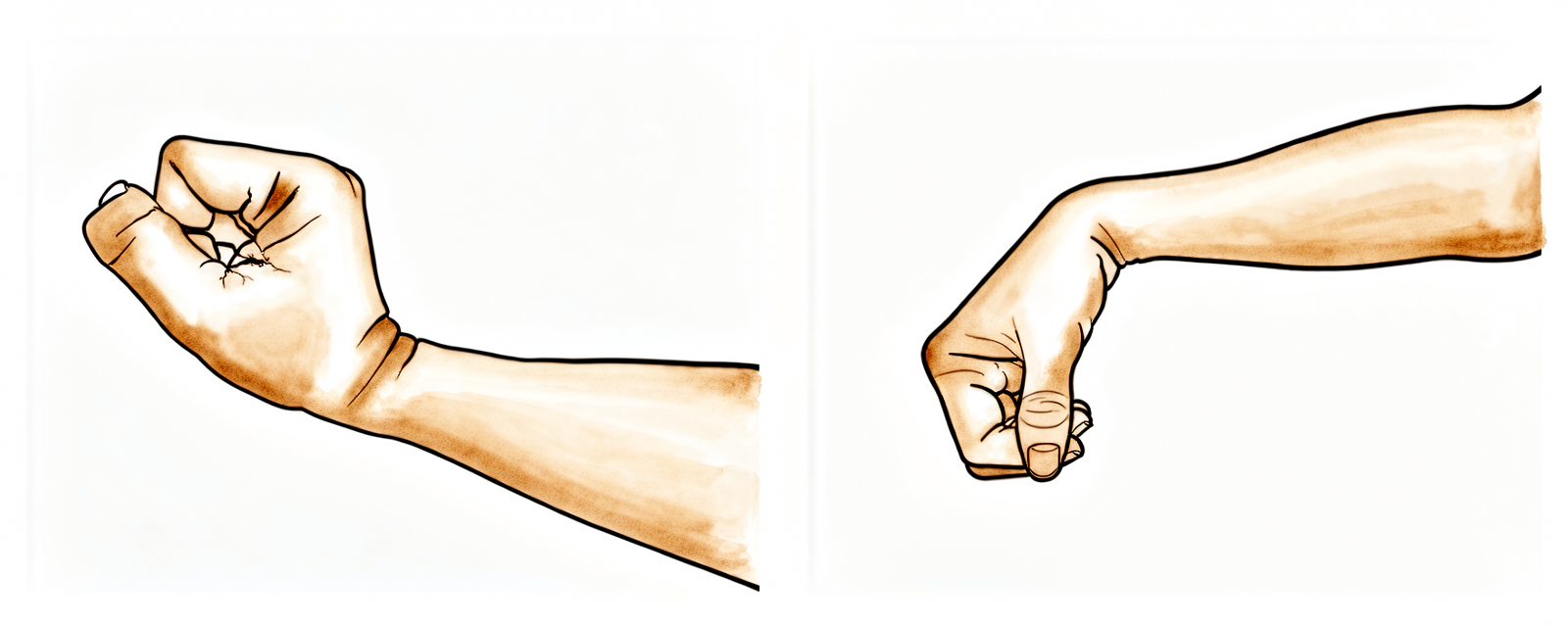
மணிக்கட்டு மடக்குதல் / நீட்டுதல் நீட்சி
உங்கள் முழங்கையை ஒரு மேசையின் மீது (அல்லது மணிக்கட்டை மேசையின் அல்லது சாய்வு நாற்காலியின் விளிம்பில்) ஓய்வாக வைத்து, மணிக்கட்டை மென்மையாக முன்னும் பின்னும் ஆட்டுங்கள். சற்று வசதியாக உணர்ந்ததும், மறு கையால் உங்கள் உள்ளங்கையைப் பிடித்து மணிக்கட்டைப் பின்னோக்கித் தள்ளுங்கள் (விரல்கள் தளர்வாக, கூரையை நோக்கி) — 15 வினாடிகள் பிடியுங்கள்; பின்னர் மறுபக்கம் (விரல்கள் தளர்வாக, தரையை நோக்கி) — 15 வினாடிகள் பிடியுங்கள். ஒவ்வொரு திசையிலும் 5 முறை திரும்பச் செய்யுங்கள்.
10 முறை (ஒவ்வொரு திசையிலும் 5 முறை, 15 வினாடிகள் பிடித்து), நாளொன்றுக்கு 4–5 முறை
Kieran Hirpara 4.0
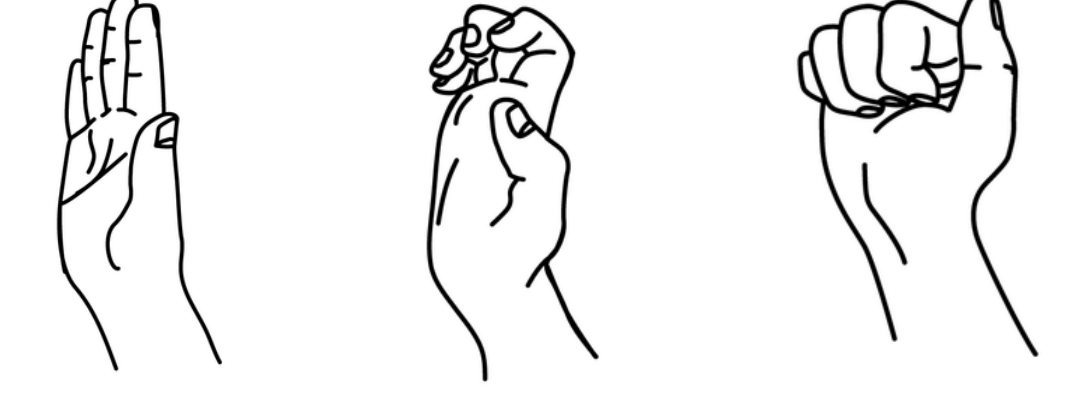
தசைநாண் நழுவல் — தொடர் A
உங்கள் கையை உங்களுக்கு முன்னால் வைத்து, மணிக்கட்டு நேராக இருக்க, எல்லா விரல்களையும் முழுமையாக நேராக்குங்கள் (1). மூட்டுக் கணுக்கள் மேல்நோக்கிச் சுட்ட, விரல் நுனிகளை “கொக்கி” நிலைக்கு வளையுங்கள் (2). கட்டைவிரலை விரல்களின் மீது வைத்து இறுக்கமான முஷ்டி மூடுங்கள் (3).
5–10 முறைகள், நாளொன்றுக்கு 2–3 முறை
Kieran Hirpara 4.0
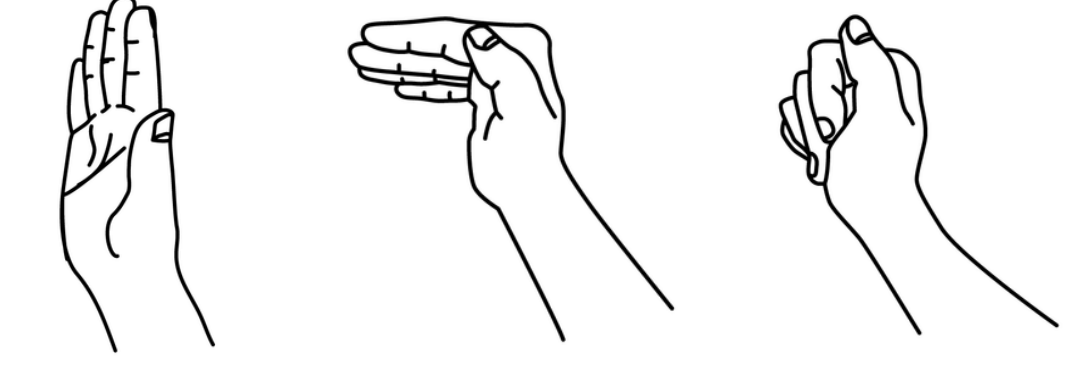
தசைநாண் நழுவல் — தொடர் B
உங்கள் கையை உங்களுக்கு முன்னால் வைத்து, மணிக்கட்டு நேராக இருக்க, எல்லா விரல்களையும் முழுமையாக நேராக்குங்கள் (1). அடிப்பகுதி மூட்டுக் கணுவில் வளைத்து, விரல்களை நேராக வைத்தபடி விரல்களால் ஒரு “மேசைத் தட்டு” (tabletop) நிலையை உருவாக்குங்கள் — உங்கள் மணிக்கட்டு முன்னோக்கிச் சரியாமல் பார்த்துக்கொள்ளுங்கள் (2). விரல்களை நடு மூட்டில் வளைத்து, விரல்களை உள்ளங்கையில் தொடுங்கள் (3).
5–10 முறைகள், நாளொன்றுக்கு 2–3 முறை
Kieran Hirpara 4.0
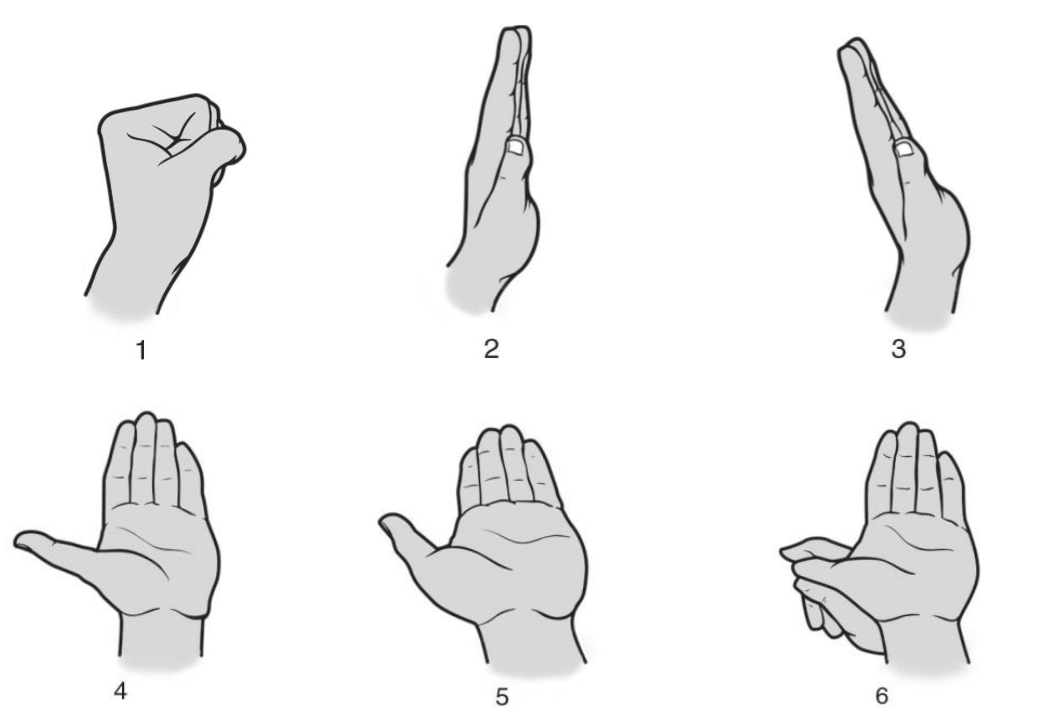
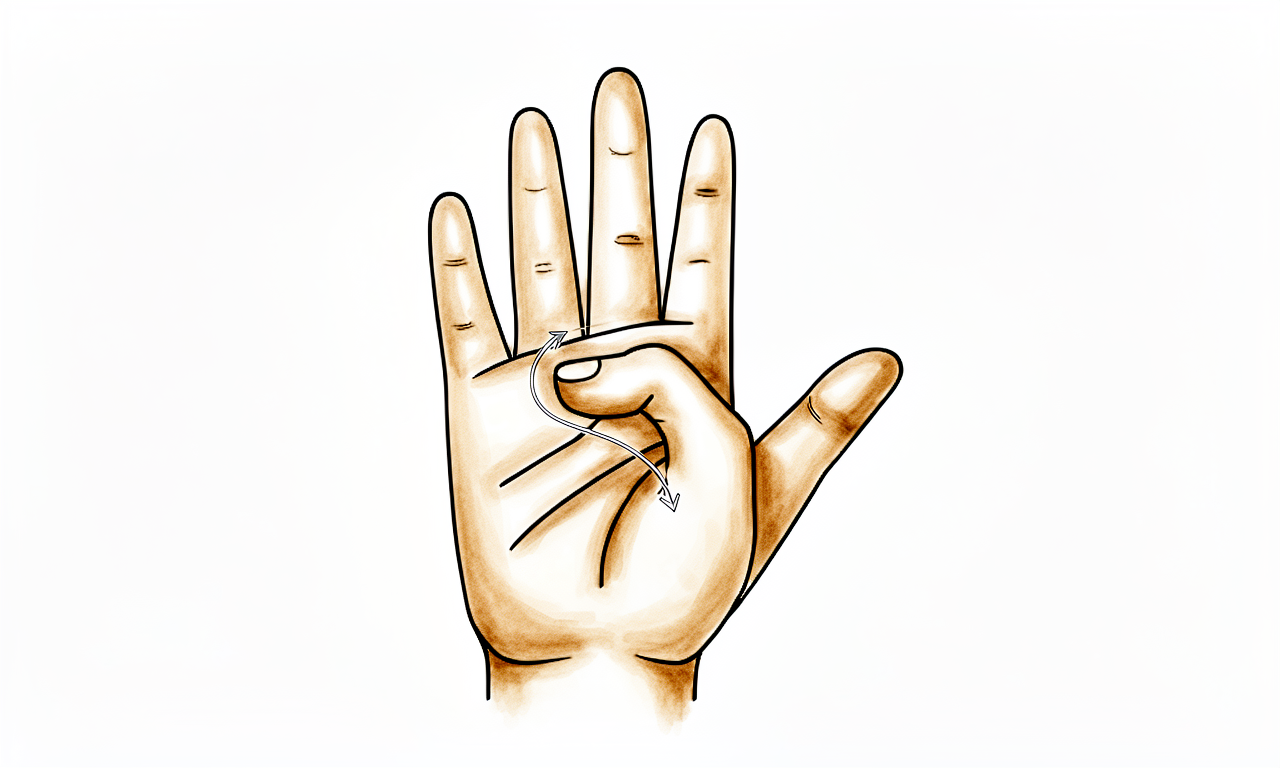
மீடியன் நரம்பு நழுவல் (median nerve glides)
காட்டப்பட்டுள்ள ஆறு நிலைகளின் வழியாக உங்கள் கையை நகர்த்துங்கள்; ஒவ்வொரு நிலையையும் 3–7 வினாடிகள் பிடியுங்கள். 6-ஆம் நிலையில் உங்கள் கட்டைவிரலின் மீது அதிக அழுத்தம் கொடுக்க வேண்டாம். பின்னர் நரம்பு நீட்சியைச் சேர்த்துக்கொள்ளுங்கள்: உள்ளங்கை மேல்நோக்கி இருக்கும்படி உங்கள் கையை உங்களுக்கு முன்னால் நேராக நீட்டி, விரல்கள் கீழ்நோக்கிச் சுட்டும்படி மணிக்கட்டைப் பின்னோக்கி வளையுங்கள். உங்கள் முன்கையின் உள்ளங்கைப் பக்கத்தில் லேசான நீட்சியை உணரும் வரை, மறு கையால் உங்கள் விரல்களை மென்மையாகப் பின்னோக்கித் தள்ளுங்கள். 15 வினாடிகள் பிடித்து, 5 முறை திரும்பச் செய்யுங்கள். மென்மையாகச் செய்யுங்கள்: கூச்ச உணர்வு (tingling) அதிகரித்தால் அழுத்தத்தைக் குறையுங்கள்.
நாளொன்றுக்கு 10–15 முறைகள்; ஒவ்வொரு நிலையையும் 3–7 வினாடிகள் பிடித்து
Kieran Hirpara 4.0
கட்டைவிரல் எதிர்நிலை (thumb opposition)
உங்கள் கட்டைவிரலை உள்ளங்கையின் குறுக்கே சுண்டு விரலின் அடிப்பகுதியை நோக்கி நகர்த்துங்கள்; பின்னர் அதை மீண்டும் நேராக்குங்கள்.
5–10 முறைகள், நாளொன்றுக்கு 2–3 முறை, தினமும்
டாக்டர் ஹிர்பராவும் உங்கள் கை சிகிச்சையாளரும் வழிகாட்டும்படி மட்டுமே கீழே உள்ள பயிற்சிகளைத் தொடங்குங்கள்; உங்களுக்குத் தரப்பட்ட அசைவு வரம்புக்கும் கட்டுப்பாடுகளுக்கும் உட்பட்டு இருங்கள். மணிக்கட்டு நீட்சியும் இரண்டு தசைநாண் நழுவல் தொடர்களும், தசைநாண்களும் விடுவிக்கப்பட்ட நரம்பும் சுதந்திரமாக அசைந்துகொண்டே இருக்கச் செய்கின்றன; இதனால் அவை குணமாகும் வடுவில் ஒட்டிக்கொள்வதில்லை. இவை வசதிக்கு உட்பட்டு ஆரம்பத்திலேயே தொடங்குகின்றன. நரம்பு ஒரு இடத்தில் கட்டுண்டுபோகாமல் நழுவிக்கொண்டே இருக்க மீடியன் நரம்பு நழுவல் பயிற்சிகள் சேர்க்கப்படுகின்றன; கட்டைவிரல் எதிர்நிலைப் பயிற்சி (thumb opposition), அறுவை சிகிச்சைக்கு முன்பே பெரும்பாலும் பலவீனமாக இருக்கும் கிள்ளும் திறனை மீண்டும் கட்டியெழுப்புகிறது. உள்ளங்கையில் வடுவின் மீது நேரடியாகத் தொட்டால் வலிப்பது சில வாரங்களுக்கு எதிர்பார்க்கப்படுவதே. விரல்களுக்குள் கூரிய அல்லது மின்சாரம் பாய்வது போன்ற வலியை ஏற்படுத்தும் எதையும் நிறுத்திவிடுங்கள்.
உங்கள் நெறிமுறைக்குப் பிறகு
இந்த நெறிமுறை கிளினிக்கின் பொதுவான மீட்சி ஆலோசனைகளுடன் இணைந்து செயல்படுகிறது: அறுவை சிகிச்சைக்குப் பிந்தைய வலியைக் கையாளுதல், காயப் பராமரிப்பு மற்றும் கை சிகிச்சையின் அடிப்படைகள் பக்கங்களைப் பாருங்கள். அறுவை சிகிச்சை பற்றி அறிய, கார்பல் டனல் விடுவிப்பு பக்கத்தைப் பாருங்கள்.
மேற்கோள்கள்
[1] Peters S, Page MJ, Coppieters MW, Ross M, Johnston V. Rehabilitation following carpal tunnel release. Cochrane Database of Systematic Reviews. 2016;2:CD004158. https://pubmed.ncbi.nlm.nih.gov/26884379/ [2] American Academy of Orthopaedic Surgeons. Management of Carpal Tunnel Syndrome — Evidence-Based Clinical Practice Guideline. 2024 update. https://www.aaos.org/quality/quality-programs/upper-extremity-programs/carpal-tunnel-syndrome/ [3] Newington L, Stevens M, Warwick D, Adams J, Walker-Bone K. Sickness absence after carpal tunnel release: a systematic review of the literature. Scand J Work Environ Health. 2018;44(6):557–567. https://pmc.ncbi.nlm.nih.gov/articles/PMC6215485/ [4] Gellman H, Kan D, Gee V, Kuschner SH, Botte MJ. Analysis of pinch and grip strength after carpal tunnel release. J Hand Surg Am. 1989;14(5):863–864. https://pubmed.ncbi.nlm.nih.gov/2794407/ [5] Brigham and Women's Hospital Department of Rehabilitation Services. Standard of Care: Carpal Tunnel Release. 2007 (pillar pain natural-history figures after Povlsen & Tegnell, 1996). https://www.brighamandwomens.org/assets/BWH/patients-and-families/rehabilitation-services/pdfs/wrist-carpal-tunnel-release-pt.pdf
Evidence & references
This is the clinical evidence summary written for health professionals. It is technical, and it lists the research this page was built from. You do not need to read it to understand your treatment or to make a decision about it.
Topic scope: post-operative rehabilitation after surgical decompression of the median nerve at the wrist by division of the transverse carpal ligament — open or endoscopic carpal tunnel release. This is a decompression, not a reconstruction: nothing is repaired or tightened, so the rehab is an early-motion pathway built around oedema control, scar/desensitisation work, and tendon + median-nerve gliding rather than months of protected healing.
Defining principle of the rehab here: carpal tunnel release relieves nerve compression and does not create a construct that needs protection. The divided ligament is meant to stay divided — a scar "pseudo-ligament" reconstitutes the carpal arch without re-tethering the nerve. So (unlike a tendon or ligament repair) immediate, unrestricted light use is the default, and the only deliberate restraint is a short window of heavy-load/grip/vibration avoidance while the palm and ligament edges heal. The therapy programme exists to keep the median nerve and flexor tendons gliding through the healing surgical bed so they do not adhere — not to immobilise. The single branch point is whether a concurrent procedure (e.g. flexor tenosynovectomy, revision with a fat-pad flap) was performed, which can extend the protected/oedema phase.
A. PROCEDURE OUTCOMES (open vs endoscopic)
Carpal tunnel release is one of the most reliable operations in upper-limb surgery: the great majority of patients obtain durable symptom relief, and the principal debate is over access (open vs endoscopic), not whether to decompress.
- Both open and endoscopic release give equivalent long-term outcomes. Randomised comparisons and meta-analyses find no meaningful difference in symptom relief, function or patient satisfaction at long-term follow-up between open and single- or dual-portal endoscopic release. Endoscopic release offers a modestly faster early recovery and earlier return to work at the cost of a small increase in transient nerve-related events; by 5 years the two converge [HAND meta-analysis 2022; J Hand Surg 5-year RCT 2009; J Bone Joint Surg RCT 1994]. Strong (RCTs/SR).
- Symptom relief is high and durable. Night symptoms and paraesthesiae typically resolve early; numbness and thenar weakness recover more slowly and may be incomplete where compression was long-standing. Five-year and elderly-cohort series confirm sustained benefit, including in patients over 65 [J Hand Surg 5-yr follow-up; elderly cohorts]. Moderate–strong.
- Division of the transverse carpal ligament alters carpal-tunnel biomechanics (canal volume increases; the flexor tendons shift volarly), which is the anatomical basis for pillar pain and the transient grip-strength dip — both expected, self-limiting consequences of the decompression rather than complications [Clinical Biomechanics 2003]. Mechanistic.
B. REHABILITATION / THERAPY EVIDENCE
The central rehab questions are (1) should the wrist be immobilised afterwards, and (2) does routine formal hand therapy change the outcome. The evidence answers no to routine splinting and no to mandatory protocolised therapy — while supporting a simple, early-motion, glide-based home programme.
- Routine post-operative splinting is NOT recommended. Moderate-quality evidence (AAOS 2024 CPG; supporting systematic reviews) finds wrist immobilisation by sling/orthosis after release does not improve pain, grip or function and may delay recovery. Early active motion is the intended default. Moderate (CPG + SR).
- No single rehab adjunct has strong supporting evidence. The Cochrane review of rehabilitation following carpal tunnel release found only limited, low-certainty evidence for any individual add-on — orthoses, dressings, exercise, cold/ice, multimodal hand therapy, laser, electrotherapy, scar desensitisation or arnica. Recovery is usually straightforward; the implication is to keep the programme simple and individualise it rather than protocolise adjuncts [Peters et al., Cochrane 2016]. Moderate (Cochrane SR — of low-certainty primary evidence).
- Tendon- and nerve-gliding exercises are biologically and clinically rationalised. The rationale is that wrist/digit motion produces longitudinal excursion of the median nerve through the surgical bed, preventing adhesion of nerve to flexor tendons; ultrasound studies confirm measurable nerve excursion during gliding exercises, and comparative-effectiveness work supports tendon/nerve gliding and neural mobilisation as low-risk adjuncts [Am J Phys Med Rehabil 2011; J Hand Therapy 2008 (excursion; neural mobilisation)]. The benefit is modest and the adhesion-prevention purpose is mechanistic/consensus rather than proven by hard outcome trials. Weak–moderate (mechanism strong, outcome modest).
- Supervised therapy is not required for most patients. Outcome series using a standard protocol with a single hand-therapy visit and a home programme report good patient-reported outcomes, supporting selective rather than universal formal therapy. Moderate (cohort).
Recovery trajectory (expected, evidence-anchored)
| Phase | Window | Restraint | Hand use / therapy focus | Strength / load | Notes |
|---|---|---|---|---|---|
| I — Early motion & oedema control | Week 0–1 | None routine (no splint) | Elevate above heart level; immediate active finger/thumb/wrist motion; tendon + median-nerve glides; desensitisation from day 1; compressive dressing/taping for swelling | Light functional use only | Less swelling → freer nerve. Grip is expected to be low |
| II — Wound & ligament healing | Week 1–6 | Heavy-load avoidance | Continue glides; add scar massage once wound healed; heat before / ice after exercises | No lifting, gripping, weight-bearing or vibrating-tool use up to 6 weeks; driving from ~1–2 weeks (once a full fist is achievable) | Pillar tenderness peaks then settles; grip ≈¼ pre-op at 3 wk, ≈¾ by 6 wk |
| III — Return to load & work | Week 6–12+ | Restrictions lifted | Progress gripping, lifting and task-specific loading | Grip back to pre-op by ~3 months, exceeding it by ~6 months; pinch recovers sooner (≈ pre-op by 6 wk) | Non-manual work median ~3 wk; manual work median ~5–6 wk, earlier on modified duties |
(Phase windows mirror the precautions and recovery-curve figures in the patient protocol; they are typical guides, not trial-derived deadlines.)
C. KEY CONTROVERSIES / EVIDENCE QUALITY
- Open vs endoscopic. Equivalent long-term outcomes; endoscopic buys a faster early recovery for a small transient-complication trade-off. Choice is largely surgeon/patient preference and cost. Strong evidence of equivalence.
- To splint or not. Older practice favoured post-operative wrist splinting; current moderate-quality evidence and the AAOS 2024 CPG advise against routine immobilisation. This page's no-splint, early-motion default reflects the current guideline. Moderate.
- Does formal therapy change outcomes? No rehab adjunct has high-certainty benefit (Cochrane). Gliding exercises rest on a sound mechanistic (adhesion-prevention, nerve-excursion) rationale but modest outcome data. The defensible position is a simple home programme + selective therapy, not universal supervised rehab. Weak–moderate.
- Pillar pain & grip dip are expected, not failure. Both follow predictably from dividing the transverse carpal ligament and resolve on a well-described curve; mislabelling them as complications drives unnecessary anxiety. Strong natural-history data.
- Recurrence/revision is uncommon but real; persistent symptoms warrant assessment for incomplete release, the wrong diagnosis, or a second compression site rather than more of the same therapy [JAAOS recalcitrant-CTS review; revision-rate series]. Moderate.
D. EVIDENCE STRENGTH FLAGS (summary)
- STRONG (RCT / SR): equivalence of open vs endoscopic release at long-term follow-up (faster early recovery with endoscopic); high, durable symptom relief from decompression.
- MODERATE: AAOS 2024 CPG against routine post-operative splinting; Cochrane review (limited, low-certainty evidence for any single rehab adjunct → keep it simple); biomechanical basis of pillar pain / grip dip; uncommon but defined revision rate.
- WEAK / CONSENSUS: the specific early-motion, glide-based therapy programme (mechanistically rationalised, outcome benefit modest; surgeon/hand-therapist protocols); exact phase timings (typical, not trial-derived).
CITATIONS
RAG corpus (180,000+ Orthopaedic articles)
- Open versus single- or dual-portal endoscopic carpal tunnel release: a meta-analysis of randomized controlled trials. HAND. 2022. DOI: 10.1177/15589447221075665
- Open compared with 2-portal endoscopic carpal tunnel release: a 5-year follow-up of a randomized controlled trial. J Hand Surg Am. 2009. DOI: 10.1016/j.jhsa.2008.10.026
- Carpal tunnel release: a randomized comparison of three surgical methods. J Hand Surg (Eur Vol). 2013. DOI: 10.1177/1753193412475247
- Carpal tunnel release. A prospective, randomised assessment of open and endoscopic methods. J Bone Joint Surg. 1994. DOI: 10.2106/00004623-199408000-00020
- Five-year follow-up of carpal tunnel release in patients over age 65. J Hand Surg Am. 2010. DOI: 10.1016/j.jhsa.2009.10.020
- Carpal tunnel syndrome (clinical review). BMJ. 2014. DOI: 10.1136/bmj.g6437
- Biomechanical and anatomical consequences of carpal tunnel release. Clin Biomech. 2003. DOI: 10.1016/s0268-0033(03)00052-4
- The comparative effectiveness of tendon and nerve gliding exercises in patients with carpal tunnel syndrome. Am J Phys Med Rehabil. 2011. DOI: 10.1097/phm.0b013e318214eaaf
- The effects of neural mobilization in addition to standard care in persons with carpal tunnel syndrome. J Hand Ther. 2008. DOI: 10.1197/j.jht.2007.12.001
- The excursion of the median nerve during nerve gliding exercise: an observation with high-resolution ultrasonography. J Hand Ther. 2008. DOI: 10.1197/j.jht.2007.11.001
- Effective self-stretching of carpal ligament for the treatment of carpal tunnel syndrome: a double-blinded randomized controlled study. J Hand Ther. 2020. DOI: 10.1016/j.jht.2019.12.002
- Use of conservative therapy before and after surgery for carpal tunnel syndrome. BMC Musculoskelet Disord. 2021. DOI: 10.1186/s12891-021-04378-3
- Power grip, pinch grip, manual muscle testing or thenar atrophy — which should be assessed as a motor outcome after carpal tunnel decompression? A systematic review. BMC Musculoskelet Disord. 2007. DOI: 10.1186/1471-2474-8-114
- Management of recalcitrant carpal tunnel syndrome. J Am Acad Orthop Surg. 2019. DOI: 10.5435/jaaos-d-18-00004
- The rate and timing of revision carpal tunnel release with long-term follow-up. J Hand Surg Am. 2026. DOI: 10.1016/j.jhsa.2026.02.006
- Does aging matter? The efficacy of carpal tunnel release in the elderly. Arch Plast Surg. 2015. DOI: 10.5999/aps.2015.42.3.278
Carpal tunnel rehabilitation literature (URLs)
- Peters S, et al. Rehabilitation following carpal tunnel release. Cochrane Database Syst Rev. 2016;2:CD004158. https://www.cochranelibrary.com/cdsr/doi/10.1002/14651858.CD004158.pub3/full
- O'Connor D, et al. Rehabilitation treatments following carpal tunnel surgery (original Cochrane review). 2003. https://www.cochranelibrary.com/cdsr/doi/10.1002/14651858.CD004158/full
- American Academy of Orthopaedic Surgeons. Management of Carpal Tunnel Syndrome — Evidence-Based Clinical Practice Guideline (2024 update; moderate evidence against routine post-operative immobilisation). https://www.aaos.org/quality/quality-programs/upper-extremity-programs/carpal-tunnel-syndrome/
- Wrist immobilization after surgical decompression of the median nerve in carpal tunnel syndrome: a systematic review. PMC. 2024. https://www.ncbi.nlm.nih.gov/pmc/articles/PMC11374399/
- Sensory nerve conduction velocity predicts improvement of hand function with nerve gliding exercise following carpal tunnel release surgery. PMC. https://www.ncbi.nlm.nih.gov/pmc/articles/PMC8470096/
- Patient-reported outcomes after open carpal tunnel release using a standard protocol with 1 hand therapy visit. J Hand Ther / ScienceDirect. https://www.sciencedirect.com/science/article/abs/pii/S089411301630031X
Published rehab protocols (patient-guidance — basis for the early-motion phase structure)
- Bakker — Carpal Tunnel Release Post-op Protocol (Twin Cities Orthopedics). https://tcomn.com/wp-content/uploads/2017/11/Carpal-tunnel-release-protocol.pdf
- University of Virginia — Carpal Tunnel Release Open Protocol and Home Exercise Program. https://med.virginia.edu/orthopaedic-surgery/wp-content/uploads/sites/242/2015/11/copy_of_CTROPENProtocolandHEP.pdf
- Brigham and Women's Hospital, Department of Rehabilitation Services. Standard of Care: Carpal Tunnel Release (pillar-pain natural history after Povlsen & Tegnell 1996; grip-recovery after Gellman 1989). https://www.brighamandwomens.org/assets/BWH/patients-and-families/rehabilitation-services/pdfs/wrist-carpal-tunnel-release-pt.pdf





