

காறை எலும்பு நிலைநிறுத்தல் (ORIF) தகவல்
Mater Private Hospital Rockhampton-இல் டாக்டர் கியரன் ஹிர்பரா செய்யும், உடைந்த காறை எலும்பை (clavicle, collarbone) தகடு கொண்டு நிலைநிறுத்தும் — திறந்த சீரமைப்பும் உட்புற நிலைநிறுத்தலும் (open reduction and internal fixation, ORIF) — அறுவை சிகிச்சைக்குப் பிறகான உங்கள் மீட்சியை இந்த நெறிமுறை (protocol) வழிநடத்துகிறது. கீழே உள்ள ஒவ்வொரு கட்டமும், என்ன நடக்கிறது, எது மிக முக்கியம் என்பதை எளிய மொழியில் விளக்குவதுடன் தொடங்குகிறது; அதைத் தொடர்ந்து உங்கள் இயன்முறை சிகிச்சையாளருக்காக எழுதப்பட்ட கட்டமைக்கப்பட்ட நெறிமுறை வருகிறது. உங்கள் மறுவாழ்வுப் பயிற்சி ஒருங்கிணைந்து இருக்க, இந்தப் பக்கத்தையோ அதன் PDF-ஐயோ உங்கள் முதல் இயன்முறை சிகிச்சைச் சந்திப்புக்குக் கொண்டு வாருங்கள். உங்கள் மீட்சி எப்படி முன்னேறுகிறது என்பதைப் பொறுத்து உங்கள் இயன்முறை சிகிச்சையாளர் திட்டத்தை மாற்றியமைக்கலாம்.
அறுவை சிகிச்சைக்குப் பிறகு உங்கள் காயம் பற்றி ஏதேனும் கவலை இருந்தால், கிளினிக்கைத் தொடர்பு கொள்ளுங்கள். காயத்தைப் புகைப்படம் எடுத்து, பார்வையிடுவதற்காக மின்னஞ்சலில் அனுப்புவது பெரும்பாலும் உதவியாக இருக்கும்.
என்ன எதிர்பார்க்கலாம்
எலும்பு குணமடைவதற்காக, உடைந்த காறை எலும்பின் முனைகளை ஒரு தகடும் திருகுகளும் கொண்டு இந்த அறுவை சிகிச்சை அதனதன் இடத்தில் பிடித்து வைக்கிறது. தகடு வலிமையானது, ஆனால் அது ஒரு தாங்குப்பட்டை (splint) மட்டுமே; குணமடைந்த எலும்புக்கு அது மாற்று அல்ல: எலும்பு ஒட்டிக்கொள்ள பொதுவாகச் சுமார் ஆறு முதல் பன்னிரண்டு வாரங்கள் ஆகும், அதன் பிறகும் பல மாதங்களுக்கு அது வலுப்பெற்றுக்கொண்டே (மறுவடிவமைப்பு, remodelling) இருக்கும். அந்த உயிரியலைச் சுற்றியே மறுவாழ்வுப் பயிற்சி கட்டங்களாக அமைக்கப்பட்டுள்ளது: எலும்பு முறிவு ஒட்டத் தொடங்கும்போது ஆரம்ப வாரங்கள் நிலைநிறுத்தலைப் பாதுகாக்கின்றன, அடுத்து அசைவு மீட்டெடுக்கப்படுகிறது, எலும்பு தாங்கக்கூடிய நிலைக்கு வந்த பிறகே சுமையும் விளையாட்டும் கடைசியாக வருகின்றன.
இது ஒரு எலும்பு முறிவு என்பதால், ஒவ்வொரு பெரிய முன்னேற்றமும் (கையைத் தோள்பட்டை உயரத்துக்கு மேல் தூக்குவது, வலுப்படுத்துதல், கனமான பொருட்களைத் தூக்குவது, விளையாட்டுக்குத் திரும்புவது) நாட்காட்டியை மட்டும் சார்ந்ததல்ல; எக்ஸ்-ரேயில் எலும்பு முறிவு எப்படித் தெரிகிறது என்பதையும் சார்ந்தது — இது டாக்டர் ஹிர்பராவுடனான உங்கள் மறுபரிசோதனையில் உறுதிப்படுத்தப்படும். கீழே உள்ள வார வரம்புகள் நிலையானவை அல்ல, வழக்கமானவை.
புகைபிடிப்பவர்களிடமும் நீரிழிவு நோய் உள்ளவர்களிடமும் எலும்பு குணமடைவது மெதுவாக இருக்கும்; குறிப்பாகப் புகைபிடித்தல் எலும்பு முறிவு ஒட்டிக்கொள்வதைத் தாமதப்படுத்தலாம், அல்லது ஒட்டிக்கொள்ளவே விடாமல் தடுக்கவும் செய்யலாம். நீங்கள் புகைபிடித்தால், எலும்பு முறிவுக்குப் பிறகான வாரங்கள் அதை நிறுத்துவதற்கு மிகவும் பயனுள்ள தருணமாகும்.
காறை எலும்பு தோலுக்கு நேர் கீழே இருப்பதால், வீக்கம் தணிந்தவுடன் தகடு தொட்டால் தெரிவதும் (கண்ணுக்குத் தெரிவதும்) வழக்கமானது. முதல் சில மாதங்களில் இருக்கைப் பட்டையின் (seatbelt) கீழோ முதுகுப் பையின் வாரின் கீழோ அது வலிக்கலாம்; அந்தப் பகுதியின் உணர்திறன் தணியும்போது இது பொதுவாகச் சரியாகிவிடும். எலும்பு முறிவு முழுமையாகக் குணமடைந்த பிறகும் தகடு தொந்தரவாகவே இருந்தால், அதை நீக்குவது ஒரு தேர்வாகும்; பிற்காலத்தில் ஒரு மறுபரிசோதனையின்போது அதைப் பற்றிப் பேசலாம். அது தனியான, அவசரமில்லாத ஒரு முடிவு; எலும்பு ஒட்டிக்கொண்ட நெடுங்காலம் கழித்தே எடுக்கப்படுகிறது.
பயணம் ஒரே பார்வையில்:
- கட்டம் I — பாதுகாப்பு: வாரங்கள் 0–3
- கட்டம் II — ஆரம்பகால அசைவு: வாரங்கள் 3–6
- கட்டம் III — வலுப்படுத்துதல்: வாரங்கள் 6–12
- கட்டம் IV — முழுச் செயல்பாட்டுக்கும் விளையாட்டுக்கும் திரும்புதல்: வாரம் 12 முதல்
உங்கள் கைத்தாங்கியை அணிதல்
கைத்தாங்கி (sling) கையின் எடையைத் தாங்குகிறது, அசௌகரியத்தைக் குறைக்கிறது, ஆரம்ப வாரங்களில் குணமடையும் எலும்பைப் பாதுகாக்கிறது. விதிகள் எளிமையானவை:
- குறிப்பாக வீட்டை விட்டு வெளியே செல்லும்போது அதை அணியுங்கள் — கையைப் பாதுகாக்கவும், மற்றவர்கள் அதன் மீது மோதுவதைத் தடுக்கவும். அதை அணிந்துகொண்டு தூங்க வேண்டிய அவசியம் இல்லை.
- முதல் மூன்று வாரங்களுக்குப் பெரும்பாலான நேரங்களில் அதை அணியுங்கள். அதன் பிறகு, வசதி அனுமதிக்கும்படி அது படிப்படியாகக் குறைக்கப்படுகிறது; பெரும்பாலானோர் ஆறு வாரங்களுக்குள் அதை முற்றிலும் விட்டுவிடுகிறார்கள்.
- குளிப்பதற்கும், உங்கள் பயிற்சிகளுக்கும், கைக்கு ஆதரவு கொடுத்து அமர்ந்து செய்யும் அமைதியான வேலைகளுக்கும் அதைக் கழற்றுங்கள்: சாப்பிடுதல், எழுதுதல், படித்தல்.
- வீட்டில் ஓய்வெடுக்கும்போது, நீங்கள் கவனத்துடன் இருந்தால் கைத்தாங்கியைக் கழற்றலாம்: அமர்ந்திருக்கும்போது கையை ஒரு தலையணையில் தாங்கி வையுங்கள், கையைத் தோள்பட்டை உயரத்துக்குக் கீழே வைத்திருங்கள்.
- ஆறு வாரங்களுக்கு வாகனம் ஓட்டக் கூடாது (இது எந்தத் தோள்பட்டை அறுவை சிகிச்சைக்கும் பொருந்தும்); கைத்தாங்கி அணிந்திருக்கும்போதும் ஓட்டக் கூடாது. அதற்குப் பிறகு, வாகனத்தை வசதியாகவும் பாதுகாப்பாகவும் கட்டுப்படுத்த முடியும் என்ற நிலையை அடைந்ததும் வாகனம் ஓட்டுவதை மீண்டும் தொடங்கலாம் — இது டாக்டர் ஹிர்பராவுடனான உங்கள் மறுபரிசோதனையில் உறுதிப்படுத்தப்படும்.
அறுவை சிகிச்சைக்குப் பிறகான உங்கள் முதல் நாட்கள்
அறுவை சிகிச்சையின்போது நரம்புத் தடுப்பு மயக்கம் (nerve block) பயன்படுத்தப்பட்டிருந்தால், அதன் பிறகு சில மணி நேரங்களுக்குக் கை மரத்துப்போனது போலவும் கனமாகவும் இருக்கலாம்; இயல்பான உணர்வு திரும்பும் வரை அதைக் கைத்தாங்கியில் பாதுகாப்பாக வைத்திருங்கள். ஆரம்ப நாட்களுக்கான சில நடைமுறை ஆலோசனைகள்:
- உங்கள் பயிற்சிகளைச் செய்வதற்கு முன்னும், உங்கள் இயன்முறை சிகிச்சைச் சந்திப்புகளுக்கு முன்னும் வலி நிவாரணிகளை எடுத்துக்கொள்ளுங்கள்.
- வலிக்கும் வீக்கத்துக்கும் அந்தப் பகுதியின் மீது ஐஸ் வையுங்கள் — ஒரு முறைக்குச் சுமார் 15–20 நிமிடங்கள், ஈரமான துணியில் சுற்றி; ஒருபோதும் தோலின் மீதோ காயத்தின் மீதோ நேரடியாக வைக்க வேண்டாம்.
- கைத்தாங்கி அணிந்திருக்கும்போது, உங்கள் தோள்பட்டையைத் தளர்த்தி, கையின் எடையைக் கைத்தாங்கி தாங்கட்டும்.
- உங்கள் உடல் நிலையைக் கவனியுங்கள்: காதுகள், தோள்கள், இடுப்பு ஆகியவை ஒரே நேர்கோட்டில் இருக்கட்டும்; தோள்கள் முன்னோக்கித் தொய்வதைத் தவிருங்கள். நல்ல உடல் நிலை எலும்பு முறிவின் நிலையைப் பாதுகாக்கிறது, விறைப்பைத் தடுக்கவும் உதவுகிறது.
- தொடக்கத்திலிருந்தே உங்கள் விரல்கள், மணிக்கட்டு, முழங்கை, கழுத்து ஆகியவற்றை அசைத்துக்கொண்டே இருங்கள்.
- ஏதேனும் சிக்கல் இருந்தால், கிளினிக்கைத் தொடர்பு கொள்ளுங்கள் அல்லது உங்கள் இயன்முறை சிகிச்சையாளரிடம் தெரிவியுங்கள்.
கட்டம் I — பாதுகாப்பு (வாரம் 0–3)
Kieran Hirpara 4.0
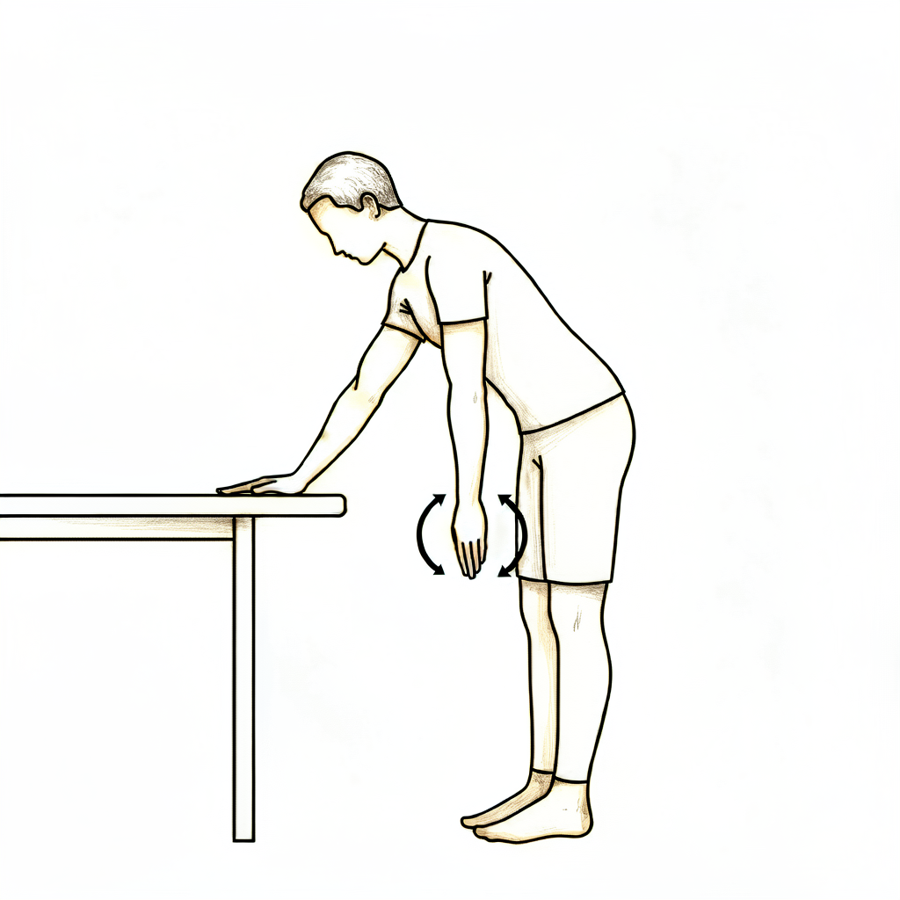
ஊசல் (pendulum) பயிற்சிகள்
மற்றொரு கையால் ஒரு மேசையில் ஊன்றிக்கொண்டு முன்னோக்கிக் குனியுங்கள்; அறுவை சிகிச்சை செய்த கையைத் தளர்வாகத் தொங்க விடுங்கள். உங்கள் உடலை மென்மையாக ஆட்டி, சிறிய வட்டங்களை வரையுங்கள் — கடிகாரத் திசையில், பின்னர் கடிகார எதிர்த் திசையில். கை முழுவதும் தளர்வாகவே இருக்க வேண்டும்; அசைவு தோள்பட்டையிலிருந்து அல்ல, உங்கள் உடலிலிருந்து வருகிறது.
உங்கள் இயன்முறை சிகிச்சையாளர் வழிகாட்டியபடி
Kieran Hirpara 4.0
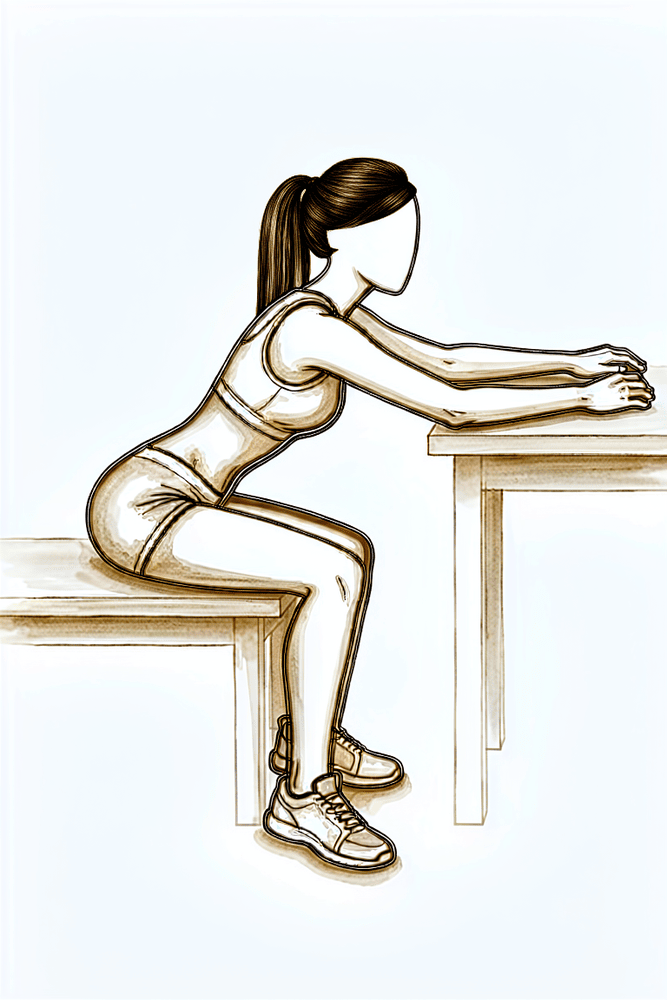
மேசையில் கையை நழுவவிடுதல்
ஒரு மேசையில் முன்கையை வைத்து அமருங்கள். மென்மையாக முன்னோக்கிச் சாயுங்கள், அப்போது உங்கள் கை மேசையின் மீது நழுவிச் செல்லும்; கையின் எடையை மேசை தாங்கட்டும். பின்னர் மீண்டும் நிமிர்ந்து அமருங்கள். வசதியான வரம்புக்குள்ளேயே இருங்கள், கையைத் தோள்பட்டை உயரத்துக்குக் கீழே வைத்திருங்கள்.
உங்கள் இயன்முறை சிகிச்சையாளர் வழிகாட்டியபடி
Kieran Hirpara 4.0
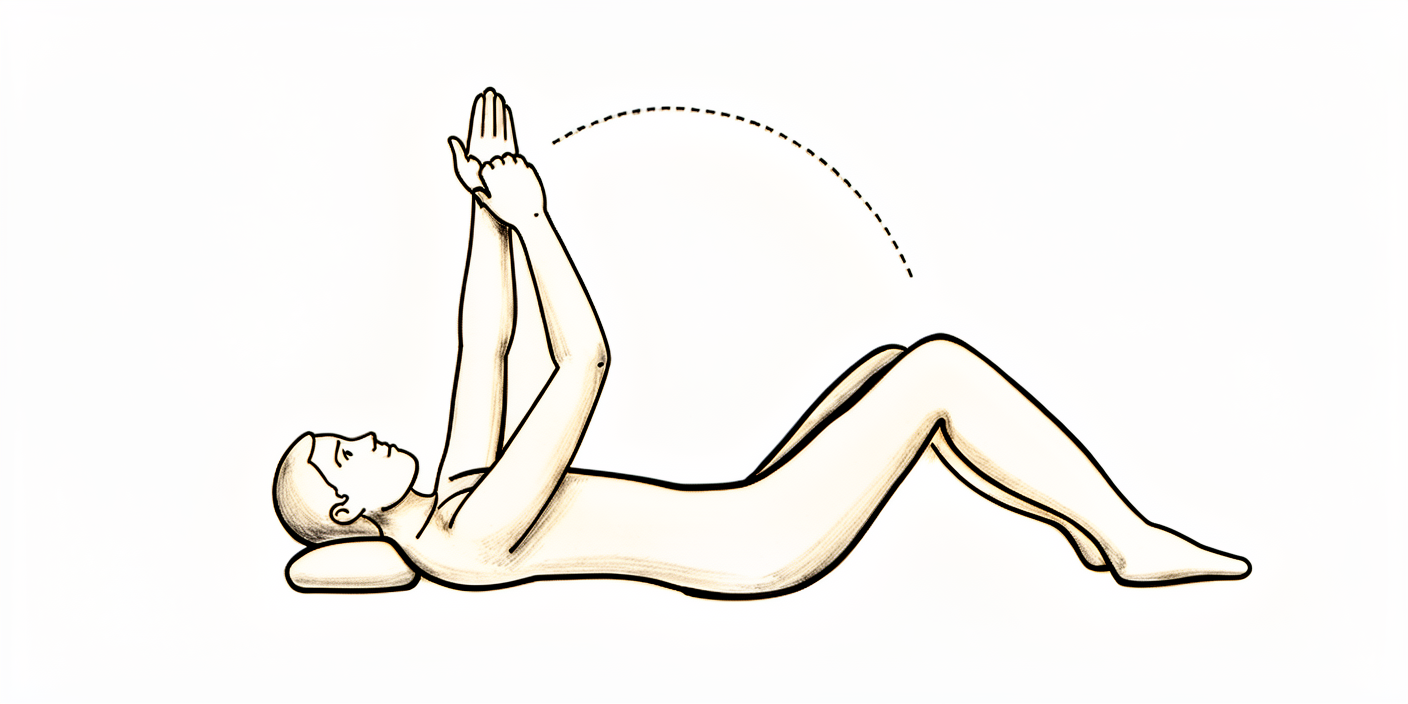
உதவியுடன் தோள்பட்டையை முன்னோக்கி உயர்த்தல் (படுத்த நிலையில்)
மல்லாந்து படுங்கள். மற்றொரு கையால் அறுவை சிகிச்சை செய்த கையை மணிக்கட்டில் தாங்கிப் பிடித்து, அதை மென்மையாக முன்னோக்கி அதிகபட்சம் 90 டிகிரி வரை — கூரையை நோக்கிச் சுட்டும் அளவு, அதற்கு மேல் அல்ல — உயர்த்தி, பின்னர் இறக்குங்கள். அறுவை சிகிச்சை செய்த கை தளர்வாகவே இருக்கும்; வேலையை உங்கள் மற்றொரு கை செய்கிறது. ஆறு வார மறுபரிசோதனையில் அனுமதி கிடைக்கும் வரை 90 டிகிரிக்கு மேல் செல்ல வேண்டாம்.
உங்கள் இயன்முறை சிகிச்சையாளர் வழிகாட்டியபடி
Kieran Hirpara 4.0
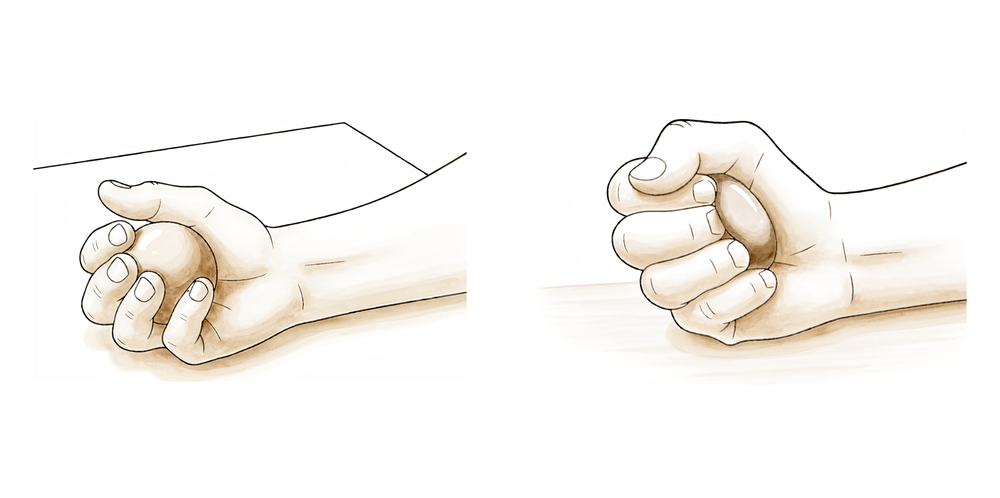
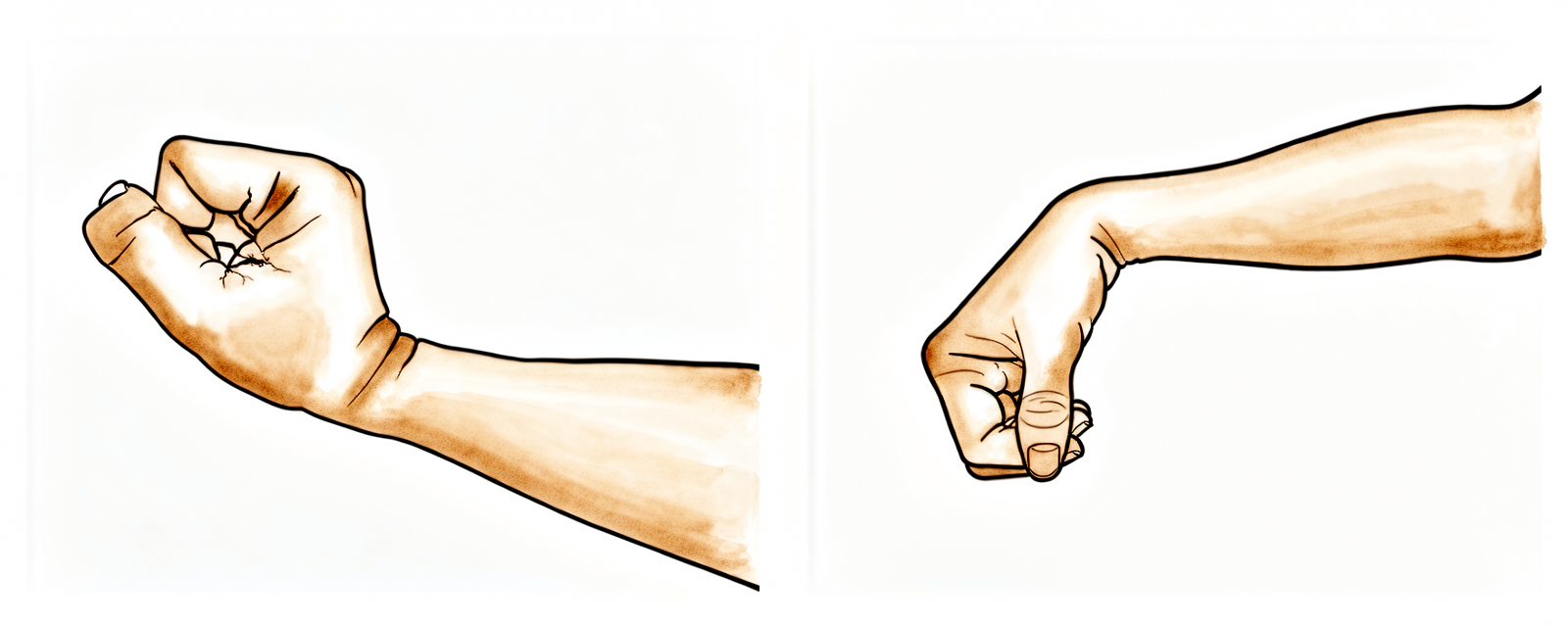
பந்தை அழுத்துதல்
கைக்கு ஆதரவு கொடுத்தபடி, ஒரு மெத்தென்ற பந்தை அழுத்துங்கள் அல்லது கையை இறுக்கி முஷ்டியாக்குங்கள்; பின்னர் கையை முழுமையாக விரியுங்கள். தொடக்கத்திலிருந்தே உங்கள் விரல்கள், மணிக்கட்டு, கை ஆகியவற்றை அசைத்துக்கொண்டே இருங்கள்.
உங்கள் இயன்முறை சிகிச்சையாளர் வழிகாட்டியபடி
Kieran Hirpara 4.0
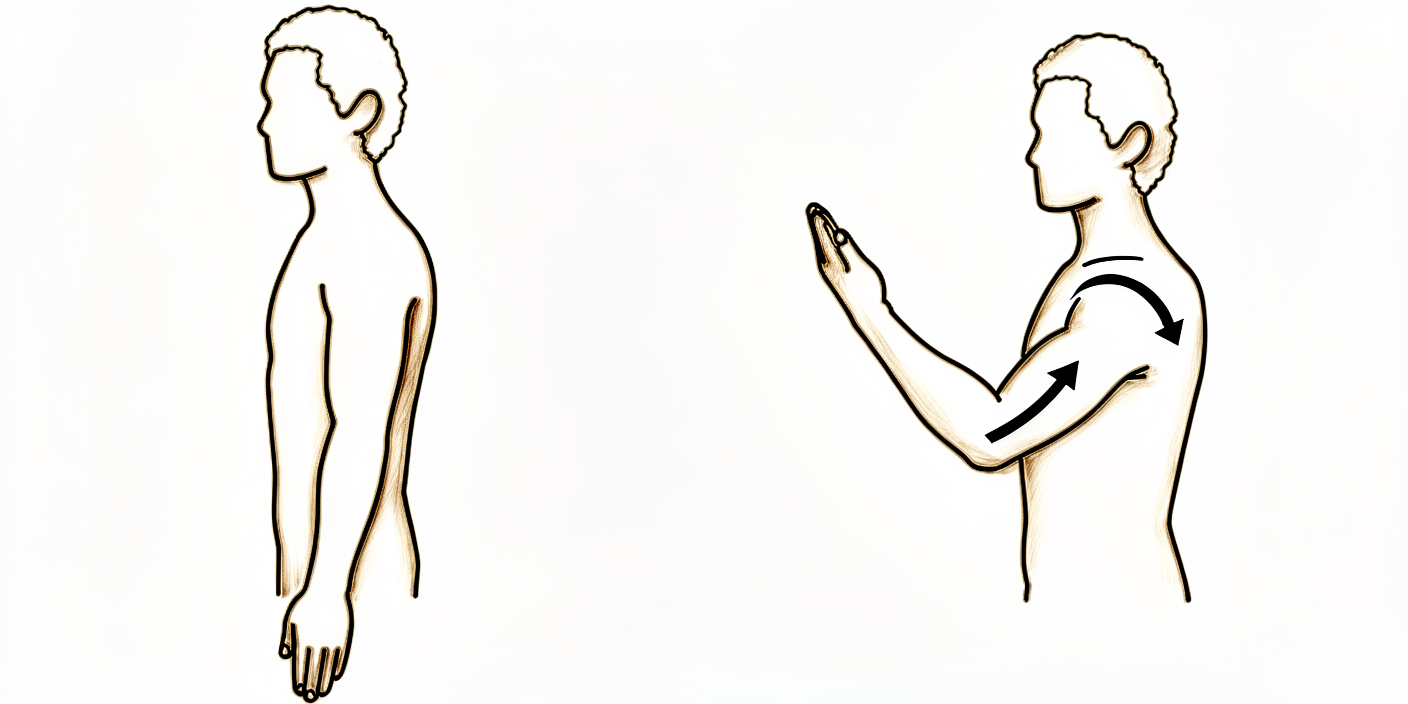
மணிக்கட்டு அசைவு
கையைக் கைத்தாங்கியிலிருந்து வெளியே எடுத்து ஆதரவுடன் வைத்தபடி, மணிக்கட்டை முன்னோக்கியும் பின்னோக்கியும் பக்கவாட்டிலும் வளைத்து அசைத்துக்கொண்டே இருங்கள். தோள்பட்டை பாதுகாக்கப்படும் காலத்தில், தொடக்கத்திலிருந்தே மணிக்கட்டை இயங்க வைப்பது விறைப்பைத் தடுக்கிறது.
உங்கள் இயன்முறை சிகிச்சையாளர் வழிகாட்டியபடி
Kieran Hirpara 4.0
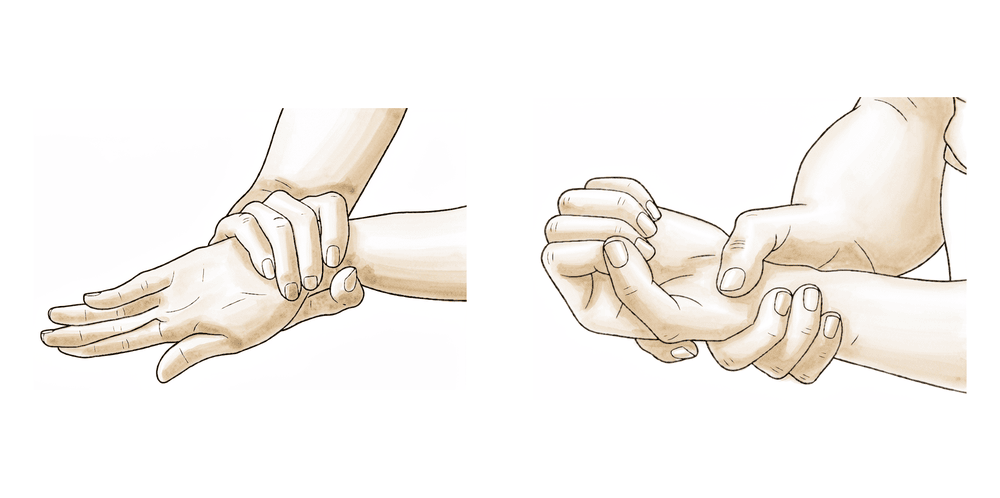
முழங்கையை மடக்குதல்
மேற்கையை உடலின் பக்கத்தில் ஆதரவுடன் ஓய்வாக வைத்தபடி, முழங்கையை வசதியாக முடிந்த அளவு மடக்கி, பின்னர் முழுமையாக நீட்டுங்கள். முழங்கை மட்டுமே அசைய வேண்டும் — தோள்பட்டையைத் தளர்வாக வைத்திருங்கள். காறை எலும்பு பாதுகாக்கப்படும் காலத்தில் இது முழங்கையை இறுக்கமின்றி வைத்திருக்கிறது.
உங்கள் இயன்முறை சிகிச்சையாளர் வழிகாட்டியபடி
Kieran Hirpara 4.0
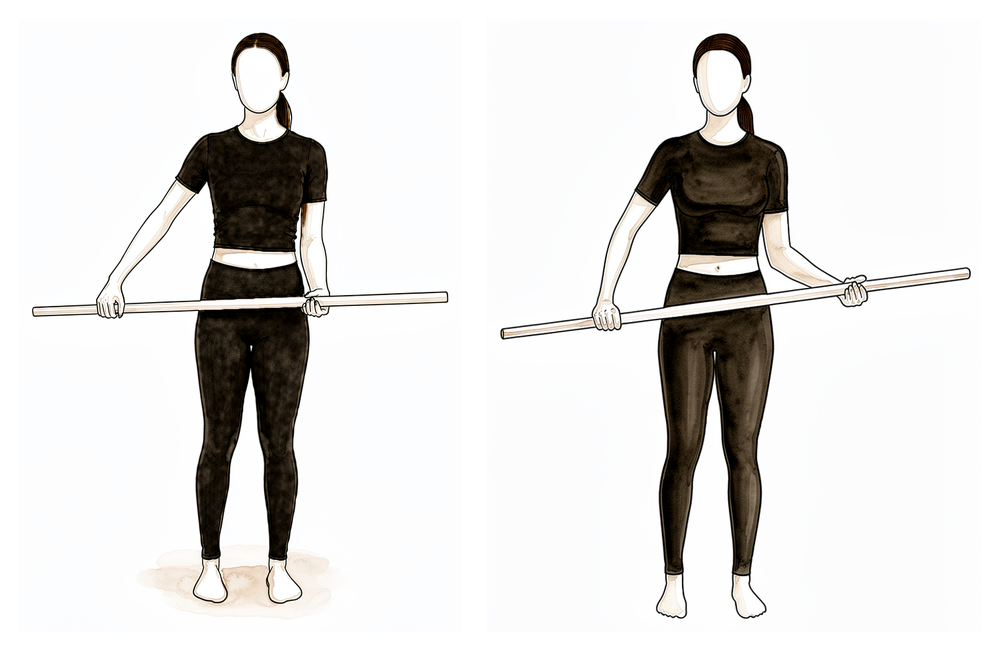
முன்கைச் சுழற்சி
முழங்கையை உடலின் பக்கத்தில் ஒட்டி வைத்து, செங்கோணத்தில் மடக்கி, உள்ளங்கையை மேல்நோக்கித் திருப்புங்கள், பின்னர் கீழ்நோக்கித் திருப்புங்கள். மேற்கையை அசையாமல் வைத்திருங்கள், அப்போது முன்கை மட்டுமே சுழலும். இரண்டாவது வாரத்திலிருந்து உங்கள் இயன்முறை சிகிச்சையாளர் இதற்கு மென்மையான எதிர்ப்பைச் சேர்க்கலாம்.
உங்கள் இயன்முறை சிகிச்சையாளர் வழிகாட்டியபடி
Kieran Hirpara 4.0
குச்சி உதவியுடன் வெளிப்புறச் சுழற்சி
மல்லாந்து படுங்கள்; அறுவை சிகிச்சை செய்த பக்க முழங்கையை உடலின் பக்கத்தில் ஒட்டி வைத்து, செங்கோணத்தில் மடக்குங்கள். இரு கைகளிலும் ஒரு குச்சியைப் பிடித்து, நல்ல கையால் அறுவை சிகிச்சை செய்த கையை மென்மையாக வெளிப்புறமாகத் திருப்பி, தோள்பட்டையைச் சுழற்றுங்கள்; பின்னர் திரும்பி வாருங்கள். முழங்கையை உடலின் பக்கத்திலேயே ஒட்டி வைத்திருங்கள் — இது உதவியுடன் செய்யும் அசைவு, வலுக்கட்டாயமாகச் செய்வதல்ல.
உங்கள் இயன்முறை சிகிச்சையாளர் வழிகாட்டியபடி
Kieran Hirpara 4.0
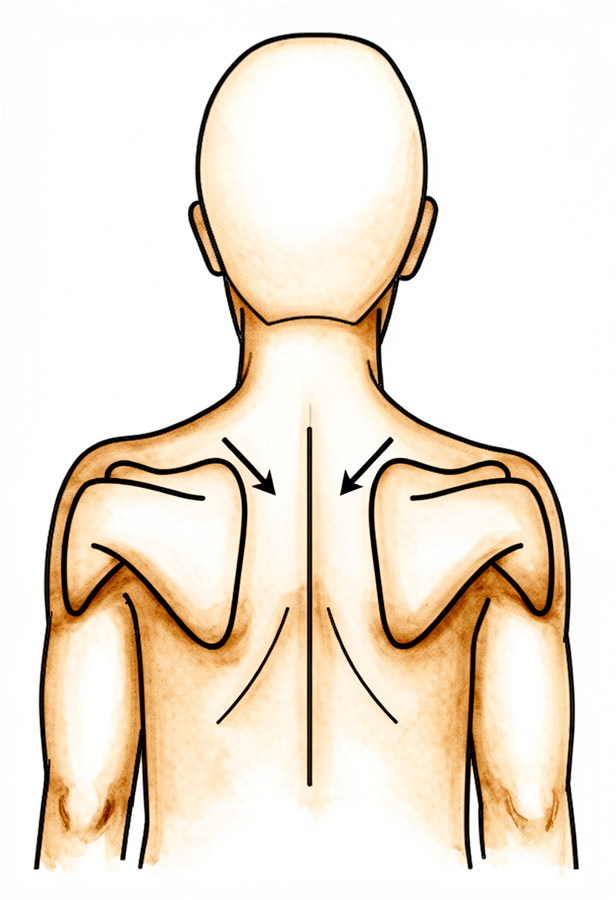
தோள்பட்டை எலும்பை நிலைப்படுத்துதல் (scapular setting)
நிமிர்ந்து அமர்ந்தோ நின்றோ, உங்கள் தோள்பட்டை எலும்புகளைப் பின்னோக்கி ஒன்றாகவும், காதுகளிலிருந்து விலகிக் கீழ்நோக்கியும் மென்மையாக இழுங்கள். சில விநாடிகள் பிடித்து, பின்னர் தளர்த்துங்கள். குணமடையும் காறை எலும்பை அசைக்காமலேயே, இது தோள்பட்டை எலும்புத் தசைகளை இயக்கத்தில் வைத்திருக்கிறது.
உங்கள் இயன்முறை சிகிச்சையாளர் வழிகாட்டியபடி
Kieran Hirpara 4.0
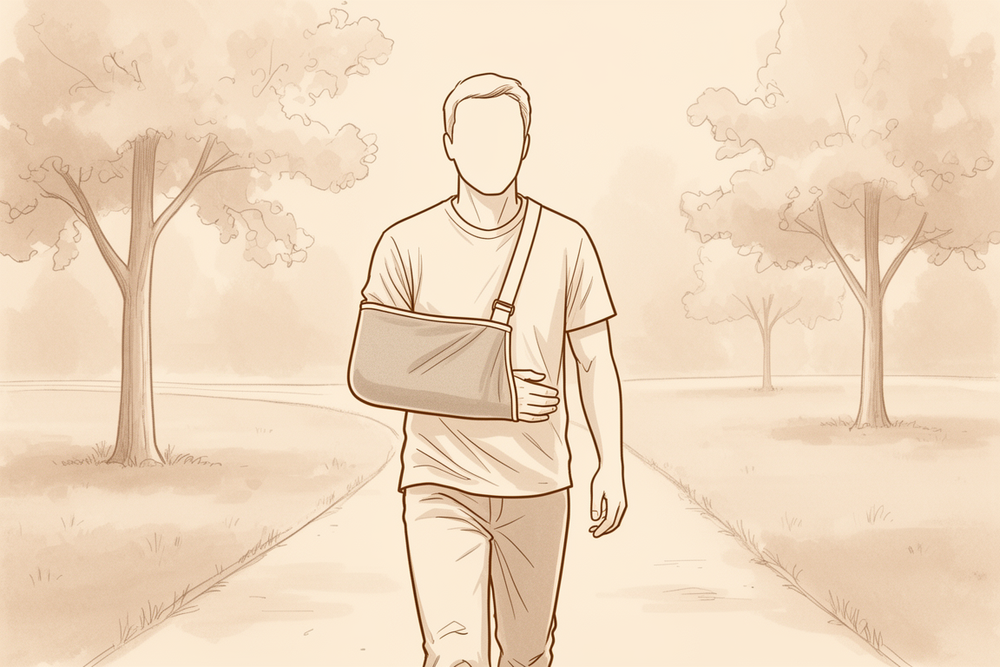
கையைக் கைத்தாங்கியில் வைத்தபடி நடத்தல்
அறுவை சிகிச்சை செய்த கையைக் கைத்தாங்கியில் ஓய்வாக வைத்தபடி நடந்து, மென்மையான இதயம்–நுரையீரல் பயிற்சியைத் தொடருங்கள். எலும்பு முறிவு பாதுகாக்கப்படும் காலத்தில் இது உங்கள் பொதுவான உடல் தகுதியைப் பராமரிக்கிறது.
உங்கள் இயன்முறை சிகிச்சையாளர் வழிகாட்டியபடி
எலும்பு முறிவு ஒட்டத் தொடங்கும்போது நிலைநிறுத்தலைப் பாதுகாப்பதே முதல் வாரங்களின் நோக்கம். நீங்கள் கைத்தாங்கியில் இருப்பீர்கள், ஐஸ் மூலம் வீக்கத்தைக் கட்டுப்படுத்துவீர்கள், கையின் மற்றப் பகுதிகளை அசைத்துக்கொண்டே இருக்கச் செய்யும் மென்மையான பயிற்சிகளைச் செய்வீர்கள்: கை, மணிக்கட்டு, முழங்கை, கழுத்து — அத்துடன் ஊசல் (pendulum) பயிற்சிகளும், தோள்பட்டை உயரத்துக்குக் கீழே உதவியுடன் செய்யும் மென்மையான தோள்பட்டை அசைவும். மிக முக்கியமான விதிகள்: முழங்கையைத் தோள்பட்டை உயரத்துக்கு மேல் தூக்க வேண்டாம், அறுவை சிகிச்சை செய்த கையால் எதையும் தூக்கவோ சுமக்கவோ வேண்டாம், கையை ஊன்றி மேலெழுந்து தள்ள வேண்டாம், ஆறு வாரங்களுக்கு (இது எந்தத் தோள்பட்டை அறுவை சிகிச்சைக்கும் பொருந்தும்) அல்லது கைத்தாங்கி அணிந்திருக்கும்போது வாகனம் ஓட்ட வேண்டாம்.
உங்கள் இயன்முறை சிகிச்சையாளருக்கு:
இலக்குகள்
- நிலைநிறுத்தலையும், குணமடையும் எலும்பையும் மென்திசுவையும் பாதுகாத்தல்
- வலியையும் வீக்கத்தையும் தணித்தல்
- 90° உயர்த்தலுக்குக் கீழே பிறர் அசைக்கும் தோள்பட்டை அசைவு வரம்பை மீட்டெடுத்தல்
- முழங்கை, மணிக்கட்டு, கை, கழுத்து ஆகியவற்றின் முழு அசைவு வரம்பைப் பராமரித்தல்
சிகிச்சை மேலாண்மை
- தேவைக்கேற்பக் குளிர்ச் சிகிச்சையும் (cryotherapy) பிற சிகிச்சை முறைகளும்; பயிற்சிகளுக்கும் அமர்வுகளுக்கும் முன் வலி நிவாரணி
- கைத்தாங்கி சரியாகப் பொருந்துகிறதா எனப் பார்த்தல்; கைத்தாங்கியின் பயன்பாடு (குறிப்பாக வீட்டை விட்டு வெளியே செல்லும்போது பாதுகாப்புக்காக அணிதல்; கிளினிக்கின் வழக்கப்படி இரவு முழுவதும் தேவையில்லை) மற்றும் உடல் நிலை குறித்துக் கற்பித்தல்
- ஊசல் பயிற்சிகளும் மேசையில் கையை நழுவவிடுதலும்
- பிறர் அசைக்கும் அசைவு வரம்பு (PROM): தோள்பட்டை எலும்புத் தளத்தில் வசதிக்கு ஏற்ப வெளிப்புற மற்றும் உட்புறச் சுழற்சி; முன்னோக்கி உயர்த்தல் / ஸ்கேப்ஷன் (scaption) / பக்கவாட்டு உயர்த்தல் (abduction) அதிகபட்சம் 90° வரை
- உதவியுடன் கூடிய சுய அசைவு வரம்பு (AAROM): நடுநிலையில் குச்சி உதவியுடன் வெளிப்புறச் சுழற்சி; மல்லாந்து படுத்து உதவியுடன் 90° வரை முன்னோக்கி உயர்த்தல்
- சுய அசைவு வரம்பு (AROM): முழங்கை, மணிக்கட்டு, கை, கழுத்து முதுகெலும்பு; பிடிப் பயிற்சி (பந்தை அழுத்துதல்)
- 2-ஆம் வாரத்திலிருந்து: எதிர்ப்புடன் மணிக்கட்டை மடக்குதல்/நீட்டுதல் மற்றும் முன்கைச் சுழற்சி; மென்மையான தோள்பட்டை எலும்பை நிலைப்படுத்துதலும் பின்னிழுத்தலும்
- இதயம்–நுரையீரல் பயிற்சி: கையைக் கைத்தாங்கியில் வைத்தபடி நடத்தல்; கையைக் கைத்தாங்கியில் வைத்தபடி நிலையான அல்லது சாய்வு இருக்கை மிதிவண்டி
முன்னெச்சரிக்கைகள்
- சுயமாகத் தோள்பட்டையை உயர்த்தக் கூடாது
- 90°-க்கு மேல் தோள்பட்டையை முன்னோக்கி உயர்த்தவோ பக்கவாட்டில் உயர்த்தவோ கூடாது — பிறர் அசைத்தாலும் கூடாது
- அறுவை சிகிச்சை செய்த கையால் எதையும் தூக்கவோ சுமக்கவோ கூடாது; கையின் வழியாக உடல் எடையைத் தாங்கக் கூடாது
- ஆறு வாரங்களுக்கு வாகனம் ஓட்டக் கூடாது (இது எந்தத் தோள்பட்டை அறுவை சிகிச்சைக்கும் பொருந்தும்); கைத்தாங்கி அணிந்திருக்கும்போதும் ஓட்டக் கூடாது
அடுத்த கட்டத்துக்குச் செல்வதற்கான அளவுகோல்கள்
- பிறர் அசைக்கும் முன்னோக்கி உயர்த்தல்/ஸ்கேப்ஷன் 90° வரையும், வெளிப்புறச் சுழற்சி சுமார் 30° வரையும் வசதியாக இருத்தல்
- ஓய்வில் வலி 4/10-க்குக் கீழே தணிந்திருத்தல்
- முழங்கை, மணிக்கட்டு, கை ஆகியவற்றின் முழுச் சுய அசைவு வரம்பு
- காயம் ஆறியிருத்தல், சிக்கலின் அறிகுறிகள் எதுவும் இல்லாதிருத்தல்
கட்டம் II — ஆரம்பகால அசைவு (வாரம் 3–6)
Kieran Hirpara 4.0
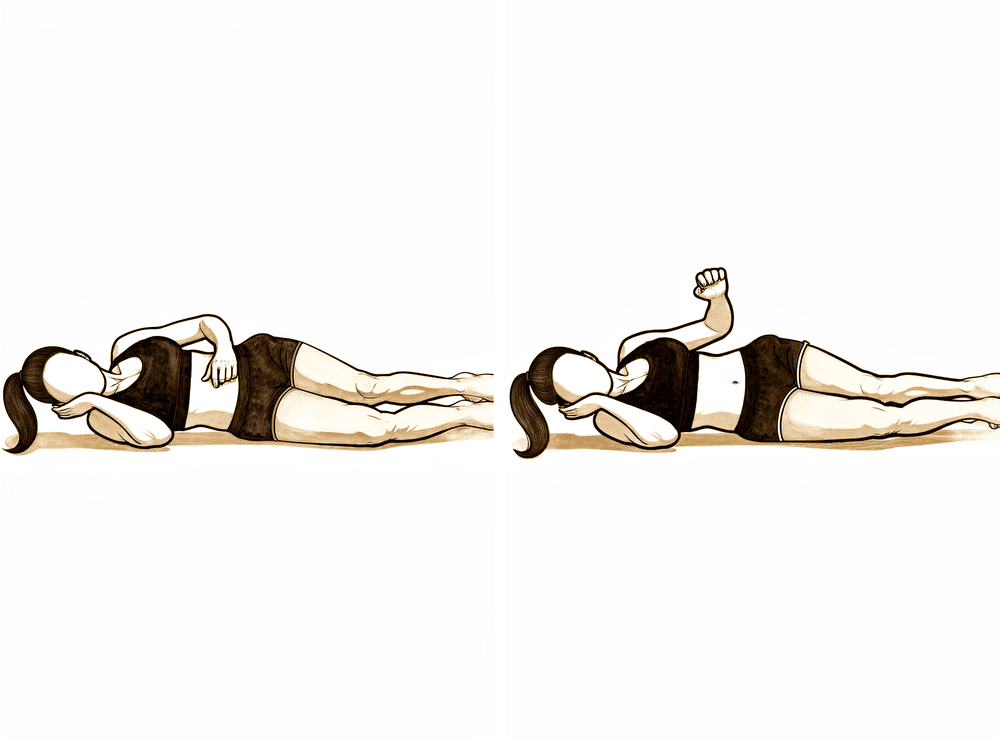
பக்கவாட்டில் படுத்து வெளிப்புறச் சுழற்சி
அறுவை சிகிச்சை செய்யாத பக்கமாகப் படுங்கள்; அறுவை சிகிச்சை செய்த கை மேலே இருக்கட்டும், முழங்கையை 90 டிகிரியில் மடக்கி உடலோடு ஒட்டி வையுங்கள். முழங்கையை உள்ளேயே வைத்தபடி, முன்கையை வயிற்றிலிருந்து விலகி மேல்நோக்கி வசதியாக முடிந்த அளவு சுழற்றி, பின்னர் கட்டுப்பாட்டுடன் இறக்குங்கள். இந்தக் கட்டத்தில் எடைகள் கூடாது — கை தன் சொந்த சக்தியால் மட்டுமே அசைகிறது.
உங்கள் இயன்முறை சிகிச்சையாளர் வழிகாட்டியபடி
Kieran Hirpara 4.0
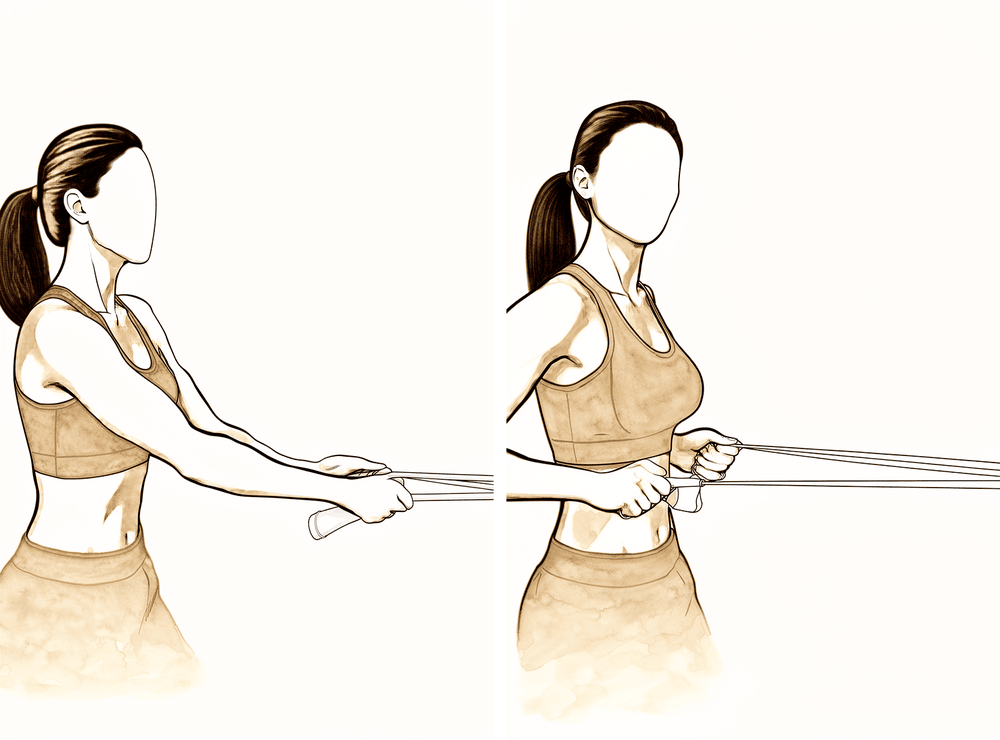
எலாஸ்டிக் பட்டையுடன் தாழ்வான இழுப்பு (low row)
உங்களுக்கு முன்னால் இடுப்பு உயரத்தில் ஒரு எலாஸ்டிக் பட்டையைக் கட்டுங்கள். நிமிர்ந்து நின்று, பட்டையை உங்களை நோக்கி இழுத்து, தோள்பட்டை எலும்பை மென்மையாகக் கீழ்நோக்கியும் பின்னோக்கியும் இழுங்கள்; பின்னர் கட்டுப்பாட்டுடன் விடுவியுங்கள். எதிர்ப்பை இலகுவாக வைத்திருங்கள்.
உங்கள் இயன்முறை சிகிச்சையாளர் வழிகாட்டியபடி
Kieran Hirpara 4.0
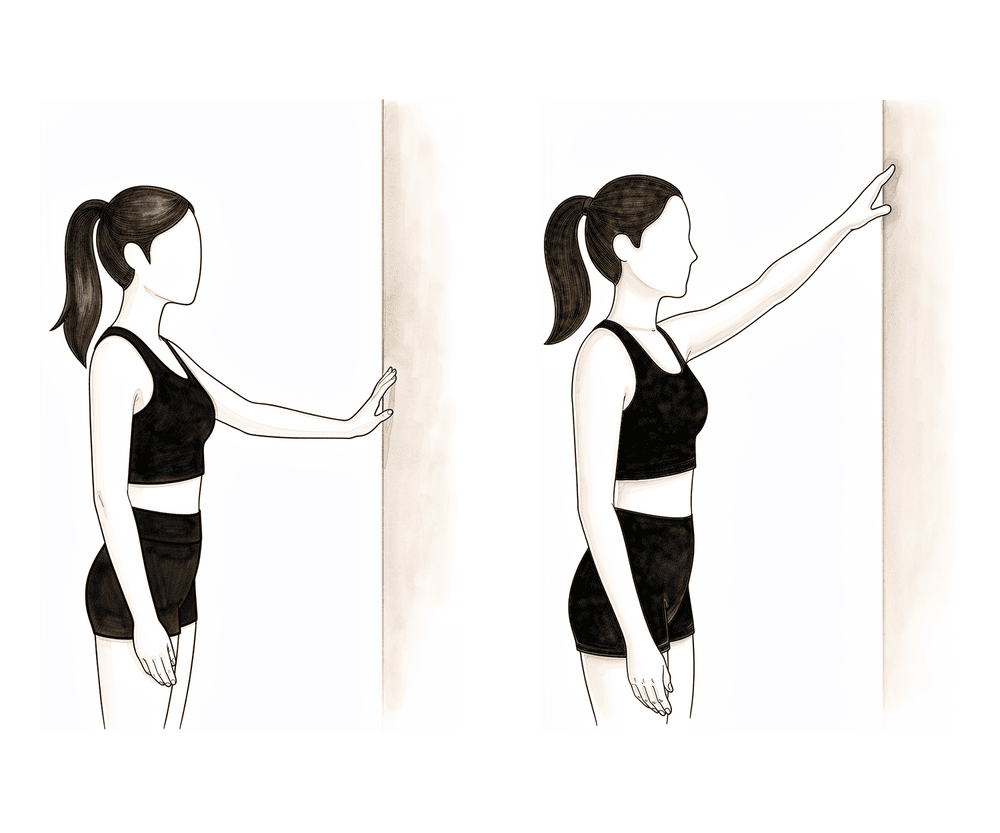
சுவரில் கையை நகர்த்துதல் (விரல்களால் நடத்தல்)
ஒரு சுவரை நோக்கி நின்று, உங்கள் விரல்களை அதன் மீது வையுங்கள். விரல்களைச் சுவரில் மேல்நோக்கி நடத்திக் கையை உயர்த்துங்கள்; எடையின் ஒரு பகுதியைச் சுவர் தாங்கட்டும். பின்னர் விரல்களை மீண்டும் கீழ்நோக்கி நடத்துங்கள். இந்தக் கட்டத்தில் கையைத் தோள்பட்டை உயரத்துக்குக் கீழே வைத்திருங்கள் — உதவுவது சுவர்தான், அதனால் இது மென்மையாகவே இருக்கும்.
உங்கள் இயன்முறை சிகிச்சையாளர் வழிகாட்டியபடி
Kieran Hirpara 4.0
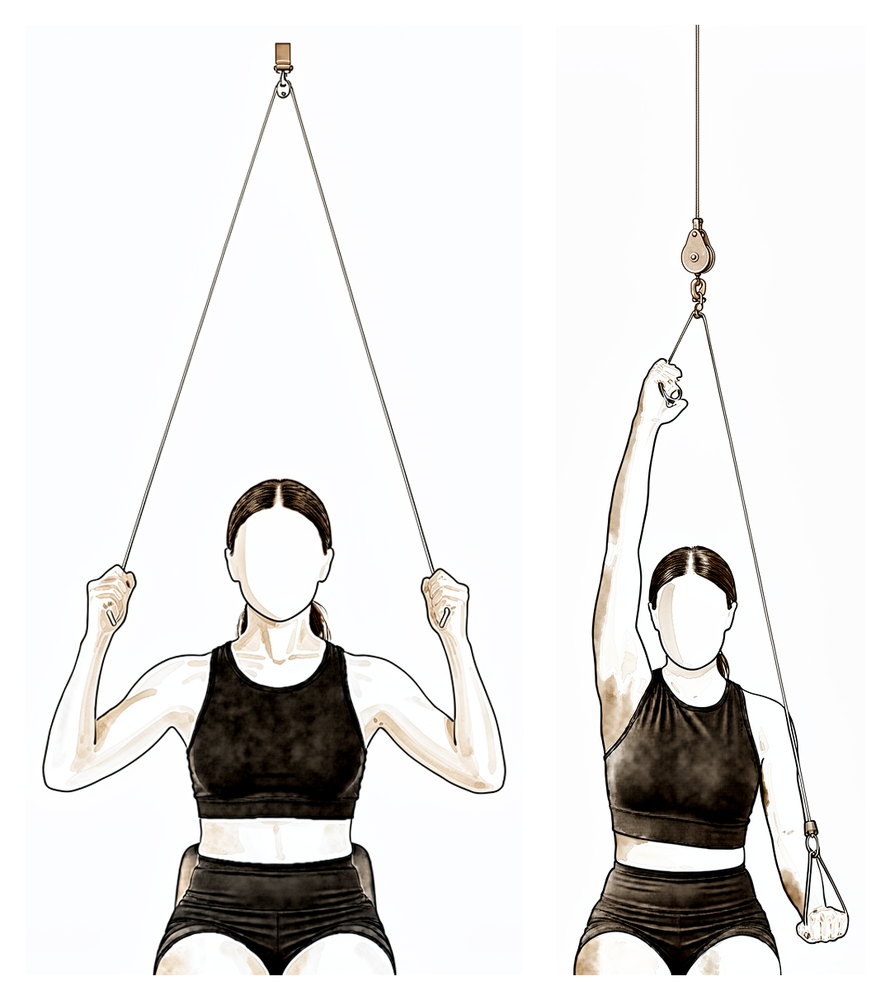
கதவின் மேல் பொருத்தும் கப்பி (over-door pulley)
கதவின் மேல் பொருத்தப்பட்ட கப்பிக்குக் கீழே அமர்ந்து, ஒவ்வொரு கையிலும் ஒரு கைப்பிடியைப் பிடியுங்கள். நல்ல கையால் கீழ்நோக்கி இழுத்து, அறுவை சிகிச்சை செய்த கையை வசதியாக முடிந்த அளவு உயர்த்துங்கள்; பின்னர் மெதுவாக இறக்குங்கள். இப்போதைக்கு மென்மையான வரம்புக்குள், தோள்பட்டை உயரத்துக்குக் கீழேயே வைத்திருங்கள் — வேலையைச் செய்வது நல்ல கைதான்.
உங்கள் இயன்முறை சிகிச்சையாளர் வழிகாட்டியபடி
Kieran Hirpara 4.0
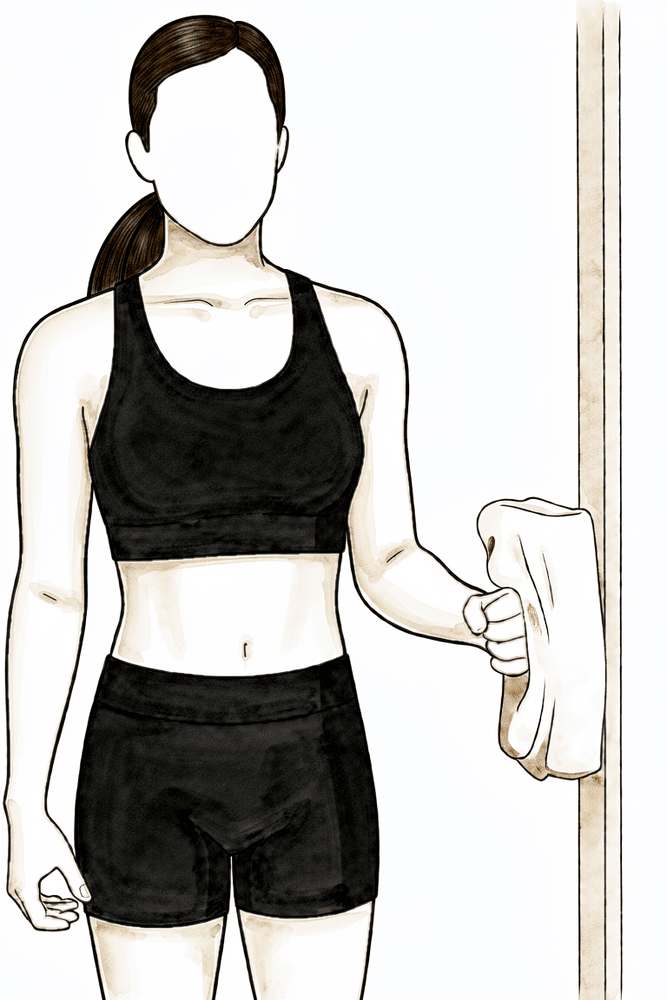
ஐசோமெட்ரிக் (isometric) வெளிப்புறச் சுழற்சி
முழங்கையை உடலின் பக்கத்தில் ஒட்டி வைத்து, செங்கோணத்தில் மடக்கி, புறங்கையை ஒரு சுவரிலோ கதவுச் சட்டத்திலோ வைத்து நில்லுங்கள். கை அசையாமல் இருக்கும்படி மென்மையாக வெளிப்புறமாக அழுத்துங்கள்; சில விநாடிகள் பிடித்து, பின்னர் தளர்த்துங்கள். தோள்பட்டையை அசைக்காமலேயே இது சுழற்சி தசைநாண் பட்டையை விழிப்பூட்டுகிறது.
உங்கள் இயன்முறை சிகிச்சையாளர் வழிகாட்டியபடி
Kieran Hirpara 4.0
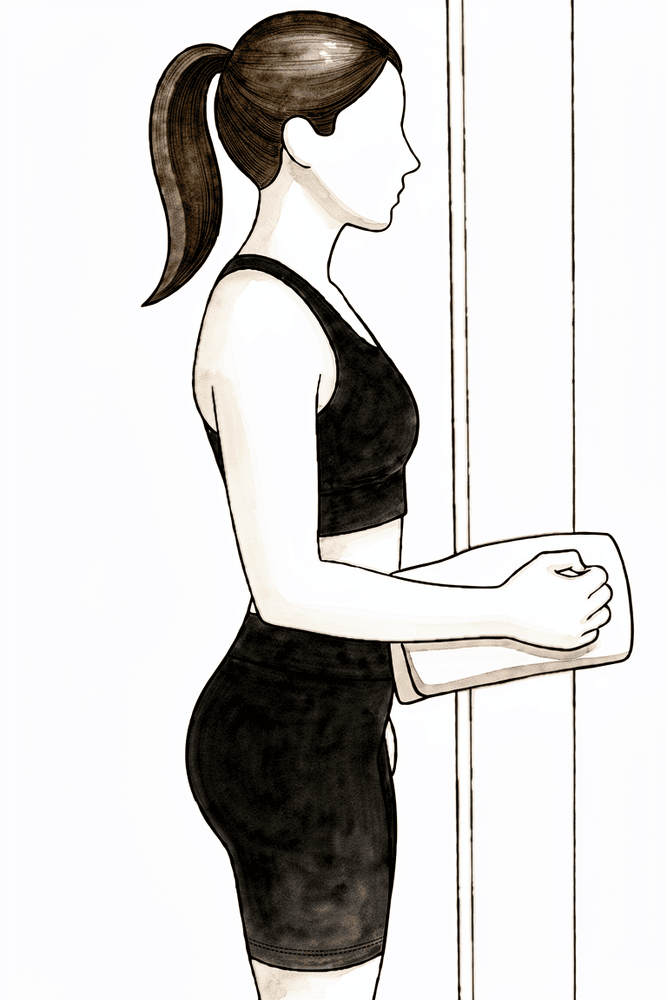
ஐசோமெட்ரிக் (isometric) உட்புறச் சுழற்சி
முழங்கையை உடலின் பக்கத்தில் ஒட்டி வைத்து, செங்கோணத்தில் மடக்கி, உள்ளங்கையை ஒரு சுவரிலோ கதவுச் சட்டத்திலோ வைத்து நில்லுங்கள். கை அசையாமல் இருக்கும்படி மென்மையாக உட்புறமாக அழுத்துங்கள்; சில விநாடிகள் பிடித்து, பின்னர் தளர்த்துங்கள். சுழற்சி தசைநாண் பட்டையை இயக்கத்துக்குக் கொண்டுவரத் தொடங்குவதற்கு இது ஒரு மென்மையான வழி.
உங்கள் இயன்முறை சிகிச்சையாளர் வழிகாட்டியபடி
Kieran Hirpara 4.0
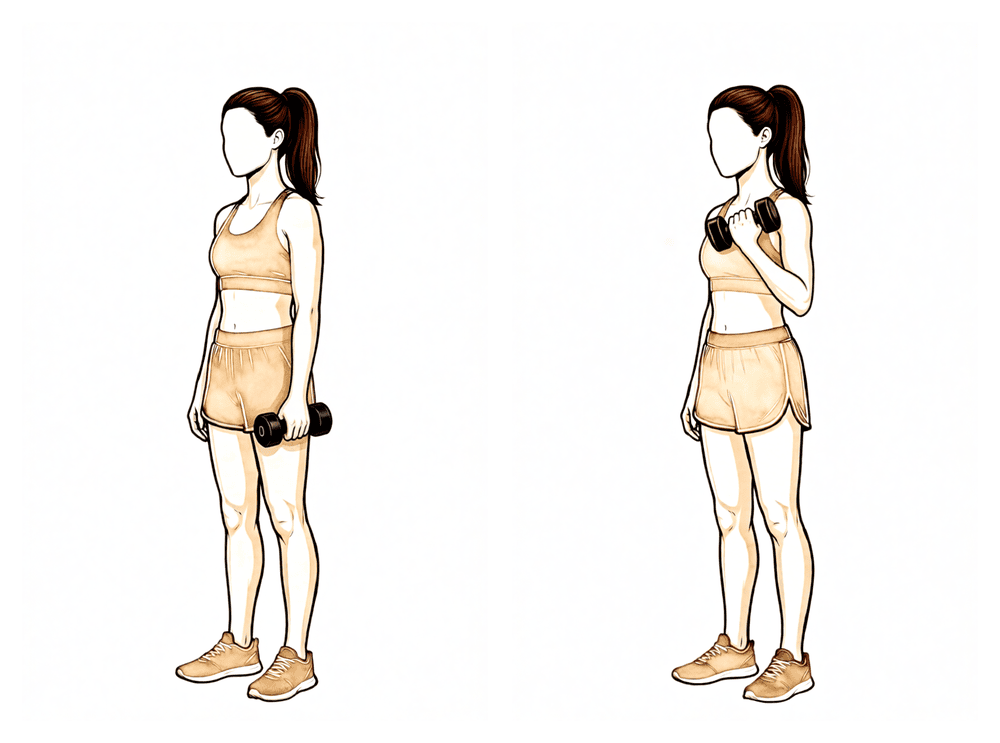
பைசெப்ஸ் கர்ல் (biceps curl)
மேற்கையை உடலின் பக்கத்தில் வைத்தபடி, முழங்கையை மடக்கி ஒரு இலகுவான எடையை உங்கள் தோள்பட்டையை நோக்கி உயர்த்தி, பின்னர் கட்டுப்பாட்டுடன் இறக்குங்கள். சுமையை இலகுவாக வைத்திருங்கள் — இது மென்மையான கை உடற்பயிற்சி, கனமான எடை தூக்குதல் அல்ல.
உங்கள் இயன்முறை சிகிச்சையாளர் வழிகாட்டியபடி
எலும்பு முறிவு ஒட்டத் தொடங்கியிருக்கிறது, ஆனால் இன்னும் குணமாகவில்லை: இந்தக் கட்டம் வலிமையை அல்ல, அசைவை மீட்டெடுக்கிறது. வசதி அனுமதிக்கும்படி கைத்தாங்கி படிப்படியாகக் குறைக்கப்படுகிறது; பிறர் அசைக்கும் மற்றும் உதவியுடன் கூடிய அசைவு வரம்பு முழுமையை நோக்கி முன்னேறுகிறது; தோள்பட்டை உயரத்துக்குக் கீழே கையை நீங்களே சுயமாக அசைக்கத் தொடங்குவீர்கள், அத்துடன் மென்மையான தசை விழிப்பூட்டல் (ஐசோமெட்ரிக், isometric) பயிற்சிகளும் சேர்கின்றன. நீங்கள் தூக்குவதோ சுமப்பதோ ஒரு கோப்பைக் காபியின் எடையைத் தாண்டக் கூடாது; வலுக்கட்டாயமான எந்த நீட்சியையும் தவிருங்கள். சுமார் ஆறு வாரங்களில் ஒரு எக்ஸ்-ரேயுடனும் டாக்டர் ஹிர்பராவுடனான ஒரு மறுபரிசோதனையுடனும் இந்தக் கட்டம் முடிகிறது; வலுப்படுத்துதலுக்கும் தோள்பட்டை உயரத்துக்கு மேலான அசைவுக்குமான வாயிலைத் திறப்பது நாட்காட்டி மட்டுமல்ல, அந்த மறுபரிசோதனையே.
உங்கள் இயன்முறை சிகிச்சையாளருக்கு:
இலக்குகள்
- கைத்தாங்கியைப் படிப்படியாகக் குறைத்து நிறுத்துதல் (சுமார் 6-ஆம் வாரத்துக்குள் முற்றிலும் விடப்படுகிறது)
- எல்லாத் தளங்களிலும் பிறர் அசைக்கும் அசைவு வரம்பை முழுமையை நோக்கி முன்னேற்றுதல்
- நல்ல இயக்கவியலுடன் 90°-க்குக் கீழே சுய அசைவு வரம்பை நிலைநாட்டுதல்
- மென்மையான ஐசோமெட்ரிக் மற்றும் தோள்பட்டை எலும்பைச் சுற்றியுள்ள தசைப் பயிற்சிகளைத் தொடங்குதல்
சிகிச்சை மேலாண்மை
- பிறர் அசைக்கும் அசைவு வரம்பு (PROM): தாங்கக்கூடிய அளவுக்கு, எல்லாத் தளங்களிலும் முழு வரம்பை நோக்கி முன்னேற்றுதல்; வலுக்கட்டாயமான நீட்சி கூடாது
- உதவியுடன் கூடிய சுய அசைவு வரம்பு (AAROM): மல்லாந்து படுத்துக் குச்சியுடன் முன்னோக்கி உயர்த்தல், படிப்படியாக நிமிர்ந்த நிலைக்கு முன்னேறுதல் (lawn-chair progression); சுவரிலும் கைப்பிடியிலும் கைகளை நகர்த்துதல்; கப்பிகள்
- சுய அசைவு வரம்பு (AROM): 90°-க்குக் கீழே உயர்த்தல், வலியில்லாமல்; மல்லாந்து படுத்து முன்னோக்கி உயர்த்தல், படிப்படியாக நின்ற நிலைக்கு முன்னேறுதல்; அமர்ந்தும் பக்கவாட்டில் படுத்தும் வெளிப்புறச் சுழற்சி
- நடுநிலையில் ஐசோமெட்ரிக் சுழற்சி தசைநாண் பட்டைப் (rotator cuff) பயிற்சி; இலகுவான தோள்பட்டை எலும்பைச் சுற்றியுள்ள தசை வலுப்படுத்துதல் (தோள்பட்டை எலும்பைப் பின்னிழுத்தல், தாழ்வான இழுப்பு, நடு இழுப்பு); இலகுவான பைசெப்ஸ் மற்றும் டிரைசெப்ஸ் பயிற்சி
- ஈடுசெய்யும் அசைவு முறைகளைக் கண்காணித்தல் (தோள்பட்டையைக் காதை நோக்கித் தூக்குதல், தோள்பட்டை எலும்பால் ஈடுகட்டுதல்)
- இதயம்–நுரையீரல் பயிற்சி: நடத்தல்; நிலையான மிதிவண்டி
முன்னெச்சரிக்கைகள்
- சுமார் ஒரு கோப்பைக் காபியின் எடையைவிட அதிகமான எதையும் தூக்கவோ சுமக்கவோ கூடாது
- ஆறு வார மறுபரிசோதனையில் எலும்பு முறிவு குணமடைவது உறுதிப்படுத்தப்படும் வரை, 90°-க்கு மேல் சுயமாக உயர்த்தக் கூடாது
- தோள்பட்டையை வலுக்கட்டாயமாக நீட்டக் கூடாது; வலியைத் தூண்டும் நிலைகளும் கூடாது
- கையின் வழியாக உடல் எடையைத் தாங்கக் கூடாது
- ஆறு வாரங்களுக்கு வாகனம் ஓட்டக் கூடாது (இது எந்தத் தோள்பட்டை அறுவை சிகிச்சைக்கும் பொருந்தும்); கைத்தாங்கி அணிந்திருக்கும்போதும் ஓட்டக் கூடாது
அடுத்த கட்டத்துக்குச் செல்வதற்கான அளவுகோல்கள்
- முழு, அல்லது கிட்டத்தட்ட முழு, பிறர் அசைக்கும் அசைவு வரம்பு
- மிகக் குறைந்த ஈடுசெய்தலுடன் 90° வரை சுயமாக உயர்த்தல், வலி 4/10-க்குக் கீழே
- எக்ஸ்-ரேயில் எலும்பு முறிவு திருப்திகரமாகக் குணமடைந்திருத்தல் — டாக்டர் ஹிர்பராவுடனான மறுபரிசோதனையில் உறுதிப்படுத்தப்பட்டபடி
கட்டம் III — வலுப்படுத்துதல் (வாரம் 6–12)
Kieran Hirpara 4.0
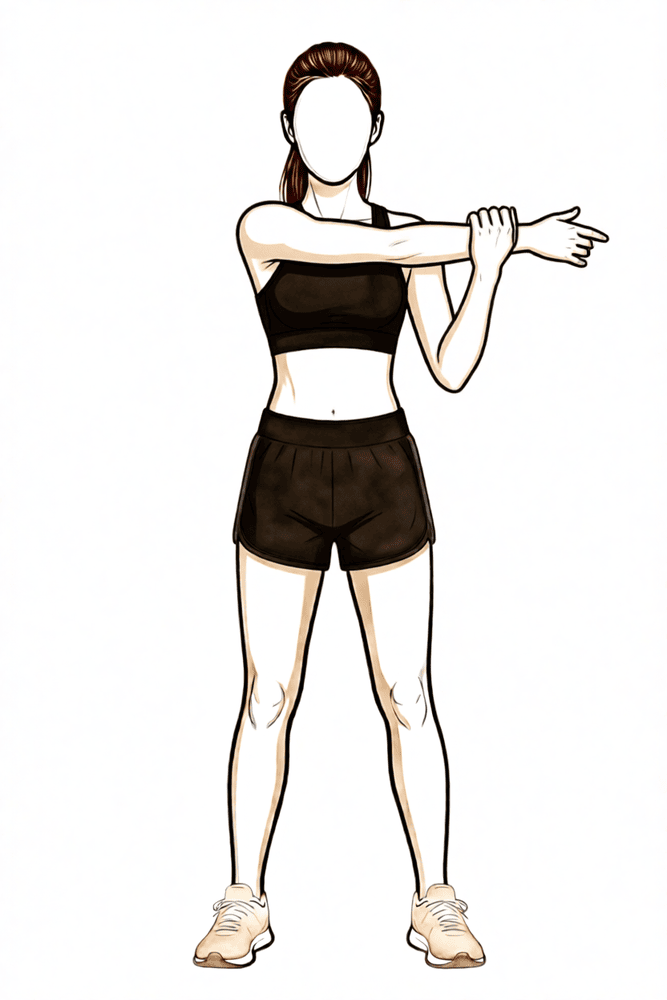
உடலின் குறுக்கே நீட்சி
தோள்பட்டையின் பின்புறத்தில் ஒரு நீட்சி உணரும் வரை, மற்றொரு கையால் அறுவை சிகிச்சை செய்த கையை உங்கள் நெஞ்சின் குறுக்கே இழுங்கள். சிறிது நேரம் பிடித்து, பின்னர் விடுவியுங்கள். இறுக்கமான அசௌகரியம் வரை மட்டுமே நீட்டுங்கள் — ஒருபோதும் கூர்மையான வலி வரை அல்ல.
உங்கள் இயன்முறை சிகிச்சையாளர் வழிகாட்டியபடி
Kieran Hirpara 4.0
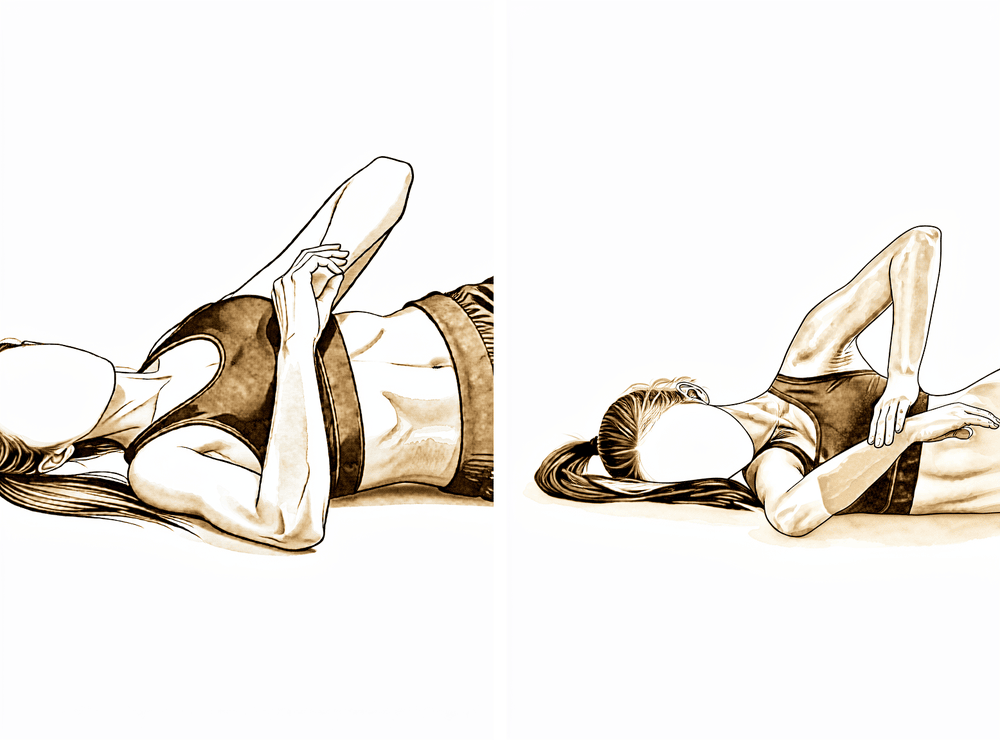
ஸ்லீப்பர் நீட்சி (sleeper stretch)
அறுவை சிகிச்சை செய்த பக்கமாகப் படுங்கள்; தோள்பட்டையையும் முழங்கையையும் இரண்டையும் 90 டிகிரியில் மடக்குங்கள். தோள்பட்டையின் பின்புறத்தில் ஒரு நீட்சி உணரும் வரை, மற்றொரு கையால் முன்கையை மெதுவாகப் படுக்கையை நோக்கிக் கீழ்நோக்கி அழுத்தி, பின்னர் விடுவியுங்கள். மென்மையாகவே வையுங்கள் — கூர்மையான வலி கூடாது.
உங்கள் இயன்முறை சிகிச்சையாளர் வழிகாட்டியபடி
Kieran Hirpara 4.0
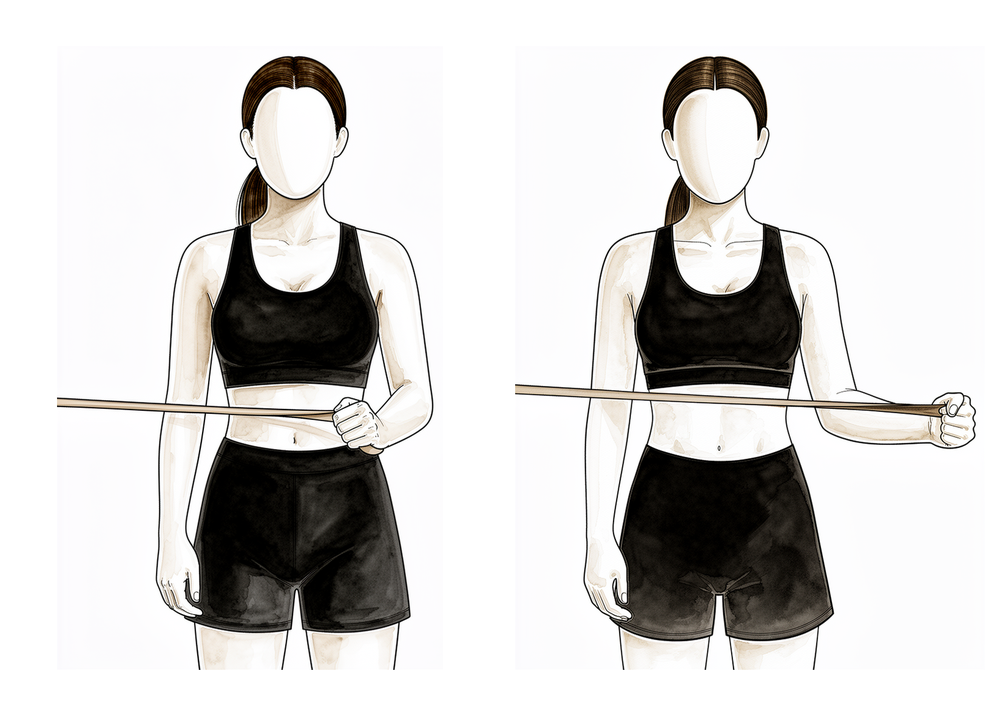
எலாஸ்டிக் பட்டையுடன் வெளிப்புறச் சுழற்சி
முழங்கையை உடலின் பக்கத்தில் ஒட்டி வைத்து, செங்கோணத்தில் மடக்கி, இடுப்பு உயரத்தில் கட்டப்பட்ட ஒரு எலாஸ்டிக் பட்டையைப் பிடித்து நில்லுங்கள். முழங்கையை உடலின் பக்கத்திலேயே வைத்தபடி, பட்டைக்கு எதிராக முன்கையை வெளிப்புறமாகச் சுழற்றி, பின்னர் மெதுவாகத் திரும்புங்கள். முன்பு செய்த ஐசோமெட்ரிக் பயிற்சியிலிருந்து சுழற்சி தசைநாண் பட்டையை இது அடுத்த கட்டத்துக்கு முன்னேற்றுகிறது.
உங்கள் இயன்முறை சிகிச்சையாளர் வழிகாட்டியபடி
Kieran Hirpara 4.0
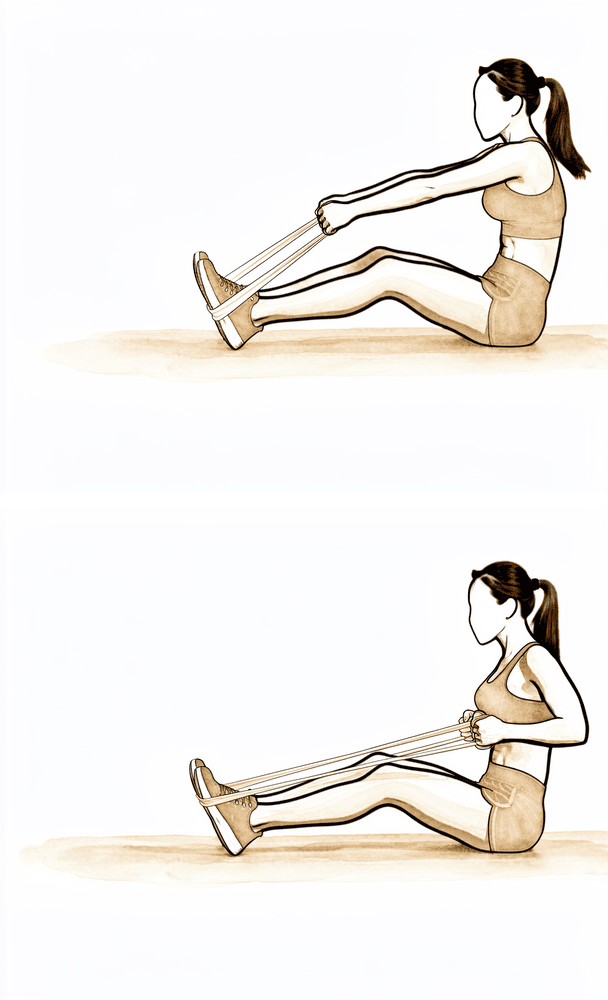
தாழ்வான இழுப்பு (low row)
உங்களுக்கு முன்னால் இடுப்பு உயரத்தில் கட்டப்பட்ட ஒரு பட்டையைப் பிடியுங்கள். கையை ஓரளவு நேராக வைத்தபடி, அதைப் பின்னோக்கியும் கீழ்நோக்கியும் உங்கள் இடுப்பை நோக்கி இழுத்து, தோள்பட்டை எலும்பைக் கீழேயும் பின்னேயும் அழுத்துங்கள்; பின்னர் மெதுவாகத் திரும்புங்கள். சுழற்சி தசைநாண் பட்டைக்கு ஆதரவளிக்கும் தோள்பட்டை எலும்புத் தசைகளை இது வலுப்படுத்துகிறது.
உங்கள் இயன்முறை சிகிச்சையாளர் வழிகாட்டியபடி
Kieran Hirpara 4.0
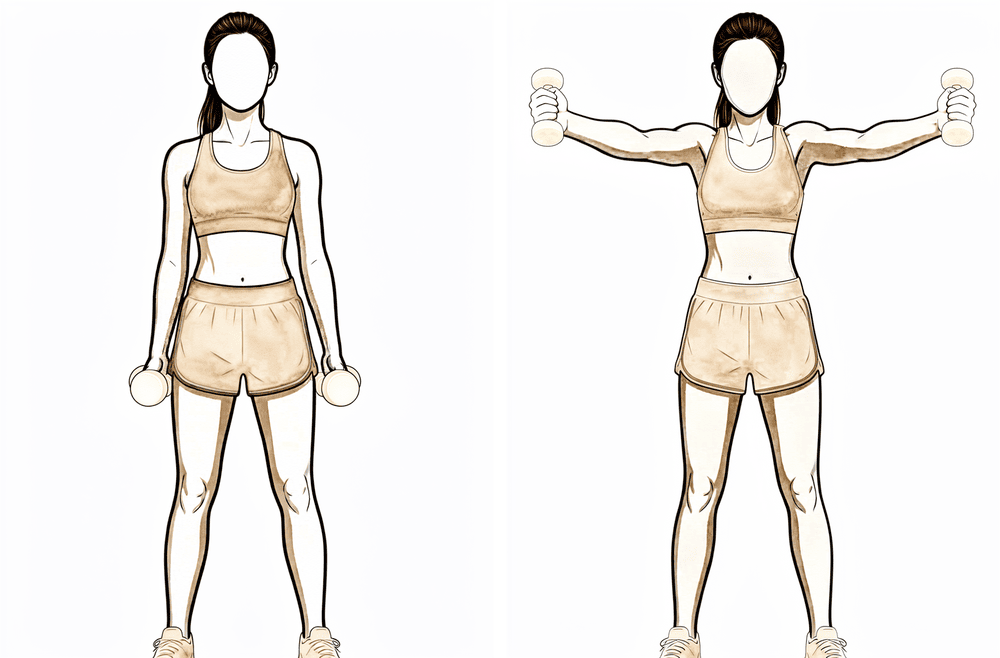
ஸ்கேப்ஷன் உயர்த்தல்கள் (full can)
கட்டைவிரல்கள் மேல்நோக்கிச் சுட்டியபடி, கையை உங்களுக்கு முன்னால் சுமார் 45 டிகிரி கோணத்தில் வெளியே உயர்த்துங்கள் — நேர் முன்புறத்துக்கும் நேர் பக்கவாட்டுக்கும் இடையில் — பின்னர் கட்டுப்பாட்டுடன் இறக்குங்கள். தோள்பட்டை உயரத்துக்கு மேலான உங்கள் அசைவுக்கு அனுமதி கிடைத்தவுடன், வசதியான தலைக்கு மேலான வரம்பு வரை உயர்த்துங்கள். சுமையை இலகுவாக வைத்திருங்கள்.
உங்கள் இயன்முறை சிகிச்சையாளர் வழிகாட்டியபடி
Kieran Hirpara 4.0
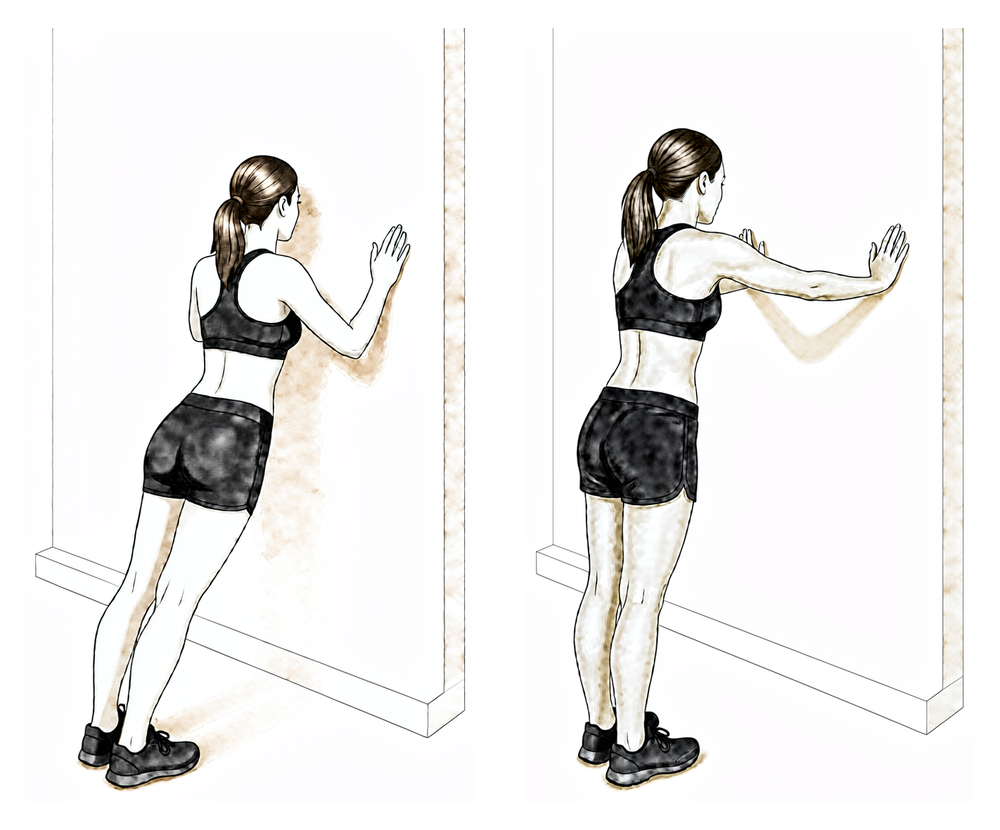
சுவர் புஷ்-அப்ஸ்
ஒரு சுவரை நோக்கி நின்று, தோள்பட்டை உயரத்தில் கைகளை அதன் மீது தட்டையாக வையுங்கள். முழங்கைகளை மடக்கிச் சுவரை நோக்கிச் சாய்ந்து, பின்னர் பின்னோக்கித் தள்ளுங்கள்; இறுதியில் கைகள் வழியாக ஒரு மென்மையான தள்ளலைச் சேர்த்து, தோள்பட்டை எலும்புகளை விரியுங்கள். உங்கள் இயன்முறை சிகிச்சையாளரின் வழிகாட்டுதலின்படி, இந்தக் கட்டத்தின் பிற்பகுதியில் மட்டுமே இதைத் தொடங்குங்கள்.
உங்கள் இயன்முறை சிகிச்சையாளர் வழிகாட்டியபடி
Kieran Hirpara 4.0
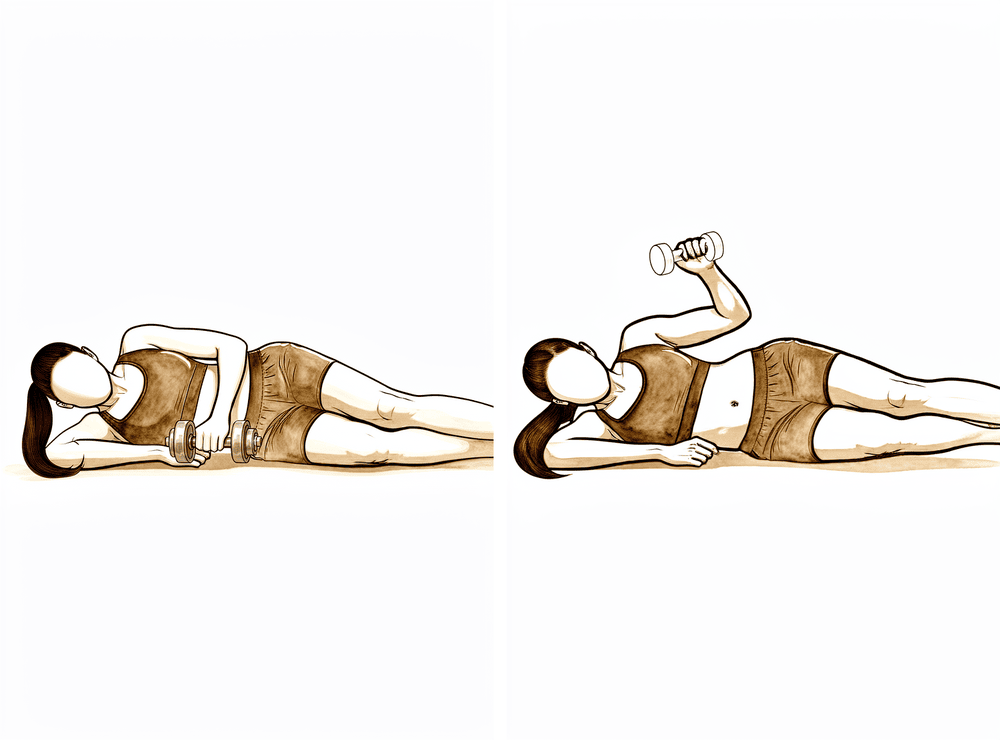
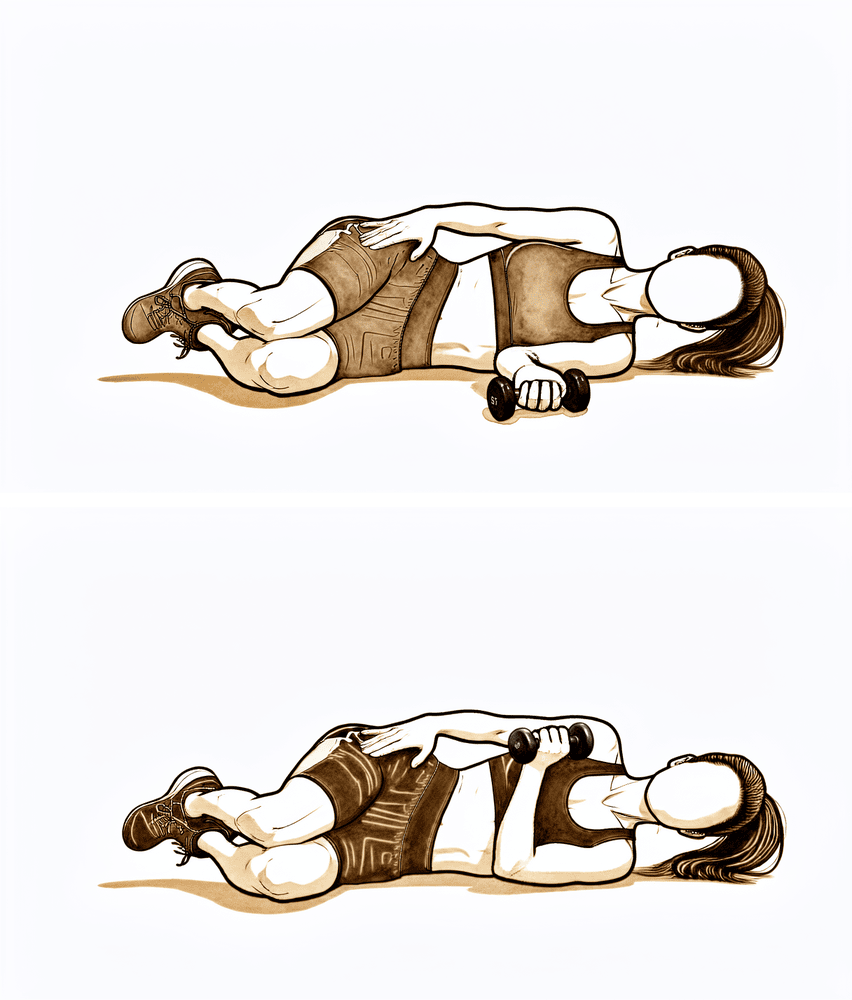
எடையுடன் பக்கவாட்டில் படுத்து வெளிப்புறச் சுழற்சி
அறுவை சிகிச்சை செய்யாத பக்கமாகப் படுத்து, மேலுள்ள முழங்கையைச் செங்கோணத்தில் மடக்கி உடலோடு ஒட்டி வையுங்கள். இலகுவான எடையைப் பிடித்தபடி, முன்கையைக் கூரையை நோக்கி மேல்நோக்கிச் சுழற்றி, பின்னர் மெதுவாக இறக்குங்கள். சுமையை இலகுவாகவும், மறுசெய்கைகளின் எண்ணிக்கையை அதிகமாகவும் வைத்திருங்கள்.
உங்கள் இயன்முறை சிகிச்சையாளர் வழிகாட்டியபடி
Kieran Hirpara 4.0
எடையுடன் பக்கவாட்டில் படுத்து உட்புறச் சுழற்சி
அறுவை சிகிச்சை செய்த பக்கமாகப் படுத்து, முழங்கையைச் செங்கோணத்தில் மடக்கி உள்ளே ஒட்டி வையுங்கள். இலகுவான எடையைப் பிடித்தபடி, தோள்பட்டையை உட்புறமாகச் சுழற்றி அதை உங்கள் வயிற்றை நோக்கி மேல்நோக்கி உயர்த்தி, பின்னர் மெதுவாக இறக்குங்கள். சுமையை இலகுவாகவும், மறுசெய்கைகளின் எண்ணிக்கையை அதிகமாகவும் வைத்திருங்கள்.
உங்கள் இயன்முறை சிகிச்சையாளர் வழிகாட்டியபடி
எலும்பு முறிவு நன்றாகக் குணமடைந்து வருவதை உங்கள் மறுபரிசோதனை உறுதிப்படுத்தியவுடன், தோள்பட்டை உயரத்துக்கு மேலான அசைவு தொடங்குகிறது; அடுத்து வரும் வாரங்களில் முழுச் சுய அசைவு வரம்பு கட்டியெழுப்பப்படுகிறது. வலுப்படுத்துதல் மென்மையாகவே தொடங்குகிறது: முதலில் தசை விழிப்பூட்டல் பயிற்சி, பின்னர் எலாஸ்டிக் பட்டைகள், பின்னர் சுழற்சி தசைநாண் பட்டைக்கும் தோள்பட்டை எலும்புத் தசைகளுக்கும் இலகுவான எடைகள். பன்னிரண்டு வாரங்கள் வரை தூக்குவது இலகுவாகவே இருக்க வேண்டும் (சுமார் 2 kg-க்கு மேல் கூடாது); கனமான அல்லது தலைக்கு மேலான தூக்குதல் காத்திருக்க வேண்டும்; இந்தக் கட்டத்தில் உடல் உரசும் விளையாட்டு எதுவும் இல்லை. உங்கள் இயன்முறை சிகிச்சையாளரின் வழிகாட்டுதலின்படி, நீச்சலும் மிதிவண்டி ஓட்டுதலும் பொதுவாக இந்தக் கட்டத்தில் மீண்டும் தொடங்குகின்றன.
உங்கள் இயன்முறை சிகிச்சையாளருக்கு:
இலக்குகள்
- இயல்பான இயக்கவியலுடன், எல்லாத் தளங்களிலும் முழுச் சுய அசைவு வரம்பு
- சுழற்சி தசைநாண் பட்டை மற்றும் தோள்பட்டை எலும்பைச் சுற்றியுள்ள தசை வலுப்படுத்துதலைத் தொடங்கி முன்னேற்றுதல்
- இயல்பான அன்றாடச் செயல்களுக்குத் திரும்புதல்
சிகிச்சை மேலாண்மை
- எல்லாத் தளங்களிலும் 90°-க்கு மேல் சுய அசைவு வரம்பை முன்னேற்றுதல், ஈடுசெய்யும் அசைவு முறைகளைக் குறைத்தல்
- தேவைக்கேற்ப நீட்சிப் பயிற்சிகள்: லேட்டிசிமஸ் (latissimus), நெஞ்சுத் தசை (pectoral), பின்புறக் கூடு (posterior capsule) மற்றும் ஸ்லீப்பர் நீட்சிகள்
- வலுப்படுத்துதல்: ஐசோமெட்ரிக் சுழற்சி தசைநாண் பட்டைப் பயிற்சியிலிருந்து, பட்டைகளுடன் எதிர்ப்புடன் கூடிய வெளிப்புற/உட்புறச் சுழற்சிக்கு முன்னேறுதல் — தொடக்கத்தில் தோள்பட்டை உயரத்துக்குக் கீழே; தோள்பட்டை எலும்பைப் பின்னிழுத்தலும் இழுப்புகளும்; கட்டத்தின் பிற்பகுதியில் ஸ்கேப்ஷன் உயர்த்தல்கள், செரேட்டஸ் தசைப் பயிற்சி, சுவர் புஷ்-அப்ஸ்
- தாங்கக்கூடிய அளவுக்கு இலகுவான தனி எடைகளை (free weights) முன்னேற்றுதல்: குறைந்த சுமை, அதிக மறுசெய்கைகள்
- இதயம்–நுரையீரல் பயிற்சி: நிலையான மிதிவண்டியும் நடத்தலும்; மறுபரிசோதனையில் அனுமதி கிடைத்தால், சுமார் 8–10 வாரங்களிலிருந்து நீச்சலும் ஓட்டமும்
முன்னெச்சரிக்கைகள்
- 12 வாரங்கள் வரை சுமார் 2 kg-க்கு மேல் எதையும் தூக்கக் கூடாது
- 12 வாரங்கள் வரை தலைக்கு மேலோ உடலிலிருந்து விலக்கியோ கனமான பொருட்களைத் தூக்குவதைத் தவிர்த்தல்
- உடல் உரசும் விளையாட்டு கூடாது; கட்டத்தின் பிற்பகுதி வரை (சுமார் 10–12 வாரங்கள்) பிளையோமெட்ரிக் (plyometric) அல்லது தாக்கச் சுமை கூடாது
- வலுப்படுத்துதல் வசதியான வரம்புக்குள்ளேயே இருக்க வேண்டும்; நீடித்து நிற்கும் வலியைத் தூண்டக் கூடாது
அடுத்த கட்டத்துக்குச் செல்வதற்கான அளவுகோல்கள்
- மறுபக்கத்தின் அசைவு வரம்பில் குறைந்தது 90% சுய அசைவு வரம்பு
- நல்ல சுழற்சி தசைநாண் பட்டை மற்றும் தோள்பட்டை எலும்பைச் சுற்றியுள்ள தசை விழிப்பு; எதிர்ப்புப் பயிற்சியில் வலி 3/10-க்கு மேல் இல்லாதிருத்தல்
- எக்ஸ்-ரேயில் எலும்பு முறிவு ஒட்டிக்கொள்வது முன்னேறி வருதல் — டாக்டர் ஹிர்பராவுடனான மறுபரிசோதனையில் உறுதிப்படுத்தப்பட்டபடி
கட்டம் IV — முழுச் செயல்பாட்டுக்கும் விளையாட்டுக்கும் திரும்புதல் (வாரம் 12 முதல்)
Kieran Hirpara 4.0
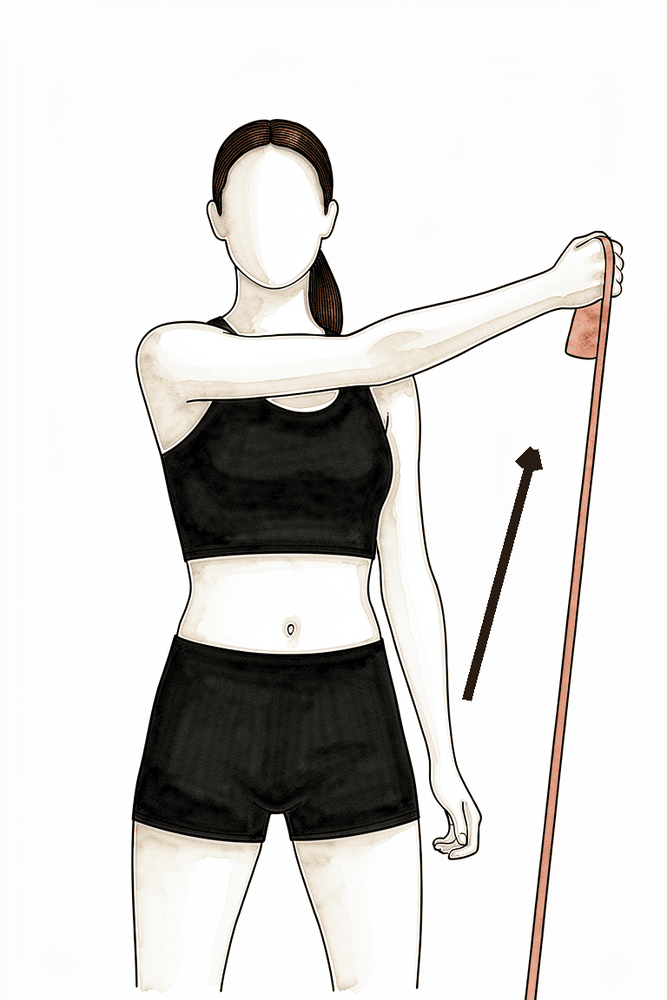
பட்டையுடன் குறுக்குவாட்டு அசைவு முறை (D1)
ஒரு எலாஸ்டிக் பட்டையைப் பிடித்து, அதை உங்கள் உடலின் குறுக்கே குறுக்குவாட்டில் இழுங்கள் — ஒரு இடுப்பருகே கீழிருந்து உடலின் குறுக்கே, எதிர்ப் பக்கமாக மேல்நோக்கியும் வெளிநோக்கியும்; பின்னர் கட்டுப்பாட்டுடன் திருப்பிச் செய்யுங்கள். வேலையிலும் விளையாட்டிலும் பயன்படும் ஒருங்கிணைந்த, முழுக் கை அசைவை இந்தச் செயல்பாட்டுக் குறுக்குவாட்டு அசைவு முறைகள் மீண்டும் கட்டியெழுப்புகின்றன. எலும்பு முறிவு ஒட்டிக்கொண்ட பிறகே இதைச் சேர்க்க வேண்டும்.
உங்கள் இயன்முறை சிகிச்சையாளர் வழிகாட்டியபடி
Kieran Hirpara 4.0
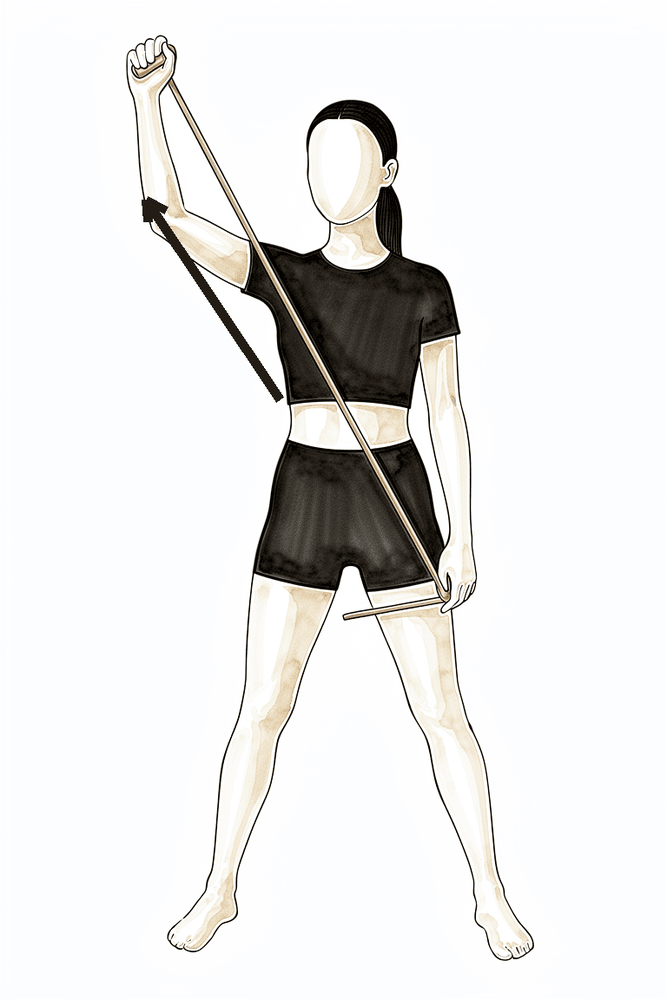
பட்டையுடன் குறுக்குவாட்டு அசைவு முறை (D2)
ஒரு எலாஸ்டிக் பட்டையைப் பிடித்து, உடலின் குறுக்கே கீழ்ப்புறத்திலிருந்து தலைக்கு மேலாகவும் வெளிநோக்கியும் குறுக்குவாட்டில் இழுங்கள்; பின்னர் கட்டுப்பாட்டுடன் திருப்பிச் செய்யுங்கள். தோள்பட்டையின் தலைக்கு மேலான, விளையாட்டுக்கே உரிய அசைவு முறைகளை இது கட்டியெழுப்புகிறது. எலும்பு முறிவு ஒட்டிக்கொண்டு, தலைக்கு மேலான பயிற்சிக்கு அனுமதி கிடைத்த பிறகே இதைச் சேர்க்க வேண்டும்.
உங்கள் இயன்முறை சிகிச்சையாளர் வழிகாட்டியபடி
இறுதிக் கட்டம், கனமான தூக்குதல், உடல் உழைப்பு வேலை, விளையாட்டு ஆகியவற்றுக்குக் கட்டம் கட்டமாகத் திரும்புவது. வலிமைப் பயிற்சி கனமான எதிர்ப்பு, தலைக்கு மேலான நிலைகள், மற்றும் (விளையாட்டு வீரர்களுக்கு) பிளையோமெட்ரிக், எறிதல், விளையாட்டுக்கே உரிய பயிற்சிகள் வழியாக முன்னேறுகிறது. உடல் உரசும் மற்றும் மோதல் விளையாட்டுகளுக்கு (கால்பந்து, ரக்பி, குதிரையேற்றம்) எக்ஸ்-ரேயில் எலும்பு முறிவு ஒட்டிக்கொண்டிருப்பது தேவை — இது டாக்டர் ஹிர்பராவுடனான உங்கள் மறுபரிசோதனையில் உறுதிப்படுத்தப்படும்; பொதுவாக மிகச் சீக்கிரம் என்றாலும் சுமார் மூன்று முதல் நான்கு மாதங்களிலிருந்தே, மேலும் சில நெறிமுறைகள் மோதல் விளையாட்டை ஆறு மாதங்கள் வரை தள்ளிப்போடுகின்றன. எலும்பு ஒட்டிக்கொள்வதற்கு முன்பே திரும்புவது மீண்டும் எலும்பு முறிவு ஏற்படும் அபாயத்தைக் கொண்டுவருகிறது; எனவே இது மதிக்கத் தகுந்த ஒரு வாயில்.
உங்கள் இயன்முறை சிகிச்சையாளருக்கு:
இலக்குகள்
- முழு, வலியில்லாத அசைவு வரம்பைப் பராமரித்தல்
- பாதிக்கப்படாத பக்கத்தின் வலிமையில் குறைந்தது 90% வலிமை
- உடல் உழைப்பு வேலை, பொழுதுபோக்கு, விளையாட்டு ஆகியவற்றுக்குக் கட்டம் கட்டமாகத் திரும்புதல்
சிகிச்சை மேலாண்மை
- படிப்படியாக அதிகரிக்கும் எதிர்ப்புப் பயிற்சி; தாங்கக்கூடிய அளவுக்கு விலகல் சுருக்கச் சுமை (eccentric loading), தலைக்கு மேலான நிலைகள், செயல்பாட்டு அசைவு முறைகள் உள்ளிட்டவை
- தாள ரீதியான நிலைப்படுத்தல் (rhythmic stabilisation) மற்றும் உடல் நிலை உணர்வுப் (proprioception) பயிற்சி; தலைக்கு மேல் கை பயன்படுத்தும் விளையாட்டு வீரர்களுக்குப் பிளையோமெட்ரிக் மற்றும் இடைவெளி எறிதல் அல்லது ராக்கெட் விளையாட்டுத் திட்டங்கள்
- உடல் உழைப்பு வேலை செய்பவர்களுக்கு வேலைக்கே உரிய உடல் தகுதிப் பயிற்சி; வரம்பற்ற விளையாட்டுக்கு முன் விளையாட்டுக்கே உரிய பயிற்சிகள்
- விளையாட்டுக்குத் திரும்புவதற்கான முடிவு தனிநபருக்கு ஏற்ப எடுக்கப்படுகிறது (உடல் உரசும் விளையாட்டா, உரசாத விளையாட்டா; மேல் அவயவத் தேவை எவ்வளவு) மற்றும் அறுவை சிகிச்சை நிபுணருடன் ஒருங்கிணைக்கப்படுகிறது
அடுத்த கட்டத்துக்குச் செல்வதற்கான அளவுகோல்கள்
- முழு, வலியில்லாத சுய அசைவு வரம்பு
- வலிமை அளவீட்டில் (dynamometry) பாதிக்கப்படாத பக்கத்தின் வலிமையில் குறைந்தது 90%; வலிமைப் பரிசோதனையின்போது வலி இல்லாதிருத்தல்
- வலியோ அச்ச உணர்வோ இல்லாமல், கட்டம் கட்டமான விளையாட்டுக்குத் திரும்பும் திட்டத்தை முடித்திருத்தல்
- உடல் உரசும் அல்லது மோதல் விளையாட்டுக்கு முன், டாக்டர் ஹிர்பராவுடனான மறுபரிசோதனையில் எக்ஸ்-ரேயில் எலும்பு ஒட்டிக்கொண்டது உறுதிப்படுத்தப்பட்டிருத்தல்
உங்கள் நெறிமுறைக்குப் பிறகு
மேலே உள்ள கட்டங்கள், காறை எலும்பு முறிவை நிலைநிறுத்துவதற்காக வெளியிடப்பட்ட மறுவாழ்வு நெறிமுறைகளிலிருந்து எடுக்கப்பட்டவை: Massachusetts General Brigham Sports Medicine, Mammoth Orthopedic Institute, University of Colorado (டாக்டர் Jonathan Bravman), Midwest Orthopaedics at Rush (டாக்டர் Brian Cole); அத்துடன் West Suffolk மற்றும் United Lincolnshire-இன் NHS இயன்முறை சிகிச்சை வழிகாட்டுதல்கள்; மேலும் விளையாட்டு வீரர்களின் காறை எலும்பு முறிவுகள் குறித்த ஒரு முறைப்படுத்திய திறனாய்விலிருந்து (systematic review) பெறப்பட்ட, விளையாட்டுக்குத் திரும்புவது பற்றிய சான்றுகள். வார வரம்புகள் நிலையானவை அல்ல, வழக்கமானவை; உங்கள் முன்னேற்றத்தை உங்கள் இயன்முறை சிகிச்சையாளர் வழிநடத்துகிறார், டாக்டர் ஹிர்பராவுடனான உங்கள் மறுபரிசோதனைகளில் எலும்பு முறிவு குணமடைவதைப் பொறுத்தே ஒவ்வொரு கட்டமும் திறக்கிறது. இந்தப் பக்கம் கிளினிக்கின் பொதுவான மீட்சி ஆலோசனைகளுடன் இணைந்து செயல்படுகிறது; அறுவை சிகிச்சைக்குப் பிந்தைய வலியைக் கையாளுதல் மற்றும் காயப் பராமரிப்பு பக்கங்களைப் பாருங்கள். அறுவை சிகிச்சை பற்றி அறிய, காறை எலும்பு நிலைநிறுத்தல் பக்கத்தைப் பாருங்கள். இந்த நெறிமுறைக்குப் பின்னால் உள்ள சான்றுகள் (அறுவை சிகிச்சைக்கும் அறுவை சிகிச்சையற்ற சிகிச்சைக்கும் இடையிலான சோதனைத் தரவுகள், எலும்பு ஒட்டிக்கொள்ளும் விகிதங்களும் விளையாட்டுக்குத் திரும்பும் விகிதங்களும், மற்றும் வெளியிடப்பட்ட அறுவை சிகிச்சை நிபுணர்களின் நெறிமுறைகள்) சான்றுகள் பகுதியில் சுருக்கமாகத் தரப்பட்டுள்ளன; அது இந்தப் பக்கத்தின் மேலே PDF-ஆகக் கிடைக்கிறது.
Evidence & references
This is the clinical evidence summary written for health professionals. It is technical, and it lists the research this page was built from. You do not need to read it to understand your treatment or to make a decision about it.
Topic scope: (A) the decision between non-operative management and plate fixation for displaced midshaft clavicle fractures (the randomised-trial evidence on union, function and return to sport), and (B) post-operative rehabilitation after open reduction and internal fixation (ORIF) of the clavicle with a plate and screws. Distal-third and proximal-third fractures, which involve different fixation constructs, are noted only where they bear on the rehab principles.
Defining principle of the surgical rehab here: clavicle ORIF is a protect-the-fixation / protect-the-healing-fracture pathway, NOT an early-aggressive-motion pathway. The plate is a splint, not a substitute for healed bone — it neutralises load while the fracture itself unites over roughly 6–12 weeks and remodels for months afterwards. So the rehab is staged around fracture biology: a sling and below-shoulder-height-only motion early to protect the construct, range of motion progressed as the fracture knits (overhead motion deferred until the ~6-week x-ray), and strengthening / loading / collision sport withheld until radiographic union is confirmed. This is the opposite of a debridement or capsular-release pathway, where motion is the goal from day one and there is no fracture to protect. The single most important gate throughout is the x-ray, not the calendar — every major step up depends on how the fracture is healing.
A. THE OPERATIVE-vs-NON-OPERATIVE DECISION
Most clavicle fractures heal without surgery. The debate concerns completely displaced midshaft fractures (typically ≥100% displacement or ≥~2 cm shortening), where historic "all clavicles heal" teaching was overturned by randomised data.
The landmark trial — Canadian Orthopaedic Trauma Society (COTS) 2007
The COTS multicentre RCT randomised 132 patients with displaced midshaft clavicle fractures to plate ORIF vs non-operative sling treatment. Plate fixation produced a markedly lower nonunion rate (~2% vs ~23–24% non-operative), fewer symptomatic malunions, faster time to union, and better Constant and DASH scores at one year. This trial is the basis for offering surgery to active patients with completely displaced fractures — it did not establish that all such fractures require surgery. STRONG (RCT). [COTS 2007]
What later evidence tempered
- Meta-analyses of RCTs confirm operative fixation reduces nonunion and symptomatic malunion but show that much of the early functional advantage converges by 1 year, and comes at the cost of hardware-related reoperation. The decision is therefore shared and patient-specific (activity demands, displacement, comminution, smoking, occupation) rather than automatic. STRONG (SR/MA of RCTs). [Woltz-type meta-analysis; meta-regression, JSES 2020 — DOI 10.1016/j.jse.2020.02.011]
- A modern cohort comparison of dual mini-fragment plating vs non-operative care (mean 3.4-yr follow-up) found fewer union complications with fixation but similar patient-reported outcomes at final follow-up — echoing the "fixation buys reliable union, not necessarily a better long-term shoulder" theme. MODERATE (cohort). [DOI 10.1016/j.jse.2024.10.018]
- Heterogeneity between trials (how nonunion and displacement were defined, statistical handling of time-to-union) explains some of the apparent disagreement across studies — a caution against over-reading any single union statistic. MODERATE. [DOI 10.1016/j.jse.2012.03.015; meta-regression DOI 10.1016/j.jse.2020.02.011]
Construct choice (informs the rehab, not the patient's behaviour)
- Plate vs intramedullary fixation: an RCT comparing locked intramedullary nailing with plating found both achieve union; plates remain the workhorse for comminuted/displaced patterns. MODERATE (RCT). [DOI 10.1016/j.jse.2010.05.002]
- Plate position: superior plating is biomechanically strong but the plate lies directly under thin skin and is frequently symptomatic; anteroinferior plating lowers symptomatic hardware and removal rates. This is why patients commonly feel and see the plate, and why removal is a later, elective conversation. [Hardware-removal cohort, DOI 10.1016/j.jse.2017.03.011]
- Fixation reaches union even when delayed: immediate fixation vs delayed reconstruction of displaced midshaft fractures both restore objective strength and patient-oriented outcomes — reassuring that a fracture initially treated non-operatively can still be fixed successfully if it fails to unite. MODERATE (cohort). [DOI 10.1016/j.jse.2007.01.001]
B. POST-OPERATIVE REHABILITATION (plate ORIF)
The operation holds the fracture ends in position with a plate and screws so the bone can heal. Rehab is the same staged, fracture-protective sequence used across published surgeon and NHS protocols. Key facts that shape it:
- The plate neutralises load but the bone must unite biologically — typically 6–12 weeks to radiographic union, with remodelling for months after. Strengthening and loading that precede union risk implant loosening or re-fracture. Consensus / biomechanical.
- Bone healing is slower in smokers and in diabetics, and smoking can delay or prevent union — a modifiable risk worth addressing in the post-fracture window. Established.
- Overhead motion and strengthening are gated on the x-ray, not a fixed date — published protocols restrict elevation to ≤90° until early healing is confirmed (commonly the ~6-week review).
Consensus phased post-op timeline (plate ORIF)
| Phase | Window | Sling | ROM | Strengthening | Notes |
|---|---|---|---|---|---|
| I — Protection | Week 0–3 | Most of the time; off for showers/exercises/seated tasks; not required overnight | Passive/AAROM below 90° only — flexion/scaption/abduction capped at 90°, ER/IR in scapular plane to comfort; pendulums, table slides; full elbow/wrist/hand/cervical AROM | None at shoulder (grip + wrist only) | Protect fixation; settle pain/swelling; no driving while in sling; no lifting/carrying/weight-bearing through the arm |
| II — Early motion | Week 3–6 | Weaned as comfort allows; discarded by ~6 wk | Progress passive→full all planes (no forceful stretch); active motion below 90°; AAROM lawn-chair/pulley progression | Gentle isometrics + light periscapular work only | Recover movement, not strength. Lift ≤ a coffee cup. Phase ends with x-ray + review that gates overhead motion + strengthening |
| III — Strengthening | Week 6–12 | Off | AROM progresses above 90° once union confirmed; full active range built up | Cuff + scapular strengthening: isometric → bands → light weights; lift ≤ ~2 kg until 12 wk | Swimming/cycling typically return; no contact sport; no overhead/heavy lifting |
| IV — Return to activity & sport | Week 12 + | Off | Full, pain-free, maintained | Progressive heavy/eccentric/overhead loading; sport-specific + plyometric drills | Contact/collision sport needs radiographic union — typically ~3–4 months at the earliest, some protocols stage collision as late as 6 months |
The structure above matches the topic's patient protocol and is drawn from published surgeon ORIF protocols (Massachusetts General Brigham; Mammoth Orthopedic Institute; University of Colorado / Bravman; Midwest Orthopaedics at Rush / Cole) and NHS physiotherapy guidance (West Suffolk; United Lincolnshire). These protocols broadly agree on the sling ~3 weeks, ROM ≤90° early, overhead and strengthening after the ~6-week review, return to sport gated on union sequence; exact week boundaries vary by surgeon. WEAK / CONSENSUS — no rehab RCT defines the optimal regimen.
Return to sport — the evidence
- A systematic review of return to sport after clavicle fractures (Robertson & Wood, Br Med Bull 2016, 23 studies) found ~92% return to sport, at a mean of ~96 days (~3 months). MODERATE (SR of heterogeneous cohorts). [Robertson 2016]
- A more recent systematic review and meta-analysis reported mean return to play ~3.1 months operative vs ~3.9 months non-operative, with similar overall return rates but a higher rate of return to pre-injury level after operative treatment. MODERATE. [RTP SR-MA, JSES Rev 2024]
- In elite athletes specifically (e.g. NFL series), operative management has been used to achieve predictable, timely return — though selection bias makes these cohorts hard to generalise. WEAK (selected cohorts). [DOI 10.1177/0363546510372795]
The consistent signal: most athletes return by ~3 months, operative slightly faster and more reliably to pre-injury level — but union on x-ray, not the average timeline, governs clearance for collision sport.
C. KEY CONTROVERSIES / EVIDENCE QUALITY
- Who actually needs surgery. COTS established that fixation reduces nonunion/malunion in completely displaced midshaft fractures, but the early functional gap narrows by a year and fixation adds hardware reoperations. The modern position is shared decision-making for the active, completely-displaced patient — not routine fixation of all displaced fractures. Strong evidence, nuanced application.
- How big is the nonunion benefit, really? Reported nonunion rates vary with how "nonunion" and "displacement" are defined and how time-to-union is analysed; meta-regression shows this heterogeneity drives much of the between-study disagreement. Treat single headline figures with caution. Moderate.
- Hardware prominence and removal. Because the clavicle is subcutaneous, plates are often felt and sometimes symptomatic; removal rates depend heavily on plate position (anteroinferior < superior) and design (low-profile/dual). Removal is an elective, post-union decision. Moderate (cohorts).
- The rehab protocol itself is consensus. Phase timings come from surgeon patient-guidance documents and NHS leaflets, not a rehab RCT. The ≤90°-until-6-weeks and union-gated-sport principles are widely shared; precise week boundaries are not trial-derived. Weak/consensus.
D. EVIDENCE STRENGTH FLAGS (summary)
- STRONG (RCT / SR-MA of RCTs): plate fixation reduces nonunion and symptomatic malunion in displaced midshaft fractures (COTS 2007 RCT; meta-analyses), with early functional benefit that converges by ~1 year; plate vs IM nail both achieve union (RCT).
- MODERATE (cohorts / SR of cohorts): similar long-term PROs fixation vs non-op despite fewer union complications (dual-plate cohort 2024); return to sport ~92% at ~3 months, operative slightly faster/more reliable to pre-injury level (Robertson 2016 SR; RTP SR-MA 2024); hardware removal rate and its dependence on plate position; delayed fixation still succeeds.
- WEAK / CONSENSUS: the post-operative rehabilitation protocol itself (surgeon + NHS patient-guidance documents; no defining rehab RCT); elite-athlete operative series (selection bias).
CITATIONS
RAG corpus (180,000+ Orthopaedic articles) — clavicle-specific evidence
- Canadian Orthopaedic Trauma Society. Nonoperative treatment compared with plate fixation of displaced midshaft clavicular fractures: a multicenter, randomized clinical trial. J Bone Joint Surg Am. 2007;89(1):1–10. (also corpus-adjacent reanalysis: DOI 10.1016/j.jse.2012.03.015)
- Factors explaining heterogeneity in studies comparing surgical and nonsurgical treatment of midshaft clavicle fractures: a meta-regression analysis of RCTs and high-quality observational studies. J Shoulder Elbow Surg. 2020. DOI: 10.1016/j.jse.2020.02.011
- Dual mini-fragment plate fixation of midshaft clavicle fractures demonstrates fewer union complications but similar patient-reported outcomes compared to nonoperative management: a cohort study (mean 3.4-yr follow-up). J Shoulder Elbow Surg. 2024. DOI: 10.1016/j.jse.2024.10.018
- Locked intramedullary fixation vs plating for displaced and shortened mid-shaft clavicle fractures: a randomized clinical trial. J Shoulder Elbow Surg. 2010. DOI: 10.1016/j.jse.2010.05.002
- Does delay matter? Restoration of objectively measured shoulder strength and patient-oriented outcome after immediate fixation versus delayed reconstruction of displaced midshaft clavicle fractures. J Shoulder Elbow Surg. 2007. DOI: 10.1016/j.jse.2007.01.001
- Functional outcome of surgical treatment of symptomatic nonunion and malunion of midshaft clavicle fractures. J Shoulder Elbow Surg. 2007. DOI: 10.1016/j.jse.2006.12.002
- Plate fixation of midshaft clavicular fractures: patient-reported outcomes and hardware-related complications. J Shoulder Elbow Surg. 2015. DOI: 10.1016/j.jse.2015.09.029
- What is the hardware removal rate after anteroinferior plating of the clavicle? A retrospective cohort study. J Shoulder Elbow Surg. 2017. DOI: 10.1016/j.jse.2017.03.011
- A biomechanical and clinical comparison of midshaft clavicle plate fixation: are 2 screws as good as 3 on each side of the fracture? Orthop J Sports Med. 2017. DOI: 10.1177/2325967117725293
- Evolving management of middle-third clavicle fractures in the National Football League. Am J Sports Med. 2010. DOI: 10.1177/0363546510372795
- Effect of different statistical methods on union or time to union in a published study about clavicular fractures. J Shoulder Elbow Surg. 2012. DOI: 10.1016/j.jse.2012.03.015
- Treatment of clavicle fractures: current concepts review. J Shoulder Elbow Surg. 2011. DOI: 10.1016/j.jse.2011.08.053
Literature (URLs)
- Canadian Orthopaedic Trauma Society. Nonoperative treatment compared with plate fixation of displaced midshaft clavicular fractures: a multicenter RCT. JBJS 2007. https://journals.lww.com/jbjsjournal/fulltext/2007/01000/nonoperative_treatment_compared_with_plate.1.aspx
- Plate fixation versus nonoperative treatment for displaced midshaft clavicular fractures: a meta-analysis of RCTs. PubMed. https://pubmed.ncbi.nlm.nih.gov/28632595/
- Robertson GA, Wood AM. Return to sport following clavicle fractures: a systematic review. Br Med Bull. 2016;119(1):111–128. https://academic.oup.com/bmb/article-abstract/119/1/111/1744610
- Return to play following clavicular fracture — a systematic review and meta-analysis. JSES Rev Rep Tech. 2024. https://www.sciencedirect.com/science/article/pii/S2666639124001500
- Hardware removal after clavicle plating (rates, plate position): retrospective cohort. PubMed. https://pubmed.ncbi.nlm.nih.gov/28478898/
- Have new plate designs reduced hardware removal following midshaft clavicle fixation? J Clin Med. 2025. https://www.mdpi.com/2077-0383/14/18/6351
Published rehab protocols (patient-guidance — basis for the phase structure)
- Massachusetts General Brigham Sports Medicine. Rehabilitation Protocol for Clavicle ORIF. https://www.massgeneral.org/assets/MGH/pdf/orthopaedics/sports-medicine/physical-therapy/rehabilitation-protocol-for-clavicle-ORIF.pdf
- Crall T, Perumal J. Rehabilitation Guidelines for Clavicle Fracture S/P ORIF. Mammoth Orthopedic Institute. 2018. https://www.mammothortho.com/pdf/shoulder-clavicle-fx-orif-protocol.pdf
- Bravman JT. Clavicle ORIF Rehab Protocol. University of Colorado School of Medicine. https://www.sportsandshoulderdoc.com/pt-protocols/clavicle-orif.pdf
- Cole BJ. Clavicle Fracture ORIF Rehabilitation Protocol. Midwest Orthopaedics at Rush. https://www.briancolemd.com/wp-content/themes/ypo-theme/pdf/orif-clavicle-fracture-post-op-ver2.pdf
- West Suffolk NHS Foundation Trust. Clavicle ORIF — physiotherapy advice for patients after surgery. 2023. https://www.wsh.nhs.uk/CMS-Documents/Patient-leaflets/Physiotherapy/6857-1-Clavicle-open-reduction-internal-fixation-ORIF-physiotherapy-advice.pdf
- United Lincolnshire Teaching Hospitals NHS Trust. Clavicle Fracture ORIF — physiotherapy advice for patients after surgery. June 2025. https://www.ulh.nhs.uk/wp-content/uploads/2025/07/Clavicle-fracture.pdf





