

Exercícios para pacientes internados — artroplastia de ombro Folheto
Estes são os exercícios suaves a serem iniciados no hospital após a artroplastia do ombro (total, reversa ou para fratura). Eles mantêm a mão, o cotovelo e o ombro em movimento enquanto a reparação cicatriza.
Seus exercícios
Kieran Hirpara 4.0
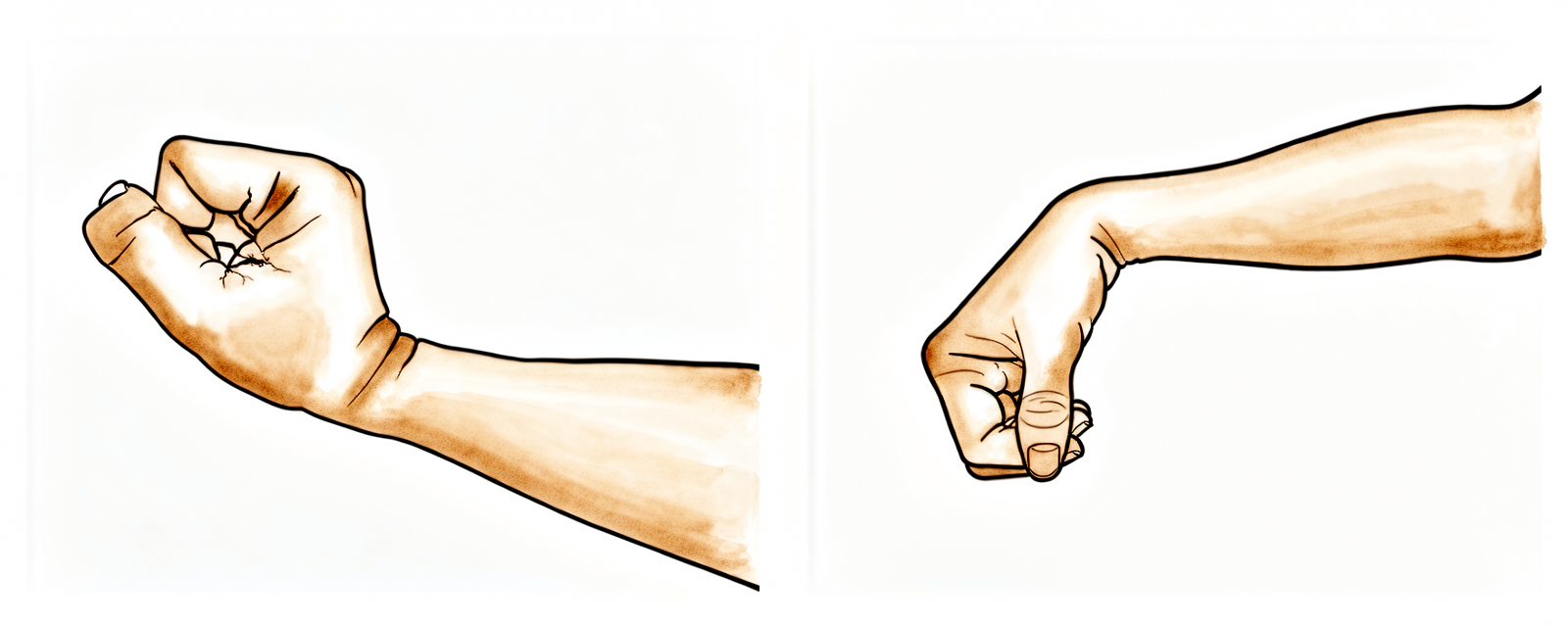
Movimento do punho
Mantenha a mão em movimento, dobrando o punho para a frente, para trás e para os lados.
10 vezes, 3 vezes por dia.
Kieran Hirpara 4.0
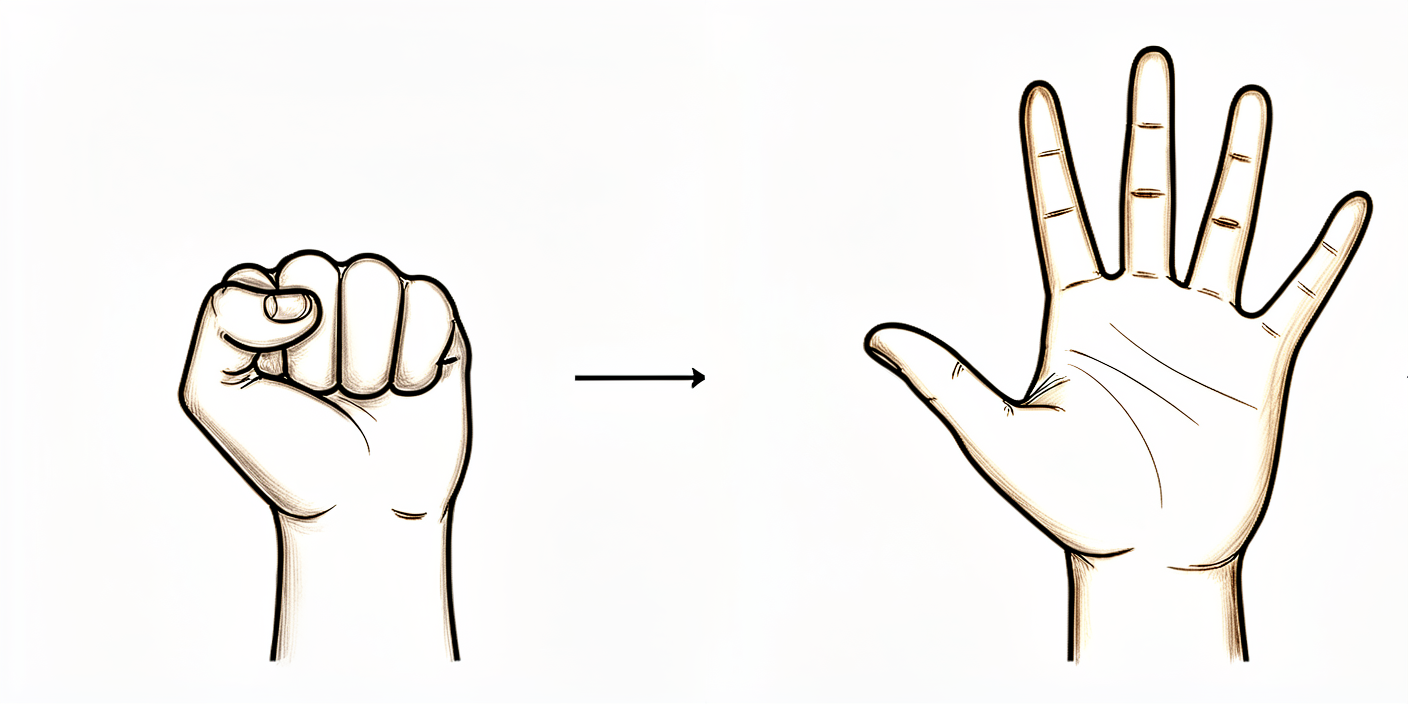
Abrir e fechar a mão
Mantenha a mão e os dedos em movimento, abrindo e fechando-os ou apertando uma bola antiestresse.
10 vezes, 3 vezes por dia.
Kieran Hirpara 4.0
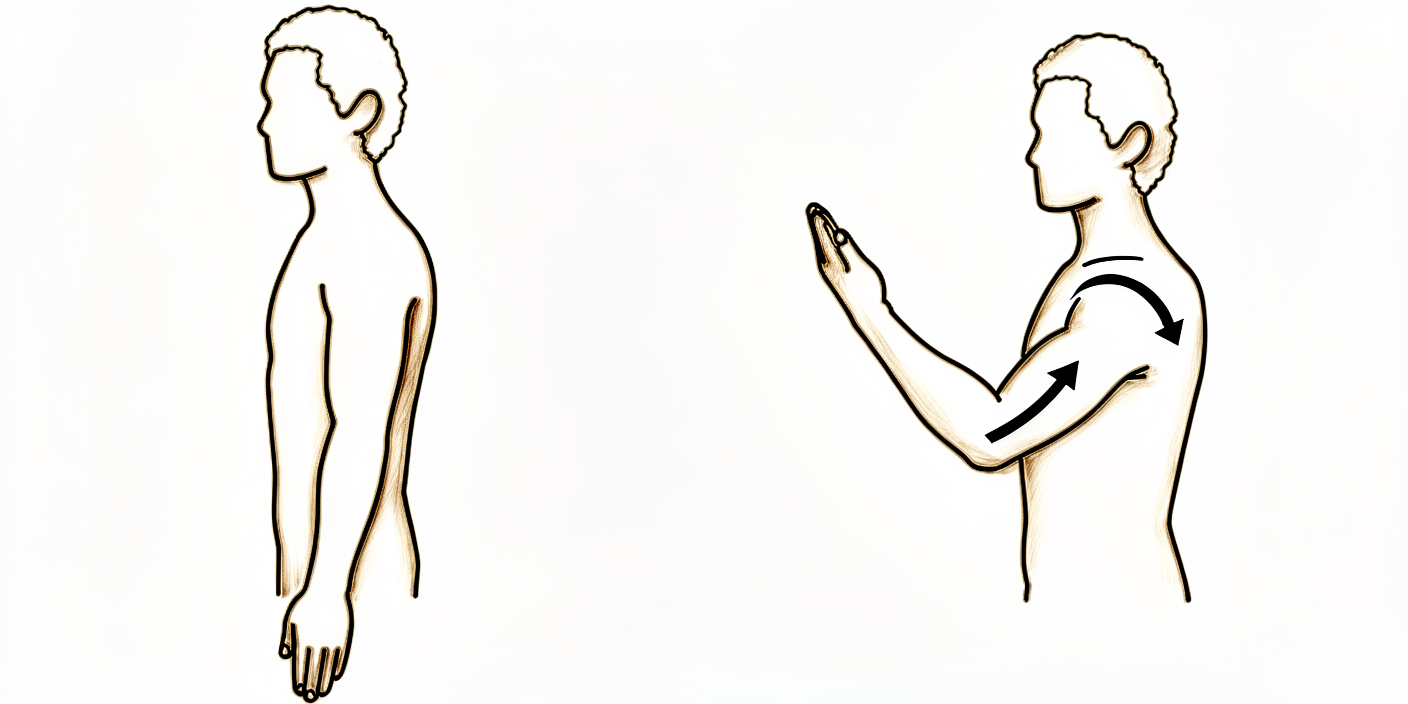
Flexão do cotovelo
Flexione e estenda o cotovelo.
10 vezes, 3 vezes por dia.
Kieran Hirpara 4.0
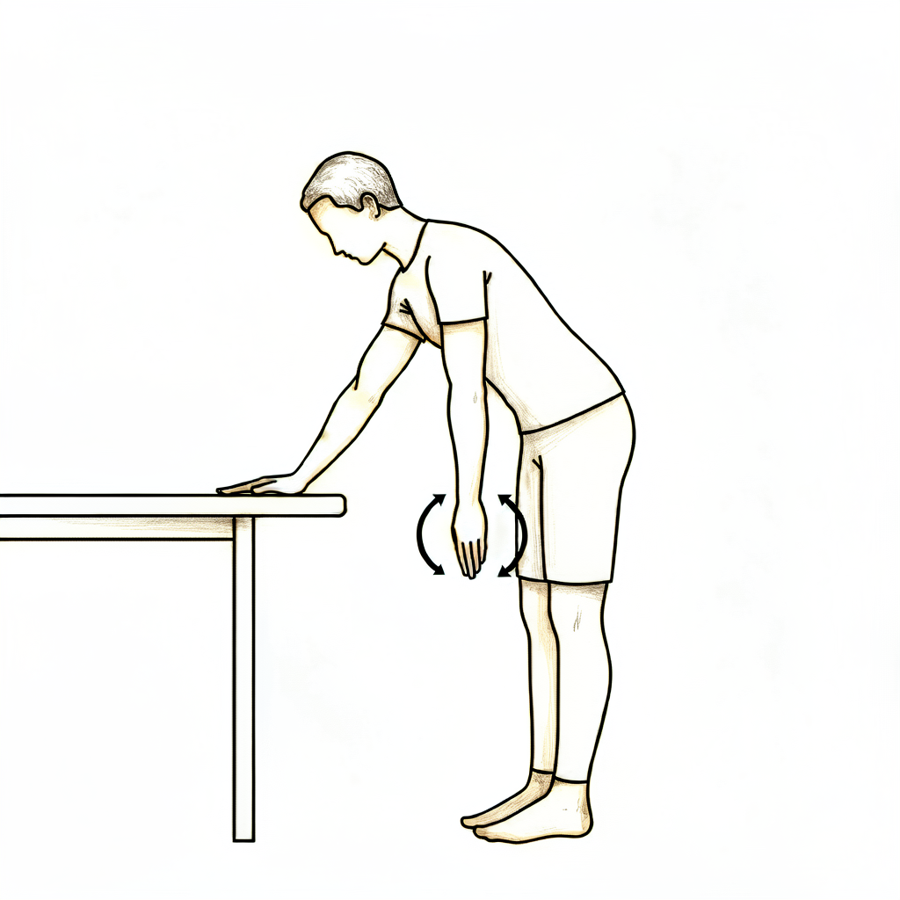
Pêndulos
Este é um exercício passivo. Incline-se para a frente e deixe o braço relaxar. Use o corpo para mover o braço suavemente, tanto no sentido horário quanto anti-horário, além de para a frente, para trás e para os lados.
Cerca de 30 segundos em cada direção, 3 vezes por dia.
Kieran Hirpara 4.0
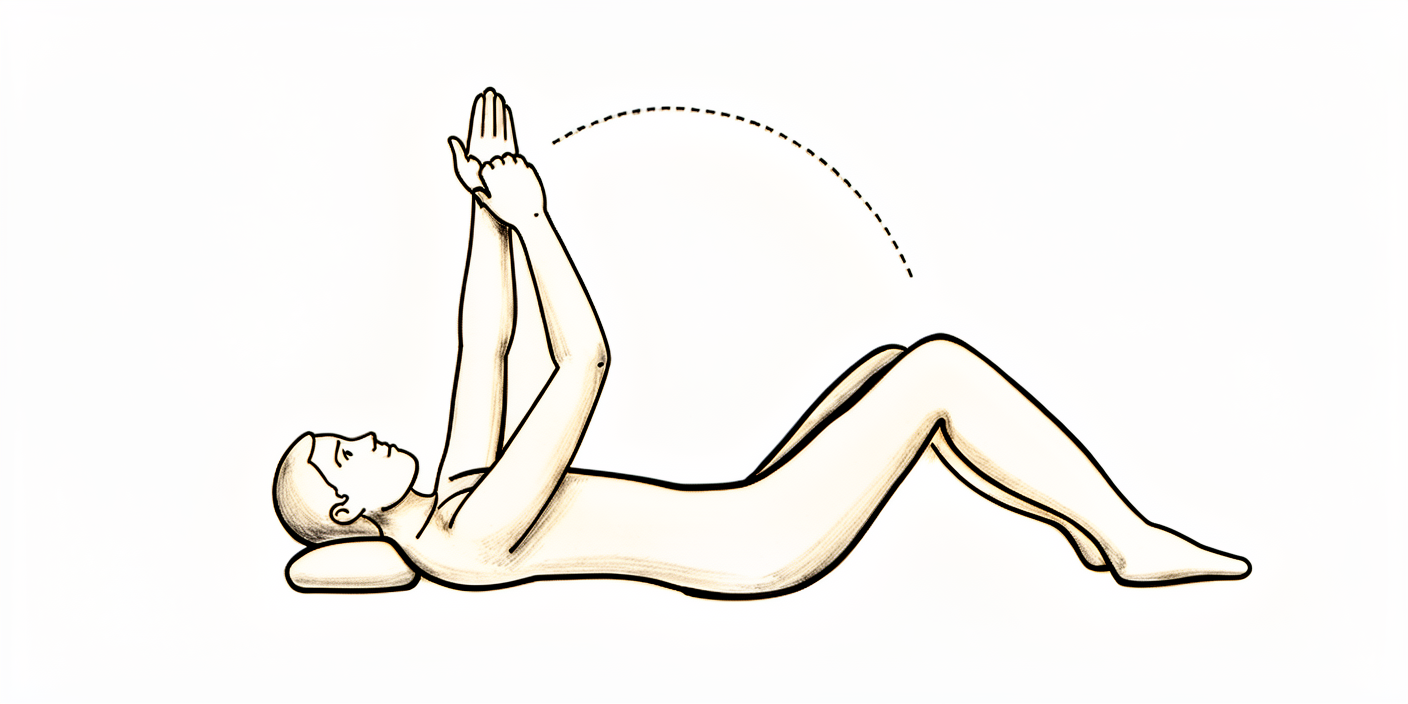
Flexão anterior assistida
Sentado numa cadeira e inclinado para a frente, segure o braço operado com o outro braço e mova-o suavemente para cima, à sua frente. Em seguida, abaixe-o novamente com a ajuda do braço não operado. Se preferir, pode deitar-se de costas na cama e levantar o braço dessa maneira.
10 vezes, 3 vezes por dia.
Kieran Hirpara 4.0
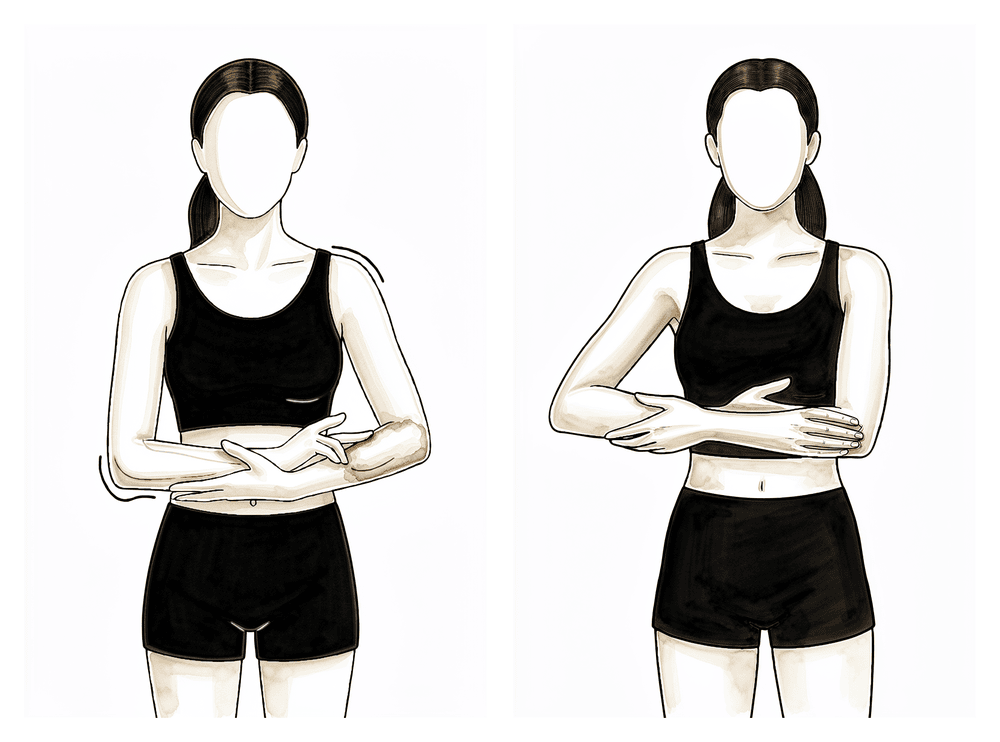
Abdução assistida
Sentado numa cadeira e inclinando-se para a frente, embale novamente o braço e ajude-o a mover-se para o lado (como se estivesse embalando um bebê).
10 vezes, 3 vezes por dia.
Kieran Hirpara 4.0
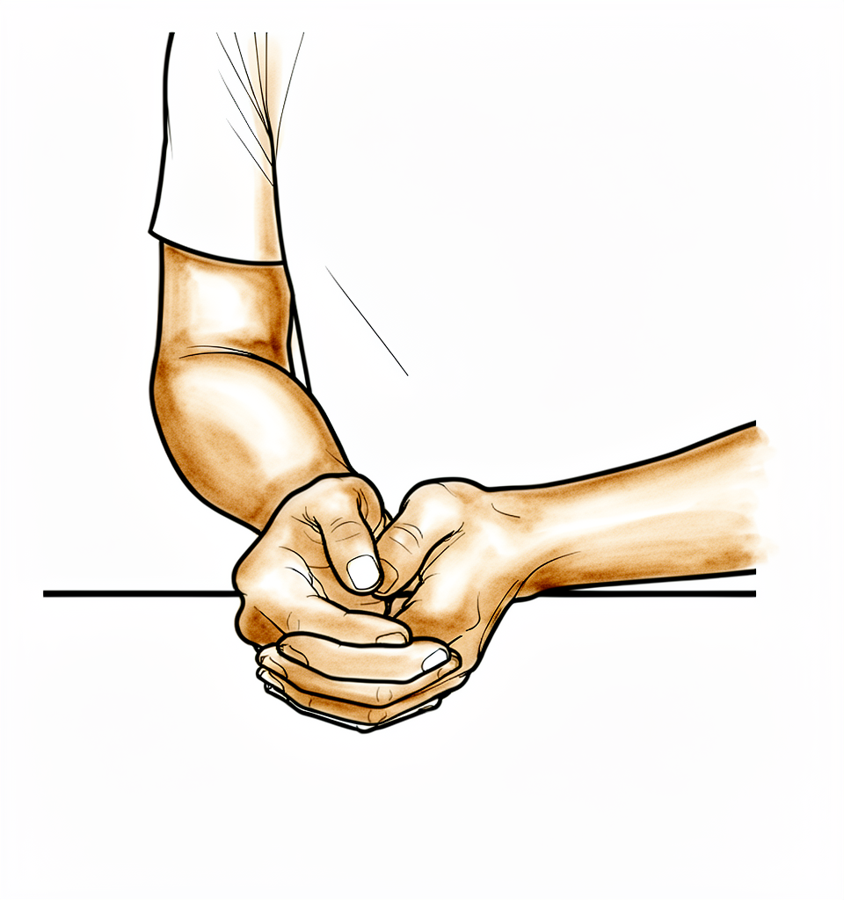
Rotação externa
Sentado numa cadeira, mova apenas o braço a partir da posição em que ele se encontra na tipóia, até ficar apontado diretamente à sua frente. Não o mova para além disso.
10 vezes, 3 vezes por dia.
Kieran Hirpara 4.0
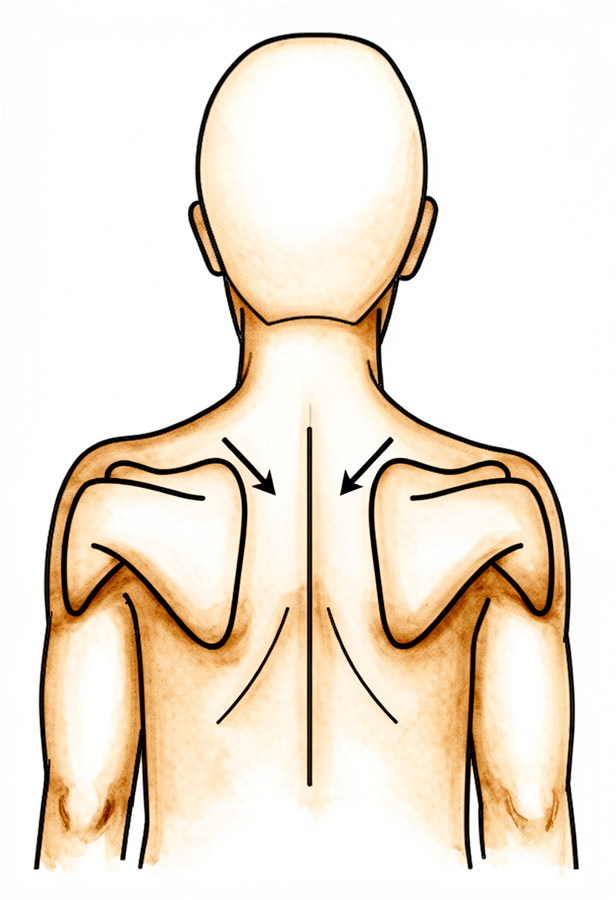
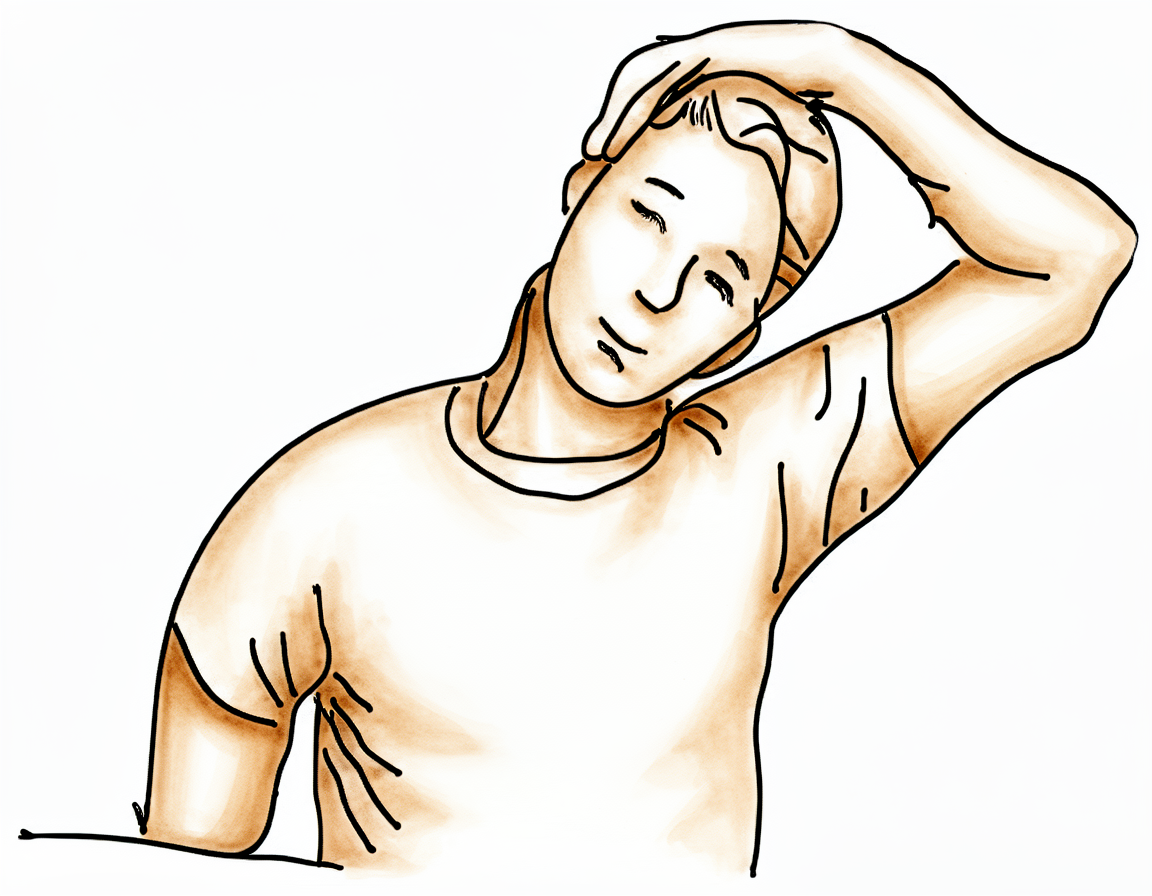
Ativação do trapézio inferior
Aperte as escápulas para baixo e para junto uma da outra.
Mantenha por 5 segundos, 5 vezes, 3 vezes ao dia.
Kieran Hirpara 4.0
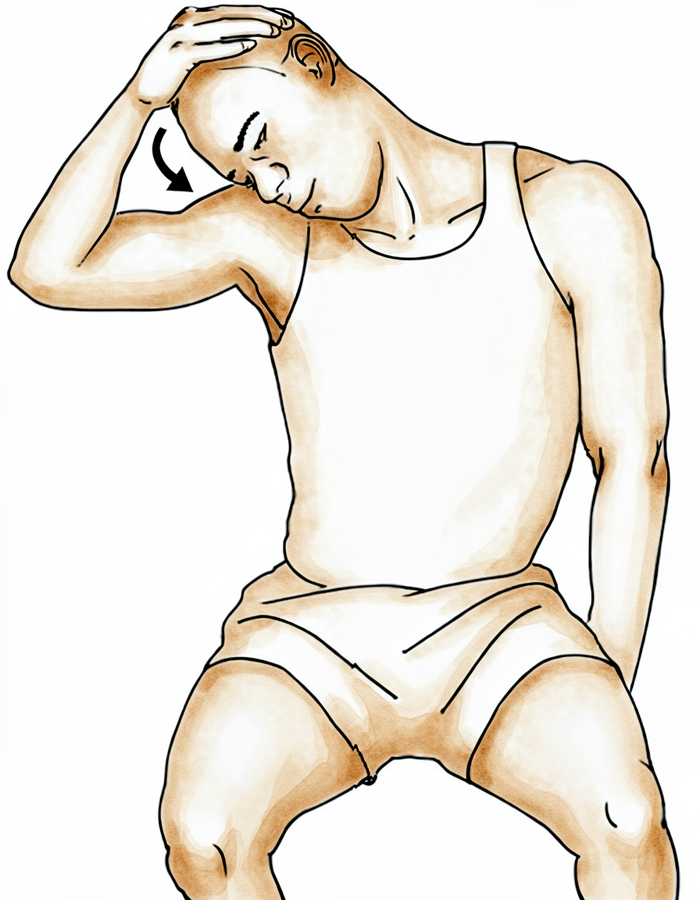
Alongamento do trapézio superior
Use o braço não operado para aproximar a orelha do ombro, afastando-a do lado operado.
Mantenha por 10 segundos, 3 vezes, 3 vezes ao dia.
Kieran Hirpara 4.0
Alongamento do levantador da escápula
Use o braço não operado para aproximar o nariz da região da axila, afastando-o do lado operado.
Mantenha por 10 segundos, 3 vezes, 3 vezes ao dia.
Kieran Hirpara 4.0
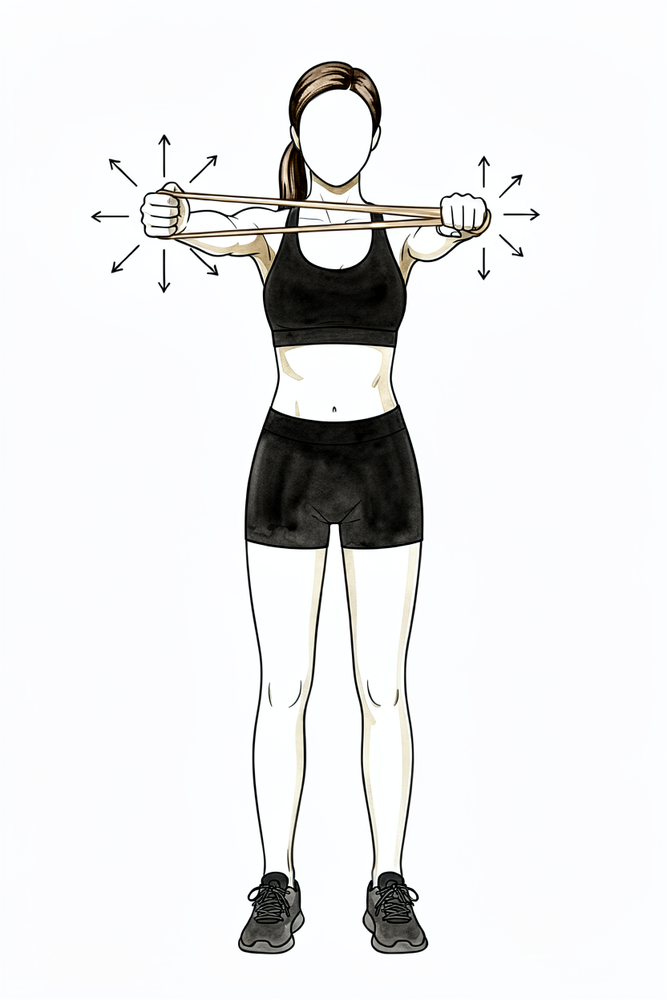
Estabilização rítmica
Com o braço apoiado à sua frente, na altura dos ombros, peça ao seu fisioterapeuta (ou à sua mão sã) que aplique pequenos empurrões suaves em diferentes direções, enquanto você mantém o braço imóvel e firme — não permita que ele se mova. Isso treina os músculos estabilizadores do ombro para reagirem. As pressões devem ser sempre suaves.
Conforme orientado pelo seu fisioterapeuta
Comece estes exercícios suaves no hospital e continue fazendo-os em casa. Eles devem ser confortáveis; reduza a intensidade caso a dor aumente.
Se você fez uma prótese reversa, pode começar a movimentar o ombro mais cedo; inicie com movimentos assistidos e movimentos auxiliados pela gravidade (o mais fácil é deitar de costas, deixando a gravidade ajudar), depois acrescente movimentos ativos suaves conforme se sentir confortável, sempre mantendo-se dentro dos limites do conforto. Evite, porém, as posições a serem evitadas, listadas em “Como usar a tipóia”.
Se você fez uma prótese total (anatômica) ou uma prótese para fratura, mantenha os movimentos iniciais suaves e assistidos, conforme demonstrado; deixe o outro braço fazer o trabalho e não force o braço operado para fora além dos limites indicados nos exercícios, para proteger a cicatrização na parte frontal do ombro.
Uso da tipóia
O período de uso da tipóia depende do tipo de prótese que foi implantada; siga as orientações relativas à sua cirurgia.
Se você fez uma prótese reversa:
- A tipóia serve principalmente para conforto e suporte; você a usará por cerca de 2 semanas, em vez de 6 semanas em tempo integral.
- Você pode retirar o braço da tipóia para fazer os exercícios e para tomar banho.
- Pode começar imediatamente com movimentos suaves do ombro (consulte a lista de exercícios); não é necessário manter o braço completamente imóvel.
- Nas primeiras semanas, há algumas posições que devem ser evitadas enquanto tudo se recupera: não estenda o braço para trás do corpo, não combine esse movimento com a rotação interna do braço, não levante nada pesado e não empurre com as mãos (por exemplo, ao se levantar de uma cadeira). Seu fisioterapeuta explicará tudo isso a você.
Se você fez uma prótese total (anatômica) ou uma prótese para fratura:
- É necessário dormir com a tipóia.
- Você pode retirar o braço da tipóia para fazer os exercícios e para tomar banho.
- Deve usar a tipóia por 6 semanas, especialmente quando estiver fora de casa.
- Como a reparação na parte frontal do ombro precisa de tempo para cicatrizar, os movimentos iniciais devem ser suaves e controlados; siga rigorosamente os exercícios orientados e não force o braço para além dos limites indicados.
Para todos:
- Use gelo para aliviar a dor, se necessário.
- Ao usar a tipóia, relaxe o ombro e deixe que ela suporte o peso do braço.
- Tome os analgésicos antes de fazer os exercícios e antes das sessões de fisioterapia.
- A menos que tenha agendado sua própria fisioterapia, já foi marcada uma consulta para você; os detalhes constam no seu kit de alta.
- Caso tenha algum problema, entre em contato com o consultório ou informe seu fisioterapeuta.
Ao chegar em casa
Depois de chegar em casa, sua recuperação prossegue com todo o protocolo de reabilitação relativo à sua cirurgia: prótese reversa de ombro; prótese total de ombro; prótese de ombro para fratura.
As evidências que sustentam essa fase inicial no hospital (por que o uso da tipoia e os movimentos suaves são importantes; por que, na prótese reversa, os movimentos podem ser iniciados mais cedo, com o principal cuidado sendo impedir que o braço alcance a região atrás do corpo; e por que, na prótese total, os movimentos devem ser mais restritos, limitando a rotação externa para proteger a área anterior do ombro) estão resumidas na seção de evidências, disponível em formato PDF no topo desta página.
Evidence & references
This is the clinical evidence summary written for health professionals. It is technical, and it lists the research this page was built from. You do not need to read it to understand your treatment or to make a decision about it.
Topic scope: This page covers only the early in-hospital phase of recovery after a shoulder replacement — the first days on the ward and the principles of the first protected weeks — for anatomic total shoulder arthroplasty (TSA), reverse total shoulder arthroplasty (RSA), and shoulder replacement performed for a proximal-humerus fracture. The companion patient page (the synthesis) lists the actual in-hospital exercises and sling rules; this page sets out the evidence behind them. The full course of rehabilitation for each operation lives in its own protocol — follow that one once you are home: total shoulder replacement, reverse shoulder replacement, and shoulder replacement for fracture, each of which carries its own detailed evidence page.
Defining principle of the early phase: the two pathways now differ. A reverse replacement is run on an accelerated, permissive footing, while an anatomic total replacement (and a replacement for a fracture) remains protective. In every case the hand/wrist/elbow are kept active from the start, but what the shoulder itself is allowed to do — and what is being protected — differs by operation:
- Anatomic TSA protects the subscapularis repair. To put the ball-and-socket implant in, the surgeon detaches and re-attaches the subscapularis tendon (or its bone block) at the front of the shoulder. Early external rotation is limited, active and resisted internal rotation is delayed, and shoulder elevation is kept passive/assisted — because these are the positions that strain the healing repair. This is why the in-hospital ER exercise only moves the arm from the sling position to pointing straight ahead — and no further. The sling is worn full-time for about 6 weeks.
- Reverse TSA is accelerated. Often there is no subscapularis repair to protect, and the deltoid (not the cuff) powers the arm, so the shoulder can move early. The sling is for comfort and support only (~2 weeks), and active-assisted and active-as-tolerated shoulder motion begins from the start (supine/gravity-assisted first), within comfort. The main early constraint is dislocation precautions, whose at-risk position is hand-behind-the-back (combined extension + adduction + internal rotation): avoid reaching the arm behind the body or behind the back, no lifting, and no pushing up through the hands. This aligns with the accelerated reverse literature (see the reverse protocol's evidence page).
- Replacement for fracture adds a third constraint: the tuberosities (the bony muscle attachments) must heal, so this pathway follows the protective line (like anatomic TSA) and is usually the most protective of the three.
Common to all three: the hand/wrist/elbow are kept active immediately, and adequate analgesia makes early gentle motion possible. The sling duration and how freely the shoulder moves then differ — permissive for reverse, guarded for anatomic and fracture.
The early in-hospital phase, in brief
Most patients stay in hospital a short time after a shoulder replacement — commonly about one to two nights, and selected patients are now safely discharged the same day. Before discharge the ward physiotherapist fits the sling, teaches independent sling management, and starts the gentle exercises shown in the synthesis: keeping the hand, wrist and elbow active; pendulums; and shoulder elevation — assisted (passive) and limited in external rotation after an anatomic repair, but active-assisted and active-as-tolerated from the start after a reverse replacement. The arm is commonly numb from a nerve block when you wake, with sensation returning over roughly 24 hours. The job of this phase is pain control, swelling reduction, keeping the non-shoulder joints moving, and protecting the new joint while it settles — not building strength, which comes later in the home protocol.
Evidence by theme
1. Length of stay is short, and same-day discharge appears safe in selected patients
Shoulder replacement has traditionally been an inpatient operation, but length of stay is short and falling. At an orthopaedic specialty hospital the average stay was about 1.3 days versus ~1.85 days at a general centre [RAG corpus — 10.1016/j.jse.2016.01.010]. A large series found same-day discharge was not inferior to a longer in-hospital stay for 90-day readmissions [RAG corpus — 10.1016/j.jse.2019.09.037], and outpatient TSA in an ambulatory centre was reported as a safe alternative to inpatient care in a matched cohort (2016 Neer Award) [RAG corpus — 10.1016/j.jse.2016.07.011]. Same-day discharge appears safe even in patients aged ≥65 with appropriate selection [RAG corpus — 10.1016/j.jse.2021.02.022]. Whether you stay one night or go home the same day is an individual decision; the early-exercise and sling principles are the same either way.
Evidence: MODERATE (cohort / matched-cohort data).
2. Pain control is the patient's and the system's primary early concern
When patients consider shorter stays, perioperative pain control is their primary concern [RAG corpus — 10.1016/j.jse.2022.07.009] — which is why the synthesis emphasises taking analgesia before exercises and physiotherapy. Adequate pain relief is also what makes early gentle motion possible. A regional nerve block is commonly used, explaining the early numbness that recovers over about a day.
Evidence: MODERATE (survey / practice data).
3. Early motion depends on the operation — accelerated for reverse, guarded for anatomic
The ward starts active hand/wrist/elbow motion immediately after every replacement. What the shoulder is allowed to do then splits by operation. For reverse replacement the conservative-versus-early question has been tested directly: randomised trials show that earlier motion and shorter (or even no) immobilisation do not increase dislocation or complications, including a 3-week-versus-no-immobilisation RCT in primary RSA [RAG corpus — 10.1016/j.jse.2025.02.015], and home-based physiotherapy matched formal outpatient therapy after RSA [RAG corpus — 10.1016/j.jse.2023.03.023]. Dr Hirpara's reverse pathway now follows this accelerated line: a short (~2-week) comfort sling, and active-assisted and active-as-tolerated shoulder motion (supine/gravity-assisted first) from the start, within comfort — with dislocation precautions (no arm behind the body, no lifting, no pushing through the hands) the main early constraint. By contrast, anatomic TSA and replacement for fracture keep the protective early line — passive/assisted elevation only, no active shoulder lifting, and the front-of-shoulder repair (or the tuberosities) guarded — because there is a repair that the reverse construct does not have.
Evidence: MODERATE–STRONG for RSA early motion (RCTs), which the reverse pathway now reflects; the specific in-hospital timings are consensus/surgeon preference.
4. Why external rotation is limited after anatomic TSA but freer after reverse
In anatomic TSA the subscapularis must be detached to seat the implant and then repaired, and external rotation (especially with the arm out to the side) puts the greatest strain on that repair — so early ER is restricted while forward elevation and scaption, which do not load the repair, are allowed sooner [literature — Brigham & Women's Faulkner TSA guideline; subscapularis management review]. Typical published protocols cap early external rotation at around 20–30° and release it at about 6 weeks; the synthesis applies this by moving the arm only from the sling position to "pointing straight ahead." After reverse replacement there is usually no subscapularis repair to protect, so ER is more permissive and the dominant precaution is instead the hand-behind-the-back dislocation position [parent reverse protocol — RAG corpus 10.1016/j.jse.2016.12.073; 10.1016/j.jse.2020.05.019].
Evidence: MODERATE (biomechanical + protocol consensus); no single defining rehab RCT for the early in-hospital window.
Phased timeline — the early phase only
This focuses on the in-hospital and immediately-post-discharge window. The complete multi-phase course (intermediate, transitional, advanced strengthening, return to sport) lives in each parent protocol; the rows below are intentionally consistent with the Phase I content of those pages.
| Phase | Window | Sling | Shoulder motion | Operation-specific note |
|---|---|---|---|---|
| In hospital | Days 0–2 | Reverse: comfort/support. Anatomic + fracture: worn incl. overnight | Active hand/wrist/elbow (all); pendulums. Reverse: active-assisted + active-as-tolerated from the start (supine/gravity-assisted first). Anatomic + fracture: passive/assisted elevation, limited assisted ER | Ward physio fits sling, teaches management, starts the synthesis exercises before discharge |
| Early protection | Weeks 0–3 | Reverse: ~2 weeks for comfort. Anatomic + fracture: full-time (worn overnight) | Reverse: continue active-assisted/active motion within comfort; dislocation precautions (no arm behind body, no lifting, no pushing through hands). Anatomic TSA: passive/assisted only, no active lifting, ER limited (sling-to-straight-ahead), IR delayed. Fracture: most protective | Pain + swelling control; keep adjacent joints moving |
After this early window, follow the full protocol for your specific operation (linked above), where the sling is weaned, active motion is progressed, and strengthening begins.
Key controversies / evidence quality
- Inpatient vs same-day discharge. Cohort evidence supports same-day discharge in selected patients, but selection matters and pain control is the limiting factor; whether you stay overnight is a clinical judgement, not a fixed rule. Moderate.
- How protective to be early. Randomised data (strongest for reverse) show early motion and shorter immobilisation are safe. The reverse pathway now applies this accelerated approach (short comfort sling, early active-assisted/active motion, dislocation precautions). The anatomic pathway stays protective because it has a subscapularis repair to guard — there the protective early phase is a deliberate surgeon clinical decision, not an oversight relative to the accelerated literature. Moderate–strong evidence; applied per operation.
- The in-hospital protocol itself is consensus/expert. The specific early exercises and ROM limits are drawn from published institutional protocols and surgeon guidance, not from a rehab RCT of the in-hospital window. Weak/consensus.
Evidence-strength flags (summary)
- MODERATE (cohort): short length of stay; same-day discharge non-inferior for readmissions and safe in selected and older patients; pain control as the primary patient concern.
- MODERATE–STRONG (RCT, mainly reverse): early motion / shorter immobilisation safe after RSA; home-based PT equivalent to formal outpatient PT after RSA.
- MODERATE (biomechanical + protocol consensus): ER restriction protects the subscapularis repair in anatomic TSA; reverse rehab more permissive in ER but constrained by the dislocation position.
- WEAK / CONSENSUS: the specific in-hospital exercise set and early-phase timings (institutional protocols + surgeon preference; no defining rehab RCT of the inpatient window).
Citations
RAG corpus (180,000+ Orthopaedic articles) — real DOIs returned by search
- Length of stay after shoulder arthroplasty — the effect of an orthopedic specialty hospital. J Shoulder Elbow Surg. 2016. DOI: 10.1016/j.jse.2016.01.010
- Same-day discharge is not inferior to longer length of in-hospital stay for 90-day readmissions following shoulder arthroplasty. J Shoulder Elbow Surg. 2020. DOI: 10.1016/j.jse.2019.09.037
- Outpatient total shoulder arthroplasty in an ambulatory surgery center is a safe alternative to inpatient total shoulder arthroplasty in a hospital: a matched cohort study (2016 Neer Award). J Shoulder Elbow Surg. 2016. DOI: 10.1016/j.jse.2016.07.011
- Is outpatient shoulder arthroplasty safe in patients aged ≥65 years? A comparison of readmissions and complications in inpatient and outpatient settings. J Shoulder Elbow Surg. 2021. DOI: 10.1016/j.jse.2021.02.022
- Perioperative pain control represents the primary concern for patients considering outpatient shoulder arthroplasty: a survey-based study. J Shoulder Elbow Surg. 2022. DOI: 10.1016/j.jse.2022.07.009
- Three-week immobilization vs. no immobilization in primary reverse total shoulder arthroplasty: a randomized controlled trial. J Shoulder Elbow Surg. 2025. DOI: 10.1016/j.jse.2025.02.015
- Home-based physical therapy results in similar outcomes to formal outpatient physical therapy after reverse total shoulder arthroplasty: a randomized controlled trial. J Shoulder Elbow Surg. 2023. DOI: 10.1016/j.jse.2023.03.023
- The American Society of Shoulder and Elbow Therapists' consensus statement on rehabilitation for anatomic total shoulder arthroplasty. J Shoulder Elbow Surg. 2020. DOI: 10.1016/j.jse.2020.05.019
- Dislocation following reverse total shoulder arthroplasty. J Shoulder Elbow Surg. 2017. DOI: 10.1016/j.jse.2016.12.073
Literature (URLs)
- The effect of subscapularis-specific rehabilitation following total shoulder arthroplasty: a prospective, double-blinded, randomized controlled trial. J Hand Ther / ScienceDirect. 2023. https://pubmed.ncbi.nlm.nih.gov/37263480/
- Management of the subscapularis tendon during total shoulder arthroplasty (early ER strains the repair most). J Hand Ther / ScienceDirect. 2016. https://www.sciencedirect.com/science/article/abs/pii/S1058274616305791
Published rehabilitation protocols (basis for the early-phase structure)
- Brigham & Women's Faulkner Hospital — Department of Rehabilitation Services: Total Shoulder Arthroplasty Guideline (early ER restriction to protect the subscapularis repair). https://www.brighamandwomensfaulkner.org/assets/BWH/patients-and-families/rehabilitation-services/pdfs/total-shoulder-arthroplasty-guideline.pdf
- Massachusetts General Brigham Sports Medicine — Rehabilitation Protocol for Total Shoulder Arthroplasty and Hemiarthroplasty (Revised December 2018). https://www.massgeneral.org/assets/MGH/pdf/orthopaedics/sports-medicine/physical-therapy/rehabilitation-protocol-for-total-shoulder-arthroplasty-and-hemi.pdf
- Massachusetts General Brigham Sports Medicine — Rehabilitation Protocol for Reverse Shoulder Arthroplasty (Revised December 2018). https://www.massgeneral.org/assets/mgh/pdf/orthopaedics/sports-medicine/physical-therapy/rehabilitation-protocol-for-reverse-shoulder-arthroplasty.pdf





