

மடக்கு உறை கேங்க்லியான் அகற்றல் (Flexor Sheath Ganglion Excision) தகவல்
Mater Private Hospital Rockhampton-இல் டாக்டர் கியரன் ஹிர்பரா செய்யும், கையின் உள்ளங்கைப் பக்கத்தில் விரலின் அடிப்பகுதியில் இருக்கும் கெட்டியான நீர்க்கட்டியான மடக்கு உறை கேங்க்லியானை (flexor sheath ganglion) அகற்றும் சிறிய அறுவை சிகிச்சைக்குப் பிறகு உங்கள் மீட்சிக்கு இந்த நெறிமுறை (protocol) வழிகாட்டுகிறது. இது உங்கள் வீட்டுப் பயிற்சித் திட்டத்துடன் தொடங்குகிறது; அதைத் தொடர்ந்து உங்கள் கை சிகிச்சையாளருக்காக (hand therapist) எழுதப்பட்ட, கட்டமைக்கப்பட்ட மருத்துவ நெறிமுறை வருகிறது; உங்கள் மறுவாழ்வுப் பயிற்சி ஒருங்கிணைந்து இருக்க, இந்தப் பக்கத்தையோ அதன் PDF-ஐயோ உங்கள் முதல் சிகிச்சை சந்திப்புக்குக் கொண்டு வாருங்கள். உங்கள் மீட்சி எப்படி முன்னேறுகிறது என்பதைப் பொறுத்து உங்கள் கை சிகிச்சையாளர் இந்தத் திட்டத்தை மாற்றியமைக்கலாம்.
அறுவை சிகிச்சைக்குப் பிறகு உங்கள் காயம் பற்றி ஏதேனும் கவலை இருந்தால், கிளினிக்கைத் தொடர்பு கொள்ளுங்கள். காயத்தைப் புகைப்படம் எடுத்து, பார்வையிடுவதற்காக மின்னஞ்சலில் அனுப்புவது பெரும்பாலும் உதவியாக இருக்கும்.
என்ன எதிர்பார்க்கலாம்
மடக்கு உறை கேங்க்லியான் (வோலார் ரெட்டினாகுலர் நீர்க்கட்டி — volar retinacular cyst — என்றும் அழைக்கப்படுகிறது) என்பது சிறிய, கெட்டியான, பெரும்பாலும் தொட்டால் வலிக்கும் ஒரு கட்டி; பொதுவாகச் சில மில்லிமீட்டர் அகலமே கொண்டது. மடக்குத் தசைநாண்கள் ஓடும் உறையிலிருந்து, உள்ளங்கைப் பக்கத்தில் விரலின் அடிப்பகுதியிலேயே (பொதுவாக, விரல் உள்ளங்கையைச் சந்திக்கும் மடிப்பில் இருக்கும், A1 புல்லி (pulley) எனப்படும் கெட்டியான பட்டையின் மேல்) இது வளர்கிறது. இது உறையுடன் பிணைந்திருக்கிறது; விரலை மடக்கும்போது இது நகராது. இது முற்றிலும் தீங்கற்ற (புற்றுநோய் அல்லாத) கட்டி; கையிலும் மணிக்கட்டிலும் ஏற்படும் கேங்க்லியான்களில் ஒப்பீட்டளவில் பொதுவானவற்றுள் இதுவும் ஒன்று.
இந்த அறுவை சிகிச்சை ஒரு சிறிய, அன்றைய தினமே வீடு திரும்பும் அகற்றல் (day-case excision). உள்ளங்கையில் போடப்படும் ஒரு குட்டையான கோணல்-மாணல் (zig-zag) வெட்டின் வழியாக, டாக்டர் ஹிர்பரா அந்த நீர்க்கட்டியையும், அது வளர்ந்த தசைநாண் உறையின் ஒரு சிறு வளையத்தையும் சேர்த்து அகற்றுகிறார். விரலின் இரு பக்கங்களிலும் ஓடும் இரண்டு சிறிய நரம்புகளும் இரத்தக் குழாய்களும் கவனமாகப் பாதுகாக்கப்படுகின்றன. உறை சரிசெய்யப்படுவதில்லை: அதைத் திறந்தபடியே விடுவது வேண்டுமென்றே செய்யப்படுவது; அது விரலைப் பலவீனப்படுத்தாது. தோல் தையல்களால் மூடப்படுகிறது.
குணமாகும் காலத்தில் விரலுக்குள் எதையும் பாதுகாக்க வேண்டிய அவசியம் இல்லாததால், இது ஒரு விரைவான மீட்சி: மாதங்கள் அல்ல, வாரங்கள். திட்டம் எளிமையானது: உள்ளங்கையில் உள்ள சிறிய காயத்தைப் பாதுகாப்பது, வீக்கத்தைக் கட்டுப்படுத்துவது, விரல் விறைத்துப்போகாமலும் தசைநாண்கள் குணமாகும் வடுவுடன் ஒட்டிக்கொள்ளாமலும் இருக்க சில நாட்களுக்குள் மென்மையான விரல் அசைவைத் தொடங்குவது. காயம் குணமானதும், வடு மசாஜும் உணர்திறன் குறைப்பும் (desensitisation) அந்தப் பகுதியைச் சீராக்குகின்றன; பிடி வலிமை மீண்டும் கட்டியெழுப்பப்படுகிறது. தோலின் சிறிய நரம்புகள் மீள்வதால், தொடக்கத்தில் காயத்தைச் சுற்றிச் சிறிது கூச்சமோ தொட்டால் வலியோ இருப்பது பொதுவானது; அது பொதுவாக அடுத்து வரும் வாரங்களில் தணிந்துவிடும்.
முன்னெச்சரிக்கைகளும் கட்டுப்பாடுகளும்
- காயம் குணமாகித் தையல்கள் அகற்றப்படும் வரை (பொதுவாக 10–14ஆம் நாளில்) கட்டைச் சுத்தமாகவும் உலர்வாகவும் வைத்திருங்கள். பிளாஸ்டர் கிடையாது; பொதுவாகச் சிம்பும் (splint) கிடையாது — ஒரு மென்மையான கட்டு மட்டுமே.
- விறைப்பையும் தசைநாண் ஒட்டிக்கொள்வதையும் தடுக்க, முதல் சில நாட்களுக்குள் மென்மையான விரல் அசைவை (மடக்குதல், நேராக்குதல், தசைநாண் நழுவல்) தொடங்க வேண்டும்.
- கையை உயர்த்தி வைத்திருக்கவும், வசதி அனுமதிக்கும் அளவுக்கு லேசான அன்றாட வேலைகளுக்கு அதைப் பயன்படுத்தவும் வேண்டும்.
- காயம் சீரடையும் வரை (சுமார் இரண்டு முதல் மூன்று வாரங்கள்) பலமாகப் பிடிப்பதையோ, தூக்குவதையோ, வலுக்கட்டாயமாகக் கிள்ளிப் பிடிப்பதையோ (pinching) செய்ய வேண்டாம்.
- காயம் முழுமையாகக் குணமாகும் வரை வடுவை மசாஜ் செய்யவோ கையைத் தண்ணீரில் ஊற வைக்கவோ வேண்டாம்.
- கட்டு, ஸ்டியரிங் சக்கரத்தைப் பாதுகாப்பாகப் பிடிக்க விடாமல் தடுக்கும் வரை — பொதுவாக முதல் ஒரு வாரம் வரை — வாகனம் ஓட்ட வேண்டாம்.
காயம், வீக்கம், வடு ஆகியவற்றை நிர்வகிப்பது குறித்து, கிளினிக்கின் காயப் பராமரிப்பு வழிகாட்டுதலைப் பாருங்கள்.
உங்கள் பயிற்சிகள்
Kieran Hirpara 4.0
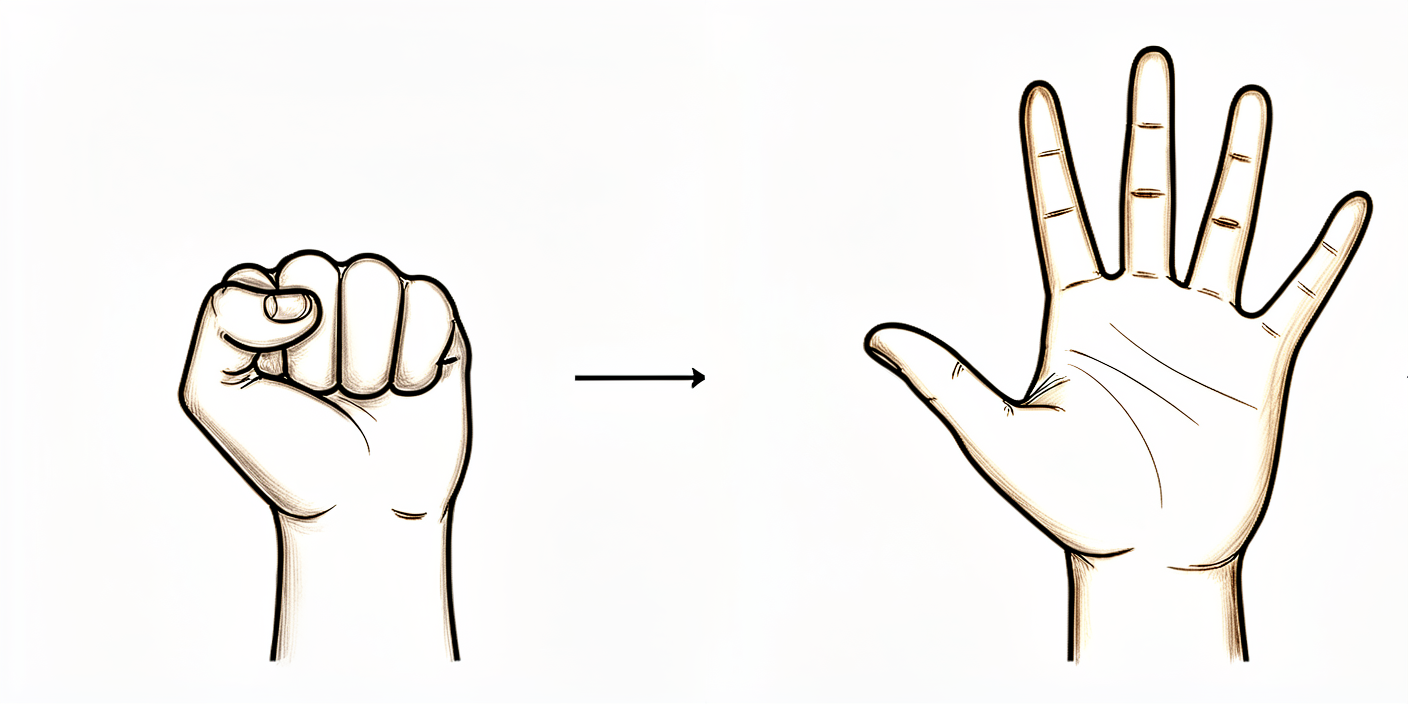
விரல் அசைவு (மென்மையாக முஷ்டி மூடித் திறத்தல்)
முதல் சில நாட்களுக்குள், மெதுவாக ஒரு மென்மையான முஷ்டியை மூடி, பிறகு உங்கள் விரல்களை முழுமையாக நேராக்குங்கள்; மெதுவாக, வசதியாக இருக்கும் அளவுக்கு மட்டுமே அசையுங்கள். ஆரம்ப அசைவு விரல் விறைத்துப்போவதைத் தடுக்கிறது; குணமாகும் காயத்துடன் தசைநாண்கள் ஒட்டிக்கொள்வதையும் நிறுத்துகிறது. வலுக்கட்டாயமாகச் செய்ய வேண்டாம் — கட்டும் சிறிதளவு அசௌகரியமும் உங்களுக்கு வழிகாட்டட்டும்.
10 முறை, நாளொன்றுக்கு 3–4 முறை, வசதிக்குள்
Kieran Hirpara 4.0
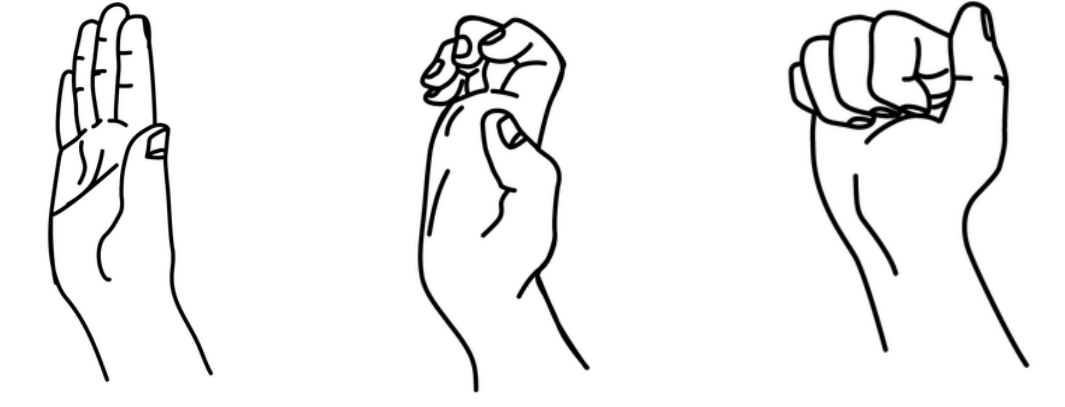
தசைநாண் நழுவல் (கொக்கி, முஷ்டி, நேர்)
உங்கள் விரல்களை மூன்று வடிவங்கள் வழியாக அசையுங்கள்: ஒரு கொக்கி (விரல் நுனிகளையும் நடு மூட்டுகளையும் மடக்கி, மூட்டுக் கணுக்களை நேராக வைத்திருங்கள் — ஒரு நகம் போல), ஒரு முழு முஷ்டி, பிறகு தட்டையான நேரான கை. இந்த நிலைகள் மடக்குத் தசைநாண்களை அறுவை சிகிச்சை செய்யப்பட்ட பகுதி வழியாக நகர்த்துகின்றன; அதனால் அவை ஒட்டிக்கொள்ளாமல் சுதந்திரமாக நழுவிக்கொண்டே இருக்கின்றன. ஒவ்வொன்றையும் மென்மையாகவும் வலியின்றியும் வைத்திருங்கள்.
ஒவ்வொரு நிலையும் 5 முறை, நாளொன்றுக்கு 3–4 முறை
Kieran Hirpara 4.0
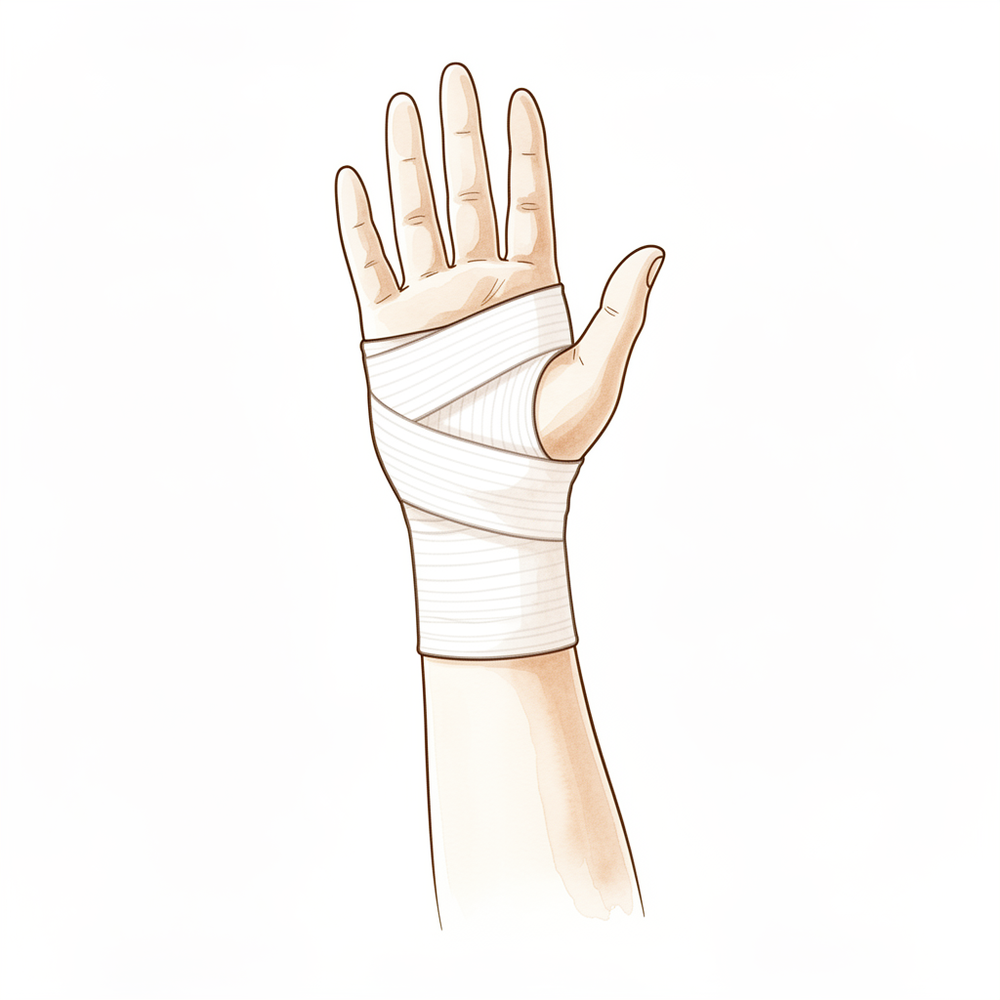
வீக்கக் கட்டுப்பாடு
முதல் வாரத்தில் முடிந்தவரை உங்கள் கையை இதயத்தின் மட்டத்துக்கு மேல் உயர்த்தி வைத்திருங்கள்; வீக்கத்தை வெளியேற்றப் பம்ப் செய்வது போல விரல்களை மெதுவாகத் திறந்து மூடுங்கள். வீக்கம் குறைவாக இருந்தால் விரல் எளிதாகவும் வசதியாகவும் இருக்கும்; மீட்சியும் தடையின்றி நடக்கும். தொடக்கத்தில் உள்ளங்கையைச் சுற்றிச் சிறிது வீக்கம் இருப்பது இயல்பானது.
நாள் முழுவதும் அடிக்கடி உயர்த்தி வையுங்கள்; விழித்திருக்கும்போது ஏறக்குறைய ஒவ்வொரு மணி நேரத்துக்கும் மென்மையான விரல் இயக்கம்
Kieran Hirpara 4.0
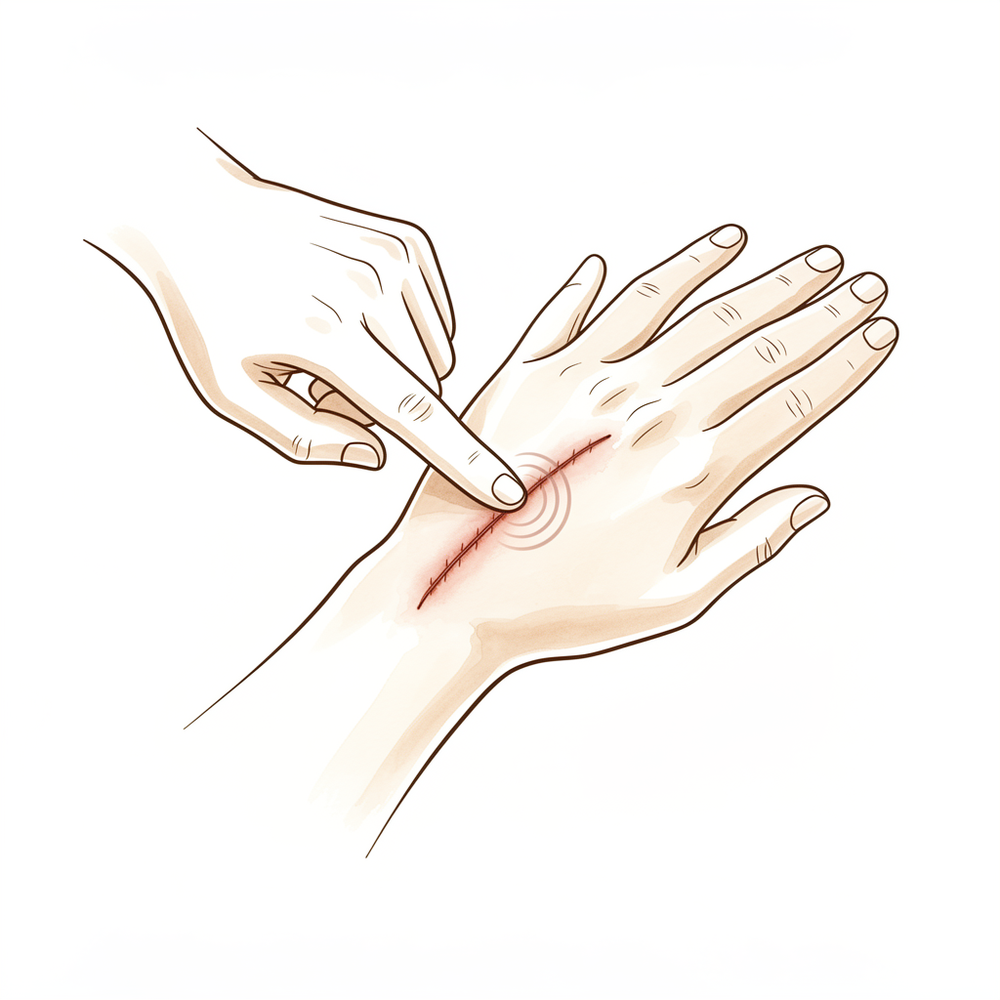
வடு மசாஜும் உணர்திறன் குறைப்பும்
காயம் முழுமையாகக் குணமாகித் தையல்கள் அகற்றப்பட்டதும் (பொதுவாகச் சுமார் இரண்டு வாரங்களுக்குப் பிறகு), சிறிதளவு மாய்ஸ்சரைசரை வடுவில் தடவி, உறுதியான சிறு வட்ட அசைவுகளில் சில நிமிடங்கள் தேய்யுங்கள்; வெவ்வேறு தன்மையுள்ள பொருட்களால் (ஒரு மென்மையான துணி, பிறகு ஒரு துவாலை) அந்தப் பகுதியைத் தடவுங்கள். இது வடுவை மென்மையாக்கி, தோலின் சிறிய நரம்புகள் மீளும்போது தொடக்கத்தில் பொதுவாக இருக்கும் வலியையும் கூச்சத்தையும் தணிக்கிறது. திறந்த அல்லது குணமாகாத காயத்தை ஒருபோதும் மசாஜ் செய்ய வேண்டாம்.
சில நிமிடங்கள், நாளொன்றுக்கு 2–3 முறை, முழுமையாகக் குணமானதும்
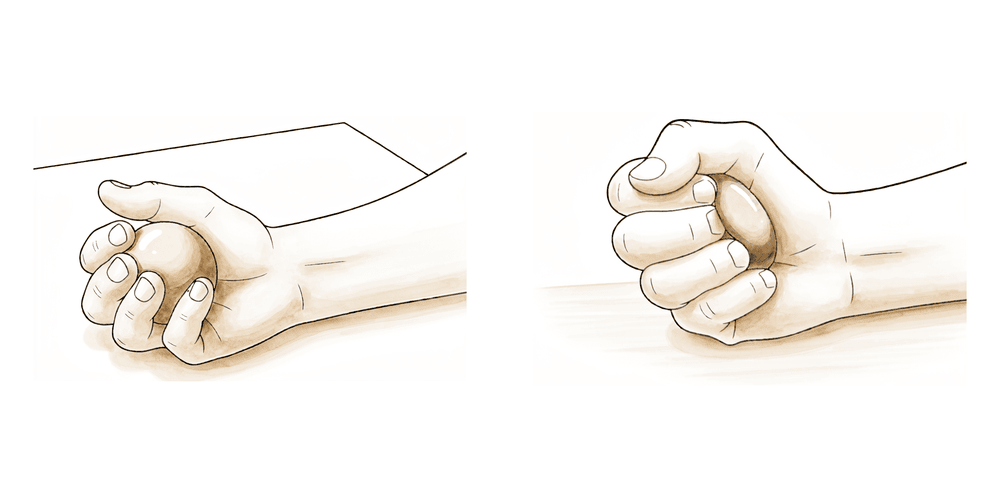
Kieran Hirpara 4.0
பிடி வலுப்படுத்துதல்
இது பிந்தைய கட்டப் பயிற்சி — காயம் சீரடைந்து, உங்கள் கை சிகிச்சையாளர் சம்மதித்ததும், சுமார் இரண்டு முதல் மூன்று வாரங்களிலிருந்து தொடங்குங்கள். ஒரு மென்பந்தையோ சிகிச்சைப் பட்டியையோ (therapy putty) மெதுவாக அழுத்திப் பிடியுங்கள்; சில வினாடிகள் பிடித்து, பிறகு தளர்த்துங்கள்; முயற்சியைப் படிப்படியாக அதிகரியுங்கள். இது முழுப் பயன்பாட்டுக்குத் தயாராகும்படி பிடி வலிமையை மீண்டும் கட்டியெழுப்புகிறது. காயத்தின் மேல் கூர்மையான வலி இருந்தால் நிறுத்துங்கள்.
10–15 முறை அழுத்துதல், நாளொன்றுக்கு 2–3 முறை (~2–3 வாரங்களிலிருந்து)
இவை உங்கள் கையேட்டில் உள்ள பயிற்சிகள். டாக்டர் ஹிர்பராவும் உங்கள் கை சிகிச்சையாளரும் வழிகாட்டும்படி மட்டுமே, உங்களுக்குக் கொடுக்கப்பட்ட எல்லைகளுக்குள் இருந்து, அவற்றைத் தொடங்குங்கள். ஆரம்பப் பயிற்சிகள் (மென்மையாக முஷ்டி மூடித் திறத்தல், தசைநாண் நழுவல், வீக்கக் கட்டுப்பாடு) முதல் சில நாட்களிலிருந்தே விரலை அசைவிலும் தசைநாண்களை நழுவிக்கொண்டும் வைத்திருக்கின்றன; சுமுகமான மீட்சிக்கு இதுவே மிக முக்கியமான ஒரே விஷயம். காயம் முழுமையாகக் குணமானதும் வடு மசாஜும் உணர்திறன் குறைப்பும் தொடங்குகின்றன; பிடி வலுப்படுத்துதல் சற்றுப் பிந்தைய கட்டத்துக்கு உரியது (சுமார் இரண்டு முதல் மூன்று வாரங்களிலிருந்து). காயத்தின் மேல் கூர்மையான வலியை ஏற்படுத்தும் எதையும் நிறுத்துங்கள்.
உங்கள் மருத்துவ நெறிமுறை
இந்தப் பக்கத்தின் மீதமுள்ள பகுதி, மடக்கு உறை கேங்க்லியான் (வோலார் ரெட்டினாகுலர் நீர்க்கட்டி) அகற்றப்பட்ட பிறகான மறுவாழ்வுப் பயிற்சிக்கான, கட்டம் கட்டமான மருத்துவ நெறிமுறை. இந்தப் பகுதி உங்கள் கை சிகிச்சையாளரிடம் வழங்கப்பட வேண்டியது; ஒவ்வொரு கட்டமும் என்ன நடக்கிறது என்பதை எளிய மொழியில் விளக்குவதுடன் தொடங்குகிறது. இது ஒரு அகற்றல் (excision), சரிசெய்தல் அல்ல: தசைநாண் உறை திறந்தபடியே விடப்படுகிறது; பாதுகாக்க வேண்டிய அமைப்பு எதுவும் இல்லை. இந்தத் திட்டம், பாதுகாப்புடன் அசையாமல் வைத்திருப்பது அல்ல; காயப் பாதுகாப்பு, வீக்கக் கட்டுப்பாடு, ஒட்டுதலைத் தடுக்கும் தசைநாண் நழுவல், வடு/உணர்திறன் குறைப்புப் பணி ஆகியவற்றை மையமாகக் கொண்டு கட்டப்பட்ட ஒரு ஆரம்ப அசைவு (early-motion) வழிமுறை.
சிகிச்சைக்கு முன், அறுவை சிகிச்சை அறிக்கையையும் கடந்தகால மருத்துவ வரலாற்றையும் பரிசோதியுங்கள்; பாதிக்கப்பட்ட விரல், உறை அகற்றப்பட்ட அளவு, விரல் நரம்பு-இரத்தக் குழாய்க் கற்றைகளின் (digital neurovascular bundles) நிலைமை ஆகியவை குறித்து சிகிச்சை அளிக்கும் அறுவை சிகிச்சை நிபுணருடன் கலந்தாலோசியுங்கள். டாக்டர் ஹிர்பராவின் அகற்றல், A1/அண்மை உறையின் மேல் போடப்படும் புரூனர் (Bruner) கோணல்-மாணல் உள்ளங்கை வெட்டின் வழியாகச் செய்யப்படுகிறது; நீர்க்கட்டி, உறையின் ஒரு வளையத்துடன் சேர்த்து அகற்றப்படுகிறது; உறை சரிசெய்யப்படுவதில்லை; மென்மையான கட்டைத் தவிர வேறு எந்த அசைவின்மைப் பாதுகாப்பும் இல்லை. தற்காலிகமான விரல்-நரம்புக் கூச்சம் (paraesthesia) பொதுவானது; அது தானாகவே தணிந்துவிடும்.
கட்டம் I — காயப் பாதுகாப்பும் ஆரம்ப அசைவும் (வாரம் 0 முதல் ~1 வரை)
முதல் வாரம், உள்ளங்கையில் உள்ள சிறிய காயத்தைப் பாதுகாத்து, விரல் விறைத்துப்போகாமலும் தசைநாண் ஒட்டுதல்கள் ஏற்படாமலும் இருக்க அதை ஆரம்பத்திலேயே அசைய வைக்கிறது. கை சிம்பு இல்லாத, திரட்சியான மென்மையான கட்டில் பராமரிக்கப்பட்டு, உயர்த்தி வைக்கப்படுகிறது; மென்மையான சுய விரல் அசைவு சில நாட்களுக்குள் தொடங்கப்படுகிறது.
உங்கள் கை சிகிச்சையாளருக்கு:
கல்வியும் முன்னெச்சரிக்கைகளும் - திரட்சியான மென்மையான கட்டு மட்டுமே, சிம்பு இல்லை; தையல்கள் அகற்றப்படும் வரை (~10–14ஆம் நாள்) சுத்தமாகவும் உலர்வாகவும் வைத்திருக்கவும் - காயத்தைக் கனமான சுமையிலிருந்து பாதுகாக்கவும்; வசதிக்குள் சுமை இல்லாத லேசான கைப் பயன்பாடு - காயத்தைச் சுற்றி தற்காலிகமான விரல்-நரம்புக் கூச்சம் / அதீத உணர்திறன் பொதுவானது என்றும், அது தானாகவே தணியும் என்றும் ஆலோசனை வழங்கவும்
சிகிச்சை மேலாண்மை - காயம்: அறிவுறுத்தப்பட்டபடி அறுவை சிகிச்சைக் கட்டு; தொற்று ஏற்படுகிறதா எனக் கண்காணிக்கவும் - வீக்கம்: இதயத்தின் மட்டத்துக்கு மேல் உயர்த்தி வைத்தல், மென்மையான விரல் இயக்கம் (pumping), தேவைக்கேற்பப் பனிக்கட்டி ஒத்தடம் - பயிற்சிகள்: மென்மையான சுய விரல் அசைவு வரம்பு (AROM) (மென்மையான முழு முஷ்டியும் முழு நீட்டலும்) மற்றும் தசைநாண் நழுவல் (கொக்கி / முஷ்டி / நேர்) — சில நாட்களுக்குள் தொடங்கவும்; பாதிக்கப்படாத விரல்கள், கட்டைவிரல், மணிக்கட்டு ஆகியவற்றின் சுய அசைவு; லேசான செயல்பாட்டுப் பயன்பாடு
அடுத்த கட்டத்துக்குச் செல்வதற்கான அளவுகோல்கள் - காயம் சீரடைந்து வருதல், தொற்று இல்லாமை; வசதியான ஆரம்பச் சுய அசைவு வீச்சு; காயம் அனுமதிக்கும் அளவுக்கு முழுச் சுய / மென்மையான பிறர் அசைக்கும் அசைவுக்குத் தயார்
கட்டம் II — முழு அசைவு, வீக்கம், வடுப் பணி (வாரம் ~1 முதல் 3 வரை)
சுமார் ஒரு வாரத்திலிருந்து, அசைவு முழுச் சுய வரம்பு மற்றும் மென்மையான பிறர் அசைக்கும் வரம்பு வரை (முழு முஷ்டியும் முழு நீட்டலும்) முன்னேற்றப்படுகிறது; காயம் முழுமையாகக் குணமாகித் தையல்கள் அகற்றப்பட்டதும், வடு மசாஜும் உணர்திறன் குறைப்பும் தொடங்குகின்றன. வீக்கக் கட்டுப்பாடு தொடர்கிறது.
உங்கள் கை சிகிச்சையாளருக்கு:
மதிப்பீடுகள் - சுய மற்றும் பிறர் அசைக்கும் விரல் அசைவு வரம்பு (ROM) (இலக்கு: முழு முஷ்டியும் முழு நீட்டலும்); காயம்/வடு நிலை; வீக்கம்; விரல்-நரம்பு உணர்திறன்
கல்வியும் முன்னெச்சரிக்கைகளும் - வசதி அனுமதிக்கும் அளவுக்கு முழுச் சுய மற்றும் மென்மையான பிறர் அசைக்கும் விரல் அசைவுக்கு முன்னேறவும் - காயம் முழுமையாகக் குணமானதும் மட்டுமே வடு மசாஜையும் உணர்திறன் குறைப்பையும் தொடங்கவும் - காயம் சீரடையும் வரை பலமாகப் பிடிப்பதையும் வலுக்கட்டாயமாகக் கிள்ளிப் பிடிப்பதையும் தவிர்க்கவும்
சிகிச்சை மேலாண்மை - பயிற்சிகள்: முழு முஷ்டியும் முழு நீட்டலும்; தசைநாண் நழுவலைத் தொடர்தல்; எஞ்சியிருக்கும் எந்த இறுக்கத்துக்குள்ளும் மென்மையான, பிறர் அசைக்கும் நீட்சி - வடு: குணமானதும் வடு மசாஜ் + வெவ்வேறு தன்மையுள்ள பொருட்களால் உணர்திறன் குறைப்பு; தேவைக்கேற்ப வீக்க மேலாண்மை
அடுத்த கட்டத்துக்குச் செல்வதற்கான அளவுகோல்கள் - முழுமையான, வலியற்ற சுய அசைவு; குணமான காயம்; சீரடைந்து வரும் வடு; சுமை ஏற்கத் தயார்
கட்டம் III — வலுப்படுத்துதலும் திரும்புதலும் (வாரம் ~3 முதல் 6 வரை)
காயம் குணமாகி அசைவு முழுமையானதும் (சுமார் மூன்று வாரங்களில்), பிடி மற்றும் கிள்ளிப் பிடிக்கும் வலுப்படுத்துதல் தொடங்கி, முழுமையான, கட்டுப்பாடற்ற பயன்பாட்டை நோக்கிப் படிப்படியாகக் கட்டியெழுப்பப்படுகிறது. பெரும்பாலான நோயாளிகள் சுமார் நான்கு முதல் ஆறு வாரங்களுக்குள் முழுச் செயல்பாட்டுக்குத் திரும்புகிறார்கள்; சுமார் இரண்டு மாதங்களில் ஒரு வழக்கமான மறுபரிசோதனை இருக்கும்.
உங்கள் கை சிகிச்சையாளருக்கு:
மதிப்பீடுகள் - மறுபக்கத்துடன் ஒப்பிடும்போது பிடியும் கிள்ளிப் பிடிப்பும்; வடுவில் எஞ்சியிருக்கும் வலியோ உணர்திறனோ; செயல்பாட்டு / பணி சார்ந்த தேவைகள்
கல்வியும் முன்னெச்சரிக்கைகளும் - காயம் சீரடைந்ததும், சுமார் 2–3 வாரங்களிலிருந்து பிடி மற்றும் கிள்ளிப் பிடிக்கும் வலுப்படுத்துதலைத் தொடங்கவும்; சுமையைப் படிப்படியாக அதிகரிக்கவும் - வசதியும் வலிமையும் அனுமதிக்கும் அளவுக்கு முழுமையான, கட்டுப்பாடற்ற பயன்பாட்டுக்கு முன்னேறவும்
சிகிச்சை மேலாண்மை - பயிற்சிகள்: பட்டி (putty) / மென்பந்தைப் பிடித்து அழுத்துதல், கிள்ளிப் பிடிக்கும் வலுப்படுத்துதல், படிப்படியாக அதிகரிக்கும் செயல்பாட்டுச் சுமை; எஞ்சியிருக்கும் வடுப் பணியையும் உணர்திறன் குறைப்பையும் தொடரவும் - அசைவு முழுமையாகி, பிடி வசதியாகவும் கிட்டத்தட்டச் சமச்சீராகவும் ஆனதும் சிகிச்சையை நிறைவு செய்யவும்; ~2 மாதங்களில் வழக்கமான அறுவை சிகிச்சை மறுபரிசோதனை - மீட்சி ஒரே இடத்தில் தேங்கினால், வடு குறிப்பிடத்தக்க அளவுக்கு அதீத உணர்திறனுடன் நீடித்தால், அல்லது கட்டி மீண்டும் வருவது குறித்துக் கவலை இருந்தால், சிகிச்சை அளிக்கும் மருத்துவரிடம் மீண்டும் பரிந்துரைக்கவும்
முழுமையாகத் திரும்புவதற்கான அளவுகோல்கள் - முழுமையான, வலியற்ற அசைவு; வசதியான பிடியும் கிள்ளிப் பிடிப்பும்; சீரடைந்த வடு; வேலை மற்றும் செயல்பாட்டுத் தேவைகளைச் சமாளிக்கும் திறன்
வேலைக்கும் செயல்பாடுகளுக்கும் திரும்புதல்
லேசான அன்றாடக் கைப் பயன்பாடு (சாப்பிடுவது, எழுதுவது, லேசான சுய பராமரிப்பு) தொடக்கத்திலிருந்தே, வசதிக்குள், ஊக்குவிக்கப்படுகிறது — அது காயத்தின் வழியே பலமாகப் பிடிப்பதையோ வலுக்கட்டாயமாகக் கிள்ளிப் பிடிப்பதையோ உள்ளடக்காத வரை. பெரும்பாலானோர் சில நாட்களுக்குள் அன்றாட வேலைகளைச் சமாளித்துவிடுகிறார்கள். வாகனம் ஓட்டுவது பொதுவாகச் சுமார் ஒரு வாரத்திலிருந்து மீண்டும் தொடங்குகிறது — நீங்கள் ஸ்டியரிங் சக்கரத்தை வசதியாகப் பிடித்துக் கட்டுப்படுத்த முடிந்து, கட்டால் இனித் தடைபடாத நிலையில், உங்கள் மறுபரிசோதனையின்போது டாக்டர் ஹிர்பராவிடம் அதை உறுதிப்படுத்திக்கொண்ட பிறகு.
காயம் சீரடைந்ததும், சுமார் இரண்டு முதல் மூன்று வாரங்களிலிருந்து பிடிப்பதும் வலுப்படுத்துதலும் தொடங்கி, படிப்படியாக அதிகரிக்கப்படுகின்றன. முழுமையான, கட்டுப்பாடற்ற செயல்பாடு பொதுவாகச் சுமார் நான்கு முதல் ஆறு வாரங்களில் எட்டப்படுகிறது. அலுவலக வேலைக்குப் பெரும்பாலும் சில நாட்களுக்குள் அல்லது ஒரு வாரத்துக்குள் திரும்பலாம்; கனமான உடல் உழைப்புத் தேவைப்படும் வேலை, உங்கள் பிடி திரும்பும்போது அதே கட்டம் கட்டமான முன்னேற்றத்தையே பின்பற்றுகிறது. சுமார் இரண்டு மாதங்களில் ஒரு வழக்கமான மறுபரிசோதனை பொதுவாக ஏற்பாடு செய்யப்படுகிறது.
உங்கள் நெறிமுறைக்குப் பிறகு
இந்த நெறிமுறை, கிளினிக்கின் பொதுவான மீட்சி ஆலோசனையுடன் இணைந்து செயல்படுகிறது: அறுவை சிகிச்சைக்குப் பிந்தைய வலியை நிர்வகித்தல், காயப் பராமரிப்பு, வடு மேலாண்மை ஆகியவற்றைப் பாருங்கள். இந்தக் கேங்க்லியான் A1 புல்லியின் மேல், விரலின் அடிப்பகுதியில் அமைந்திருப்பதால், உள்ளங்கைப் பக்கத்தில் விரலின் அடிப்பகுதியில் செய்யப்படும் டிரிக்கர் விரல் விடுவிப்பு போன்ற மற்ற சிறிய நடைமுறைகளின் மீட்சியுடன் இதற்கு நிறையப் பொதுத்தன்மை உண்டு. மேலே உள்ள கட்டம் கட்டமான திட்டம், கேங்க்லியான் அகற்றலுக்குப் பிறகு வெளியிடப்பட்ட வழிகாட்டுதலை எதிரொலிக்கிறது; உங்கள் விரல் எப்படி முன்னேறுகிறது என்பதற்கு ஏற்ப, டாக்டர் ஹிர்பராவும் உங்கள் கை சிகிச்சையாளரும் உங்கள் தொடர் மீட்சிக்குத் தனிப்பட்ட முறையில் வழிகாட்டுவார்கள்.
Evidence & references
This is the clinical evidence summary written for health professionals. It is technical, and it lists the research this page was built from. You do not need to read it to understand your treatment or to make a decision about it.
Topic scope: post-operative rehabilitation after surgical excision of a flexor tendon sheath ganglion (volar retinacular cyst / "seed" ganglion) at the base of a finger — a small, firm, often tender cyst arising from the flexor sheath, commonly over the A1 pulley at the metacarpophalangeal crease of the middle or ring finger. This is an excision, not a reconstruction: the cyst is removed with a small cuff of sheath, the sheath is not repaired, and there is no construct to protect — so the rehab is a brief early-motion pathway built around wound protection, oedema control, tendon gliding and scar/desensitisation work rather than months of protected healing.
Defining principle of the rehab here: a flexor sheath ganglion is a benign cyst tethered to the tendon sheath; excising it (with a cuff of sheath) removes the lesion without creating anything that needs to heal under protection. The sheath is meant to be left open — partial sheath excision does not weaken the digit or cause bowstringing at this level — so immediate, unrestricted light use and early gentle finger motion are the default. The therapy programme exists to keep the flexor tendons gliding through the healing palm wound so they do not adhere, to settle the transient digital-nerve hypersensitivity that commonly follows dissection between the neurovascular bundles, and to mature the scar — not to immobilise. The single branch point is wound healing: scar massage and grip loading wait until the wound is healed and sutures are out.
A. PROCEDURE OUTCOMES (excision of flexor sheath ganglion)
Excision of a flexor sheath ganglion is a small, reliable day-case hand operation: the great majority of patients are rendered symptom-free with a low recurrence rate, and the principal trade-off is the common but self-limiting transient digital-nerve paraesthesia from dissecting the cyst out from between the digital neurovascular bundles.
- Flexor sheath (volar retinacular) ganglions are a well-defined, common entity. They account for roughly 5–16% of ganglions of the hand and wrist, presenting as a small (typically 3–8 mm), firm, often tender nodule fixed to the flexor sheath at the digit base — classically over the A1/A2 pulley region — that does not move with the tendon [JAAOS 2022; JAAOS 1999; Hand Clin 2004]. Well-established (lesion nature).
- Surgical excision gives reliable symptom relief with low recurrence. Level-IV case series of flexor sheath / volar retinacular ganglion excision report durable resolution and low recurrence after complete excision of the cyst with a cuff of sheath; recurrence is the main long-term concern and is uncommon when the lesion and its sheath origin are fully removed [Hand 2007; J Hand Surg series; PMC surgical series]. Moderate (level-IV case series).
- Transient digital-nerve paraesthesia is the principal complication. Because the cyst sits immediately deep to, and is dissected free from, the digital nerves, temporary numbness or tingling in the finger is the commonest reported post-operative event; it is typically self-limiting and settles over weeks. True nerve injury is rare with careful protection of both bundles [Hand 2007; volar retinacular series; Medscape]. Moderate (case series + expert review).
- Partial excision of the sheath is biomechanically tolerated. Removing the cyst with a small cuff of the flexor sheath at the A1 level does not produce clinically significant bowstringing or weakness, which is the anatomical basis for not repairing the sheath and for an early-motion rehab without protected immobilisation [Hand Clin 2004 (palmar digital ganglia / A1–A2 origin)]. Mechanistic.
B. REHABILITATION / THERAPY EVIDENCE
There are no randomised rehab trials specific to flexor sheath ganglion excision; the post-operative programme is low-level / expert-consensus, but it is strikingly consistent across hand-therapy and surgical sources: dressing only (no splint), early gentle finger motion within days, tendon gliding to prevent adhesion, scar massage and desensitisation once healed, and return to full use by ~4–6 weeks.
- Dressing-only, no routine splinting. Aftercare guidance for ganglion (including flexor sheath) excision describes a soft dressing with no immobilisation, with the patient encouraged to move the finger early — there is no construct to protect, so splinting is not required and would risk stiffness [MSA aftercare; Medscape]. Weak / consensus.
- Early active finger motion and tendon gliding prevent stiffness and adhesion. Starting gentle active fist/extension and tendon glides within the first few days keeps the flexor tendons gliding through the palm wound so they do not adhere to the healing scar — the same adhesion-prevention rationale that underpins early-motion hand rehab generally. The benefit is mechanistic / consensus rather than trial-proven for this lesion [hand-therapy aftercare sources]. Weak (mechanism sound).
- Scar massage and desensitisation, started once healed, settle the wound and digital-nerve hypersensitivity. Palm scars at the digit base are prone to tenderness, and the transient digital-nerve paraesthesia from the dissection responds to graded desensitisation; both begin only after the wound is fully healed and sutures are out (~day 10–14) [MSA aftercare; Medscape]. Weak / consensus.
- Grip loading and full return are early. Because nothing is repaired, gripping and strengthening begin once the wound has settled (~2–3 weeks) and full unrestricted use is typically reached by ~4–6 weeks, with routine follow-up around two months — consistent across aftercare sources [MSA aftercare; PMC series; Medscape]. Weak / consensus.
Recovery trajectory (expected, evidence-anchored)
| Phase | Window | Restraint | Hand use / therapy focus | Strength / load | Notes |
|---|---|---|---|---|---|
| I — Wound protection & early motion | Week 0–1 | Soft dressing, no splint | Elevate above heart; gentle active fist + full extension and tendon glides within a few days; protect wound; light functional use | Light unloaded use only | Transient digital-nerve tingling is expected, not a complication |
| II — Full motion, oedema & scar work | Week ~1–3 | Heavy-grip avoidance | Progress to full active + gentle passive motion (full fist, full extension); scar massage + desensitisation once wound healed; oedema control | No forceful gripping/pinching until wound settled | Sutures out ~day 10–14; scar work only after full healing |
| III — Strengthening & return | Week ~3–6 | Restrictions lifted | Progress grip/pinch loading; task-specific use | Grip/pinch strengthening from ~2–3 wk; full unrestricted use by ~4–6 wk | Routine follow-up ~2 months; driving ~1 wk once gripping the wheel comfortably (surgeon discretion) |
(Phase windows mirror the precautions and return milestones in the patient protocol; they are typical guides, not trial-derived deadlines.)
C. KEY CONTROVERSIES / EVIDENCE QUALITY
- Lesion nature is well-established. The flexor sheath / volar retinacular ganglion is a recognised, characterised entity (firm, sheath-tethered, A1-pulley region, 5–16% of hand/wrist ganglions); its diagnosis and origin are not in dispute. Strong (descriptive).
- Excision outcomes are good but evidenced at level IV. Low recurrence and reliable symptom relief come from case series, not controlled trials — adequate for a small benign lesion, but the evidence tier is modest. Moderate (level-IV).
- Transient digital-nerve paraesthesia vs true nerve injury. Temporary tingling is common and self-limiting; framing it for patients up front avoids alarm, while careful intra-operative protection of both neurovascular bundles keeps true injury rare. Moderate.
- The rehab protocol is consensus, not trial-derived. No RCTs govern post-excision therapy; the dressing-only, early-motion, scar-care, ~4–6-week-return pathway is consistent across sources but rests on expert consensus and the general principles of early-motion hand rehab. Weak / consensus.
- Recurrence is the main long-term failure mode and is uncommon after complete excision of the cyst with its sheath origin; a residual or recurrent lump warrants reassessment rather than prolonged therapy. Moderate.
D. EVIDENCE STRENGTH FLAGS (summary)
- WELL-ESTABLISHED (descriptive): the nature, location and prevalence (5–16% of hand/wrist ganglions) of flexor sheath / volar retinacular ganglions.
- MODERATE (level-IV case series): reliable symptom relief and low recurrence after excision; transient digital-nerve paraesthesia as the principal, self-limiting complication; recurrence as the main long-term failure mode.
- WEAK / CONSENSUS: the dressing-only, early-motion, scar-care rehab programme and its phase timings (consistent across aftercare sources, mechanistically rationalised, but not trial-derived); ~4–6-week full return and ~1-week driving (surgeon discretion).
CITATIONS
RAG corpus (180,000+ Orthopaedic articles)
- Ganglions of the hand and wrist. J Am Acad Orthop Surg. 2022. DOI: 10.5435/jaaos-d-22-00105
- Ganglions of the hand and wrist. J Am Acad Orthop Surg. 1999. DOI: 10.5435/00124635-199907000-00003
- Surgical excision of flexor sheath ganglions of the hand: results and outcomes. Hand (N Y). 2007. DOI: 10.1007/s11552-007-9028-4
- Volar retinacular ganglions of the hand: a clinical series. J Hand Surg Am. 2011. DOI: 10.1016/j.jhsa.2011.05.013
- Palmar digital ganglia and the A1–A2 sheath origin. Hand Clin. 2004. DOI: 10.1016/j.hcl.2004.03.015
Flexor sheath ganglion / rehabilitation literature (URLs)
- Surgical excision of flexor sheath ganglions — case series (full text). PMC. https://pmc.ncbi.nlm.nih.gov/articles/PMC2527143/
- Volar retinacular ganglions of the hand. Journal of Hand Surgery (American). https://www.jhandsurg.org/article/S0363-5023(11)00627-7/abstract
- Ganglion cyst excision — post-operative aftercare (dressing-only, early motion, scar care, ~4–6 week return). Mississippi Sports & Arthritis (MSA) Hand Center. https://msapc.com/hand-center/aftercare/ganglion-cyst-excision/
- Ganglion treatment (surgical excision, recurrence and transient digital-nerve paraesthesia). Medscape. https://emedicine.medscape.com/article/1243525-treatment





