

PIP மூட்டு இணைப்பு அறுவை சிகிச்சை (PIP Joint Fusion) தகவல்
Mater Private Hospital Rockhampton-இல் டாக்டர் கியரன் ஹிர்பரா செய்யும் PIP மூட்டு இணைப்பு அறுவை சிகிச்சைக்குப் (fusion, arthrodesis) பிறகு உங்கள் மீட்சிக்கு இந்த நெறிமுறை வழிகாட்டுகிறது; PIP என்பது விரலின் நடு மூட்டு. இது உங்கள் வீட்டுப் பயிற்சித் திட்டத்துடன் தொடங்குகிறது; அதைத் தொடர்ந்து உங்கள் கை சிகிச்சையாளருக்காக எழுதப்பட்ட, கட்டமைக்கப்பட்ட மருத்துவ நெறிமுறை வருகிறது: உங்கள் மறுவாழ்வுப் பயிற்சி ஒருங்கிணைந்ததாக இருக்க, இந்தப் பக்கத்தையோ அதன் PDF-ஐயோ உங்கள் முதல் சிகிச்சைச் சந்திப்புக்குக் கொண்டு வாருங்கள். உங்கள் மீட்சி எப்படி முன்னேறுகிறது என்பதைப் பொறுத்து உங்கள் கை சிகிச்சையாளர் இந்தத் திட்டத்தை மாற்றியமைக்கலாம்.
அறுவை சிகிச்சைக்குப் பிறகு உங்கள் காயம் பற்றி ஏதேனும் கவலை இருந்தால், கிளினிக்கைத் தொடர்பு கொள்ளுங்கள். காயத்தைப் புகைப்படம் எடுத்து, பார்வையிடுவதற்காக மின்னஞ்சலில் அனுப்புவது பெரும்பாலும் உதவியாக இருக்கும்.
என்ன எதிர்பார்க்கலாம்
PIP மூட்டு இணைப்பு அறுவை சிகிச்சை, தேய்ந்துபோன அல்லது நிலையற்ற விரலின் நடு மூட்டை எடுத்து அதைத் திடமாக ஒன்றாக இணைத்துவிடுகிறது; அதனால் அது இனி அசையாது. மூட்டு முற்றிலும் நேராக அல்லாமல், செயல்பாட்டுக்கு உகந்த, சற்று வளைந்த நிலையில் நிலைநிறுத்தப்படுகிறது: ஆள்காட்டி விரலிலும் நடு விரலிலும் இந்த வளைவு மென்மையானது (சுமார் 15–20°), கையின் சுண்டு விரல் பக்கம் நோக்கி அது அதிகரிக்கிறது (மோதிர விரலிலும் சுண்டு விரலிலும் சுமார் 25–40°) — நீங்கள் விரல்களை மடக்கும்போது அவை இயற்கையாக உருவாக்கும் படிநிலை வளைவைப் பின்பற்றி. இணைக்கப்பட்ட மூட்டு ஒரு சிறிய உள்பொருத்தால் (இழுவைப் பட்டைக் கம்பி, தலையில்லாத் திருகு, K-கம்பிகள், அல்லது ஒரு சிறிய தகடு) அதன் இடத்தில் பிடித்து வைக்கப்படுகிறது; இணைப்பின் குறுக்கே எலும்பு ஒட்டிக்கொள்ளும் வரை அது அந்தக் கோணத்தை உறுதியாகத் தாங்கி நிற்கிறது.
ஆள்காட்டி விரலுக்கும் நடு விரலுக்கும் இந்த அறுவை சிகிச்சை அடிக்கடித் தேர்ந்தெடுக்கப்படுகிறது; அங்கே நடு மூட்டின் அசைவைவிட கிள்ளுப் பிடிக்கு (pinch) உறுதியான மூட்டு இருப்பதே முக்கியம். அறுவை சிகிச்சைக்குப் பிறகு PIP மூட்டு விறைப்பாக இருப்பதே நோக்கம்: அதுதான் இந்த அறுவை சிகிச்சையின் இலக்கு. எனவே தசைநாண் அல்லது தசைநார் பழுதுபார்ப்பைப் போலல்லாமல், அந்த மூட்டில் அசைவை மீட்டெடுப்பது மீட்சியின் நோக்கம் அல்ல; எலும்பு ஒட்டிக்கொள்ளும் வரை இணைப்பைப் பாதுகாப்பதே நோக்கம் — அதே நேரத்தில் கையின் மற்ற ஒவ்வொரு மூட்டையும் தடையின்றி அசைய வைப்பதும்.
இந்தத் திட்டம் நான்கு கருத்துகளைச் சுற்றி அமைக்கப்பட்டுள்ளது:
- எலும்பு இணையும் வரை இணைப்பைப் பாதுகாத்தல். எலும்பு இணைவதற்குப் பொதுவாகச் சுமார் ஆறு வாரங்கள் ஆகும், சில சமயங்களில் ஒன்பது முதல் பன்னிரண்டு வாரங்கள் வரை ஆகலாம். அதுவரை இணைக்கப்பட்ட மூட்டு ஒரு சிம்பில் (splint) தாங்கி வைக்கப்படுகிறது.
- மற்ற அனைத்தையும் முதல் நாளிலிருந்தே அசைவில் வைத்திருத்தல்: நுனி மூட்டு, பெரிய கணு மூட்டு, அருகிலுள்ள விரல்கள், கட்டைவிரல், மணிக்கட்டு — இதனால் தசைநாண்கள் ஒட்டிக்கொள்ளாமலும், கையின் மற்ற பகுதி விறைத்துப்போகாமலும் இருக்கும்.
- ஆரம்ப வாரங்களில் வீக்கத்தையும் வடுவையும் கவனித்துக் கையாளுதல்.
- இணைப்பு ஒட்டிக்கொண்ட பிறகு பிடியையும் கிள்ளுப் பிடியையும் மீட்டெடுத்தல். புகைபிடிக்காதீர்கள்: புகைபிடித்தல் எலும்பு குணமடைவதை மெதுவாக்கி, இணைப்பு ஒட்டிக்கொள்வதைத் தாமதப்படுத்துவது அறியப்பட்டுள்ளது.
முன்னெச்சரிக்கைகளும் கட்டுப்பாடுகளும்
- இணைப்பு ஒட்டிக்கொள்ளும் வரை (பொதுவாகச் சுமார் ஆறு வாரங்கள், சில சமயங்களில் அதற்கும் மேல்) அறுவை சிகிச்சை செய்யப்பட்ட விரலின் மூலம் எடை தாங்கவோ, பலமாகப் பிடிக்கவோ, கிள்ளவோ வேண்டாம்: எலும்பு ஒட்டிக்கொள்வதற்கு முன் எடை போடுவது இணைப்பு ஒட்டாமல் போகும் அபாயத்தை உருவாக்குகிறது.
- வழிகாட்டப்பட்டபடி இணைக்கப்பட்ட மூட்டை அதன் சிம்பில் முற்றிலும் அசையாமல் வைத்திருங்கள்; அதைச் "சோதித்துப் பார்க்கவோ" வளைக்கவோ முயலாதீர்கள்.
- முதல் நாட்களிலிருந்தே மற்ற ஒவ்வொரு மூட்டையும் அசைவில் வைத்திருங்கள்: நுனி மூட்டு, பெரிய கணு மூட்டு, மற்ற விரல்கள், கட்டைவிரல், மணிக்கட்டு.
- சிம்பை சுத்தமாகவும் உலர்வாகவும் வைத்திருங்கள், வழிகாட்டப்பட்டபடி அணியுங்கள், காயத்தையும் கம்பி நுழைந்த இடங்களையும் (pin sites) கவனித்துக்கொள்ளுங்கள்.
- ஸ்டியரிங்கைப் பாதுகாப்பாகக் கட்டுப்படுத்த முடியாத நிலையில் வாகனம் ஓட்ட வேண்டாம் — பொதுவாகச் சுமார் நான்கு முதல் ஆறு வாரங்களில் சிம்பிலிருந்து வெளியே வரும் வரை.
- புகைபிடிக்காதீர்கள்: அது எலும்பு ஒட்டிக்கொள்வதைத் தாமதப்படுத்துகிறது.
காயம், வீக்கம், வடு ஆகியவற்றைக் கையாள்வது பற்றி, கிளினிக்கின் காயப் பராமரிப்பு வழிகாட்டுதலைப் பாருங்கள்.
உங்கள் பயிற்சிகள்
Kieran Hirpara 4.0
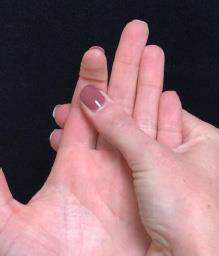
அறுவை சிகிச்சை செய்யப்பட்ட விரலின் DIP அசைவு
உங்கள் கை சிகிச்சையாளரின் அனுமதி கிடைத்த பிறகு, அறுவை சிகிச்சை செய்யப்பட்ட விரலின் கடைசி (நுனி) மூட்டை மென்மையாக வளைத்து நிமிர்த்துங்கள். நுனி மட்டும் அசையும் வகையில், விரலின் நடுப்பகுதியை மறு கையால் பிடித்து நிலையாக வையுங்கள். இணைக்கப்பட்ட மூட்டு முற்றிலும் அசையாமல் இருக்க வேண்டும் — நுனி மட்டுமே வளைகிறது. இந்த மூட்டை அசைவில் வைத்திருப்பது, இணைப்பு குணமடையும்போது தசைநாண்கள் ஒட்டிக்கொள்வதைத் தடுக்கிறது.
10 முறை, நாளொன்றுக்கு 3 முறை, நுனி மூட்டு மட்டும்
Kieran Hirpara 4.0
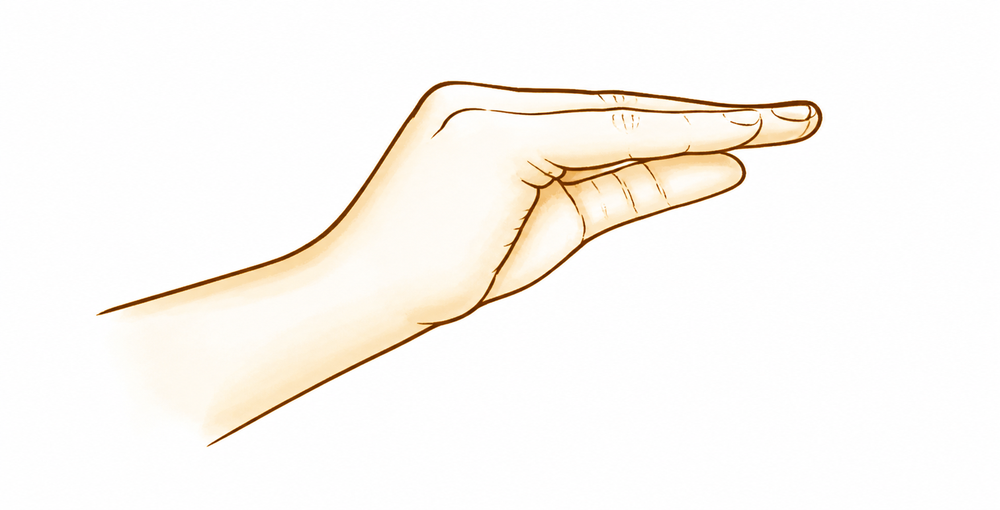
அறுவை சிகிச்சை செய்யப்பட்ட விரலின் MCP பெரிய கணு அசைவு
அறுவை சிகிச்சை செய்யப்பட்ட விரலின் பெரிய கணுவை (விரல் கையுடன் சந்திக்கும் இடம்) மென்மையாக வளைத்து நிமிர்த்துங்கள். இணைக்கப்பட்ட நடு மூட்டு முழுவதும் அசையாமல் இருக்கும் — பெரிய கணு மட்டுமே அசைகிறது. இணைப்பு நிலைபெறும்போது பெரிய கணு நெகிழ்வாக இருக்கவும், விரல் விறைத்துப்போகாமல் இருக்கவும் இது உதவுகிறது.
10 முறை, நாளொன்றுக்கு 3 முறை, பெரிய கணு மூட்டு மட்டும்
Kieran Hirpara 4.0
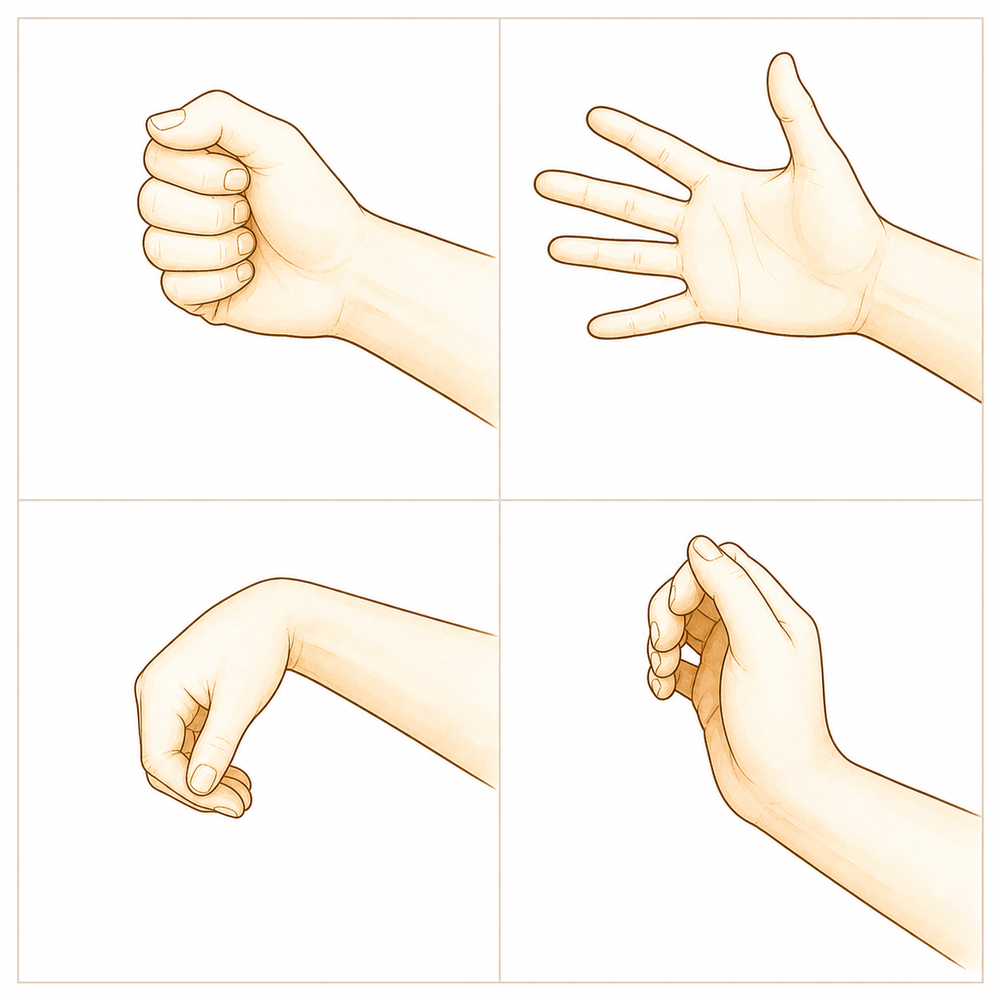
உங்கள் மற்ற எல்லா விரல்கள், கட்டைவிரல், மணிக்கட்டு ஆகியவற்றை அசைத்தல்
முதல் நாட்களிலிருந்தே, அறுவை சிகிச்சை செய்யப்படாத ஒவ்வொரு மூட்டையும் தடையின்றி அசைவில் வைத்திருங்கள் — மற்ற விரல்களால் முழு முஷ்டி பிடித்து முற்றிலும் விரியுங்கள், கட்டைவிரலை எல்லாத் திசைகளிலும் அசையுங்கள், மணிக்கட்டை வளைத்து, நிமிர்த்தி, சுழற்றுங்கள். இணைக்கப்பட்ட மூட்டு பாதுகாக்கப்படும் காலத்தில், உங்கள் கையை நெகிழ்வாக வைத்திருக்கவும் விறைப்பைத் தடுக்கவும் நீங்கள் செய்யக்கூடிய மிக முக்கியமான ஒரே செயல் இதுதான்.
தலா 10 முறை, நாளொன்றுக்குப் பல முறை
Kieran Hirpara 4.0
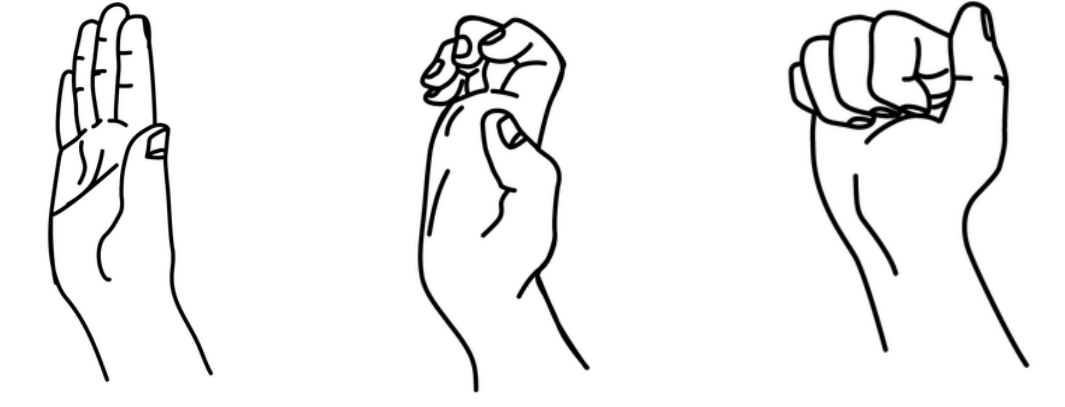
தசைநாண் நழுவல் பயிற்சிகள் (கொக்கி, முஷ்டி, நேர்க்கை)
தசைநாண்கள் நழுவிக்கொண்டே இருக்க, உங்கள் கையை மெதுவாக மூன்று வடிவங்களுக்கு மாற்றுங்கள்: ஒரு கொக்கி (நுனி மற்றும் நடு மூட்டுகளை வளைத்து, பெரிய கணுக்களை நேராக வைத்து), ஒரு முழு முஷ்டி, பிறகு தட்டையான நேரான கை. அறுவை சிகிச்சை செய்யப்படாத விரல்களால் இதை முழுமையாகச் செய்யுங்கள்; அறுவை சிகிச்சை செய்யப்பட்ட விரலை, இணைக்கப்படாத சுதந்திரமான மூட்டுகள் அனுமதிக்கும் அளவுக்கு மட்டுமே அசைய விடுங்கள். இது தசைநாண்கள் சீராக ஓடுவதைத் தொடரச் செய்து, அறுவை சிகிச்சை இடத்துக்கு அருகில் அவை ஒட்டிக்கொள்வதைத் தடுக்கிறது.
ஒவ்வொரு வடிவமும் 5 முறை, நாளொன்றுக்கு 3 முறை
Kieran Hirpara 4.0
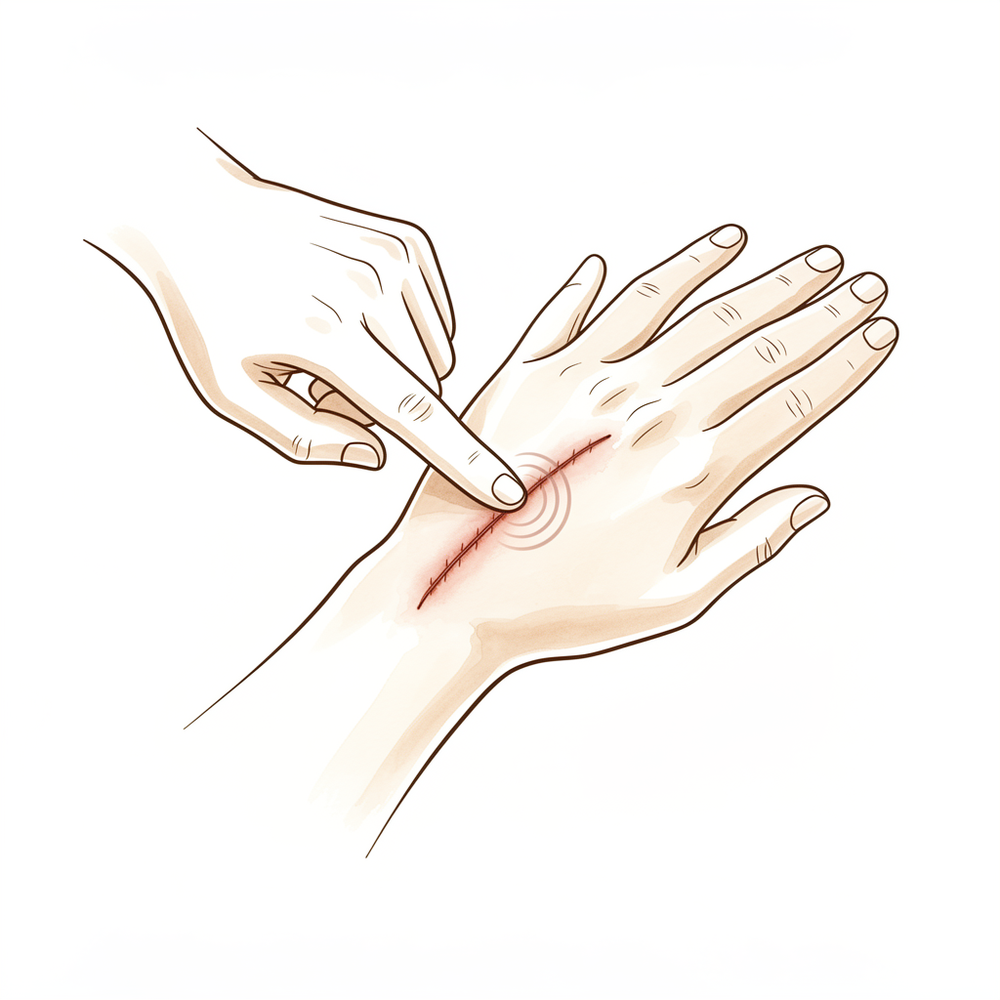
வடு மசாஜ்
காயம் முழுமையாகக் குணமாகி, உங்கள் கை சிகிச்சையாளர் அதைப் பரிசோதித்த பிறகு, சிறிது ஈரப்பதக் களிம்பைத் தடவி, சிறிய உறுதியான வட்டங்களில் இரண்டு நிமிடங்கள் வடுவில் தேய்த்து மசாஜ் செய்யுங்கள். இது வடுவை மென்மையாக்கி, அதன் வலியைத் தணித்து, அடியில் உள்ள திசுக்களுடன் அது ஒட்டிக்கொள்வதைத் தடுக்கிறது. தோல் முழுமையாக மூடும் வரை இதைத் தொடங்க வேண்டாம்.
2–3 நிமிடங்கள், நாளொன்றுக்கு 2–3 முறை (காயம் குணமான பிறகு)
Kieran Hirpara 4.0
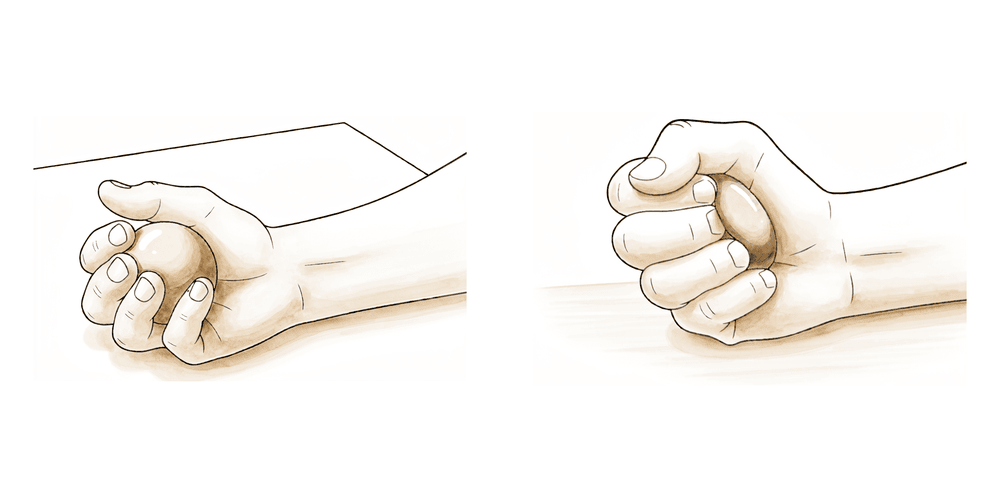
கிள்ளுப் பிடி மற்றும் பிடி வலுப்படுத்துதல் (எலும்பு இணைந்த பிறகு)
இது பிற்பட்ட கட்டப் பயிற்சி — இணைப்பு ஒட்டிக்கொண்டு, உங்கள் கை சிகிச்சையாளர் வலுப்படுத்தும் பயிற்சிகளைத் தொடங்கச் சொன்ன பிறகுதான் (பொதுவாகச் சுமார் ஆறு வாரங்களுக்குப் பிறகு) இதைச் செய்ய வேண்டும். பிடியை வலுப்படுத்த ஒரு மென்மையான பந்தையோ புட்டியையோ அழுத்துங்கள்; இந்த இணைப்பு அறுவை சிகிச்சை எதற்காகச் செய்யப்பட்டதோ அந்தப் பக்கவாட்டுக் கிள்ளுப் பிடியை உறுதியாக்க, கட்டைவிரலுக்கும் அறுவை சிகிச்சை செய்யப்பட்ட விரலுக்கும் இடையே ஒரு சிறிய பொருளைக் கிள்ளிப் பிடியுங்கள். முயற்சியைப் படிப்படியாக அதிகரியுங்கள். உங்களுக்கு அனுமதி வழங்கப்படும் முன், எதிர்ப்புடன் கூடிய எந்தப் பிடித்தலையோ கிள்ளுதலையோ செய்ய வேண்டாம் — அது எலும்பு ஒட்டிக்கொள்வதற்கு முன்பே இணைப்பின் மீது எடை ஏற்றிவிடும்.
10 முறை, நாளொன்றுக்கு 2–3 முறை, வழிகாட்டப்பட்டபடி (எலும்பு இணைந்த பிறகு மட்டும்)
இவை உங்கள் கையேட்டில் உள்ள பயிற்சிகள். டாக்டர் ஹிர்பராவும் உங்கள் கை சிகிச்சையாளரும் வழிகாட்டும்படி மட்டுமே இவற்றைத் தொடங்குங்கள்; உங்களுக்குத் தரப்பட்டுள்ள வரம்புகளுக்குள் இருங்கள். ஆரம்பப் பயிற்சிகள், நுனி மூட்டு, பெரிய கணு மூட்டு, உங்கள் மற்ற எல்லா விரல்கள், கட்டைவிரல், மணிக்கட்டு ஆகியவற்றை அசைவில் வைத்திருக்கின்றன — இணைக்கப்பட்ட மூட்டையே அசைக்காமலோ அதன் மீது எடை போடாமலோ; அது தன் சிம்பில் அசையாமல் இருக்கும். காயம் குணமானதும் வடு மசாஜ் தொடங்குகிறது. கிள்ளுப் பிடியையும் பிடியையும் வலுப்படுத்துவது பிற்பட்ட கட்டத்துக்கு உரியது; இணைப்பு ஒட்டிக்கொண்டு, உங்களுக்குக் குறிப்பாக அனுமதி வழங்கப்படும் வரை அதைத் தொடங்கக் கூடாது. இணைக்கப்பட்ட மூட்டின் மீது கூர்மையான வலியை ஏற்படுத்தும் எதையும் நிறுத்துங்கள்.
உங்கள் மருத்துவ நெறிமுறை
இந்தப் பக்கத்தின் மீதிப் பகுதி, PIP மூட்டு இணைப்பு அறுவை சிகிச்சைக்குப் பிந்தைய மறுவாழ்வுப் பயிற்சிக்கான கட்டம் கட்டமான மருத்துவ நெறிமுறையாகும். இந்தப் பகுதி உங்கள் கை சிகிச்சையாளரிடம் வழங்கப்பட வேண்டியது; ஒவ்வொரு கட்டமும் என்ன நடக்கிறது என்பதற்கான எளிய விளக்கத்துடன் தொடங்குகிறது. எலும்பு இணையும் வரை (வழக்கமாகச் சுமார் 6 வாரங்கள், 9–12 வாரங்கள் வரை ஆகலாம்) இணைப்பு எடையிலிருந்து பாதுகாக்கப்பட வேண்டும்; வழிநடத்தும் கொள்கை "இணைக்கப்பட்ட மூட்டைப் பாதுகாத்து, மற்ற அனைத்தையும் அசைய வையுங்கள்" என்பதே: தசைநாண் ஒட்டிக்கொள்வதையும் விறைப்பையும் தடுக்க DIP, MCP, அருகிலுள்ள விரல்கள், கட்டைவிரல், மணிக்கட்டு ஆகியவை முதல் நாளிலிருந்தே அசைகின்றன; வீக்கமும் வடுவும் ஆரம்பத்திலேயே கையாளப்படுகின்றன; பிடியும் கிள்ளுப் பிடியும் எலும்பு இணைந்த பிறகுதான் மீட்டெடுக்கப்படுகின்றன.
சிகிச்சைக்கு முன், நோயாளியின் அறுவை சிகிச்சை அறிக்கையையும் கடந்தகால மருத்துவ வரலாற்றையும் பரிசோதியுங்கள்; பயன்படுத்தப்பட்ட பொருத்துமுறை (இழுவைப் பட்டைக் கம்பி, தலையில்லாத் தண்டக உள் திருகு, K-கம்பிகள், அல்லது தகடு), நிர்ணயிக்கப்பட்ட இணைப்புக் கோணம், K-கம்பிகள் தோலுக்குள் புதைக்கப்பட்டுள்ளனவா அல்லது அகற்றப்பட வேண்டுமா என்பது குறித்துச் சிகிச்சையளிக்கும் அறுவை சிகிச்சை நிபுணருடன் தொடர்பு கொள்ளுங்கள். டாக்டர் ஹிர்பரா PIP-ஐ, கையின் குறுக்கே சுண்டு விரல் பக்கம் நோக்கி அதிகரிக்கும் செயல்பாட்டு மடக்கு நிலையில் இணைக்கிறார் (ஆள்காட்டி/நடு ≈ 15–20°, மோதிர/சுண்டு ≈ 25–40°); பெரும்பாலும் ஆள்காட்டி/நடு விரலுக்கு, அங்கே PIP அசைவைவிடப் பக்கவாட்டுக் கிள்ளுப் பிடியின் உறுதிதான் முக்கியம். எக்ஸ்-ரேயில் இணைப்பு உறுதியாகும் வரை இணைக்கப்பட்ட மூட்டு சிம்பில் வைக்கப்படுகிறது; சான்றுத் தளம் குறைந்த நிலையிலானது (நிலை-4 வழக்குத் தொடர்களும் நிபுணர் ஒருமித்த கருத்தும்), எனவே கால அளவுகள் தனிநபருக்கு ஏற்ப அமைபவை, படிநிலை வரம்புகள் அல்ல.
கட்டம் I — பாதுகாத்தலும் சீரடைதலும் (வாரம் 0 முதல் 2 வரை)
முதல் இரண்டு வாரங்கள் இணைப்பைப் பாதுகாத்து, வீக்கத்தையும் காயத்தையும் சீரடையச் செய்கின்றன; அதே நேரத்தில் கையின் மற்ற ஒவ்வொரு மூட்டும் உடனடியாக அசையத் தொடங்குகிறது.
உங்கள் கை சிகிச்சையாளருக்கு:
அசையாமல் வைத்தல் - MCP மற்றும் PIP மூட்டுகளை உள்ளடக்கி, ஆனால் DIP-ஐச் சுதந்திரமாக விட்டு, ஆரம்பகட்ட உள்ளங்கைப் பக்க விரல் சிம்பு அல்லது கட்டு (volar finger splint or cast) - இணைக்கப்பட்ட PIP அசையாமல் வைக்கப்படுகிறது; வீக்கத்துக்காகக் (oedema) கையை உயர்த்தி வைத்தல்
விளக்கமும் முன்னெச்சரிக்கைகளும் - அறுவை சிகிச்சை செய்யப்பட்ட விரலின் மூலம் பிடித்தல், கிள்ளுதல், எடை தாங்குதல் கூடாது - சிம்பைச் சுத்தமாகவும் உலர்வாகவும் வைத்திருக்கவும்; காயத்தையும் கம்பி நுழைந்த இடங்களையும் (pin sites) பாதுகாக்கவும்
சிகிச்சை மேலாண்மை - காயம்: வழிகாட்டப்பட்டபடி அறுவை சிகிச்சைக் கட்டுகள்; தொற்றுக்குக் கண்காணிப்பு, K-கம்பிகள் பயன்படுத்தப்பட்டிருந்தால் கம்பி நுழைந்த இடங்களையும் கண்காணிக்கவும் - வீக்கம்: கையை உயர்த்தி வைத்தல், சுதந்திரமான மூட்டுகளை மென்மையாக இயக்கி இரத்த ஓட்டத்தைத் தூண்டுதல், தேவைக்கேற்பப் பனிக்கட்டி - பயிற்சிகள்: முதல் நாளிலிருந்தே, இணைக்கப்படாத எல்லா மூட்டுகளின் சுய அசைவு: அருகிலுள்ள விரல்கள் (முழு முஷ்டி/நீட்டல்), கட்டைவிரல், மணிக்கட்டு; அறுவை சிகிச்சை செய்யப்பட்ட விரலின் DIP சுய அசைவை சில நாட்களுக்குள் தொடங்கவும்; அருகிலுள்ள விரல்களின் தசைநாண் நழுவல் பயிற்சிகள் (tendon glides); இணைக்கப்பட்ட PIP-ஐ அசைப்பதோ அதன் மீது எடை போடுவதோ கூடாது
அடுத்த கட்டத்துக்குச் செல்வதற்கான அளவுகோல்கள் - காயம் சீரடைந்து வருதல்; வீக்கம் கட்டுக்குள் இருத்தல்; சுமார் 2 வாரங்களில் நிரந்தரமான தனிப்பயன் சிம்புக்குத் தயாராக இருத்தல்
கட்டம் II — தனிப்பயன் தெர்மோபிளாஸ்டிக் சிம்பும் சுதந்திரமான மூட்டுகளின் சுய அசைவும் (வாரம் 2 முதல் 6 வரை)
சுமார் இரண்டு வாரங்களிலிருந்து, ஒரு தனிப்பயன் தெர்மோபிளாஸ்டிக் சிம்பு இணைக்கப்பட்ட மூட்டைத் தாங்கிக்கொண்டே, அருகிலுள்ள மூட்டுகளைச் சுய அசைவுக்காகச் சுதந்திரமாக விடுகிறது. அறுவை சிகிச்சை செய்யப்பட்ட விரலின் DIP மற்றும் MCP மூட்டுகள் சிம்பை அகற்றிப் பயிற்சி செய்யப்படுகின்றன; இணைக்கப்பட்ட PIP பாதுகாக்கப்பட்டே இருக்கிறது. எதிர்ப்புடன் கூடிய பிடித்தல், கிள்ளுதல், எடை தாங்குதல் இன்னும் கூடாது.
உங்கள் கை சிகிச்சையாளருக்கு:
மதிப்பீடுகள் - அருகிலுள்ள மூட்டுகளின் அசைவு வரம்பு (ROM), வீக்கம், காயம்/வடு மறுபரிசீலனை; மருத்துவப் பரிசோதனை அடிப்படையிலும் அறுவை சிகிச்சை நிபுணரின் கருத்துப்படியும் பொருத்துமுறை உறுதியாக உள்ளதை உறுதிசெய்யவும்
அசையாமல் வைத்தல் - இணைக்கப்பட்ட PIP-ஐத் தாங்கிக்கொண்டே அருகிலுள்ள மூட்டுகளைச் சுதந்திரமாக விடும் தனிப்பயன் தெர்மோபிளாஸ்டிக் சிம்புக்கு மாறவும்; சுமார் 6 வாரங்கள் வரை தொடர்ச்சியான பாதுகாப்புச் சிம்பு
விளக்கமும் முன்னெச்சரிக்கைகளும் - எலும்பு இணையும் வரை அறுவை சிகிச்சை செய்யப்பட்ட விரலில் எதிர்ப்புடன் கூடிய பிடித்தல், கிள்ளுதல், எடை தாங்குதல் கூடாது - பயிற்சிகளுக்கு மட்டுமே சிம்பை அகற்றவும்
சிகிச்சை மேலாண்மை - பயிற்சிகள்: சிம்பை அகற்றி, அறுவை சிகிச்சை செய்யப்பட்ட விரலின் DIP மற்றும் MCP சுய அசைவு (DIP சில நாட்களுக்குள் தொடங்கப்பட்டது, MCP இங்கே சேர்க்கப்படுகிறது); அருகிலுள்ள விரல்களின் தசைநாண் நழுவல் பயிற்சிகள்; கட்டைவிரல்/மணிக்கட்டு/அருகிலுள்ள விரல்களின் அசைவைத் தொடரவும்; காயம் குணமானதும் வடு மற்றும் வீக்க மேலாண்மையைத் தொடங்கவும் - எதிர்ப்புடன் கூடிய பிடித்தல்/கிள்ளுதல்/எடை தாங்குதல் கூடாது
அடுத்த கட்டத்துக்குச் செல்வதற்கான அளவுகோல்கள் - எக்ஸ்-ரேயில் எலும்பு இணைப்பு உறுதியாதல் (வழக்கமாகச் சுமார் 6 வாரங்கள், 9–12 வரை ஆகலாம்); எடை போடுவதற்கு முன் இணைக்கப்பட்ட மூட்டு மருத்துவரீதியாகவும் எக்ஸ்-ரே ரீதியாகவும் உறுதியாக இருக்க வேண்டும்
கட்டம் III — சிம்பைப் படிப்படியாக நிறுத்துதலும் இலேசான பயன்பாட்டை முன்னேற்றுதலும் (சுமார் 6 வாரங்களிலிருந்து, எலும்பு இணைந்த பிறகு)
இணைப்பு ஒட்டிக்கொண்டதும் (பொதுவாகச் சுமார் ஆறு வாரங்களில்), சிம்பு படிப்படியாகக் குறைக்கப்பட்டுச் சிறிதுசிறிதாக வெட்டிச் சிறிதாக்கப்படுகிறது; இலேசான செயல்பாட்டுப் பயன்பாடு அறிமுகப்படுத்தப்படுகிறது; கிள்ளுப் பிடி, கட்டைவிரல் எதிர்நிலை (opposition), பிடித்தல் ஆகியவை படிப்படியாக மீண்டும் கட்டியெழுப்பப்படுகின்றன. K-கம்பிகள் பயன்படுத்தப்பட்டிருந்தால், அவை வழக்கமாகச் சுமார் ஆறு வாரங்களில் அகற்றப்படுகின்றன.
உங்கள் கை சிகிச்சையாளருக்கு:
மதிப்பீடுகள் - எக்ஸ்-ரேயில் எலும்பு இணைப்பை அறுவை சிகிச்சை நிபுணருடன் உறுதிசெய்யவும்; மறு கையுடன் ஒப்பிட்டுப் பிடி/கிள்ளுப் பிடி வலிமை; சுதந்திரமான மூட்டுகளின் அசைவு வரம்பு (ROM); வடு
விளக்கமும் முன்னெச்சரிக்கைகளும் - எலும்பு இணைப்பு உறுதியானதும் சிம்பைப் படிப்படியாகக் குறைத்து சிறிதாக வெட்டவும்; K-கம்பி பயன்படுத்தப்பட்டிருந்தால் சுமார் 6 வாரங்களில் அகற்றவும் - எடையைப் படிப்படியாக அதிகரிக்கவும்: முதலில் இலேசான பயன்பாடு, பின்னர் படிநிலையான கிள்ளுப் பிடி/பிடி
சிகிச்சை மேலாண்மை - பயிற்சிகள்: இலேசான செயல்பாட்டுப் பயன்பாடு → கிள்ளுப் பிடி, கட்டைவிரல் எதிர்நிலை, பிடித்தல் என முன்னேறவும்; பிடி/கிள்ளுப் பிடி வலுப்படுத்துதலைத் தொடங்கி (பந்து/புட்டி, பக்கவாட்டுக் கிள்ளுப் பிடி) படிப்படியாக அதிகரிக்கவும்; வடு சார்ந்த பயிற்சிகளைத் தொடரவும் - எக்ஸ்-ரேயில் எலும்பு இணைப்பு உறுதியான பிறகு சிம்பு படிப்படியாக நிறுத்தப்படுகிறது
அடுத்த கட்டத்துக்குச் செல்வதற்கான அளவுகோல்கள் - இணைந்த மூட்டு இலேசான எடையை வலியின்றித் தாங்குதல்; சிம்பு நிறுத்தப்பட்டிருத்தல்; படிப்படியான வலுப்படுத்துதலுக்குத் தயாராக இருத்தல்
கட்டம் IV — படிப்படியான வலுப்படுத்துதலும் திரும்புதலும் (சுமார் 8–12 வாரங்களிலிருந்து)
இணைப்பு ஒட்டிக்கொண்டு, இலேசான பயன்பாடு மீட்கப்பட்ட நிலையில், வலுப்படுத்துதலும் எடையும் முன்னேற்றப்படுகின்றன; விளையாட்டு, கனமான அல்லது கை உழைப்புச் செயல்களுக்குத் திரும்புவது படிப்படியாகக் கட்டியெழுப்பப்படுகிறது. இறுதியான, நிலைபெற்ற முடிவு சுமார் ஒன்பது முதல் பன்னிரண்டு மாதங்களில் அடையப்படுகிறது.
உங்கள் கை சிகிச்சையாளருக்கு:
மதிப்பீடுகள் - மறுபக்கத்துடன் ஒப்பிட்டுப் பிடி மற்றும் கிள்ளுப் பிடி வலிமை; தேவைக்கேற்பச் செயல்பாட்டு மற்றும் வேலை/விளையாட்டு சார்ந்த சோதனைகள்
விளக்கமும் முன்னெச்சரிக்கைகளும் - எதிர்ப்புடன் கூடிய எடையைப் படிப்படியாக அதிகரிக்கவும்; இணைக்கப்பட்ட மூட்டு வடிவமைப்பின்படியே நிரந்தரமாக விறைப்பாக இருக்கும்; வலிமையைப் பிடியிலும் பக்கவாட்டுக் கிள்ளுப் பிடியிலும் குவிக்கவும்
சிகிச்சை மேலாண்மை - பயிற்சிகள்: பிடியையும் கிள்ளுப் பிடியையும் படிப்படியாக வலுப்படுத்துதலும் எடை ஏற்றுதலும்; விளையாட்டு, கனமான மற்றும் கை உழைப்புப் பணிகளுக்குப் படிநிலையான திரும்புதல் - வலிமை செயல்பாட்டுக்குப் போதுமானதாகவும் இரு பக்கமும் கிட்டத்தட்டச் சமமாகவும் ஆனதும் சிகிச்சையிலிருந்து விடுவிப்பதைப் பரிசீலிக்கவும்; மீட்சி முன்னேறாமல் தேங்கினால் சிகிச்சையளிக்கும் மருத்துவரிடம் மீண்டும் பரிந்துரைக்கவும்
திரும்புவதற்கான அளவுகோல்கள் - எடையின் கீழ் வலியற்ற, உறுதியான இணைக்கப்பட்ட மூட்டு; அந்தப் பணிக்குப் போதுமான பிடி/கிள்ளுப் பிடி வலிமை — நாள்காட்டியால் அல்ல, மருத்துவப் பரிசோதனையால் தீர்மானிக்கப்படுகிறது; இறுதியான நிலைபெற்ற முடிவு 9–12 மாதங்களில்
வேலைக்கும் செயல்பாடுகளுக்கும் திரும்புதல்
கையின் மற்ற பகுதிகளைக் கொண்டு அன்றாட இலேசான பயன்பாடு, வசதிக்கு உட்பட்டு, தொடக்கத்திலிருந்தே ஊக்குவிக்கப்படுகிறது; முக்கியமான கட்டுப்பாடு என்னவெனில், இணைப்பு ஒட்டிக்கொள்ளும் வரை அறுவை சிகிச்சை செய்யப்பட்ட விரலின் மூலம் பிடித்தல், கிள்ளுதல், எடை தாங்குதல் கூடாது என்பதுதான். ஸ்டியரிங்கைப் பாதுகாப்பாகக் கட்டுப்படுத்த முடியாத நிலையில் நீங்கள் வாகனம் ஓட்டக் கூடாது என்பதால், ஆரம்ப வாரங்களில் பயணத்துக்கு உதவி கிடைக்கத் திட்டமிடுங்கள்; சிம்பிலிருந்து வெளியே வந்து, காரைப் பாதுகாப்பாகக் கட்டுப்படுத்த முடிந்ததும், பொதுவாகச் சுமார் நான்கு முதல் ஆறு வாரங்களில் வாகனம் ஓட்டுவது மீண்டும் தொடங்குகிறது.
எலும்பு இணைந்த பிறகு (சுமார் ஆறு வாரங்கள்) நீங்கள் இலேசான பயன்பாட்டையும் மென்மையான பிடித்தலையும் தொடங்கலாம். தூக்குதல், பிடித்தல், கிள்ளுதல் ஆகியவை சுமார் எட்டு வாரங்களிலிருந்தும், முழுச் செயல்பாடு அல்லது விளையாட்டு சுமார் பன்னிரண்டு வாரங்களிலிருந்தும் படிப்படியாக அதிகரிக்கின்றன. இணைப்பு பல மாதங்களுக்குத் தொடர்ந்து நிலைபெற்று வருகிறது; எனவே இறுதியான, முழுமையாக நிலைபெற்ற முடிவு சுமார் ஒன்பது முதல் பன்னிரண்டு மாதங்களில் கிடைக்கிறது. இந்தக் கால அளவுகள் நிபுணர்களின் ஒருமித்த கருத்தை அடிப்படையாகக் கொண்ட, ஒரே கிளினிக்கின் வழிகாட்டுதல்கள் (வழக்கமானவை, தனிநபருக்கு ஏற்ப அமைபவை; படிநிலை வரம்புகள் அல்ல); இணைப்பு எப்படிக் குணமடைகிறது என்பதைப் பொறுத்து — நாள்காட்டியை மட்டும் பொறுத்து அல்ல — டாக்டர் ஹிர்பராவும் உங்கள் கை சிகிச்சையாளரும் உங்கள் முன்னேற்றத்தை மதிப்பிடுவார்கள்.
உங்கள் நெறிமுறைக்குப் பிறகு
இந்த நெறிமுறை கிளினிக்கின் பொதுவான மீட்சி ஆலோசனைகளுடன் இணைந்து செயல்படுகிறது; அறுவை சிகிச்சைக்குப் பிந்தைய வலியைக் கையாளுதல், காயப் பராமரிப்பு மற்றும் வடு பராமரிப்பு பக்கங்களையும் பாருங்கள். மேலே உள்ள கட்டம் கட்டமான திட்டம், PIP மூட்டு இணைப்பு அறுவை சிகிச்சைக்குப் பிந்தைய மறுவாழ்வுப் பயிற்சி குறித்து வெளியிடப்பட்ட வழிகாட்டுதல்களைப் பிரதிபலிக்கிறது; உங்கள் விரல் எப்படிக் குணமடைகிறது என்பதைப் பொறுத்து, டாக்டர் ஹிர்பராவும் உங்கள் கை சிகிச்சையாளரும் உங்கள் தொடர் மீட்சிக்குத் தனிப்பட்ட முறையில் வழிகாட்டுவார்கள்.
Evidence & references
This is the clinical evidence summary written for health professionals. It is technical, and it lists the research this page was built from. You do not need to read it to understand your treatment or to make a decision about it.
Topic scope: post-operative rehabilitation after arthrodesis (fusion) of the proximal interphalangeal (PIP) joint of a finger — a worn, painful or unstable PIP joint is fused solid in a functional flexed position. This is a fusion, not a reconstruction or a motion- preserving procedure: the PIP is deliberately made stiff to trade motion for a stable, pain-free, load-bearing digit. The rehab is therefore not about regaining PIP motion but about protecting the construct until bony union while keeping every other joint of the hand moving, then restoring grip and pinch.
Defining principle of the rehab here: PIP arthrodesis eliminates motion at one joint by design to gain stability for pinch and grip. The fused joint is set in a functional flexed position that increases ulnar-ward across the hand (index/middle ≈ 15–20°, ring/little ≈ 25–40°, following the digital cascade) and held by internal fixation (tension-band wire, headless intramedullary screw, K-wires, or plate) until union. Because nothing here needs to move to heal — it needs to unite — the single governing rule is "protect the fused joint, mobilise everything else." DIP, MCP, adjacent digits, thumb and wrist move from day one to prevent tendon adhesion and stiffness; oedema and scar are managed early; grip and pinch are restored only after radiographic union (~6 weeks, up to 9–12). The branch point is the indication — primary degenerative/post-traumatic fusion versus salvage of a failed PIP arthroplasty, where union is slower and the construct more demanding.
A. PROCEDURE OUTCOMES (PIP arthrodesis)
PIP arthrodesis is a reliable, well-established salvage and reconstructive operation, but its evidence base is uniformly low-level — predominantly retrospective level-4 case series and expert opinion, with no randomised controlled trials. Outcomes are reported as union, complication and reoperation rates rather than from comparative trials.
- The evidence base is low-level and consensus-driven. A systematic review of PIP arthrodesis found the literature is overwhelmingly level-4 (~94%) with no RCTs; conclusions on fixation choice and outcomes rest on case series and expert consensus [EFORT Open Rev 2021, DOI 10.1530/eor-21-0102]. Low (level-4 SR, no RCTs).
- Fixation holds the angle to union; nonunion and reoperation are the principal concerns. Series reporting nonunion and reoperation identify patient factors (including smoking and comorbidity) as drivers of failure, underscoring that the rehab job is to protect the construct until the bone joins [HAND 2020, DOI 10.1177/1558944720939196]. Low–moderate (case series).
- The fusion angle is chosen for function, especially pinch. A biomechanical/kinematic study of index PIP fusion (simulated 30–50°) shows the set angle is a functional trade-off: fusing the index/middle PIP stabilises lateral (key) pinch at the cost of PIP motion, which is why these digits are common fusion sites [J Hand Surg Am 2011, DOI 10.1016/j.jhsa.2011.09.010]. Mechanistic / cadaveric.
- Arthrodesis is a dependable salvage for failed PIP arthroplasty, but union is slow. A series of arthrodesis for failed PIP joint replacement reported a mean time to union of 5.8 months, illustrating that salvage fusions unite more slowly than primary fusions and need correspondingly extended protection [J Hand Surg Am 2011, DOI 10.1016/j.jhsa.2010.10.030]. Low (case series).
- The biomechanics of digital loss/fusion frame the functional cost. Reviews of the biomechanics of digital amputation and fusion describe how eliminating an IP joint redistributes grip and pinch mechanics — the rationale for accepting a stiff joint when it buys stability [Hand Clin 2016, DOI 10.1016/j.hcl.2016.07.003]. Mechanistic / narrative.
B. REHABILITATION / THERAPY EVIDENCE
There are no trials of rehab regimens after PIP arthrodesis; the programme is built on sound surgical principle and expert consensus. The two evidence-anchored levers are the union timeline (which sets when load may be applied) and the modifiable risk factor of smoking (which delays union).
- Protect-until-union, mobilise-everything-else is the consensus regimen. The fused PIP is splinted continuously until radiographic union (~6 weeks, up to 9–12); from day one the DIP, MCP, adjacent digits, thumb and wrist are actively moved to prevent tendon adhesion and global hand stiffness. This is stable across sources (surgeon protocols, hand-therapy guidance and patient-education material) even though it is not trial-tested [Melbourne Arm Clinic protocol; OrthOracle PIPJ arthrodesis; OrthoInfo finger IP fusion]. Consensus / expert.
- Smoking is an evidence-supported delayed-union risk. A study of hand and wrist arthrodesis found smoking delays union, making smoking cessation the one rehab-adjacent intervention with direct supporting evidence in this setting [J Hand Surg Am 2022, DOI 10.1016/j.jhsa.2022.05.016]. Moderate (cohort, modifiable risk factor).
- Union timing governs progression — and is slower in salvage fusions. Primary fusions are typically protected to ~6 weeks; salvage of failed arthroplasty unites far more slowly (mean 5.8 months), so loading must be union-led rather than calendar-led [J Hand Surg Am 2011, DOI 10.1016/j.jhsa.2010.10.030]. Low (case series).
- The set fusion angle is the functional anchor of the rehab goal. Because the index/middle PIP is fused at ~15–20° (and ring/little at ~25–40°) specifically to stabilise lateral pinch, the Phase III–IV strengthening rightly targets pinch and grip rather than any attempt at PIP motion [J Hand Surg Am 2011, DOI 10.1016/j.jhsa.2011.09.010]. Mechanistic.
Recovery trajectory (expected, evidence-anchored)
| Phase | Window | Restraint | Hand use / therapy focus | Strength / load | Notes |
|---|---|---|---|---|---|
| I — Protect & settle | Week 0–2 | Volar finger splint/cast spanning MCP + PIP, DIP left free | Elevation, wound/pin-site care, oedema control; active DIP within days + full motion of all non-fused joints (adjacent digits, thumb, wrist) | No grip / pinch / loading | Fused PIP kept still; everything else mobilised from day one |
| II — Custom splint & free-joint motion | Week 2–6 | Custom thermoplastic splint supporting the fused PIP, freeing adjacent joints; continuous splinting to ~6 wk | Active DIP + MCP of operated finger out of splint; tendon glides of adjacent digits; scar/oedema once healed | No resisted grip / pinch / loading | Union typically at ~6 wk (up to 9–12); load only after radiographic union |
| III — Wean splint & light use | From ~6 wk (united) | Splint weaned/cut down after union; K-wire out ~6 wk if used | Progress light use → pinch, opposition, gripping; begin grip/pinch strengthening | Graded grip/pinch, build gradually | Restraints lifted only once union confirmed |
| IV — Strengthen & return | ~8–12 wk+ | Restrictions lifted | Progressive strengthening/loading; return to sport/heavy/manual work | Build load progressively; target lateral pinch | Final settled result 9–12 months |
(Phase windows mirror the precautions in the patient protocol; they are expert-consensus, single-clinic guides — typical and individualised, not graded or trial-derived thresholds. Return milestones: driving ~6 wk, light use/gentle grip ~6 wk after union, lifting/gripping/pinch ~8 wk, full activity/sport ~12 wk, final result 9–12 months.)
C. KEY CONTROVERSIES / EVIDENCE QUALITY
- Whole topic is low-level evidence. PIP arthrodesis rests on level-4 case series and expert consensus with no RCTs (~94% level-4 in systematic review). All outcome and timing figures should be read as typical guides, not trial-validated thresholds [EFORT 2021]. Low.
- Fixation choice is unsettled. Tension-band wire, headless intramedullary screw, K-wires and plate all achieve union; comparative data are weak and selection is largely surgeon preference and bone/soft-tissue quality [EFORT 2021; HAND 2020]. Low.
- Fusion angle is a functional trade-off, not a fixed number. The ~15–20° (index/middle) to ~25–40° (ring/little) cascade is consensus-stable but individualised to the digit and the demands of pinch [J Hand Surg Am 2011 kinematics]. Mechanistic / consensus.
- Union timing is variable and indication-dependent. Primary fusions ~6 weeks; salvage of failed arthroplasty far slower (mean 5.8 months). Loading must be union-led [J Hand Surg Am 2011 salvage series]. Low.
- Smoking and patient factors drive nonunion/reoperation. Smoking is an evidence-supported delayed-union risk and a modifiable target [J Hand Surg Am 2022; HAND 2020]. Moderate (for the smoking association).
D. EVIDENCE STRENGTH FLAGS (summary)
- STRONG (RCT / SR): none — there are no RCTs in PIP arthrodesis; the best synthesis is a level-4 systematic review (~94% level-4 studies).
- MODERATE: smoking as a delayed-union risk after hand/wrist arthrodesis; patient factors driving nonunion/reoperation; cadaveric/kinematic basis for the functional fusion angle and pinch rationale.
- WEAK / CONSENSUS: the protect-until-union, mobilise-everything-else rehab regimen (mechanistically sound, not trial-tested); the specific fusion angles (consensus-stable); exact timelines (single-clinic, expert-consensus guides — typical, not graded thresholds); fixation choice (surgeon preference).
CITATIONS
RAG corpus (180,000+ Orthopaedic articles)
- Proximal interphalangeal joint arthrodesis: a systematic review (predominantly level-4 evidence; no RCTs). EFORT Open Rev. 2021. DOI: 10.1530/eor-21-0102
- Nonunion and reoperation after proximal interphalangeal joint arthrodesis: patient factors and outcomes. HAND. 2020. DOI: 10.1177/1558944720939196
- Index finger proximal interphalangeal joint arthrodesis and pinch kinematics (simulated 30–50° fusion). J Hand Surg Am. 2011. DOI: 10.1016/j.jhsa.2011.09.010
- Arthrodesis as salvage for failed proximal interphalangeal joint arthroplasty (mean time to union 5.8 months). J Hand Surg Am. 2011. DOI: 10.1016/j.jhsa.2010.10.030
- Smoking delays union after hand and wrist arthrodesis. J Hand Surg Am. 2022. DOI: 10.1016/j.jhsa.2022.05.016
- Biomechanics of digital loss and fusion. Hand Clin. 2016. DOI: 10.1016/j.hcl.2016.07.003
PIP arthrodesis rehabilitation & procedure literature (URLs)
- Melbourne Arm Clinic. PIP / DIP arthrodesis rehabilitation protocol. https://melbournearmclinic.com.au/orthopaedic-rehabilitation/shoulder-rehabilitation/pip-dip-arthrodesis-protocol/
- OrthOracle. Proximal interphalangeal joint (PIPJ) arthrodesis in the hand using the Apex system (Extremity Medical). https://www.orthoracle.com/library/proximal-interphalangeal-joint-pipj-arthrodesis-in-the-hand-using-the-apex-system-extremity-medical/
- EFORT Open Reviews. Proximal interphalangeal joint review (PMC). https://pmc.ncbi.nlm.nih.gov/articles/PMC6598614/
- American Academy of Orthopaedic Surgeons (OrthoInfo). Finger (interphalangeal) joint fusion. https://orthoinfo.aaos.org/en/treatment/finger-ip-joint-fusion/





