

முறிவுக்கான தோள்பட்டை மூட்டு மாற்று தகவல்
Mater Private Hospital Rockhampton-இல் டாக்டர் கியரன் ஹிர்பராவிடம், முறிந்த தோள்பட்டைக்காக (தோள்பட்டைக்கு அருகிலுள்ள மேற்கை எலும்பு முறிவு, proximal humerus fracture) செய்யப்பட்ட தோள்பட்டை மூட்டு மாற்று அறுவை சிகிச்சைக்குப் பிறகான உங்கள் மீட்சிக்கு இந்த நெறிமுறை (protocol) வழிகாட்டுகிறது. முறிவைப் பொறுத்து, இந்த மாற்று அறுவை சிகிச்சை தலைகீழ் தோள்பட்டை மூட்டு மாற்றாகவோ (reverse shoulder replacement) அல்லது அரை மூட்டு மாற்றாகவோ (hemiarthroplasty — மூட்டின் பந்தை மட்டும் மாற்றுவது) இருக்கலாம். வேகத்தை நிர்ணயிப்பது உள்பொருத்தின் வகை அல்ல, எலும்புத் துண்டுகள் குணமடைவதே என்பதால், இரண்டுக்கும் மறுவாழ்வுப் பயணம் ஒரே வடிவத்தைக் கொண்டுள்ளது. கீழே உள்ள ஒவ்வொரு கட்டமும், என்ன நடக்கிறது, எது மிக முக்கியம் என்பதை எளிய மொழியில் விளக்கிக் கொண்டு தொடங்குகிறது; அதைத் தொடர்ந்து உங்கள் இயன்முறை சிகிச்சையாளருக்காக எழுதப்பட்ட கட்டமைக்கப்பட்ட நெறிமுறை வருகிறது: உங்கள் மறுவாழ்வுப் பயிற்சி ஒருங்கிணைந்து இருக்க, இந்தப் பக்கத்தையோ அதன் PDF-ஐயோ உங்கள் முதல் இயன்முறை சிகிச்சைச் சந்திப்புக்குக் கொண்டு வாருங்கள். உங்கள் மீட்சி எப்படி முன்னேறுகிறது என்பதைப் பொறுத்து உங்கள் இயன்முறை சிகிச்சையாளர் இந்தத் திட்டத்தை மாற்றியமைக்கலாம்.
அறுவை சிகிச்சைக்குப் பிறகு உங்கள் காயம் பற்றி ஏதேனும் கவலை இருந்தால், கிளினிக்கைத் தொடர்பு கொள்ளுங்கள். காயத்தைப் புகைப்படம் எடுத்து, பார்வையிடுவதற்காக மின்னஞ்சலில் அனுப்புவது பெரும்பாலும் உதவியாக இருக்கும்.
முறிவுக்குப் பிறகு மீட்சி ஏன் மெதுவாக இருக்கிறது
மூட்டுவாதத்துக்காகவோ (arthritis) தேய்ந்துபோன சுழற்சி தசைநாண் பட்டைக்காகவோ (rotator cuff) திட்டமிட்டுத் தோள்பட்டை மூட்டு மாற்றப்படும்போது, புதிய மூட்டைச் சுற்றியுள்ள எலும்பு பாதிக்கப்படாமல் இருக்கும்; எனவே மறுவாழ்வுப் பயிற்சி மென்திசு குணமடையும் வேகத்திலேயே நகர முடியும். முறிவுக்குப் பிறகு நிலைமை வேறு. மேற்கை எலும்பின் மேல்பகுதியில் உள்ள இரண்டு எலும்பு மேடுகள் (பெரிய மற்றும் சிறிய எலும்பு மேடுகள் — greater and lesser tuberosities; சுழற்சி தசைநாண் பட்டையின் தசைகள் இணையும் இடம்) பொதுவாக உடைந்து விலகியிருக்கும்; உங்கள் அறுவை சிகிச்சையின்போது அவை புதிய செயற்கை மூட்டைச் (prosthesis) சுற்றி மீண்டும் சரியான இடத்தில் தையல்களால் பொருத்தப்படுகின்றன. மற்ற எந்த முறிவையும் போலவே, அந்தத் துண்டுகள் இப்போது எலும்பிலும் உள்பொருத்திலும் ஒட்டிக் குணமடைய வேண்டும்; அதற்குப் பொதுவாகச் சில வாரங்கள் முதல் சில மாதங்கள் வரை ஆகும்.
முறிவுக்காகச் செய்யப்படும் தோள்பட்டை மூட்டு மாற்று அறுவை சிகிச்சைக்காக வெளியிடப்பட்ட மறுவாழ்வு நெறிமுறைகள் இந்த விஷயத்தில் ஒரே கருத்தில் உள்ளன: அதன் பிறகு தோள்பட்டை எவ்வளவு நன்றாக வேலை செய்கிறது என்பது, எலும்பு மேடுகள் சரியான இடத்தில் குணமடைகின்றனவா என்பதைப் பெரிதும் சார்ந்துள்ளது; ஆரம்பகால அல்லது வலுவான அசைவு (பிறர் அசைக்கும் அசைவு கூட) பழுதுபார்ப்பின் மீது இழுத்து, அந்தக் குணமடைதலை ஆபத்தில் ஆழ்த்தலாம். எனவே இந்த நெறிமுறை, திட்டமிட்டுச் செய்யப்படும் தலைகீழ் தோள்பட்டை மூட்டு மாற்று நெறிமுறையின் அதே பாதையையே பின்பற்றுகிறது. முறிவுக்குப் பிறகு, எலும்புத் துண்டுகள் முதலில் குணமடைய வேண்டும் என்பதால் அதே பயணம் மெதுவாக நடக்கிறது. உங்கள் மறுவாழ்வுப் பயிற்சியில் ஒவ்வொரு படி முன்னேற்றமும் இரண்டு விஷயங்களை ஒன்றாகச் சார்ந்துள்ளது: போதுமான காலம் கடந்திருக்க வேண்டும், எலும்பு குணமடைவதை எக்ஸ்-ரே காட்ட வேண்டும் — இவை டாக்டர் ஹிர்பராவுடனான உங்கள் மறுபரிசோதனையில் உறுதிப்படுத்தப்படுகின்றன.
என்ன எதிர்பார்க்கலாம்
நீங்கள் கண் விழிக்கும்போது உங்கள் கை மரத்துப்போயிருக்கும்; உணர்வு பொதுவாக 6 முதல் 12 மணி நேரத்துக்குள் திரும்பும். அரிதாக, சிறிதளவு மரத்துப்போதலோ பலவீனமோ 2 முதல் 3 நாட்கள் வரை நீடிக்கலாம்.
அறுவை சிகிச்சையிலிருந்து நீங்கள் கண் விழிக்கும்போது, கைத்தாங்கியில் (sling) இருப்பீர்கள்; உங்கள் தோள்பட்டையின் மேல் ஒரு பெரிய திண்டு (pad) இருக்கும். வீட்டுக்கு அனுப்பும் முன் இந்தத் திண்டு அகற்றப்படும். அதற்குக் கீழே, அறுவை சிகிச்சைப் பசைப் பட்டையை (surgical glue strip) மூடியிருக்கும் நீர்புகா கட்டு இருக்கும்; அதை 2 வாரங்களுக்கு அப்படியே விட்டுவிடலாம். உங்கள் தையல்கள் தானாகக் கரைபவை, அவற்றை அகற்ற வேண்டியதில்லை; ஆனால் காயத்தின் இரு முனைகளிலும் தையலின் சில நுனிகள் இருக்கலாம் — அவற்றை 2 வாரங்களுக்குப் பிறகு தோலோடு சேர்த்து வெட்டிவிடலாம். உங்கள் அறுவை சிகிச்சைக்கு 1–2 வாரங்களுக்குப் பிறகு காயத்தைப் பரிசோதிக்க எங்கள் செவிலியரைப் பார்க்க உங்களுக்கு நேரம் ஒதுக்கப்படும். கட்டுப் பரிசோதனைக்கு உங்களால் வர முடியாவிட்டால், 2 வாரங்களுக்குப் பிறகு நீங்களே உங்கள் கட்டை அகற்றிக்கொள்ளலாம்.
செயல்பாடுகளுக்குத் திரும்புவதற்கான தோராயமான கால அளவுகள் (திட்டமிட்ட மூட்டு மாற்றுக்குப் பிறகு இருப்பதை விட மெதுவானவை; எப்போதும் உங்கள் எலும்பு எப்படிக் குணமடைகிறது என்பதைப் பொறுத்தவை):
- வாகனம் ஓட்டுதல்: குறைந்தது ஆறு வாரங்களுக்கு வேண்டாம் (இது எந்தத் தோள்பட்டை அறுவை சிகிச்சைக்கும் பொருந்தும்); கைத்தாங்கி அணிந்திருக்கும்போதும் வேண்டாம். அசைவும் கட்டுப்பாடும் திரும்பியதும், பெரும்பாலானோர் 6 முதல் 12 வாரங்களுக்கு இடைப்பட்ட ஏதோ ஒரு கட்டத்தில் திரும்புகிறார்கள்; உங்கள் மறுபரிசோதனையில் இதைப் பற்றிக் கலந்துரையாடுங்கள்.
- நீச்சல்: சுமார் 4 மாதங்களிலிருந்து மார்பு நீச்சல் (breaststroke); ஃப்ரீஸ்டைல் (freestyle) அதற்குப் பிறகு, உங்கள் மறுபரிசோதனையில் வழிகாட்டப்படும்படி.
- தூக்குதல்: சுமார் 12 வாரங்கள் வரை ஒரு கப் காஃபியை விடக் கனமான எதையும் தூக்க வேண்டாம்; 12 வாரங்களிலிருந்து இலகுவாகத் தூக்குவது படிப்படியாக அதிகரிக்கிறது; 6 மாதங்களுக்குக் கனமான பொருட்களைத் தூக்குவதைத் தவிருங்கள்.
- வேலை: அமர்ந்து செய்யும் வேலை: வசதி அனுமதிக்கும்படி, சுமார் 6 வாரங்களிலிருந்து; உடல் உழைப்பு வேலை: டாக்டர் ஹிர்பராவின் வழிகாட்டுதலின்படி.
முன்கூட்டியே எதிர்பார்ப்புகளைத் தெளிவாக்கிக்கொள்வதும் மதிப்புள்ளது: முறிவுக்காகச் செய்யப்படும் மூட்டு மாற்றுக்குப் பிறகு, காயமடையாத ஒரு தோள்பட்டையின் முழு அசைவு வரம்பைத் தோள்பட்டை பொதுவாக மீண்டும் பெறுவதில்லை. இடுப்பு மட்டத்திலும் தோள்பட்டை உயரத்திலும் (பெரும்பாலும் தலைக்கு மேலும்) வலி கட்டுப்பாட்டில் இருக்க, வசதியாகக் கையைப் பயன்படுத்துவதே வழக்கமான முடிவு என்று வெளியிடப்பட்ட முடிவுகள் விவரிக்கின்றன; அறுவை சிகிச்சைக்குப் பிறகு 12–24 மாதங்கள் வரை அசைவும் வலிமையும் தொடர்ந்து மேம்படுகின்றன.
உங்கள் கைத்தாங்கியை அணிதல்
எலும்புத் துண்டுகள் குணமடையும்போது உங்கள் கைத்தாங்கி (தோள்பட்டை அசைவைத் தடுக்கும் கட்டு, shoulder immobiliser) உங்கள் தோள்பட்டைக்கு ஆதரவு தருகிறது. விதிகள் எளிமையானவை:
- தூங்கும்போது உட்பட, 6 வாரங்களுக்கு அதை அணியுங்கள்.
- குளிப்பதற்கும், எப்படிச் செய்வது என்று உங்களுக்குக் காட்டப்பட்ட பிறகு உங்கள் பயிற்சிகளுக்கும், கையை ஒரு தலையணையின் மேல் தாங்கி வைத்து வீட்டில் ஓய்வெடுக்கும்போதும் மட்டுமே அதைக் கழற்றுங்கள்; கைத்தாங்கி கழற்றப்பட்டிருக்கும் எல்லா நேரங்களிலும் உங்கள் கையை உடலின் பக்கவாட்டிலேயே வையுங்கள்.
- ஆறு வாரங்களுக்கு வாகனம் ஓட்ட வேண்டாம்; கைத்தாங்கி அணிந்திருக்கும்போதும் ஓட்ட வேண்டாம்.
- தோள்பட்டை வீங்கியிருந்தாலோ வலித்தாலோ, குறிப்பாகப் பயிற்சிக்குப் பிறகு, ஐஸ் வையுங்கள்.
தொடக்கத்தில் கைத்தாங்கியை அணிய உங்கள் இயன்முறை சிகிச்சையாளர் உதவுவார்; நீங்கள் வீட்டுக்குச் செல்வதற்கு முன் அதை நீங்களே கையாளக் கற்றுத் தருவார். அதைச் சரியாகப் பொருத்துவது முக்கியம்: தளர்வான கைத்தாங்கி உங்களுக்குச் சரியான ஆதரவைத் தராது.
- கைத்தாங்கியைப் பொருத்தும்போது, உங்கள் முழங்கை கைத்தாங்கியின் மூலையில் அமர்ந்து நன்கு தாங்கப்படுவதை எப்போதும் உறுதி செய்யுங்கள்.
- சரியாகப் பொருத்தப்பட்ட கைத்தாங்கியின் முனை, உங்கள் சுண்டு விரலின் கணுவில் வசதியாக அமைய வேண்டும். உங்கள் கை கைத்தாங்கியிலிருந்து வெகுதூரம் வெளியே நீண்டிருந்தால், அது உங்களுக்குப் போதுமான ஆதரவைத் தராது.
- உங்கள் கைத்தாங்கியில் இரண்டு வெல்க்ரோ பட்டைகள் உள்ளன: ஒன்று உங்கள் கழுத்தைச் சுற்றியும், மற்றொன்று உங்கள் இடுப்பைச் சுற்றியும் பொருந்துகிறது.
- உங்கள் முழங்கையையும் முன்கையையும் சரியாக அமைத்த பிறகு, அறுவை சிகிச்சை செய்யாத கையைப் பயன்படுத்தி மேல் பட்டையை உங்கள் கழுத்தைச் சுற்றி முன்புறமாகக் கொண்டுவந்து, கைத்தாங்கியின் மேல் வளையத்தின் வழியாகப் பொருத்துங்கள்.
- அதே முறையில் கீழ்ப் பட்டையை உங்கள் இடுப்பைச் சுற்றிப் பொருத்தி, கைத்தாங்கியின் கீழ் வளையத்தின் வழியாக இறுக்குங்கள்.
நீங்கள் கைத்தாங்கியில் இருக்கும் காலம் முழுவதும், எப்போதும் உங்கள் உடல் நிலையைக் கவனத்தில் கொள்ளுங்கள்; உங்கள் தோள்பட்டைகள் தொய்ந்து சரிந்த நிலைக்குச் செல்ல அனுமதிக்காதீர்கள். நல்ல உடல் நிலையை அடைய, உங்கள் காதுகள், தோள்பட்டைகள், இடுப்பு ஆகியவை ஒரே நேர்கோட்டில் இருக்க முயலுங்கள். நல்ல உடல் நிலை உங்கள் முதுகுக்கு முக்கியம்; உங்கள் தோள்பட்டை மூட்டில் விறைப்பு ஏற்படுவதைத் தடுக்கவும் உதவும். அமரும்போது முதுகின் இடுக்கில் ஒரு சுருட்டிய துண்டை வைத்துக்கொண்டால், அது ஒரு நட்பான நினைவூட்டலாக இருக்கும்.
மருத்துவமனையில் உங்கள் முதல் நாட்கள்
நீங்கள் வீட்டுக்குச் செல்வதற்கு முன், மருத்துவமனை இயன்முறை சிகிச்சையாளர்கள் உங்களுக்கு ஒரு எளிய திட்டத்தைத் தொடங்கி வைப்பார்கள். அவர்கள் பயன்படுத்தும் மூன்று சொற்களைப் புரிந்துகொள்வது உதவும். சுய (active) அசைவு வரம்பு என்றால், துணையோ உதவியோ இல்லாமல் நீங்களே செய்யும் அசைவு. உதவியுடன் கூடிய சுய (active-assisted) அசைவு வரம்பு என்றால், கையை அசைப்பதற்கு உங்கள் மறு கையையோ (அல்லது கோல் போன்ற ஒரு பொருளையோ) பயன்படுத்துவது. பிறர் அசைக்கும் (passive) அசைவு வரம்பு என்றால், கை முற்றிலும் தளர்வாக இருக்க, உங்கள் மறு கை (அல்லது வேறொருவர்) 100% வேலையையும் செய்வது. முறிவுக்காகச் செய்யப்படும் மூட்டு மாற்றுக்குப் பிறகு, முதல் ஆறு வாரங்களுக்கு அறுவை சிகிச்சை செய்த தோள்பட்டை பிறரால் மட்டுமே, அதுவும் மென்மையான வரம்புகளுக்குள் மட்டுமே அசைக்கப்படுகிறது; நீங்கள் சுயமாக அசைக்கும் மூட்டுகள் உங்கள் முழங்கை, மணிக்கட்டு, கை ஆகியவை.
இந்த முதல் நாட்களுக்கான சில நடைமுறைக் குறிப்புகள்:
- நீங்கள் கைத்தாங்கி அணிந்தபடியே தூங்க வேண்டும்.
- தேவைப்பட்டால் வலி நிவாரணத்துக்கு ஐஸ் பயன்படுத்துங்கள்.
- கைத்தாங்கி அணிந்திருக்கும்போது, உங்கள் தோள்பட்டையைத் தளர்த்தி, கையின் எடையைக் கைத்தாங்கி தாங்கட்டும்.
- உங்கள் பயிற்சிகளுக்கு முன்பும், உங்கள் இயன்முறை சிகிச்சைச் சந்திப்புகளுக்கு முன்பும் வலி நிவாரணிகளை எடுத்துக்கொள்ளுங்கள்.
- உங்கள் பயிற்சிகளுக்கும் குளிப்பதற்கும் கைத்தாங்கியிலிருந்து கையை வெளியே எடுக்க உங்களுக்கு அனுமதி உண்டு.
- நீங்கள் 6 வாரங்களுக்குக் கைத்தாங்கி அணிய வேண்டும், குறிப்பாக வீட்டுக்கு வெளியே இருக்கும்போது.
- அறுவை சிகிச்சை செய்த பக்கத்தில் உள்ள உங்கள் கையை மென்மையாக இயங்கிக்கொண்டே இருக்கச் செய்யுங்கள்: கை கைத்தாங்கியில் ஓய்வெடுக்கும்போதே எழுதுவது, சாப்பிடுவது, தொலைபேசியைப் பயன்படுத்துவது ஆகிய அனைத்தும் ஊக்குவிக்கப்படுகின்றன.
- உங்கள் இயன்முறை சிகிச்சையை நீங்களே ஏற்பாடு செய்யத் தேர்ந்தெடுத்திருந்தால் தவிர, உங்களுக்காக ஒரு சந்திப்பு ஏற்பாடு செய்யப்பட்டுள்ளது; அதன் விவரங்கள் உங்கள் வெளியேற்றத் தகவல் தொகுப்பில் (discharge pack) உள்ளன.
- உங்களுக்கு ஏதேனும் பிரச்சினைகள் இருந்தால், அலுவலகத்தைத் தொடர்பு கொள்ளுங்கள் அல்லது உங்கள் இயன்முறை சிகிச்சையாளரிடம் தெரிவியுங்கள்.
கட்டம் I — எலும்பு குணமடையும்போது பாதுகாத்தல் (வாரம் 0–6)
Kieran Hirpara 4.0
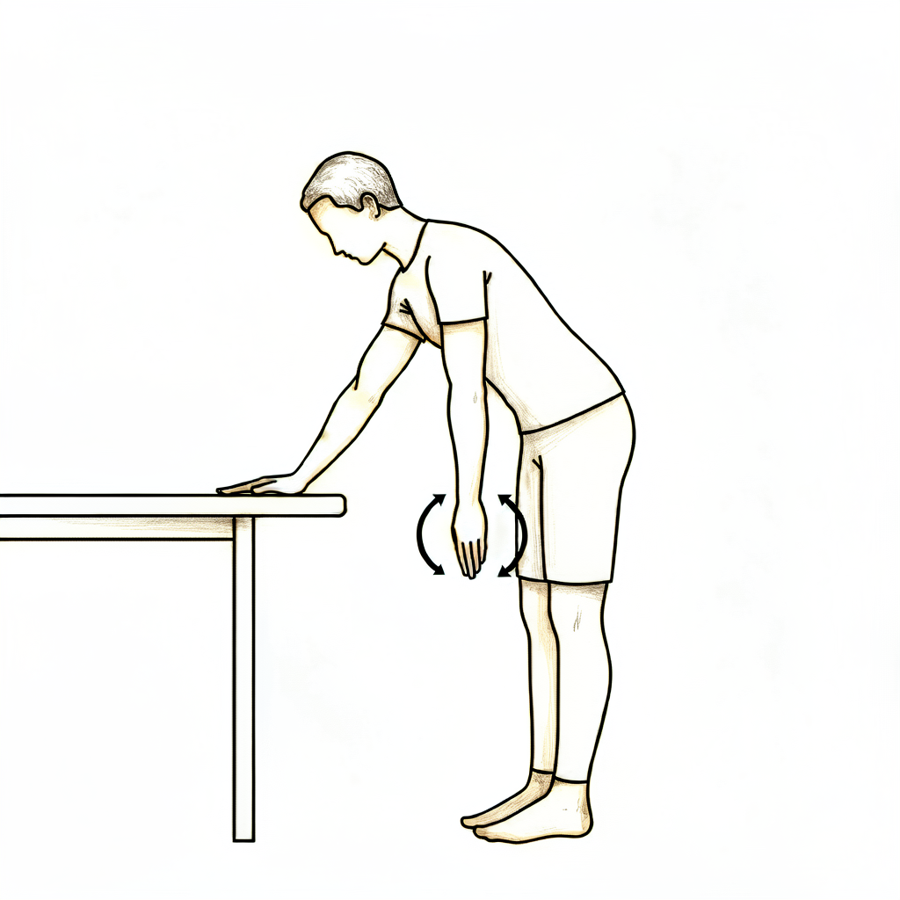
ஊசல் (pendulum) பயிற்சிகள் (முற்றிலும் தளர்வாக)
மறு கையை ஒரு மேசையின் மீது ஊன்றி ஆதரவு பெற்று முன்னோக்கிக் குனியுங்கள்; அறுவை சிகிச்சை செய்த கையை முற்றிலும் தளர்வாகத் தொங்க விடுங்கள். உங்கள் உடலை மெல்ல ஆட்டிச் சிறிய வட்டங்களை உருவாக்குங்கள் — கை பிறர் அசைப்பதாகவே ஆடுகிறது, தோள்பட்டைத் தசைகள் எந்த வேலையும் செய்வதில்லை. கை தளர்வாக இல்லை என்றால், நிறுத்திவிட்டு, உங்கள் செய்முறையைச் சரிபார்க்க உங்கள் இயன்முறை சிகிச்சையாளரிடம் கேளுங்கள்.
உங்கள் இயன்முறை சிகிச்சையாளர் வழிகாட்டியபடி
Kieran Hirpara 4.0
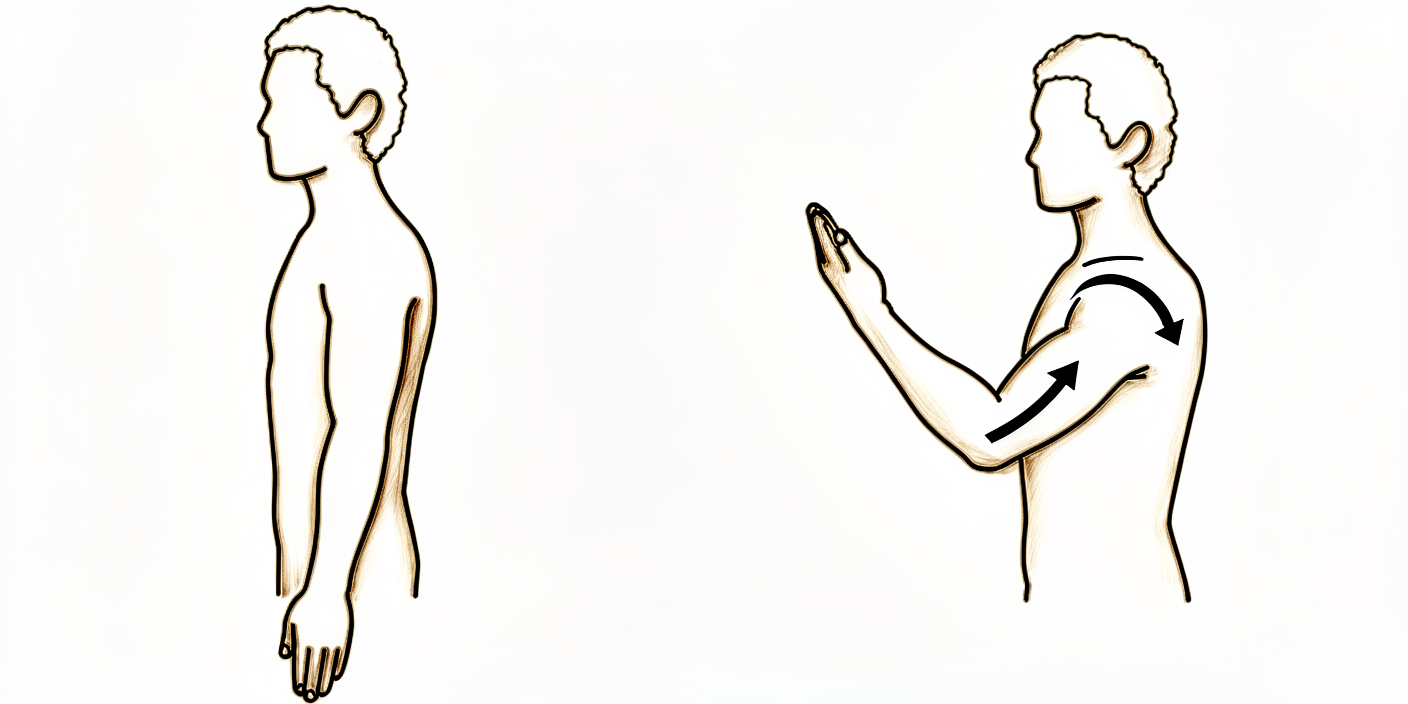
சுயமாக முழங்கையை மடக்குதல்
கையைக் கைத்தாங்கியிலிருந்து வெளியே எடுத்து, மேற்கையை உடலின் பக்கவாட்டில் ஓய்வாக வைத்தபடி, முழங்கையை வசதியாக மடங்கும் அளவுக்கு மடக்கி, பின்னர் முழுமையாக நேராக்குங்கள். முழங்கை மட்டுமே அசைகிறது — தோள்பட்டையை அசைக்காமல், கையை உடலின் பக்கவாட்டிலேயே வைத்திருங்கள்.
உங்கள் இயன்முறை சிகிச்சையாளர் வழிகாட்டியபடி
Kieran Hirpara 4.0
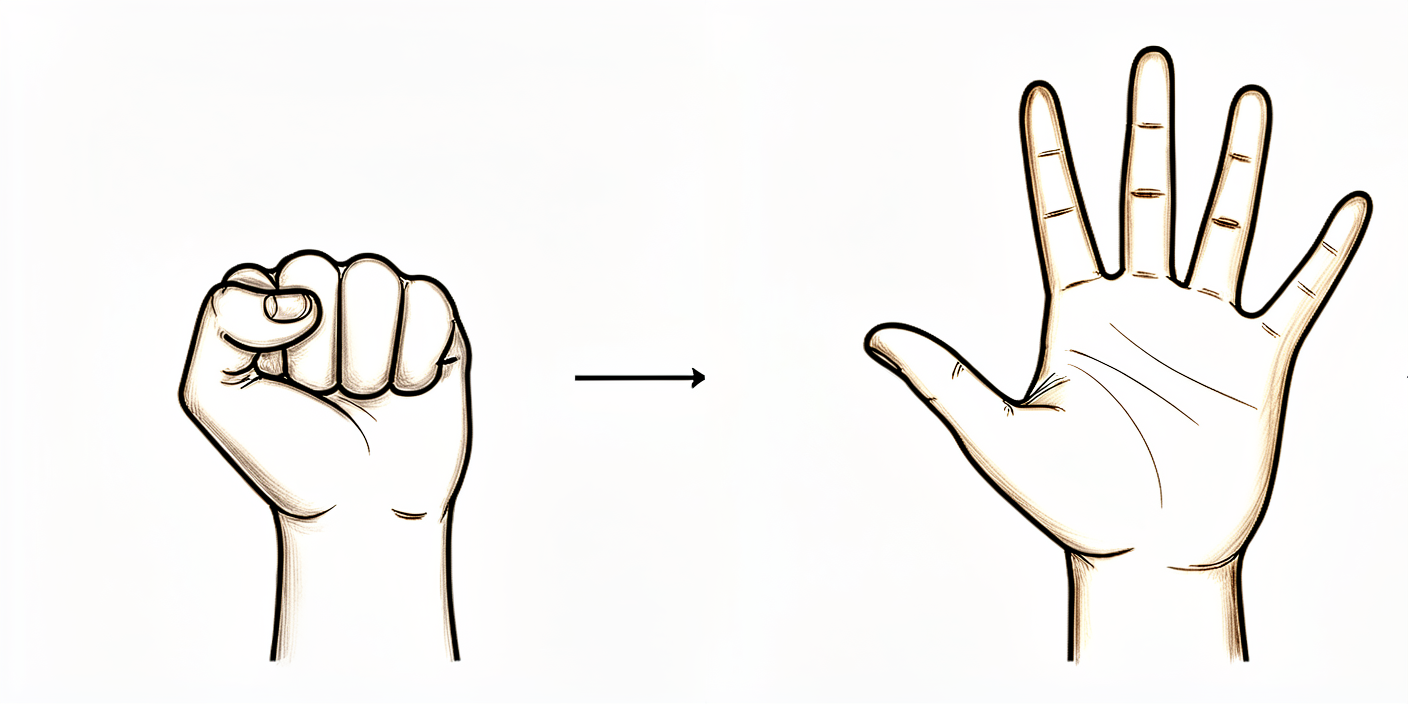
கையை மூடித் திறத்தல்
கையை இறுக்கமாக முஷ்டியாக மூடி, பின்னர் கையைத் திறந்து விரல்களை முழுமையாக விரியுங்கள். நாள் முழுவதும் கையை மென்மையாக இயங்கிக்கொண்டே இருக்கச் செய்யுங்கள் — கை கைத்தாங்கியில் ஓய்வெடுக்கும்போதே எழுதுவது, சாப்பிடுவது, தொலைபேசியைப் பயன்படுத்துவது ஆகிய அனைத்தும் ஊக்குவிக்கப்படுகின்றன.
உங்கள் இயன்முறை சிகிச்சையாளர் வழிகாட்டியபடி
Kieran Hirpara 4.0
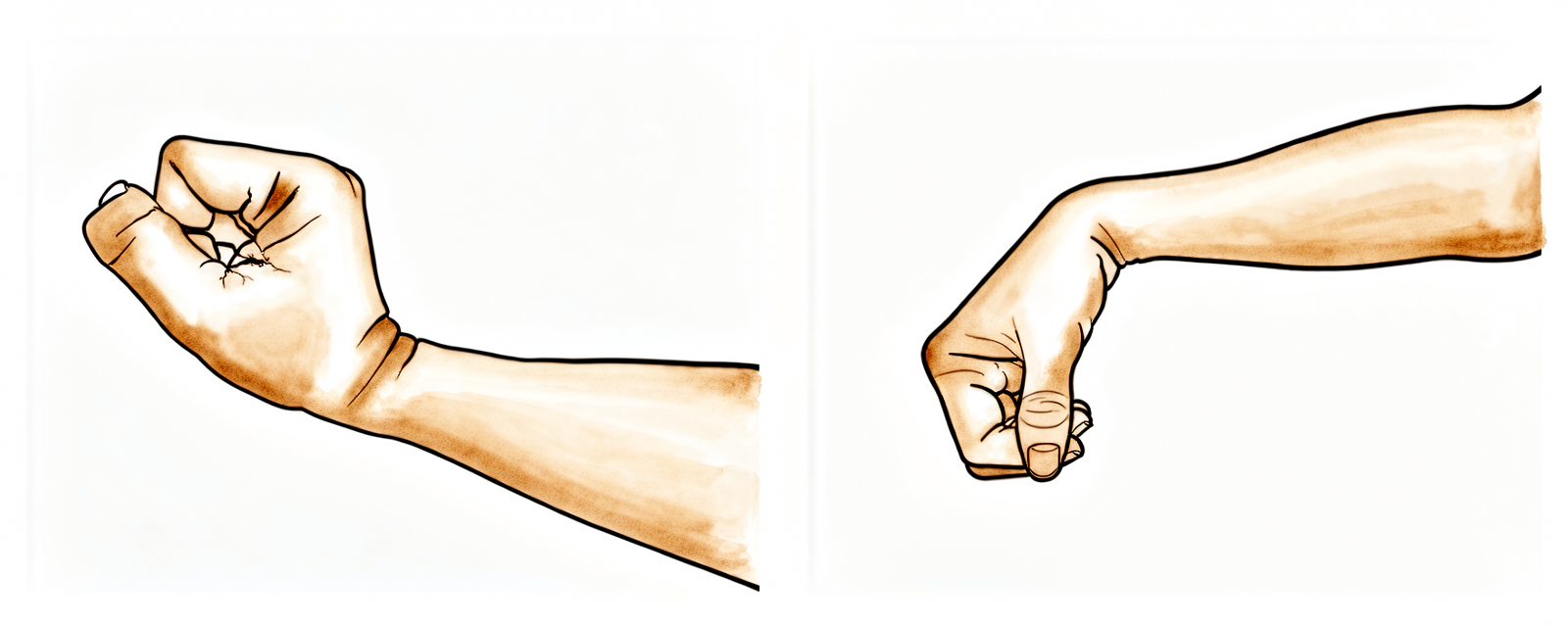
மணிக்கட்டு அசைவு
கையைக் கைத்தாங்கியிலிருந்து வெளியே எடுத்து உடலின் பக்கவாட்டில் ஓய்வாக வைத்தபடி, மணிக்கட்டை முன்னோக்கியும் பின்னோக்கியும் மடக்கி, மெல்லப் பக்கவாட்டிலும் அசைத்து, அதை அசைந்துகொண்டே இருக்கச் செய்யுங்கள். முழங்கை மற்றும் கைப் பயிற்சிகளைப் போலவே, தோள்பட்டை பாதுகாக்கப்படும்போது இது முன்கையை வளைந்துகொடுக்கும் நிலையில் வைத்திருக்கிறது.
உங்கள் இயன்முறை சிகிச்சையாளர் வழிகாட்டியபடி
Kieran Hirpara 4.0
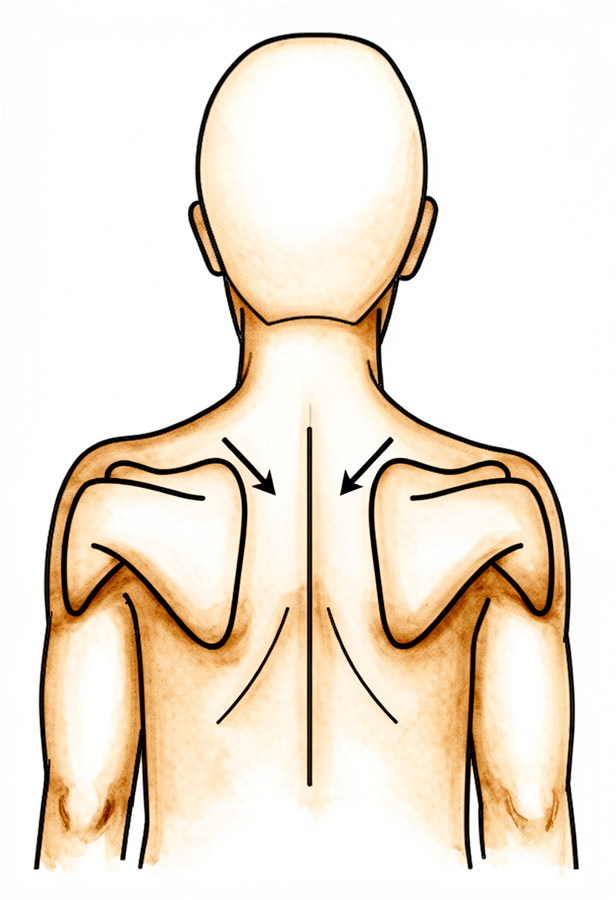
தோள்பட்டை எலும்பை நிலைப்படுத்துதல் (scapular setting) மற்றும் தோள்பட்டைகளை உயர்த்தி இறக்குதல்
நிமிர்ந்து அமர்ந்தோ நின்றோ, முதுகை வளைக்காமல் உங்கள் தோள்பட்டை எலும்புகளை மெல்லக் கீழ்நோக்கியும் ஒன்றாகவும் இறுக்கி, சில விநாடிகள் பிடித்து வைத்து, பின்னர் தளர்த்துங்கள். மென்மையான தோள்பட்டை உயர்த்தி இறக்குதலையும் சேர்த்துக்கொள்ளுங்கள் — தோள்பட்டைகளைக் காதுகளை நோக்கி உயர்த்தி, பின்னர் அவற்றைத் தணியவிடுங்கள். நாள் முழுவதும் உங்கள் உடல் நிலையைச் சரியாக வைத்திருங்கள்: காதுகள், தோள்பட்டைகள், இடுப்பு ஒரே நேர்கோட்டில்.
உங்கள் இயன்முறை சிகிச்சையாளர் வழிகாட்டியபடி
முதல் ஆறு வாரங்கள் ஒரே ஒரு விஷயத்துக்கானவை: எலும்பு மேட்டுத் துண்டுகள் இடையூறின்றி எலும்பிலும் செயற்கை மூட்டிலும் ஒட்டிக் குணமடைய அனுமதிப்பது. நீங்கள் இரவும் பகலும் கைத்தாங்கியிலேயே இருக்கிறீர்கள், உங்கள் முழங்கை, மணிக்கட்டு, கை ஆகியவற்றை அசைத்துக்கொண்டே இருக்கிறீர்கள்; தோள்பட்டையை மட்டும் கீழே உள்ள வரம்புகளுக்குள் பிறர் அசைப்பதாக மட்டுமே (உங்கள் இயன்முறை சிகிச்சையாளரால் மென்மையாக, அல்லது கை முற்றிலும் தளர்வாக இருக்க) அசைக்க அனுமதிக்கிறீர்கள். மிக முக்கியமான விதிகள்: தோள்பட்டையைச் சுயமாக அசைக்க வேண்டாம், வரம்புகளைத் தாண்டி கையை வெளிப்புறமாகச் சுழற்ற வேண்டாம், முதுகுக்குப் பின்னால் கையை நீட்ட வேண்டாம், எதையும் தூக்க வேண்டாம், கைகளை ஊன்றித் தள்ளி எழ வேண்டாம். உங்களுக்குத் தலைகீழ் மூட்டு மாற்று செய்யப்பட்டிருந்தால், மென்திசுக்கள் குணமடையும்போது இந்த விதிகள் புதிய மூட்டை விலகிப்போவதிலிருந்தும் (dislocation) பாதுகாக்கின்றன. மல்லாந்து படுக்கும்போது, தோள்பட்டை பின்னோக்கி நீண்டுவிடாமல் இருக்க, உங்கள் முழங்கைக்குக் கீழே ஒரு சிறிய தலையணையையோ சுருட்டிய துண்டையோ வையுங்கள்.
உங்கள் இயன்முறை சிகிச்சையாளருக்கு:
இலக்குகள்
- எலும்பு மேட்டுப் பழுதுபார்ப்பையும் செயற்கை மூட்டையும் பாதுகாத்தல்
- வீக்கத்தைக் குறைத்தல், வலியைக் குறைந்தபட்சமாக்குதல்
- முழங்கை, மணிக்கட்டு, கை ஆகியவற்றில் சுய அசைவு வரம்பைப் (ROM) பராமரித்தல்
- பாதுகாப்பான வரம்புக்குள் மென்மையான, பாதுகாப்புடன் கூடிய தோள்பட்டைப் பிறர் அசைக்கும் அசைவு வரம்பு (PROM)
- தோள்பட்டை எலும்பு குறித்த மற்றும் உடல் நிலை குறித்த விழிப்புணர்வைப் பராமரித்தல்
- நோயாளிக்குக் கல்வி அளித்தல்
கைத்தாங்கி
- தூங்கும்போது உட்பட, 6 வாரங்கள்
- கழுவுவதற்கும் பயிற்சிகளுக்கும் மட்டுமே கழற்றப்படுகிறது; கைத்தாங்கியிலிருந்து வெளியே இருக்கும்போது கை உடலின் பக்கவாட்டிலேயே இருக்கும்
சிகிச்சை மேலாண்மை
- வீக்க மேலாண்மை: ஐஸ், அழுத்தக் கட்டு
- அசைவு வரம்பு / இயக்கம்:
- பாதுகாப்பான வரம்புக்குள் PROM மட்டுமே: தோள்பட்டை எலும்புத் தளத்தில் உயர்த்தல் ≤ 90 டிகிரி; முதல் 4 வாரங்களுக்கு வெளிப்புறச் சுழற்சி (ER) நடுநிலை வரை (0 டிகிரி), அதன் பிறகு ≤ 30 டிகிரி; முதுகுக்குப் பின்னால் உட்புறச் சுழற்சி (IR) கூடாது
- ஊசல் (pendulum) பயிற்சிகள், முற்றிலும் தளர்வாக, பிறர் அசைக்கும் பயிற்சியாகச் செய்யப்படுகின்றன
- உதவியுடன் கூடிய சுய அசைவு வரம்பு (AAROM): தோள்பட்டைக்கு எதுவும் இல்லை
- சுய அசைவு வரம்பு (AROM): முழங்கை, மணிக்கட்டு, கை, விரல்கள்; கழுத்து முதுகெலும்பு
- தோள்பட்டை எலும்பை நிலைப்படுத்துதல், தோள்பட்டைகளை உயர்த்தி இறக்குதல் (shrugs), உடல் நிலைத் திருத்தம்
- கைத்தாங்கியில் இருக்கும்போது கையை இலகுவாகப் பயன்படுத்த ஊக்குவித்தல் (எழுதுதல், சாப்பிடுதல், தொலைபேசி)
- பயிற்சிகளுக்கும் இயன்முறை சிகிச்சை அமர்வுகளுக்கும் முன் வலி நிவாரணி
முன்னெச்சரிக்கைகள்
- தோள்பட்டை AROM அல்லது AAROM கூடாது
- மேலே உள்ள வரம்புகளைத் தாண்டி, பிறர் அசைக்கும் அல்லது சுய வெளிப்புறச் சுழற்சி கூடாது (வெளிப்புறச் சுழற்சி பெரிய எலும்பு மேட்டுப் பழுதுபார்ப்புக்குச் சுமை கொடுக்கிறது)
- எதிர்ப்புடன் கூடிய உட்புறச் சுழற்சி கூடாது (உட்புறச் சுழற்சி சிறிய எலும்பு மேடு / சப்ஸ்கேபுலாரிஸ் (subscapularis) பழுதுபார்ப்புக்குச் சுமை கொடுக்கிறது)
- முதுகுக்குப் பின்னால் கையை நீட்டக் கூடாது; உள்நோக்கிய இழுப்பு (adduction), உட்புறச் சுழற்சி, பின்னோக்கி நீட்டல் ஆகியவை ஒன்றாகச் சேரக் கூடாது (தலைகீழ் மூட்டு மாற்றில் மூட்டு விலகும் நிலை)
- பொருட்களைத் தூக்கக் கூடாது; கைகளின் வழியாக உடல் எடையைத் தாங்கக் கூடாது (எடுத்துக்காட்டாக, நாற்காலியிலிருந்தோ படுக்கையிலிருந்தோ ஊன்றித் தள்ளி எழுதல்)
- மல்லாந்து படுக்கும்போது முழங்கைக்குக் கீழே ஒரு சிறிய தலையணையையோ சுருட்டிய துண்டையோ வையுங்கள்; தோள்பட்டை பின்னோக்கி நீண்டுவிடக் கூடாது
- எந்த அசைவையும் வலி வரும் அளவுக்கு வலுக்கட்டாயமாகச் செய்யக் கூடாது
அடுத்த கட்டத்துக்குச் செல்வதற்கான அளவுகோல்கள்
- 6 வாரங்கள் கடந்திருக்க வேண்டும், மேலும் எலும்பு மேடுகள் சரியான இடத்தில் குணமடைவதை எக்ஸ்-ரே காட்ட வேண்டும் — டாக்டர் ஹிர்பராவுடனான உங்கள் மறுபரிசோதனையில் உறுதிப்படுத்தப்பட்டபடி
- வாய்வழி வலி நிவாரணியால் வலி கட்டுப்பாட்டில் இருத்தல்
- காயம் குறித்த கவலைகள் இல்லாமலும், நிலையற்ற தன்மையின் அறிகுறிகள் இல்லாமலும் இருத்தல்
கட்டம் II — அசைவை மீட்டெடுத்தல் (வாரம் 6–12)
Kieran Hirpara 4.0
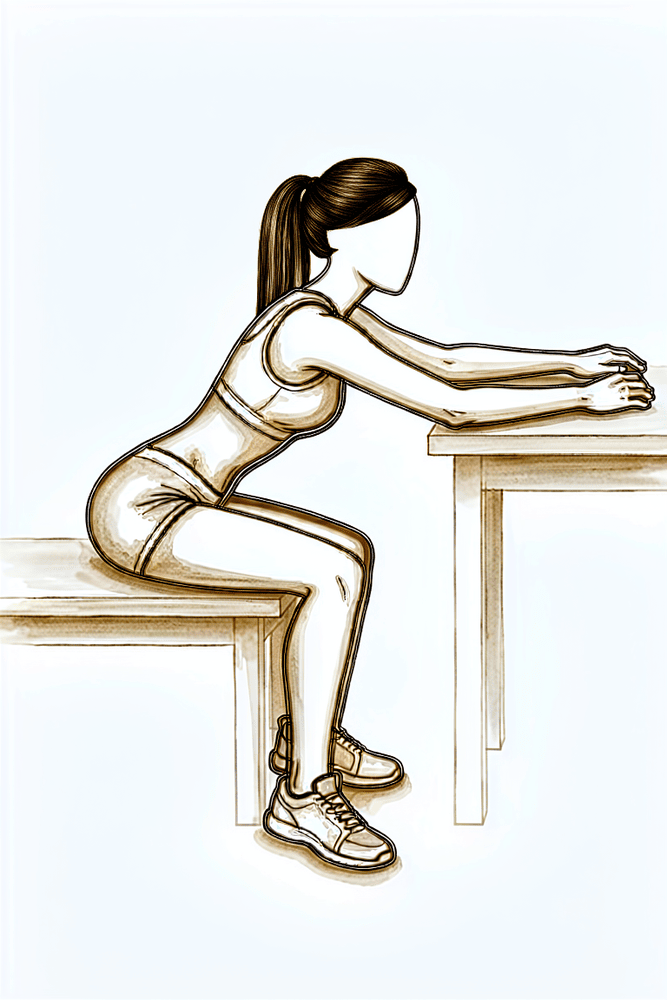
மேசையில் கையை நழுவவிடுதல்
முன்கையை ஒரு மேசையின் மீது ஓய்வாக வைத்து மேசையருகே அமருங்கள். மெல்ல முன்னோக்கிச் சாய்ந்து, உங்கள் கை மேசையின் மீது நழுவட்டும்; கையின் எடையை மேசை தாங்கட்டும். பின்னர் மீண்டும் நிமிர்ந்து அமருங்கள். வசதிக்குள் முன்னேறுங்கள் — வலி வரும் அளவுக்குத் தள்ள வேண்டாம்.
உங்கள் இயன்முறை சிகிச்சையாளர் வழிகாட்டியபடி
Kieran Hirpara 4.0
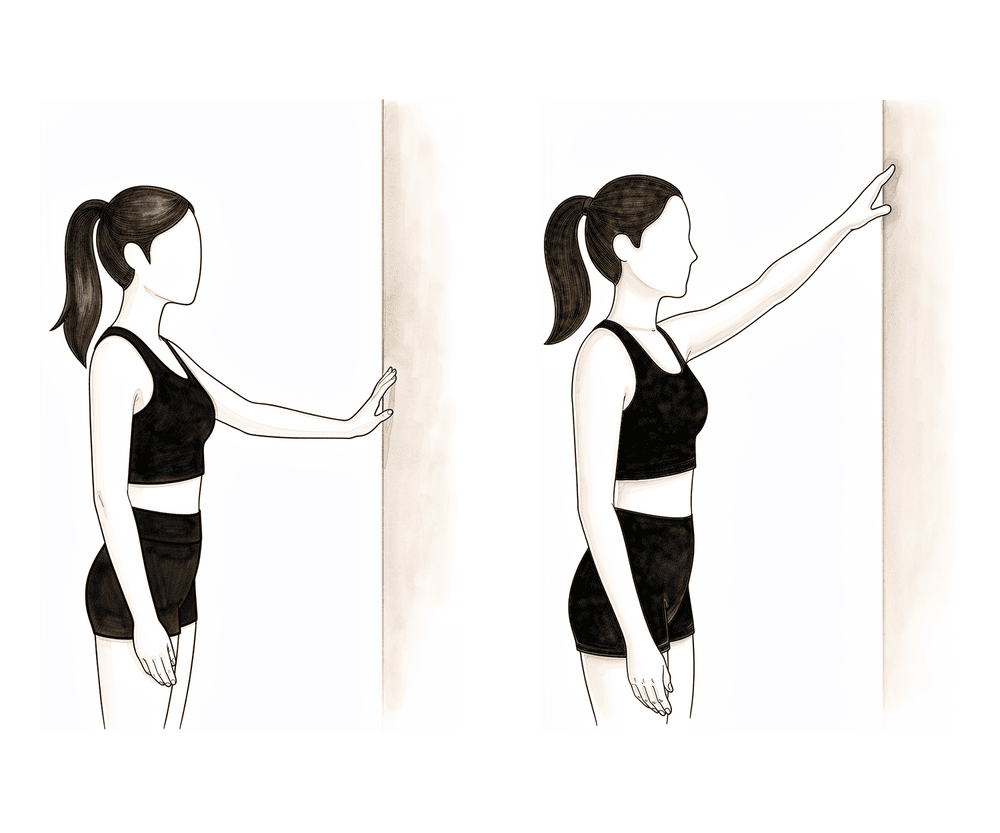
சுவரில் ஏறுதல் (விரல்களால் நடத்தல்)
சுவரை நோக்கி நின்று, உங்கள் விரல்களை மெதுவாக அதன் மீது மேலே நடத்துங்கள்; கையின் எடையைச் சுவர் தாங்கட்டும். பின்னர் கட்டுப்பாட்டுடன் விரல்களை மீண்டும் கீழே நடத்துங்கள். தோள்பட்டையைக் காதை நோக்கித் தூக்காமலும் முதுகை வளைக்காமலும், வசதி அனுமதிக்கும் உயரம் வரை மட்டுமே செல்லுங்கள்.
உங்கள் இயன்முறை சிகிச்சையாளர் வழிகாட்டியபடி
Kieran Hirpara 4.0
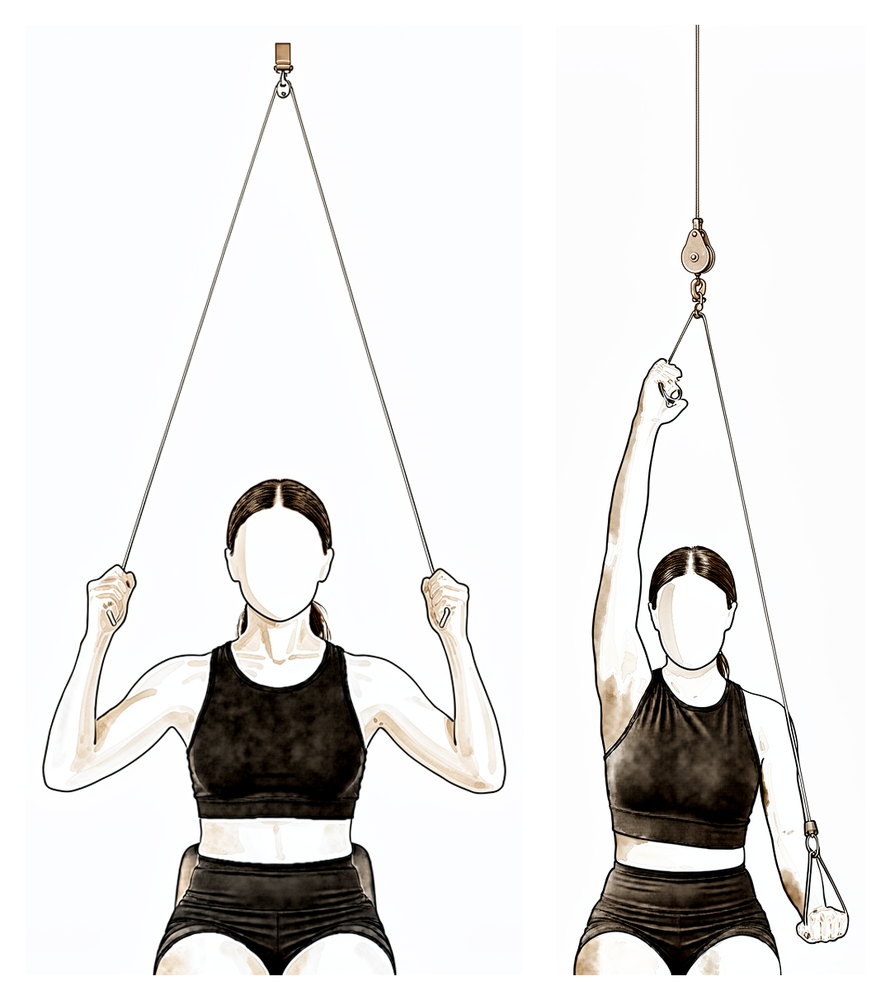
கப்பி (pulley) உதவியுடன் முன்னோக்கி உயர்த்துதல்
கதவின் மேல் பொருத்தப்பட்ட கப்பிக்குக் கீழே அமருங்கள். அறுவை சிகிச்சை செய்த கையைத் தளர்வாக வைத்து, மறு கையால் கயிற்றைக் கீழே இழுங்கள்; கயிறு அறுவை சிகிச்சை செய்த கையை உங்களுக்கு முன்னால் மெல்ல உயர்த்தட்டும். பின்னர் அதை மெதுவாக இறக்குங்கள். நல்ல கையே வேலையைச் செய்கிறது — வரம்பை வலுக்கட்டாயமாக அதிகரிக்க வேண்டாம்.
உங்கள் இயன்முறை சிகிச்சையாளர் வழிகாட்டியபடி
Kieran Hirpara 4.0
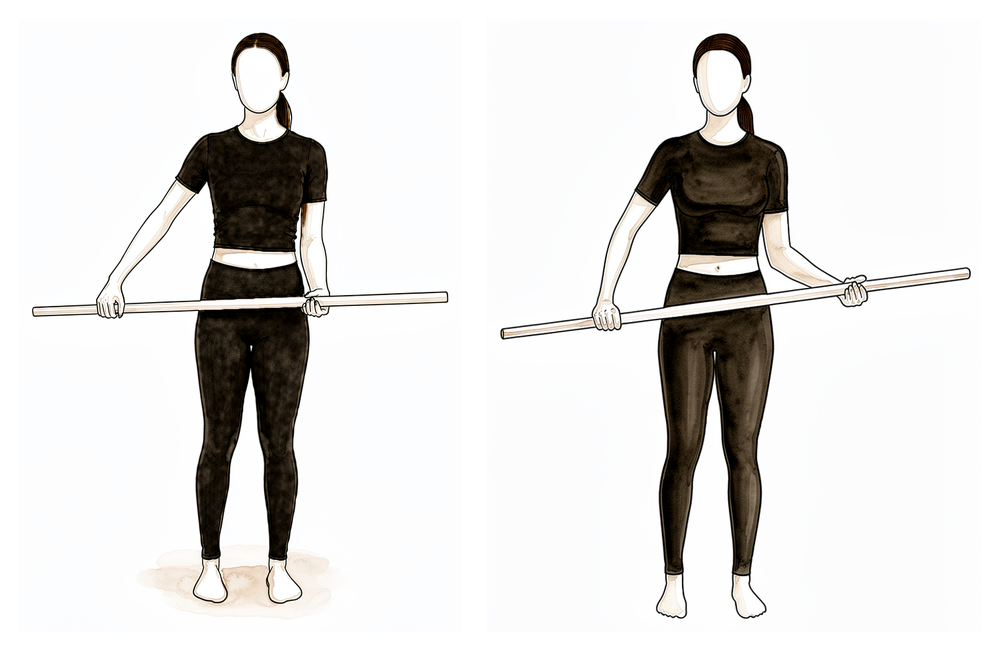
கோல் உதவியுடன் வெளிப்புறச் சுழற்சி
மல்லாந்து படுத்து, இரு கைகளிலும் ஒரு கோலைப் பிடியுங்கள்; முழங்கைகளை 90 டிகிரி மடக்கி, உடலின் பக்கவாட்டில் ஒட்டியபடி வையுங்கள். நல்ல கையால் தள்ளி, அறுவை சிகிச்சை செய்த முன்கையை வெளிப்புறமாகச் சுழற்றுங்கள்; உங்கள் மறுபரிசோதனையில் ஒப்புக்கொள்ளப்பட்ட வரம்புக்குள்ளேயே இருங்கள். பின்னர் திரும்பி வாருங்கள். அறுவை சிகிச்சை செய்த கை தளர்வாகவே இருக்கிறது — ஒருபோதும் அசைவை வலுக்கட்டாயமாகச் செய்ய வேண்டாம்.
உங்கள் இயன்முறை சிகிச்சையாளர் வழிகாட்டியபடி
Kieran Hirpara 4.0
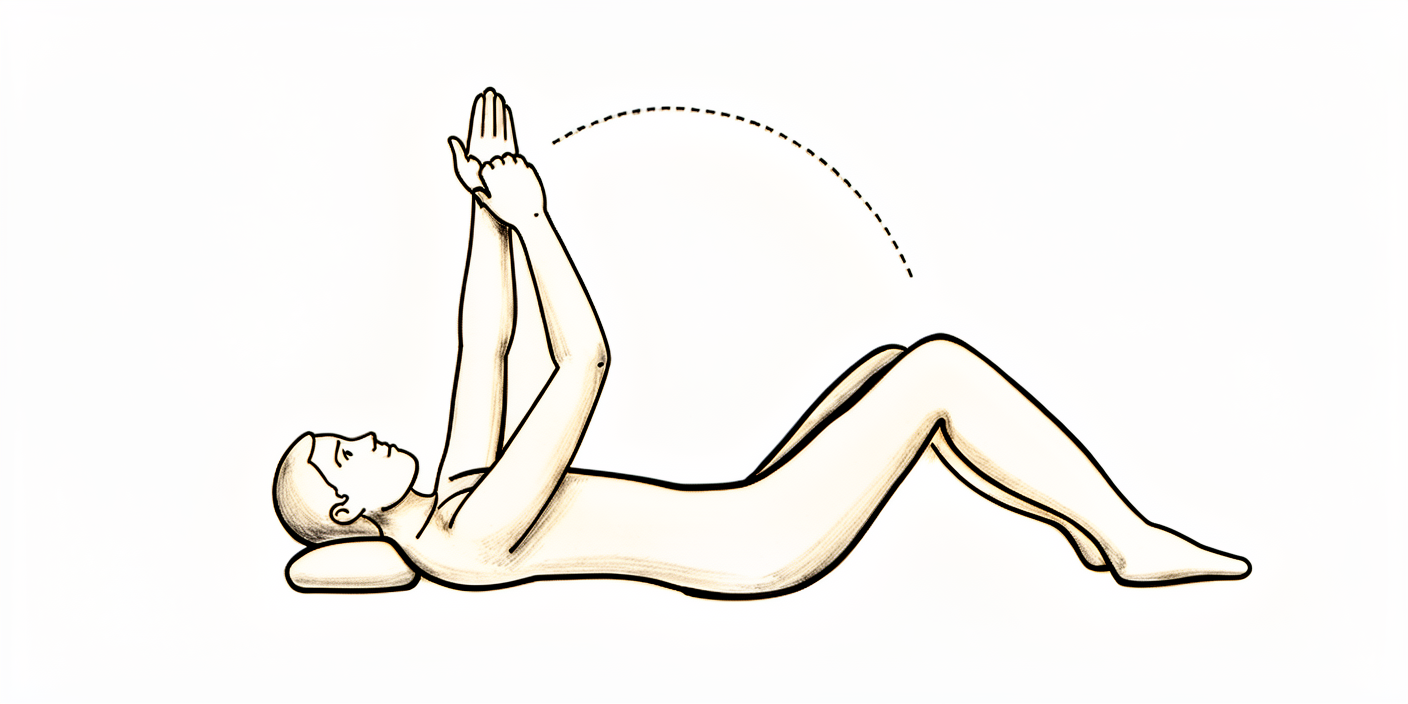
உதவியுடன் முன்னோக்கி உயர்த்துதல் (படுத்த நிலையில்)
மல்லாந்து படுத்து, உங்கள் நல்ல கையைப் பயன்படுத்தி — அல்லது இரு கைகளிலும் பிடித்த ஒரு கோலைப் பயன்படுத்தி — அறுவை சிகிச்சை செய்த கையை உங்களுக்கு முன்னால், வசதி அனுமதிக்கும் அளவுக்கு உயர்த்த உதவுங்கள். பின்னர் நல்ல கை தொடர்ந்து உதவிக்கொண்டிருக்க, அதை மீண்டும் கீழே இறக்குங்கள். அறுவை சிகிச்சை செய்த தோள்பட்டை தளர்வாகவே இருக்கிறது, நல்ல கையே வேலையைச் செய்கிறது; இது குணமடைந்துவரும் பழுதுபார்ப்புக்கு அழுத்தம் கொடுக்காமல் அசைவு வரம்பு திரும்ப உதவுகிறது.
உங்கள் இயன்முறை சிகிச்சையாளர் வழிகாட்டியபடி
Kieran Hirpara 4.0
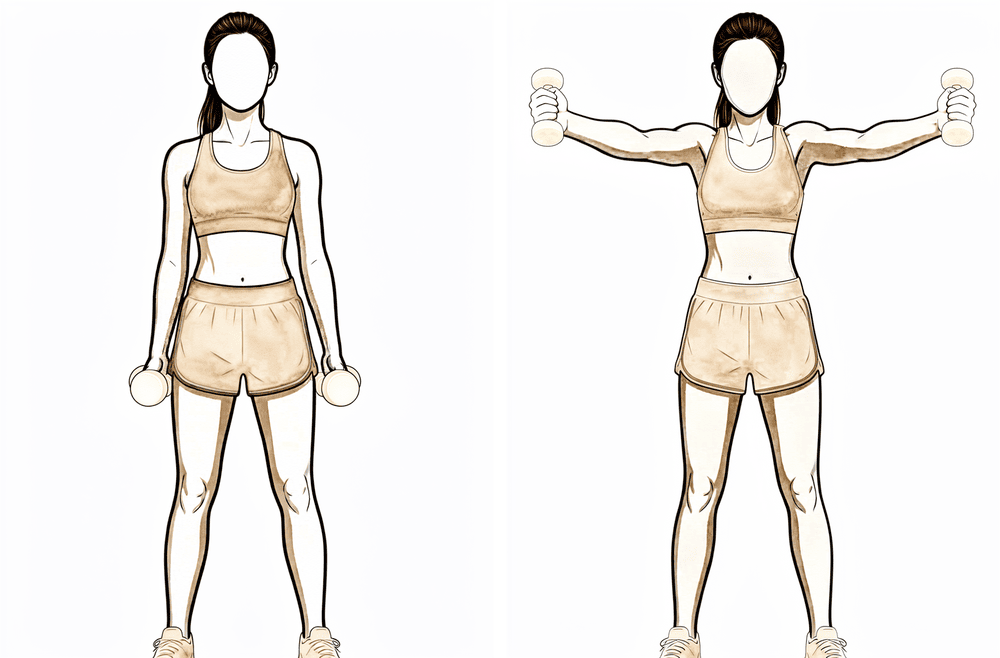
சுய ஸ்கேப்ஷன் (scaption) — முழுக் கேன் (full can)
உங்கள் இயன்முறை சிகிச்சையாளர் சுய அசைவுக்கு அனுமதி அளித்த பிறகு, முன்புறத்துக்கும் பக்கவாட்டுக்கும் இடையே சுமார் 45 டிகிரி கோணத்தில் கையை வெளியே உயர்த்துங்கள்; நிரம்பிய கேனைப் பிடித்திருப்பது போலக் கட்டைவிரல் மேல்நோக்கி இருக்கட்டும். உங்களுக்கு நல்ல கட்டுப்பாடு இருக்கும் உயரம் வரை மட்டுமே உயர்த்தி, பின்னர் மெதுவாக இறக்குங்கள். எலும்பு மேடுகள் குணமடையத் தொடங்கிய பிறகே இது சுய உயர்த்தலைத் தொடங்குகிறது — இதை அதற்கு முன்பே தொடங்க வேண்டாம்.
உங்கள் இயன்முறை சிகிச்சையாளர் வழிகாட்டியபடி
Kieran Hirpara 4.0
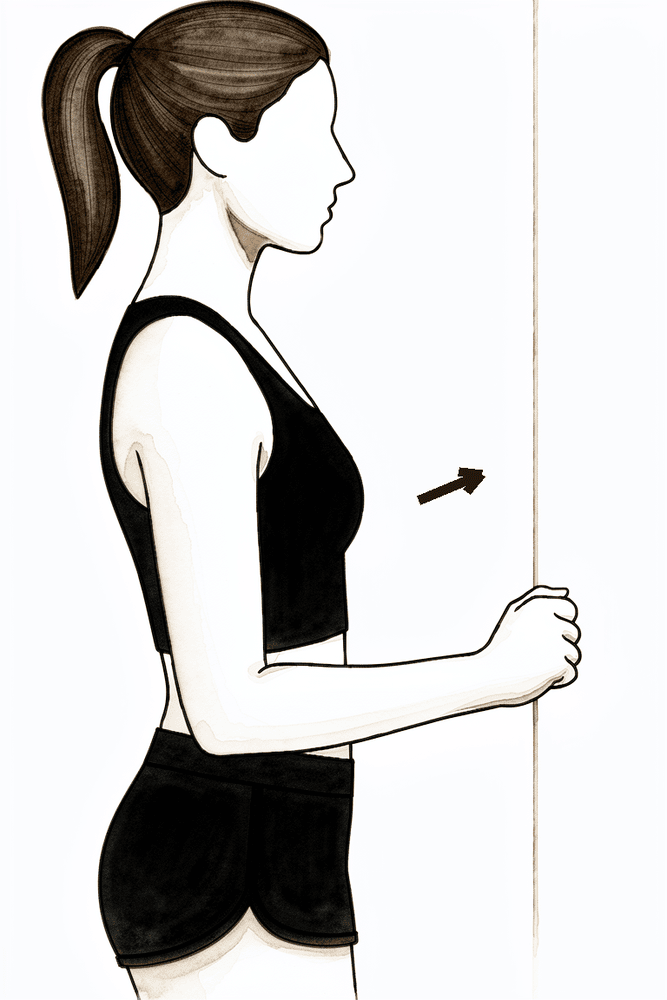
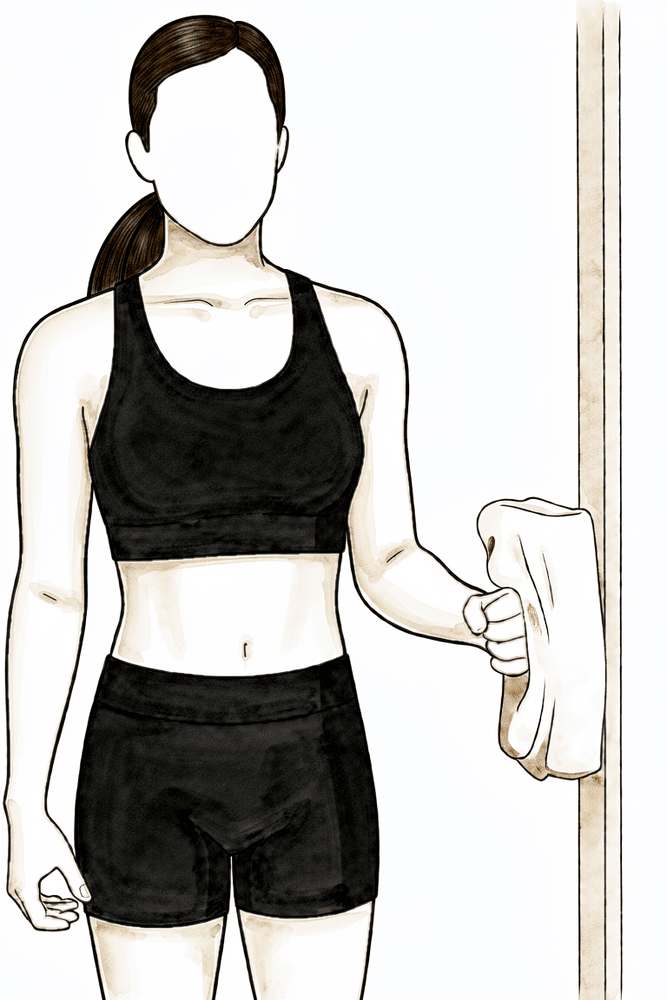
ஐசோமெட்ரிக் (isometric) முன்னோக்கி அழுத்துதல் (டெல்டாய்டு)
சுவரை நோக்கி நின்று, முழங்கையை மடக்கி, உங்கள் முஷ்டிக்கும் சுவருக்கும் இடையே மடித்த ஒரு துண்டை வையுங்கள். கை அசையாமல் இருக்க, முஷ்டியை மெல்ல முன்னோக்கிச் சுவரில் அழுத்தி, சில விநாடிகள் பிடித்து வைத்து, பின்னர் தளர்த்துங்கள். இது அசைவே இல்லாமல் டெல்டாய்டைத் தட்டி எழுப்புகிறது — இதை இந்தக் கட்டத்தின் பிற்பகுதியில் மட்டுமே, மென்மையாகவும் வலியில்லாமலும் தொடங்குங்கள்.
உங்கள் இயன்முறை சிகிச்சையாளர் வழிகாட்டியபடி
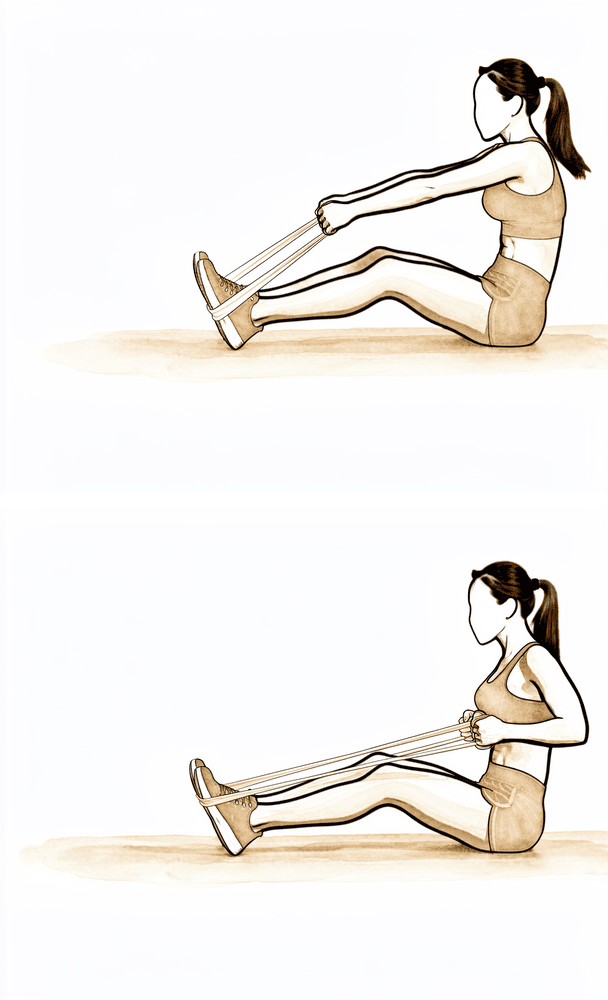
Kieran Hirpara 4.0
தாழ்வான இழுப்பு (low row)
நிமிர்ந்து அமர்ந்தோ நின்றோ, முழங்கையைப் பின்னோக்கியும் கீழ்நோக்கியும் உங்கள் இடுப்பை நோக்கி இழுத்து, தோள்பட்டை எலும்பைக் கீழ்நோக்கியும் பின்னோக்கியும் இறுக்கி, ஒரு கணம் பிடித்து வைத்து, பின்னர் விடுங்கள். இது தோள்பட்டைக்கு ஆதரவு தரும் தோள்பட்டை எலும்புத் தசைகளை நிலைப்படுத்துகிறது — இந்தக் கட்டத்தில் இதை இலகுவாகவும் மென்மையாகவும் வைத்திருங்கள்.
உங்கள் இயன்முறை சிகிச்சையாளர் வழிகாட்டியபடி
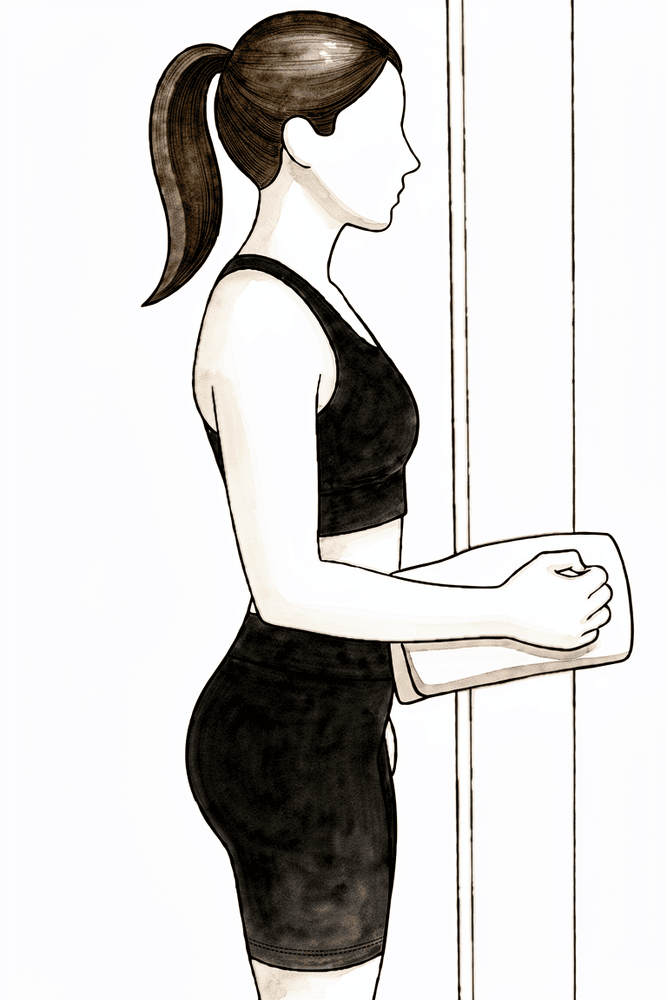
Kieran Hirpara 4.0
ஐசோமெட்ரிக் (isometric) வெளிப்புறச் சுழற்சி
முழங்கையை உடலின் பக்கவாட்டில் ஒட்டி, செங்கோணத்தில் மடக்கி, புறங்கையைச் சுவரிலோ கதவுச் சட்டத்திலோ வைத்து நில்லுங்கள். கை அசையாமல் இருக்க, மெல்ல வெளிப்புறமாக அதில் அழுத்தி, சில விநாடிகள் பிடித்து வைத்து, பின்னர் தளர்த்துங்கள். சுழற்சி தசைநாண் பட்டைப் பழுதுபார்ப்பு அனுமதிக்கும்படி, இதை இந்தக் கட்டத்தின் பிற்பகுதியில் மட்டுமே, மென்மையாகவும் வலியில்லாமலும் அறிமுகப்படுத்துங்கள்.
உங்கள் இயன்முறை சிகிச்சையாளர் வழிகாட்டியபடி
Kieran Hirpara 4.0
ஐசோமெட்ரிக் உட்புறச் சுழற்சி
முழங்கையை உடலின் பக்கவாட்டில் ஒட்டி, செங்கோணத்தில் மடக்கி, உள்ளங்கையைக் கதவுச் சட்டத்தில் வைத்து நில்லுங்கள். கை அசையாமல் இருக்க, மெல்ல உட்புறமாக அதில் அழுத்தி, சில விநாடிகள் பிடித்து வைத்து, பின்னர் தளர்த்துங்கள். உங்கள் மறுபரிசோதனையில் அனுமதி கிடைத்த பிறகே இதைத் தொடங்குங்கள் — உட்புறச் சுழற்சி சிறிய எலும்பு மேட்டுப் பழுதுபார்ப்புக்குச் சுமை கொடுப்பதால், இது கடைசி வரை ஒத்திவைக்கப்படுகிறது.
உங்கள் இயன்முறை சிகிச்சையாளர் வழிகாட்டியபடி
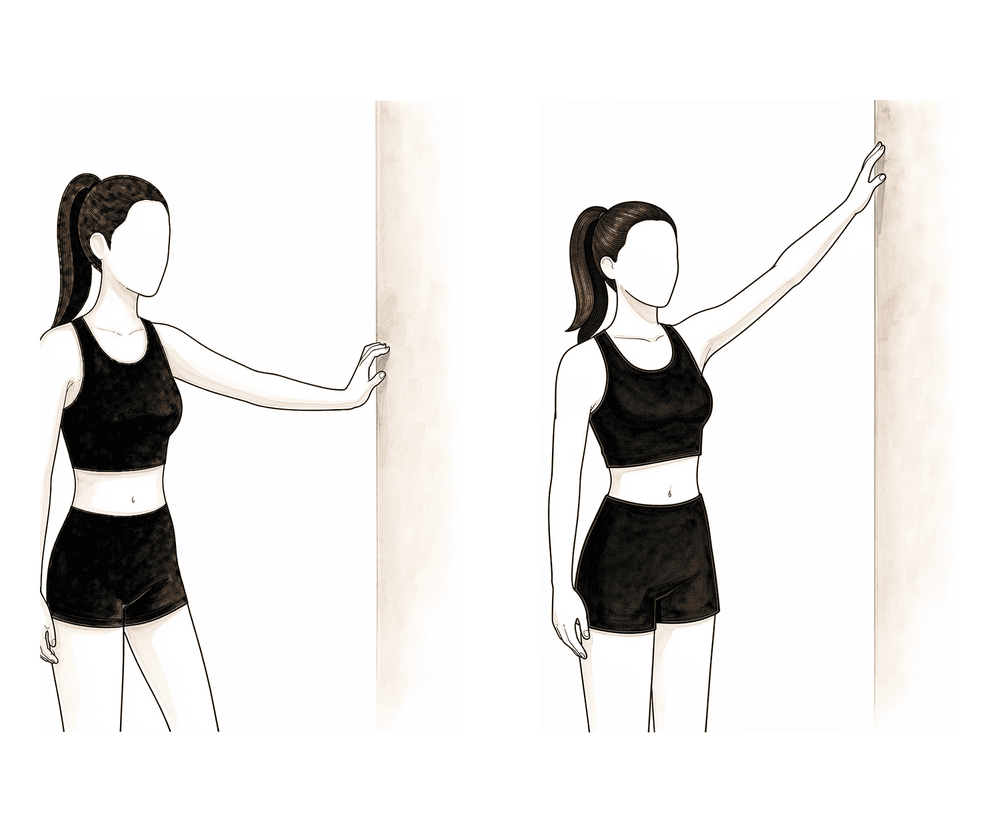
Kieran Hirpara 4.0
சுவரில் பக்கவாட்டில் விரல்களால் நடத்தல்
ஒரு சுவருக்குப் பக்கவாட்டாக நின்று, உங்கள் விரல் நுனிகளை அதன் மீது வையுங்கள். விரல்களைச் சுவரின் மீது பக்கவாட்டில் மேலே நடத்தி, வசதியான அளவுக்குக் கையை உயர்த்துங்கள்; பின்னர் கட்டுப்பாட்டுடன் அவற்றை மீண்டும் கீழே நடத்துங்கள். நீங்கள் பக்கவாட்டு அசைவை மீண்டும் பெறும்போது சுவர் கைக்கு ஆதரவு தருகிறது.
உங்கள் இயன்முறை சிகிச்சையாளர் வழிகாட்டியபடி
உங்கள் ஆறு வார மறுபரிசோதனையில், எலும்புத் துண்டுகள் சரியான இடத்தில் குணமடைகின்றனவா என்பதை எக்ஸ்-ரே சரிபார்க்கிறது. அவை குணமடைந்து வந்தால், கைத்தாங்கி கழற்றப்பட்டு, தோள்பட்டை தானாக அசையத் தொடங்குகிறது — முதலில் உங்கள் மறு கை, ஒரு கோல் அல்லது ஒரு கப்பி (pulley) உதவியுடன், பின்னர் சுயமாக. இந்த வாரங்களில் பிறர் அசைக்கும் அசைவு வரம்பு முழுமையை நோக்கி முன்னேறுகிறது, சுழற்சி வரம்புகளும் தளர்கின்றன. டெல்டாய்டு (deltoid) மற்றும் தோள்பட்டை எலும்பைச் சுற்றியுள்ள (periscapular) தசைகளுக்கான முதல் மென்மையான தசை எழுச்சிப் பயிற்சி தொடங்குகிறது. இன்னும் தொடங்காதது வலுப்படுத்துதல்: பழுதுபார்ப்பு இன்னும் உறுதிப்பட்டு வருகிறது; எனவே ஒரு கப் காஃபியை விடக் கனமான எதையும் தூக்கக் கூடாது என்ற விதி தொடர்கிறது, கைகளை ஊன்றித் தள்ளி எழுவதும் இன்னும் கூடாது.
உங்கள் இயன்முறை சிகிச்சையாளருக்கு:
இலக்குகள்
- ஆறு வார மறுபரிசோதனைக்குப் பிறகு கைத்தாங்கியைப் படிப்படியாகக் குறைத்து நிறுத்துதல்
- வசதி அனுமதிக்கும்படி தோள்பட்டை PROM-ஐ முழு வரம்பை நோக்கி முன்னேற்றுதல்
- தோள்பட்டை AAROM-ஐத் தொடங்கி, AROM-க்கு முன்னேற்றுதல்
- மென்மையான டெல்டாய்டு மற்றும் தோள்பட்டை எலும்பைச் சுற்றியுள்ள தசைகளின் எழுச்சியைத் தொடங்குதல்
- இடுப்பு மட்டத்திலும் மார்பு உயரத்திலும் இலகுவான அன்றாடச் செயல்களுக்குக் கையின் பயன்பாட்டை மீட்டெடுத்தல்
- நோயாளிக்குக் கல்வி அளித்தல்
கைத்தாங்கி
- ஆறு வார மறுபரிசோதனைக்குப் பிறகு நிறுத்தவும்; படிப்படியாகக் குறைக்கும் முதல் ஒன்று அல்லது இரண்டு வாரங்களில், கூட்டத்தில் பாதுகாப்புக்காக வீட்டுக்கு வெளியே அணியலாம்
சிகிச்சை மேலாண்மை
- தேவைக்கேற்பக் கட்டம் I-இன் சிகிச்சைகளைத் தொடரவும்
- அசைவு வரம்பு / இயக்கம்:
- PROM: வலியை மதித்து, சுமார் 8–10 வாரங்களுக்குள் எல்லாத் தளங்களிலும் முழு வரம்பை நோக்கி முன்னேற்றவும்
- AAROM: மேசையில் கையை நழுவவிடுதல், சுவரில் விரல்களால் நடத்தல், கப்பிகள், கோல் உதவியுடன் முன்னோக்கி உயர்த்துதல் மற்றும் வெளிப்புறச் சுழற்சி, மல்லாந்த நிலையிலிருந்து அமர்ந்த நிலைக்கு முன்னேறுதல்
- AROM: AAROM வசதியாக இருந்து, அசைவின் தரம் நன்றாக இருந்ததும் தொடங்கவும்; மல்லாந்த நிலையில் முன்னோக்கி உயர்த்துதலில் தொடங்கி, நிமிர்ந்த நிலையில் முன்னோக்கி உயர்த்துதலுக்கும் ஸ்கேப்ஷனுக்கும் (scaption) முன்னேறவும்
- ER: குணமடைதல் உறுதி செய்யப்பட்டதும், வசதி அனுமதிக்கும்படி 30 டிகிரிக்கு மேல் முன்னேற்றவும்
- அனுமதி கிடைத்தபடி, இந்தக் கட்டத்தின் பிற்பகுதியில் மென்மையான, செயல்பாட்டு ரீதியான கையை முதுகுக்குப் பின்னால் கொண்டு செல்லுதலும் பின்னோக்கி நீட்டலும் அறிமுகப்படுத்தப்படுகின்றன. இந்த நிலைகளுக்குள் நீட்டி இழுக்க வேண்டாம்.
- வலுப்படுத்துதல்:
- வலியில்லாத, அதிகபட்சத்துக்குக் குறைவான ஐசோமெட்ரிக் (isometric) பயிற்சிகள் மட்டுமே: தோள்பட்டை எலும்புத் தளத்தில் டெல்டாய்டு, தோள்பட்டை எலும்பைச் சுற்றியுள்ள தசைகளை நிலைப்படுத்துதல், தாழ்வான இழுப்பு (low row), தோள்பட்டை எலும்பைப் பின்னிழுத்தல்
- இந்தக் கட்டத்தின் பிற்பகுதியில் மென்மையான, வலியில்லாத சுழற்சி தசைநாண் பட்டை ஐசோமெட்ரிக் பயிற்சிகள்; எதிர்ப்புடன் கூடிய உட்புறச் சுழற்சியை மறுபரிசோதனையில் அனுமதி கிடைத்த பிறகே அறிமுகப்படுத்தவும்
- இயக்கக் கட்டுப்பாடு: தோள்பட்டை எலும்பின் கட்டுப்பாட்டை வலியுறுத்தவும்; தோள்பட்டையைக் காதை நோக்கித் தூக்குதல் போன்ற ஈடுசெய்யும் அசைவு முறைகளைத் தவிர்க்கவும்
முன்னெச்சரிக்கைகள்
- ஒரு கப் காஃபியை விடக் கனமான பொருட்களைத் தூக்கக் கூடாது
- கைகளின் வழியாக உடல் எடையைத் தாங்கக் கூடாது
- மென்மையான ஐசோமெட்ரிக் பயிற்சிகளைத் தாண்டி எதிர்ப்புப் பயிற்சியோ வலுப்படுத்துதல் பயிற்சியோ கூடாது
- வரம்பை வலுக்கட்டாயமாக அதிகரிப்பதைத் தவிர்க்கவும்: உறுதியான அசௌகரியம் வரை மட்டுமே நீட்டவும், ஒருபோதும் கூர்மையான வலி வரும் வரை அல்ல
அடுத்த கட்டத்துக்குச் செல்வதற்கான அளவுகோல்கள்
- நல்ல தோள்பட்டை எலும்புக் கட்டுப்பாட்டுடனும் குறைந்தபட்ச ஈடுசெய்யும் அசைவுகளுடனும், தோள்பட்டை உயரத்துக்குக் கீழே வசதியான சுய அசைவு
- எக்ஸ்-ரேயில் எலும்பு மேடுகள் தொடர்ந்து குணமடைதல் — டாக்டர் ஹிர்பராவுடனான உங்கள் மறுபரிசோதனையில் உறுதிப்படுத்தப்பட்டபடி
- எதிர்ப்புப் பயிற்சியைத் தொடங்கும் அளவுக்கு வலி தணிந்திருத்தல்
கட்டம் III — வலுப்படுத்துதல் (வாரம் 12–24)
Kieran Hirpara 4.0
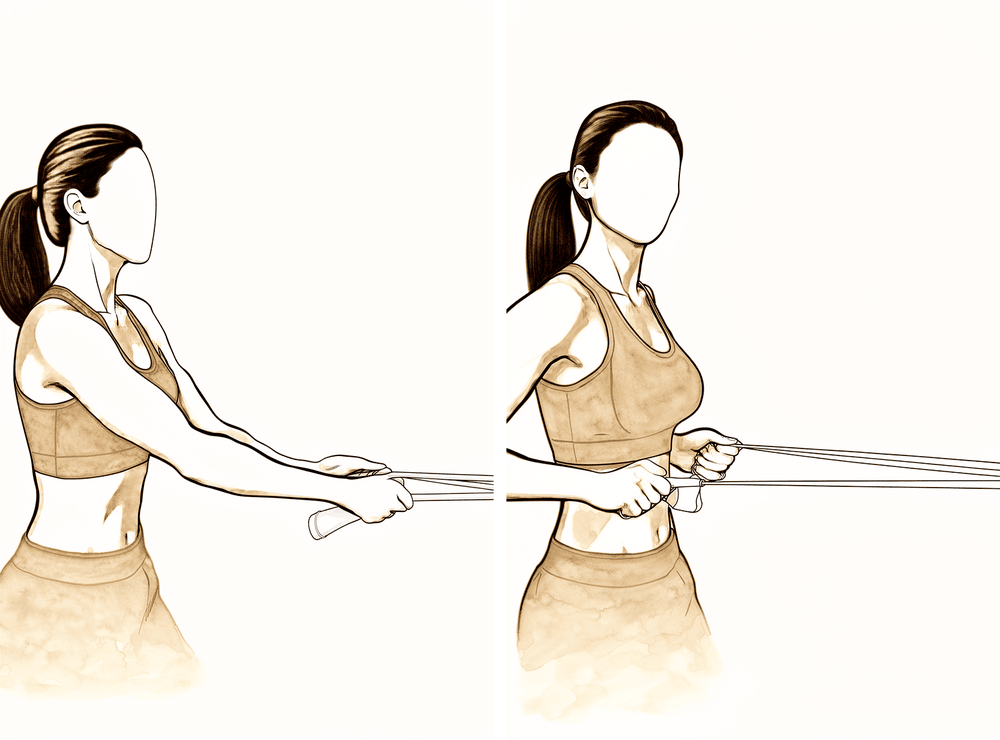
எலாஸ்டிக் பட்டையுடன் இழுப்புகள் (rows)
ஓர் எலாஸ்டிக் பட்டையை உங்களுக்கு முன்னால் இடுப்பு உயரத்தில் நிலையாகப் பொருத்துங்கள். நிமிர்ந்து நின்று, பட்டையை உங்களை நோக்கி இழுத்து, தோள்பட்டை எலும்பைக் கீழ்நோக்கியும் பின்னோக்கியும் இழுங்கள்; பின்னர் கட்டுப்பாட்டுடன் விடுங்கள். இலகுவான எதிர்ப்புடன் தொடங்குங்கள் — குறைந்த சுமை, அதிக முறைகள்; வழிகாட்டப்படும்படி முன்னேறுங்கள்.
உங்கள் இயன்முறை சிகிச்சையாளர் வழிகாட்டியபடி
Kieran Hirpara 4.0
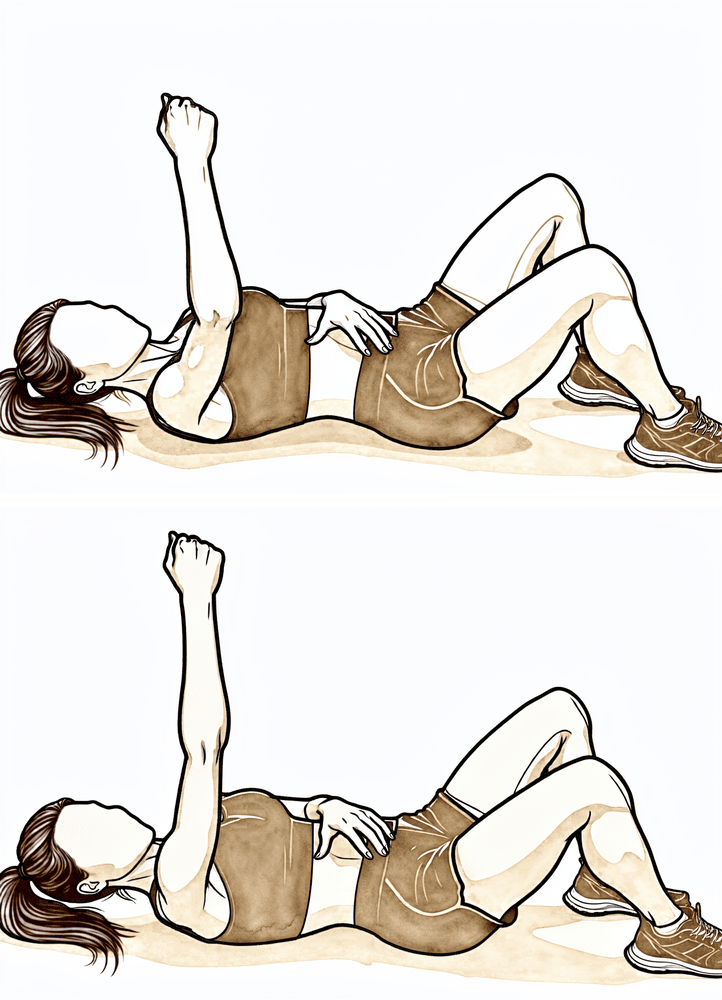
செரேட்டஸ் குத்து (serratus punch)
மல்லாந்து படுத்து, அறுவை சிகிச்சை செய்த கையை நேராக மேல்நோக்கிக் கூரையை நோக்கி நீட்டுங்கள். முழங்கையை மடக்காமல், கையைச் சற்று மேலே தள்ளுங்கள்; தோள்பட்டை எலும்பு தரையிலிருந்து உயரட்டும். பின்னர் அதை மீண்டும் கீழே அமரவிடுங்கள். இது தோள்பட்டை எலும்பை விலா எலும்புகளுடன் நங்கூரமிட்டுப் பிடிக்கும் தசையை வலுப்படுத்துகிறது.
குறைந்த சுமை, அதிக முறைகள்
Kieran Hirpara 4.0
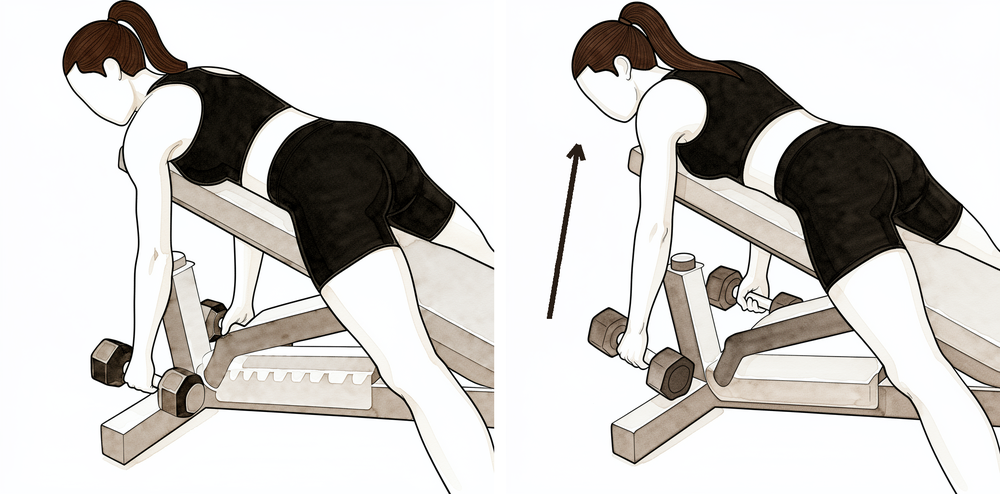
எடையுடன் தோள்பட்டை எலும்பைப் பின்னிழுத்தல்
ஒவ்வொரு கையிலும் ஓர் இலகுவான எடையை வைத்துக்கொண்டு இடுப்பிலிருந்து முன்னோக்கிக் குனிந்து, முழங்கைகளைப் பின்னோக்கி இழுத்துத் தோள்பட்டை எலும்புகளை ஒன்றாக இறுக்குங்கள்; பின்னர் கட்டுப்பாட்டுடன் இறக்குங்கள். இது எதிர்ப்புக்கு எதிராகத் தோள்பட்டை எலும்புத் தசைகளைக் கட்டியெழுப்புகிறது — சுமையை இலகுவாகவும் அசைவைச் சீராகவும் வைத்திருங்கள்.
குறைந்த சுமை, அதிக முறைகள்
Kieran Hirpara 4.0
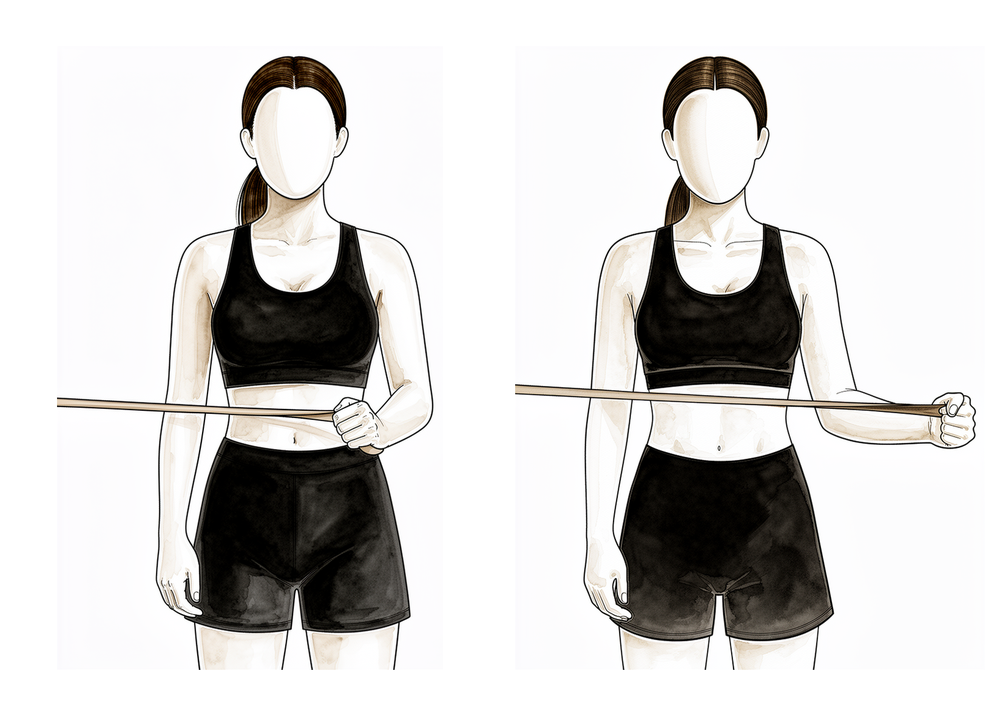
எலாஸ்டிக் பட்டையுடன் வெளிப்புறச் சுழற்சி
முழங்கையை உடலின் பக்கவாட்டில் ஒட்டி, செங்கோணத்தில் மடக்கி, இடுப்பு உயரத்தில் நிலையாகப் பொருத்தப்பட்ட ஓர் எலாஸ்டிக் பட்டையைப் பிடித்து நில்லுங்கள். முழங்கையை உடலின் பக்கவாட்டிலேயே வைத்துக்கொண்டு, பட்டைக்கு எதிராக முன்கையை வெளிப்புறமாகச் சுழற்றுங்கள்; பின்னர் மெதுவாகத் திரும்புங்கள். குணமடைந்த எலும்பு மேடுகள் அனுமதிக்கும்படி, சுழற்சி தசைநாண் பட்டையைப் படிப்படியாக வலுப்படுத்துங்கள்.
குறைந்த சுமை, அதிக முறைகள்
Kieran Hirpara 4.0
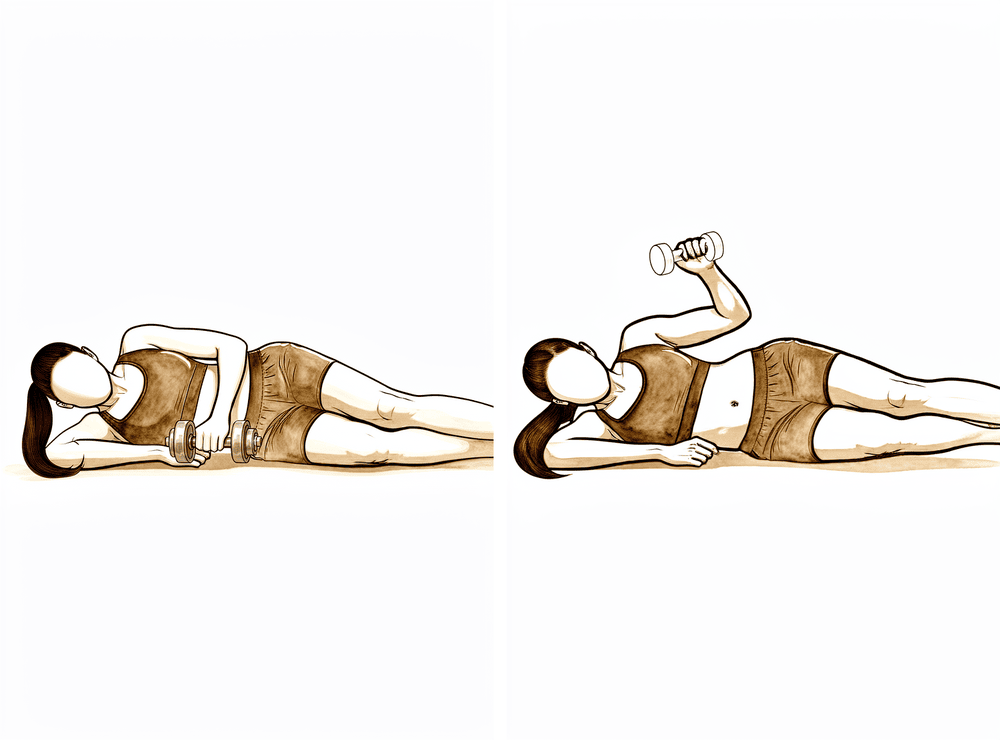
எடையுடன் பக்கவாட்டில் படுத்து வெளிப்புறச் சுழற்சி
அறுவை சிகிச்சை செய்யாத பக்கமாகப் படுத்து, அறுவை சிகிச்சை செய்த முழங்கையைச் செங்கோணத்தில் மடக்கி உடலோடு ஒட்டி வையுங்கள். ஓர் இலகுவான எடையைப் பிடித்துக்கொண்டு, முன்கையை மேல்நோக்கிக் கூரையை நோக்கிச் சுழற்றி, பின்னர் மெதுவாக இறக்குங்கள். இது படிப்படியான சுழற்சி தசைநாண் பட்டை வலுப்படுத்துதலின் ஒரு பகுதி — இதனுடன் சேர்த்து இயக்கப் பயிற்சியையும் தொடர்ந்து செய்யுங்கள்.
குறைந்த சுமை, அதிக முறைகள்
Kieran Hirpara 4.0
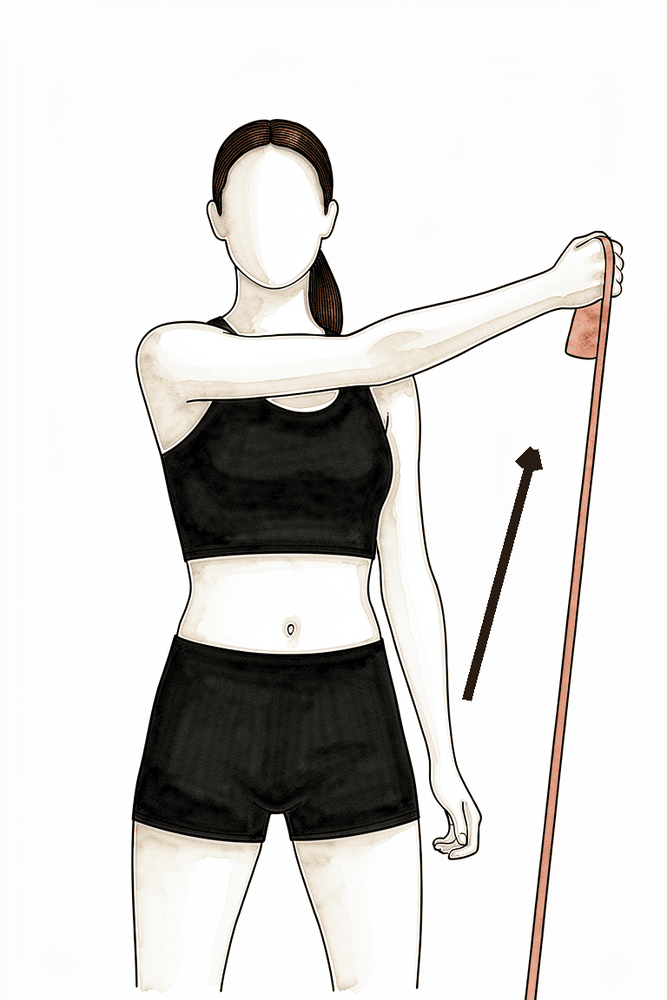
பட்டையுடன் PNF குறுக்குவாட்டு அசைவு (மேல்நோக்கி உயர்த்துதல்)
ஓர் எலாஸ்டிக் பட்டையை அறுவை சிகிச்சை செய்த கையின் பக்கவாட்டில் தாழ்வாக நிலையாகப் பொருத்துங்கள். எதிர்ப்புற இடுப்புக்கு அருகிலிருந்து தோள்பட்டையை நோக்கி, கையைக் குறுக்குவாட்டில் மேல்நோக்கி உடலின் குறுக்கே இழுத்து, பின்னர் மெதுவாகத் திரும்புங்கள். இந்தக் குறுக்குவாட்டு அசைவு முறைகள், அன்றாட வாழ்வில் பயன்படுத்தப்படும் திசைகளில் வேலை செய்யத் தோள்பட்டைக்குப் பயிற்சி அளிக்கின்றன.
உங்கள் இயன்முறை சிகிச்சையாளர் வழிகாட்டியபடி
Kieran Hirpara 4.0
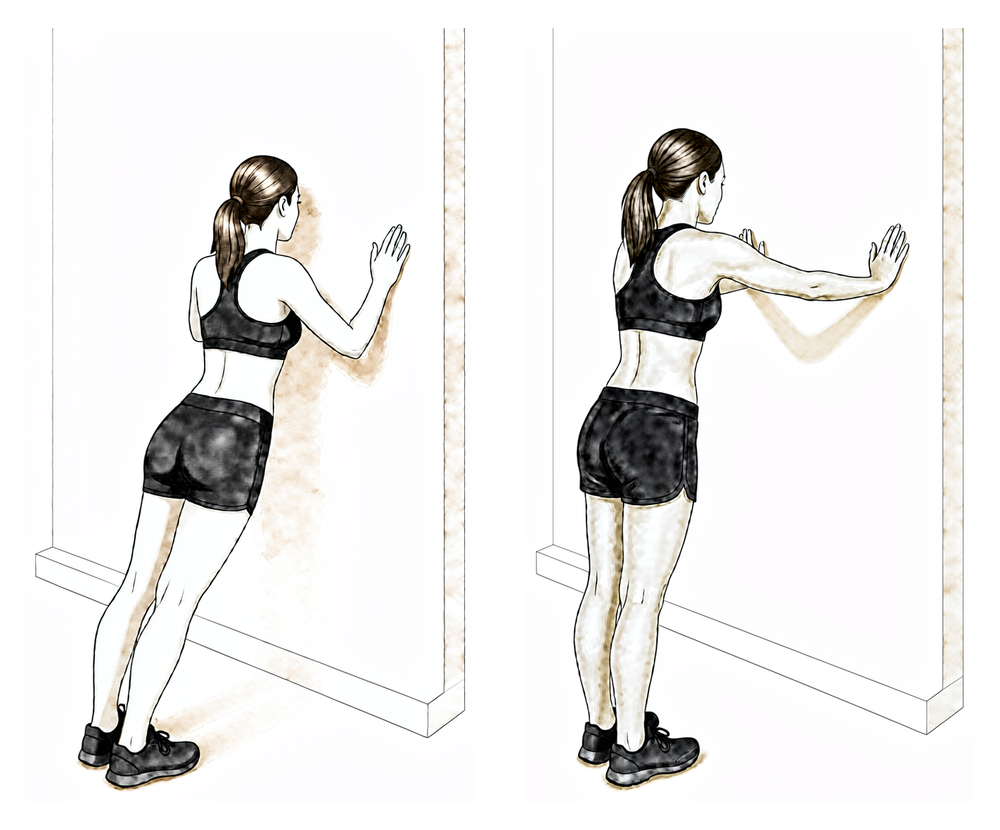
கையின் வழியாக எடை தாங்குதல்
உங்கள் கைகளைச் சுவரிலோ உறுதியான ஒரு பெஞ்சிலோ வையுங்கள்; மேல் முதுகை மெல்லத் தள்ளி விலக்குங்கள், தோள்பட்டை எலும்புகள் முன்னோக்கி வளையட்டும். பின்னர் திரும்புங்கள். இது கையின் வழியாக எடை தாங்குவதை மீண்டும் அறிமுகப்படுத்துகிறது — இந்தக் கட்டத்தில் அனுமதி கிடைத்த பிறகே இதைச் சேர்த்து, படிப்படியாக அதிகரியுங்கள்.
உங்கள் இயன்முறை சிகிச்சையாளர் வழிகாட்டியபடி
Kieran Hirpara 4.0
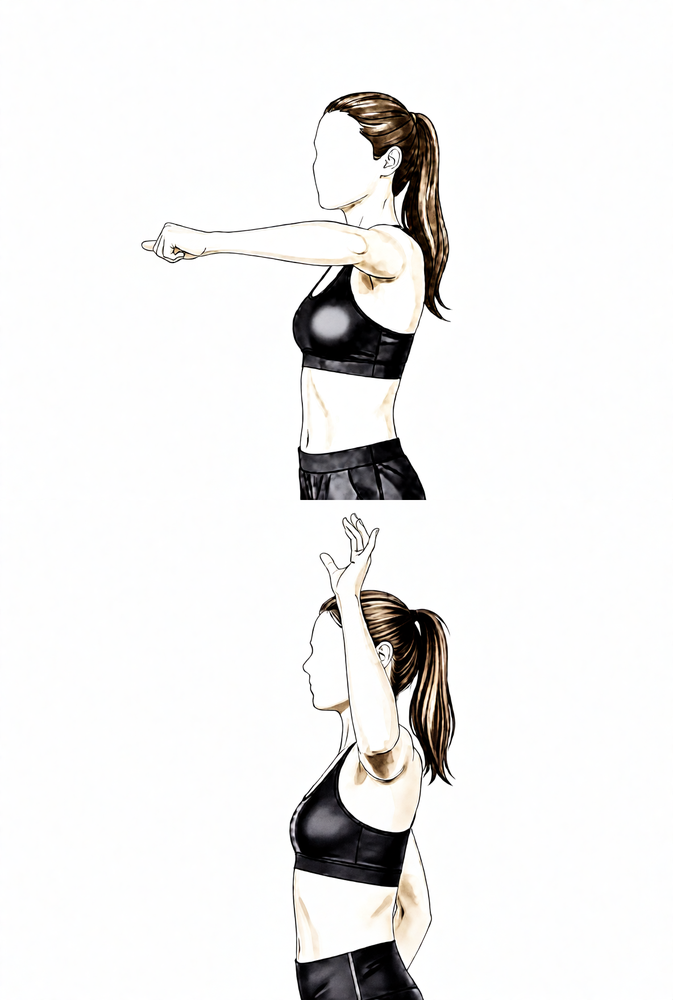
கையை உயர்த்திய நிலையில் வெளிப்புறச் சுழற்சி
கையைத் தோள்பட்டை உயரத்தில் பக்கவாட்டில் நீட்டி, முழங்கையை 90° மடக்கி, உங்கள் முன்கையை மேல்நோக்கியும் பின்னோக்கியும் சுழற்றி, பின்னர் கட்டுப்பாட்டுடன் திரும்புங்கள். அசைவைச் சீராகவும் வசதியான வரம்புக்குள்ளும் வைத்திருங்கள். இது கையை உயர்த்திய நிலையில் வெளிப்புறச் சுழற்சிக்குப் பயிற்சி அளிக்கிறது.
உங்கள் இயன்முறை சிகிச்சையாளர் வழிகாட்டியபடி — இலகுவாகவும் கட்டுப்பாட்டுடனும்
சுமார் பன்னிரண்டு வாரங்களுக்குள் எலும்பு மேடுகள் பொதுவாக ஒன்றுசேரும் பாதையில் நன்கு முன்னேறியிருக்கும்; தோள்பட்டைக்குச் சுமை கொடுக்கத் தயாரா என்பதை டாக்டர் ஹிர்பராவுடனான உங்கள் மறுபரிசோதனை உறுதி செய்கிறது. பின்னர் வலுப்படுத்துதல் மென்மையாகத் தொடங்குகிறது: எலாஸ்டிக் பட்டைகளிலும் இலகுவான எடைகளிலும் தொடங்கி, தோள்பட்டையை இயக்கும் டெல்டாய்டு மற்றும் தோள்பட்டை எலும்புத் தசைகளில் கவனம் செலுத்துகிறது (தலைகீழ் மூட்டு மாற்றுக்குப் பிறகு, சுழற்சி தசைநாண் பட்டை முன்பு செய்துகொண்டிருந்த வேலையில் பெரும்பகுதியை டெல்டாய்டு செய்கிறது). குணமடைந்த எலும்பு மேடுகள் அனுமதிக்கும்படி சுழற்சி தசைநாண் பட்டையும் வலுப்படுத்தப்படுகிறது. இந்தக் கட்டம் முழுவதும் இலகுவாகத் தூக்குவது படிப்படியாக அதிகரிக்கிறது; இடுப்பு மட்டத்திலும் தோள்பட்டை உயரத்திலும் அன்றாடச் செயல்கள் கிட்டத்தட்ட இயல்பாக உணரப்பட வேண்டும்; ஏற்கெனவே வாகனம் ஓட்டத் தொடங்கியிராவிட்டால், பொதுவாக இந்தக் கட்டத்தில் அது திரும்பிவிடும்.
உங்கள் இயன்முறை சிகிச்சையாளருக்கு:
இலக்குகள்
- வலியில்லாத PROM-ஐப் பராமரித்து, எல்லாத் தளங்களிலும் AROM-ஐ முன்னேற்றுதல்
- வலிமையையும் தாங்குதிறனையும் படிப்படியாக மீட்டெடுத்தல்: டெல்டாய்டு, தோள்பட்டை எலும்பைச் சுற்றியுள்ள தசைகள், பின்னர் சுழற்சி தசைநாண் பட்டை
- இயங்குநிலை நிலைப்புத்தன்மை, இயக்கக் கட்டுப்பாடு, உடல் நிலை உணர்வு (proprioception) ஆகியவற்றை மேம்படுத்துதல்
- இலகுவாகத் தூக்குதல் உட்பட, பெரும்பாலான அன்றாடச் செயல்களுக்குத் திரும்புதல்
சிகிச்சை மேலாண்மை
- எல்லாத் தளங்களிலும் அசைவு வரம்பு மற்றும் இயக்கப் பயிற்சியைத் தொடரவும்
- ஐசோமெட்ரிக் பயிற்சிகளிலிருந்து எலாஸ்டிக் பட்டைகளுக்கும், பின்னர் இலகுவான எடைகளுக்கும் முன்னேறும் வலுப்படுத்துதல் (குறைந்த சுமை, அதிக முறைகள்):
- தோள்பட்டை எலும்பைச் சுற்றியுள்ள தசைகள்: இழுப்புகள் (rows), செரேட்டஸ் குத்துகள் (serratus punches), எதிர்ப்புடன் தோள்பட்டை எலும்பைப் பின்னிழுத்தல்
- டெல்டாய்டு: செயல்பாட்டு நிலைகளில் எதிர்ப்புடன் முன்னோக்கி உயர்த்துதல் மற்றும் ஸ்கேப்ஷன், கட்டுப்பாட்டுடன் கூடிய கீழிறக்குதலுடன் (eccentric)
- சுழற்சி தசைநாண் பட்டை: எலாஸ்டிக் எதிர்ப்புடன் ER மற்றும் IR, பக்கவாட்டில் படுத்து ER; குணமடைந்த எலும்பு மேடுகள் அனுமதிக்கும்படி முன்னேற்றுதல்
- இயக்கக் கட்டுப்பாடு: தாள ரீதியான நிலைப்படுத்தல் (rhythmic stabilisation), நரம்பு–தசை எளிதாக்கல் (proprioceptive neuromuscular facilitation, PNF) குறுக்குவாட்டு அசைவு முறைகள், பந்துடன் நிலைப்படுத்தும் பயிற்சி
- படிப்படியாகத் தூக்குதல்: கட்டுப்பாடு அனுமதிக்கும்படி, கட்டத்தின் தொடக்கத்தில் சுமார் 2 kg-இலிருந்து இறுதியில் சுமார் 5 kg வரை
- இந்தக் கட்டத்தில், அனுமதி கிடைத்தபடி, கையின் வழியாக எடை தாங்குவதைப் படிப்படியாக மீண்டும் அறிமுகப்படுத்துதல் (எடுத்துக்காட்டாக, நாற்காலியிலிருந்து ஊன்றித் தள்ளி எழுதல்)
முன்னெச்சரிக்கைகள்
- கனமாகத் தூக்கக் கூடாது; இந்தக் கட்டத்தில் சுமைகளைச் சுமார் 5 kg-க்குக் கீழே வைத்திருக்கவும்
- வலுக்கட்டாயமான இறுதி வரம்பு நீட்சியைத் தவிர்க்கவும்; சுமையுடன் கூடிய பக்கவாட்டு உயர்த்தலும் வெளிப்புறச் சுழற்சியும் சேர்ந்த நிலையைத் தவிர்க்கவும்
- முன்னேற்றம் தொடர்ந்து அறிகுறிகளின் வழிகாட்டலிலேயே: வலியோ வீக்கமோ அதிகரித்தால், ஒரு படி பின்வாங்கவும்
அடுத்த கட்டத்துக்குச் செல்வதற்கான அளவுகோல்கள்
- டாக்டர் ஹிர்பராவுடனான மறுபரிசோதனையில் எலும்பு மேடுகள் ஒன்றுசேர்ந்தது உறுதி செய்யப்படுதல்
- வலியில்லாத அன்றாடச் செயல்கள்; அறிகுறிகள் மீண்டும் தூண்டப்படாமல் வலுப்படுத்துதலைத் தாங்க முடிதல்
- கிடைக்கும் வரம்பு முழுவதும் நல்ல அசைவுத் தரம்
கட்டம் IV — முழுச் செயல்பாட்டுக்குத் திரும்புதல் (6 மாதங்களிலிருந்து)
இறுதிக் கட்டம், நாட்காட்டியை வைத்து அல்லாமல் உங்கள் வலிமையையும் கட்டுப்பாட்டையும் வைத்து வழிநடத்தப்படும், கனமான பணிகள், உடல் உழைப்பு வேலை, பொழுதுபோக்கு ஆகியவற்றுக்குக் கட்டம் கட்டமாகத் திரும்புவது. கனமான வீட்டு வேலைகளும் தோட்ட வேலைகளும் படிப்படியாகத் திரும்புகின்றன; உடல் உழைப்பு வேலைக்கு டாக்டர் ஹிர்பரா வழிகாட்டுகிறார்; நீச்சலும் கோல்ஃபும் பொதுவாக நான்கு முதல் ஆறு மாதங்கள் என்ற கட்டத்தில் மீண்டும் தொடங்குகின்றன. தோள்பட்டை மூட்டு மாற்றுக்குப் பிறகு மிகக் கனமான பொருட்களைத் தூக்குவதை நீண்ட காலத்துக்குத் தவிர்ப்பதே சிறந்தது; வழக்கமாகத் தூக்குவதைச் சுமார் 10 kg-க்குக் கீழே வைத்திருக்குமாறு வெளியிடப்பட்ட நெறிமுறைகள் பரிந்துரைக்கின்றன. இந்தக் கட்டத்தைத் தாண்டியும் தோள்பட்டை தொடர்ந்து மேம்படுகிறது: பெரும்பாலானோர் அறுவை சிகிச்சைக்குப் பிறகு 12–24 மாதங்கள் வரை அசைவு, வலிமை, நம்பிக்கை ஆகியவற்றைத் தொடர்ந்து பெறுகிறார்கள்; எனவே முறையான இயன்முறை சிகிச்சை முடிந்த பிறகும் நீண்ட காலத்துக்கு உங்கள் வீட்டுப் பயிற்சித் திட்டத்தைத் தொடர்வது மதிப்புள்ளது.
உங்கள் இயன்முறை சிகிச்சையாளருக்கு:
இலக்குகள்
- நோயாளியின் அன்றாடத் தேவைகளுக்கு ஏற்ப, செயல்பாட்டு வலிமையையும் தாங்குதிறனையும் உகந்ததாக்குதல்
- வேலை, பொழுதுபோக்கு, விளையாட்டு ஆகியவற்றுக்குக் கட்டம் கட்டமாகத் திரும்புதல்
- நீண்ட கால மூட்டுப் பாதுகாப்புக் கல்வியும், சுயமாகச் செய்யும் வீட்டுப் பயிற்சித் திட்டமும்
சிகிச்சை மேலாண்மை
- குறைந்த எடையிலும் அதிக முறைகளிலும் படிப்படியாக அதிகரிக்கும் எதிர்ப்புப் பயிற்சியைத் தொடரவும்; சுழற்சி தசைநாண் பட்டை மற்றும் தோள்பட்டை எலும்பைச் சுற்றியுள்ள தசைகளின் வலுப்படுத்துதலை வலியுறுத்தவும்
- நரம்பு–தசை மற்றும் உடல் நிலை உணர்வுப் பயிற்சி; தேவைக்கேற்பச் செயல்பாட்டு ரீதியான மற்றும் வேலைக்கே உரிய பணிகள்
- மறுபரிசோதனையில் அனுமதி கிடைத்தபடி, நீச்சல், கோல்ஃப் மற்றும் பிற பொழுதுபோக்குகளுக்குத் திரும்புவதை நான்கு முதல் ஆறு மாதங்கள் என்ற கட்டத்தில் கட்டம் கட்டமாகத் திட்டமிடவும்
- முறையான இயன்முறை சிகிச்சை முடிந்த பிறகு தொடர்வதற்குத் தனிப்பயனாக்கப்பட்ட வீட்டுப் பயிற்சித் திட்டம்
முன்னெச்சரிக்கைகள்
- அறுவை சிகிச்சையிலிருந்து 6 மாதங்களுக்குக் கனமாகத் தூக்குவதைத் தவிர்க்கவும்; நீண்ட காலத்துக்கு வழக்கமாகத் தூக்குவதைச் சுமார் 10 kg-க்குக் கீழே வைத்திருக்கவும்
- உடல் உழைப்பு வேலை, உடல் உரசும் அல்லது சுமை தாங்கும் விளையாட்டு ஆகியவை டாக்டர் ஹிர்பராவின் அனுமதி கிடைத்த பிறகே
நெறிமுறையை முடிப்பதற்கான அளவுகோல்கள்
- எலும்பு மேடுகள் ஒன்றுசேர்ந்தது உறுதி செய்யப்பட்டு, டாக்டர் ஹிர்பராவுடனான மறுபரிசோதனையில் அனுமதி கிடைத்தல்
- நோயாளியின் அன்றாடத் தேவைகளைப் பூர்த்தி செய்யும், வலி கட்டுப்பாட்டில் உள்ள, செயல்பாட்டு அசைவு வரம்பு
- நீண்ட கால வீட்டுப் பயிற்சித் திட்டத்தைச் சுயமாகச் செய்ய முடிதல்
உங்கள் நெறிமுறைக்குப் பிறகு
மேலே உள்ள கட்டங்கள், தோள்பட்டைக்கு அருகிலுள்ள மேற்கை எலும்பு முறிவுக்காகச் செய்யப்படும் தோள்பட்டை மூட்டு மாற்று அறுவை சிகிச்சைக்காக வெளியிடப்பட்ட மறுவாழ்வு நெறிமுறைகளிலிருந்து தழுவப்பட்டவை (Texas Health Orthopedic Specialists; காயத்துக்கான அரை மூட்டு மாற்றுக்கும் தலைகீழ் தோள்பட்டை மூட்டு மாற்றுக்குமான North Tees and Hartlepool NHS Foundation Trust; மற்றும் Robert Jones and Agnes Hunt Orthopaedic Hospital); எலும்பு மேடுகள் குணமடைவதற்கு அளிக்கப்படும் முக்கியத்துவம் அறுவை சிகிச்சை இலக்கியத்திலிருந்து எடுக்கப்பட்டது. வார வரம்புகள் நிலையானவை அல்ல, வழக்கமானவை; டாக்டர் ஹிர்பராவுடனான உங்கள் மறுபரிசோதனைகளைச் சார்ந்து, கிளினிக்குடன் இணைந்து பணியாற்றும் உங்கள் இயன்முறை சிகிச்சையாளர் உங்கள் மறுவாழ்வுப் பயிற்சியைத் தனிப்பட்ட முறையில் முன்னேற்றுவார். இந்தப் பக்கம் கிளினிக்கின் பொதுவான மீட்சி ஆலோசனைகளுடன் இணைந்து செயல்படுகிறது; அறுவை சிகிச்சைக்குப் பிந்தைய வலியைக் கையாளுதல் மற்றும் காயப் பராமரிப்பு பக்கங்களைப் பாருங்கள். அறுவை சிகிச்சையைப் பற்றி அறிய, முறிவுக்கான தோள்பட்டை மூட்டு மாற்று பக்கத்தைப் பாருங்கள்; இந்தப் பயணத்தின் திட்டமிட்ட வடிவத்துக்கு, தலைகீழ் தோள்பட்டை மூட்டு மாற்று நெறிமுறையைப் பாருங்கள். இந்த நெறிமுறைக்குப் பின்னால் உள்ள சான்றுகள் (எலும்பு மேடுகள் குணமடைவது ஏன் வேகத்தை நிர்ணயிக்கிறது, அரை மூட்டு மாற்றுக்கும் தலைகீழ் மூட்டு மாற்றுக்கும் இடையிலான ஒப்பீடு, வெளியிடப்பட்ட மறுவாழ்வு வழிகாட்டுதல்கள்) சான்றுகள் பகுதியில் சுருக்கமாகத் தரப்பட்டுள்ளன; அது இந்தப் பக்கத்தின் மேலே PDF-ஆகக் கிடைக்கிறது.
Evidence & references
This is the clinical evidence summary written for health professionals. It is technical, and it lists the research this page was built from. You do not need to read it to understand your treatment or to make a decision about it.
Topic scope: The evidence underpinning rehabilitation after shoulder arthroplasty performed for an acute proximal humerus fracture — covering both the implant options used in this setting: reverse total shoulder arthroplasty (rTSA) for fracture and stemmed hemiarthroplasty for fracture. The defining feature of both, and the reason this is a slow, protected pathway, is that the greater and lesser tuberosities are broken free and stitched back around the prosthesis at operation — they must heal as fractures before the shoulder can be actively moved or loaded. This contrasts with elective arthroplasty (for arthritis or cuff arthropathy), where the bone is intact and rehabilitation can move at the pace of soft-tissue healing.
Defining principle of this rehab: Replacement-for-fracture is a PROTECT pathway driven by TUBEROSITY HEALING, not by implant type. At operation the greater tuberosity (with supraspinatus/infraspinatus) and lesser tuberosity (with subscapularis) are reattached around the stem. Until those bone fragments unite — typically the first 6 weeks, confirmed on X-ray — the shoulder is moved passively only and within a restricted arc: forward elevation kept low, external rotation limited (it loads the greater-tuberosity repair), resisted/active internal rotation avoided (it loads the lesser-tuberosity/subscapularis repair), and no reaching behind the back. Active range and strengthening are deferred, not just reduced. This is the opposite of an early-motion pathway such as capsular release (where immediate aggressive motion is the treatment) or calcific excision (early movement below shoulder height from day 1). The whole pace is set by the fractured tuberosities, not the new joint surface.
The operation, and why the tuberosities matter
A displaced three- or four-part proximal humerus fracture in an older patient may be unreconstructable with plate-and-screw fixation, and arthroplasty is then offered. Two implants are used:
- Hemiarthroplasty (HA) — replaces the ball (humeral head) only. It relies on the surgeon reconstructing the head–tuberosity–shaft relationship and, critically, on the tuberosities healing back in anatomical position so the rotator cuff can pull on them. Where the tuberosities fail to heal, function is poor.
- Reverse total shoulder arthroplasty (rTSA) — reverses the ball-and-socket so the deltoid, not the rotator cuff, drives elevation. This makes rTSA less dependent on tuberosity healing than HA, which is the main reason it has largely supplanted hemiarthroplasty for fracture in the elderly. Tuberosity healing still improves the result (it adds rotation), but a workable shoulder is achievable even when the greater tuberosity does not unite.
In both operations the surgeon repairs the tuberosities, and in both the rehabilitation protects that repair. That shared dependence — not the choice of implant — is why the protocol has one shape for both.
Evidence by theme
1. Tuberosity healing drives the functional result (the rationale for protection)
This is the best-supported principle in the topic, and the reason rehabilitation protects the repair for ~6 weeks.
- A large systematic review and meta-analysis of 21 studies (1,616 reverse arthroplasties) found a pooled greater-tuberosity non-healing rate of ~32% (anatomic healing in roughly two-thirds). Healed tuberosities had significantly better active abduction, anterior elevation and external rotation, and better functional scores, without any increase in pain — confirming that attempting and protecting the repair is worthwhile [meta-analysis, 2025; Schmalzl 2020].
- In the corpus, a dedicated study asked "can a healed tuberosity improve the functional outcomes?" after reverse arthroplasty for four-part fracture and answered yes — healing was associated with better rotation and outcome scores. DOI: 10.1016/j.jse.2016.11.034.
- For hemiarthroplasty, the dependence is even stronger: reported greater-tuberosity healing rates range widely (~30–91%), and tuberosity malunion/nonunion/migration is the dominant cause of a poor result. This is precisely why HA is now reserved and rTSA preferred in older patients [web review literature].
Strength: MODERATE–STRONG for "healing predicts outcome" (large pooled cohorts/meta-analysis); the link is consistent and direction-of-effect is not in dispute. It is observational, not randomised.
2. Hemiarthroplasty vs reverse arthroplasty for fracture
- A corpus multicentre randomised controlled trial (the SHeRPA trial) found superior functional outcome with reverse arthroplasty compared with hemiarthroplasty for displaced three- and four-part fractures in patients 65 and older. DOI: 10.1016/j.jse.2024.05.016.
- An earlier corpus comparative study (JBJS) likewise compared HA and rTSA for elderly proximal humeral fractures. DOI: 10.2106/jbjs.l.01637.
- Reverse-for-fracture does carry a caveat: one corpus study asked whether rTSA for fracture does worse than rTSA for elective indications, reflecting that the fracture setting (broken tuberosities, frailer patients) is more demanding than an elective replacement — the same reason this rehab runs more slowly than the elective pathway. DOI: 10.1016/j.jse.2020.03.053.
Strength: MODERATE–STRONG (an RCT plus comparative cohorts) that rTSA generally outperforms HA for fracture in the elderly. This is a surgeon's intra-operative decision, made per patient and per fracture pattern.
3. Early vs delayed motion, and the rehabilitation protocol itself
This is where the evidence is thinnest and least standardised — honestly, the phase timings below are consensus and protocol-derived, not RCT-derived.
- A JOSPT systematic review of proposed rehabilitation guidelines after anatomic and reverse arthroplasty found substantial heterogeneity between published protocols — sling use ranged from "comfort only" to a full 6 weeks; permitted motion ranged from none to precautionary limits; early external rotation was commonly capped (e.g. to ~30° in the scapular plane) to protect the repair. There is no single agreed regimen.
- A corpus randomised single-blinded trial of early rehabilitation vs immobilisation after reverse arthroplasty exists (DOI: 10.1016/j.jse.2019.10.005), and the 2025 Neer Award SHORT trial compared surgeon-directed home therapy with formal outpatient physiotherapy after rTSA (DOI: 10.1016/j.jse.2025.10.005) — but these are largely elective rTSA populations, where the tuberosities are not broken. They do not licence early active motion in the fracture setting, where the repair must be protected first.
- A corpus network meta-analysis explicitly examined the optimal combination of arthroplasty type, fixation method and post-operative rehabilitation protocol for complex proximal humerus fractures (DOI: 10.1016/j.jse.2024.03.040), and a corpus survey found that trauma and shoulder surgeons differ in their rehabilitation preferences (DOI: 10.1016/j.jse.2021.12.045) — both confirm that the protocol is an area of genuine, unresolved variation rather than settled science.
Strength: WEAK / CONSENSUS for the specific phase structure and week ranges. The principle "protect the tuberosity repair, defer active motion and load until union" is well grounded; the exact timings are typical, not trial-proven.
Phased post-op timeline (consistent with the patient protocol)
| Phase | Window | Sling | Shoulder ROM | Strengthening | What's healing / why |
|---|---|---|---|---|---|
| I — Protection | Weeks 0–6 | Full-time, including sleep | Passive only, within a safe zone: scapular-plane elevation ≤ 90°; external rotation to neutral (0°) for ~4 weeks then ≤ 30°; no internal rotation behind the back; pendulums (fully relaxed). Active elbow/wrist/hand. | None for the shoulder | Tuberosity fragments uniting onto bone + prosthesis; ER loads the greater-tuberosity repair, resisted IR loads the lesser-tuberosity (subscapularis) repair. In rTSA this window also protects against early dislocation. |
| II — Restoring movement | Weeks 6–12 | Wean after the 6-week X-ray review | Progress passive → active-assisted → active; ease the rotation limits as healing is confirmed | Gentle sub-maximal isometrics (deltoid, periscapular) late in phase; resisted IR only once cleared | Tuberosities consolidating; lifting still limited to ~a cup of coffee; no weight-bearing through the hands |
| III — Strengthening | Weeks 12–24 | Off | Maintain/progress active range in all planes | Banded → light weights; deltoid + periscapular first, rotator cuff as the healed tuberosities allow | Tuberosity union usually well advanced and confirmed at review before loading begins |
| IV — Return to activity | 6 months onwards | Off | Functional range for daily demands | Progressive, guided by control not the calendar; lifting kept moderate long-term | Strength/movement keep improving for 12–24 months; full uninjured-shoulder range is not expected |
The pacing is gated on two things together at each step: enough time, AND X-rays showing the tuberosities healing, confirmed at review with Dr Hirpara. Approximate functional milestones (subject to healing): driving ~6–12 weeks (never in the sling); breaststroke swimming ~4 months; nothing heavier than a cup of coffee until ~12 weeks; heavy lifting avoided for 6 months.
Key controversies / evidence quality
- Implant choice (HA vs reverse). An RCT and comparative cohorts favour reverse over hemiarthroplasty for displaced fractures in older patients, chiefly because rTSA is less hostage to tuberosity healing. This is a per-patient surgical decision — and either way the rehabilitation protects the tuberosity repair. Moderate–strong.
- Does the tuberosity actually need to heal? For hemiarthroplasty, effectively yes — non-union/malunion is the main failure mode. For reverse, healing is beneficial but not essential (the deltoid drives elevation), though healed tuberosities add rotation and reduce complications. The protection strategy is justified for both because attempting healing is worthwhile and forced early motion can disrupt it. Moderate.
- Early vs delayed motion / the protocol itself. The single weakest area. Published protocols vary widely (JOSPT review), the trials that test early motion are mostly in elective reverse populations, and surgeons genuinely disagree on the optimum. The conservative, tuberosity-led timeline used here reflects the fracture-specific protocols and the healing biology rather than a defining RCT. Weak / consensus.
Evidence-strength flags (summary)
- MODERATE–STRONG: tuberosity healing predicts better range/function after reverse arthroplasty for fracture (21-study meta-analysis, 1,616 cases; ~32% non-healing); reverse > hemiarthroplasty for elderly displaced fractures (SHeRPA RCT + comparative cohorts).
- MODERATE: hemiarthroplasty outcome is strongly tuberosity-dependent (healing ~30–91%; malunion the dominant failure mode); reverse-for-fracture more demanding than elective reverse.
- WEAK / CONSENSUS: the specific phased rehabilitation protocol and its week ranges — published guidelines are heterogeneous (JOSPT review); early-motion trials are mostly elective populations; the tuberosity-protective timeline is derived from fracture-specific protocols and healing biology, not a defining rehab RCT.
Citations
RAG corpus (180,000+ Orthopaedic articles) — real DOIs, returned by search
- Reverse shoulder arthroplasty for four-part proximal humerus fracture in elderly patients: can a healed tuberosity improve the functional outcomes? J Shoulder Elbow Surg. DOI: 10.1016/j.jse.2016.11.034
- Superior functional outcome following reverse shoulder arthroplasty compared to hemiarthroplasty for displaced three- and four-part fractures in patients 65 and older — the SHeRPA randomized controlled trial. J Shoulder Elbow Surg. 2024. DOI: 10.1016/j.jse.2024.05.016
- Comparison of Hemiarthroplasty and Reverse Shoulder Arthroplasty for the Treatment of Proximal Humeral Fractures in Elderly Patients. J Bone Joint Surg Am. DOI: 10.2106/jbjs.l.01637
- Does reverse total shoulder arthroplasty for proximal humeral fracture portend poorer outcomes than for elective indications? J Shoulder Elbow Surg. DOI: 10.1016/j.jse.2020.03.053
- A randomized single-blinded trial of early rehabilitation versus immobilization after reverse total shoulder arthroplasty. J Shoulder Elbow Surg. 2019. DOI: 10.1016/j.jse.2019.10.005
- Optimal combination of arthroplasty type, fixation method, and postoperative rehabilitation protocol for complex proximal humerus fractures in the elderly: a network meta-analysis. J Shoulder Elbow Surg. 2024. DOI: 10.1016/j.jse.2024.03.040
- Understanding postoperative rehabilitation preferences in operatively managed proximal humerus fractures: do trauma and shoulder surgeons differ? J Shoulder Elbow Surg. DOI: 10.1016/j.jse.2021.12.045
- 2025 Neer Award Part 1: The SHORT trial — surgeon-directed home therapy vs. outpatient rehabilitation after reverse total shoulder arthroplasty. J Shoulder Elbow Surg. 2025. DOI: 10.1016/j.jse.2025.10.005
- Acute versus delayed reverse total shoulder arthroplasty for proximal humeral fractures in the elderly: a systematic review and meta-analysis. J Shoulder Elbow Surg. DOI: 10.1016/j.jse.2018.10.004
- Ten-year follow-up of stemmed hemiarthroplasty for acute proximal humeral fractures. Bone Joint J. DOI: 10.1302/0301-620x.103b6.bjj-2020-1753.r1
Literature (URLs)
- Anatomic healing of greater tuberosity improves range of motion and functional outcomes after reverse total shoulder arthroplasty for proximal humerus fractures: an updated systematic review and meta-analysis on 21 studies (1,616 rTSAs; ~32% GT non-healing). PubMed. https://pubmed.ncbi.nlm.nih.gov/39914739/
- Schmalzl J, et al. Tuberosity healing improves functional outcome following primary reverse shoulder arthroplasty for proximal humeral fractures with a 135° prosthesis. Eur J Orthop Surg Traumatol. 2020. https://pubmed.ncbi.nlm.nih.gov/32162048/
- Tuberosity healing after reverse shoulder arthroplasty for proximal humerus fractures: is there clinical improvement? PubMed. https://pubmed.ncbi.nlm.nih.gov/33364654/
- Prosthesis designs and tuberosity fixation techniques in reverse total shoulder arthroplasty: influence on tuberosity healing in proximal humerus fractures. PMC. https://pmc.ncbi.nlm.nih.gov/articles/PMC8468418/
- A Systematic Review of Proposed Rehabilitation Guidelines Following Anatomic and Reverse Shoulder Arthroplasty. JOSPT 2019. https://www.jospt.org/doi/10.2519/jospt.2019.8616
Published rehab protocols (patient-guidance — basis for the phase structure)
- Frantz T. Proximal Humerus Fracture Rehabilitation Protocol (reverse shoulder arthroplasty). Texas Health Orthopedic Specialists. https://www.frantzorthopedics.com/pdf/proximal-humerus-fracture-reverse-shoulder-arthroplasty-updnew.pdf
- North Tees and Hartlepool NHS Foundation Trust. Shoulder Hemi-Arthroplasty (trauma) — post-operative protocol. Reviewed April 2023. https://www.nth.nhs.uk/resources/shoulder-hemi-arthroplasty-trauma/
- North Tees and Hartlepool NHS Foundation Trust. Reverse shoulder arthroplasty — post-operative protocol. Reviewed April 2023. https://www.nth.nhs.uk/resources/reverse-shoulder-arthroplasty/
- Maddocks C, Lloyd Evans J. Rehabilitation guide following reverse total shoulder replacement. Robert Jones and Agnes Hunt Orthopaedic Hospital NHS Foundation Trust. February 2024. https://www.rjah.nhs.uk/media/qctjsd1w/reverse-shoulder-replacement-guideline-2024.pdf





