

ਰਿਵਰਸ ਸ਼ੋਲਡਰ ਆਰਥਰੋਪਲਾਸਟੀ (Reverse Shoulder Arthroplasty) ਜਾਣਕਾਰੀ
ਇਹ ਪ੍ਰੋਟੋਕੋਲ (protocol, ਇਲਾਜ ਦੀ ਪੜਾਅਵਾਰ ਯੋਜਨਾ) ਮਾਟਰ ਪ੍ਰਾਈਵੇਟ ਹਸਪਤਾਲ ਰੌਕਹੈਂਪਟਨ ਵਿੱਚ ਡਾ. ਕੀਰਨ ਹਿਰਪਰਾ ਵੱਲੋਂ ਕੀਤੀ ਰਿਵਰਸ ਸ਼ੋਲਡਰ ਆਰਥਰੋਪਲਾਸਟੀ (reverse shoulder arthroplasty, ਉਲਟੇ ਡਿਜ਼ਾਈਨ ਵਾਲਾ ਮੋਢਾ ਬਦਲਣ ਦੀ ਸਰਜਰੀ) ਤੋਂ ਬਾਅਦ ਤੁਹਾਡੀ ਸਿਹਤਯਾਬੀ ਵਿੱਚ ਤੁਹਾਡੀ ਅਗਵਾਈ ਕਰਦਾ ਹੈ। ਹੇਠਾਂ ਹਰ ਪੜਾਅ ਦੀ ਸ਼ੁਰੂਆਤ ਸਾਦੀ ਭਾਸ਼ਾ ਵਿੱਚ ਇਸ ਵਿਆਖਿਆ ਨਾਲ ਹੁੰਦੀ ਹੈ ਕਿ ਕੀ ਹੋ ਰਿਹਾ ਹੈ ਅਤੇ ਸਭ ਤੋਂ ਵੱਧ ਕੀ ਮਾਇਨੇ ਰੱਖਦਾ ਹੈ, ਅਤੇ ਉਸ ਤੋਂ ਬਾਅਦ ਤੁਹਾਡੇ ਫਿਜ਼ੀਓਥੈਰੇਪਿਸਟ ਲਈ ਲਿਖਿਆ ਗਿਆ ਤਰਤੀਬਵਾਰ ਪ੍ਰੋਟੋਕੋਲ ਆਉਂਦਾ ਹੈ: ਫਿਜ਼ੀਓਥੈਰੇਪੀ ਦੀ ਆਪਣੀ ਪਹਿਲੀ ਮੁਲਾਕਾਤ 'ਤੇ ਇਹ ਪੰਨਾ ਜਾਂ ਇਸ ਦੀ PDF ਨਾਲ ਲਿਆਓ, ਤਾਂ ਜੋ ਤੁਹਾਡੀ ਰੀਹੈਬਿਲੀਟੇਸ਼ਨ (rehabilitation, ਕਸਰਤਾਂ ਰਾਹੀਂ ਹਿਲਜੁਲ ਅਤੇ ਤਾਕਤ ਮੁੜ ਬਹਾਲ ਕਰਨਾ) ਤਾਲਮੇਲ ਨਾਲ ਚੱਲਦੀ ਰਹੇ। ਤੁਹਾਡੀ ਸਿਹਤਯਾਬੀ ਕਿਵੇਂ ਅੱਗੇ ਵਧਦੀ ਹੈ, ਇਸ ਦੇ ਹਿਸਾਬ ਨਾਲ ਤੁਹਾਡਾ ਫਿਜ਼ੀਓਥੈਰੇਪਿਸਟ ਯੋਜਨਾ ਵਿੱਚ ਬਦਲਾਅ ਕਰ ਸਕਦਾ ਹੈ।
ਜੇ ਸਰਜਰੀ ਤੋਂ ਬਾਅਦ ਤੁਹਾਨੂੰ ਆਪਣੇ ਜ਼ਖ਼ਮ ਬਾਰੇ ਕੋਈ ਚਿੰਤਾ ਹੈ, ਤਾਂ ਕਲੀਨਿਕ ਨਾਲ ਸੰਪਰਕ ਕਰੋ। ਅਕਸਰ ਜ਼ਖ਼ਮ ਦੀ ਫ਼ੋਟੋ ਖਿੱਚ ਕੇ ਜਾਂਚ ਲਈ ਈਮੇਲ ਕਰਨਾ ਮਦਦਗਾਰ ਹੁੰਦਾ ਹੈ।
ਕੀ ਉਮੀਦ ਰੱਖੀਏ
ਜਦੋਂ ਤੁਸੀਂ ਜਾਗੋਗੇ ਤਾਂ ਤੁਹਾਡੀ ਬਾਂਹ ਸੁੰਨ ਹੋਵੇਗੀ, ਅਤੇ ਆਮ ਤੌਰ 'ਤੇ ਮਹਿਸੂਸ ਕਰਨ ਦੀ ਸ਼ਕਤੀ 6 ਤੋਂ 12 ਘੰਟਿਆਂ ਦੇ ਅੰਦਰ ਵਾਪਸ ਆ ਜਾਂਦੀ ਹੈ। ਕਦੇ-ਕਦਾਈਂ, ਕੁਝ ਸੁੰਨਪਨ ਜਾਂ ਕਮਜ਼ੋਰੀ 2 ਤੋਂ 3 ਦਿਨਾਂ ਤੱਕ ਰਹਿ ਸਕਦੀ ਹੈ।
ਜਦੋਂ ਤੁਸੀਂ ਆਪਣੇ ਓਪਰੇਸ਼ਨ ਤੋਂ ਬਾਅਦ ਜਾਗੋਗੇ, ਤਾਂ ਤੁਹਾਡੀ ਬਾਂਹ ਸਲਿੰਗ (sling, ਬਾਂਹ ਨੂੰ ਸਹਾਰਾ ਦੇਣ ਵਾਲੀ ਪੱਟੀ) ਵਿੱਚ ਹੋਵੇਗੀ, ਅਤੇ ਤੁਹਾਡੇ ਮੋਢੇ ਉੱਤੇ ਇੱਕ ਵੱਡੀ ਗੱਦੀ ਹੋਵੇਗੀ। ਹਸਪਤਾਲ ਤੋਂ ਛੁੱਟੀ ਤੋਂ ਪਹਿਲਾਂ ਇਹ ਗੱਦੀ ਹਟਾ ਦਿੱਤੀ ਜਾਵੇਗੀ। ਇਸ ਦੇ ਹੇਠਾਂ ਇੱਕ ਵਾਟਰਪਰੂਫ਼ ਪੱਟੀ ਹੋਵੇਗੀ ਜੋ ਸਰਜੀਕਲ ਗੂੰਦ ਦੀ ਪੱਟੀ ਨੂੰ ਢੱਕਦੀ ਹੈ, ਅਤੇ ਇਸ ਨੂੰ 2 ਹਫ਼ਤਿਆਂ ਲਈ ਛੇੜੇ ਬਿਨਾਂ ਛੱਡਿਆ ਜਾ ਸਕਦਾ ਹੈ। ਤੁਹਾਡੇ ਟਾਂਕੇ ਆਪਣੇ ਆਪ ਘੁਲ ਜਾਣ ਵਾਲੇ ਹਨ ਅਤੇ ਇਹਨਾਂ ਨੂੰ ਕੱਢਣ ਦੀ ਲੋੜ ਨਹੀਂ, ਪਰ ਜ਼ਖ਼ਮ ਦੇ ਹਰ ਸਿਰੇ ਉੱਤੇ ਟਾਂਕੇ ਦੇ ਕੁਝ ਸਿਰੇ ਬਾਹਰ ਨਿਕਲੇ ਹੋ ਸਕਦੇ ਹਨ, ਜਿਨ੍ਹਾਂ ਨੂੰ 2 ਹਫ਼ਤਿਆਂ ਬਾਅਦ ਚਮੜੀ ਦੇ ਬਰਾਬਰ ਕੱਟਿਆ ਜਾ ਸਕਦਾ ਹੈ। ਤੁਹਾਡੀ ਸਰਜਰੀ ਤੋਂ 1–2 ਹਫ਼ਤਿਆਂ ਬਾਅਦ ਜ਼ਖ਼ਮ ਦੀ ਜਾਂਚ ਲਈ ਸਾਡੀ ਨਰਸ ਨੂੰ ਮਿਲਣ ਵਾਸਤੇ ਤੁਹਾਡੀ ਮੁਲਾਕਾਤ ਬੁੱਕ ਕੀਤੀ ਜਾਵੇਗੀ। ਜੇ ਤੁਸੀਂ ਪੱਟੀ ਦੀ ਜਾਂਚ ਲਈ ਨਹੀਂ ਆ ਸਕਦੇ, ਤਾਂ ਤੁਸੀਂ 2 ਹਫ਼ਤਿਆਂ ਬਾਅਦ ਆਪਣੀ ਪੱਟੀ ਖ਼ੁਦ ਉਤਾਰ ਸਕਦੇ ਹੋ।
ਸਰਗਰਮੀਆਂ ਵਿੱਚ ਵਾਪਸੀ ਦਾ ਅੰਦਾਜ਼ਨ ਸਮਾਂ:
- ਗੱਡੀ ਚਲਾਉਣਾ: 6 ਹਫ਼ਤੇ
- ਤੈਰਾਕੀ: ਬ੍ਰੈਸਟਸਟ੍ਰੋਕ (breaststroke, ਡੱਡੂ ਵਾਂਗ ਤੈਰਨਾ): 8 ਹਫ਼ਤੇ; ਫ੍ਰੀਸਟਾਈਲ (freestyle, ਬਾਂਹਾਂ ਨੂੰ ਸਿਰ ਉੱਤੋਂ ਘੁਮਾ ਕੇ ਤੈਰਨਾ): 12 ਹਫ਼ਤੇ
- ਗੌਲਫ਼: 4–6 ਮਹੀਨੇ
- ਭਾਰ ਚੁੱਕਣਾ: ਹਲਕਾ ਭਾਰ ਚੁੱਕਣਾ 6 ਹਫ਼ਤਿਆਂ 'ਤੇ ਸ਼ੁਰੂ ਹੋ ਸਕਦਾ ਹੈ; 6 ਮਹੀਨਿਆਂ ਤੱਕ ਭਾਰੀ ਚੀਜ਼ਾਂ ਚੁੱਕਣ ਤੋਂ ਬਚੋ
- ਕੰਮ: ਬੈਠ ਕੇ ਕਰਨ ਵਾਲਾ ਕੰਮ: 6 ਹਫ਼ਤੇ; ਸਰੀਰਕ ਮਿਹਨਤ ਵਾਲਾ ਕੰਮ: ਤੁਹਾਡੇ ਸਰਜਨ ਦੀ ਸੇਧ ਅਨੁਸਾਰ
ਆਪਣੀ ਸਲਿੰਗ ਪਾਉਣਾ
ਜਦੋਂ ਤੱਕ ਸ਼ੁਰੂਆਤੀ ਦਰਦ ਸ਼ਾਂਤ ਹੁੰਦਾ ਹੈ, ਤੁਹਾਡੀ ਸਲਿੰਗ ਆਰਾਮ ਲਈ ਤੁਹਾਡੇ ਮੋਢੇ ਨੂੰ ਸਹਾਰਾ ਦਿੰਦੀ ਹੈ। ਇਹ ਬਾਂਹ ਦਾ ਭਾਰ ਸੰਭਾਲਣ ਲਈ ਹੈ। ਇਹ ਕਿਸੇ ਮੁਰੰਮਤ ਨੂੰ ਥਾਂ ਸਿਰ ਫੜ ਕੇ ਨਹੀਂ ਰੱਖ ਰਹੀ। ਨਿਯਮ ਸਾਦੇ ਹਨ:
- ਆਰਾਮ ਅਤੇ ਸਹਾਰੇ ਲਈ ਇਸ ਨੂੰ ਲਗਭਗ 2 ਹਫ਼ਤਿਆਂ ਤੱਕ ਪਾਓ, ਫਿਰ ਦਿਨ ਵੇਲੇ ਹੌਲੀ-ਹੌਲੀ ਇਸ ਨੂੰ ਛੱਡਣਾ ਸ਼ੁਰੂ ਕਰੋ। ਜੇ ਇਸ ਨਾਲ ਤੁਹਾਨੂੰ ਟਿਕ ਕੇ ਸੌਣ ਵਿੱਚ ਮਦਦ ਮਿਲਦੀ ਹੈ ਤਾਂ ਰਾਤ ਨੂੰ ਥੋੜ੍ਹੇ ਸਮੇਂ ਲਈ ਸਲਿੰਗ ਪਾਉਣਾ ਠੀਕ ਹੈ, ਪਰ ਇਹ ਤੁਹਾਡੀ ਮਰਜ਼ੀ ਹੈ।
- ਸ਼ਾਵਰ ਲਈ ਅਤੇ ਆਪਣੀਆਂ ਕਸਰਤਾਂ ਲਈ ਇਸ ਨੂੰ ਉਤਾਰ ਦਿਓ, ਜਦੋਂ ਤੁਹਾਨੂੰ ਇਸ ਦਾ ਤਰੀਕਾ ਦਿਖਾ ਦਿੱਤਾ ਜਾਵੇ।
- ਘਰ ਵਿੱਚ ਆਰਾਮ ਕਰਦੇ ਸਮੇਂ, ਜਦੋਂ ਵੀ ਤੁਸੀਂ ਆਰਾਮਦਾਇਕ ਮਹਿਸੂਸ ਕਰੋ ਇਸ ਨੂੰ ਉਤਾਰ ਸਕਦੇ ਹੋ: ਬੈਠੇ ਹੋਏ ਬਾਂਹ ਨੂੰ ਸਿਰਹਾਣੇ ਉੱਤੇ ਟਿਕਾ ਕੇ ਰੱਖੋ।
- ਜੇ ਮੋਢੇ ਵਿੱਚ ਸੋਜ ਜਾਂ ਦਰਦ ਹੈ, ਖ਼ਾਸ ਕਰਕੇ ਕਸਰਤ ਤੋਂ ਬਾਅਦ, ਤਾਂ ਬਰਫ਼ ਵਰਤੋ।
ਸ਼ੁਰੂ ਵਿੱਚ ਤੁਹਾਡਾ ਫਿਜ਼ੀਓਥੈਰੇਪਿਸਟ ਸਲਿੰਗ ਪਾਉਣ ਵਿੱਚ ਤੁਹਾਡੀ ਮਦਦ ਕਰੇਗਾ, ਅਤੇ ਘਰ ਜਾਣ ਤੋਂ ਪਹਿਲਾਂ ਤੁਹਾਨੂੰ ਇਸ ਨੂੰ ਆਪਣੇ ਆਪ ਸੰਭਾਲਣਾ ਸਿਖਾਏਗਾ। ਇਸ ਨੂੰ ਸਹੀ ਢੰਗ ਨਾਲ ਫਿੱਟ ਕਰਨਾ ਜ਼ਰੂਰੀ ਹੈ, ਕਿਉਂਕਿ ਢਿੱਲੀ ਸਲਿੰਗ ਤੁਹਾਨੂੰ ਠੀਕ ਤਰ੍ਹਾਂ ਸਹਾਰਾ ਨਹੀਂ ਦਿੰਦੀ:
- ਸਲਿੰਗ ਪਾਉਂਦੇ ਸਮੇਂ ਹਮੇਸ਼ਾ ਇਹ ਯਕੀਨੀ ਬਣਾਓ ਕਿ ਤੁਹਾਡੀ ਕੂਹਣੀ ਸਲਿੰਗ ਦੇ ਕੋਨੇ ਵਿੱਚ ਹੋਵੇ ਅਤੇ ਉਸ ਨੂੰ ਚੰਗਾ ਸਹਾਰਾ ਮਿਲੇ।
- ਸਹੀ ਢੰਗ ਨਾਲ ਫਿੱਟ ਕੀਤੀ ਸਲਿੰਗ ਦਾ ਸਿਰਾ ਤੁਹਾਡੀ ਛੋਟੀ ਉਂਗਲ ਦੀ ਜੜ੍ਹ ਵਾਲੇ ਜੋੜ (knuckle) ਉੱਤੇ ਆਰਾਮ ਨਾਲ ਟਿਕਣਾ ਚਾਹੀਦਾ ਹੈ। ਜੇ ਤੁਹਾਡਾ ਹੱਥ ਸਲਿੰਗ ਤੋਂ ਬਹੁਤ ਜ਼ਿਆਦਾ ਬਾਹਰ ਨਿਕਲਿਆ ਹੋਵੇ, ਤਾਂ ਇਹ ਤੁਹਾਨੂੰ ਲੋੜੀਂਦਾ ਸਹਾਰਾ ਨਹੀਂ ਦੇਵੇਗੀ।
- ਤੁਹਾਡੀ ਸਲਿੰਗ ਦੀਆਂ ਦੋ ਵੈਲਕ੍ਰੋ (Velcro, ਆਪਸ ਵਿੱਚ ਚਿਪਕਣ ਵਾਲੀਆਂ) ਪੱਟੀਆਂ ਹਨ: ਇੱਕ ਤੁਹਾਡੀ ਗਰਦਨ ਦੁਆਲੇ ਲੱਗਦੀ ਹੈ ਅਤੇ ਇੱਕ ਤੁਹਾਡੇ ਲੱਕ ਦੁਆਲੇ।
- ਜਦੋਂ ਤੁਸੀਂ ਆਪਣੀ ਕੂਹਣੀ ਅਤੇ ਬਾਂਹ ਦੇ ਹੇਠਲੇ ਹਿੱਸੇ (forearm) ਨੂੰ ਸਹੀ ਥਾਂ ਟਿਕਾ ਲਓ, ਤਾਂ ਓਪਰੇਸ਼ਨ ਤੋਂ ਬਿਨਾਂ ਵਾਲੀ ਬਾਂਹ ਨਾਲ ਉੱਪਰਲੀ ਪੱਟੀ ਨੂੰ ਆਪਣੀ ਗਰਦਨ ਦੁਆਲੇ ਘੁਮਾ ਕੇ ਅੱਗੇ ਲਿਆਓ ਅਤੇ ਸਲਿੰਗ ਦੇ ਉੱਪਰਲੇ ਕੁੰਡੇ ਵਿੱਚੋਂ ਲੰਘਾ ਕੇ ਲਗਾਓ।
- ਇਸੇ ਤਰੀਕੇ ਨਾਲ ਹੇਠਲੀ ਪੱਟੀ ਨੂੰ ਆਪਣੇ ਲੱਕ ਦੁਆਲੇ ਲਗਾਓ, ਅਤੇ ਇਸ ਨੂੰ ਸਲਿੰਗ ਦੇ ਹੇਠਲੇ ਕੁੰਡੇ ਵਿੱਚੋਂ ਲੰਘਾ ਕੇ ਕੱਸੋ।
ਜਿੰਨਾ ਸਮਾਂ ਤੁਸੀਂ ਸਲਿੰਗ ਵਿੱਚ ਹੋ, ਹਰ ਵੇਲੇ ਆਪਣੇ ਬੈਠਣ-ਖੜ੍ਹਨ ਦੇ ਢੰਗ (posture) ਦਾ ਧਿਆਨ ਰੱਖੋ ਅਤੇ ਆਪਣੇ ਮੋਢਿਆਂ ਨੂੰ ਝੁਕੀ ਹੋਈ ਸਥਿਤੀ ਵਿੱਚ ਨਾ ਜਾਣ ਦਿਓ। ਸਹੀ ਢੰਗ ਲਈ, ਆਪਣੇ ਕੰਨਾਂ, ਮੋਢਿਆਂ ਅਤੇ ਕੂਲ੍ਹਿਆਂ ਨੂੰ ਇੱਕ ਸੇਧ ਵਿੱਚ ਰੱਖਣ ਦੀ ਕੋਸ਼ਿਸ਼ ਕਰੋ; ਇਹ ਤੁਹਾਡੀ ਪਿੱਠ ਲਈ ਜ਼ਰੂਰੀ ਹੈ ਅਤੇ ਤੁਹਾਡੇ ਮੋਢੇ ਦੇ ਜੋੜ ਵਿੱਚ ਅਕੜਾਅ ਰੋਕਣ ਵਿੱਚ ਮਦਦ ਕਰੇਗਾ। ਬੈਠਦੇ ਸਮੇਂ ਆਪਣੀ ਕਮਰ ਦੇ ਹੇਠਲੇ ਹਿੱਸੇ ਪਿੱਛੇ ਰੱਖਿਆ ਲਪੇਟਿਆ ਹੋਇਆ ਤੌਲੀਆ ਇੱਕ ਚੰਗੀ ਯਾਦ-ਦਹਾਨੀ ਦਾ ਕੰਮ ਕਰ ਸਕਦਾ ਹੈ।
ਹਸਪਤਾਲ ਵਿੱਚ ਤੁਹਾਡੇ ਪਹਿਲੇ ਦਿਨ
ਘਰ ਜਾਣ ਤੋਂ ਪਹਿਲਾਂ, ਹਸਪਤਾਲ ਦੇ ਫਿਜ਼ੀਓਥੈਰੇਪਿਸਟ ਤੁਹਾਨੂੰ ਕਸਰਤਾਂ ਦਾ ਇੱਕ ਸਾਦਾ ਸੈੱਟ ਸ਼ੁਰੂ ਕਰਵਾਉਣਗੇ, ਜੋ ਹੇਠਾਂ ਦਿਖਾਇਆ ਗਿਆ ਹੈ। ਉਹਨਾਂ ਵੱਲੋਂ ਵਰਤੇ ਜਾਣ ਵਾਲੇ ਤਿੰਨ ਸ਼ਬਦਾਂ ਨੂੰ ਸਮਝਣਾ ਮਦਦਗਾਰ ਹੈ। ਐਕਟਿਵ (active) ਹਿਲਜੁਲ ਦੀ ਰੇਂਜ ਦਾ ਮਤਲਬ ਹੈ ਉਹ ਹਿਲਜੁਲ ਜੋ ਤੁਸੀਂ ਖ਼ੁਦ ਕਰਦੇ ਹੋ, ਬਿਨਾਂ ਕਿਸੇ ਸਹਾਰੇ ਜਾਂ ਮਦਦ ਦੇ। ਐਕਟਿਵ-ਅਸਿਸਟਿਡ (active-assisted) ਹਿਲਜੁਲ ਦੀ ਰੇਂਜ ਦਾ ਮਤਲਬ ਹੈ ਬਾਂਹ ਨੂੰ ਹਿਲਾਉਣ ਲਈ ਆਪਣੀ ਦੂਜੀ ਬਾਂਹ (ਜਾਂ ਕਿਸੇ ਚੀਜ਼, ਜਿਵੇਂ ਸੋਟੀ) ਦੀ ਮਦਦ ਲੈਣਾ। ਪੈਸਿਵ (passive) ਹਿਲਜੁਲ ਦੀ ਰੇਂਜ ਦਾ ਮਤਲਬ ਹੈ ਕਿ ਬਾਂਹ ਪੂਰੀ ਤਰ੍ਹਾਂ ਢਿੱਲੀ ਰਹਿੰਦੀ ਹੈ ਜਦਕਿ ਤੁਹਾਡੀ ਦੂਜੀ ਬਾਂਹ (ਜਾਂ ਕੋਈ ਹੋਰ ਵਿਅਕਤੀ) ਕੰਮ ਕਰਦੀ ਹੈ। ਸ਼ੁਰੂ ਤੋਂ ਹੀ ਤੁਸੀਂ ਮੋਢੇ ਨੂੰ ਆਪਣੀ ਦੂਜੀ ਬਾਂਹ ਦੀ ਮਦਦ ਨਾਲ, ਅਤੇ ਆਰਾਮ ਦੀ ਹੱਦ ਵਿੱਚ ਹੌਲੀ ਜਿਹੇ ਆਪਣੇ ਜ਼ੋਰ ਨਾਲ ਵੀ, ਹਿਲਾਉਣਾ ਸ਼ੁਰੂ ਕਰ ਸਕਦੇ ਹੋ; ਇਹ ਅਕਸਰ ਪਿੱਠ ਦੇ ਭਾਰ ਲੇਟ ਕੇ ਸਭ ਤੋਂ ਸੌਖਾ ਹੁੰਦਾ ਹੈ, ਤਾਂ ਜੋ ਗੁਰੂਤਾ ਖਿੱਚ ਮਦਦ ਕਰੇ। ਆਰਾਮ ਨੂੰ ਆਪਣਾ ਮਾਰਗਦਰਸ਼ਕ ਬਣਾਓ ਅਤੇ ਜਿੰਨਾ ਇਹ ਇਜਾਜ਼ਤ ਦੇਵੇ ਓਨਾ ਅੱਗੇ ਵਧੋ।
ਇਹਨਾਂ ਪਹਿਲੇ ਦਿਨਾਂ ਲਈ ਕੁਝ ਵਿਹਾਰਕ ਗੱਲਾਂ:
- ਆਰਾਮ ਲਈ ਸਲਿੰਗ ਵਰਤੋ। ਜੇ ਇਸ ਨਾਲ ਤੁਹਾਨੂੰ ਟਿਕ ਕੇ ਸੌਣ ਵਿੱਚ ਮਦਦ ਮਿਲਦੀ ਹੈ ਤਾਂ ਰਾਤ ਨੂੰ ਥੋੜ੍ਹੇ ਸਮੇਂ ਲਈ ਇਸ ਨੂੰ ਪਾਉਣਾ ਠੀਕ ਹੈ, ਪਰ ਇਹ ਤੁਹਾਡੀ ਮਰਜ਼ੀ ਹੈ।
- ਜੇ ਲੋੜ ਹੋਵੇ ਤਾਂ ਦਰਦ ਤੋਂ ਰਾਹਤ ਲਈ ਬਰਫ਼ ਵਰਤੋ।
- ਸਲਿੰਗ ਪਾਈ ਹੋਣ ਵੇਲੇ, ਆਪਣੇ ਮੋਢੇ ਨੂੰ ਢਿੱਲਾ ਛੱਡੋ ਅਤੇ ਬਾਂਹ ਦਾ ਭਾਰ ਸਲਿੰਗ ਨੂੰ ਚੁੱਕਣ ਦਿਓ।
- ਆਪਣੀਆਂ ਕਸਰਤਾਂ ਤੋਂ ਪਹਿਲਾਂ, ਅਤੇ ਆਪਣੀਆਂ ਫਿਜ਼ੀਓਥੈਰੇਪੀ ਮੁਲਾਕਾਤਾਂ ਤੋਂ ਪਹਿਲਾਂ, ਆਪਣੀਆਂ ਦਰਦ ਨਿਵਾਰਕ ਦਵਾਈਆਂ ਲਓ।
- ਤੁਹਾਨੂੰ ਆਪਣੀਆਂ ਕਸਰਤਾਂ ਅਤੇ ਸ਼ਾਵਰ ਲਈ ਆਪਣੀ ਬਾਂਹ ਸਲਿੰਗ ਵਿੱਚੋਂ ਕੱਢਣ ਦੀ ਇਜਾਜ਼ਤ ਹੈ।
- ਆਰਾਮ ਅਤੇ ਸਹਾਰੇ ਲਈ ਲਗਭਗ 2 ਹਫ਼ਤਿਆਂ ਤੱਕ ਸਲਿੰਗ ਪਾਓ, ਫਿਰ ਦਿਨ ਵੇਲੇ ਇਸ ਨੂੰ ਹੌਲੀ-ਹੌਲੀ ਛੱਡ ਦਿਓ।
- ਜਦੋਂ ਤੱਕ ਤੁਸੀਂ ਆਪਣੀ ਫਿਜ਼ੀਓਥੈਰੇਪੀ ਦਾ ਪ੍ਰਬੰਧ ਖ਼ੁਦ ਕਰਨਾ ਨਹੀਂ ਚੁਣਿਆ, ਤੁਹਾਡੇ ਲਈ ਇੱਕ ਮੁਲਾਕਾਤ ਤੈਅ ਕਰ ਦਿੱਤੀ ਗਈ ਹੈ, ਜਿਸ ਦਾ ਵੇਰਵਾ ਤੁਹਾਡੇ ਛੁੱਟੀ ਵਾਲੇ ਪੈਕ ਵਿੱਚ ਹੈ।
- ਜੇ ਤੁਹਾਨੂੰ ਕੋਈ ਸਮੱਸਿਆ ਹੋਵੇ, ਤਾਂ ਦਫ਼ਤਰ ਨਾਲ ਸੰਪਰਕ ਕਰੋ ਜਾਂ ਆਪਣੇ ਫਿਜ਼ੀਓਥੈਰੇਪਿਸਟ ਨੂੰ ਦੱਸੋ।
ਇਹ ਉਹ ਕਸਰਤਾਂ ਹਨ ਜੋ ਹਸਪਤਾਲ ਦੇ ਫਿਜ਼ੀਓਥੈਰੇਪਿਸਟ ਤੁਹਾਨੂੰ ਸ਼ੁਰੂ ਕਰਵਾਉਣਗੇ, ਅਤੇ ਜੋ ਤੁਹਾਡੇ ਫਿਜ਼ੀਓਥੈਰੇਪਿਸਟ ਦੀ ਸੇਧ ਅਨੁਸਾਰ ਘਰ ਵਿੱਚ ਜਾਰੀ ਰੱਖੀਆਂ ਜਾਂਦੀਆਂ ਹਨ।
ਹਸਪਤਾਲ ਵਾਲੀਆਂ ਤੁਹਾਡੀਆਂ ਕਸਰਤਾਂ
Kieran Hirpara 4.0
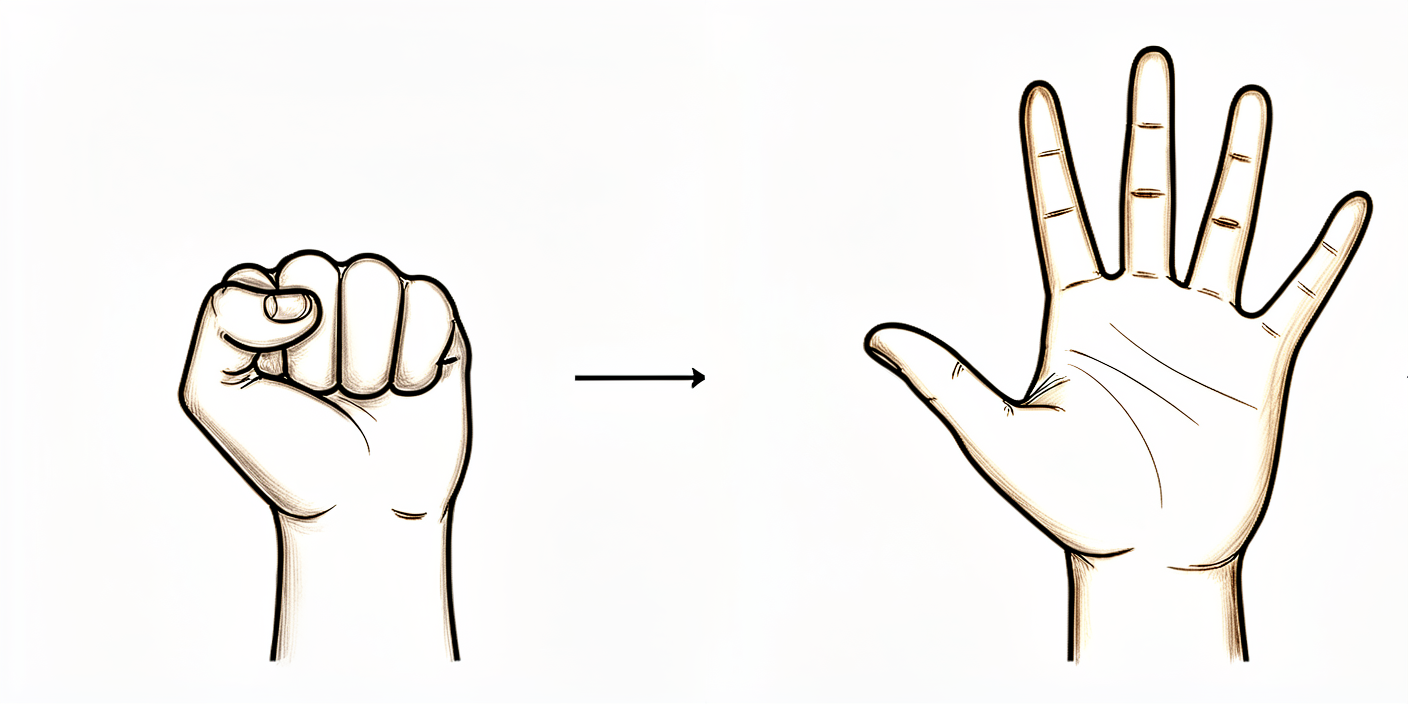
ਹੱਥ ਖੋਲ੍ਹਣਾ ਅਤੇ ਬੰਦ ਕਰਨਾ
ਆਪਣੇ ਹੱਥ ਅਤੇ ਉਂਗਲਾਂ ਨੂੰ ਖੋਲ੍ਹ ਕੇ ਅਤੇ ਬੰਦ ਕਰ ਕੇ, ਜਾਂ ਇੱਕ ਨਰਮ ਗੇਂਦ ਨੂੰ ਘੁੱਟ ਕੇ, ਹਿਲਾਉਂਦੇ ਰਹੋ।
10 ਵਾਰ, ਦਿਨ ਵਿੱਚ 3 ਵਾਰ
Kieran Hirpara 4.0
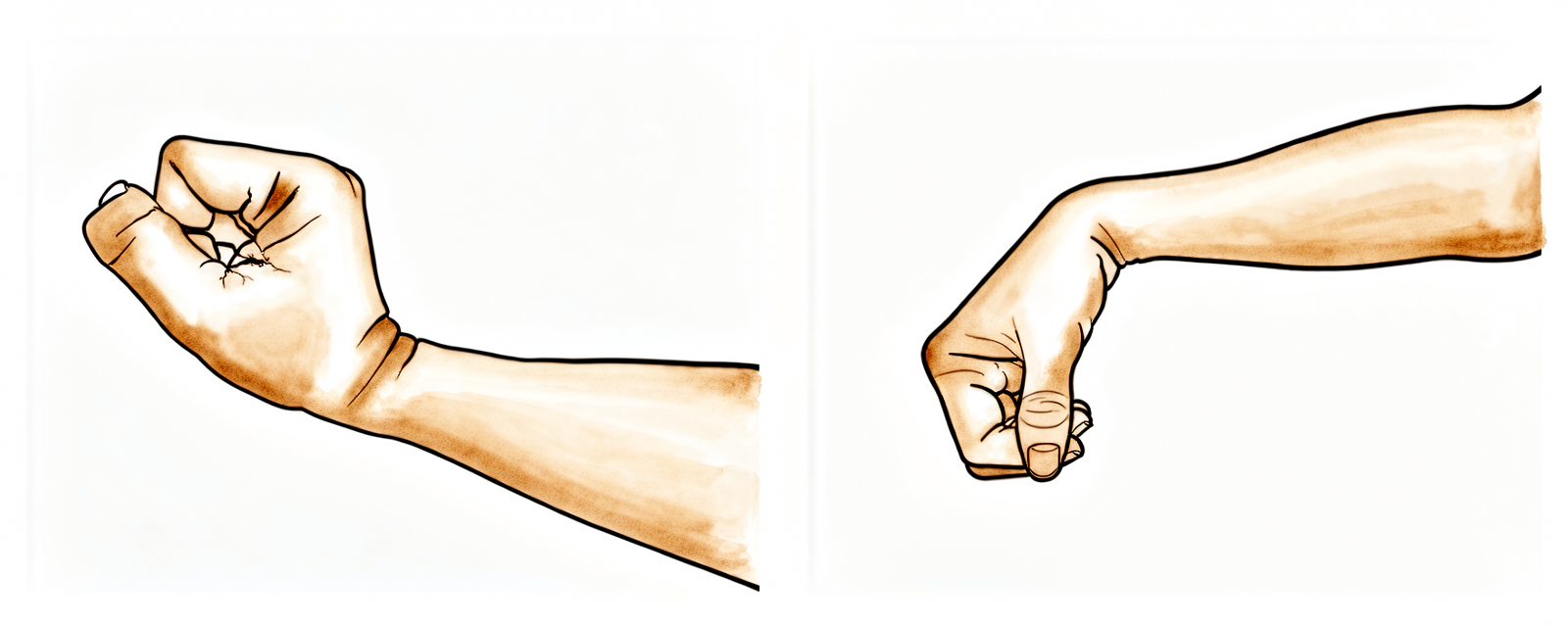
ਗੁੱਟ ਦੀ ਹਿਲਜੁਲ
ਆਪਣੇ ਗੁੱਟ ਨੂੰ ਅੱਗੇ, ਪਿੱਛੇ ਅਤੇ ਇੱਕ ਪਾਸੇ ਤੋਂ ਦੂਜੇ ਪਾਸੇ ਮੋੜ ਕੇ ਹਿਲਾਉਂਦੇ ਰਹੋ।
10 ਵਾਰ, ਦਿਨ ਵਿੱਚ 3 ਵਾਰ
Kieran Hirpara 4.0
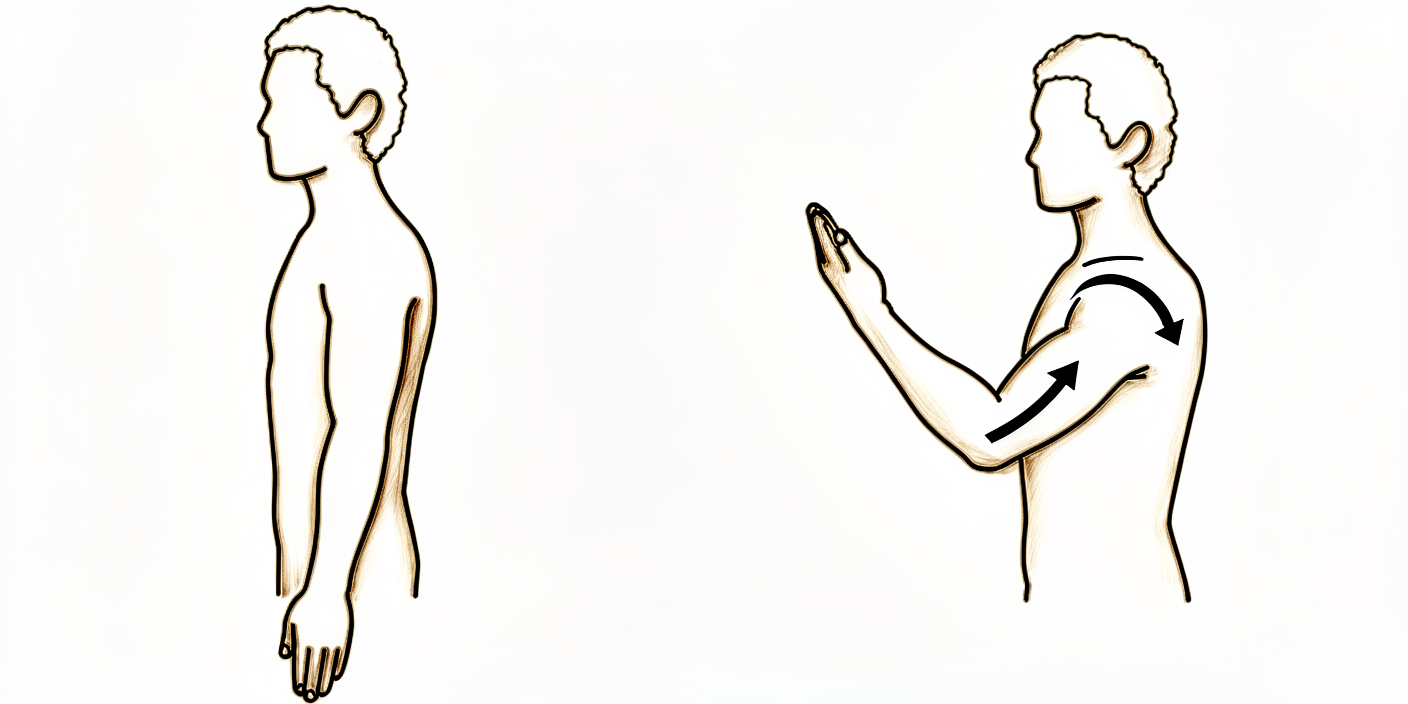
ਕੂਹਣੀ
ਆਪਣੀ ਕੂਹਣੀ ਨੂੰ ਮੋੜੋ ਅਤੇ ਸਿੱਧਾ ਕਰੋ।
10 ਵਾਰ, ਦਿਨ ਵਿੱਚ 3 ਵਾਰ
Kieran Hirpara 4.0
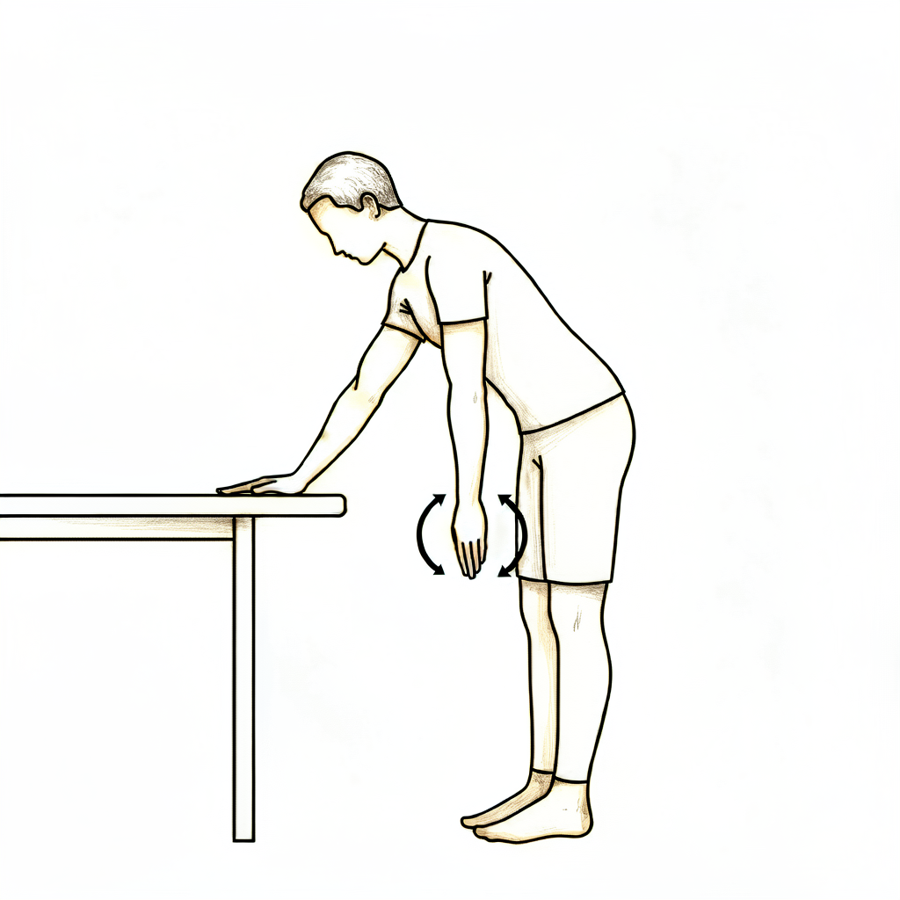
ਪੈਂਡੂਲਮ (ਲਟਕਦੀ ਬਾਂਹ ਨੂੰ ਝੁਲਾਉਣਾ)
ਇਹ ਇੱਕ ਪੈਸਿਵ (passive, ਬਾਂਹ ਦੀਆਂ ਮਾਸਪੇਸ਼ੀਆਂ ਨੂੰ ਵਰਤੇ ਬਿਨਾਂ) ਕਸਰਤ ਹੈ। ਅੱਗੇ ਵੱਲ ਝੁਕੋ ਅਤੇ ਆਪਣੀ ਬਾਂਹ ਨੂੰ ਢਿੱਲਾ ਕਰ ਕੇ ਹੇਠਾਂ ਲਟਕਣ ਦਿਓ। ਬਾਂਹ ਨੂੰ ਹੌਲੀ ਜਿਹੇ ਘੜੀ ਦੀ ਸੂਈ ਦੀ ਦਿਸ਼ਾ ਵਿੱਚ ਜਾਂ ਉਲਟ ਦਿਸ਼ਾ ਵਿੱਚ ਹਿਲਾਉਣ ਲਈ, ਅਤੇ ਨਾਲ ਹੀ ਅੱਗੇ, ਪਿੱਛੇ ਅਤੇ ਇੱਕ ਪਾਸੇ ਤੋਂ ਦੂਜੇ ਪਾਸੇ ਹਿਲਾਉਣ ਲਈ, ਆਪਣੇ ਸਰੀਰ ਦੀ ਵਰਤੋਂ ਕਰੋ।
ਹਰ ਦਿਸ਼ਾ ਵਿੱਚ ਲਗਭਗ 30 ਸਕਿੰਟ, ਦਿਨ ਵਿੱਚ 3 ਵਾਰ
Kieran Hirpara 4.0
ਬਾਂਹ ਅੱਗੇ ਵੱਲ ਉੱਪਰ ਚੁੱਕਣਾ (forward flexion)
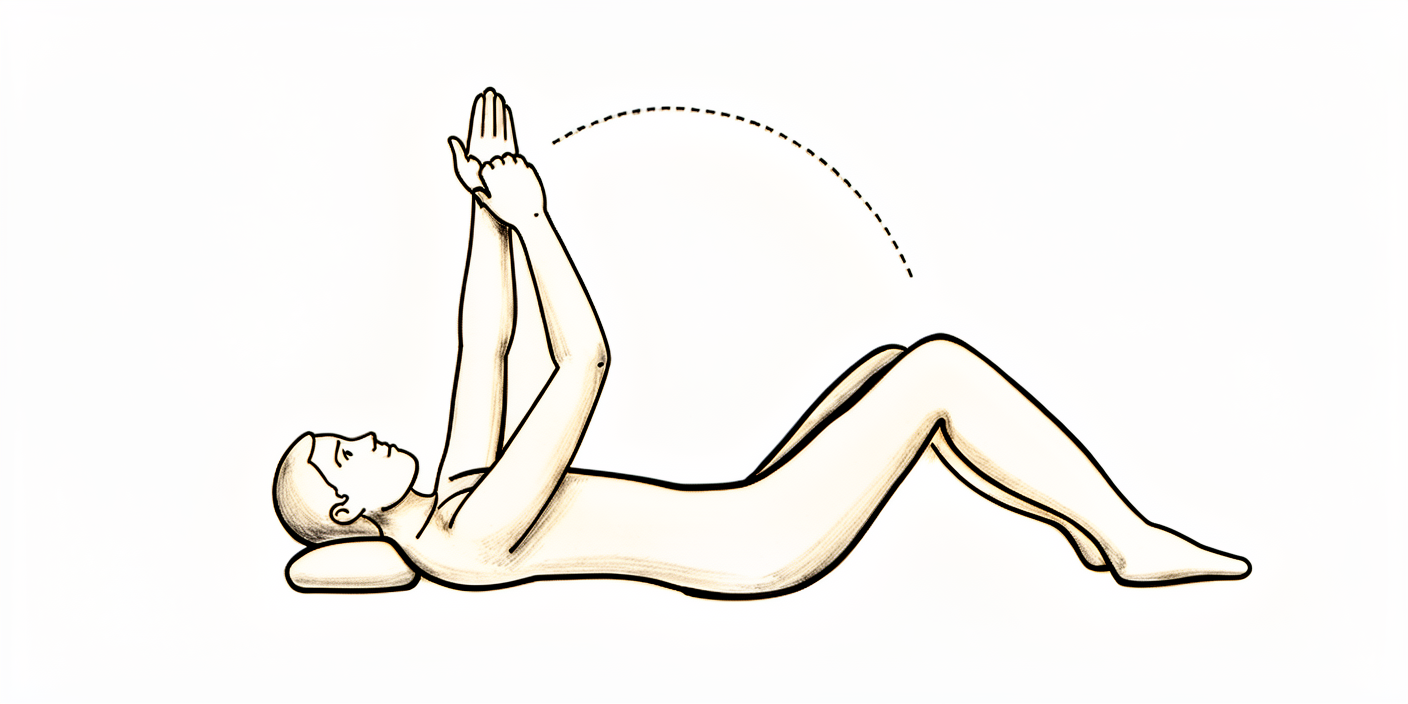
ਕੁਰਸੀ ਉੱਤੇ ਬੈਠ ਕੇ ਅਤੇ ਅੱਗੇ ਝੁਕ ਕੇ, ਆਪਣੀ ਓਪਰੇਸ਼ਨ ਵਾਲੀ ਬਾਂਹ ਨੂੰ ਦੂਜੀ ਬਾਂਹ ਨਾਲ ਸੰਭਾਲ ਕੇ ਫੜੋ ਅਤੇ ਆਪਣੀ ਬਾਂਹ ਨੂੰ ਹੌਲੀ ਜਿਹੇ ਆਪਣੇ ਸਾਹਮਣੇ ਉੱਪਰ ਵੱਲ ਲਿਜਾਓ। ਓਪਰੇਸ਼ਨ ਤੋਂ ਬਿਨਾਂ ਵਾਲੀ ਬਾਂਹ ਦੀ ਮਦਦ ਨਾਲ ਇਸ ਨੂੰ ਵਾਪਸ ਹੇਠਾਂ ਲਿਆਓ। ਜੇ ਤੁਸੀਂ ਚਾਹੋ, ਤਾਂ ਬਿਸਤਰੇ ਵਿੱਚ ਪਿੱਠ ਦੇ ਭਾਰ ਲੇਟ ਕੇ ਬਾਂਹ ਨੂੰ ਉੱਪਰ ਵੱਲ ਲਿਜਾਣ ਵਿੱਚ ਮਦਦ ਕਰਨ ਦੀ ਕੋਸ਼ਿਸ਼ ਵੀ ਕਰ ਸਕਦੇ ਹੋ।
10 ਵਾਰ, ਦਿਨ ਵਿੱਚ 3 ਵਾਰ
Kieran Hirpara 4.0
ਬਾਂਹ ਪਾਸੇ ਵੱਲ ਲਿਜਾਣਾ (abduction)
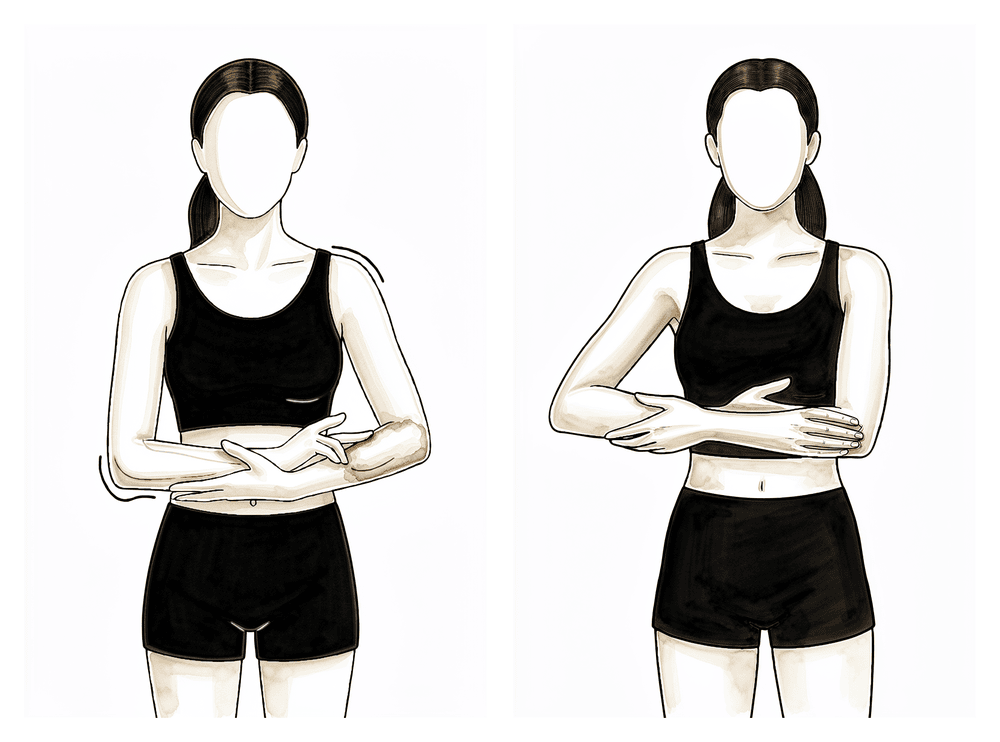
ਕੁਰਸੀ ਉੱਤੇ ਬੈਠ ਕੇ ਅਤੇ ਅੱਗੇ ਝੁਕ ਕੇ, ਬਾਂਹ ਨੂੰ ਫਿਰ ਸੰਭਾਲ ਕੇ ਫੜੋ ਅਤੇ ਇਸ ਨੂੰ ਪਾਸੇ ਵੱਲ ਬਾਹਰ ਲਿਜਾਣ ਵਿੱਚ ਮਦਦ ਕਰੋ (ਜਿਵੇਂ ਬੱਚੇ ਨੂੰ ਝੁਲਾਉਂਦੇ ਹਾਂ)।
10 ਵਾਰ, ਦਿਨ ਵਿੱਚ 3 ਵਾਰ
Kieran Hirpara 4.0
ਬਾਹਰ ਵੱਲ ਘੁਮਾਉਣਾ (external rotation)
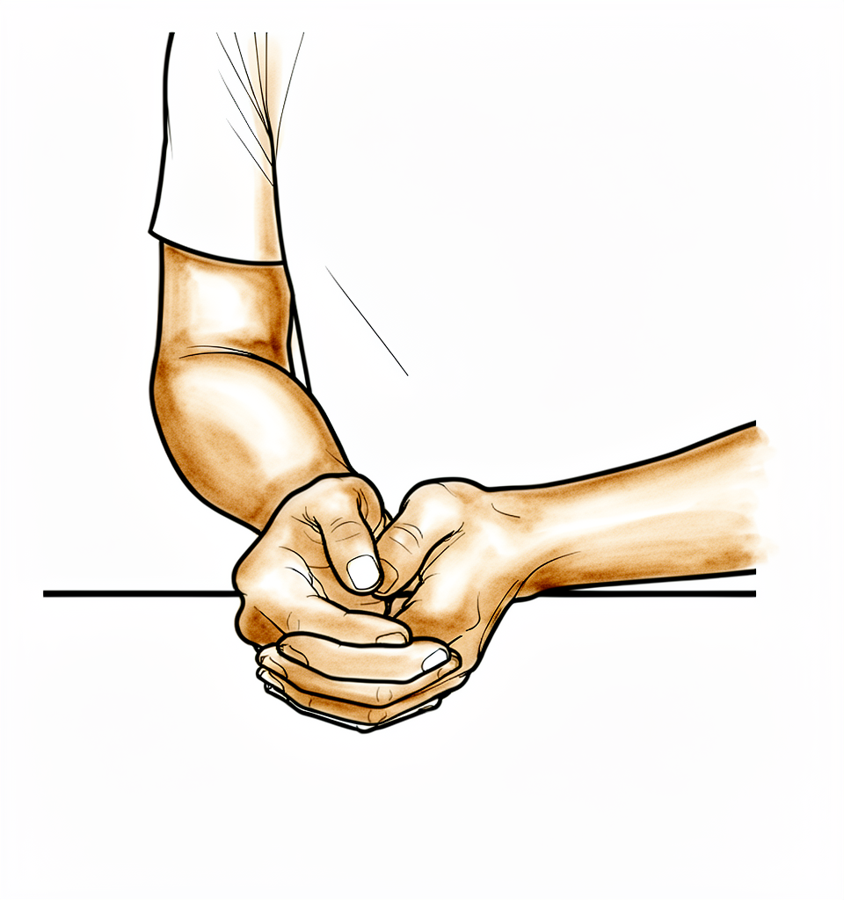
ਕੁਰਸੀ ਉੱਤੇ ਬੈਠ ਕੇ, ਆਪਣੀ ਬਾਂਹ ਨੂੰ ਸਿਰਫ਼ ਉਸ ਥਾਂ ਤੋਂ, ਜਿੱਥੇ ਇਹ ਸਲਿੰਗ ਵਿੱਚ ਹੁੰਦੀ, ਸਿੱਧਾ ਆਪਣੇ ਸਾਹਮਣੇ ਵੱਲ ਇਸ਼ਾਰਾ ਕਰਨ ਤੱਕ ਹਿਲਾਓ। ਇਸ ਤੋਂ ਅੱਗੇ ਬਾਹਰ ਵੱਲ ਨਾ ਲਿਜਾਓ।
ਹੌਲੀ ਜਿਹੇ, 10 ਵਾਰ, ਦਿਨ ਵਿੱਚ 3 ਵਾਰ
Kieran Hirpara 4.0
ਹੇਠਲੀ ਟ੍ਰੈਪੀਜ਼ੀਅਸ ਮਾਸਪੇਸ਼ੀ ਨੂੰ ਟਿਕਾਉਣਾ (lower trapezius setting)
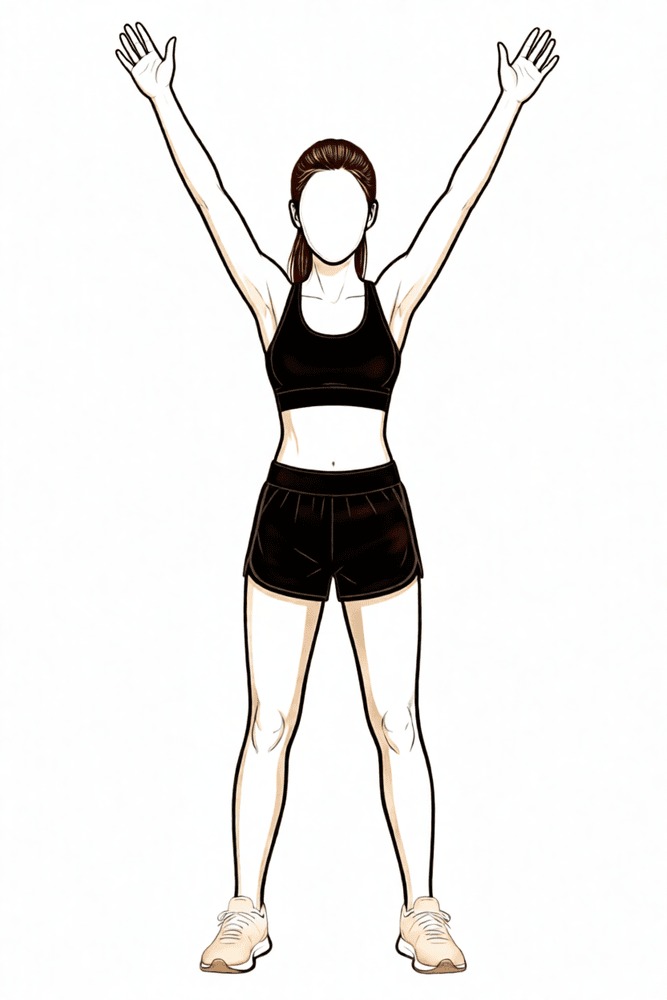
ਆਪਣੇ ਮੋਢੇ ਦੀਆਂ ਪਿਛਲੀਆਂ ਚਪਟੀਆਂ ਹੱਡੀਆਂ (shoulder blades) ਨੂੰ ਹੇਠਾਂ ਵੱਲ ਅਤੇ ਆਪਸ ਵਿੱਚ ਨੇੜੇ ਨੂੰ ਕੱਸੋ।
5 ਸਕਿੰਟ ਰੋਕ ਕੇ ਰੱਖੋ, 5 ਵਾਰ; ਦਿਨ ਵਿੱਚ 3 ਵਾਰ ਦੁਹਰਾਓ
Kieran Hirpara 4.0
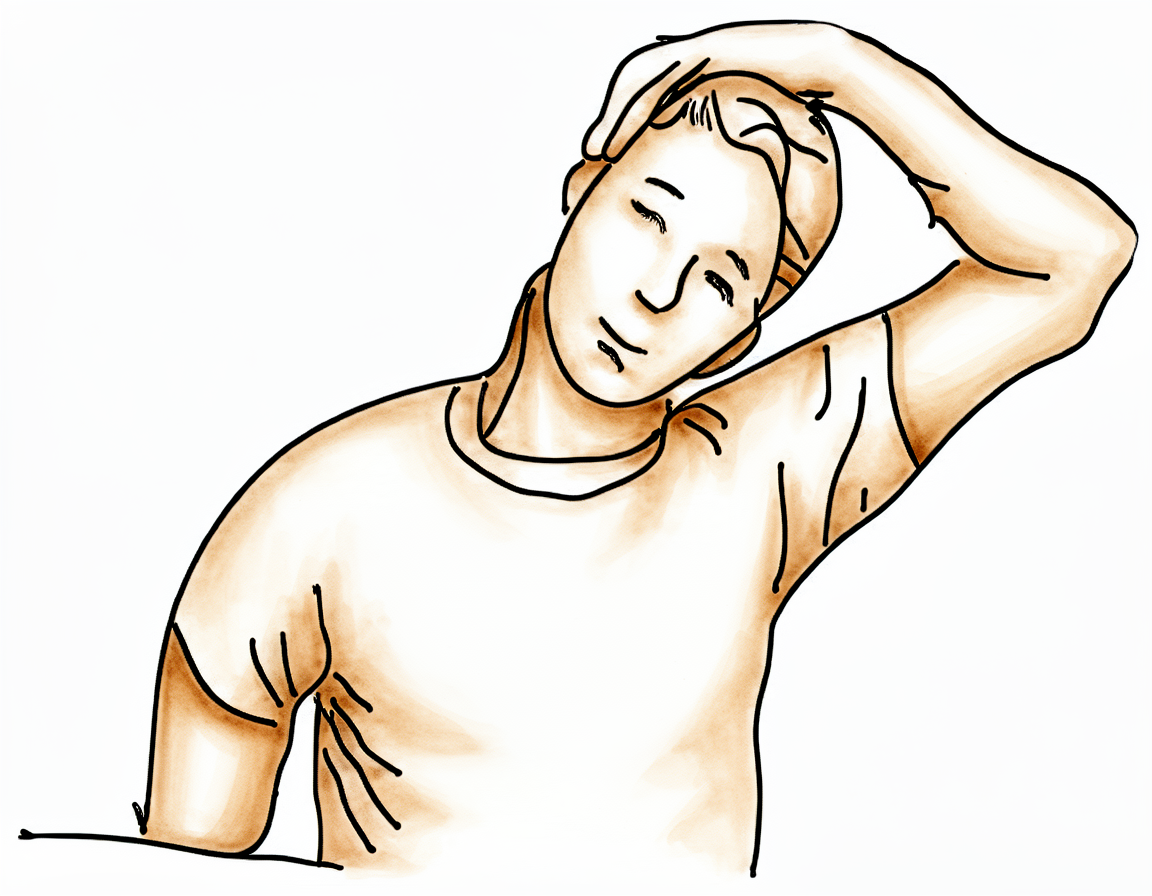
ਉੱਪਰਲੀ ਟ੍ਰੈਪੀਜ਼ੀਅਸ ਮਾਸਪੇਸ਼ੀ ਦੀ ਖਿੱਚ (upper trapezius stretch)
ਓਪਰੇਸ਼ਨ ਤੋਂ ਬਿਨਾਂ ਵਾਲੀ ਬਾਂਹ ਦੀ ਵਰਤੋਂ ਕਰ ਕੇ ਆਪਣੇ ਕੰਨ ਨੂੰ ਆਪਣੇ ਮੋਢੇ ਵੱਲ ਲਿਆਓ, ਓਪਰੇਸ਼ਨ ਵਾਲੇ ਪਾਸੇ ਤੋਂ ਦੂਰ।
10 ਸਕਿੰਟ ਰੋਕ ਕੇ ਰੱਖੋ, 3 ਵਾਰ; ਦਿਨ ਵਿੱਚ 3 ਵਾਰ ਦੁਹਰਾਓ
Kieran Hirpara 4.0
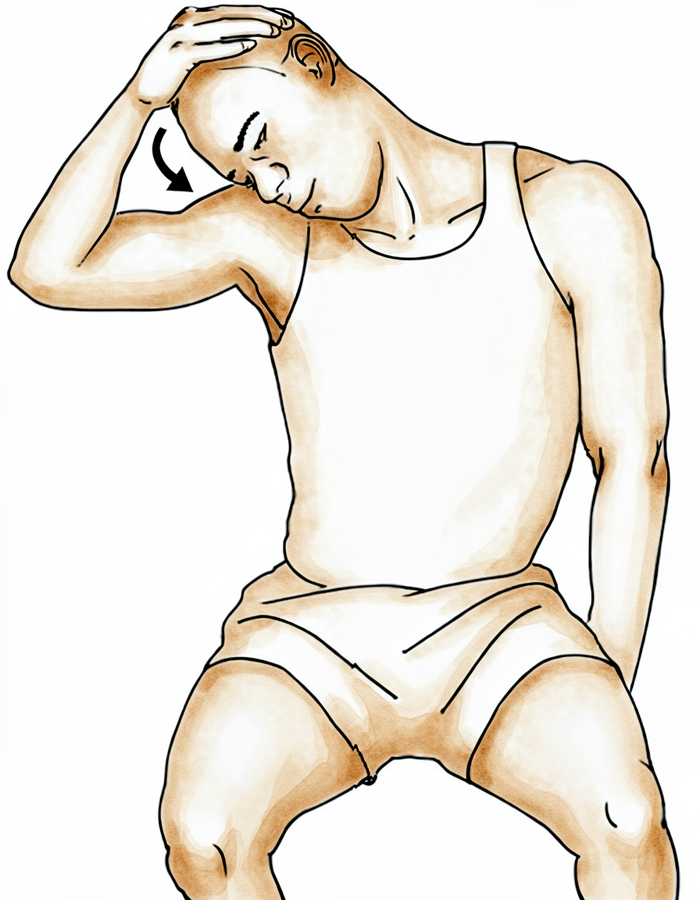
ਲੇਵੇਟਰ ਸਕੈਪੂਲੀ ਦੀ ਖਿੱਚ (levator scapulae stretch)
ਓਪਰੇਸ਼ਨ ਤੋਂ ਬਿਨਾਂ ਵਾਲੀ ਬਾਂਹ ਦੀ ਵਰਤੋਂ ਕਰ ਕੇ ਆਪਣੇ ਨੱਕ ਨੂੰ ਆਪਣੀ ਛਾਤੀ ਦੀ ਨਿੱਪਲ ਜਾਂ ਕੱਛ ਵਾਲੇ ਹਿੱਸੇ ਵੱਲ ਲਿਆਓ।
10 ਸਕਿੰਟ ਰੋਕ ਕੇ ਰੱਖੋ, 3 ਵਾਰ; ਦਿਨ ਵਿੱਚ 3 ਵਾਰ ਦੁਹਰਾਓ
ਪੜਾਅ I — ਰਾਖੀ (ਹਫ਼ਤੇ 0–3)
Kieran Hirpara 4.0
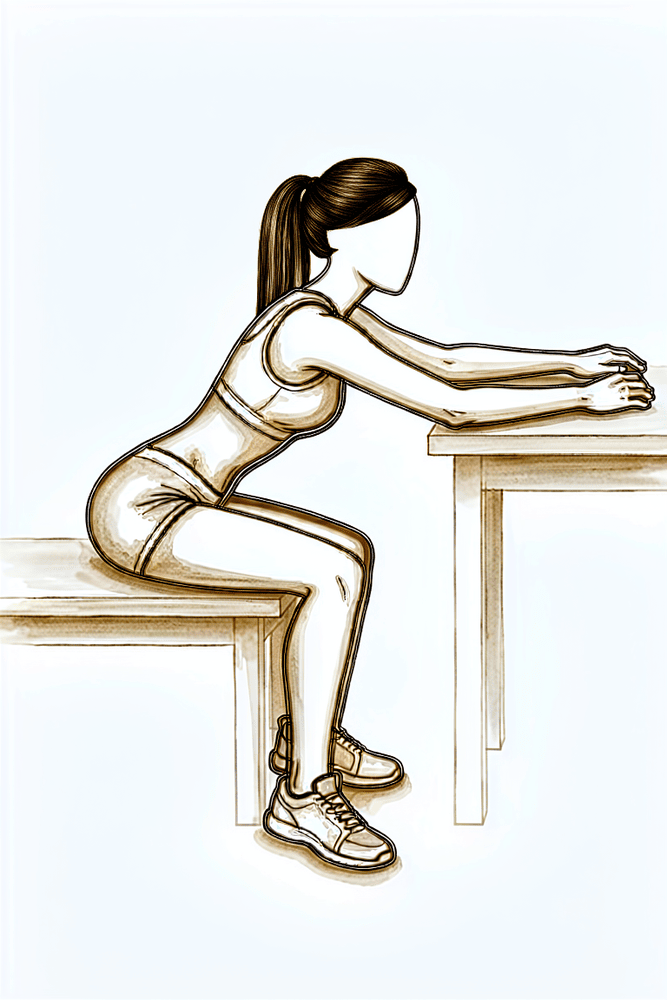
ਬੈਠ ਕੇ ਮੇਜ਼ ਉੱਤੇ ਹੱਥ ਖਿਸਕਾਉਣਾ
ਆਪਣੀ ਬਾਂਹ ਦੇ ਹੇਠਲੇ ਹਿੱਸੇ ਨੂੰ ਮੇਜ਼ ਉੱਤੇ ਟਿਕਾ ਕੇ ਮੇਜ਼ ਕੋਲ ਬੈਠੋ। ਹੌਲੀ ਜਿਹੇ ਅੱਗੇ ਝੁਕਦੇ ਹੋਏ ਆਪਣੇ ਹੱਥ ਨੂੰ ਮੇਜ਼ ਉੱਤੇ ਅੱਗੇ ਵੱਲ ਖਿਸਕਣ ਦਿਓ, ਅਤੇ ਮੋਢੇ ਦੀਆਂ ਮਾਸਪੇਸ਼ੀਆਂ ਵਰਤੇ ਬਿਨਾਂ ਮੋਢੇ ਨੂੰ ਅੱਗੇ ਵੱਲ ਮੁੜਨ ਦਿਓ, ਫਿਰ ਵਾਪਸ ਖਿਸਕਾਓ। ਹਿਲਜੁਲ ਨੂੰ ਢਿੱਲਾ ਅਤੇ ਆਰਾਮਦਾਇਕ ਰੱਖੋ — ਮੋਢਾ ਖ਼ੁਦ ਪੈਸਿਵ ਹੀ ਰਹਿੰਦਾ ਹੈ।
ਤੁਹਾਡੇ ਫਿਜ਼ੀਓਥੈਰੇਪਿਸਟ ਦੀ ਸੇਧ ਅਨੁਸਾਰ
ਪਹਿਲੇ ਤਿੰਨ ਹਫ਼ਤੇ ਤੁਹਾਡੇ ਨਵੇਂ ਮੋਢੇ ਦੇ ਜੋੜ ਨੂੰ ਟਿਕਣ ਦੇਣ ਅਤੇ ਹੌਲੀ-ਹੌਲੀ ਮੁੜ ਹਿਲਜੁਲ ਵਿੱਚ ਲਿਆਉਣ ਬਾਰੇ ਹਨ। ਤੁਸੀਂ ਆਰਾਮ ਲਈ ਸਲਿੰਗ ਵਰਤਦੇ ਹੋ, ਬਰਫ਼ ਅਤੇ ਦਬਾਅ (compression) ਨਾਲ ਸੋਜ ਨੂੰ ਸੰਭਾਲਦੇ ਹੋ, ਅਤੇ ਆਪਣੀ ਕੂਹਣੀ, ਗੁੱਟ ਅਤੇ ਹੱਥ ਨੂੰ ਹਿਲਾਉਂਦੇ ਰਹਿੰਦੇ ਹੋ। ਸ਼ੁਰੂ ਤੋਂ ਹੀ ਤੁਸੀਂ ਮੋਢੇ ਦੀ ਹਲਕੀ ਹਿਲਜੁਲ ਵੀ ਸ਼ੁਰੂ ਕਰਦੇ ਹੋ, ਆਪਣੀ ਦੂਜੀ ਬਾਂਹ ਦੀ ਮਦਦ ਨਾਲ ਅਤੇ, ਆਰਾਮ ਦੀ ਹੱਦ ਵਿੱਚ, ਹੌਲੀ ਜਿਹੇ ਆਪਣੇ ਜ਼ੋਰ ਨਾਲ; ਇਹ ਅਕਸਰ ਪਿੱਠ ਦੇ ਭਾਰ ਲੇਟ ਕੇ ਸਭ ਤੋਂ ਸੌਖਾ ਹੁੰਦਾ ਹੈ, ਤਾਂ ਜੋ ਗੁਰੂਤਾ ਖਿੱਚ ਮਦਦ ਕਰੇ। ਆਰਾਮ ਨੂੰ ਆਪਣਾ ਮਾਰਗਦਰਸ਼ਕ ਬਣਾਓ ਅਤੇ ਕਿਸੇ ਵੀ ਹਿਲਜੁਲ ਨਾਲ ਜ਼ਬਰਦਸਤੀ ਨਾ ਕਰੋ। ਸਭ ਤੋਂ ਜ਼ਰੂਰੀ ਨਿਯਮ ਜੋੜ ਨੂੰ ਆਪਣੀ ਥਾਂ ਤੋਂ ਖਿਸਕਣ ਤੋਂ ਬਚਾਉਣ ਬਾਰੇ ਹਨ: ਆਪਣੀ ਪਿੱਠ ਪਿੱਛੇ ਹੱਥ ਨਾ ਲਿਜਾਓ ਅਤੇ ਨਾ ਹੀ ਬਾਂਹ ਨੂੰ ਅੰਦਰ ਵੱਲ ਘੁਮਾਓ, ਕੁਝ ਵੀ ਨਾ ਚੁੱਕੋ, ਅਤੇ ਆਪਣੇ ਹੱਥਾਂ ਦੇ ਜ਼ੋਰ ਨਾਲ ਆਪਣੇ ਆਪ ਨੂੰ ਉੱਪਰ ਨਾ ਧੱਕੋ। ਪਿੱਠ ਦੇ ਭਾਰ ਲੇਟਣ ਵੇਲੇ, ਆਪਣੀ ਕੂਹਣੀ ਹੇਠਾਂ ਇੱਕ ਛੋਟਾ ਸਿਰਹਾਣਾ ਜਾਂ ਲਪੇਟਿਆ ਹੋਇਆ ਤੌਲੀਆ ਰੱਖੋ, ਤਾਂ ਜੋ ਮੋਢਾ ਪਿੱਛੇ ਵੱਲ ਨਾ ਖਿੱਚਿਆ ਜਾਵੇ।
ਤੁਹਾਡੇ ਫਿਜ਼ੀਓਥੈਰੇਪਿਸਟ ਲਈ:
ਟੀਚੇ
- ਇੰਪਲਾਂਟ ਦੇ ਹਿੱਸਿਆਂ ਦੀ ਸਥਿਰਤਾ ਦੀ ਰਾਖੀ ਕਰਨਾ (ਜੋੜ ਦੇ ਉਤਰ ਜਾਣ, dislocation, ਵਾਲੀ ਸਥਿਤੀ ਤੋਂ ਬਚੋ)
- ਸੋਜ ਘਟਾਉਣਾ, ਦਰਦ ਘੱਟ ਤੋਂ ਘੱਟ ਕਰਨਾ
- ਕੂਹਣੀ, ਹੱਥ ਅਤੇ ਗੁੱਟ ਵਿੱਚ ਉੱਪਰਲੇ ਅੰਗ (UE, ਮੋਢੇ ਤੋਂ ਹੱਥ ਤੱਕ ਦੀ ਬਾਂਹ) ਦੀ ਹਿਲਜੁਲ ਦੀ ਰੇਂਜ (ROM) ਬਣਾਈ ਰੱਖਣਾ
- ਆਰਾਮ ਦੀ ਹੱਦ ਵਿੱਚ ਮੋਢੇ ਦੀ ਛੇਤੀ ਐਕਟਿਵ-ਅਸਿਸਟਿਡ ਅਤੇ ਐਕਟਿਵ ਹਿਲਜੁਲ ਸਥਾਪਿਤ ਕਰਨਾ
- ਮਾਸਪੇਸ਼ੀਆਂ ਦੇ ਦੱਬੇ ਰਹਿਣ (muscle inhibition) ਨੂੰ ਘੱਟ ਤੋਂ ਘੱਟ ਕਰਨਾ
- ਮਰੀਜ਼ ਦੀ ਸਿੱਖਿਆ
ਸਲਿੰਗ
- ਵਿਚਕਾਰਲਾ (neutral) ਘੁਮਾਅ
- ਆਰਾਮ ਅਤੇ ਸਹਾਰੇ ਲਈ; ਰਾਤ ਨੂੰ ਥੋੜ੍ਹੇ ਸਮੇਂ ਲਈ ਵਰਤੋਂ ਮਰਜ਼ੀ ਅਨੁਸਾਰ; ~2 ਹਫ਼ਤਿਆਂ ਤੋਂ ਦਿਨ ਵੇਲੇ ਹੌਲੀ-ਹੌਲੀ ਛੁਡਾਓ
ਇਲਾਜ ਪ੍ਰਬੰਧ
- ਸੋਜ ਦਾ ਪ੍ਰਬੰਧ: ਬਰਫ਼, ਦਬਾਅ
- ਹਿਲਜੁਲ ਦੀ ਰੇਂਜ / ਗਤੀਸ਼ੀਲਤਾ:
- PROM (ਪੈਸਿਵ ਹਿਲਜੁਲ): ਸਕੈਪੂਲਾ (ਮੋਢੇ ਦੀ ਪਿਛਲੀ ਚਪਟੀ ਹੱਡੀ, shoulder blade) ਦੀ ਸੇਧ (scapular plane) ਵਿੱਚ ਬਾਹਰ ਵੱਲ ਘੁਮਾਉਣਾ (ER), ਜਿੰਨਾ ਸਹਿਣ ਹੋਵੇ; ਫਲੈਕਸ਼ਨ (flexion, ਬਾਂਹ ਅੱਗੇ ਵੱਲ ਉੱਪਰ ਚੁੱਕਣਾ)/ਸਕੈਪਸ਼ਨ (scaption, ਸਕੈਪੂਲਾ ਦੀ ਸੇਧ ਵਿੱਚ ਬਾਂਹ ਉੱਪਰ ਚੁੱਕਣਾ) ≤ 120 ਡਿਗਰੀ; ਐਬਡਕਸ਼ਨ (ABD, ਬਾਂਹ ਪਾਸੇ ਵੱਲ ਉੱਪਰ ਚੁੱਕਣਾ) ≤ 90 ਡਿਗਰੀ; ਬੈਠ ਕੇ ਮੇਜ਼ ਉੱਤੇ ਹੱਥ ਖਿਸਕਾ ਕੇ ਗਲੈਨੋਹਿਊਮਰਲ (GH, ਮੋਢੇ ਦਾ ਮੁੱਖ ਗੇਂਦ-ਕੌਲੀ ਜੋੜ) ਫਲੈਕਸ਼ਨ; ਪੈਂਡੂਲਮ (pendulum, ਅੱਗੇ ਝੁਕ ਕੇ ਲਟਕਦੀ ਬਾਂਹ ਨੂੰ ਹੌਲੀ-ਹੌਲੀ ਝੁਲਾਉਣਾ); ਬੈਠ ਕੇ ਮੇਜ਼ ਉੱਤੇ ਹੱਥ ਨੂੰ ਲੇਟਵੇਂ ਰੁਖ਼ ਖਿਸਕਾਉਣਾ
- ਐਕਟਿਵ-ਅਸਿਸਟਿਡ ਹਿਲਜੁਲ ਦੀ ਰੇਂਜ (AAROM): ਸ਼ੁਰੂ ਤੋਂ: ਮੋਢੇ ਦਾ ਐਕਟਿਵ-ਅਸਿਸਟਿਡ ਫਲੈਕਸ਼ਨ (ਪਿੱਠ ਦੇ ਭਾਰ ਲੇਟ ਕੇ/ਗੁਰੂਤਾ ਖਿੱਚ ਦੀ ਮਦਦ ਨਾਲ ਸ਼ੁਰੂ ਕਰੋ), ਉੱਪਰ ਦਿੱਤੀਆਂ PROM ਹੱਦਾਂ ਦੇ ਅੰਦਰ
- ਐਕਟਿਵ ਹਿਲਜੁਲ ਦੀ ਰੇਂਜ (AROM): ਸ਼ੁਰੂ ਤੋਂ: ਆਰਾਮ ਦੀ ਹੱਦ ਵਿੱਚ, ਜਿੰਨਾ ਸਹਿਣ ਹੋਵੇ, ਮੋਢੇ ਦੀ ਹਲਕੀ ਐਕਟਿਵ ਹਿਲਜੁਲ; ਨਾਲ ਹੀ ਕੂਹਣੀ, ਹੱਥ, ਗੁੱਟ
ਸਾਵਧਾਨੀਆਂ
- ਮੋਢੇ ਦੀ ਅੰਦਰ ਵੱਲ ਘੁਮਾਅ (IR) ਵਾਲੀ ਕੋਈ PROM/AROM ਨਹੀਂ
- ਪਿੱਠ ਪਿੱਛੇ ਹੱਥ ਨਹੀਂ ਲਿਜਾਣਾ, ਖ਼ਾਸ ਕਰਕੇ ਅੰਦਰ ਵੱਲ ਘੁਮਾਅ ਵਿੱਚ
- ਪਿੱਛੇ ਵੱਲ ਖਿੱਚਣ (extension) + ਸਰੀਰ ਵੱਲ ਲਿਆਉਣ (adduction) + ਅੰਦਰ ਵੱਲ ਘੁਮਾਅ ਵਾਲੀ ਇਕੱਠੀ (ਜੋੜ ਉਤਰਨ ਵਾਲੀ) ਸਥਿਤੀ ਤੋਂ ਬਚੋ
- ਕੋਈ ਵੀ ਚੀਜ਼ ਨਹੀਂ ਚੁੱਕਣੀ
- ਹੱਥਾਂ ਉੱਤੇ ਸਰੀਰ ਦਾ ਭਾਰ ਨਹੀਂ ਪਾਉਣਾ
- ਮੋਢੇ ਦੀ ਹਾਈਪਰਐਕਸਟੈਂਸ਼ਨ (hyperextension, ਆਮ ਹੱਦ ਤੋਂ ਵੱਧ ਪਿੱਛੇ ਵੱਲ ਖਿੱਚਿਆ ਜਾਣਾ) ਤੋਂ ਬਚਣ ਲਈ ਪਿੱਠ ਦੇ ਭਾਰ ਲੇਟਣ ਵੇਲੇ ਕੂਹਣੀ ਹੇਠਾਂ ਛੋਟਾ ਸਿਰਹਾਣਾ/ਲਪੇਟਿਆ ਤੌਲੀਆ ਰੱਖੋ
ਅਗਲੇ ਪੜਾਅ ਵਿੱਚ ਜਾਣ ਦੀਆਂ ਸ਼ਰਤਾਂ
- ਆਰਾਮ ਦੀ ਹੱਦ ਵਿੱਚ ਮੋਢੇ ਦੀ PROM, AAROM ਅਤੇ AROM ਵਿੱਚ ਹੌਲੀ-ਹੌਲੀ ਵਾਧਾ
- ਮੋਢੇ ਦੀ ਅੰਦਰ ਵੱਲ ਘੁਮਾਅ (IR) ਵਿੱਚ PROM 0 ਡਿਗਰੀ
- ਦਰਦ < 4/10
- ਪੜਾਅ I ਦੌਰਾਨ ਕੋਈ ਪੇਚੀਦਗੀ ਨਹੀਂ
ਪੜਾਅ II — ਵਿਚਕਾਰਲਾ ਪੜਾਅ (ਹਫ਼ਤੇ 4–6)
Kieran Hirpara 4.0
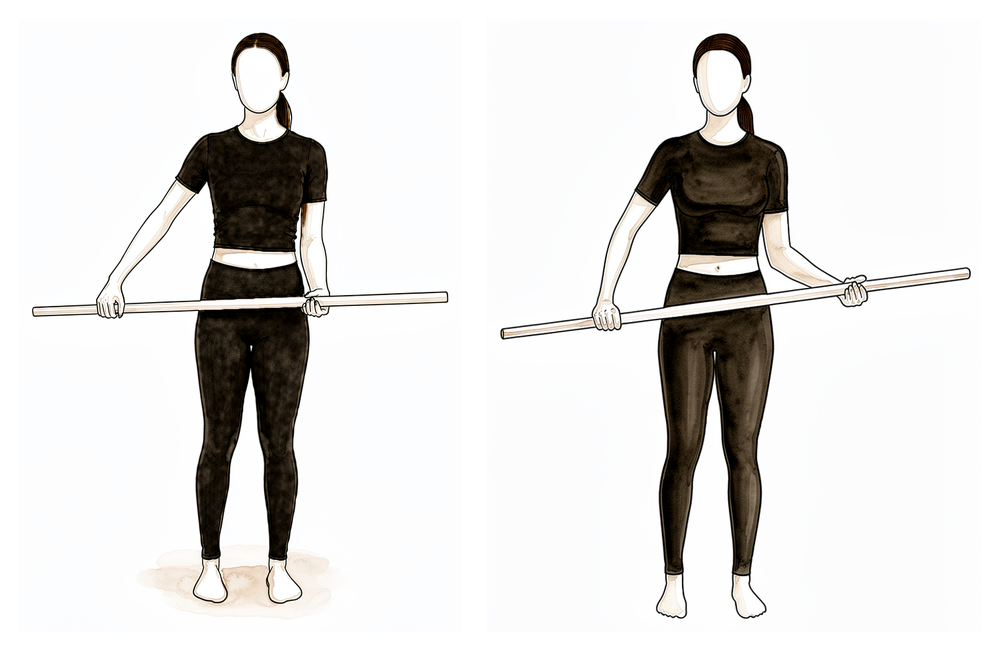
ਸੋਟੀ ਨਾਲ ਬਾਹਰ ਵੱਲ ਘੁਮਾਉਣ ਵਾਲੀ ਖਿੱਚ
ਪਿੱਠ ਦੇ ਭਾਰ ਲੇਟੋ, ਕੂਹਣੀ ਪਾਸੇ ਨਾਲ ਲੱਗੀ ਹੋਵੇ ਅਤੇ 90 ਡਿਗਰੀ ਉੱਤੇ ਮੁੜੀ ਹੋਵੇ। ਇੱਕ ਸੋਟੀ ਜਾਂ ਡੰਡਾ ਦੋਵਾਂ ਹੱਥਾਂ ਵਿੱਚ ਫੜੋ ਅਤੇ ਓਪਰੇਸ਼ਨ ਤੋਂ ਬਿਨਾਂ ਵਾਲੀ ਬਾਂਹ ਨਾਲ ਓਪਰੇਸ਼ਨ ਵਾਲੀ ਬਾਂਹ ਦੇ ਹੱਥ ਨੂੰ, ਆਰਾਮ ਦੀ ਹੱਦ ਵਿੱਚ, ਹੌਲੀ ਜਿਹੇ ਬਾਹਰ ਵੱਲ ਧੱਕੋ। ਹਿਲਜੁਲ ਨਾਲ ਕਦੇ ਵੀ ਜ਼ਬਰਦਸਤੀ ਨਾ ਕਰੋ।
ਤੁਹਾਡੇ ਫਿਜ਼ੀਓਥੈਰੇਪਿਸਟ ਦੀ ਸੇਧ ਅਨੁਸਾਰ
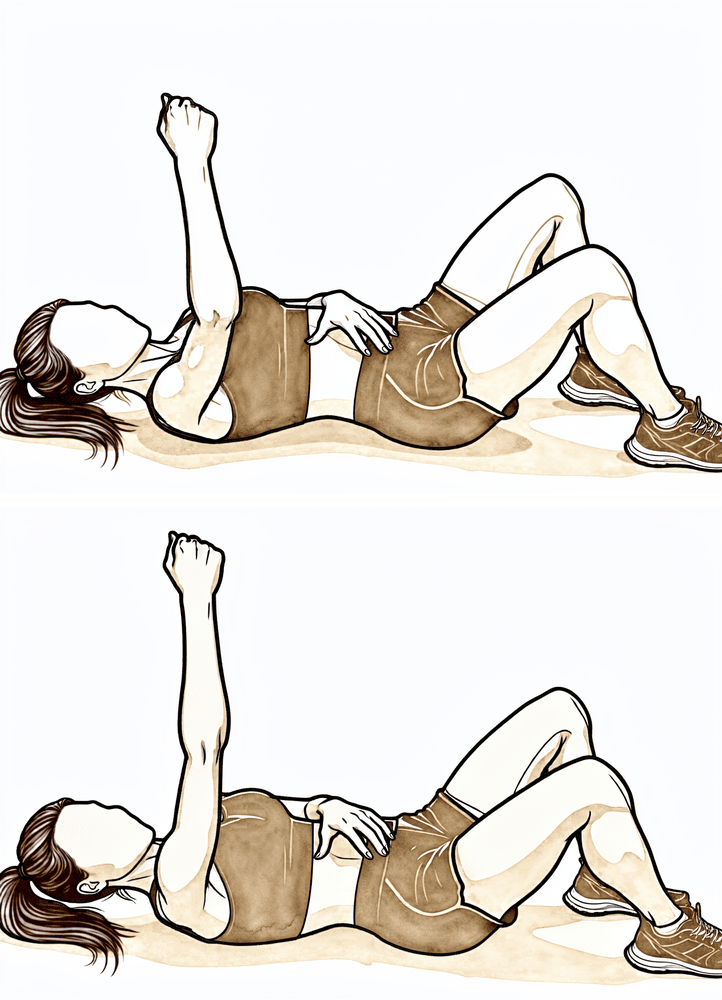
Kieran Hirpara 4.0
ਪਿੱਠ ਦੇ ਭਾਰ ਲੇਟ ਕੇ ਮੁੱਕਾ (supine punch)
ਪਿੱਠ ਦੇ ਭਾਰ ਲੇਟੋ ਅਤੇ ਓਪਰੇਸ਼ਨ ਵਾਲੀ ਬਾਂਹ ਨੂੰ ਸਿੱਧਾ ਛੱਤ ਵੱਲ ਉੱਪਰ ਰੱਖੋ। ਕੂਹਣੀ ਨੂੰ ਸਿੱਧਾ ਰੱਖਦੇ ਹੋਏ, ਹੱਥ ਨੂੰ ਛੱਤ ਵੱਲ ਥੋੜ੍ਹਾ ਹੋਰ ਧੱਕੋ ਤਾਂ ਜੋ ਮੋਢੇ ਦੀ ਪਿਛਲੀ ਚਪਟੀ ਹੱਡੀ ਬਿਸਤਰੇ ਤੋਂ ਉੱਪਰ ਉੱਠ ਜਾਵੇ, ਫਿਰ ਕਾਬੂ ਨਾਲ ਵਾਪਸ ਹੇਠਾਂ ਲਿਆਓ।
ਤੁਹਾਡੇ ਫਿਜ਼ੀਓਥੈਰੇਪਿਸਟ ਦੀ ਸੇਧ ਅਨੁਸਾਰ
ਹੁਣ ਮੋਢਾ ਉਸ ਹਿਲਜੁਲ ਨੂੰ ਅੱਗੇ ਵਧਾਉਂਦਾ ਹੈ ਜੋ ਤੁਸੀਂ ਸਰਜਰੀ ਤੋਂ ਤੁਰੰਤ ਬਾਅਦ ਸ਼ੁਰੂ ਕੀਤੀ ਸੀ। ਹਿਲਜੁਲ ਦੀ ਰੇਂਜ ਵਧਦੀ ਰਹਿੰਦੀ ਹੈ, ਅਤੇ ਲਗਭਗ ਹਫ਼ਤਾ 4 ਦੇ ਆਸ-ਪਾਸ ਸਕੈਪੂਲਾ ਦੇ ਆਲੇ-ਦੁਆਲੇ ਦੀਆਂ (periscapular) ਮਾਸਪੇਸ਼ੀਆਂ ਅਤੇ ਡੈਲਟੌਇਡ (deltoid, ਮੋਢੇ ਨੂੰ ਉੱਪਰੋਂ ਢੱਕਣ ਵਾਲੀ ਵੱਡੀ ਮਾਸਪੇਸ਼ੀ) ਨੂੰ ਸਰਗਰਮ ਕਰਨ ਅਤੇ ਮਜ਼ਬੂਤ ਕਰਨ ਦਾ ਪਹਿਲਾ ਕੰਮ ਸ਼ੁਰੂ ਹੁੰਦਾ ਹੈ। ਇਸ ਪੜਾਅ ਤੱਕ ਦਿਨ ਵੇਲੇ ਤੁਸੀਂ ਸਲਿੰਗ ਤੋਂ ਬਾਹਰ ਹੋਣੇ ਚਾਹੀਦੇ ਹੋ; ਰਾਤ ਨੂੰ ਤੁਸੀਂ ਇਸ ਨੂੰ ਥੋੜ੍ਹੇ ਸਮੇਂ ਲਈ ਅਜੇ ਵੀ ਵਰਤ ਸਕਦੇ ਹੋ, ਪਰ ਸਿਰਫ਼ ਤਾਂ ਜੇ ਇਸ ਨਾਲ ਆਰਾਮ ਮਿਲਦਾ ਹੋਵੇ। ਰਾਖੀ ਵਾਲੇ ਨਿਯਮ ਅਜੇ ਵੀ ਲਾਗੂ ਹਨ: ਕੌਫ਼ੀ ਦੇ ਕੱਪ ਤੋਂ ਭਾਰੀ ਕੁਝ ਵੀ ਨਾ ਚੁੱਕੋ, ਆਪਣੀ ਪਿੱਠ ਪਿੱਛੇ ਹੱਥ ਨਾ ਲਿਜਾਓ, ਆਪਣੇ ਹੱਥਾਂ ਦੇ ਜ਼ੋਰ ਨਾਲ ਨਾ ਧੱਕੋ, ਅਤੇ ਪਿੱਠ ਦੇ ਭਾਰ ਲੇਟਣ ਵੇਲੇ ਕੂਹਣੀ ਹੇਠਾਂ ਸਿਰਹਾਣਾ ਰੱਖੋ।
ਤੁਹਾਡੇ ਫਿਜ਼ੀਓਥੈਰੇਪਿਸਟ ਲਈ:
ਟੀਚੇ
- ਇੰਪਲਾਂਟ ਦੇ ਹਿੱਸਿਆਂ ਦੀ ਸਥਿਰਤਾ ਦੀ ਰਾਖੀ ਜਾਰੀ ਰੱਖਣਾ (ਜੋੜ ਉਤਰਨ ਵਾਲੀ ਸਥਿਤੀ ਤੋਂ ਬਚੋ)
- ਸੋਜ ਘਟਾਉਣਾ, ਦਰਦ ਘੱਟ ਤੋਂ ਘੱਟ ਕਰਨਾ
- ਮੋਢੇ ਦੀ PROM ਹੌਲੀ-ਹੌਲੀ ਵਧਾਉਣਾ
- ਮੋਢੇ ਦੀ AAROM/AROM ਨੂੰ ਅੱਗੇ ਵਧਾਉਣਾ
- ਸਕੈਪੂਲਾ ਦੇ ਆਲੇ-ਦੁਆਲੇ ਦੀਆਂ ਮਾਸਪੇਸ਼ੀਆਂ ਨੂੰ ਸਰਗਰਮ ਕਰਨਾ ਅਤੇ ਮਜ਼ਬੂਤ ਕਰਨਾ ਸ਼ੁਰੂ ਕਰਨਾ (~ਹਫ਼ਤਾ 4)
- ਡੈਲਟੌਇਡ ਨੂੰ ਸਰਗਰਮ ਕਰਨਾ ਅਤੇ ਮਜ਼ਬੂਤ ਕਰਨਾ ਸ਼ੁਰੂ ਕਰਨਾ (~ਹਫ਼ਤਾ 4; ਪਿਛਲੇ ਡੈਲਟੌਇਡ ਨੂੰ ਸਰਗਰਮ ਕਰਦੇ ਸਮੇਂ ਮੋਢੇ ਨੂੰ ਪਿੱਛੇ ਵੱਲ ਖਿੱਚਣ (extension) ਤੋਂ ਬਚੋ)
- ਮਰੀਜ਼ ਦੀ ਸਿੱਖਿਆ
ਸਲਿੰਗ
- ਦਿਨ ਵੇਲੇ ਵਰਤੋਂ ਬੰਦ ਕਰੋ (~2 ਹਫ਼ਤਿਆਂ ਤੋਂ ਹੌਲੀ-ਹੌਲੀ ਛੁਡਾਈ ਗਈ)
- ਰਾਤ ਨੂੰ ਥੋੜ੍ਹੇ ਸਮੇਂ ਲਈ ਵਰਤੋਂ ਮਰਜ਼ੀ ਅਨੁਸਾਰ, ਸਿਰਫ਼ ਤਾਂ ਜੇ ਇਸ ਨਾਲ ਆਰਾਮ ਵਧਦਾ ਹੋਵੇ
ਇਲਾਜ ਪ੍ਰਬੰਧ
- ਪੜਾਅ I ਵਾਲੇ ਇਲਾਜ ਜਾਰੀ ਰੱਖੋ
- ਹਿਲਜੁਲ ਦੀ ਰੇਂਜ / ਗਤੀਸ਼ੀਲਤਾ:
- AAROM: ਮੋਢੇ ਦਾ ਐਕਟਿਵ-ਅਸਿਸਟਿਡ ਫਲੈਕਸ਼ਨ, ਸੋਟੀ ਨਾਲ ਮੋਢੇ ਦਾ ਫਲੈਕਸ਼ਨ, ਸੋਟੀ ਨਾਲ ਬਾਹਰ ਵੱਲ ਘੁਮਾਉਣ ਵਾਲੀ ਖਿੱਚ, ਕੱਪੜੇ ਨੂੰ ਮੇਜ਼ ਉੱਤੇ ਦਬਾ ਕੇ ਖਿਸਕਾਉਣਾ (washcloth press), ਬੈਠ ਕੇ ਸੋਟੀ ਨਾਲ ਮੋਢਾ ਉੱਪਰ ਚੁੱਕਣਾ
- AROM: ਪਿੱਠ ਦੇ ਭਾਰ ਲੇਟ ਕੇ ਫਲੈਕਸ਼ਨ, ਸਲੂਟ (salutes), ਪਿੱਠ ਦੇ ਭਾਰ ਲੇਟ ਕੇ ਮੁੱਕਾ (supine punch)
- ਤਾਕਤ ਵਧਾਉਣਾ:
- ਸਕੈਪੂਲਾ ਦੇ ਆਲੇ-ਦੁਆਲੇ: ਸਕੈਪੂਲਾ ਨੂੰ ਪਿੱਛੇ ਖਿੱਚਣਾ (retraction), ਖੜ੍ਹੇ ਹੋ ਕੇ ਸਕੈਪੂਲਾ ਨੂੰ ਟਿਕਾਉਣਾ (setting), ਸਹਾਰੇ ਨਾਲ ਸਕੈਪੂਲਾ ਨੂੰ ਟਿਕਾਉਣਾ, ਲੋ ਰੋਅ (low row), ਹੇਠਾਂ ਵੱਲ ਸਰਕਾਉਣਾ (inferior glide)
- ਡੈਲਟੌਇਡ: ਸਕੈਪੂਲਾ ਦੀ ਸੇਧ ਵਿੱਚ ਆਈਸੋਮੈਟ੍ਰਿਕ (isometrics, ਜੋੜ ਨੂੰ ਹਿਲਾਏ ਬਿਨਾਂ ਮਾਸਪੇਸ਼ੀ ਨੂੰ ਕੱਸਣਾ) ਕਸਰਤਾਂ
ਸਾਵਧਾਨੀਆਂ
- ਪਿੱਠ ਪਿੱਛੇ ਹੱਥ ਨਹੀਂ ਲਿਜਾਣਾ, ਖ਼ਾਸ ਕਰਕੇ ਅੰਦਰ ਵੱਲ ਘੁਮਾਅ ਵਿੱਚ
- ~ਹਫ਼ਤਾ 6 ਤੱਕ ਪਿੱਛੇ ਵੱਲ ਖਿੱਚਣ + ਸਰੀਰ ਵੱਲ ਲਿਆਉਣ + ਅੰਦਰ ਵੱਲ ਘੁਮਾਅ ਵਾਲੀ ਇਕੱਠੀ (ਜੋੜ ਉਤਰਨ ਵਾਲੀ) ਸਥਿਤੀ ਤੋਂ ਬਚੋ
- ਕੌਫ਼ੀ ਦੇ ਕੱਪ ਤੋਂ ਭਾਰੀ ਕੋਈ ਚੀਜ਼ ਨਹੀਂ ਚੁੱਕਣੀ
- ਹੱਥਾਂ ਉੱਤੇ ਸਰੀਰ ਦਾ ਭਾਰ ਨਹੀਂ ਪਾਉਣਾ
- ਮੋਢੇ ਦੀ ਹਾਈਪਰਐਕਸਟੈਂਸ਼ਨ ਤੋਂ ਬਚਣ ਲਈ ਪਿੱਠ ਦੇ ਭਾਰ ਲੇਟਣ ਵੇਲੇ ਕੂਹਣੀ ਹੇਠਾਂ ਛੋਟਾ ਸਿਰਹਾਣਾ/ਲਪੇਟਿਆ ਤੌਲੀਆ ਰੱਖੋ
ਅਗਲੇ ਪੜਾਅ ਵਿੱਚ ਜਾਣ ਦੀਆਂ ਸ਼ਰਤਾਂ
- ਮੋਢੇ ਦੀ PROM, AAROM, AROM ਵਿੱਚ ਹੌਲੀ-ਹੌਲੀ ਵਾਧਾ
- ਮੋਢੇ ਦੀ ਅੰਦਰ ਵੱਲ ਘੁਮਾਅ (IR) ਵਿੱਚ PROM 0 ਡਿਗਰੀ
- ਸਕੈਪੂਲਾ ਦੀਆਂ ਮਾਸਪੇਸ਼ੀਆਂ ਵਿੱਚ ਛੂਹ ਕੇ ਮਹਿਸੂਸ ਹੋਣ ਵਾਲਾ ਮਾਸਪੇਸ਼ੀ ਦਾ ਸੁੰਗੜਨਾ
- ਦਰਦ < 4/10
- ਪੜਾਅ II ਦੌਰਾਨ ਕੋਈ ਪੇਚੀਦਗੀ ਨਹੀਂ
ਪੜਾਅ III — ਵਿਚਕਾਰਲਾ ਪੜਾਅ, ਜਾਰੀ (ਹਫ਼ਤੇ 7–8)
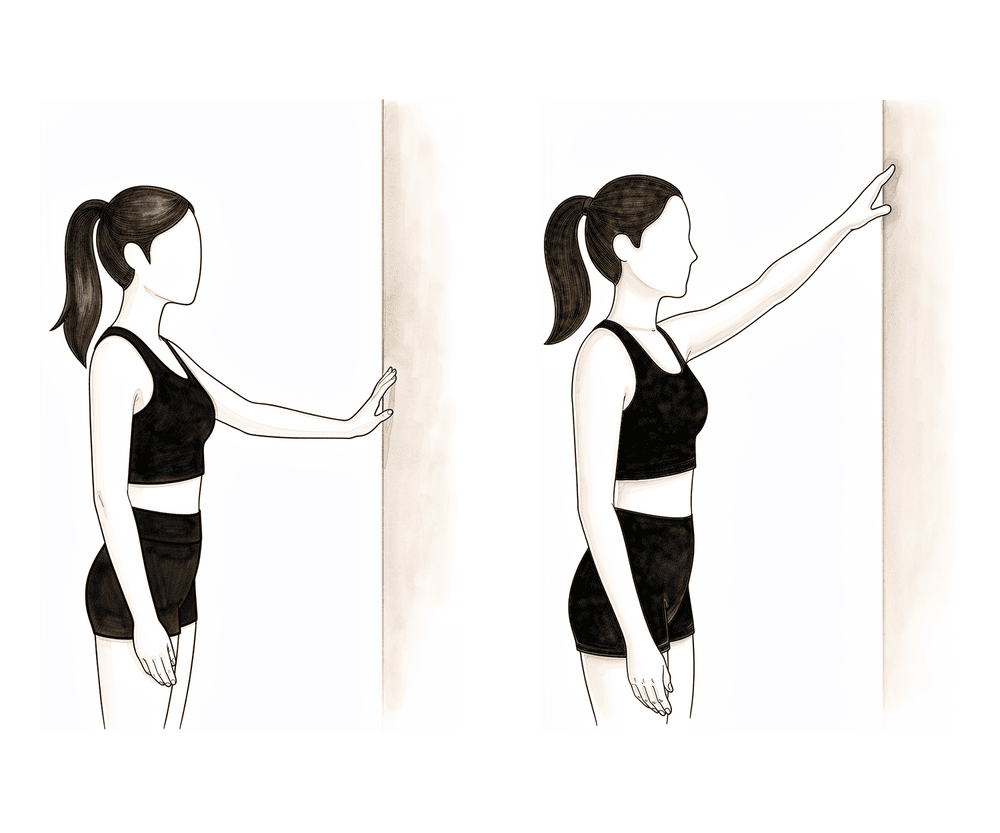
Kieran Hirpara 4.0
ਕੰਧ ਉੱਤੇ ਉਂਗਲਾਂ ਚੜ੍ਹਾਉਣਾ (wall climbs)
ਕੰਧ ਵੱਲ ਮੂੰਹ ਕਰ ਕੇ ਖੜ੍ਹੇ ਹੋਵੋ ਅਤੇ ਓਪਰੇਸ਼ਨ ਵਾਲੀ ਬਾਂਹ ਦੀਆਂ ਉਂਗਲਾਂ ਨੂੰ ਜਿੰਨਾ ਆਰਾਮ ਨਾਲ ਹੋ ਸਕੇ ਕੰਧ ਉੱਤੇ ਉੱਪਰ ਤੁਰਾਓ, ਅਤੇ ਕੰਧ ਨੂੰ ਬਾਂਹ ਉੱਪਰ ਚੁੱਕਣ ਵਿੱਚ ਮਦਦ ਕਰਨ ਦਿਓ। ਉਂਗਲਾਂ ਨੂੰ ਕਾਬੂ ਨਾਲ ਵਾਪਸ ਹੇਠਾਂ ਤੁਰਾਓ — ਬਾਂਹ ਨੂੰ ਡਿੱਗਣ ਨਾ ਦਿਓ।
ਤੁਹਾਡੇ ਫਿਜ਼ੀਓਥੈਰੇਪਿਸਟ ਦੀ ਸੇਧ ਅਨੁਸਾਰ
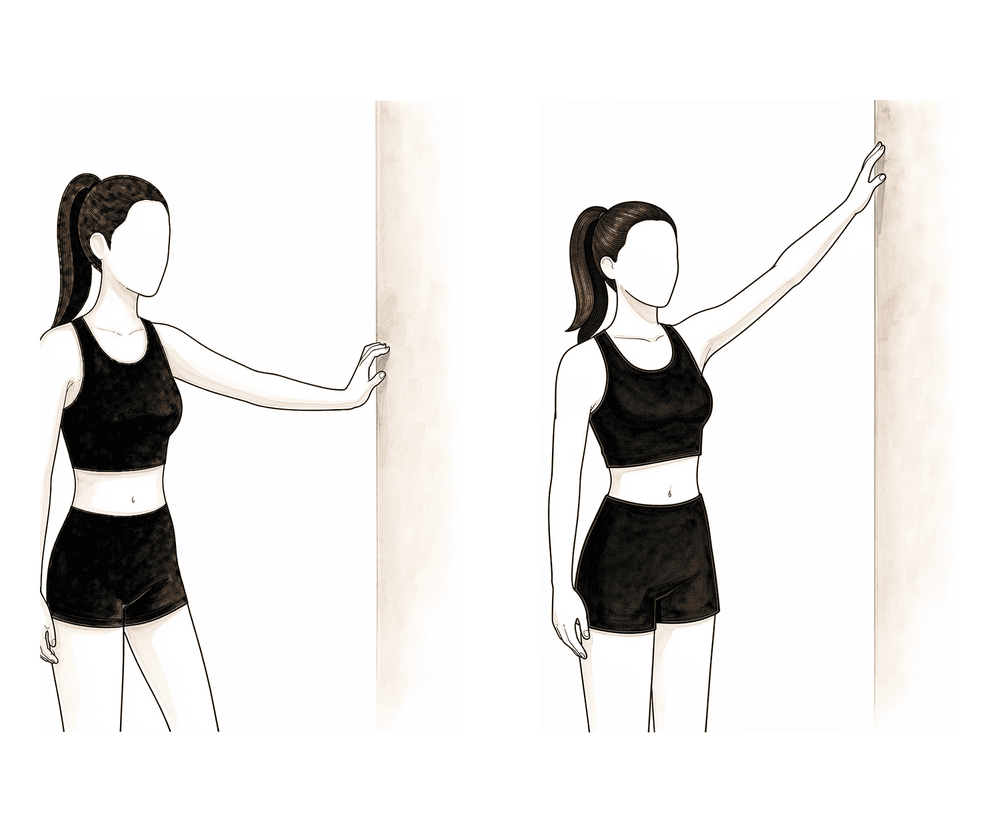
Kieran Hirpara 4.0
ਕੰਧ ਉੱਤੇ ਪਾਸੇ ਵੱਲ ਉਂਗਲਾਂ ਤੁਰਾਉਣਾ
ਕੰਧ ਵੱਲ ਪਾਸਾ ਕਰ ਕੇ ਖੜ੍ਹੇ ਹੋਵੋ ਅਤੇ ਆਪਣੀਆਂ ਉਂਗਲਾਂ ਦੇ ਪੋਟੇ ਕੰਧ ਉੱਤੇ ਟਿਕਾਓ। ਆਪਣੀਆਂ ਉਂਗਲਾਂ ਨੂੰ ਕੰਧ ਉੱਤੇ ਪਾਸੇ ਵੱਲ ਉੱਪਰ ਤੁਰਾਓ, ਬਾਂਹ ਨੂੰ ਜਿੰਨਾ ਆਰਾਮ ਨਾਲ ਹੋ ਸਕੇ ਉੱਪਰ ਚੁੱਕੋ, ਫਿਰ ਉਹਨਾਂ ਨੂੰ ਕਾਬੂ ਨਾਲ ਵਾਪਸ ਹੇਠਾਂ ਤੁਰਾਓ। ਜਦੋਂ ਤੁਸੀਂ ਪਾਸੇ ਵੱਲ ਦੀ ਹਿਲਜੁਲ ਮੁੜ ਹਾਸਲ ਕਰਦੇ ਹੋ, ਕੰਧ ਬਾਂਹ ਨੂੰ ਸਹਾਰਾ ਦਿੰਦੀ ਹੈ।
ਤੁਹਾਡੇ ਫਿਜ਼ੀਓਥੈਰੇਪਿਸਟ ਦੀ ਸੇਧ ਅਨੁਸਾਰ
ਹੁਣ ਤੱਕ ਸਲਿੰਗ ਕਾਫ਼ੀ ਪਿੱਛੇ ਰਹਿ ਚੁੱਕੀ ਹੈ। ਹਿਲਜੁਲ ਸਾਰੀਆਂ ਦਿਸ਼ਾਵਾਂ ਵਿੱਚ ਅੱਗੇ ਵਧਦੀ ਹੈ, ਜਿਸ ਵਿੱਚ ਪਹਿਲੀ ਵਾਰ ਹਲਕਾ ਪੈਸਿਵ ਅੰਦਰ ਵੱਲ ਘੁਮਾਅ (ਬਾਂਹ ਨੂੰ ਅੰਦਰ ਵੱਲ ਘੁਮਾਉਣਾ) ਵੀ ਸ਼ਾਮਲ ਹੈ, ਅਤੇ ਡੈਲਟੌਇਡ ਅਤੇ ਸਕੈਪੂਲਾ ਦੀਆਂ ਮਾਸਪੇਸ਼ੀਆਂ ਦੀ ਤਾਕਤ ਵਾਲਾ ਕੰਮ ਵਧਾਇਆ ਜਾਂਦਾ ਹੈ, ਨਾਲ ਹੀ ਪਹਿਲੀਆਂ ਮੋਟਰ-ਕੰਟਰੋਲ (motor control, ਤਾਲਮੇਲ) ਕਸਰਤਾਂ ਵੀ ਸ਼ੁਰੂ ਹੁੰਦੀਆਂ ਹਨ। ਜੋ ਪਾਬੰਦੀਆਂ ਬਾਕੀ ਹਨ: ਕੌਫ਼ੀ ਦੇ ਕੱਪ ਤੋਂ ਭਾਰੀ ਕੁਝ ਨਹੀਂ ਚੁੱਕਣਾ, ਪੈਂਟ ਦੀ ਜੇਬ ਤੋਂ ਅੱਗੇ ਪਿੱਠ ਪਿੱਛੇ ਹੱਥ ਨਹੀਂ ਲਿਜਾਣਾ, ਹੱਥਾਂ ਉੱਤੇ ਸਰੀਰ ਦਾ ਭਾਰ ਨਹੀਂ ਪਾਉਣਾ, ਅਤੇ ਬਾਂਹ ਨੂੰ ਸਰੀਰ ਦੇ ਪਿੱਛੇ ਵੱਲ ਖਿੱਚਣ ਤੋਂ ਬਚਣਾ।
ਤੁਹਾਡੇ ਫਿਜ਼ੀਓਥੈਰੇਪਿਸਟ ਲਈ:
ਟੀਚੇ
- ਦਰਦ ਘੱਟ ਤੋਂ ਘੱਟ ਕਰਨਾ
- ਮੋਢੇ ਦੀ PROM ਹੌਲੀ-ਹੌਲੀ ਅੱਗੇ ਵਧਾਉਣਾ; ਸਕੈਪੂਲਾ ਦੀ ਸੇਧ ਵਿੱਚ ਮੋਢੇ ਦੀ ਅੰਦਰ ਵੱਲ ਘੁਮਾਅ (IR) ਵਾਲੀ PROM ਸ਼ੁਰੂ ਕਰਨਾ
- ਮੋਢੇ ਦੀ AAROM ਹੌਲੀ-ਹੌਲੀ ਅੱਗੇ ਵਧਾਉਣਾ
- ਮੋਢੇ ਦੀ AROM ਹੌਲੀ-ਹੌਲੀ ਅੱਗੇ ਵਧਾਉਣਾ
- ਡੈਲਟੌਇਡ ਦੀ ਤਾਕਤ ਵਧਾਉਣ ਨੂੰ ਅੱਗੇ ਵਧਾਉਣਾ
- ਸਕੈਪੂਲਾ ਦੇ ਆਲੇ-ਦੁਆਲੇ ਦੀਆਂ ਮਾਸਪੇਸ਼ੀਆਂ ਦੀ ਤਾਕਤ ਵਧਾਉਣ ਨੂੰ ਅੱਗੇ ਵਧਾਉਣਾ
- ਮੋਟਰ-ਕੰਟਰੋਲ ਕਸਰਤਾਂ ਸ਼ੁਰੂ ਕਰਨਾ
- ਮਰੀਜ਼ ਦੀ ਸਿੱਖਿਆ
ਸਲਿੰਗ
- ਬੰਦ ਕਰੋ
ਇਲਾਜ ਪ੍ਰਬੰਧ
- ਪੜਾਅ I ਅਤੇ II ਵਾਲੇ ਇਲਾਜ ਜਾਰੀ ਰੱਖੋ
- ਹਿਲਜੁਲ ਦੀ ਰੇਂਜ / ਗਤੀਸ਼ੀਲਤਾ:
- PROM: ਸਾਰੀਆਂ ਦਿਸ਼ਾਵਾਂ ਵਿੱਚ ਪੂਰੀ; ਸਕੈਪੂਲਾ ਦੀ ਸੇਧ ਵਿੱਚ ਅੰਦਰ ਵੱਲ ਘੁਮਾਅ (IR) ਵਾਲੀ PROM ਹੌਲੀ-ਹੌਲੀ, ≤ 50 ਡਿਗਰੀ
- AAROM: ਢਲਾਣ ਵਾਲੇ ਮੇਜ਼ ਉੱਤੇ ਹੱਥ ਖਿਸਕਾਉਣਾ, ਕੰਧ ਉੱਤੇ ਉਂਗਲਾਂ ਚੜ੍ਹਾਉਣਾ (wall climbs), ਪੁਲੀ (pulleys), ਬੈਠ ਕੇ ਸੋਟੀ ਨਾਲ ਮੋਢਾ ਉੱਪਰ ਚੁੱਕਣਾ ਅਤੇ ਆਪਣੇ ਜ਼ੋਰ ਨਾਲ ਹੇਠਾਂ ਲਿਆਉਣਾ
- AROM: ਬੈਠ ਕੇ ਸਕੈਪਸ਼ਨ, ਬੈਠ ਕੇ ਫਲੈਕਸ਼ਨ, ਪਿੱਠ ਦੇ ਭਾਰ ਲੇਟ ਕੇ ਲਚਕੀਲੇ ਵਿਰੋਧ ਨਾਲ 90 ਡਿਗਰੀ ਤੱਕ ਬਾਂਹ ਅੱਗੇ ਉੱਪਰ ਚੁੱਕਣਾ
- ਤਾਕਤ ਵਧਾਉਣਾ:
- ਸਕੈਪੂਲਾ ਦੇ ਆਲੇ-ਦੁਆਲੇ: ਕਸਰਤ ਵਾਲੀ ਵੱਡੀ ਗੇਂਦ (physioball) ਉੱਤੇ ਰੋਅ (row), ਸੇਰੇਟਸ ਪੰਚ (serratus punches)
- ਡੈਲਟੌਇਡ: ਬੈਠ ਕੇ ਸੋਟੀ ਨਾਲ ਮੋਢਾ ਉੱਪਰ ਚੁੱਕਣਾ, ਬੈਠ ਕੇ ਸੋਟੀ ਨਾਲ ਮੋਢਾ ਉੱਪਰ ਚੁੱਕਣਾ ਅਤੇ ਆਪਣੇ ਜ਼ੋਰ ਨਾਲ ਹੇਠਾਂ ਲਿਆਉਣਾ, ਕੰਧ ਉੱਤੇ ਗੇਂਦ ਘੁਮਾਉਣਾ
- ਮੋਟਰ ਕੰਟਰੋਲ:
- ਪਿੱਠ ਦੇ ਭਾਰ ਲੇਟ ਕੇ ਸਕੈਪਸ਼ਨ ਦੀ ਸੇਧ ਵਿੱਚ IR/ER ਅਤੇ 90–125 ਡਿਗਰੀ ਫਲੈਕਸ਼ਨ (ਲੈਅਬੱਧ ਸਥਿਰਤਾ, rhythmic stabilisation)
- ਖਿੱਚਣਾ:
- ਇੱਕ ਪਾਸੇ ਲੇਟ ਕੇ ਬਾਂਹ ਨੂੰ ਲੇਟਵੇਂ ਰੁਖ਼ ਸਰੀਰ ਦੇ ਪਾਰ ਲਿਆਉਣਾ (horizontal adduction, ADD), ਟ੍ਰਾਈਸੈਪਸ ਅਤੇ ਲੈਟਸ (lats, ਪਿੱਠ ਦੀਆਂ ਚੌੜੀਆਂ ਮਾਸਪੇਸ਼ੀਆਂ)
ਸਾਵਧਾਨੀਆਂ
- ਪੈਂਟ ਦੀ ਜੇਬ ਤੋਂ ਅੱਗੇ ਪਿੱਠ ਪਿੱਛੇ ਹੱਥ ਨਹੀਂ ਲਿਜਾਣਾ
- ਕੌਫ਼ੀ ਦੇ ਕੱਪ ਤੋਂ ਭਾਰੀ ਕੋਈ ਚੀਜ਼ ਨਹੀਂ ਚੁੱਕਣੀ
- ਹੱਥਾਂ ਉੱਤੇ ਸਰੀਰ ਦਾ ਭਾਰ ਨਹੀਂ ਪਾਉਣਾ
- ਮੋਢੇ ਦੀ ਹਾਈਪਰਐਕਸਟੈਂਸ਼ਨ ਤੋਂ ਬਚੋ
ਅਗਲੇ ਪੜਾਅ ਵਿੱਚ ਜਾਣ ਦੀਆਂ ਸ਼ਰਤਾਂ
- ROM ਦੇ ਟੀਚੇ (PROM ਅਤੇ AROM ਦੀਆਂ ਉਮੀਦਾਂ ਹਰ ਮਰੀਜ਼ ਲਈ ਵੱਖਰੀਆਂ ਹੁੰਦੀਆਂ ਹਨ ਅਤੇ ਓਪਰੇਸ਼ਨ ਤੋਂ ਬਾਅਦ ਓਪਰੇਸ਼ਨ ਥੀਏਟਰ ਵਿੱਚ ਮਾਪੀ ਗਈ ROM ਉੱਤੇ ਨਿਰਭਰ ਕਰਦੀਆਂ ਹਨ):
- ਬਾਂਹ ਉੱਪਰ ਚੁੱਕਣਾ (elevation) ≤ 140 ਡਿਗਰੀ
- ਨਿਊਟ੍ਰਲ ਸਥਿਤੀ ਵਿੱਚ ER ≤ 30 ਡਿਗਰੀ
- ਸਕੈਪੂਲਾ ਦੀ ਸੇਧ ਵਿੱਚ IR ≤ 50 ਡਿਗਰੀ, ਜਾਂ ਪਿਛਲੀ ਜੇਬ ਤੱਕ
- ਮੋਢੇ ਦੀ AROM ਦੌਰਾਨ ਦੂਜੀਆਂ ਮਾਸਪੇਸ਼ੀਆਂ ਨਾਲ ਭਰਪਾਈ ਕਰਨ ਵਾਲੇ ਢੰਗ (substitution patterns) ਘੱਟ ਤੋਂ ਘੱਟ ਜਾਂ ਬਿਲਕੁਲ ਨਹੀਂ
- ਦਰਦ < 4/10
ਪੜਾਅ IV — ਤਬਦੀਲੀ ਵਾਲਾ ਪੜਾਅ (ਹਫ਼ਤੇ 9–11)
ਇਹ ਪੜਾਅ ਬਾਂਹ ਦੀ ਆਮ ਵਰਤੋਂ ਵੱਲ ਵਾਪਸੀ ਦਾ ਪੁਲ ਹੈ। ਹੁਣ ਪੈਸਿਵ ਹਿਲਜੁਲ ਸਾਰੀਆਂ ਦਿਸ਼ਾਵਾਂ ਵਿੱਚ ਪੂਰੀ ਹੋਣੀ ਚਾਹੀਦੀ ਹੈ, ਅਤੇ ਧਿਆਨ ਡੈਲਟੌਇਡ ਅਤੇ ਸਕੈਪੂਲਾ ਦੀਆਂ ਮਾਸਪੇਸ਼ੀਆਂ ਨੂੰ ਮਜ਼ਬੂਤ ਕਰਨ, ਹਿਲਜੁਲ ਦੌਰਾਨ ਸਥਿਰਤਾ ਅਤੇ ਤਾਲਮੇਲ ਬਣਾਉਣ, ਅਤੇ ਤਾਕਤ ਅਤੇ ਸਹਿਣਸ਼ੀਲਤਾ ਨੂੰ ਹੌਲੀ-ਹੌਲੀ ਬਹਾਲ ਕਰਨ ਵੱਲ ਚਲਾ ਜਾਂਦਾ ਹੈ, ਅਤੇ ਨਾਲ ਹੀ ਪੂਰੀਆਂ ਰੋਜ਼ਾਨਾ ਸਰਗਰਮੀਆਂ ਵਿੱਚ ਵਾਪਸੀ ਹੁੰਦੀ ਹੈ। ਇੱਕੋ ਇੱਕ ਪੱਕੀ ਪਾਬੰਦੀ: ਭਾਰੀ ਚੀਜ਼ਾਂ (5 ਕਿਲੋ ਤੋਂ ਵੱਧ) ਨਹੀਂ ਚੁੱਕਣੀਆਂ।
ਤੁਹਾਡੇ ਫਿਜ਼ੀਓਥੈਰੇਪਿਸਟ ਲਈ:
ਟੀਚੇ
- ਦਰਦ-ਰਹਿਤ ROM ਬਣਾਈ ਰੱਖਣਾ
- ਸਕੈਪੂਲਾ ਦੇ ਆਲੇ-ਦੁਆਲੇ ਦੀਆਂ ਮਾਸਪੇਸ਼ੀਆਂ ਦੀ ਤਾਕਤ ਵਧਾਉਣ ਨੂੰ ਅੱਗੇ ਵਧਾਉਣਾ
- ਡੈਲਟੌਇਡ ਦੀ ਤਾਕਤ ਵਧਾਉਣ ਨੂੰ ਅੱਗੇ ਵਧਾਉਣਾ
- ਮੋਟਰ-ਕੰਟਰੋਲ ਕਸਰਤਾਂ ਨੂੰ ਅੱਗੇ ਵਧਾਉਣਾ
- ਹਿਲਜੁਲ ਦੌਰਾਨ ਮੋਢੇ ਦੀ ਸਥਿਰਤਾ (dynamic stability) ਵਿੱਚ ਸੁਧਾਰ ਕਰਨਾ
- ਮੋਢੇ ਦੀ ਤਾਕਤ ਅਤੇ ਸਹਿਣਸ਼ੀਲਤਾ ਹੌਲੀ-ਹੌਲੀ ਬਹਾਲ ਕਰਨਾ
- ਪੂਰੀਆਂ ਕੰਮਕਾਜੀ ਸਰਗਰਮੀਆਂ ਵਿੱਚ ਵਾਪਸੀ
ਇਲਾਜ ਪ੍ਰਬੰਧ
- ਪੜਾਅ II–III ਵਾਲੇ ਇਲਾਜ ਜਾਰੀ ਰੱਖੋ
- ਹਿਲਜੁਲ ਦੀ ਰੇਂਜ / ਗਤੀਸ਼ੀਲਤਾ:
- PROM: ਸਾਰੀਆਂ ਦਿਸ਼ਾਵਾਂ ਵਿੱਚ ਪੂਰੀ ROM
- ਤਾਕਤ ਵਧਾਉਣਾ:
- ਸਕੈਪੂਲਾ ਦੇ ਆਲੇ-ਦੁਆਲੇ: ਰੈਜ਼ਿਸਟੈਂਸ ਬੈਂਡ (resistance band, ਲਚਕੀਲਾ ਵਿਰੋਧ ਵਾਲਾ ਬੈਂਡ) ਨਾਲ ਮੋਢੇ ਨੂੰ ਪਿੱਛੇ ਖਿੱਚਣਾ (extension), ਰੈਜ਼ਿਸਟੈਂਸ ਬੈਂਡ ਨਾਲ ਬੈਠ ਕੇ ਰੋਅ, ਰੋਇੰਗ (rowing), ਰੌਬਰੀ (robbery), ਲਾਅਨਮੋਅਰ (lawnmowers), ਟ੍ਰਾਈਪੌਡ (tripod), ਪੁਆਇੰਟਰ (pointer)
- ਡੈਲਟੌਇਡ: ਡੈਲਟੌਇਡ ਕਸਰਤਾਂ ਵਿੱਚ ਹੌਲੀ-ਹੌਲੀ ਵਿਰੋਧ ਜੋੜੋ
- ਮੋਟਰ ਕੰਟਰੋਲ:
- IR/ER ਅਤੇ 90–125 ਡਿਗਰੀ ਫਲੈਕਸ਼ਨ (ਲੈਅਬੱਧ ਸਥਿਰਤਾ)
- ਗੋਡਿਆਂ ਅਤੇ ਹੱਥਾਂ ਭਾਰ (quadruped) ਬਦਲਵੀਆਂ ਆਈਸੋਮੈਟ੍ਰਿਕ ਕਸਰਤਾਂ ਅਤੇ ਕੰਧ ਉੱਤੇ ਗੇਂਦ ਨਾਲ ਸਥਿਰਤਾ
- ਫੀਲਡ ਗੋਲ (field goals)
- ਪ੍ਰੋਪ੍ਰੀਓਸੈਪਟਿਵ ਨਿਊਰੋਮਸਕੂਲਰ ਫੈਸੀਲੀਟੇਸ਼ਨ (PNF): D1 ਤਿਰਛੀ ਦਿਸ਼ਾ ਵਿੱਚ ਚੁੱਕਣਾ, D2 ਤਿਰਛੀ ਦਿਸ਼ਾ ਵਿੱਚ ਚੁੱਕਣਾ
ਸਾਵਧਾਨੀਆਂ
- ਭਾਰੀ ਚੀਜ਼ਾਂ (> 5 ਕਿਲੋ) ਨਹੀਂ ਚੁੱਕਣੀਆਂ
ਅਗਲੇ ਪੜਾਅ ਵਿੱਚ ਜਾਣ ਦੀਆਂ ਸ਼ਰਤਾਂ
- ਸਾਰੀਆਂ ਕਸਰਤਾਂ ਦੌਰਾਨ ਦੋਵੇਂ ਪਾਸੇ ਇੱਕੋ ਜਿਹੀ ਸਕੈਪੂਲਾ ਦੀ ਹਿਲਜੁਲ (symmetric scapular mechanics) ਦਿਖਾਉਂਦਾ/ਦਿਖਾਉਂਦੀ ਹੈ
- ਦਰਦ < 2/10
ਪੜਾਅ V — ਉੱਨਤ ਤਾਕਤ ਵਧਾਉਣਾ (ਹਫ਼ਤੇ 12–16)
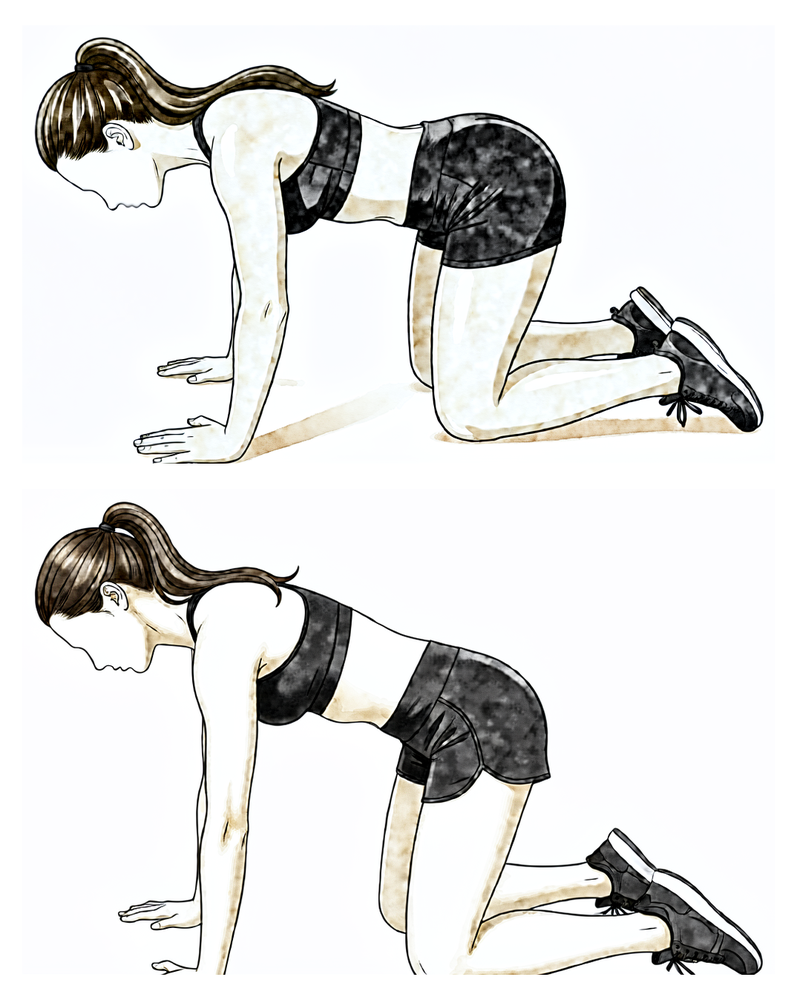
Kieran Hirpara 4.0
ਗੋਡਿਆਂ ਭਾਰ ਪੁਸ਼-ਅੱਪ ਪਲੱਸ (push-up plus)
ਗੋਡਿਆਂ ਭਾਰ ਪੁਸ਼-ਅੱਪ ਵਾਲੀ ਸਥਿਤੀ ਤੋਂ, ਹੱਥ ਮੋਢਿਆਂ ਦੇ ਹੇਠਾਂ ਰੱਖ ਕੇ, ਕੂਹਣੀਆਂ ਸਿੱਧੀਆਂ ਰੱਖੋ ਅਤੇ ਪਿੱਠ ਦੇ ਉੱਪਰਲੇ ਹਿੱਸੇ ਨੂੰ ਛੱਤ ਵੱਲ ਧੱਕੋ, ਤਾਂ ਜੋ ਮੋਢੇ ਦੀਆਂ ਪਿਛਲੀਆਂ ਚਪਟੀਆਂ ਹੱਡੀਆਂ ਇੱਕ ਦੂਜੇ ਤੋਂ ਦੂਰ ਖਿਸਕਣ, ਫਿਰ ਕਾਬੂ ਨਾਲ ਹੇਠਾਂ ਆਓ।
ਤੁਹਾਡੇ ਫਿਜ਼ੀਓਥੈਰੇਪਿਸਟ ਦੀ ਸੇਧ ਅਨੁਸਾਰ
Kieran Hirpara 4.0
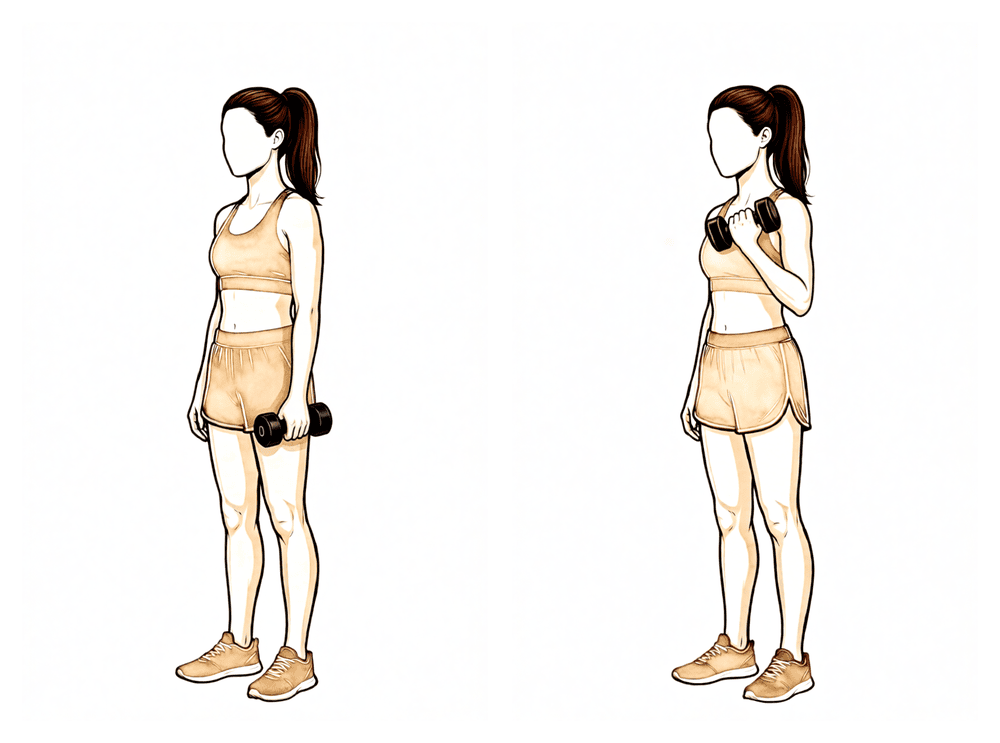
ਬਾਈਸੈਪਸ ਕਰਲ (biceps curl)
ਹਥੇਲੀ ਉੱਪਰ ਵੱਲ ਰੱਖ ਕੇ ਅਤੇ ਬਾਂਹ ਦੇ ਉੱਪਰਲੇ ਹਿੱਸੇ ਨੂੰ ਪਾਸੇ ਨਾਲ ਲਾ ਕੇ ਇੱਕ ਹਲਕਾ ਵਜ਼ਨ ਫੜੋ, ਕੂਹਣੀ ਨੂੰ ਮੋੜ ਕੇ ਹੱਥ ਨੂੰ ਮੋਢੇ ਵੱਲ ਲਿਆਓ, ਫਿਰ ਕਾਬੂ ਨਾਲ ਹੇਠਾਂ ਲਿਆਓ। ਭਾਰ ਹਲਕਾ ਰੱਖੋ — ਇਸ ਪੜਾਅ ਵਿੱਚ ਭਾਰੀ ਭਾਰ (7 ਕਿਲੋ ਤੋਂ ਵੱਧ) ਚੁੱਕਣਾ ਅਜੇ ਵੀ ਮਨ੍ਹਾ ਹੈ।
ਤੁਹਾਡੇ ਫਿਜ਼ੀਓਥੈਰੇਪਿਸਟ ਦੀ ਸੇਧ ਅਨੁਸਾਰ
ਆਖ਼ਰੀ ਪੜਾਅ ਮੋਢੇ ਨੂੰ ਰੋਜ਼ਾਨਾ ਜ਼ਿੰਦਗੀ ਲਈ ਤਿਆਰ ਕਰਦਾ ਹੈ: ਤੁਹਾਡੀ ਹਿਲਜੁਲ ਨੂੰ ਦਰਦ-ਰਹਿਤ ਰੱਖਦੇ ਹੋਏ, ਬਾਂਹ ਨੂੰ ਭਰੋਸੇ ਨਾਲ ਵਰਤਣ ਲਈ ਤਾਕਤ ਅਤੇ ਸਹਿਣਸ਼ੀਲਤਾ ਬਣਾਉਣਾ। ਜੇ ਤੁਹਾਡੇ ਮੋਢਾ ਬਦਲਣ ਦੇ ਨਾਲ ਹੀ ਰੋਟੇਟਰ ਕਫ਼ (rotator cuff) ਦੀ ਮੁਰੰਮਤ ਵੀ ਕੀਤੀ ਗਈ ਸੀ, ਤਾਂ ਰੋਟੇਟਰ ਕਫ਼ (RTC) ਦੀ ਤਾਕਤ ਵਧਾਉਣਾ ਹੁਣ ਸ਼ੁਰੂ ਹੁੰਦਾ ਹੈ। ਭਾਰ ਚੁੱਕਣ ਦੀ ਹੱਦ ਵਧ ਜਾਂਦੀ ਹੈ, ਪਰ ਭਾਰੀ ਚੀਜ਼ਾਂ (7 ਕਿਲੋ ਤੋਂ ਵੱਧ) ਅਜੇ ਵੀ ਮਨ੍ਹਾ ਹਨ। ਇਹ ਪੜਾਅ, ਅਤੇ ਪ੍ਰੋਟੋਕੋਲ, ਉਦੋਂ ਖ਼ਤਮ ਹੁੰਦਾ ਹੈ ਜਦੋਂ ਸਾਰੇ ਪੜਾਅ-ਚਿੰਨ੍ਹ ਪੂਰੇ ਹੋਣ ਤੋਂ ਬਾਅਦ ਤੁਹਾਡਾ ਸਰਜਨ ਤੁਹਾਨੂੰ ਇਜਾਜ਼ਤ ਦੇ ਦਿੰਦਾ ਹੈ।
ਤੁਹਾਡੇ ਫਿਜ਼ੀਓਥੈਰੇਪਿਸਟ ਲਈ:
ਟੀਚੇ
- ਦਰਦ-ਰਹਿਤ ROM ਬਣਾਈ ਰੱਖਣਾ
- ਜੇ ਨਾਲ ਹੀ ਮੁਰੰਮਤ ਕੀਤੀ ਗਈ ਸੀ ਤਾਂ ਰੋਟੇਟਰ ਕਫ਼ (RTC) ਦੀ ਤਾਕਤ ਵਧਾਉਣਾ ਸ਼ੁਰੂ ਕਰਨਾ
- ਮੋਢੇ ਦੀ ਤਾਕਤ ਅਤੇ ਸਹਿਣਸ਼ੀਲਤਾ ਵਿੱਚ ਸੁਧਾਰ ਕਰਨਾ
- ਉੱਪਰਲੇ ਅੰਗ ਦੀ ਕੰਮਕਾਜੀ ਵਰਤੋਂ ਨੂੰ ਵਧਾਉਣਾ
ਇਲਾਜ ਪ੍ਰਬੰਧ
- ਪੜਾਅ II–IV ਵਾਲੇ ਇਲਾਜ ਜਾਰੀ ਰੱਖੋ
- ਤਾਕਤ ਵਧਾਉਣਾ:
- ਸਕੈਪੂਲਾ ਦੇ ਆਲੇ-ਦੁਆਲੇ: ਗੋਡਿਆਂ ਭਾਰ ਪੁਸ਼-ਅੱਪ ਪਲੱਸ (push-up plus), "W" ਕਸਰਤ, ਰੈਜ਼ਿਸਟੈਂਸ ਬੈਂਡ ਨਾਲ W, ਮੂੰਹ ਭਾਰ ਲੇਟ ਕੇ ਮੋਢੇ ਨੂੰ ਪਿੱਛੇ ਖਿੱਚਣ ਵਾਲੀ "I" ਕਸਰਤ (prone shoulder extension Is), ਡਾਇਨੈਮਿਕ ਹੱਗ (dynamic hug), ਰੈਜ਼ਿਸਟੈਂਸ ਬੈਂਡ ਨਾਲ ਡਾਇਨੈਮਿਕ ਹੱਗ, ਰੈਜ਼ਿਸਟੈਂਸ ਬੈਂਡ ਨਾਲ ਅੱਗੇ ਵੱਲ ਮੁੱਕਾ, ਅੱਗੇ ਵੱਲ ਮੁੱਕਾ, T ਅਤੇ Y, "T" ਕਸਰਤ
- ਡੈਲਟੌਇਡ: ਕੰਮਕਾਜੀ ਸਥਿਤੀਆਂ ਵਿੱਚ ਵਿਰੋਧ ਵਾਲੇ ਫਲੈਕਸ਼ਨ ਅਤੇ ਸਕੈਪਸ਼ਨ ਨੂੰ ਹੌਲੀ-ਹੌਲੀ ਵਧਾਉਣਾ ਜਾਰੀ ਰੱਖੋ
- ਕੂਹਣੀ: ਬਾਈਸੈਪਸ ਕਰਲ (bicep curl), ਰੈਜ਼ਿਸਟੈਂਸ ਬੈਂਡ ਨਾਲ ਬਾਈਸੈਪਸ ਕਰਲ, ਅਤੇ ਟ੍ਰਾਈਸੈਪਸ
- ਰੋਟੇਟਰ ਕਫ਼: ਅੰਦਰ/ਬਾਹਰ ਵੱਲ ਘੁਮਾਉਣ ਦੀਆਂ ਆਈਸੋਮੈਟ੍ਰਿਕ ਕਸਰਤਾਂ, ਇੱਕ ਪਾਸੇ ਲੇਟ ਕੇ ਬਾਹਰ ਵੱਲ ਘੁਮਾਉਣਾ, ਖੜ੍ਹੇ ਹੋ ਕੇ ਰੈਜ਼ਿਸਟੈਂਸ ਬੈਂਡ ਨਾਲ ਬਾਹਰ ਵੱਲ ਘੁਮਾਉਣਾ, ਖੜ੍ਹੇ ਹੋ ਕੇ ਰੈਜ਼ਿਸਟੈਂਸ ਬੈਂਡ ਨਾਲ ਅੰਦਰ ਵੱਲ ਘੁਮਾਉਣਾ, ਅੰਦਰ ਵੱਲ ਘੁਮਾਉਣਾ, ਬਾਹਰ ਵੱਲ ਘੁਮਾਉਣਾ, ਇੱਕ ਪਾਸੇ ਲੇਟ ਕੇ ABD ਤੋਂ ਖੜ੍ਹੇ ਹੋ ਕੇ ABD ਵੱਲ ਵਧਣਾ
- ਮੋਟਰ ਕੰਟਰੋਲ:
- ਰੈਜ਼ਿਸਟੈਂਸ ਬੈਂਡ ਨਾਲ PNF ਢੰਗ, ਵਿਰੋਧ ਨਾਲ PNF D1 ਤਿਰਛੀ ਦਿਸ਼ਾ ਵਿੱਚ ਚੁੱਕਣਾ, ਤਿਰਛਾ-ਉੱਪਰ, ਤਿਰਛਾ-ਹੇਠਾਂ, ਰੈਜ਼ਿਸਟੈਂਸ ਬੈਂਡ ਨਾਲ ਕੰਧ ਉੱਤੇ ਹੱਥ ਖਿਸਕਾਉਣਾ
ਸਾਵਧਾਨੀਆਂ
- ਭਾਰੀ ਚੀਜ਼ਾਂ (> 7 ਕਿਲੋ) ਨਹੀਂ ਚੁੱਕਣੀਆਂ
ਅਗਲੇ ਪੜਾਅ ਵਿੱਚ ਜਾਣ ਦੀਆਂ ਸ਼ਰਤਾਂ
- ਸਰਜਨ ਵੱਲੋਂ ਇਜਾਜ਼ਤ, ਅਤੇ ਪੜਾਅ-ਚਿੰਨ੍ਹਾਂ ਦੀਆਂ ਸਾਰੀਆਂ ਸ਼ਰਤਾਂ ਪੂਰੀਆਂ ਹੋ ਗਈਆਂ ਹਨ
- ਦਰਦ-ਰਹਿਤ PROM ਅਤੇ AROM ਬਣਾਈ ਰੱਖਦਾ/ਰੱਖਦੀ ਹੈ
- ਸਾਰੀਆਂ ਕਸਰਤਾਂ ਦੌਰਾਨ ਦੋਵੇਂ ਪਾਸੇ ਇੱਕੋ ਜਿਹੀ ਸਕੈਪੂਲਾ ਦੀ ਹਿਲਜੁਲ ਦਿਖਾਉਂਦਾ/ਦਿਖਾਉਂਦੀ ਹੈ
- QuickDASH ਅਤੇ ASES ਮਰੀਜ਼ ਵੱਲੋਂ ਭਰੇ ਜਾਣ ਵਾਲੇ ਨਤੀਜਾ ਮਾਪ (patient-reported outcome measures)
ਤੁਹਾਡੇ ਪ੍ਰੋਟੋਕੋਲ ਤੋਂ ਬਾਅਦ
ਇਹ ਪ੍ਰੋਟੋਕੋਲ ਕਲੀਨਿਕ ਦੀ ਸਿਹਤਯਾਬੀ ਬਾਰੇ ਆਮ ਸਲਾਹ ਦੇ ਨਾਲ ਕੰਮ ਕਰਦਾ ਹੈ: ਦੇਖੋ ਓਪਰੇਸ਼ਨ ਤੋਂ ਬਾਅਦ ਦੇ ਦਰਦ ਨੂੰ ਸੰਭਾਲਣਾ ਅਤੇ ਜ਼ਖ਼ਮ ਦੀ ਦੇਖਭਾਲ। ਓਪਰੇਸ਼ਨ ਬਾਰੇ ਜਾਣਨ ਲਈ, ਦੇਖੋ ਰਿਵਰਸ ਮੋਢਾ ਬਦਲਣ ਦੀ ਸਰਜਰੀ।
ਇਸ ਪ੍ਰੋਟੋਕੋਲ ਪਿੱਛੇ ਕਲੀਨਿਕਲ ਸਬੂਤ (ਪ੍ਰਕਾਸ਼ਿਤ ਰੀਹੈਬਿਲੀਟੇਸ਼ਨ ਅਧਿਐਨ, ਸਲਿੰਗ ਅਤੇ ਹਿਲਜੁਲ ਦੇ ਨਿਯਮਾਂ ਦਾ ਕਾਰਨ, ਅਤੇ ਖੋਜ ਦੇ ਹਵਾਲੇ) ਨਾਲ ਦਿੱਤੇ ਗਏ ਸਬੂਤਾਂ ਦੇ ਸਾਰ ਵਿੱਚ ਦਿੱਤੇ ਗਏ ਹਨ (ਡਾਊਨਲੋਡ ਕਰਨ ਯੋਗ PDF ਵਜੋਂ ਉਪਲਬਧ)।
Evidence & references
This is the clinical evidence summary written for health professionals. It is technical, and it lists the research this page was built from. You do not need to read it to understand your treatment or to make a decision about it.
Topic scope: Post-operative rehabilitation after elective reverse total shoulder arthroplasty (RSA / rTSA) for rotator-cuff-tear arthropathy, glenohumeral arthritis with an irreparable cuff, or a massive irreparable cuff tear — not the acute proximal-humerus-fracture indication, where tuberosity healing imposes its own restrictions. The evidence base for the operation (when RSA is indicated, implant survivorship, complication profile) is extensive; the evidence base for the rehabilitation protocol is smaller but, unusually for shoulder surgery, now includes several randomised trials directly comparing immobilisation strategies.
Defining principle of this rehab: RSA rehabilitation is comparatively permissive and is increasingly run on an accelerated footing. Two features of the reconstructed joint explain why. First, the deltoid — not the rotator cuff — drives elevation after RSA; the design medialises and lowers the centre of rotation so the deltoid can elevate an arm that has no functioning cuff. Second, there is usually no subscapularis repair to protect (and many surgeons deliberately leave it unrepaired with a lateralised implant), so the external-rotation restriction that dominates anatomic-TSA rehab is far less central here. The principal early caution is therefore not tissue healing but component stability: a reverse prosthesis can dislocate, and the at-risk position is the combination of extension + adduction + internal rotation (the hand-behind-the-back / tucking-in-a-shirt movement). Early rehab accordingly protects against that position while otherwise encouraging motion. The sling is largely for comfort, support and dislocation-avoidance, and the published trial evidence shows that shortening or even omitting it does not increase the dislocation or complication rate.
Surgeon's protocol note: Dr Hirpara's protocol on this page is run on an accelerated footing, directly aligned with the randomised and cohort evidence below: a short ~2-week comfort sling (weaned off during the day; optional brief night use), active-assisted and active shoulder motion from the start (within defined limits, beginning supine/gravity-assisted), and deltoid + periscapular strengthening from ~week 4. The main early constraint is component stability, so the extension + adduction + internal-rotation (hand-behind-back) dislocation position is avoided for the first ~6 weeks while motion is otherwise encouraged. Elevation after RSA is deltoid-driven, which is why strengthening is deltoid- and periscapular-focused. Follow the protocol your surgeon has set.
The operation, in brief
In a reverse replacement the normal anatomy is inverted: a ball (glenosphere) is fixed to the shoulder blade and a cup is fixed to the top of the arm bone. This moves the joint's pivot point down and in, which lengthens and tensions the deltoid and lets that muscle lift the arm even when the rotator cuff is gone — the situation in cuff-tear arthropathy. Because the implant, not the patient's own cuff, provides stability and power, the rehabilitation logic differs fundamentally from a cuff repair (where a healing tendon must be protected) and from an anatomic replacement (where a repaired subscapularis must be protected).
Evidence by theme
1. Early / accelerated motion is safe — multiple randomised trials
This is the best-supported part of RSA rehabilitation, and it is unusually strong for a shoulder rehab question because it rests on randomised controlled trials, not just consensus:
- Hagen et al. (2020), single-blind RCT, 107 shoulders — randomised to immediate physical therapy (passive + active ROM from the start) versus 6-week delayed therapy. No difference in final ROM, patient-reported outcomes, or dislocation/complication rate (early 7.1% vs delayed 9.1%). [RAG corpus — 10.1016/j.jse.2020.11.017]
- Edwards / "two rehabilitation approaches" RCT, 61 patients (63 shoulders) — early active (submaximal isometric deltoid work from week 2) versus delayed active rehab, both with a 6-week sling. Pain and overall function were equivalent at 3, 6 and 12 months, but the early-active group had significantly better active forward flexion at 3 months (p = 0.019) — i.e. earlier functional gain without added risk. [Literature — PMC8512973]
- Lee et al. (2021), 357 shoulders — randomised to no immobilisation / early motion, 3-week sling, or 6-week sling. No difference in patient-reported outcomes, satisfaction, pain or ROM; the immediate-motion group had the lowest overall complication rate (reported as ~4% vs ~24.6% in the 6-week cohort in the pooled systematic-review re-analysis). [via Sachinis 2024 SR]
A systematic review (Sachinis et al., 2024; 3 controlled trials, ~527 shoulders) concluded that accelerated rehabilitation is safe and yields equivalent 12-month outcomes, while cautioning that protocols should still be individualised by bone quality, age, diagnosis and surgical complexity rather than applied uniformly. [Literature — PMC11034463]
Evidence: MODERATE–STRONG (several RCTs + SR), though individual trials are modest in size.
2. Sling duration can be shortened without added risk
- A large retrospective cohort (960 patients) compared 2-week vs 6-week sling immobilisation after RSA and found no difference in complication rate (12.0% vs 15.0%, p = 0.21), dislocation rate (p = 0.79), acromial stress fracture, loosening or infection; final flexion and ER were equivalent. The authors concluded shorter immobilisation does not incur additional risk. [Literature — PMC10638591]
- Published institutional protocols (e.g. Massachusetts General Brigham) have themselves moved from a 6-week to a 4-week sling standard, attributing the change to improved implant design. [Published protocol — MGH Sports Medicine]
Evidence: MODERATE (one large cohort + protocol trend; the question is now whether 6 weeks is necessary, not whether it is safe).
3. The deltoid drives recovery — and formal active PT may add little
Because elevation depends on deltoid recruitment (with documented compensatory recruitment of upper trapezius, latissimus and posterior deltoid), strengthening is deltoid- and periscapular-focused rather than cuff-focused. Notably, a multicentre RCT found that a formal active physical-therapy programme did not improve outcomes over a home/self-directed programme after RSA — many patients recover well with a structured home programme and physiotherapist supervision rather than intensive hands-on active therapy. [RAG corpus — 10.1016/j.jse.2022.12.011] This supports a pragmatic, education-and-home-exercise model.
Evidence: MODERATE (RCT).
4. Dislocation: low but real, and the early protective position is specific
Dislocation is the relevant early stability complication (as opposed to the tissue-healing concern of a cuff repair). Corpus series on dislocation following RSA identify the at-risk position as adduction + internal rotation + extension, and identify subscapularis insufficiency and implant/soft-tissue tensioning as contributors to instability. [RAG corpus — 10.1016/j.jse.2016.12.073; 10.1016/j.jse.2008.12.013] This is precisely why early protocols — accelerated or conservative — restrict reaching behind the back and forced internal rotation while otherwise allowing supported elevation. The role of routine subscapularis repair in preventing dislocation is debated and interacts with glenosphere lateralisation (a lateralised design appears less reliant on subscapularis repair for stability). [RAG corpus — 10.5435/jaaos-d-16-00781]
Evidence: MODERATE (cohort/registry); the precaution itself is universal consensus.
5. Contrast with anatomic TSA rehabilitation
The American Society of Shoulder and Elbow Therapists (ASSET) consensus on anatomic TSA rehab centres on protecting the subscapularis repair — limiting passive external rotation and active internal rotation for ~6 weeks. [RAG corpus — 10.1016/j.jse.2020.05.019] After RSA that specific constraint is usually absent or much reduced (no cuff repair to protect; subscapularis often not repaired), which is the structural reason RSA rehab is more permissive in external rotation while being more attentive to the dislocation-position combination.
Phased post-operative timeline
This table reflects Dr Hirpara's protocol on this page (the accelerated, ~2-week-sling approach). The right-hand column notes the published evidence that the protocol is grounded in.
| Phase | Window | Sling | Shoulder motion | Strengthening | Accelerated-evidence basis |
|---|---|---|---|---|---|
| I — Protection | Week 0–3 | Comfort/support; wean off during the day from ~2 weeks; optional brief night use | Active-assisted and active as tolerated from the start (begin supine/gravity-assisted; ER in scapular plane to tolerance; flexion/scaption ≤120°; abduction ≤90°); no IR, no reaching behind back, avoid the dislocation position; elbow/wrist/hand active | — | RCTs show early active/AAROM from the start carries no added dislocation/complication risk (Hagen 2020; Edwards) |
| II — Intermediate | Week 4–6 | Off during the day; optional brief night use | Progress AAROM and AROM | Periscapular + deltoid activation and strengthening initiated (~week 4) | Early active deltoid work gives earlier functional gain without added risk (Edwards) |
| III — Intermediate cont. | Week 7–8 | Discontinued | Progress AROM all planes; first gentle passive IR in scapular plane (≤50°) | Deltoid + periscapular progressed; motor control | Cohort data: 2-week sling non-inferior to 6 weeks (no extra dislocations) |
| IV — Transitional | Week 9–11 | — | Full passive ROM all planes | Resisted deltoid/periscapular; dynamic stability; PNF; no lifting >5 kg | — |
| V — Advanced strengthening | Week 12–16 | — | Maintain pain-free full ROM | Add rotator-cuff strengthening if a cuff repair was done; functional loading; no lifting >7 kg | Resisted IR / eccentric / closed-chain typically from ~12 weeks |
Return-to-activity anchors (from this protocol): driving ~6 weeks; light lifting from 6 weeks but no heavy lifting for ~6 months; swimming (breaststroke) 8 weeks / freestyle 12 weeks; golf ~3 months; sedentary work 6 weeks, manual work surgeon-guided. Published sport-return data after RSA are encouraging for low-impact activity (≈60–86% return; swimming ~84%, golf/fitness ~77%) but caution against high-impact and contact sport given prosthesis-loading and revision concerns. [Literature — PMC10043097]
Key controversies / evidence quality
-
Accelerated vs conservative rehab — and where this protocol sits. The randomised evidence shows early motion and shorter (or no) immobilisation are safe and may give earlier functional gain, with equivalent 12-month outcomes. Dr Hirpara's ~2-week comfort sling, active-assisted/active motion from the start, strengthening from ~week 4 protocol aligns with this accelerated evidence. The systematic review still endorses individualisation (bone quality, fixation, intra-operative stability, soft-tissue tensioning, any concomitant cuff repair), so the surgeon may dial the plan back for a borderline-stable construct, softer bone, or a concomitant repair. The prescribed plan is the one to follow.
-
Immobilisation duration. Trial and large-cohort data show 2–4 weeks is non-inferior to 6 weeks for dislocation and complications, which is why this protocol uses a short ~2-week comfort sling. Longer 6-week protocols persist elsewhere out of surgeon preference and construct-specific factors, with the low absolute dislocation rate making the question hard to power definitively.
-
Precautions. The extension + adduction + internal rotation (hand-behind-back) restriction is near-universal consensus early on; the disagreement is about how long, and how much external-rotation freedom to allow (more than anatomic TSA, but bounded by soft-tissue tension).
-
Subscapularis repair. Whether to repair it — and whether repair reduces dislocation — interacts with glenosphere lateralisation and remains debated; this in turn influences how restrictive early rehab needs to be.
-
Active physiotherapy intensity. At least one RCT found formal active PT did not beat a structured home programme, supporting an education-led, home-exercise model with physiotherapist oversight rather than intensive hands-on therapy.
Evidence-strength flags (summary)
- MODERATE–STRONG (RCT / SR): accelerated/early-motion rehab is safe with equivalent 12-month outcomes (Hagen 2020 RCT; Edwards RCT; Lee 2021; Sachinis 2024 SR); formal active PT not superior to home programme (multicentre RCT).
- MODERATE (large cohort): 2-week sling non-inferior to 6-week sling for dislocation/complications (960-patient cohort); deltoid-driven recovery biomechanics.
- CONSENSUS / WEAK: the dislocation-position precaution (universal but not trial-quantified for duration); the specific phase timings of this protocol (drawn from published institutional protocols + surgeon preference, not a head-to-head rehab RCT); subscapularis-repair effect on instability (conflicting cohort data).
Citations
RAG corpus (180,000+ Orthopaedic articles) — real DOIs returned by search
- Hagen MS, et al. Accelerated rehabilitation following reverse total shoulder arthroplasty. J Shoulder Elbow Surg / Semin Arthroplasty. 2021. DOI: 10.1016/j.jse.2020.11.017
- Active physical therapy does not improve outcomes after reverse total shoulder arthroplasty: a multi-center, randomized clinical trial. J Shoulder Elbow Surg. 2023. DOI: 10.1016/j.jse.2022.12.011
- Kennedy J, et al. The American Society of Shoulder and Elbow Therapists' consensus statement on rehabilitation for anatomic total shoulder arthroplasty. J Shoulder Elbow Surg. 2020. DOI: 10.1016/j.jse.2020.05.019
- Dislocation following reverse total shoulder arthroplasty. J Shoulder Elbow Surg. 2017. DOI: 10.1016/j.jse.2016.12.073
- Edwards TB, et al. Subscapularis insufficiency and the risk of shoulder dislocation after reverse shoulder arthroplasty. J Shoulder Elbow Surg. 2009. DOI: 10.1016/j.jse.2008.12.013
- Clinical Outcomes After Reverse Shoulder Arthroplasty With and Without Subscapularis Repair: The Importance of Considering Glenosphere Lateralization. J Am Acad Orthop Surg. 2018. DOI: 10.5435/jaaos-d-16-00781
Literature (URLs)
- Sachinis NP, et al. Can we accelerate rehabilitation following reverse shoulder arthroplasty? A systematic review. Shoulder Elbow. 2024. https://pmc.ncbi.nlm.nih.gov/articles/PMC11034463/
- A randomised trial comparing two rehabilitation approaches following reverse total shoulder arthroplasty (early active vs delayed active). 2021. https://pmc.ncbi.nlm.nih.gov/articles/PMC8512973/
- No difference in complications between two-week vs. six-week duration of sling immobilization after reverse total shoulder arthroplasty (960-patient cohort). 2023. https://www.ncbi.nlm.nih.gov/pmc/articles/PMC10638591/
- Optimizing Outcomes After Reverse Total Shoulder Arthroplasty: Rehabilitation, Expected Outcomes, and Maximizing Return to Activities. 2023. https://pmc.ncbi.nlm.nih.gov/articles/PMC10043097/
- Kim Y-T, et al. Four weeks of immobilisation after reverse shoulder arthroplasty yields outcomes comparable to six weeks. Clin Shoulder Elb. 2024. https://www.ncbi.nlm.nih.gov/pmc/articles/PMC11546419/
Published rehabilitation protocols (basis for the phase structure)
- Massachusetts General Brigham Sports Medicine. Rehabilitation Protocol for Reverse Shoulder Arthroplasty. Revised December 2018. https://www.massgeneral.org/assets/mgh/pdf/orthopaedics/sports-medicine/physical-therapy/rehabilitation-protocol-for-reverse-shoulder-arthroplasty.pdf
- Brigham and Women's Hospital. Reverse Total Shoulder Arthroplasty Protocol. https://www.brighamandwomens.org/assets/BWH/patients-and-families/pdfs/shoulder--reverse-total-shoulder-arthroplasty-protocol.pdf





