
Exercícios para pacientes internados — liberação capsular e descompressão subacromial Folheto
Estes são os exercícios suaves a serem iniciados no hospital após uma liberação capsular ou uma descompressão subacromial. Para essas cirurgias, a prioridade é manter o movimento do ombro livre.
Seus exercícios
Kieran Hirpara 4.0
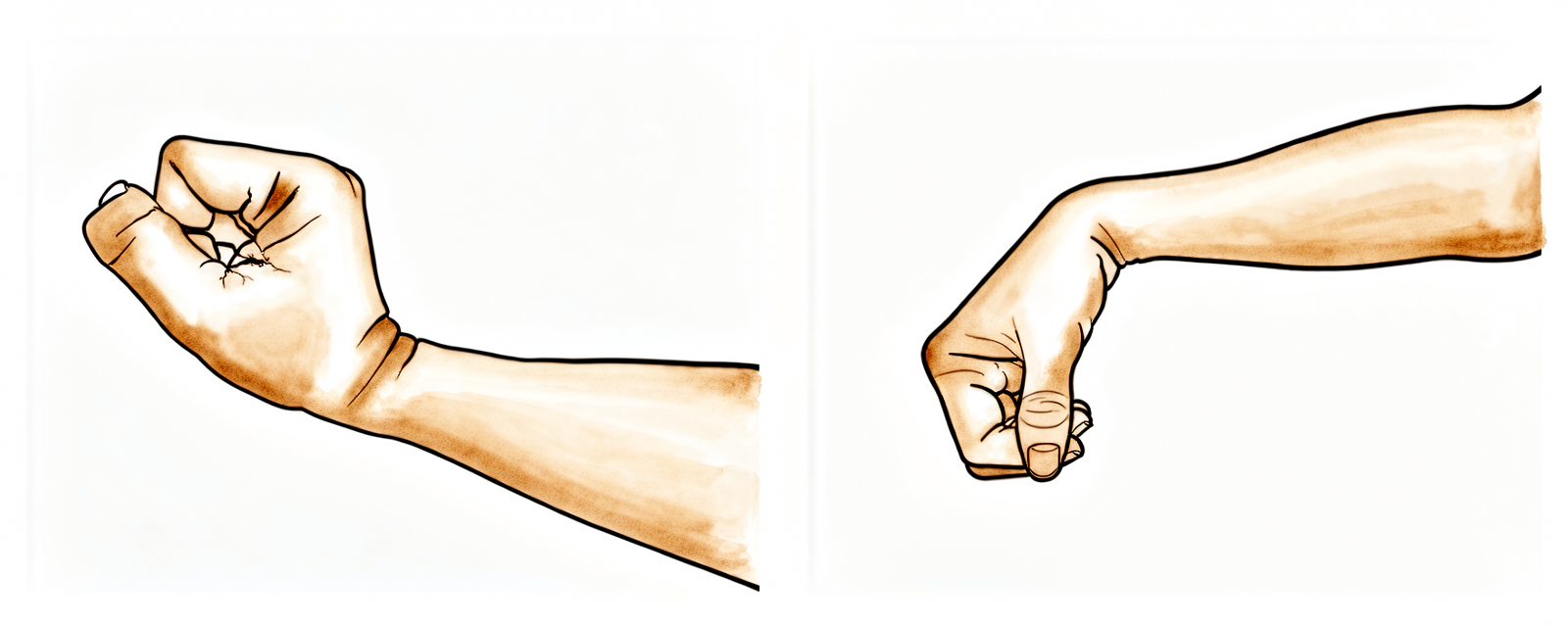
Movimento do punho
Mantenha a mão em movimento, dobrando o punho para a frente, para trás e para os lados.
10 vezes, 3 vezes por dia.
Kieran Hirpara 4.0
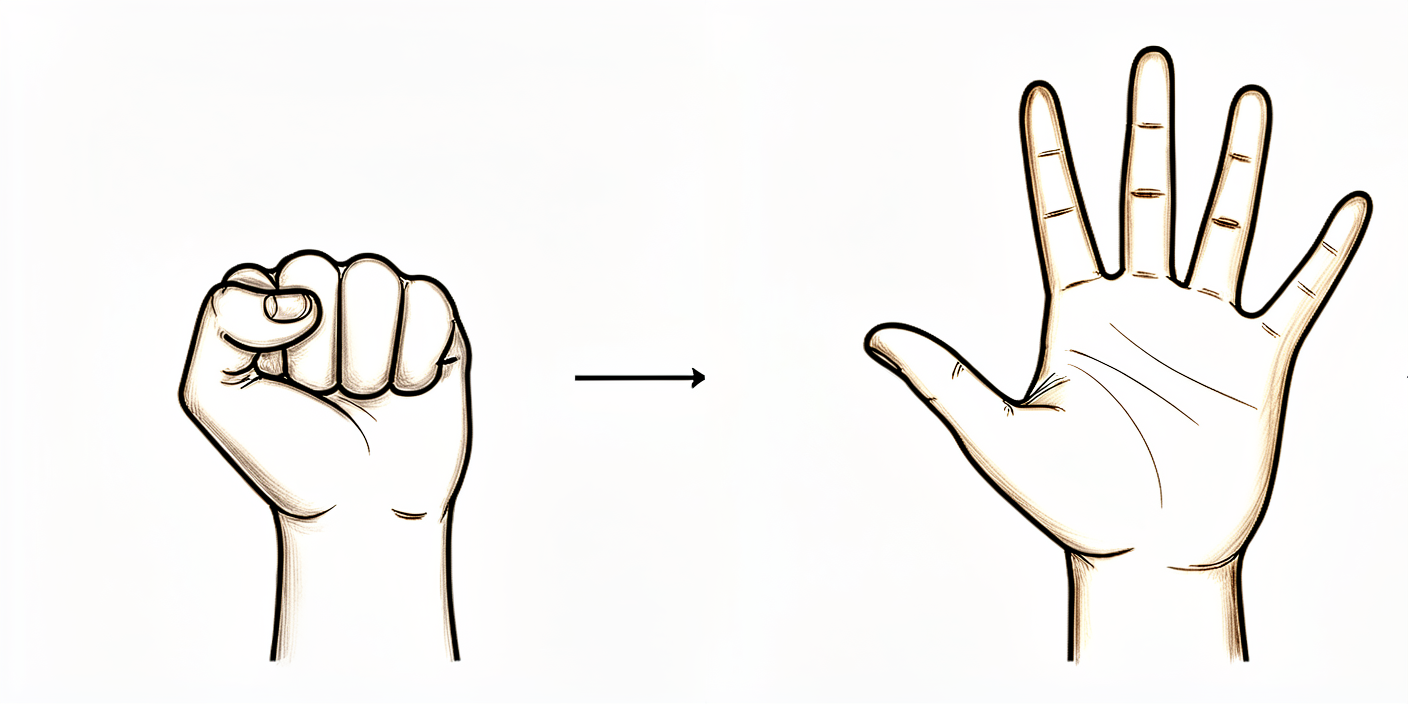
Abrir e fechar a mão
Mantenha a mão e os dedos em movimento, abrindo e fechando-os ou apertando uma bola antiestresse.
10 vezes, 3 vezes por dia.
Kieran Hirpara 4.0
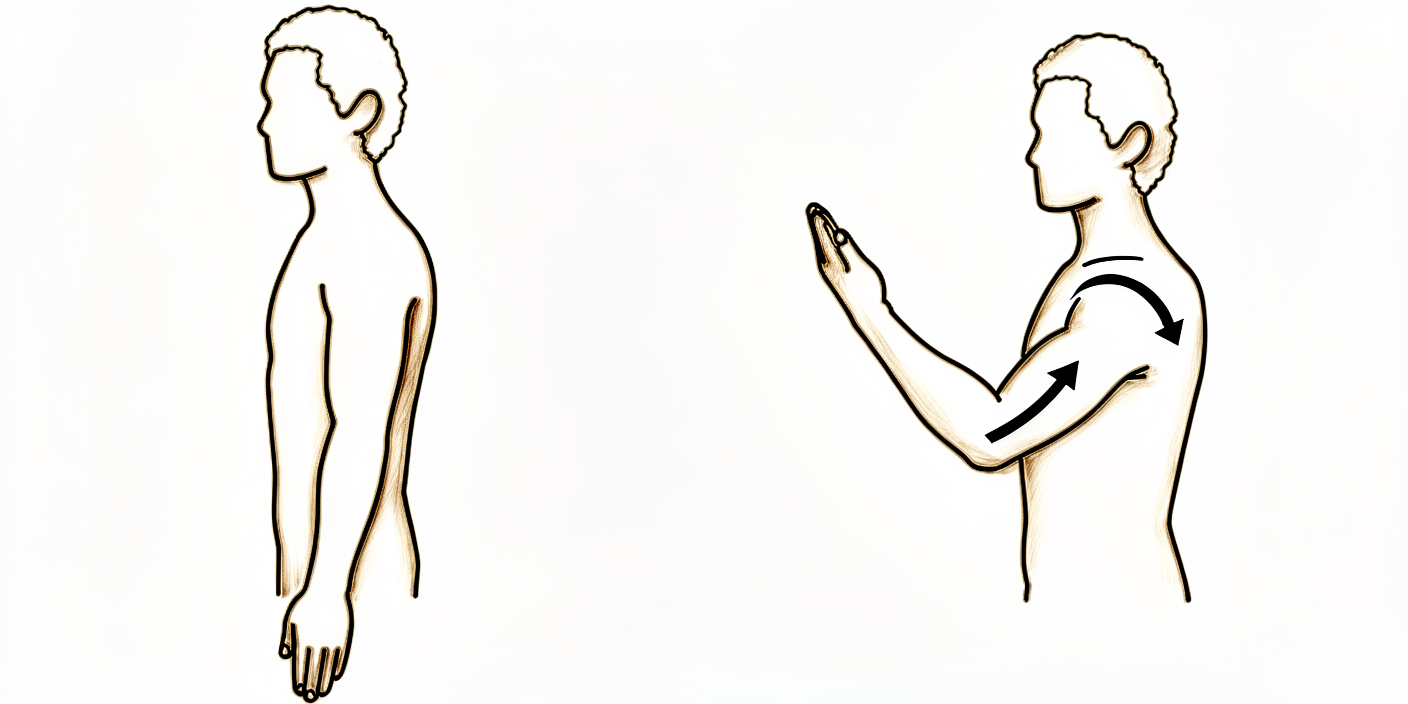
Flexão do cotovelo
Flexione e estenda o cotovelo.
10 vezes, 3 vezes por dia.
Kieran Hirpara 4.0
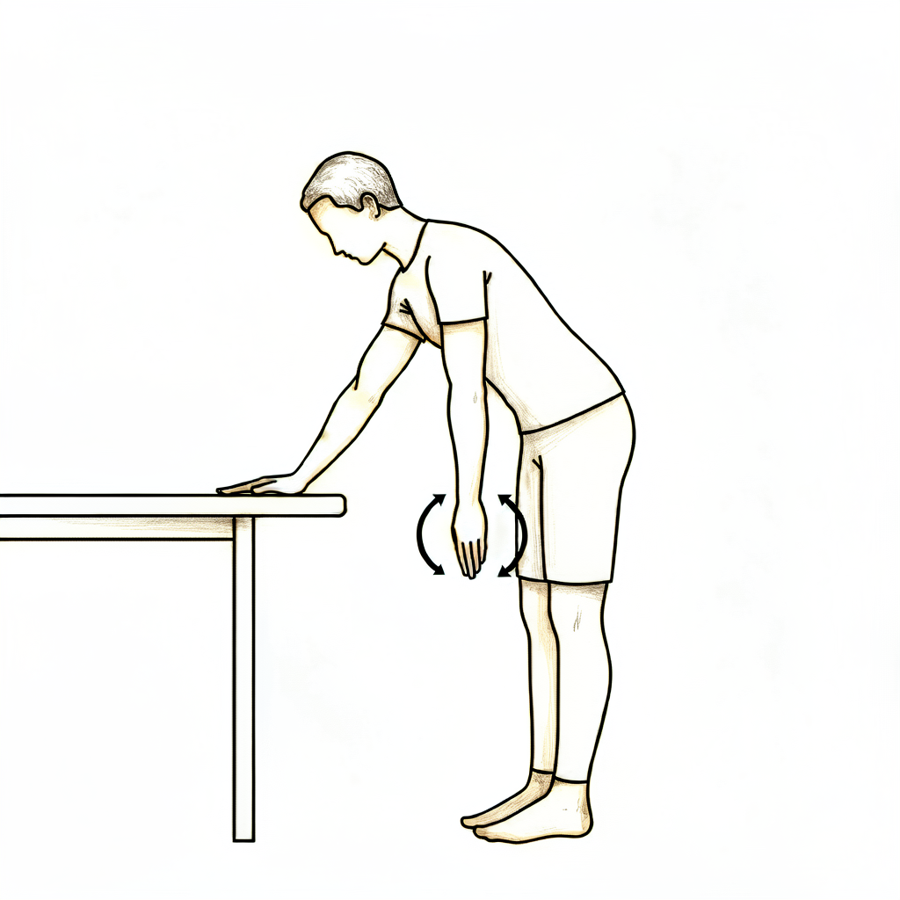
Pêndulos
Este é um exercício passivo. Incline-se para a frente e deixe o braço relaxar. Use o corpo para mover o braço suavemente, tanto no sentido horário quanto anti-horário, além de para a frente, para trás e para os lados.
Cerca de 30 segundos em cada direção, 3 vezes por dia.
Kieran Hirpara 4.0
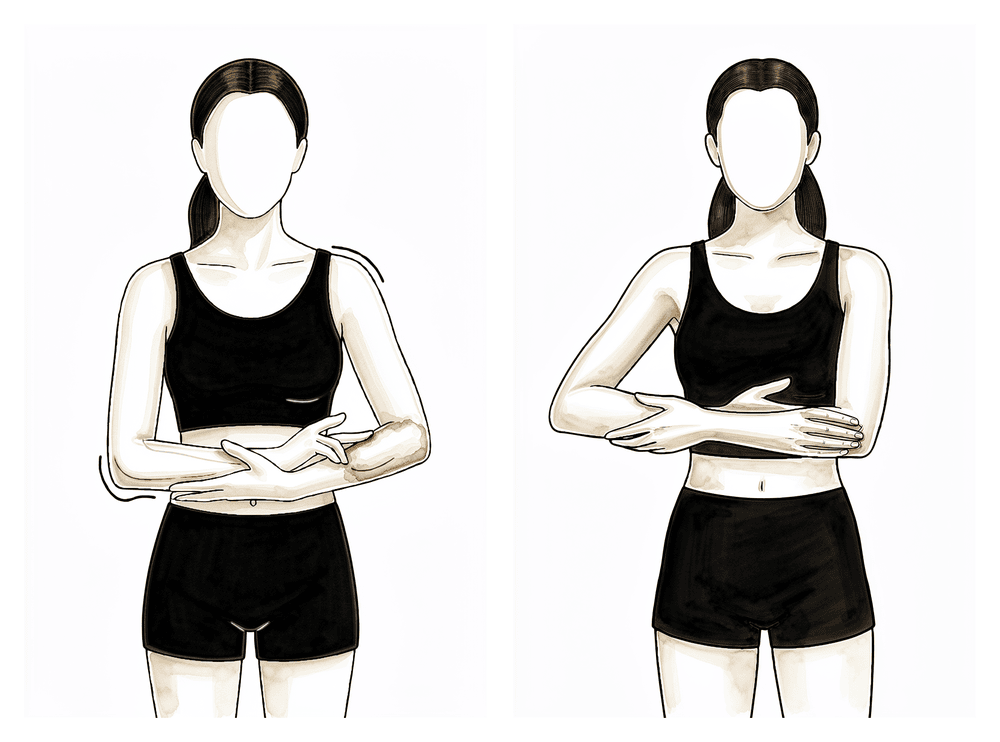
Abdução assistida
Sentado numa cadeira e inclinado para a frente, segure o braço operado com cuidado e ajude-o a ser levado para o lado (como quem embala um bebê).
10 vezes, 3 vezes por dia.
Kieran Hirpara 4.0
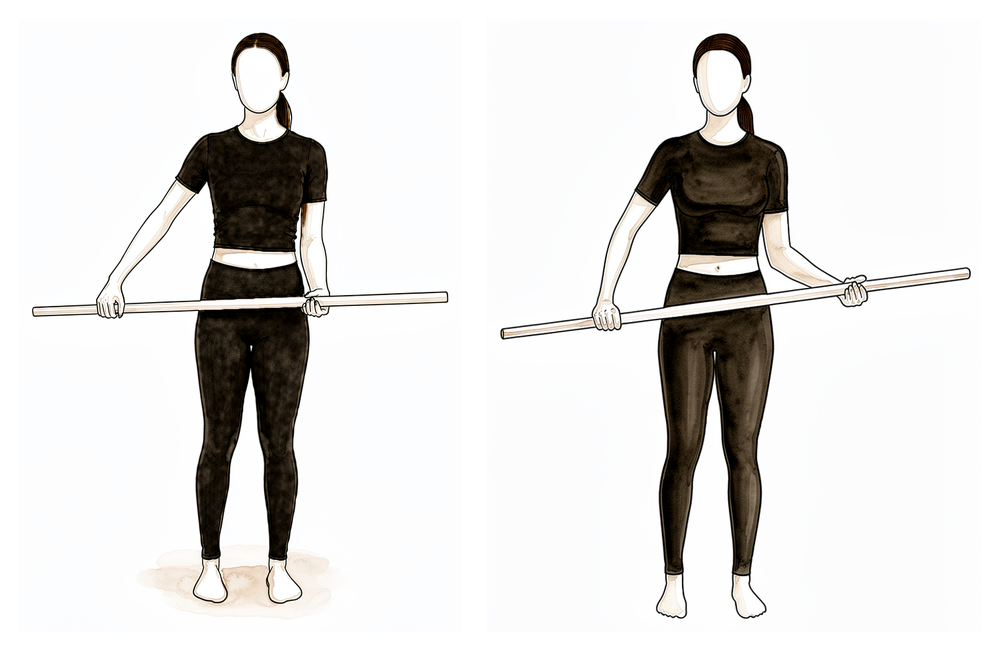
Rotação externa assistida com uma vara
Deite-se de costas, com o cotovelo junto ao corpo e dobrado em um ângulo reto. Segure uma vara com as duas mãos e use o braço saudável para girar a mão operada para fora, fazendo a rotação do ombro. Após essa operação, não há limite para até onde você pode girar; portanto, empurre suavemente o movimento um pouco mais, à medida que a amplitude aumenta.
10 vezes, 3 vezes por dia.
Kieran Hirpara 4.0
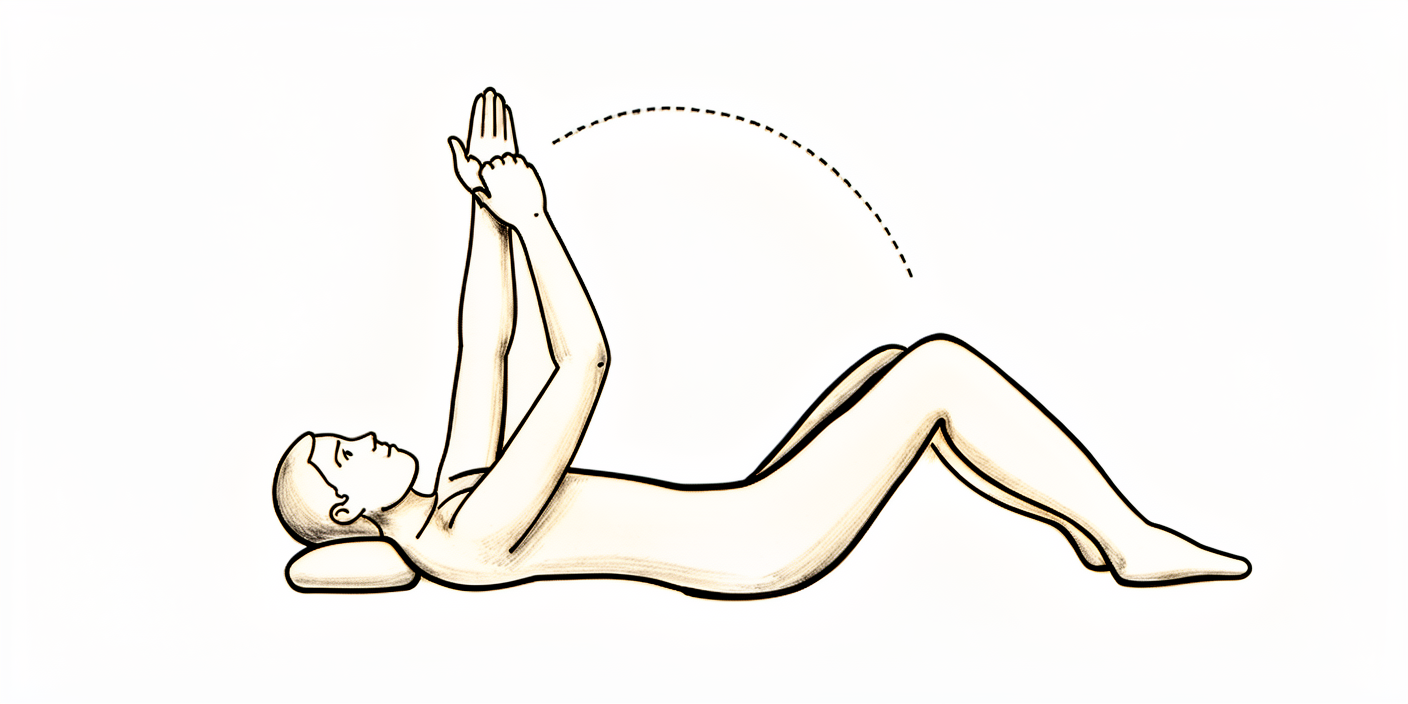
Flexão anterior assistida (deitado)
Se preferir, deite-se de costas e segure uma vareta ou uma toalha enrolada com as duas mãos. Use o braço saudável para levantar o braço operado acima da cabeça, até onde for confortável, e depois abaixe-o lentamente. A cada vez, faça um movimento de alongamento firme.
10 vezes, 3 vezes por dia.
Kieran Hirpara 4.0
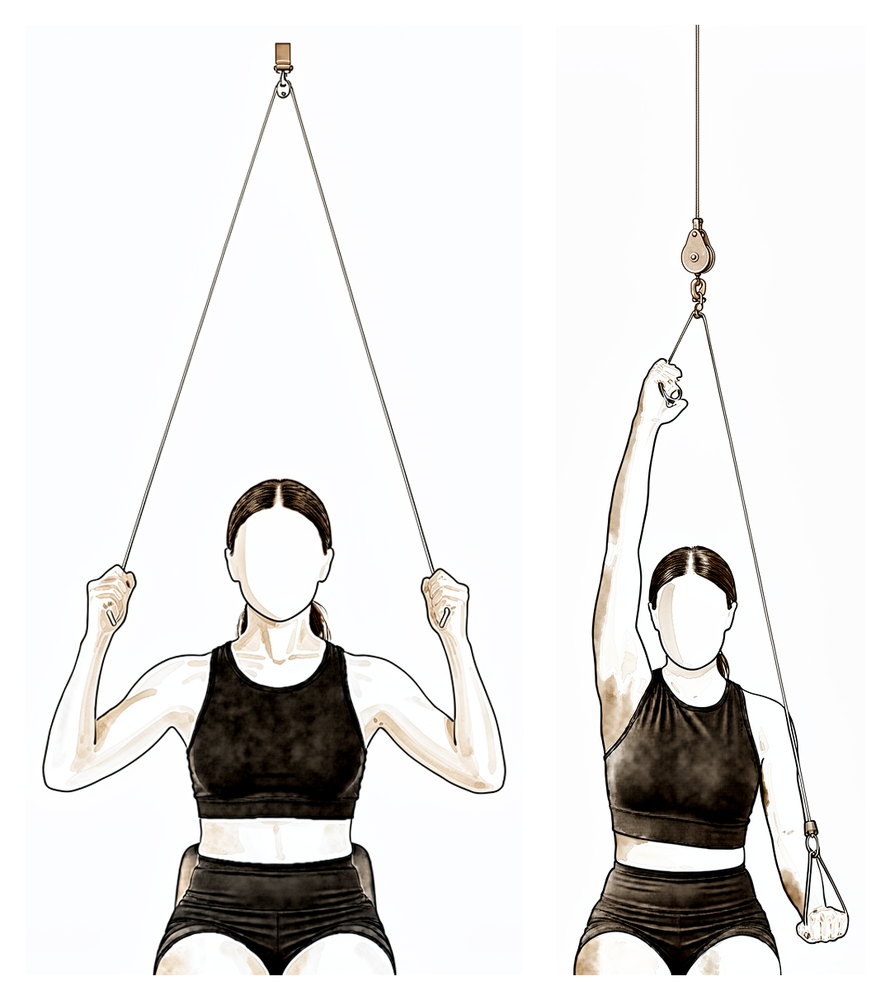
Polia de porta
Sente-se debaixo de uma polia de porta, segurando uma alça em cada mão. Puxe para baixo com o braço saudável, de modo a elevar o braço operado acima da cabeça tanto quanto for possível; em seguida, abaixe-o lentamente. A cada vez, faça com que o braço atinja um ponto de alongamento firme, mas sem causar dor intensa.
10 vezes, 3 vezes por dia.
Kieran Hirpara 4.0
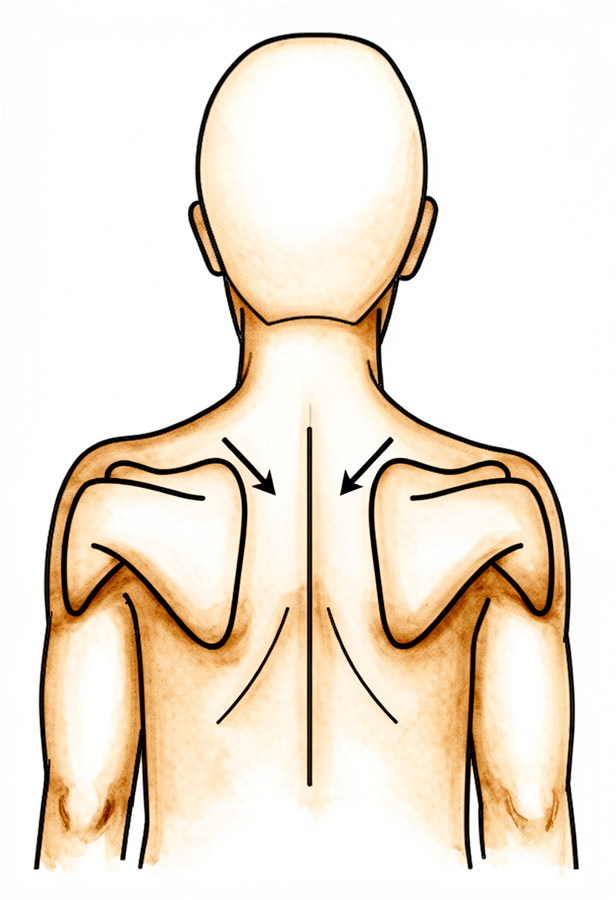
Ativação do trapézio inferior
Aperte as escápulas para baixo e para junto uma da outra.
Mantenha por 5 segundos, 5 vezes, 3 vezes ao dia.
Kieran Hirpara 4.0
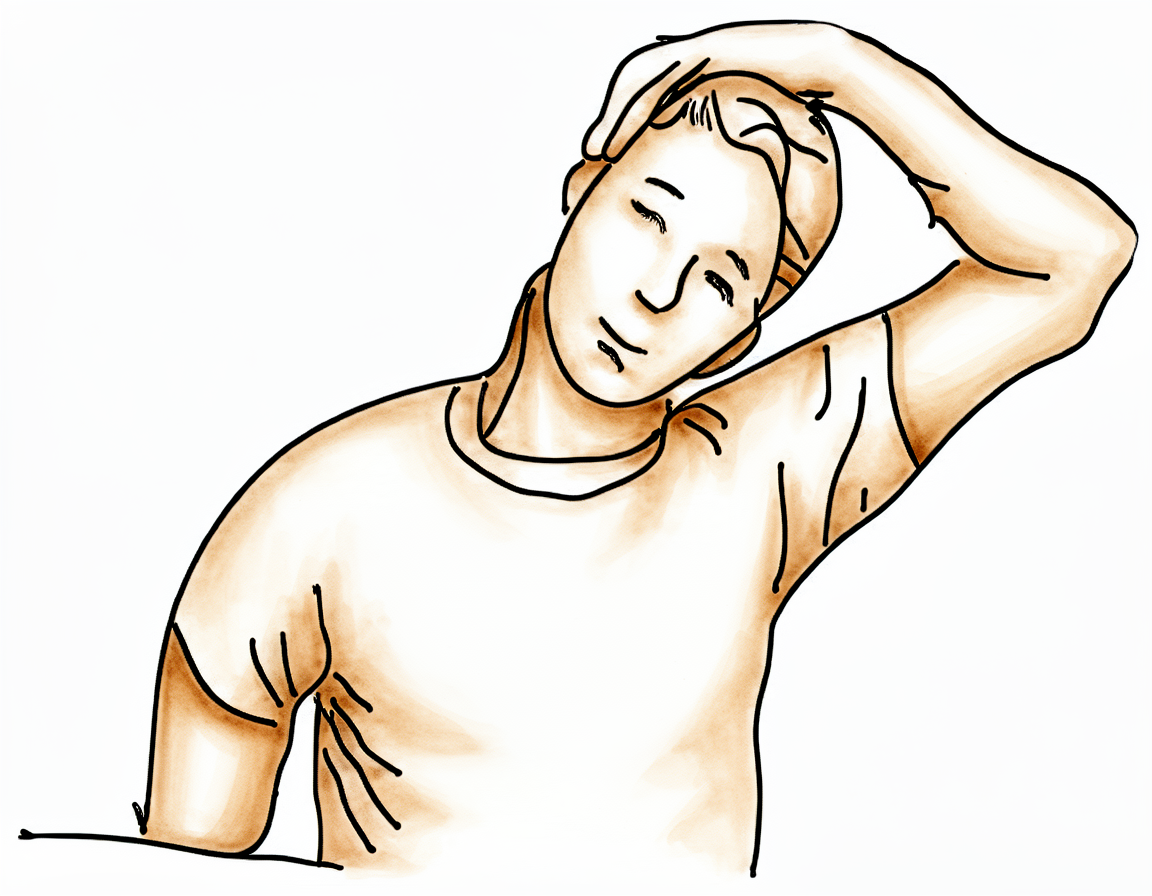
Alongamento do trapézio superior
Use o braço não operado para aproximar a orelha do ombro, afastando-a do lado operado.
Mantenha por 10 segundos, 3 vezes, 3 vezes ao dia.
Kieran Hirpara 4.0
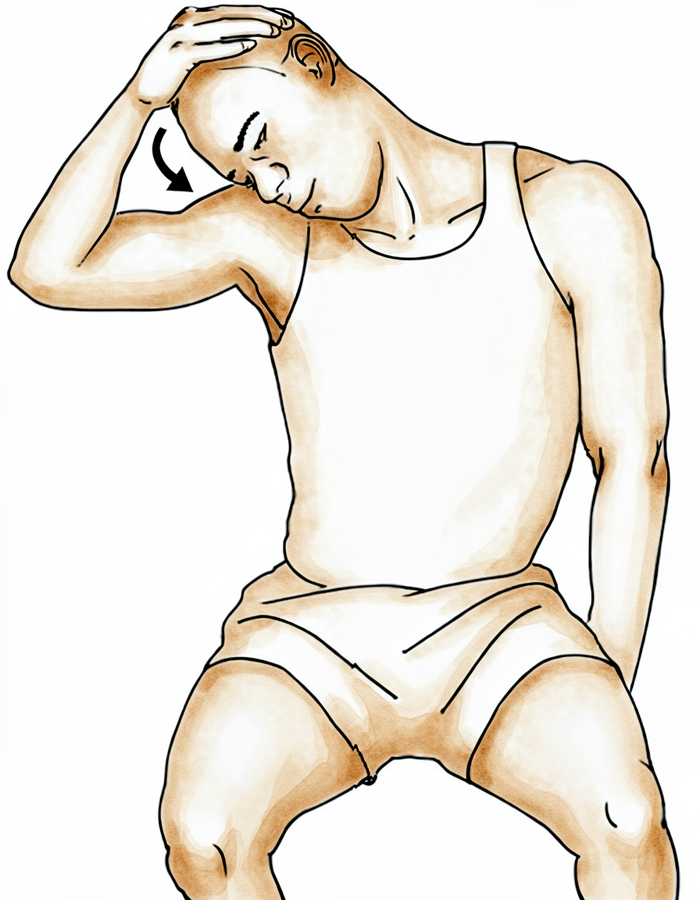
Alongamento do levantador da escápula
Use o braço não operado para aproximar o nariz da região da axila, afastando-o do lado operado.
Mantenha por 10 segundos, 3 vezes, 3 vezes ao dia.
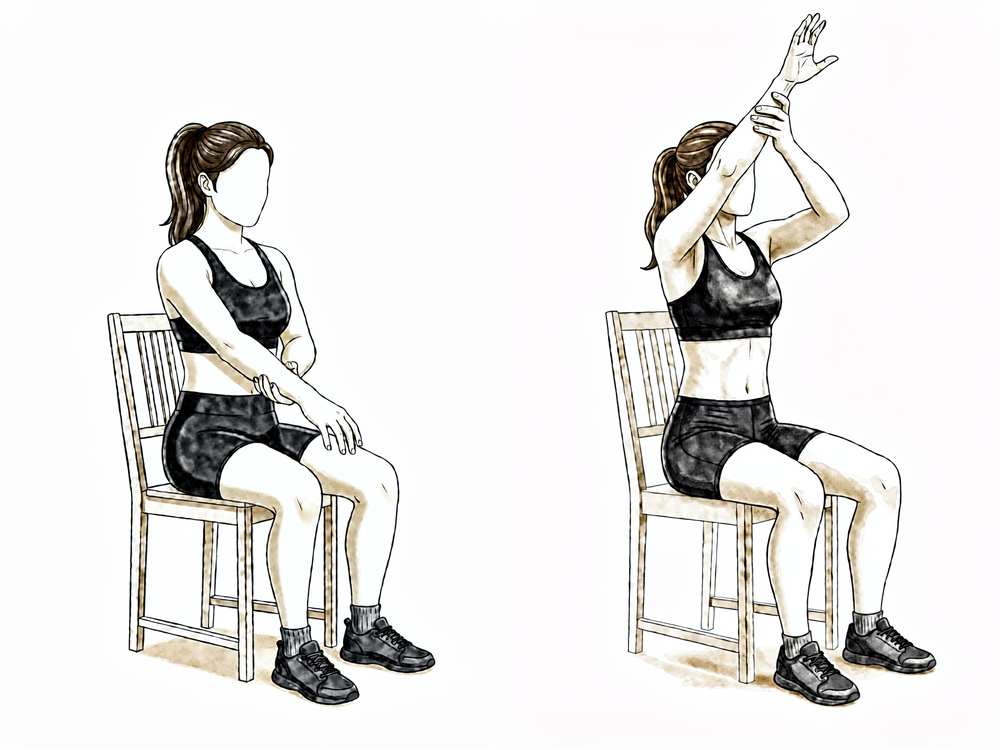
Kieran Hirpara 4.0
Elevação anterior assistida (em posição sentada)
Sente-se e incline-se ligeiramente para a frente; apoie o antebraço operado com a mão sã e use-a para levantar o braço operado para a frente e para cima, até onde lhe for confortável, depois abaixe-o lentamente. Deixe que o braço são realize o movimento, de modo que o ombro operado permaneça relaxado.
Conforme orientado pelo seu fisioterapeuta
Comece estes exercícios suaves no hospital e continue fazendo-os em casa. Eles devem ser confortáveis; reduza a intensidade caso a dor aumente.
Como usar a tipóia
- A tipóia deve ser usada apenas para conforto; tente deixá-la desligada o máximo possível. Não é necessário dormir com a tipóia.
- Mova e utilize o braço o máximo possível.
- É recomendável usar a tipóia ao sair de casa, para evitar que alguém bata no seu braço.
- Procure fazer sessões de fisioterapia pelo menos duas vezes por semana durante as primeiras seis semanas.
- Se necessário, use gelo para aliviar a dor.
- Ao usar a tipóia, relaxe o ombro e deixe que a tipóia suporte o peso do braço.
- Tome os analgésicos antes de fazer os exercícios e antes das sessões de fisioterapia.
- A menos que tenha agendado sua própria fisioterapia, já foi marcada uma sessão para você; os detalhes constam no seu pacote de alta.
- Caso tenha algum problema, entre em contato com o consultório ou informe seu fisioterapeuta.
Ao chegar em casa
Depois de chegar em casa, sua recuperação prossegue com todo o protocolo de reabilitação indicado para a sua cirurgia: liberação capsular; descompressão subacromial.
Esses exercícios realizados ainda no hospital foram adaptados a partir de orientações e protocolos de reabilitação publicados para esses procedimentos; os prazos indicados são típicos, mas não fixos. Seu fisioterapeuta orientará sua recuperação individualmente, conforme a resposta do seu ombro. As evidências científicas que sustentam essa fase inicial (o motivo pelo qual, após a liberação capsular, a prioridade é o movimento imediato em vez da proteção do ombro) estão resumidas na seção de evidências, disponível como PDF no topo desta página.
Evidence & references
This is the clinical evidence summary written for health professionals. It is technical, and it lists the research this page was built from. You do not need to read it to understand your treatment or to make a decision about it.
Topic scope: the early in-hospital phase of rehabilitation for patients who have just had an arthroscopic capsular release (for a stiff/frozen shoulder) and/or an arthroscopic subacromial decompression (acromioplasty). This page covers only the first day or two after surgery — getting the shoulder moving before the patient goes home. The full recovery course lives in the parent protocols: capsular release and subacromial decompression. Read those for the week-by-week plan, strengthening and return to work/sport.
Defining principle of this pathway (the inversion): unlike most shoulder operations — where a repair (cuff, labrum, instability) must be protected in a sling and range of motion is restricted to let the tissue heal — capsular release does the opposite. Nothing has been repaired, so there is no construct to protect. The shoulder was deliberately freed up in theatre, and the enemy now is re-stiffening. The in-hospital priority is therefore immediate, aggressive range of motion from day 0–1, usually with no protective sling (or a sling only for comfort, discarded quickly), to hold on to the range gained at surgery. A subacromial decompression is also a "make room / take pressure off" operation with no repair, so it follows the same early-movement logic. The single thing that changes this is if the surgeon also had to repair a rotator cuff tear at the same time — then the slower, protected cuff-repair pathway applies and the surgeon will say so.
The early in-hospital phase
The aim of the first day or two is simple: keep the shoulder moving and keep the patient comfortable enough to do so. In hospital, patients are started on gentle hand, wrist and elbow movements, pendulum (Codman) swings, and assisted elevation and external rotation — exactly the gentle exercises listed on the patient page. Adequate pain relief is the practical key, because a comfortable patient will move the arm, and a moving arm does not re-stiffen.
For capsular release in particular, surgeons commonly inject an intra-articular corticosteroid and perform a gentle controlled manipulation at the end of the operation to confirm the gained range and to damp down the post-operative inflammation that drives re-contracture [Smith 2017, PMC5137660]. The early motion exercises then begin straight away — often the same day or the first day after surgery.
Evidence by theme
Immediate-motion capsular-release protocols
Published arthroscopic capsular release (ACR) series describe starting motion immediately, not after a protected period. The largest cohort (Kanbe 2018, n = 255) commenced "passive, assisted-active and stooping (pendulum) exercises for forward flexion and external rotation 1 day after surgery," progressing to active strengthening at ~2 weeks and return to work by 4–6 weeks [Kanbe 2018]. Surgical-technique reviews echo this: active-assisted and passive range-of-motion exercises — pendulum/circumduction and pulley work — "can be started on the first postoperative day," and patients perceive the improvement in motion immediately, which reinforces their commitment to moving the arm [Essential Surgical Technique, PMC6221416]. Several ACR series pair the release with an intra-articular steroid + controlled manipulation at the index procedure to limit re-stiffening [Smith 2017, PMC5137660]. Evidence: large cohorts + expert/consensus.
Subacromial decompression — early motion, sling for comfort only
Arthroscopic subacromial decompression (acromioplasty) likewise has no repair to protect. Patient-guidance protocols start physiotherapy immediately after surgery, with a sling worn only 1–2 weeks for comfort and early active range of motion (forward elevation below shoulder height, gentle rotation) from the outset; strengthening follows at 4–6 weeks and unrestricted activity by 6–12 weeks [Boston Shoulder Institute SAD protocol; London Shoulder Partnership]. The important caveat, stated in every protocol, is that a concomitant rotator cuff repair (or biceps/SLAP repair) converts the recovery to the slower, protected pathway [PMC6145625].
Why immediate motion (and not protection)
A small number of patients develop stiffness after even simple arthroscopic shoulder procedures, which is the failure mode early movement is designed to prevent [Frozen shoulder after simple arthroscopic procedures, 10.1302/0301-620x.97b7.35387]. Conversely, the corpus also flags chondrolysis after shoulder arthroscopy as a rare but serious complication — a reminder that "aggressive" here means aggressive motion, on a comfortable, well-analgesed patient, not aggressive intra-articular intervention [10.1177/0363546503262176].
Phased timeline — early phase only
| Phase | Window | Sling | ROM / use | Notes |
|---|---|---|---|---|
| 0 — In hospital (this page) | Day 0–1 | None, or comfort only — left off as much as possible, not worn to sleep | Gentle hand/wrist/elbow movement; pendulums; assisted forward flexion + external rotation begun day 1; HEP several times/day | Take painkillers before exercises and physio; ice for pain. Capsular release: intra-articular steroid ± gentle manipulation often given in theatre |
| 1 — First weeks (see parent protocol) | Week 0–2+ | Comfort only, discarded early | Continue assisted/active motion to hold the gained range; physio ≥ 2×/week early on | Full week-by-week plan, strengthening and return to function are in the capsular release and subacromial decompression protocols |
Branch point — if a rotator cuff repair was also performed: the recovery converts to the protected rotator-cuff-repair pathway (sling ~6 weeks, restricted motion, delayed strengthening). The surgeon confirms which pathway applies before discharge — this is a surgeon-decided point, not a default.
Key controversies / evidence quality
- The post-operative rehab protocol is consensus/expert, not RCT-derived. There is no high-level trial defining the optimal regimen after capsular release; published protocols are large cohorts and surgeon patient-guidance documents and vary in detail [Kanbe 2018; Willmore 2020 review]. What is consistent across them all is the immediate-motion, no-protective-sling principle.
- Sling: comfort only vs none. Protocols differ on whether to use a comfort sling at all and for how long (days to ~2 weeks for decompression). All agree it must be left off as much as possible and is never a protective device here.
- Steroid + manipulation at the index procedure. Common in ACR to limit re-stiffening, but the exact regimen (dose, whether to manipulate) is surgeon preference, not standardised by trial.
Evidence-strength flags
- MODERATE (large cohorts): clinical outcomes of arthroscopic capsular release with day-1 motion (Kanbe 2018, n = 255); subacromial decompression outcomes.
- WEAK / CONSENSUS: the early-phase rehab protocol itself — immediate motion, sling-for-comfort rules, intra-articular steroid + manipulation timing (surgeon patient-guidance and expert review; no defining rehab RCT).
- Branch-point claim (cuff repair → protected pathway): STRONG rationale and uniformly stated across protocols.
Citations
RAG corpus (180,000+ Orthopaedic articles)
- Arthroscopic capsular release for refractory shoulder stiffness: a critical analysis of effectiveness in specific etiologies. J Shoulder Elbow Surg. DOI: 10.1016/j.jse.2009.08.004
- Arthroscopic release of postoperative capsular contracture of the shoulder. J Bone Joint Surg Am. 1997. DOI: 10.2106/00004623-199708000-00006
- Arthroscopic release for chronic, refractory adhesive capsulitis of the shoulder. J Bone Joint Surg Am. 1996. DOI: 10.2106/00004623-199612000-00003
- Clinical outcome of arthroscopic capsular release for frozen shoulder: essential technical points in 255 patients (Kanbe 2018; day-1 ROM, 4–6 wk return to work). J Orthop Surg Res. 2018. DOI: 10.1186/s13018-018-0758-5
- Establishing the MCID and PASS thresholds following arthroscopic capsular release for idiopathic adhesive capsulitis. Arthroscopy. 2023. DOI: 10.1016/j.arthro.2023.08.083
- Frozen shoulder after simple arthroscopic shoulder procedures. Bone Joint J. 2015. DOI: 10.1302/0301-620x.97b7.35387
- Glenohumeral chondrolysis after shoulder arthroscopy (rare serious complication; "aggressive" = motion, not intra-articular intervention). Am J Sports Med. 2004. DOI: 10.1177/0363546503262176
- Effect of capsular release in the treatment of shoulder stiffness concomitant with rotator cuff repair. Am J Sports Med. 2014. DOI: 10.1177/0363546513519326
Literature & published protocols (URLs)
- Kanbe K. Clinical outcome of arthroscopic capsular release for frozen shoulder (day-1 ROM protocol). PMC: https://pmc.ncbi.nlm.nih.gov/articles/PMC5857121/
- Smith CD et al. Arthroscopic capsular release for idiopathic frozen shoulder with intra-articular injection and controlled manipulation. PMC5137660: https://pmc.ncbi.nlm.nih.gov/articles/PMC5137660/
- Essential surgical technique for arthroscopic capsular release (active-assisted/passive ROM from first post-op day). PMC6221416: https://pmc.ncbi.nlm.nih.gov/articles/PMC6221416/
- Arthroscopic subacromial decompression and acromioplasty — rehabilitation and concomitant-repair caveat. PMC6145625: https://pmc.ncbi.nlm.nih.gov/articles/PMC6145625/
- Boston Shoulder Institute — Post-operative arthroscopic subacromial decompression protocol (sling 1–2 wk for comfort, immediate physio): https://bostonshoulderinstitute.com/wp-content/uploads/2014/07/Shoulder-Subacromial-Decompression-protocol2.pdf
- The London Shoulder Partnership — Subacromial decompression (acromioplasty): http://thelondonshoulderpartnership.co.uk/shoulder/shoulder-surgery/subacromial-decompression-acromioplasty/
- J Paget NHS — Patient information: arthroscopic capsular release following a frozen shoulder (sling for comfort, early movement): https://www.jpaget.nhs.uk/media/efmf3bab/arthroscopic-capsular-release-following-a-frozen-shoulder.pdf