

Các bài tập dành cho bệnh nhân nội trú — giải phóng bao khớp và giảm áp dưới mỏm cùng vai Thông tin
Đây là những bài tập nhẹ nhàng nên bắt đầu thực hiện tại bệnh viện sau khi tiến hành thủ thuật giải phóng bao khớp hoặc giảm áp lực dưới mỏm cùng. Đối với các ca phẫu thuật này, mục tiêu quan trọng nhất là giúp khớp vai vận động một cách tự do.
Các bài tập của bạn
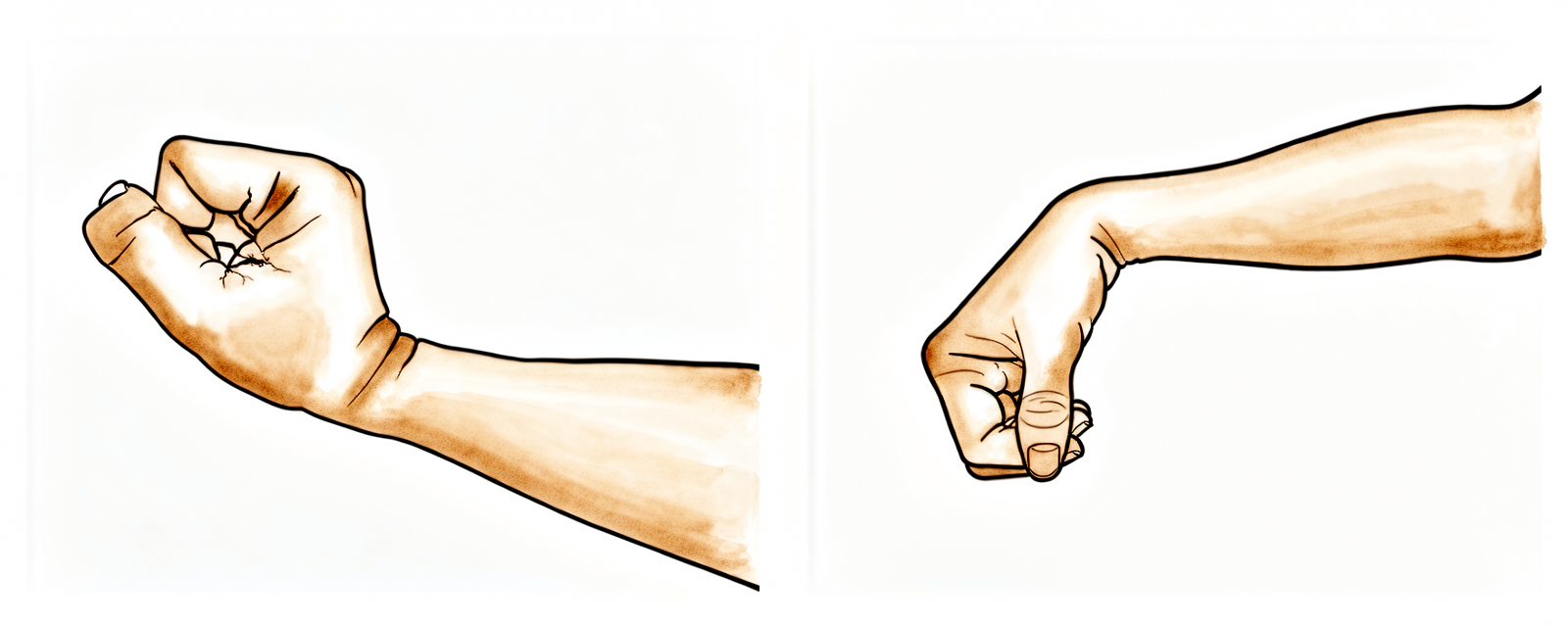
Kieran Hirpara 4.0
Chuyển động cổ tay
Hãy liên tục cử động tay bằng cách gập cổ tay về phía trước, phía sau và sang hai bên.
10 lần, 3 lần mỗi ngày
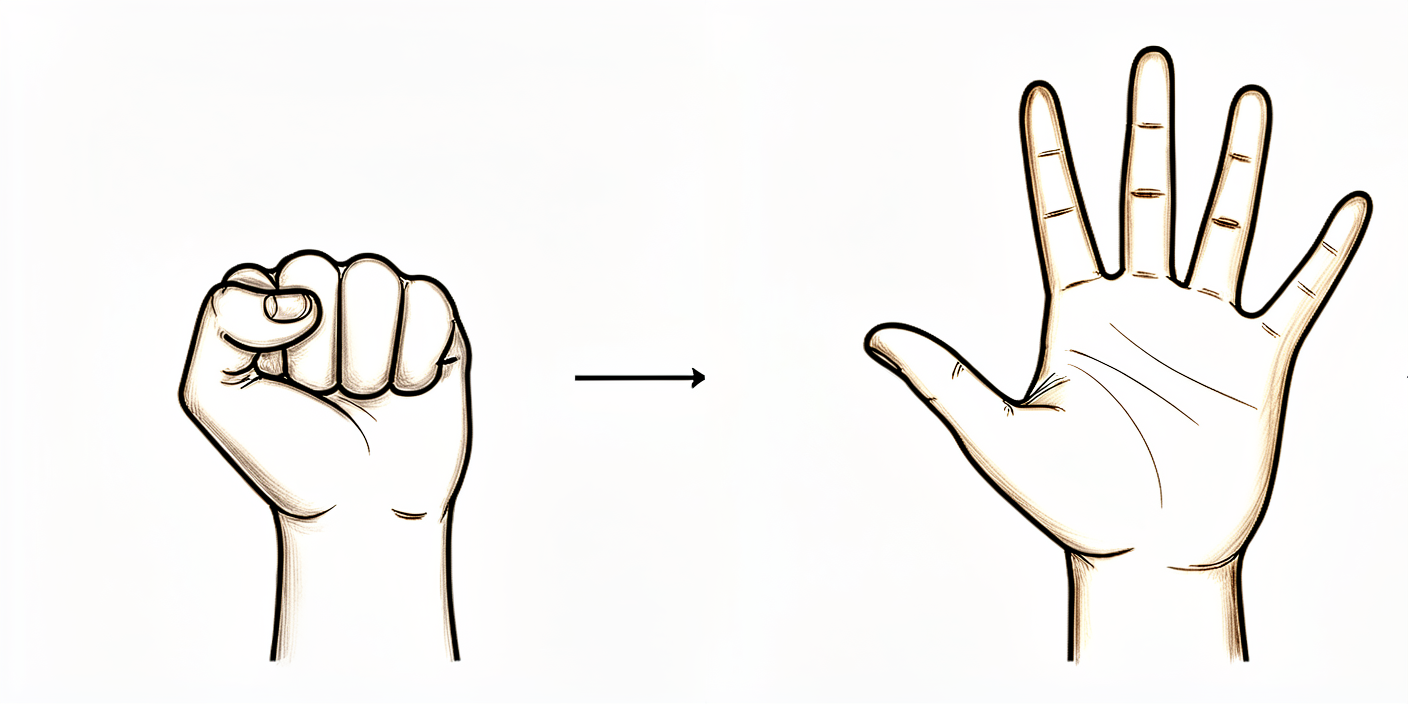
Kieran Hirpara 4.0
Mở và nắm tay
Hãy cử động tay và các ngón tay bằng cách mở ra, khép lại, hoặc nắm chặt quả bóng giảm căng thẳng.
10 lần, 3 lần mỗi ngày
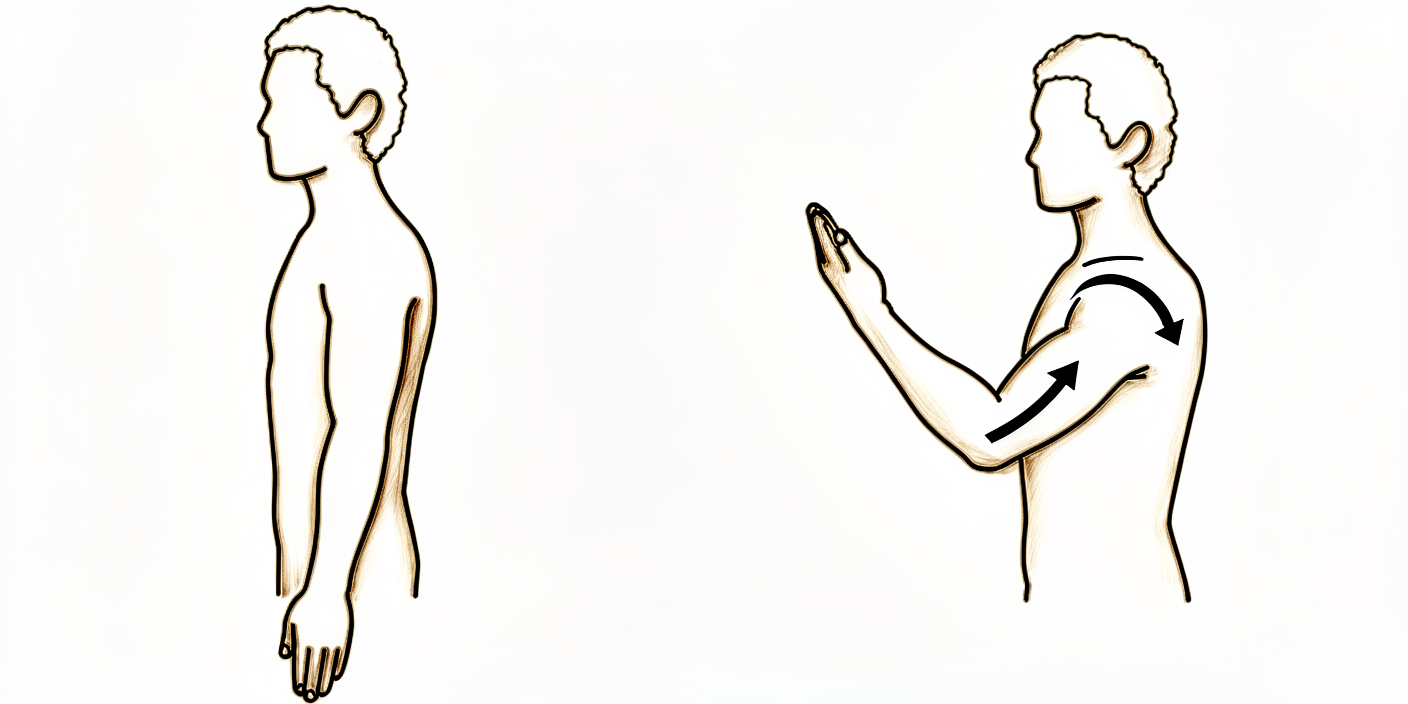
Kieran Hirpara 4.0
Cử động gập khuỷu tay
Hãy gập và duỗi khuỷu tay của bạn.
10 lần, 3 lần mỗi ngày
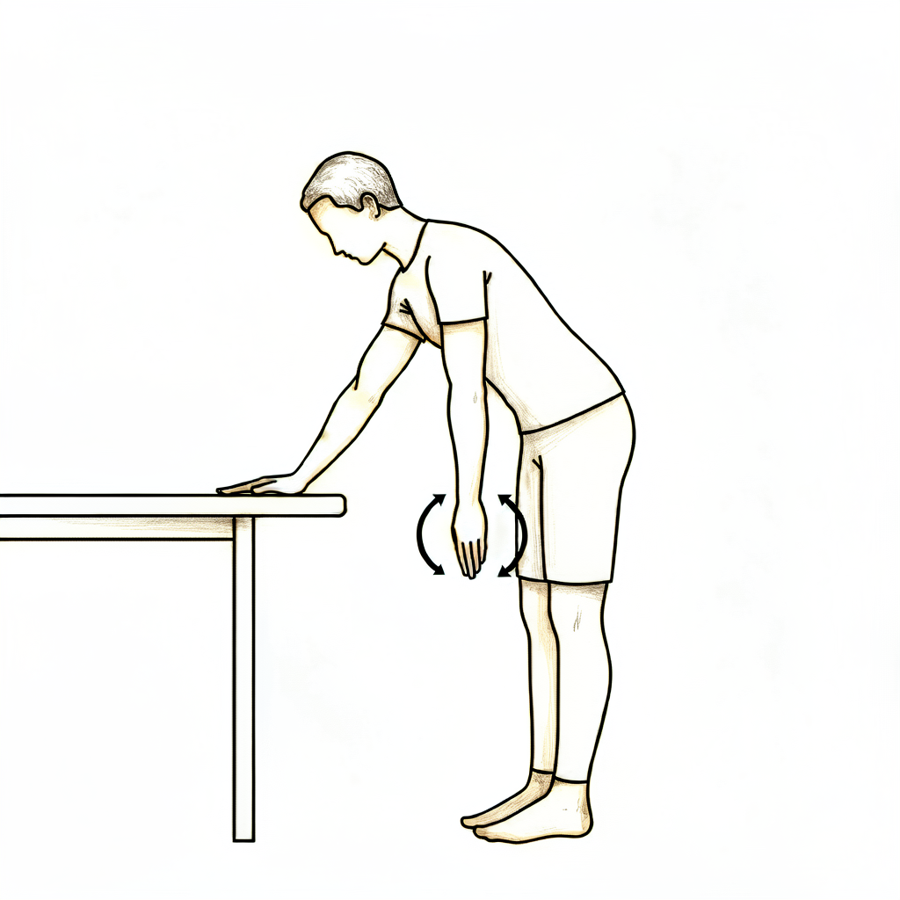
Kieran Hirpara 4.0
Bài tập con lắc
Đây là bài tập thụ động. Hãy cúi người về phía trước và để cánh tay thả lỏng. Dùng cơ thể để nhẹ nhàng di chuyển cánh tay theo chiều kim đồng hồ hoặc ngược chiều kim đồng hồ, đồng thời di chuyển về phía trước, phía sau và sang hai bên.
Khoảng 30 giây mỗi chiều, 3 lần mỗi ngày
Kieran Hirpara 4.0
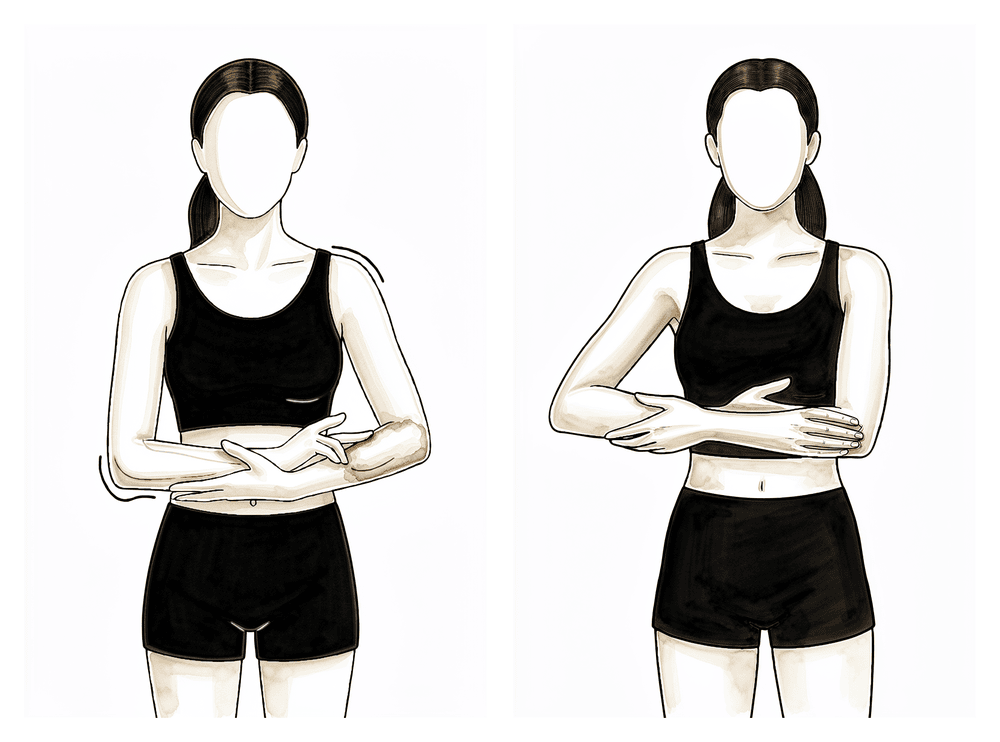
Dạng tay có hỗ trợ
Ngồi trên ghế và cúi người về phía trước, ôm nhẹ cánh tay vừa được phẫu thuật và hỗ trợ đưa nó ra sang bên (giống như đang ru em bé).
10 lần, 3 lần mỗi ngày
Kieran Hirpara 4.0
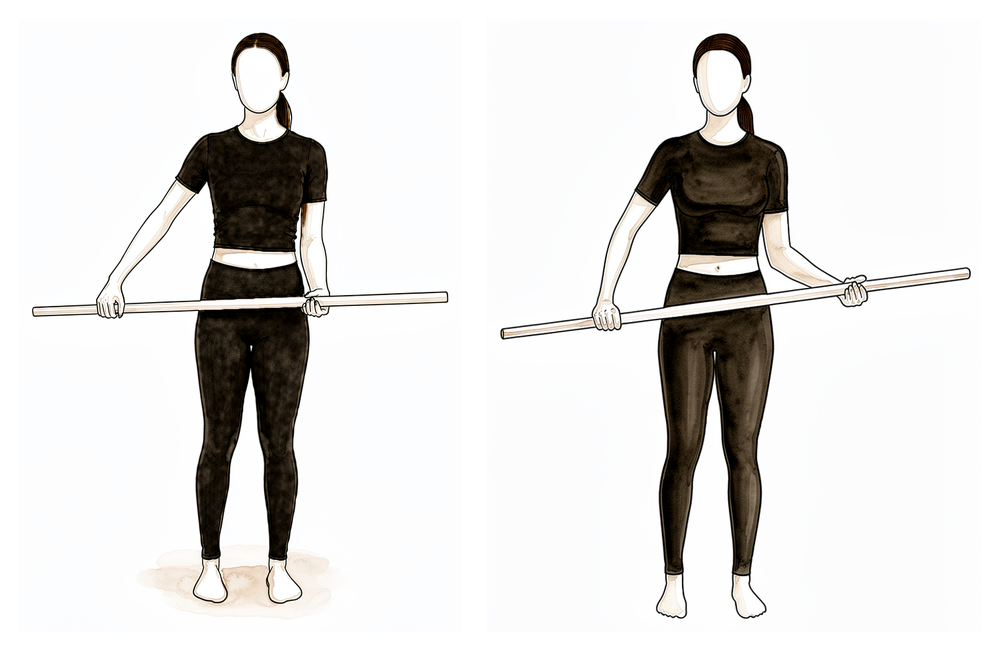
Hỗ trợ xoay ngoài cánh tay bằng cách dùng cây gậy
Nằm ngửa, khuỷu tay áp sát vào thân mình và gập thành góc vuông. Cầm một cây gậy bằng cả hai tay, dùng cánh tay lành để xoay bàn tay vừa được phẫu thuật ra ngoài, đồng thời xoay vai theo. Sau ca phẫu thuật này, không có giới hạn nào về mức độ xoay ra ngoài; vì vậy hãy từ từ mở rộng phạm vi chuyển động thêm một chút khi nó trở nên linh hoạt hơn.
10 lần, 3 lần mỗi ngày.
Kieran Hirpara 4.0
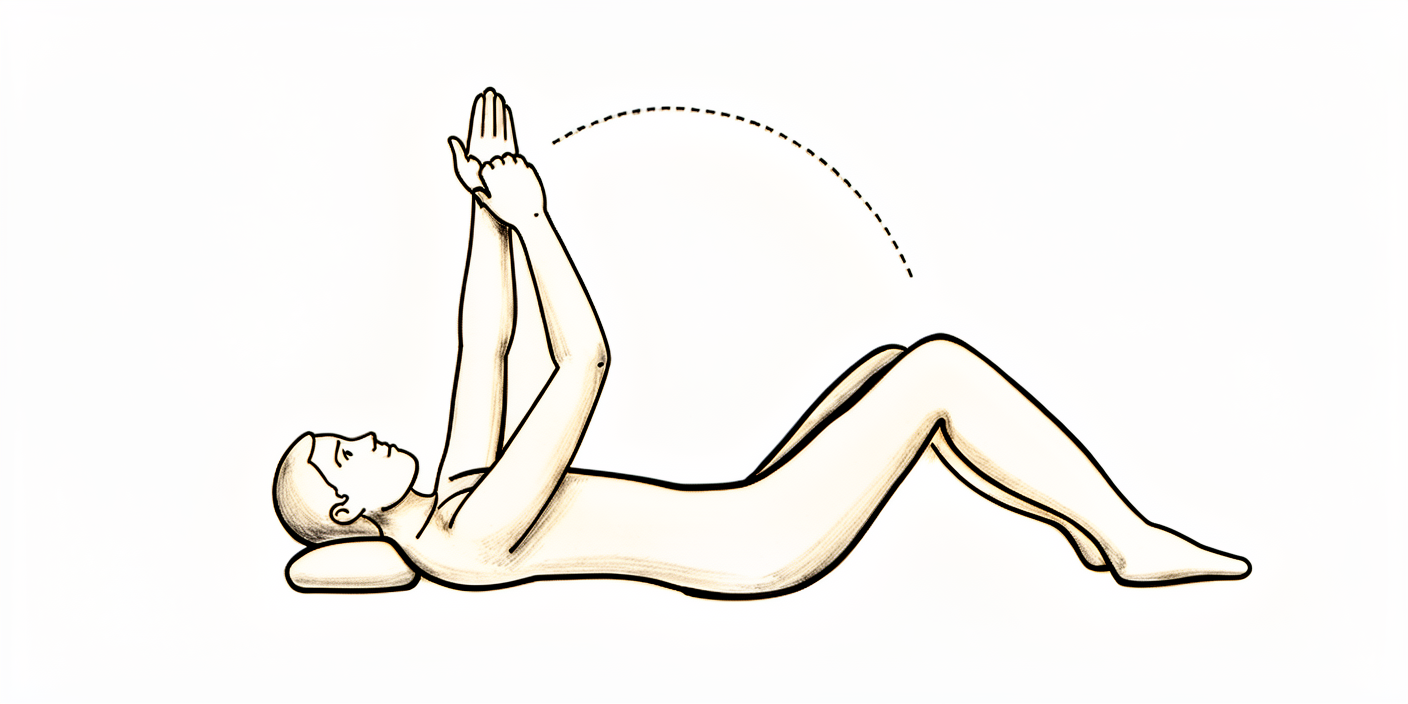
Nâng tay ra trước có hỗ trợ (nằm)
Nếu thích, bạn có thể nằm ngửa và cầm một cây gậy hoặc cuộn khăn bằng cả hai tay. Dùng tay lành để đẩy cánh tay vừa được phẫu thuật lên quá đầu, đến mức thoải mái nhất có thể, rồi từ từ hạ xuống. Mỗi lần làm như vậy, hãy tạo lực kéo căng mạnh.
10 lần, 3 lần mỗi ngày.
Kieran Hirpara 4.0
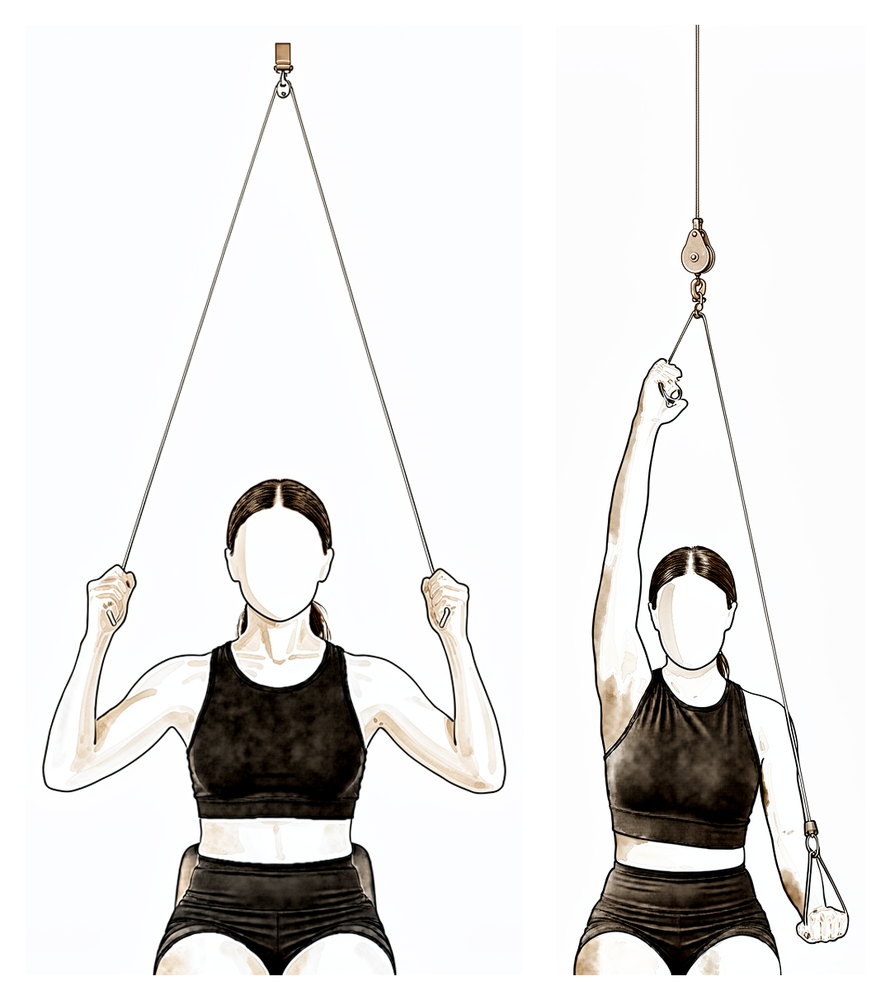
Ròng rọc treo cửa
Ngồi dưới hệ thống ròng rọc gắn trên cửa, hai tay cầm vào các tay cầm. Dùng cánh tay lành để kéo xuống, nhằm nâng cánh tay vừa được phẫu thuật lên cao hết mức có thể; sau đó hạ xuống từ từ. Mỗi lần thực hiện, hãy kéo đến mức căng rõ, nhưng không gây đau dữ dội.
10 lần, 3 lần mỗi ngày.
Kieran Hirpara 4.0
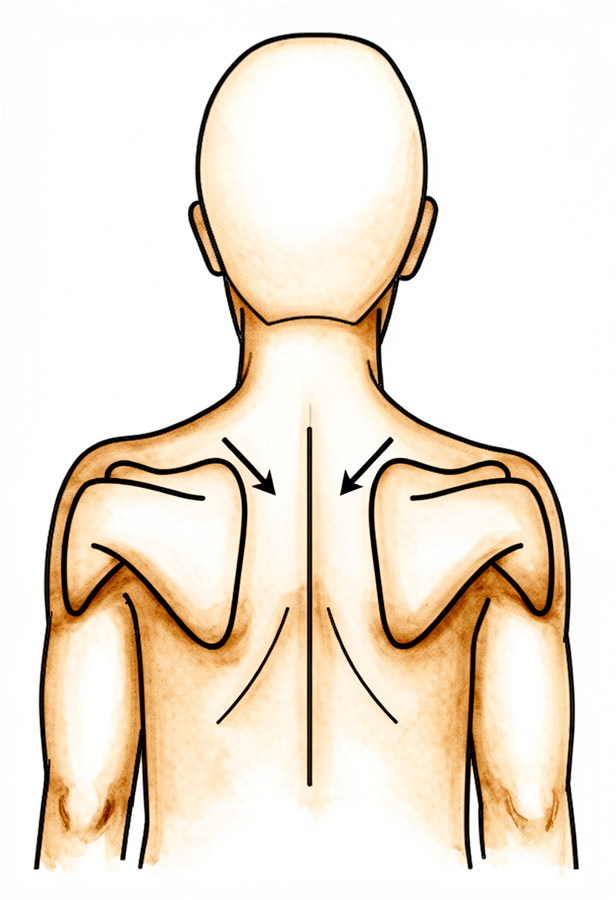
Siết giữ cơ thang dưới
Hãy siết hai bả vai xuống dưới và khép lại với nhau.
Giữ nguyên trong 5 giây, thực hiện 5 lần, ngày 3 lần.
Kieran Hirpara 4.0
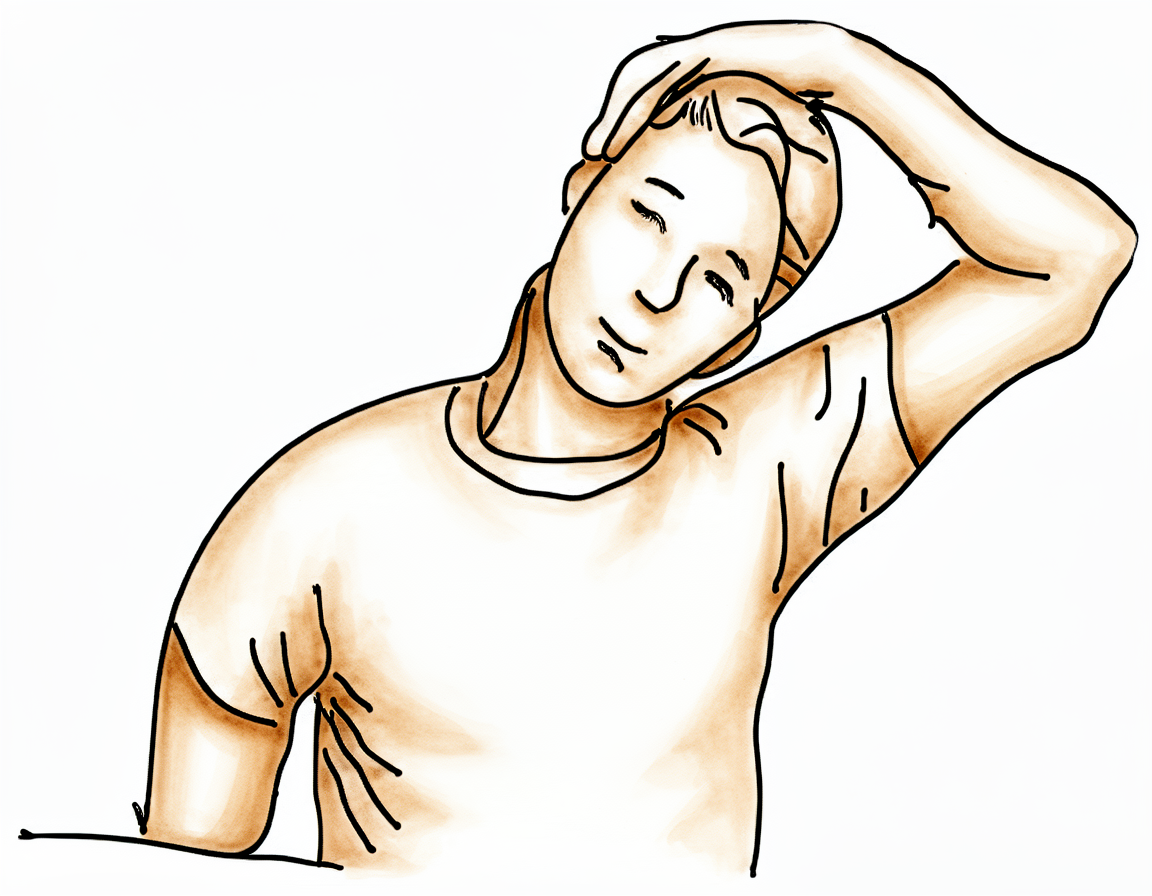
Kéo giãn cơ thang trên
Hãy dùng cánh tay chưa được phẫu thuật để đưa tai về phía vai, hướng ra xa phía cánh tay đã phẫu thuật.
Giữ nguyên trong 10 giây, thực hiện 3 lần, ngày 3 lần.
Kieran Hirpara 4.0
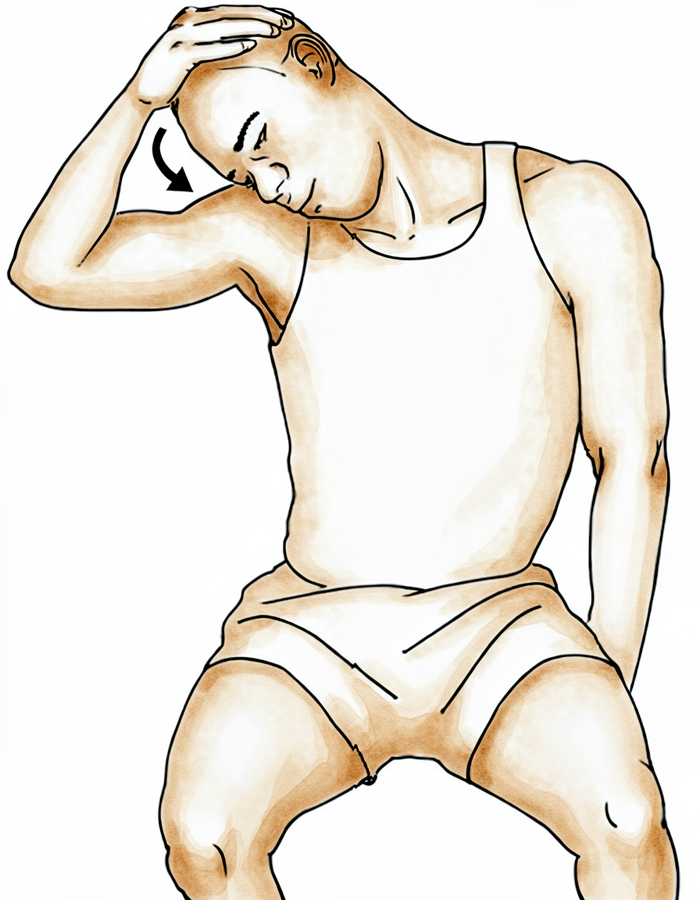
Bài tập kéo giãn cơ nâng xương bả vai
Hãy dùng cánh tay chưa được phẫu thuật để đưa mũi về phía vùng nách, hướng ra xa khỏi bên đã phẫu thuật.
Giữ nguyên trong 10 giây, thực hiện 3 lần, ngày 3 lần.
Kieran Hirpara 4.0
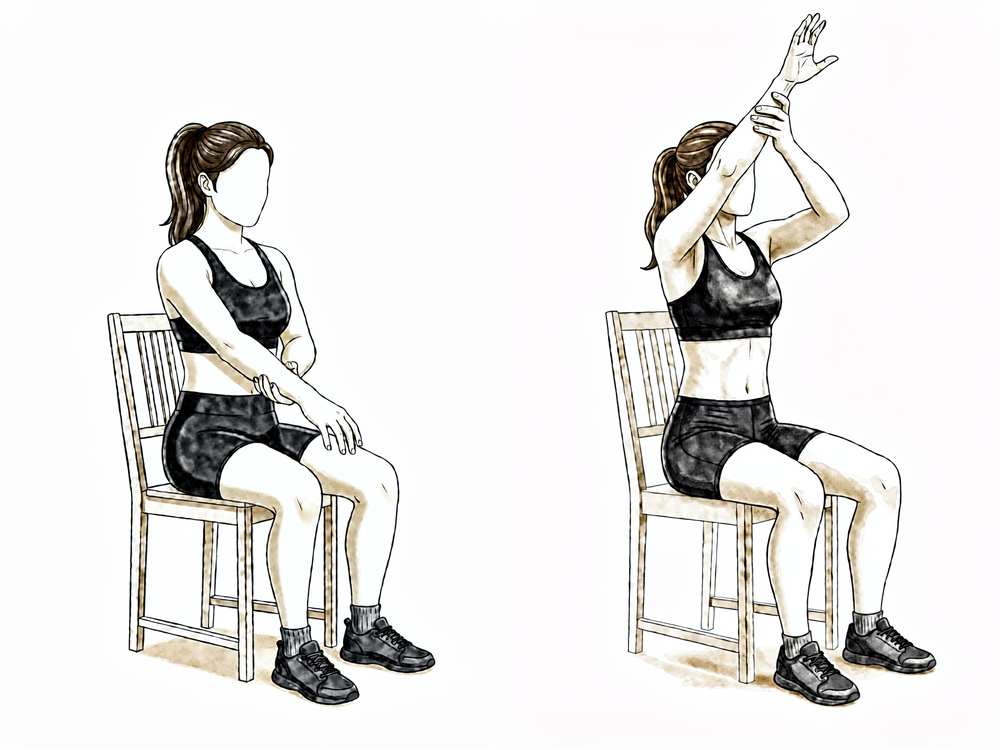
Hỗ trợ nâng tay lên phía trước (khi ngồi)
Ngồi thẳng và hơi nghiêng người về phía trước; dùng tay lành để nâng đỡ cẳng tay vừa được phẫu thuật, rồi dùng tay đó nâng cánh tay vừa mổ ra phía trước và lên trên mức mà bạn cảm thấy thoải mái; sau đó hạ tay xuống từ từ. Hãy để tay lành thực hiện các động tác này nhằm giúp vai vừa mổ luôn được thả lỏng.
Theo hướng dẫn của chuyên viên vật lý trị liệu của bạn.
Hãy bắt đầu thực hiện những bài tập nhẹ nhàng này tại bệnh viện và tiếp tục thực hiện tại nhà. Các bài tập này nên mang lại cảm giác dễ chịu; hãy giảm mức độ tập nếu cảm thấy đau tăng lên.
Cách đeo đai treo cánh tay
- Đai treo chỉ dùng để tăng cảm giác thoải mái; bạn nên tháo nó ra càng nhiều càng tốt. Bạn không cần phải đeo đai khi ngủ.
- Hãy cử động và sử dụng cánh tay của mình càng nhiều càng tốt.
- Bạn nên đeo đai khi ra ngoài để tránh trường hợp người khác vô tình va vào cánh tay của mình.
- Trong sáu tuần đầu, hãy cố gắng tham gia các buổi vật lý trị liệu ít nhất hai lần mỗi tuần.
- Nếu cần, hãy chườm đá để giảm đau.
- Khi đeo đai, hãy thả lỏng vai và để đai gánh sức nặng của cánh tay.
- Hãy uống thuốc giảm đau trước khi tập luyện và trước mỗi buổi vật lý trị liệu.
- Trừ khi bạn đã tự sắp xếp dịch vụ vật lý trị liệu, chúng tôi đã đặt lịch cho bạn; thông tin chi tiết có trong gói hướng dẫn xuất viện.
- Nếu gặp bất kỳ vấn đề nào, hãy liên hệ với phòng khám hoặc thông báo cho chuyên viên vật lý trị liệu của bạn.
Khi về nhà
Sau khi về nhà, quá trình hồi phục của bạn sẽ tiếp tục theo đúng phác đồ phục hồi chức năng dành cho ca phẫu thuật: giải phóng bao khớp; giảm áp lực dưới mỏm cùng.
Các bài tập này được thực hiện trong bệnh viện, được điều chỉnh từ các hướng dẫn và phác đồ phục hồi chức năng đã được công bố dành cho các thủ thuật trên; thời điểm thực hiện các bài tập cũng mang tính chất tham khảo chứ không cố định. Chuyên viên vật lý trị liệu sẽ hướng dẫn bạn hồi phục một cách riêng biệt, dựa trên phản ứng của vai bạn. Những bằng chứng khoa học chứng minh cho giai đoạn sớm này (tại sao sau khi thực hiện thủ thuật giải phóng bao khớp, việc vận động ngay lập tức lại được ưu tiên thay vì việc bảo vệ vai) được tóm tắt trong mục “Bằng chứng khoa học”, có sẵn dưới dạng tệp PDF ở đầu trang này.
Evidence & references
This is the clinical evidence summary written for health professionals. It is technical, and it lists the research this page was built from. You do not need to read it to understand your treatment or to make a decision about it.
Topic scope: the early in-hospital phase of rehabilitation for patients who have just had an arthroscopic capsular release (for a stiff/frozen shoulder) and/or an arthroscopic subacromial decompression (acromioplasty). This page covers only the first day or two after surgery — getting the shoulder moving before the patient goes home. The full recovery course lives in the parent protocols: capsular release and subacromial decompression. Read those for the week-by-week plan, strengthening and return to work/sport.
Defining principle of this pathway (the inversion): unlike most shoulder operations — where a repair (cuff, labrum, instability) must be protected in a sling and range of motion is restricted to let the tissue heal — capsular release does the opposite. Nothing has been repaired, so there is no construct to protect. The shoulder was deliberately freed up in theatre, and the enemy now is re-stiffening. The in-hospital priority is therefore immediate, aggressive range of motion from day 0–1, usually with no protective sling (or a sling only for comfort, discarded quickly), to hold on to the range gained at surgery. A subacromial decompression is also a "make room / take pressure off" operation with no repair, so it follows the same early-movement logic. The single thing that changes this is if the surgeon also had to repair a rotator cuff tear at the same time — then the slower, protected cuff-repair pathway applies and the surgeon will say so.
The early in-hospital phase
The aim of the first day or two is simple: keep the shoulder moving and keep the patient comfortable enough to do so. In hospital, patients are started on gentle hand, wrist and elbow movements, pendulum (Codman) swings, and assisted elevation and external rotation — exactly the gentle exercises listed on the patient page. Adequate pain relief is the practical key, because a comfortable patient will move the arm, and a moving arm does not re-stiffen.
For capsular release in particular, surgeons commonly inject an intra-articular corticosteroid and perform a gentle controlled manipulation at the end of the operation to confirm the gained range and to damp down the post-operative inflammation that drives re-contracture [Smith 2017, PMC5137660]. The early motion exercises then begin straight away — often the same day or the first day after surgery.
Evidence by theme
Immediate-motion capsular-release protocols
Published arthroscopic capsular release (ACR) series describe starting motion immediately, not after a protected period. The largest cohort (Kanbe 2018, n = 255) commenced "passive, assisted-active and stooping (pendulum) exercises for forward flexion and external rotation 1 day after surgery," progressing to active strengthening at ~2 weeks and return to work by 4–6 weeks [Kanbe 2018]. Surgical-technique reviews echo this: active-assisted and passive range-of-motion exercises — pendulum/circumduction and pulley work — "can be started on the first postoperative day," and patients perceive the improvement in motion immediately, which reinforces their commitment to moving the arm [Essential Surgical Technique, PMC6221416]. Several ACR series pair the release with an intra-articular steroid + controlled manipulation at the index procedure to limit re-stiffening [Smith 2017, PMC5137660]. Evidence: large cohorts + expert/consensus.
Subacromial decompression — early motion, sling for comfort only
Arthroscopic subacromial decompression (acromioplasty) likewise has no repair to protect. Patient-guidance protocols start physiotherapy immediately after surgery, with a sling worn only 1–2 weeks for comfort and early active range of motion (forward elevation below shoulder height, gentle rotation) from the outset; strengthening follows at 4–6 weeks and unrestricted activity by 6–12 weeks [Boston Shoulder Institute SAD protocol; London Shoulder Partnership]. The important caveat, stated in every protocol, is that a concomitant rotator cuff repair (or biceps/SLAP repair) converts the recovery to the slower, protected pathway [PMC6145625].
Why immediate motion (and not protection)
A small number of patients develop stiffness after even simple arthroscopic shoulder procedures, which is the failure mode early movement is designed to prevent [Frozen shoulder after simple arthroscopic procedures, 10.1302/0301-620x.97b7.35387]. Conversely, the corpus also flags chondrolysis after shoulder arthroscopy as a rare but serious complication — a reminder that "aggressive" here means aggressive motion, on a comfortable, well-analgesed patient, not aggressive intra-articular intervention [10.1177/0363546503262176].
Phased timeline — early phase only
| Phase | Window | Sling | ROM / use | Notes |
|---|---|---|---|---|
| 0 — In hospital (this page) | Day 0–1 | None, or comfort only — left off as much as possible, not worn to sleep | Gentle hand/wrist/elbow movement; pendulums; assisted forward flexion + external rotation begun day 1; HEP several times/day | Take painkillers before exercises and physio; ice for pain. Capsular release: intra-articular steroid ± gentle manipulation often given in theatre |
| 1 — First weeks (see parent protocol) | Week 0–2+ | Comfort only, discarded early | Continue assisted/active motion to hold the gained range; physio ≥ 2×/week early on | Full week-by-week plan, strengthening and return to function are in the capsular release and subacromial decompression protocols |
Branch point — if a rotator cuff repair was also performed: the recovery converts to the protected rotator-cuff-repair pathway (sling ~6 weeks, restricted motion, delayed strengthening). The surgeon confirms which pathway applies before discharge — this is a surgeon-decided point, not a default.
Key controversies / evidence quality
- The post-operative rehab protocol is consensus/expert, not RCT-derived. There is no high-level trial defining the optimal regimen after capsular release; published protocols are large cohorts and surgeon patient-guidance documents and vary in detail [Kanbe 2018; Willmore 2020 review]. What is consistent across them all is the immediate-motion, no-protective-sling principle.
- Sling: comfort only vs none. Protocols differ on whether to use a comfort sling at all and for how long (days to ~2 weeks for decompression). All agree it must be left off as much as possible and is never a protective device here.
- Steroid + manipulation at the index procedure. Common in ACR to limit re-stiffening, but the exact regimen (dose, whether to manipulate) is surgeon preference, not standardised by trial.
Evidence-strength flags
- MODERATE (large cohorts): clinical outcomes of arthroscopic capsular release with day-1 motion (Kanbe 2018, n = 255); subacromial decompression outcomes.
- WEAK / CONSENSUS: the early-phase rehab protocol itself — immediate motion, sling-for-comfort rules, intra-articular steroid + manipulation timing (surgeon patient-guidance and expert review; no defining rehab RCT).
- Branch-point claim (cuff repair → protected pathway): STRONG rationale and uniformly stated across protocols.
Citations
RAG corpus (180,000+ Orthopaedic articles)
- Arthroscopic capsular release for refractory shoulder stiffness: a critical analysis of effectiveness in specific etiologies. J Shoulder Elbow Surg. DOI: 10.1016/j.jse.2009.08.004
- Arthroscopic release of postoperative capsular contracture of the shoulder. J Bone Joint Surg Am. 1997. DOI: 10.2106/00004623-199708000-00006
- Arthroscopic release for chronic, refractory adhesive capsulitis of the shoulder. J Bone Joint Surg Am. 1996. DOI: 10.2106/00004623-199612000-00003
- Clinical outcome of arthroscopic capsular release for frozen shoulder: essential technical points in 255 patients (Kanbe 2018; day-1 ROM, 4–6 wk return to work). J Orthop Surg Res. 2018. DOI: 10.1186/s13018-018-0758-5
- Establishing the MCID and PASS thresholds following arthroscopic capsular release for idiopathic adhesive capsulitis. Arthroscopy. 2023. DOI: 10.1016/j.arthro.2023.08.083
- Frozen shoulder after simple arthroscopic shoulder procedures. Bone Joint J. 2015. DOI: 10.1302/0301-620x.97b7.35387
- Glenohumeral chondrolysis after shoulder arthroscopy (rare serious complication; "aggressive" = motion, not intra-articular intervention). Am J Sports Med. 2004. DOI: 10.1177/0363546503262176
- Effect of capsular release in the treatment of shoulder stiffness concomitant with rotator cuff repair. Am J Sports Med. 2014. DOI: 10.1177/0363546513519326
Literature & published protocols (URLs)
- Kanbe K. Clinical outcome of arthroscopic capsular release for frozen shoulder (day-1 ROM protocol). PMC: https://pmc.ncbi.nlm.nih.gov/articles/PMC5857121/
- Smith CD et al. Arthroscopic capsular release for idiopathic frozen shoulder with intra-articular injection and controlled manipulation. PMC5137660: https://pmc.ncbi.nlm.nih.gov/articles/PMC5137660/
- Essential surgical technique for arthroscopic capsular release (active-assisted/passive ROM from first post-op day). PMC6221416: https://pmc.ncbi.nlm.nih.gov/articles/PMC6221416/
- Arthroscopic subacromial decompression and acromioplasty — rehabilitation and concomitant-repair caveat. PMC6145625: https://pmc.ncbi.nlm.nih.gov/articles/PMC6145625/
- Boston Shoulder Institute — Post-operative arthroscopic subacromial decompression protocol (sling 1–2 wk for comfort, immediate physio): https://bostonshoulderinstitute.com/wp-content/uploads/2014/07/Shoulder-Subacromial-Decompression-protocol2.pdf
- The London Shoulder Partnership — Subacromial decompression (acromioplasty): http://thelondonshoulderpartnership.co.uk/shoulder/shoulder-surgery/subacromial-decompression-acromioplasty/
- J Paget NHS — Patient information: arthroscopic capsular release following a frozen shoulder (sling for comfort, early movement): https://www.jpaget.nhs.uk/media/efmf3bab/arthroscopic-capsular-release-following-a-frozen-shoulder.pdf





