

மருத்துவமனையில் செய்யும் பயிற்சிகள் — மூட்டுறை விடுவிப்பு & அக்ரோமியனுக்குக் கீழான அழுத்தம் குறைப்பு தகவல்
மூட்டுறை விடுவிப்பு (capsular release) அல்லது அக்ரோமியனுக்குக் கீழான அழுத்தம் குறைப்பு (subacromial decompression) அறுவை சிகிச்சைக்குப் பிறகு மருத்துவமனையில் தொடங்க வேண்டிய மென்மையான பயிற்சிகள் இவை. இந்த அறுவை சிகிச்சைகளுக்கு, தோள்பட்டை தடையின்றித் தாராளமாக அசைந்துகொண்டே இருப்பதே முன்னுரிமை.
உங்கள் பயிற்சிகள்
Kieran Hirpara 4.0
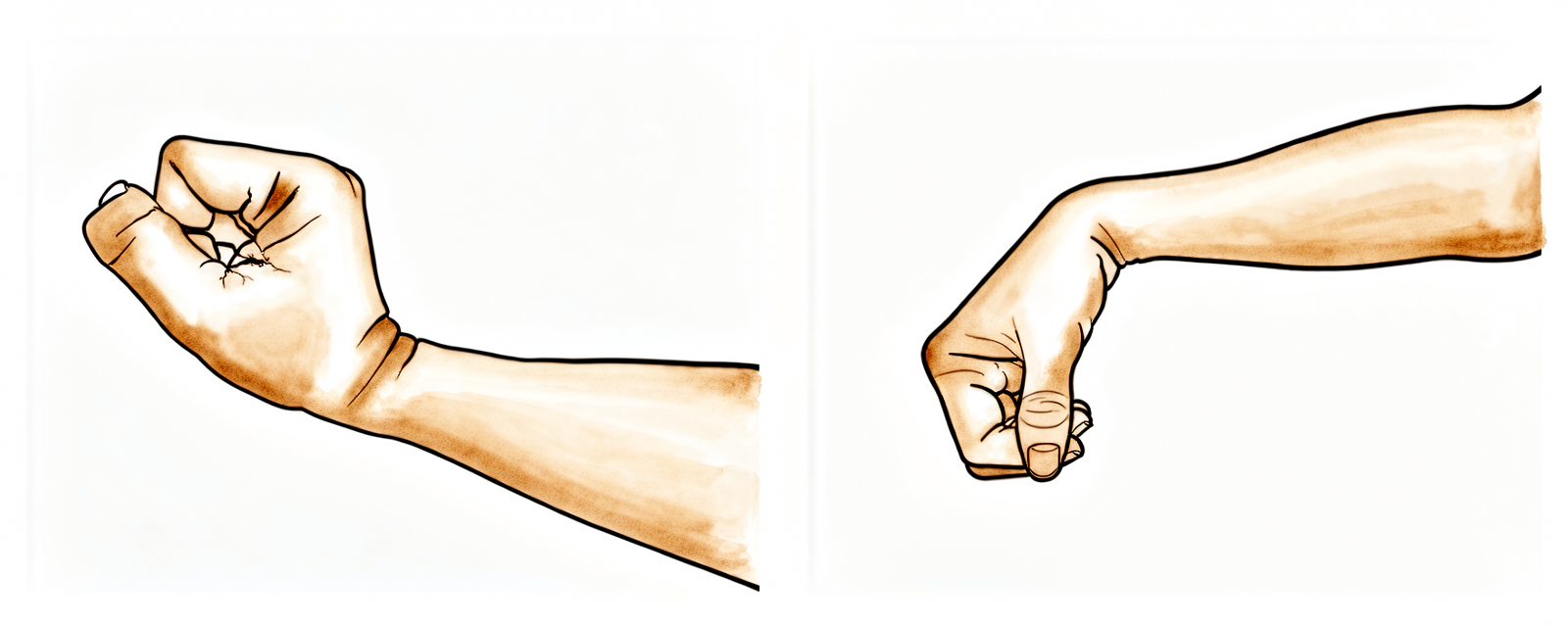
மணிக்கட்டு அசைவு
உங்கள் மணிக்கட்டை முன்னோக்கியும், பின்னோக்கியும், பக்கவாட்டில் இருபுறமும் வளைத்து உங்கள் கையை அசைத்துக்கொண்டே இருங்கள்.
10 முறை, நாளொன்றுக்கு 3 முறை
Kieran Hirpara 4.0
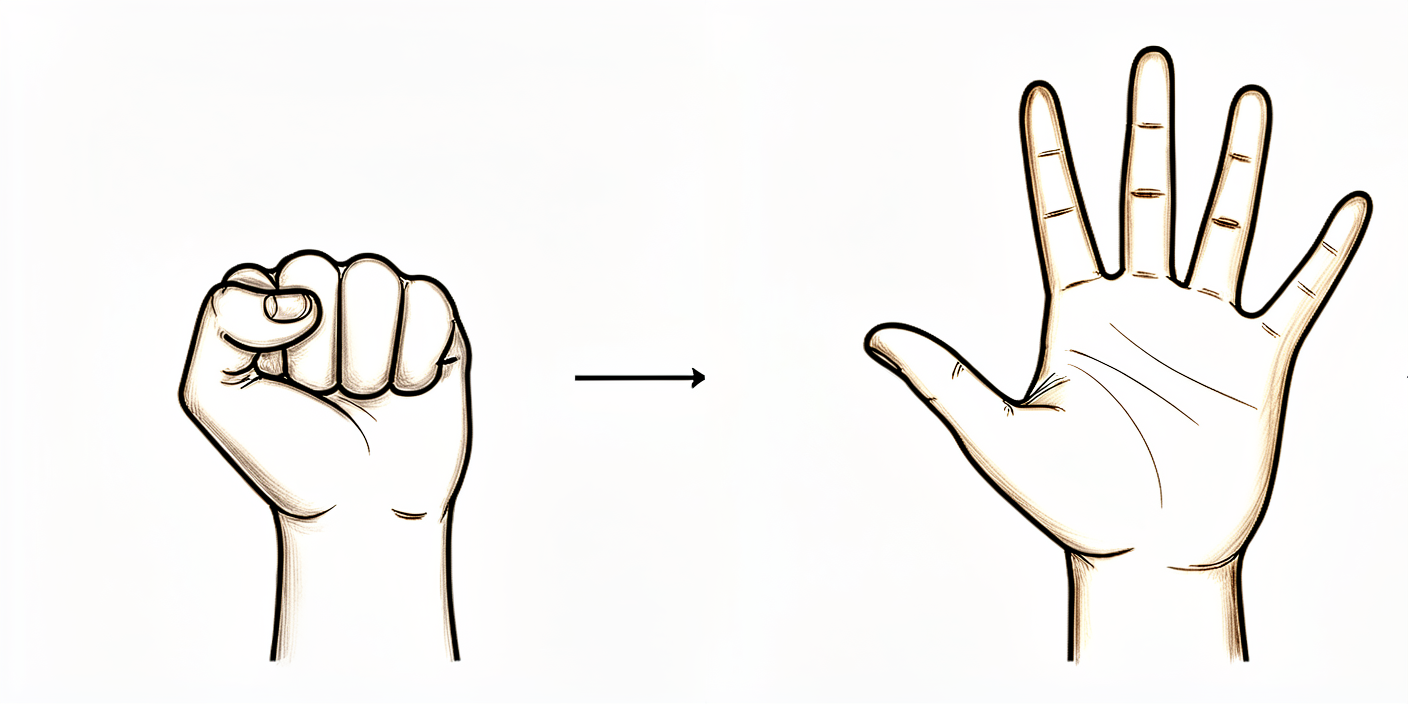
கையை விரித்து மூடுதல்
உங்கள் கையையும் விரல்களையும் விரித்து மூடுவதன் மூலம், அல்லது ஓர் அழுத்தப் பந்தை (stress ball) அழுத்துவதன் மூலம், அவற்றை அசைத்துக்கொண்டே இருங்கள்.
10 முறை, நாளொன்றுக்கு 3 முறை
Kieran Hirpara 4.0
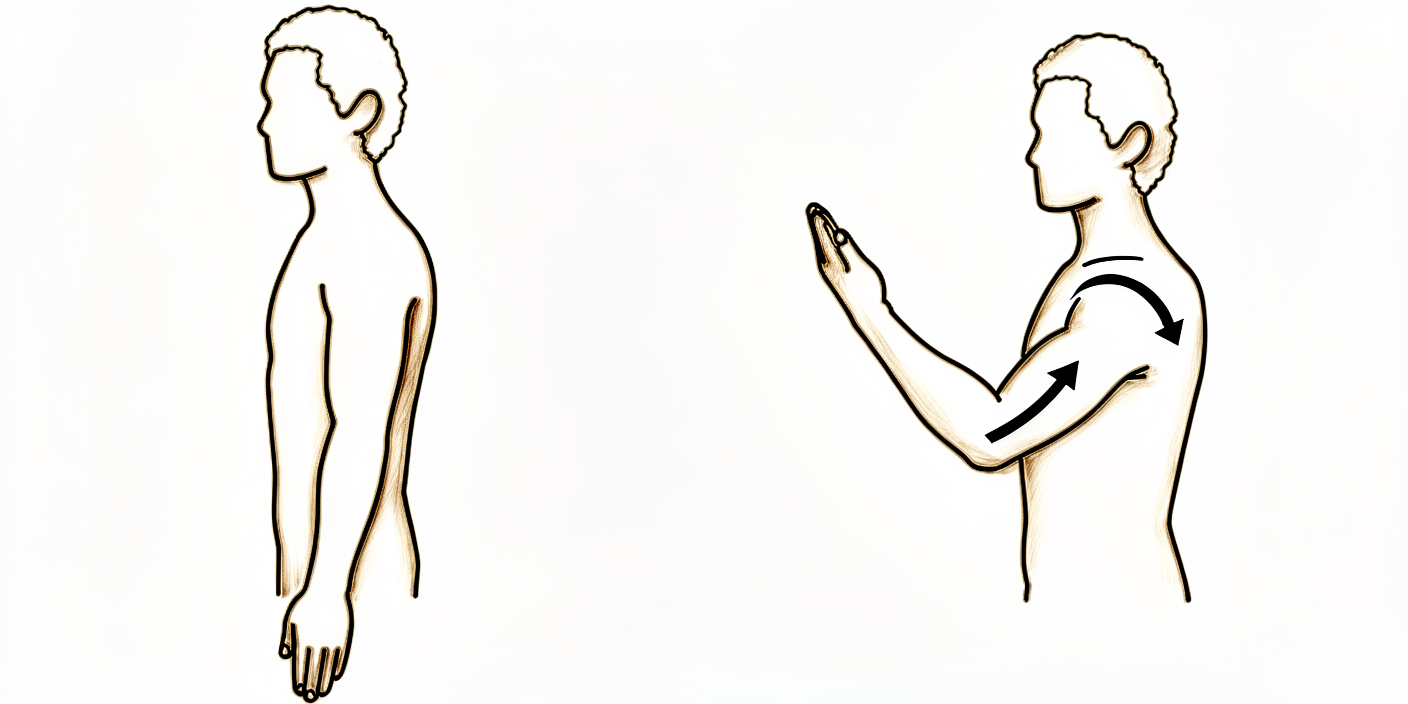
முழங்கையை மடக்குதல்
உங்கள் முழங்கையை மடக்கி நேராக்குங்கள்.
10 முறை, நாளொன்றுக்கு 3 முறை
Kieran Hirpara 4.0
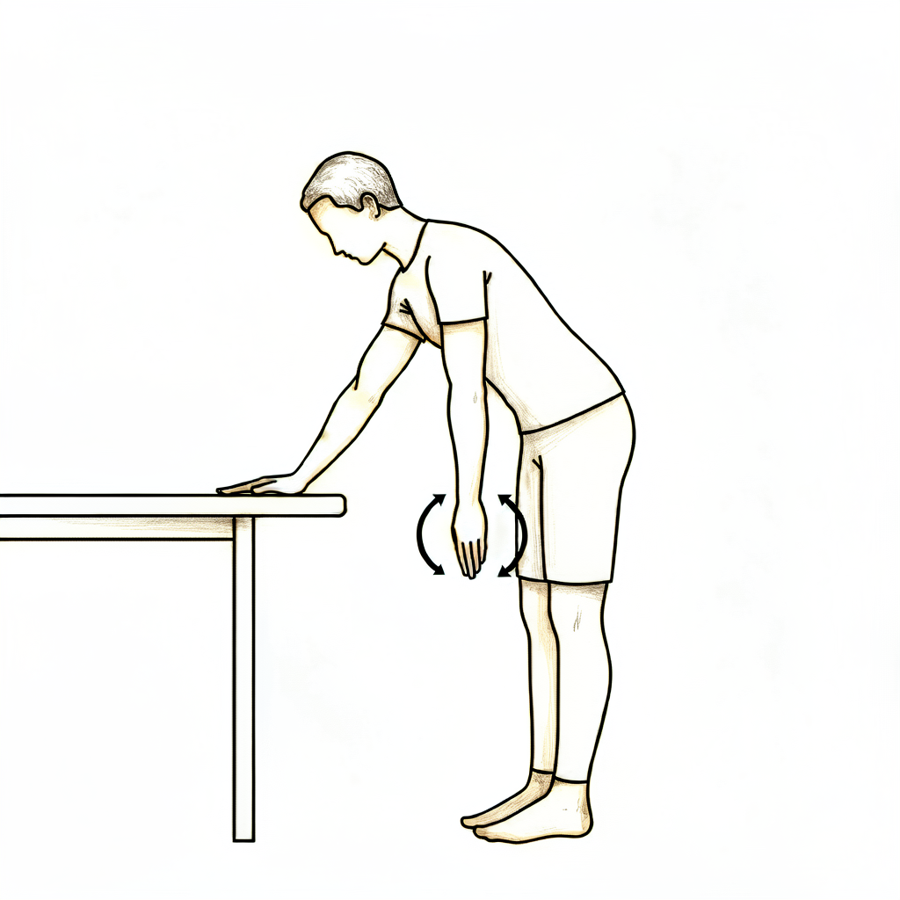
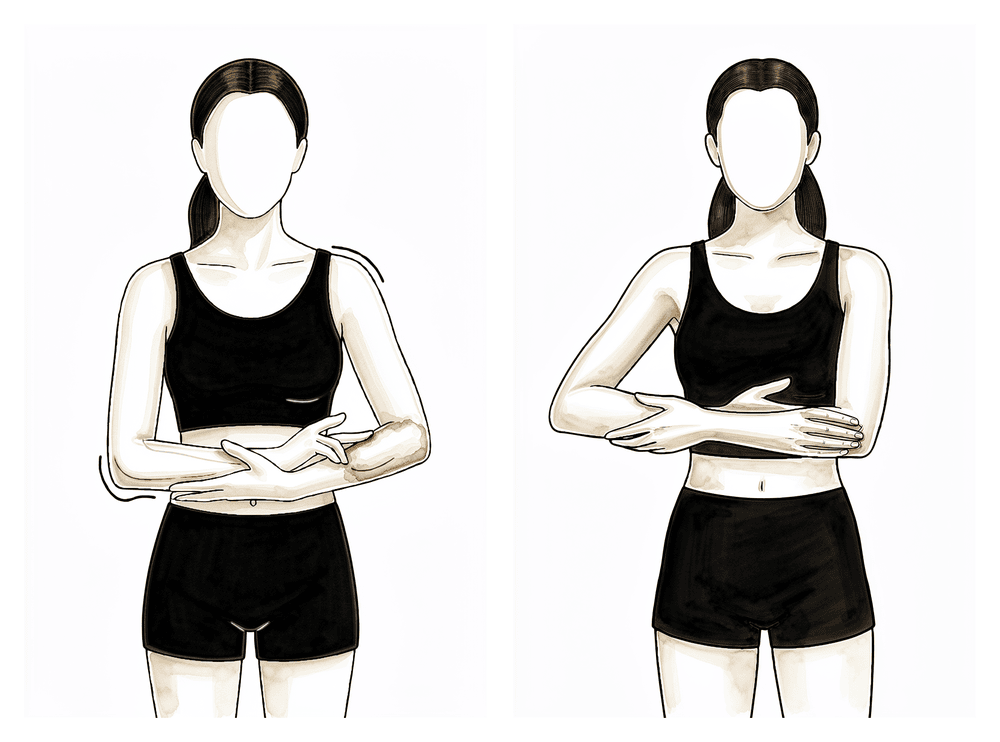
ஊசல் (pendulum) பயிற்சிகள்
இது ஒரு செயலற்ற (passive) பயிற்சி. முன்னோக்கிக் குனிந்து, உங்கள் கை தளர்ந்து கீழே தொங்கட்டும். கையை வலஞ்சுழியாகவோ இடஞ்சுழியாகவோ மென்மையாக அசைக்கவும், அத்துடன் முன்னோக்கியும், பின்னோக்கியும், பக்கவாட்டில் இருபுறமும் அசைக்கவும், உங்கள் உடலைப் பயன்படுத்துங்கள்.
ஒவ்வொரு திசையிலும் சுமார் 30 வினாடிகள், நாளொன்றுக்கு 3 முறை
Kieran Hirpara 4.0
உதவியுடன் பக்கவாட்டில் விரித்தல்
ஒரு நாற்காலியில் அமர்ந்து முன்னோக்கிக் குனிந்தபடி, அறுவை சிகிச்சை செய்த கையை (குழந்தையைத் தாலாட்டுவது போல) தாங்கிப் பிடித்து, அதைப் பக்கவாட்டில் வெளியே கொண்டு செல்ல உதவுங்கள்.
10 முறை, நாளொன்றுக்கு 3 முறை
Kieran Hirpara 4.0
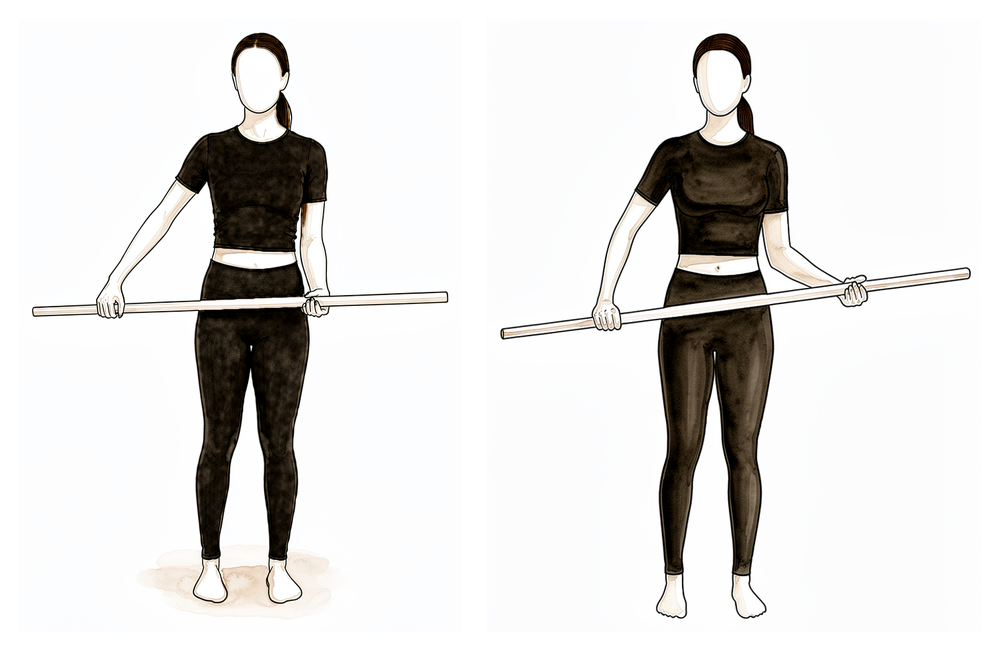
குச்சியுடன் உதவியுடன் செய்யும் வெளிப்புறச் சுழற்சி
முழங்கை உடலின் பக்கவாட்டில் ஒட்டியபடி செங்கோணத்தில் மடங்கியிருக்க, மல்லாந்து படுங்கள். இரு கைகளிலும் ஒரு குச்சியைப் பிடித்து, அறுவை சிகிச்சை செய்த கையை வெளிப்புறமாகத் திருப்பித் தோள்பட்டையைச் சுழற்ற உங்கள் நல்ல கையைப் பயன்படுத்துங்கள். இந்த அறுவை சிகிச்சைக்குப் பிறகு எவ்வளவு தூரம் வெளியே செல்லலாம் என்பதற்கு வரம்பு எதுவும் இல்லை; எனவே அசைவு வரம்பு தளர்ந்து வரும்போது அதை மென்மையாகச் சற்று மேலும் தள்ளுங்கள்.
10 முறை, நாளொன்றுக்கு 3 முறை
Kieran Hirpara 4.0
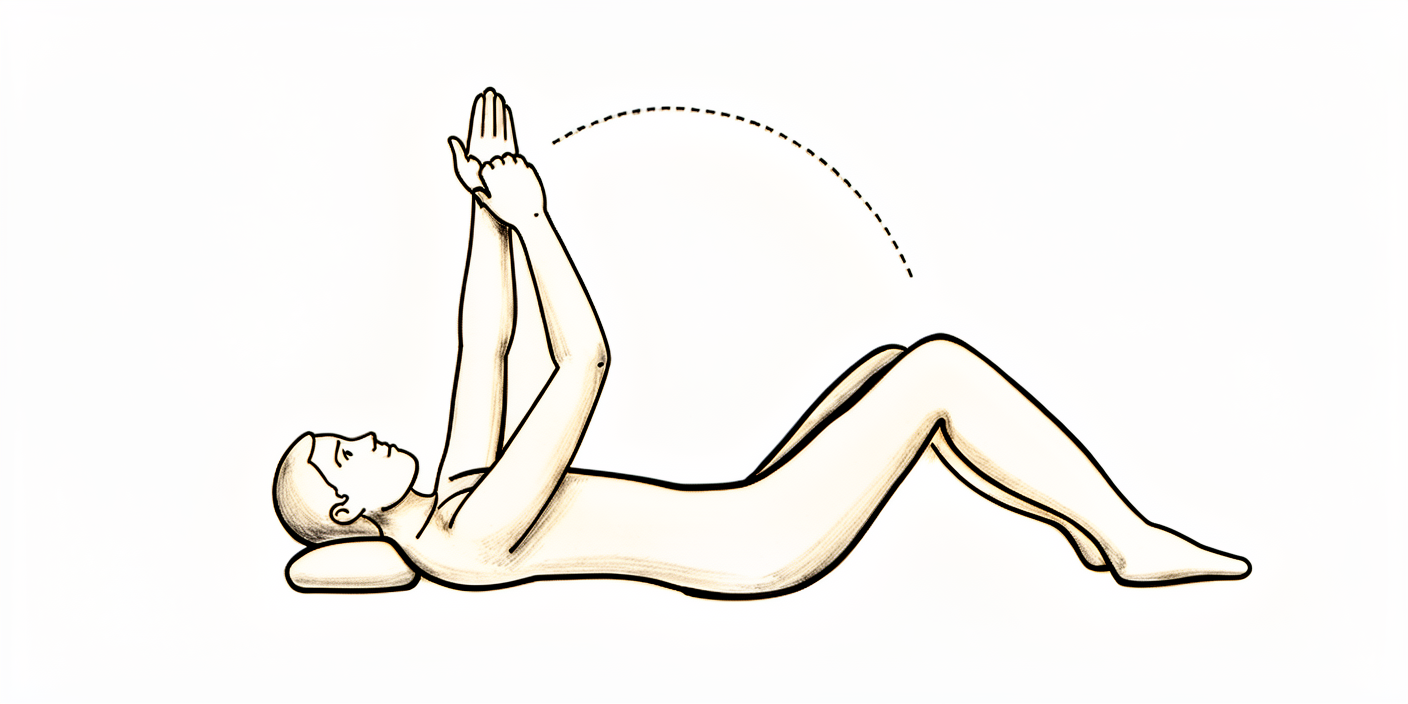
உதவியுடன் முன்னோக்கி உயர்த்துதல் (படுத்த நிலையில்)
நீங்கள் விரும்பினால், மல்லாந்து படுத்து, இரு கைகளிலும் ஒரு குச்சியையோ சுருட்டிய துண்டையோ பிடியுங்கள். அறுவை சிகிச்சை செய்த கையை வசதியாக முடிந்த அளவு தலைக்கு மேல் தள்ளி உயர்த்த உங்கள் நல்ல கையைப் பயன்படுத்துங்கள்; பின்னர் மெதுவாக அதை இறக்குங்கள். ஒவ்வொரு முறையும் உறுதியான நீட்சி வரும் வரை தள்ளுங்கள்.
10 முறை, நாளொன்றுக்கு 3 முறை
Kieran Hirpara 4.0
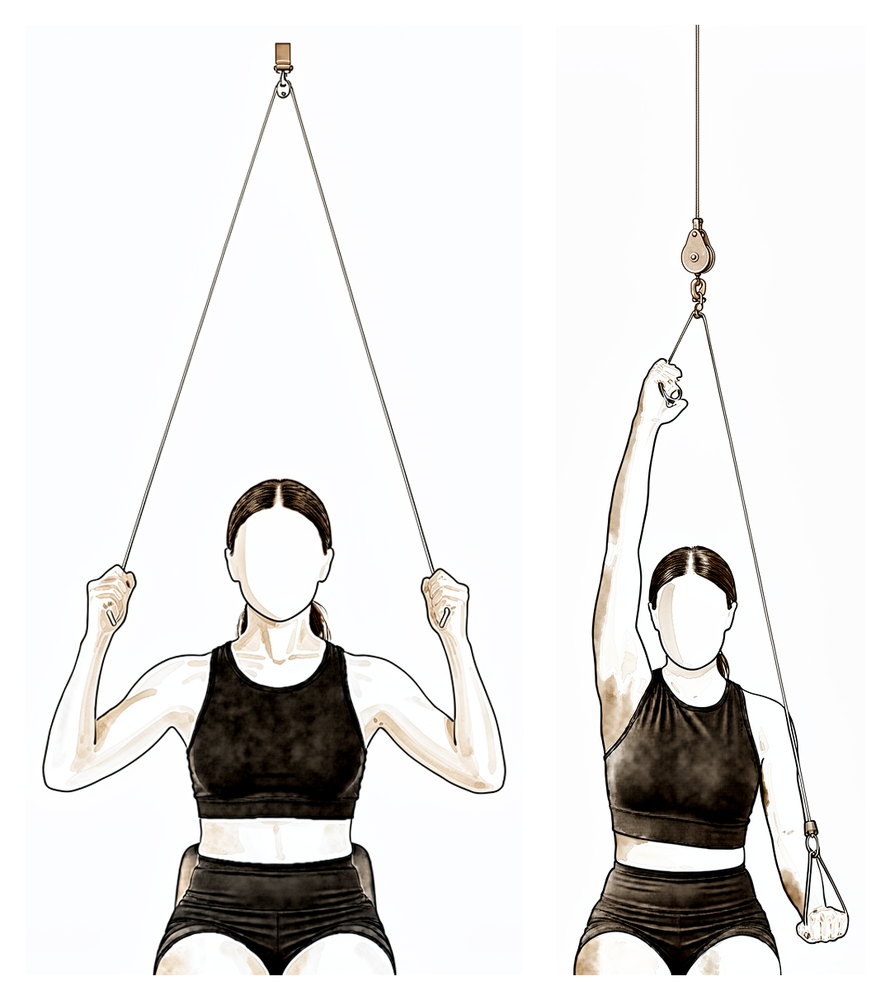
கதவின் மேலுள்ள கப்பி (pulley)
கதவின் மேல் பொருத்தப்பட்ட கப்பிக்குக் கீழே அமர்ந்து, ஒவ்வொரு கையிலும் ஒரு கைப்பிடியைப் பிடியுங்கள். நல்ல கையால் கீழ்நோக்கி இழுத்து, அறுவை சிகிச்சை செய்த கையை முடிந்த அளவு தலைக்கு மேல் உயர்த்துங்கள்; பின்னர் மெதுவாக இறக்குங்கள். ஒவ்வொரு முறையும் கடும் வலி வரும் வரை அல்ல, உறுதியான நீட்சி வரும் வரை கொண்டு செல்லுங்கள்.
10 முறை, நாளொன்றுக்கு 3 முறை
Kieran Hirpara 4.0
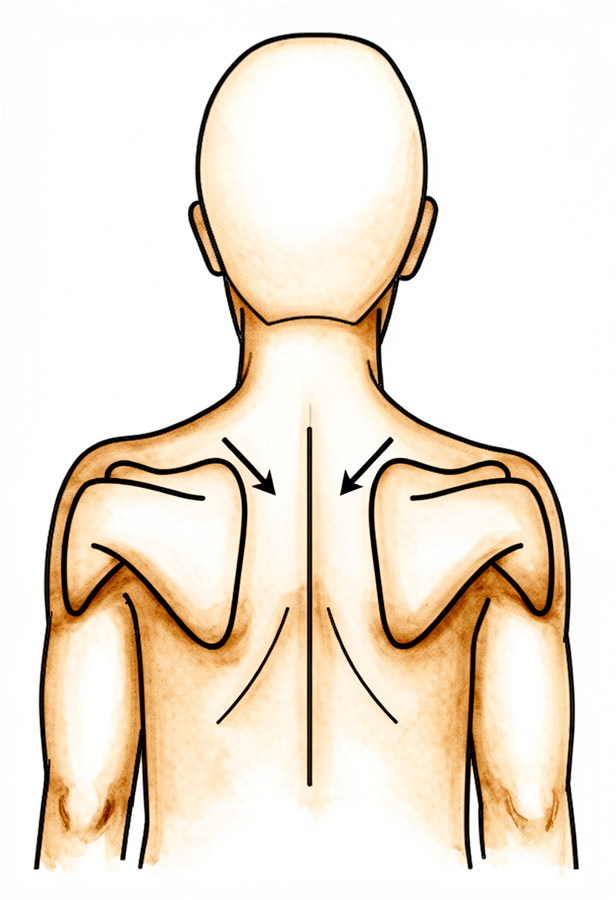
கீழ் ட்ரெப்பீசியஸ் (lower trapezius) தசையை இறுக்குதல்
உங்கள் தோள்பட்டை எலும்புகளை (shoulder blades) கீழ்நோக்கியும் ஒன்றோடொன்று நெருக்கியும் இறுக்குங்கள்.
5 வினாடிகள் பிடித்து வைக்கவும், 5 முறை, நாளொன்றுக்கு 3 முறை
Kieran Hirpara 4.0
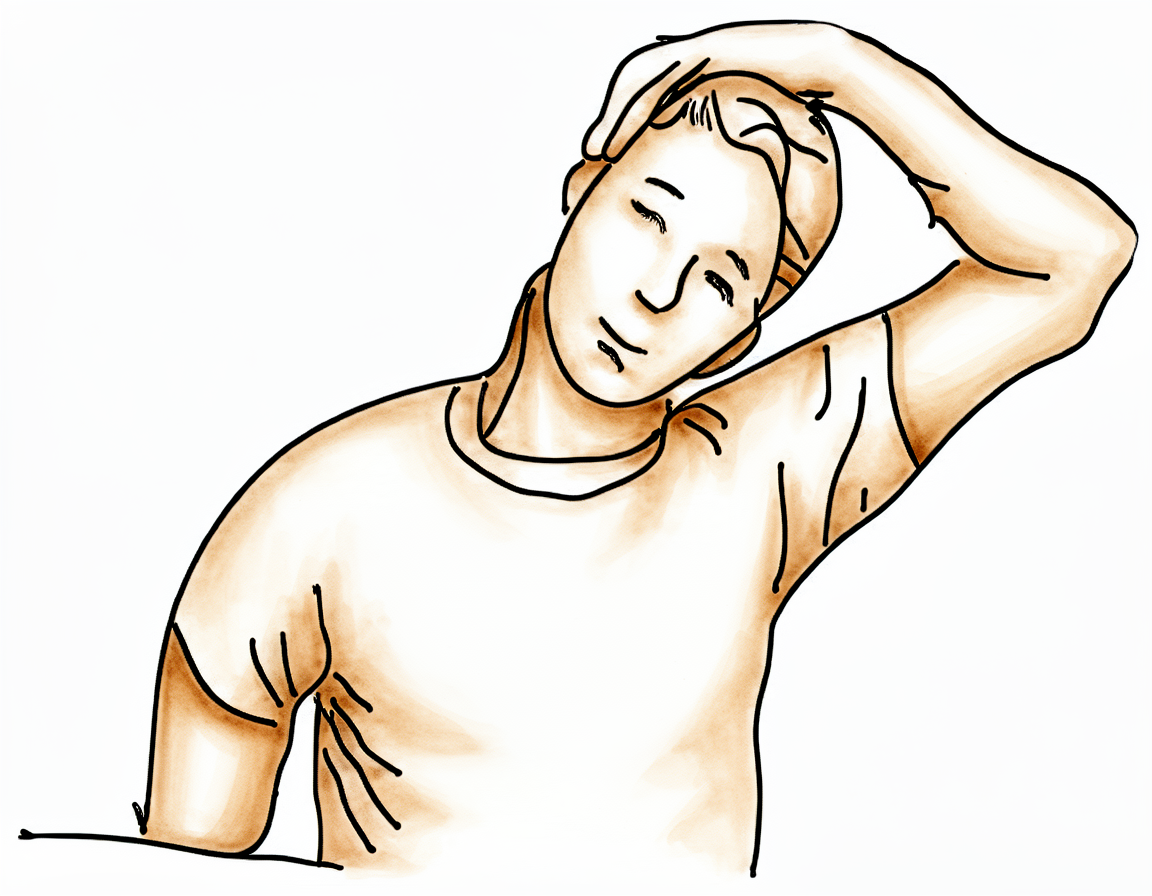
மேல் ட்ரெப்பீசியஸ் (upper trapezius) நீட்சி
அறுவை சிகிச்சை செய்த பக்கத்திலிருந்து விலகி, உங்கள் காதைத் தோள்பட்டையை நோக்கிக் கொண்டு வர, அறுவை சிகிச்சை செய்யாத கையைப் பயன்படுத்துங்கள்.
10 வினாடிகள் பிடித்து வைக்கவும், 3 முறை, நாளொன்றுக்கு 3 முறை
Kieran Hirpara 4.0
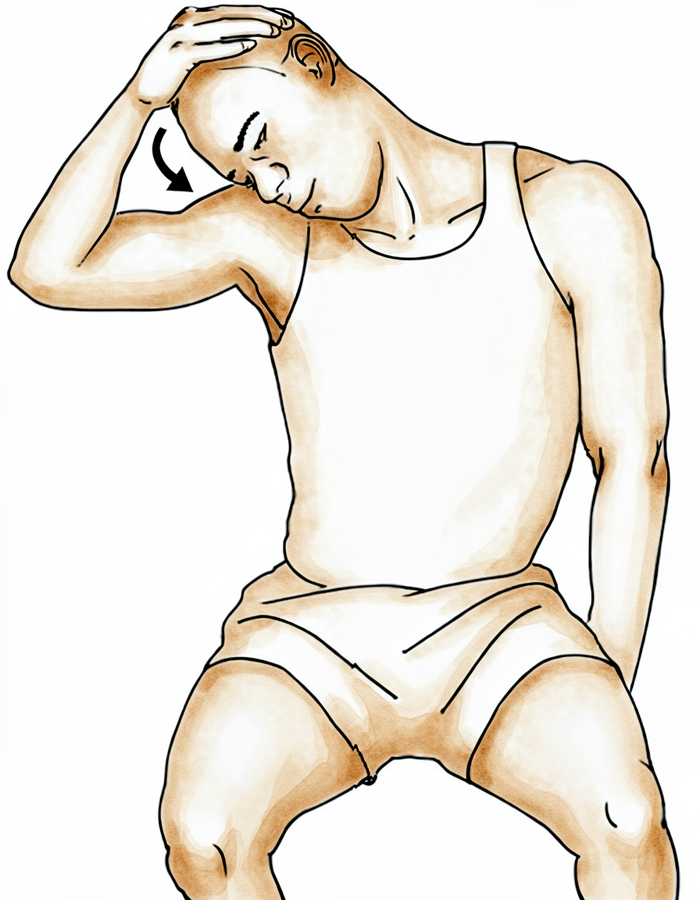
லெவேட்டர் ஸ்கேபுலே (levator scapulae) நீட்சி
அறுவை சிகிச்சை செய்த பக்கத்திலிருந்து விலகி, உங்கள் மூக்கை அக்குள் பகுதியை நோக்கிக் கொண்டு வர, அறுவை சிகிச்சை செய்யாத கையைப் பயன்படுத்துங்கள்.
10 வினாடிகள் பிடித்து வைக்கவும், 3 முறை, நாளொன்றுக்கு 3 முறை
Kieran Hirpara 4.0
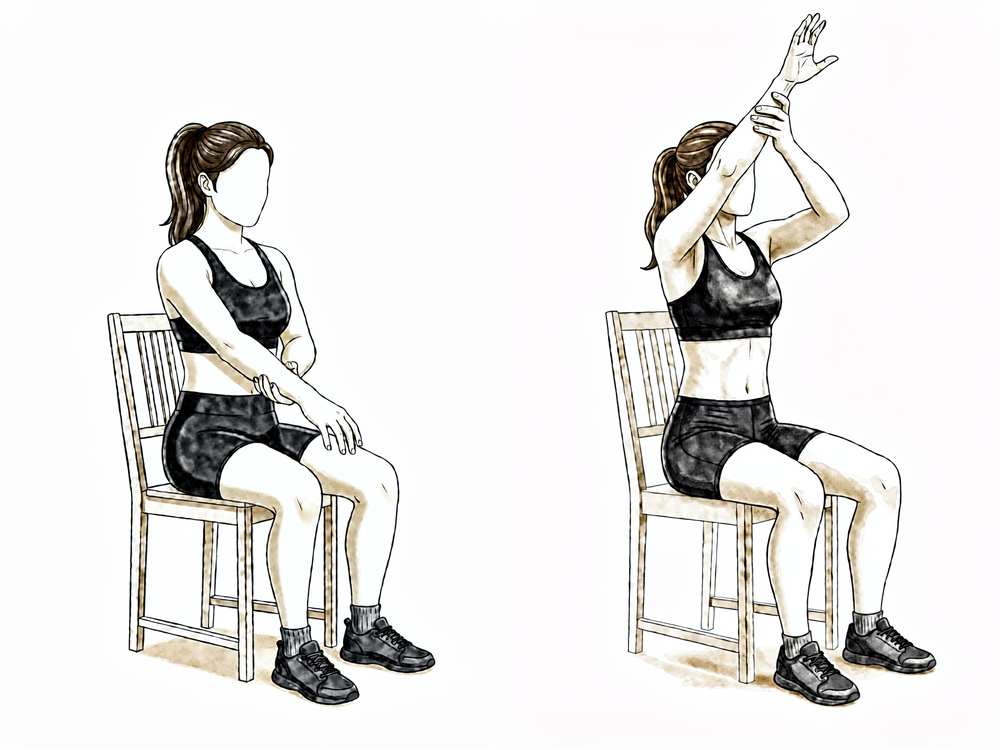
உதவியுடன் முன்னோக்கி உயர்த்துதல் (அமர்ந்த நிலையில்)
அமர்ந்து சற்று முன்னோக்கிச் சாய்ந்து, அறுவை சிகிச்சை செய்த முன்கையை உங்கள் நல்ல கையால் தாங்கிப் பிடித்து, வசதியாக முடிந்த அளவு அறுவை சிகிச்சை செய்த கையை உங்களுக்கு முன்னால் முன்னோக்கியும் மேல்நோக்கியும் உயர்த்துங்கள்; பின்னர் மெதுவாக அதை இறக்குங்கள். அறுவை சிகிச்சை செய்த தோள்பட்டை தளர்வாக இருக்க, நல்ல கையே வேலையைச் செய்யட்டும்.
உங்கள் இயன்முறை சிகிச்சையாளர் வழிகாட்டியபடி
இந்த மென்மையான பயிற்சிகளை மருத்துவமனையில் தொடங்கி, வீட்டிலும் அவற்றைத் தொடருங்கள். அவை வசதியாக இருக்க வேண்டும்; வலி அதிகரித்தால் சற்று பின்வாங்குங்கள்.
உங்கள் கைத்தாங்கியை அணிதல்
- கைத்தாங்கி (sling) வசதிக்காக மட்டுமே அணிய வேண்டியது; முடிந்தவரை அதைக் கழற்றியே வைத்திருக்க வேண்டும். கைத்தாங்கியை அணிந்து தூங்க வேண்டிய அவசியம் இல்லை.
- உங்கள் கையை முடிந்தவரை அசைத்துப் பயன்படுத்துங்கள்.
- வீட்டை விட்டு வெளியே செல்லும்போது, மற்றவர்கள் உங்கள் கையில் இடித்துவிடாமல் இருக்க, கைத்தாங்கியை அணிவது நல்லது.
- முதல் ஆறு வாரங்களுக்கு வாரத்திற்குக் குறைந்தது இரண்டு முறை இயன்முறை சிகிச்சை அமர்வுகளை இலக்காக வையுங்கள்.
- தேவைப்பட்டால் வலி நிவாரணத்திற்கு ஐஸ் பயன்படுத்துங்கள்.
- கைத்தாங்கியை அணிந்திருக்கும்போது, உங்கள் தோள்பட்டையைத் தளர்த்தி, உங்கள் கையின் எடையைக் கைத்தாங்கி தாங்கட்டும்.
- உங்கள் பயிற்சிகளைச் செய்வதற்கு முன்பும், உங்கள் இயன்முறை சிகிச்சைச் சந்திப்புகளுக்கு முன்பும் உங்கள் வலி நிவாரணிகளை எடுத்துக்கொள்ளுங்கள்.
- நீங்களே உங்கள் இயன்முறை சிகிச்சையை ஏற்பாடு செய்துகொள்ளவில்லை என்றால், உங்களுக்காக ஒரு சந்திப்பு ஏற்பாடு செய்யப்பட்டுள்ளது; அதன் விவரங்கள் வீடு திரும்பும்போது தரப்படும் ஆவணங்களில் (discharge pack) உள்ளன.
- ஏதேனும் சிக்கல் இருந்தால், கிளினிக்கைத் தொடர்பு கொள்ளுங்கள் அல்லது உங்கள் இயன்முறை சிகிச்சையாளரிடம் தெரிவியுங்கள்.
நீங்கள் வீட்டுக்குச் செல்லும்போது
நீங்கள் வீடு திரும்பியதும், உங்கள் அறுவை சிகிச்சைக்கான முழு மறுவாழ்வு நெறிமுறையுடன் (protocol) உங்கள் மீட்சி தொடர்கிறது: மூட்டுறை விடுவிப்பு; அக்ரோமியனுக்குக் கீழான அழுத்தம் குறைப்பு.
மருத்துவமனையில் செய்யப்படும் இந்த ஆரம்பகாலப் பயிற்சிகள், இந்த அறுவை சிகிச்சைகளுக்காக வெளியிடப்பட்ட நோயாளர் வழிகாட்டுதல்களிலிருந்தும் மறுவாழ்வு நெறிமுறைகளிலிருந்தும் தழுவி எடுக்கப்பட்டவை; நேர அளவுகள் நிலையானவை அல்ல, வழக்கமானவை. உங்கள் தோள்பட்டை எப்படிப் பதிலளிக்கிறது என்பதன் அடிப்படையில், உங்கள் இயன்முறை சிகிச்சையாளர் உங்கள் மீட்சிக்குத் தனிப்பட்ட முறையில் வழிகாட்டுவார். இந்த ஆரம்பகட்டத்தின் பின்னணியில் உள்ள ஆதாரங்கள் (மூட்டுறை விடுவிப்புக்குப் பிறகு தோள்பட்டையைப் பாதுகாப்பதை விட உடனடி அசைவே ஏன் முன்னுரிமை பெறுகிறது என்பது) ஆதாரப் பிரிவில் சுருக்கமாகத் தரப்பட்டுள்ளன; அது இந்தப் பக்கத்தின் மேற்பகுதியிலிருந்து PDF ஆகக் கிடைக்கிறது.
Evidence & references
This is the clinical evidence summary written for health professionals. It is technical, and it lists the research this page was built from. You do not need to read it to understand your treatment or to make a decision about it.
Topic scope: the early in-hospital phase of rehabilitation for patients who have just had an arthroscopic capsular release (for a stiff/frozen shoulder) and/or an arthroscopic subacromial decompression (acromioplasty). This page covers only the first day or two after surgery — getting the shoulder moving before the patient goes home. The full recovery course lives in the parent protocols: capsular release and subacromial decompression. Read those for the week-by-week plan, strengthening and return to work/sport.
Defining principle of this pathway (the inversion): unlike most shoulder operations — where a repair (cuff, labrum, instability) must be protected in a sling and range of motion is restricted to let the tissue heal — capsular release does the opposite. Nothing has been repaired, so there is no construct to protect. The shoulder was deliberately freed up in theatre, and the enemy now is re-stiffening. The in-hospital priority is therefore immediate, aggressive range of motion from day 0–1, usually with no protective sling (or a sling only for comfort, discarded quickly), to hold on to the range gained at surgery. A subacromial decompression is also a "make room / take pressure off" operation with no repair, so it follows the same early-movement logic. The single thing that changes this is if the surgeon also had to repair a rotator cuff tear at the same time — then the slower, protected cuff-repair pathway applies and the surgeon will say so.
The early in-hospital phase
The aim of the first day or two is simple: keep the shoulder moving and keep the patient comfortable enough to do so. In hospital, patients are started on gentle hand, wrist and elbow movements, pendulum (Codman) swings, and assisted elevation and external rotation — exactly the gentle exercises listed on the patient page. Adequate pain relief is the practical key, because a comfortable patient will move the arm, and a moving arm does not re-stiffen.
For capsular release in particular, surgeons commonly inject an intra-articular corticosteroid and perform a gentle controlled manipulation at the end of the operation to confirm the gained range and to damp down the post-operative inflammation that drives re-contracture [Smith 2017, PMC5137660]. The early motion exercises then begin straight away — often the same day or the first day after surgery.
Evidence by theme
Immediate-motion capsular-release protocols
Published arthroscopic capsular release (ACR) series describe starting motion immediately, not after a protected period. The largest cohort (Kanbe 2018, n = 255) commenced "passive, assisted-active and stooping (pendulum) exercises for forward flexion and external rotation 1 day after surgery," progressing to active strengthening at ~2 weeks and return to work by 4–6 weeks [Kanbe 2018]. Surgical-technique reviews echo this: active-assisted and passive range-of-motion exercises — pendulum/circumduction and pulley work — "can be started on the first postoperative day," and patients perceive the improvement in motion immediately, which reinforces their commitment to moving the arm [Essential Surgical Technique, PMC6221416]. Several ACR series pair the release with an intra-articular steroid + controlled manipulation at the index procedure to limit re-stiffening [Smith 2017, PMC5137660]. Evidence: large cohorts + expert/consensus.
Subacromial decompression — early motion, sling for comfort only
Arthroscopic subacromial decompression (acromioplasty) likewise has no repair to protect. Patient-guidance protocols start physiotherapy immediately after surgery, with a sling worn only 1–2 weeks for comfort and early active range of motion (forward elevation below shoulder height, gentle rotation) from the outset; strengthening follows at 4–6 weeks and unrestricted activity by 6–12 weeks [Boston Shoulder Institute SAD protocol; London Shoulder Partnership]. The important caveat, stated in every protocol, is that a concomitant rotator cuff repair (or biceps/SLAP repair) converts the recovery to the slower, protected pathway [PMC6145625].
Why immediate motion (and not protection)
A small number of patients develop stiffness after even simple arthroscopic shoulder procedures, which is the failure mode early movement is designed to prevent [Frozen shoulder after simple arthroscopic procedures, 10.1302/0301-620x.97b7.35387]. Conversely, the corpus also flags chondrolysis after shoulder arthroscopy as a rare but serious complication — a reminder that "aggressive" here means aggressive motion, on a comfortable, well-analgesed patient, not aggressive intra-articular intervention [10.1177/0363546503262176].
Phased timeline — early phase only
| Phase | Window | Sling | ROM / use | Notes |
|---|---|---|---|---|
| 0 — In hospital (this page) | Day 0–1 | None, or comfort only — left off as much as possible, not worn to sleep | Gentle hand/wrist/elbow movement; pendulums; assisted forward flexion + external rotation begun day 1; HEP several times/day | Take painkillers before exercises and physio; ice for pain. Capsular release: intra-articular steroid ± gentle manipulation often given in theatre |
| 1 — First weeks (see parent protocol) | Week 0–2+ | Comfort only, discarded early | Continue assisted/active motion to hold the gained range; physio ≥ 2×/week early on | Full week-by-week plan, strengthening and return to function are in the capsular release and subacromial decompression protocols |
Branch point — if a rotator cuff repair was also performed: the recovery converts to the protected rotator-cuff-repair pathway (sling ~6 weeks, restricted motion, delayed strengthening). The surgeon confirms which pathway applies before discharge — this is a surgeon-decided point, not a default.
Key controversies / evidence quality
- The post-operative rehab protocol is consensus/expert, not RCT-derived. There is no high-level trial defining the optimal regimen after capsular release; published protocols are large cohorts and surgeon patient-guidance documents and vary in detail [Kanbe 2018; Willmore 2020 review]. What is consistent across them all is the immediate-motion, no-protective-sling principle.
- Sling: comfort only vs none. Protocols differ on whether to use a comfort sling at all and for how long (days to ~2 weeks for decompression). All agree it must be left off as much as possible and is never a protective device here.
- Steroid + manipulation at the index procedure. Common in ACR to limit re-stiffening, but the exact regimen (dose, whether to manipulate) is surgeon preference, not standardised by trial.
Evidence-strength flags
- MODERATE (large cohorts): clinical outcomes of arthroscopic capsular release with day-1 motion (Kanbe 2018, n = 255); subacromial decompression outcomes.
- WEAK / CONSENSUS: the early-phase rehab protocol itself — immediate motion, sling-for-comfort rules, intra-articular steroid + manipulation timing (surgeon patient-guidance and expert review; no defining rehab RCT).
- Branch-point claim (cuff repair → protected pathway): STRONG rationale and uniformly stated across protocols.
Citations
RAG corpus (180,000+ Orthopaedic articles)
- Arthroscopic capsular release for refractory shoulder stiffness: a critical analysis of effectiveness in specific etiologies. J Shoulder Elbow Surg. DOI: 10.1016/j.jse.2009.08.004
- Arthroscopic release of postoperative capsular contracture of the shoulder. J Bone Joint Surg Am. 1997. DOI: 10.2106/00004623-199708000-00006
- Arthroscopic release for chronic, refractory adhesive capsulitis of the shoulder. J Bone Joint Surg Am. 1996. DOI: 10.2106/00004623-199612000-00003
- Clinical outcome of arthroscopic capsular release for frozen shoulder: essential technical points in 255 patients (Kanbe 2018; day-1 ROM, 4–6 wk return to work). J Orthop Surg Res. 2018. DOI: 10.1186/s13018-018-0758-5
- Establishing the MCID and PASS thresholds following arthroscopic capsular release for idiopathic adhesive capsulitis. Arthroscopy. 2023. DOI: 10.1016/j.arthro.2023.08.083
- Frozen shoulder after simple arthroscopic shoulder procedures. Bone Joint J. 2015. DOI: 10.1302/0301-620x.97b7.35387
- Glenohumeral chondrolysis after shoulder arthroscopy (rare serious complication; "aggressive" = motion, not intra-articular intervention). Am J Sports Med. 2004. DOI: 10.1177/0363546503262176
- Effect of capsular release in the treatment of shoulder stiffness concomitant with rotator cuff repair. Am J Sports Med. 2014. DOI: 10.1177/0363546513519326
Literature & published protocols (URLs)
- Kanbe K. Clinical outcome of arthroscopic capsular release for frozen shoulder (day-1 ROM protocol). PMC: https://pmc.ncbi.nlm.nih.gov/articles/PMC5857121/
- Smith CD et al. Arthroscopic capsular release for idiopathic frozen shoulder with intra-articular injection and controlled manipulation. PMC5137660: https://pmc.ncbi.nlm.nih.gov/articles/PMC5137660/
- Essential surgical technique for arthroscopic capsular release (active-assisted/passive ROM from first post-op day). PMC6221416: https://pmc.ncbi.nlm.nih.gov/articles/PMC6221416/
- Arthroscopic subacromial decompression and acromioplasty — rehabilitation and concomitant-repair caveat. PMC6145625: https://pmc.ncbi.nlm.nih.gov/articles/PMC6145625/
- Boston Shoulder Institute — Post-operative arthroscopic subacromial decompression protocol (sling 1–2 wk for comfort, immediate physio): https://bostonshoulderinstitute.com/wp-content/uploads/2014/07/Shoulder-Subacromial-Decompression-protocol2.pdf
- The London Shoulder Partnership — Subacromial decompression (acromioplasty): http://thelondonshoulderpartnership.co.uk/shoulder/shoulder-surgery/subacromial-decompression-acromioplasty/
- J Paget NHS — Patient information: arthroscopic capsular release following a frozen shoulder (sling for comfort, early movement): https://www.jpaget.nhs.uk/media/efmf3bab/arthroscopic-capsular-release-following-a-frozen-shoulder.pdf





