

டி குவெர்வான் விடுவிப்பு (de Quervain's Release) தகவல்
Mater Private Hospital Rockhampton-இல் டாக்டர் கியரன் ஹிர்பரா செய்யும் டி குவெர்வான் விடுவிப்பு (de Quervain's release) — உங்கள் மணிக்கட்டின் கட்டைவிரல் பக்கத் தசைநாண்களின் மீதுள்ள இறுக்கமான சுரங்கத்தைத் திறக்கும் ஒரு சிறிய அறுவை சிகிச்சை — அதற்குப் பிறகு உங்கள் மீட்சிக்கு இந்த நெறிமுறை (protocol) வழிகாட்டுகிறது. இது உங்கள் வீட்டுப் பயிற்சித் திட்டத்துடன் தொடங்குகிறது; அதைத் தொடர்ந்து உங்கள் கை சிகிச்சையாளருக்காக எழுதப்பட்ட முறைப்படுத்தப்பட்ட மருத்துவ நெறிமுறை வருகிறது; உங்கள் மறுவாழ்வுப் பயிற்சி ஒருங்கிணைந்து இருக்க, இந்தப் பக்கத்தையோ அதன் PDF-ஐயோ உங்கள் முதல் சிகிச்சை வருகைக்குக் கொண்டு வாருங்கள். உங்கள் மீட்சி எப்படி முன்னேறுகிறது என்பதைப் பொறுத்து உங்கள் கை சிகிச்சையாளர் இந்தத் திட்டத்தை மாற்றியமைக்கலாம்.
அறுவை சிகிச்சைக்குப் பிறகு உங்கள் காயம் பற்றி ஏதேனும் கவலை இருந்தால், கிளினிக்கைத் தொடர்பு கொள்ளுங்கள். காயத்தைப் புகைப்படம் எடுத்து, பார்வையிடுவதற்காக மின்னஞ்சலில் அனுப்புவது பெரும்பாலும் உதவியாக இருக்கும்.
என்ன எதிர்பார்க்கலாம்
டி குவெர்வான் தசைநாண் உறை அழற்சி (de Quervain's tenosynovitis) என்பது, உங்கள் கட்டைவிரலுக்குச் செல்லும் இரண்டு தசைநாண்கள் (abductor pollicis longus மற்றும் extensor pollicis brevis) மணிக்கட்டின் கட்டைவிரல் பக்கத்தில் ஒரு நெருக்கமான சுரங்கத்தின் (முதல் முதுகுப்புறப் பகுதி — first dorsal compartment) வழியாகச் செல்லும் இடத்தில் ஏற்படும் எரிச்சலாகும். விடுவிப்பு என்பது அந்தச் சுரங்கத்தைத் திறக்கும் ஒரு சிறிய அறுவை சிகிச்சை; அதனால் தசைநாண்கள் சுதந்திரமாக நழுவிச் செல்ல இடம் கிடைத்து, வலியும் சிக்கிக்கொள்ளும் உணர்வும் தணிகின்றன.
எதுவும் மீண்டும் தைக்கப்படவோ இறுக்கப்படவோ இல்லை என்பதால் (சுரங்கம் வெறுமனே திறக்கப்படுகிறது, அது திறந்தே இருக்க வேண்டும்), இது ஒரு ஆரம்பகால அசைவு சார்ந்த மீட்சி; நீண்ட காலம் பாதுகாக்கப்படும் வகையானது அல்ல. மாதக்கணக்கில் குணமாக வேண்டிய பழுதுபார்ப்பு அமைப்பு எதுவும் இங்கு இல்லை. அறுவை சிகிச்சை நடந்த இடம் குணமாகும்போது தசைநாண்கள் அதன் வழியாக அசைந்துகொண்டே இருக்கச் செய்து, அவை ஒட்டிக்கொள்ளாமல் பார்த்துக்கொள்வதே மறுவாழ்வுப் பயிற்சியின் முழு நோக்கம்; இதற்கிடையில் சிறிய காயமும் அதன் மேலுள்ள தோல் நரம்புகளும் சீரடைகின்றன.
எனவே திட்டம் எளிமையானது: முதல் சில நாட்கள் முதல் சுமார் ஒன்று அல்லது இரண்டு வாரங்கள் வரை ஒரு மென்மையான கட்டு (சில நேரங்களில் வசதிக்காக மட்டும் ஒரு இலகுவான கட்டைவிரல் சிம்பு), ஆரம்பத்திலேயே தொடங்கப்படும் மென்மையான கட்டைவிரல் மற்றும் மணிக்கட்டு அசைவு, காயம் குணமானதும் வடு பராமரிப்பு, மற்றும் பிடி வலிமையையும் கிள்ளும் வலிமையையும் படிப்படியாகக் கட்டியெழுப்புதல். பெரும்பாலானோர் சுமார் நான்கு முதல் ஆறு வாரங்களுக்குள் வசதியான இயல்பான செயல்பாட்டுக்குத் திரும்பிவிடுகிறார்கள்.
இந்த அறுவை சிகிச்சைக்குப் பிறகு இரண்டு விஷயங்கள் கண்காணிக்கப்படுகின்றன. முதலாவது ஒரு சிறிய தோல் நரம்பு — ரேடியல் உணர்வு நரம்பு (radial sensory nerve); அதன் கிளைகள் அறுவை சிகிச்சை இடத்தின் முன்புறமாகவே ஓடுகின்றன; அது சிறிது காலம் கூச்சமாகவோ தொட்டால் வலிப்பதாகவோ இருக்கலாம், ஆரம்பகால நரம்பைத் தணிக்கும் பயிற்சி அதற்காகவே செய்யப்படுகிறது. இரண்டாவது தசைநாண்களின் நிலை: சுரங்கத்தை உள்ளங்கைப் பக்கம் நோக்கி அதிக தூரம் திறந்தால், நீங்கள் கட்டைவிரலை அசைக்கும்போது ஒரு தசைநாண் முன்னோக்கி நழுவ (subluxate) அரிதாக வாய்ப்புள்ளது. இரண்டுமே அரிதானவை; உங்கள் கை சிகிச்சையாளர் அவற்றைக் கவனித்து வருவார்.
முன்னெச்சரிக்கைகளும் கட்டுப்பாடுகளும்
- ஆரம்பத்திலிருந்தே கட்டைவிரலையும் மணிக்கட்டையும் அசைத்துக்கொண்டே இருங்கள்: இங்கு சிகிச்சை என்பது மென்மையான அசைவே, ஓய்வு அல்ல. மிகக் குறைவாகச் செய்வதால் வரும் விறைப்பைத் தவிர்ப்பதே நாம் முக்கியமாக முயல்வது.
- வசதிக்கான சிம்பை அறிவுறுத்தப்பட்டபடி மட்டுமே, முதல் சில நாட்கள் முதல் ஒன்று அல்லது இரண்டு வாரங்கள் வரை மட்டுமே பயன்படுத்துங்கள்: அது வசதிக்காகவே தவிர பாதுகாப்புக்கு அல்ல; உங்கள் பயிற்சிகளுக்கு அதைக் கழற்ற வேண்டும்.
- காயம் குணமாகும் வரை அதைச் சுத்தமாகவும் உலர்வாகவும் வைத்திருங்கள்; கட்டுகள் நீக்கப்பட்டு தோல் மூடப்படும் வரை வடு மசாஜைத் தொடங்க வேண்டாம்.
- சுமார் மூன்று முதல் நான்கு வாரங்கள் வரை கனமாகப் பிடித்தல், வலுக்கட்டாயமாகக் கிள்ளுதல், தூக்குதல், திருகுதல் (துணியைப் பிழிதல், இறுக்கமான மூடிகளைத் திறத்தல், கனமான கருவிகள்) ஆகியவற்றைத் தவிருங்கள்; பின்னர் படிப்படியாக மீண்டும் கட்டியெழுப்புங்கள்.
- கட்டைவிரலின் மற்றும் மணிக்கட்டின் மேற்புறத்தில் கூச்சம், உணர்விழப்பு அல்லது கூரிய மின்சாரம் பாய்வது போன்ற உணர்வு தோன்றினால், அல்லது கட்டைவிரலை அசைக்கும்போது ஒரு தசைநாண் படக்கென்று நகர்ந்தாலோ நழுவினாலோ, உங்கள் சிகிச்சையாளரிடமோ கிளினிக்கிடமோ தெரிவியுங்கள்.
காயம், வீக்கம் மற்றும் வடு மேலாண்மை குறித்து, கிளினிக்கின் காயப் பராமரிப்பு வழிகாட்டுதலைப் பாருங்கள்.
உங்கள் பயிற்சிகள்
Kieran Hirpara 4.0
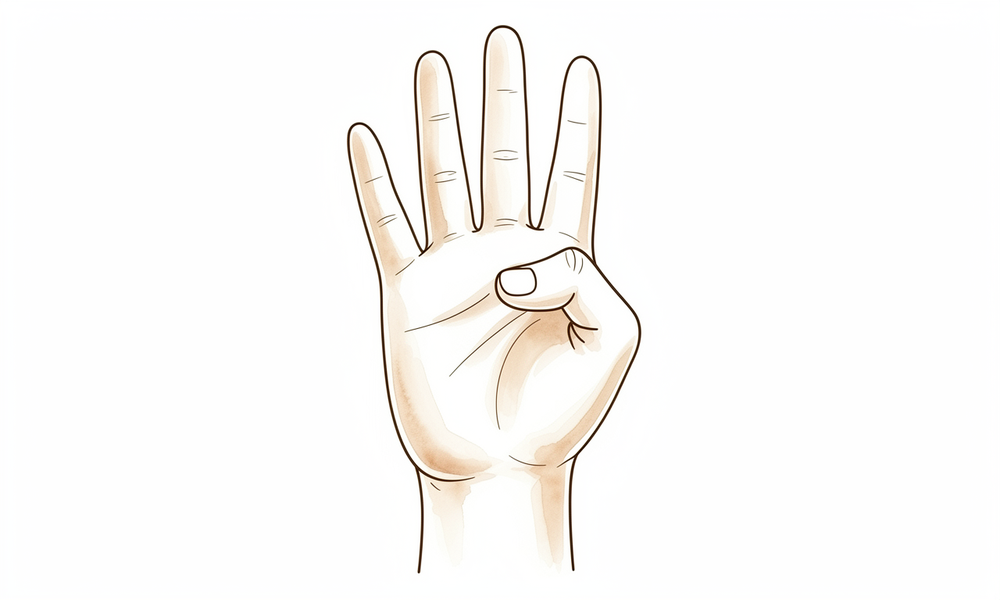
கட்டைவிரல் அசைவு (வளைத்தல், நேராக்குதல், நீட்டுதல்)
உங்கள் கட்டைவிரலை அதன் முழு அசைவு வரம்பின் வழியாக மென்மையாக நகர்த்துங்கள்: நுனியை உள்ளங்கையை நோக்கிக் கீழே வளையுங்கள், அதை நேராக்குங்கள், பின்னர் கட்டைவிரல் முழுவதையும் உள்ளங்கையின் குறுக்கே நகர்த்தி உங்கள் சுண்டு விரலின் அடிப்பகுதியைத் தொட்டு, மீண்டும் அகலமாக வெளியே கொண்டு வாருங்கள். மெதுவாகவும் வசதியாகவும் செய்யுங்கள். ஆரம்பகால கட்டைவிரல் அசைவு, விடுவிக்கப்பட்ட தசைநாண்களை நழுவிக்கொண்டே இருக்கச் செய்கிறது; இதனால் அவை குணமாகும் வடுவில் ஒட்டிக்கொள்வதில்லை.
ஒவ்வொன்றும் 10 முறை, நாளொன்றுக்கு 3–4 முறை, வசதிக்கு உட்பட்டு
Kieran Hirpara 4.0
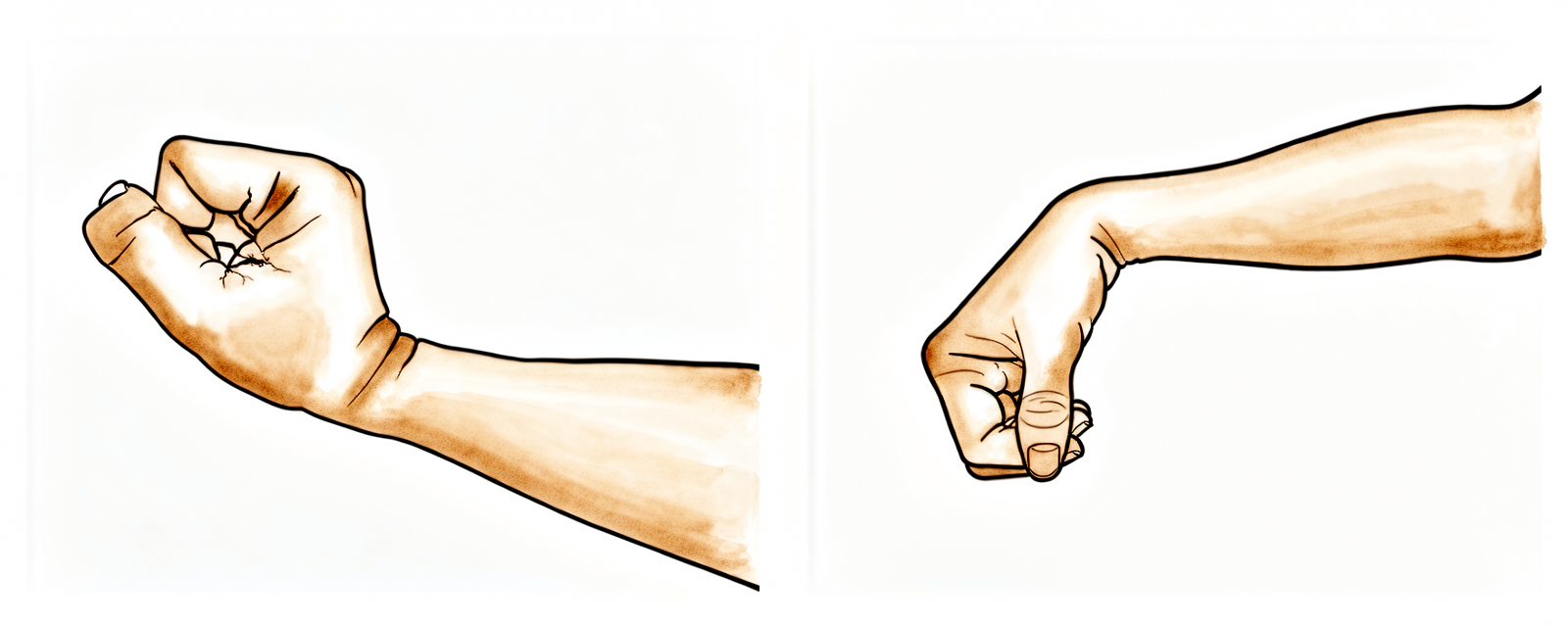
மணிக்கட்டு அசைவு (மேலே, கீழே, பக்கவாட்டில்)
உங்கள் முன்கையை ஒரு மேசையின் மீது ஓய்வாக வைத்து, மணிக்கட்டை மென்மையாக மேலும் கீழும் வளையுங்கள்; பின்னர் அதைப் பக்கவாட்டில் சாய்த்துங்கள் (கட்டைவிரலை நோக்கி, பின்னர் சுண்டு விரலை நோக்கி). வசதியாக இருக்கும் அளவுக்கு மட்டுமே நகர்த்துங்கள். காயம் சீரடையும்போது இது மணிக்கட்டை நெகிழ்வாக வைத்திருக்கிறது.
ஒவ்வொரு திசையிலும் 10 முறை, நாளொன்றுக்கு 3–4 முறை
Kieran Hirpara 4.0
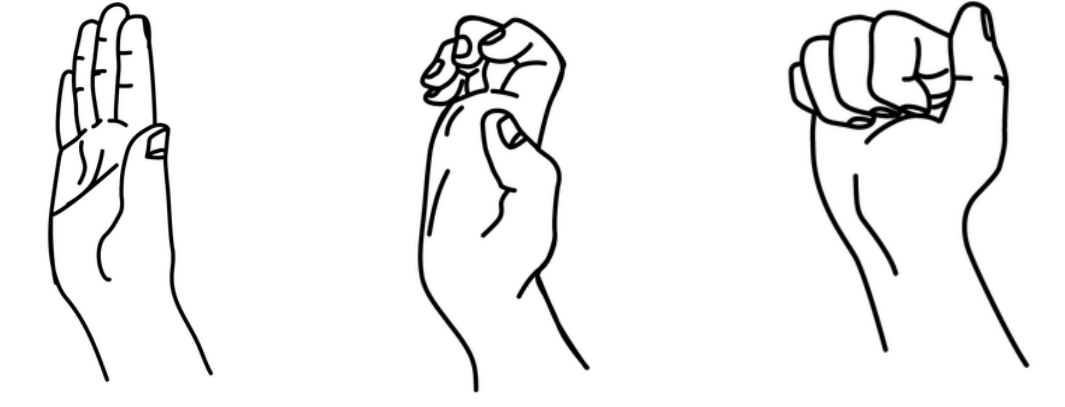
தசைநாண் நழுவல்கள் (கட்டைவிரல் மற்றும் விரல் நழுவல்)
உங்கள் கையை அகலமாக விரியுங்கள்; பின்னர் கட்டைவிரலை நகர்த்தி ஒவ்வொரு விரல் நுனியையும் முறையாகத் தொடுங்கள்; பின்னர் ஒரு தளர்வான முஷ்டி மூடி மீண்டும் விரியுங்கள். இலக்கு சீரான நழுவலே தவிர வலிமை அல்ல. விறைப்பையும் ஒட்டிக்கொள்ளலையும் தவிர்க்க, ஆரம்ப வாரங்களில் தசைநாண்களை விடுவிக்கப்பட்ட சுரங்கத்தின் வழியாக அசைந்துகொண்டே இருக்கச் செய்வதே மிக முக்கியமான ஒரே விஷயம்.
5–10 மெதுவான சுழற்சிகள், நாளொன்றுக்கு 3–4 முறை
Kieran Hirpara 4.0
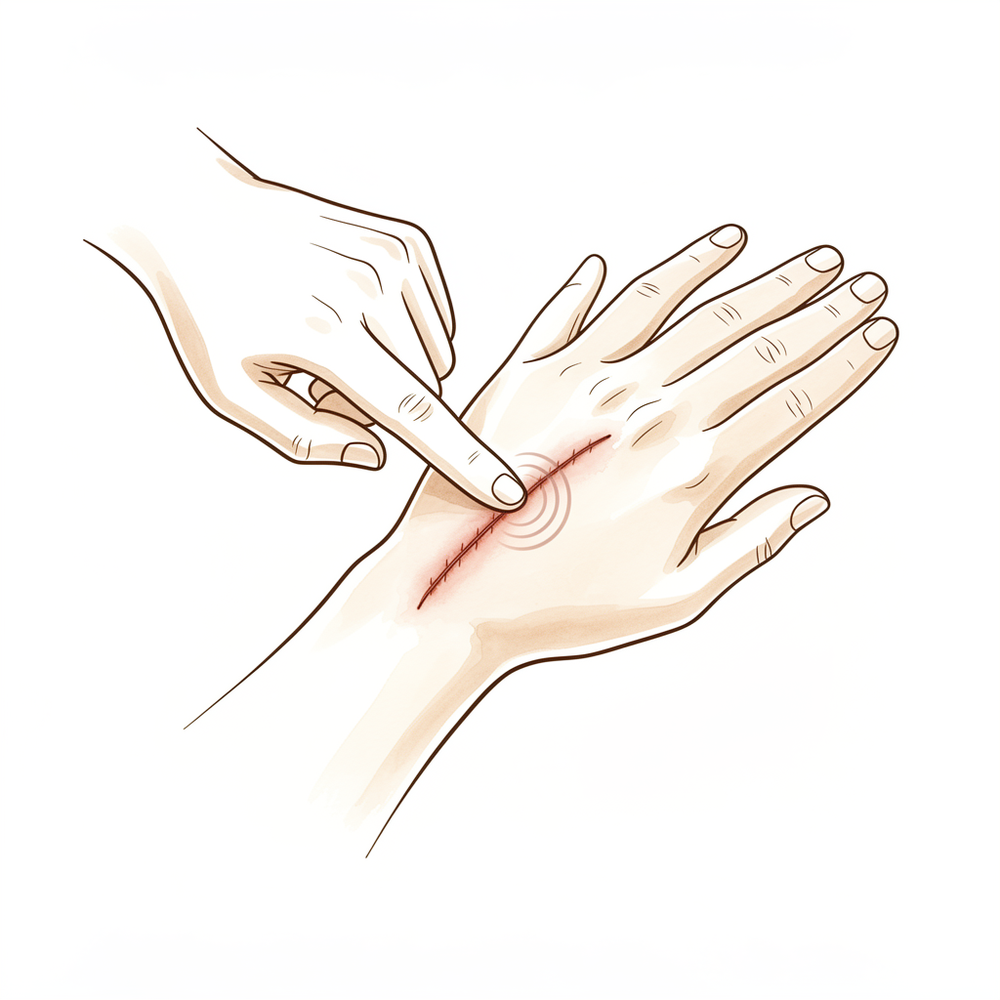
வடு மசாஜ்
காயம் முழுமையாகக் குணமாகி கட்டுகள் நீக்கப்பட்டதும் (பொதுவாகச் சுமார் இரண்டு வாரங்களிலிருந்து), சிறிது சாதாரண ஈரப்பதக் கிரீமை வடுவின் மீது சிறிய உறுதியான வட்டங்களாக ஒன்று அல்லது இரண்டு நிமிடங்கள் தேய்த்து விடுங்கள். இது வடுவை மென்மையாக்கி, தோலும் அதன் அடியிலுள்ள மென்மையான நரம்புக் கிளைகளும் சீரடைய உதவுகிறது. அந்தப் பகுதி இன்னும் திறந்திருந்தாலோ நீர் கசிந்தாலோ நிறுத்திவிடுங்கள்.
1–2 நிமிடங்கள், நாளொன்றுக்கு 2–3 முறை, குணமானதும்
Kieran Hirpara 4.0
பிடி மற்றும் கிள்ளும் வலிமைப் பயிற்சி
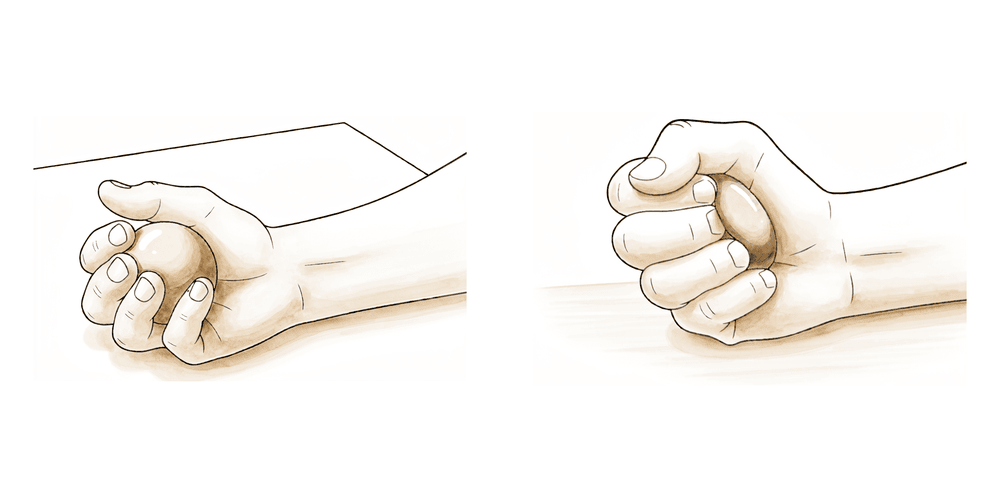
இது பிற்பாடு செய்யும் பயிற்சி — பொதுவாகச் சுமார் மூன்று முதல் நான்கு வாரங்களிலிருந்து, காயம் குணமாகி அசைவு வசதியாக இருக்கும்போது. பிடிக்கு ஒரு மென்பந்தையோ சிகிச்சைப் பட்டியையோ (therapy putty) அழுத்துங்கள்; கிள்ளுவதற்குச் சிறிய பட்டித் துண்டை உங்கள் கட்டைவிரலுக்கும் விரல் நுனிகளுக்கும் இடையே கிள்ளுங்கள். முயற்சியைப் படிப்படியாக அதிகரியுங்கள். அறுவை சிகிச்சைக்குப் பிறகு எப்போதும் குறையும் வலிமையை இது மீண்டும் கட்டியெழுப்புகிறது.
10–15 அழுத்துதல்கள்/கிள்ளுதல்கள், நாளொன்றுக்கு 2–3 முறை (~3–4 வாரங்களிலிருந்து)
Kieran Hirpara 4.0
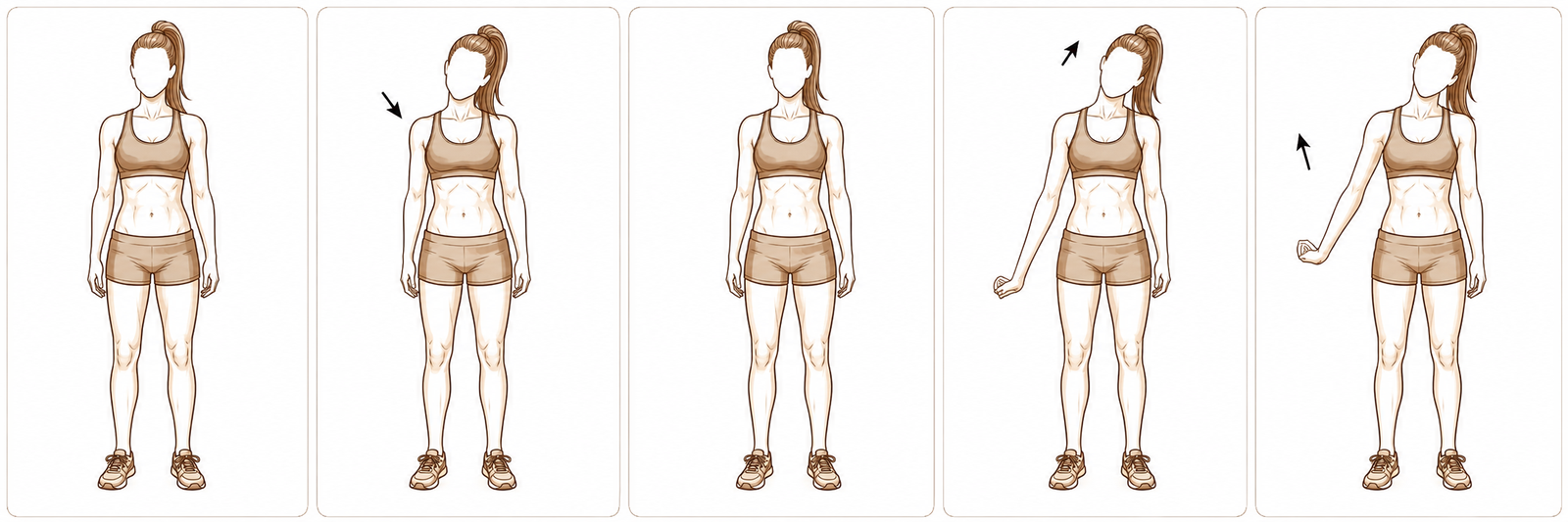
ரேடியல் நரம்பு நழுவல் (மணிக்கட்டின் மேற்புறம் கூச்சமாகவோ தொட்டால் வலிப்பதாகவோ இருந்தால்)
உங்கள் கை சிகிச்சையாளர் தொடங்கினால் மட்டுமே — கட்டைவிரலின் மற்றும் மணிக்கட்டின் மேற்புறத்தில் கூச்சம், தொட்டால் வலித்தல் அல்லது உணர்திறன் இருந்தால். கையை முன்னால் நீட்டி, மென்மையான இழுவையை உணரும்வரை மணிக்கட்டையும் கட்டைவிரலையும் மெதுவாகக் கீழே இலகுவான நீட்சிக்குக் கொண்டு வாருங்கள்; ஒரு கணம் பிடித்து, பின்னர் விடுங்கள். இது ஒருபோதும் வலிக்கக் கூடாது, கூச்சத்தை அதிகரிக்கவும் கூடாது. அறுவை சிகிச்சை இடத்தின் மீதே ஓடும் சிறிய தோல் நரம்பை இது அமைதிப்படுத்துகிறது.
5–10 மெதுவான நழுவல்கள், நாளொன்றுக்கு 1–2 முறை, வழிகாட்டப்பட்டால் மட்டுமே
இவை உங்கள் கையேட்டில் உள்ள பயிற்சிகள். டாக்டர் ஹிர்பராவும் உங்கள் கை சிகிச்சையாளரும் வழிகாட்டும்படி இவற்றைத் தொடங்குங்கள். ஆரம்பப் பயிற்சிகள் (கட்டைவிரல் அசைவு, மணிக்கட்டு அசைவு மற்றும் தசைநாண் நழுவல்கள்) எல்லாவற்றையும் அசைந்து நழுவிக்கொண்டே இருக்க வைக்கின்றன; இதனால் விடுவிக்கப்பட்ட தசைநாண்கள் ஒட்டிக்கொள்வதில்லை; இவை முதல் சில நாட்களுக்குள், வசதிக்கு உட்பட்டு, தொடங்குகின்றன. காயம் குணமானதும் வடு மசாஜ் தொடங்குகிறது. பிடி மற்றும் கிள்ளும் வலிமைப் பயிற்சி பிற்பாடு சேர்க்கப்படுவது; பொதுவாகச் சுமார் மூன்று முதல் நான்கு வாரங்களிலிருந்து. மணிக்கட்டின் மேலுள்ள தோல் கூச்சமாகவோ தொட்டால் வலிப்பதாகவோ இருந்தால் மட்டுமே நரம்பு நழுவல் பயிற்சி சேர்க்கப்படுகிறது. மணிக்கட்டின் கட்டைவிரல் பக்கத்தில் கூரிய அல்லது மின்சாரம் பாய்வது போன்ற வலியை ஏற்படுத்தும் எதையும் நிறுத்திவிடுங்கள்.
உங்கள் மருத்துவ நெறிமுறை
இந்தப் பக்கத்தின் மீதி, டி குவெர்வான் (முதல் முதுகுப்புறப் பகுதி) விடுவிப்புக்குப் பிந்தைய மறுவாழ்வுப் பயிற்சிக்கான கட்டம் கட்டமான மருத்துவ நெறிமுறையாகும். இந்தப் பகுதி உங்கள் கை சிகிச்சையாளரிடம் வழங்கப்பட வேண்டியது; ஒவ்வொரு கட்டமும் என்ன நடக்கிறது என்பதை எளிய மொழியில் விளக்குவதுடன் தொடங்குகிறது. இது ஒரு அழுத்தம் நீக்கம், பழுதுபார்ப்பு அல்ல: முதல் முதுகுப்புறப் பகுதி பிரிக்கப்படுகிறது, அது பிரிந்தே இருக்க வேண்டும்; எனவே பாதுகாக்க வேண்டிய அமைப்பு எதுவும் இல்லை. எனவே இந்தத் திட்டம் ஒரு ஆரம்பகால அசைவு, நழுவல் சார்ந்த பாதை: ஒட்டிக்கொள்ளலைத் தடுக்க APL/EPB தசைநாண்கள் அறுவை சிகிச்சை இடத்தின் வழியாக நழுவிக்கொண்டே இருக்கச் செய்வது, வீக்கத்தைக் கட்டுப்படுத்துவது, வடுவையும் ரேடியல் உணர்வு நரம்பையும் கையாள்வது, பிடியையும் கிள்ளும் திறனையும் மீட்டெடுப்பது.
சிகிச்சைக்கு முன், நோயாளியின் அறுவை சிகிச்சை அறிக்கையைப் பரிசோதித்து, விடுவிப்பு பற்றி (நீளவாக்கு/முதுகுப்புறக் கீறல், தனி EPB உப-உறை/தடுப்புச்சுவர் கண்டறியப்பட்டு விடுவிக்கப்பட்டதா என்பது), உள்ளங்கைப் பக்கத் தசைநாண் நழுவலைத் (volar subluxation) தடுப்பதற்காக விடுவிப்பு முதுகுப்புறமாக வைக்கப்பட்டது பற்றி, மற்றும் ரேடியல் உணர்வு நரம்பு கையாளப்பட்ட விதம் பற்றி, சிகிச்சை அளித்த அறுவை சிகிச்சை நிபுணருடன் கலந்தாலோசியுங்கள். டாக்டர் ஹிர்பரா ஒரு முதுகுப்புற/நீளவாக்கு அணுகுமுறையின் வழியாகத் திறந்த விடுவிப்பைச் செய்கிறார்; ரேடியல் உணர்வு நரம்புக் கிளைகளைப் பாதுகாத்து, உள்ளங்கைப் பக்க நழுவலைத் தவிர்க்க விடுவிப்பை முதுகுப்புறமாகவே வைக்கிறார்; அசையாமல் வைத்தல் வசதிக்காக மட்டுமே (மென்மையான கட்டு ± குறுகிய கட்டைவிரல் ஸ்பைக்கா, சில நாட்கள் முதல் ~1–2 வாரங்கள் வரை); ஆரம்பகால கட்டைவிரல் மற்றும் மணிக்கட்டு அசைவே இயல்புநிலை.
கட்டம் I — ஆரம்பகால அசைவு, வீக்கம் மற்றும் காயப் பராமரிப்பு (வாரம் 0 முதல் ~2 வரை)
முதல் ஒன்று அல்லது இரண்டு வாரங்கள் காயத்தைப் பாதுகாத்து வீக்கத்தைத் தணிக்கின்றன; அதே சமயம் அசைவு உடனடியாகத் தொடங்குகிறது. மதிக்க வேண்டிய பாதுகாக்கப்பட்ட அசைவு வரம்பு எதுவும் இல்லை: விடுவிக்கப்பட்ட தசைநாண்களை உடனடியாக நழுவச் செய்வதே இலக்கு. எந்தச் சிம்பும் வசதிக்காக மட்டுமே; பயிற்சிகளுக்கு அதைக் கழற்ற வேண்டும்.
உங்கள் கை சிகிச்சையாளருக்கு:
அறிவுறுத்தலும் முன்னெச்சரிக்கைகளும் - இது ஒரு அழுத்தம் நீக்கம்: பாதுகாக்க வேண்டிய அமைப்பு எதுவும் இல்லை; ஆரம்பகால சுய அசைவே நோக்கப்பட்ட இயல்புநிலை - வசதிக்கான ஆதரவு மட்டுமே: முதல் சில நாட்கள் முதல் ~1–2 வாரங்கள் வரை மென்மையான கட்டு ± குறுகிய கட்டைவிரல் ஸ்பைக்கா (thumb spica); பயிற்சிகளுக்கும் கழுவுவதற்கும் கழற்ற வேண்டும் - குணமாகும் வரை காயத்தைச் சுத்தமாகவும் உலர்வாகவும் வைத்திருங்கள்; தோல் மூடும் வரை வடு தொடர்பான பயிற்சியைத் தள்ளிப்போடுங்கள் - இந்தக் காலகட்டத்தில் வலுக்கட்டாயமான பிடித்தல், கிள்ளுதல், தூக்குதல், மணிக்கட்டைத் திருகுதல் ஆகியவற்றைத் தவிருங்கள் - ரேடியல் உணர்வு நரம்பு பரவும் பகுதியில் (கட்டைவிரல்/மணிக்கட்டின் முதுகுப்புற-ரேடியல் பகுதி) கூச்சம், அதீத உணர்திறன் அல்லது Tinel's அறிகுறி உள்ளதா எனப் பரிசோதியுங்கள்; எதிர்ப்புடன்/சுயமாகக் கட்டைவிரலை நீட்டி–விரிக்கும்போது APL/EPB நழுவல் உள்ளதா எனப் பரிசோதியுங்கள்
சிகிச்சை மேலாண்மை - காயம்: அறிவுறுத்தப்பட்டபடி அறுவை சிகிச்சைக் கட்டுகள்; தொற்று ஏற்படுகிறதா எனக் கண்காணியுங்கள் - வீக்கம்: உயர்த்தி வைத்தல், மென்மையான பின்னோக்கு (retrograde) மசாஜ், தேவைக்கேற்ப ஐஸ் - பயிற்சிகள்: கட்டைவிரலின் சுய அசைவு வரம்பு (மடக்குதல்/நீட்டுதல், உள்ளங்கைப் பக்க + ரேடியல் பக்க விரிப்பு, எதிர்நிலை), மணிக்கட்டின் சுய அசைவு வரம்பு, APL/EPB தசைநாண் நழுவல்கள், விரல்களின் முழு சுய அசைவு வரம்பு; வசதிக்கு உட்பட்டு கையை இலகுவாகச் செயல்பாட்டு ரீதியாகப் பயன்படுத்துதல்
அடுத்த கட்டத்துக்குச் செல்வதற்கான அளவுகோல்கள் - காயம் குணமாகி/சீரடைந்து; வீக்கம் கட்டுப்பாட்டில்; கட்டைவிரலும் மணிக்கட்டும் வசதியாகச் சுயமாக அசைதல்
கட்டம் II — அசைவை மீட்டெடுத்தலும் வடு மேலாண்மையும் (வாரங்கள் ~2 முதல் 4 வரை)
காயம் குணமானதும், வசதிக்கான சிம்பு நிறுத்தப்பட்டு, முழுமையான, வசதியான அசைவு மற்றும் வடு மற்றும் நரம்பின் உணர்திறன் தணிப்புக்கு (desensitisation) கவனம் திரும்புகிறது. இந்தக் காலகட்டத்தின் இறுதியில் இலகுவான வலுப்படுத்தும் பயிற்சி தொடங்குகிறது.
உங்கள் கை சிகிச்சையாளருக்கு:
மதிப்பீடுகள் - கட்டைவிரல் மற்றும் மணிக்கட்டின் சுய/பிற உதவி அசைவு வரம்பு; வடுவின் தன்மை; ரேடியல் உணர்வு நரம்பு அறிகுறிகள்; நழுவல் பரிசோதனை
அறிவுறுத்தலும் முன்னெச்சரிக்கைகளும் - வசதிக்கான சிம்பை நிறுத்துங்கள்; கையை இயல்பாக இலகுவாகப் பயன்படுத்த ஊக்குவியுங்கள் - ~3–4 வாரங்கள் வரை கனமான/வலுக்கட்டாயமான பிடித்தலையும் கிள்ளுதலையும் தொடர்ந்து தவிருங்கள்
சிகிச்சை மேலாண்மை - வடு: குணமானதும் மசாஜ் மற்றும் சிலிக்கான்/ஈரப்பதக் கிரீம்; அதீத உணர்திறன் இருந்தால் உணர்திறன் தணிப்பு - நரம்பு: எரிச்சலாக இருந்தால் ரேடியல் உணர்வு நரம்பு நழுவல்/உணர்திறன் தணிப்பு; சுமை ஏற்றுவதற்கு முன் அதைத் தணிக்கவும் - பயிற்சிகள்: கட்டைவிரல் மற்றும் மணிக்கட்டின் முழு அசைவு வரம்பை நோக்கி முன்னேறுங்கள்; தசைநாண் நழுவல்களைத் தொடருங்கள்; ~3–4 வாரங்களிலிருந்து இலகுவான பிடி/கிள்ளும் பயிற்சியைத் (பட்டி, மென்பந்து) தொடங்குங்கள்
அடுத்த கட்டத்துக்குச் செல்வதற்கான அளவுகோல்கள் - கட்டைவிரலும் மணிக்கட்டும் வலியின்றி முழு அசைவு வரம்பு; குணமான, நகரும் வடு; தணிந்துவரும் நரம்பு அறிகுறிகள்
கட்டம் III — வலுப்படுத்துதலும் செயல்பாட்டுக்குத் திரும்புதலும் (வாரங்கள் ~4 முதல் 6 வரை மற்றும் அதற்குப் பிறகு)
அசைவு மீட்டெடுக்கப்பட்டு காயம் முதிர்ந்த பிறகு, பிடியும் கிள்ளும் திறனும் கட்டியெழுப்பப்பட்டு, நோயாளி முழு செயல்பாட்டுக்குத் திருப்பப்படுகிறார். பெரும்பாலானோர் சுமார் நான்கு முதல் ஆறு வாரங்களுக்குள் வசதியான இயல்பான பயன்பாட்டை அடைகிறார்கள்; கனமான உடலுழைப்புத் தேவைகள் சற்று அதிக காலம் எடுக்கும், அவை அளவுகோல்களை அடிப்படையாகக் கொண்டவை.
உங்கள் கை சிகிச்சையாளருக்கு:
மதிப்பீடுகள் - மறு பக்கத்துடன் ஒப்பிடும்போது பிடி மற்றும் கிள்ளும் வலிமை; சுமை ஏற்றும்போது வலி; பொருத்தமான இடங்களில் செயல்பாட்டு/வேலை சார்ந்த சோதனை
அறிவுறுத்தலும் முன்னெச்சரிக்கைகளும் - பிடித்தல், கிள்ளுதல், தூக்குதல், திருகுதல் ஆகியவற்றுக்குப் படிப்படியாகத் திரும்புதல்; வசதியும் வலிமையும் அனுமதிக்கும் அளவுக்கு முழு செயல்பாடு - தொடர்ந்து நீடிக்கும் முதுகுப்புற-ரேடியல் வலி/கூச்சம் அல்லது படக்கென்று நகரும் தசைநாண் → சிகிச்சை அளித்த அறுவை சிகிச்சை நிபுணரிடம் திருப்பி அனுப்புங்கள் (நரம்புக் கட்டி (neuroma), முழுமையடையாத விடுவிப்பு அல்லது உள்ளங்கைப் பக்க நழுவல் ஆகியவற்றைக் கருதுங்கள்)
சிகிச்சை மேலாண்மை - பயிற்சிகள்: படிப்படியான பிடி மற்றும் கிள்ளும் வலிமைப் பயிற்சி; பணி மற்றும் வேலை சார்ந்த சுமை ஏற்றுதல்; மீதமுள்ள வடு/நரம்பு தொடர்பான பயிற்சியைத் தொடருங்கள் - வலிமை கிட்டத்தட்ட இரு பக்கமும் சமமாகி, செயல்பாடு மீட்டெடுக்கப்பட்டதும் சிகிச்சையிலிருந்து விடுவிப்பதைக் கருதுங்கள் - மீட்சி முன்னேறாமல் தேங்கினாலோ, விளைவு மோசமாக இருந்தாலோ, சிகிச்சை அளித்த மருத்துவரிடம் திருப்பி அனுப்புவதைக் கருதுங்கள்
சிகிச்சையிலிருந்து விடுவிப்பதற்கான / முழு செயல்பாட்டுக்குத் திரும்புவதற்கான அளவுகோல்கள் - கிட்டத்தட்ட இரு பக்கமும் சமமான பிடியும் கிள்ளும் திறனும்; வலியின்றி செயல்பாட்டு மற்றும் வேலை சார்ந்த பயன்பாடு
வேலைக்கும் செயல்பாடுகளுக்கும் திரும்புதல்
வசதிக்கு உட்பட்டு, அன்றாட இலகுவான கைப் பயன்பாடு (உணவு உண்ணுதல், எழுதுதல், உடை அணிதல், இலகுவான பணிகள்) ஆரம்பத்திலிருந்தே ஊக்குவிக்கப்படுகிறது. அறுவை சிகிச்சை மணிக்கட்டில் செய்யப்பட்டிருப்பதாலும், கை சுதந்திரமாக அசைந்து பாதுகாப்பாகப் பிடிக்க வேண்டியிருப்பதாலும், காயம் வசதியாக இருந்து, வசதிக்கான சிம்பு கழற்றப்பட்டு, நீங்கள் நம்பிக்கையுடன் ஸ்டியரிங்கைப் பிடித்துத் திருப்ப முடிந்தவுடன் வாகனம் ஓட்டுவதை மீண்டும் தொடங்கலாம் — பெரும்பாலானோருக்கு இது முதல் ஒன்று அல்லது இரண்டு வாரங்களுக்குள், உங்கள் மறுபரிசோதனையில் உறுதிப்படுத்தப்பட்டபடி.
வலுக்கட்டாயமாகப் பிடித்தல், கிள்ளுதல், தூக்குதல், திருகுதல் ஆகியவை சுமார் மூன்று முதல் நான்கு வாரங்கள் வரை காத்திருக்க வேண்டும்; பின்னர் படிப்படியாகக் கட்டியெழுப்பப்படுகின்றன. மேசை சார்ந்த மற்றும் இலகுவான வேலை பெரும்பாலும் சில நாட்கள் முதல் ஒன்று அல்லது இரண்டு வாரங்களுக்குள் மீண்டும் தொடங்குகிறது; கட்டைவிரலுக்கும் மணிக்கட்டுக்கும் வலுவான, திரும்பத் திரும்பச் சுமை ஏற்றுவதைச் சார்ந்திருக்கும் கனமான உடலுழைப்பு வேலை பொதுவாகச் சுமார் நான்கு முதல் ஆறு வாரங்களுக்குள் திரும்புகிறது; இது நாட்காட்டியை மட்டும் வைத்து அல்லாமல், நீங்கள் மீண்டும் பெற்ற வலிமையையும் வசதியையும் வைத்து, டாக்டர் ஹிர்பராவும் உங்கள் கை சிகிச்சையாளரும் தீர்மானிக்கிறார்கள்.
உங்கள் நெறிமுறைக்குப் பிறகு
இந்த நெறிமுறை கிளினிக்கின் பொதுவான மீட்சி ஆலோசனைகளுடன் இணைந்து செயல்படுகிறது: அறுவை சிகிச்சைக்குப் பிந்தைய வலியைக் கையாளுதல், காயப் பராமரிப்பு மற்றும் வடு மேலாண்மை பக்கங்களைப் பாருங்கள். மேலே உள்ள கட்டம் கட்டமான திட்டம், டி குவெர்வான் விடுவிப்புக்குப் பிறகு வெளியிடப்பட்ட மறுவாழ்வுப் பயிற்சி வழிகாட்டுதலைப் பிரதிபலிக்கிறது; உங்கள் கை எப்படி முன்னேறுகிறது என்பதைப் பொறுத்து, தொடர்ந்து நடக்கும் உங்கள் மீட்சிக்கு டாக்டர் ஹிர்பராவும் உங்கள் கை சிகிச்சையாளரும் தனிப்பட்ட முறையில் வழிகாட்டுகிறார்கள்.
Evidence & references
This is the clinical evidence summary written for health professionals. It is technical, and it lists the research this page was built from. You do not need to read it to understand your treatment or to make a decision about it.
Topic scope: post-operative rehabilitation after surgical release of the first dorsal compartment of the wrist (abductor pollicis longus, APL, and extensor pollicis brevis, EPB) for refractory de Quervain's tenosynovitis. This is a decompression, not a reconstruction: the fibro-osseous tunnel is opened and is meant to stay open, so the rehabilitation is an early-motion pathway built around tendon gliding, oedema and scar control, and protection of the overlying radial sensory nerve — rather than months of protected healing.
Defining principle of the rehab here: de Quervain's release relieves a tendon entrapment and does not create a construct that needs protection. The divided extensor retinaculum is meant to stay divided. So (unlike a tendon or ligament repair) immediate, gentle active thumb and wrist motion is the default, and the only deliberate restraints are brief comfort support and a short window of heavy-grip/pinch/twist avoidance while the wound heals. The therapy programme exists to keep the APL/EPB tendons gliding through the healing surgical bed so they do not adhere, to settle the radial sensory nerve branches that cross the incision, and to rebuild grip and pinch — not to immobilise. The single branch points are (1) whether a separate EPB sub-sheath/septum was present and released (its retention is a classic cause of failed release) and (2) keeping the release dorsal so the tendons do not subluxate volarly.
A. PROCEDURE OUTCOMES (open release; endoscopic and retinaculum-sparing variants)
Surgical release of the first dorsal compartment is a reliable operation for de Quervain's that has failed non-operative care: the great majority of patients obtain durable symptom relief, and the principal debates are over technique details (incision orientation, completeness of EPB sub-sheath release, whether to preserve/lengthen the retinaculum) rather than whether to decompress.
- Open release gives durable, high-quality long-term outcomes. A series of 80 cases with a mean 9.5-year follow-up reported sustained relief with a low complication profile, establishing the long-term reliability of open release [Garçon et al., Orthop Traumatol Surg Res 2018]. Moderate (long-term cohort).
- Functional recovery is good and objectively measurable. A series using DASH scores to evaluate first-extensor-compartment release for refractory disease documented good functional outcomes, and emphasised identifying and releasing a separate EPB sub-compartment (septum) when present [Lee et al., Clin Orthop Surg 2014]. DASH is a validated, widely used outcome instrument across hand and wrist conditions [Baltzer, Novak & McCabe, J Hand Surg Am 2014 — scoping review]. Moderate (cohort) + instrument SR.
- Endoscopic and open release are broadly comparable. A comparative study of endoscopic versus open release found favourable results for the endoscopic approach with attention to the radial sensory nerve, while open release remains the standard reference technique [Kang et al., Bone Joint J 2013]. Moderate (comparative).
- The retinaculum can be partly resected, simply divided, or reconstructed. Partial resection of the extensor retinaculum gives good short-term results [Altay et al., Orthop Traumatol Surg Res 2011]; simple release and Z-plasty (retinaculum-lengthening) reconstruction give comparable outcomes, with Z-plasty proposed to reduce subluxation risk at the cost of complexity [Kim, Baek & Lee, J Hand Surg Eur 2019]. A longitudinal-incision technique series likewise reports good functional outcomes [Mangukiya et al., Musculoskelet Surg 2019]. Moderate (comparative/cohort).
- Dissatisfaction does occur and is worth counselling for. A focused study of dissatisfaction after first dorsal compartment release found that a minority of patients remain dissatisfied, often linked to residual pain, nerve symptoms or incomplete relief — a reminder that outcomes are good but not universal [Rogozinski & Lourie, J Hand Surg Am 2016]. Moderate (cohort).
B. REHABILITATION / THERAPY EVIDENCE
The central rehab questions are (1) whether to immobilise the thumb/wrist afterwards and for how long, and (2) whether formal hand therapy changes the outcome. The published base specific to post-de-Quervain-release rehabilitation is thin and consensus-driven: there are no high-quality trials comparing immobilisation regimens or therapy protocols. Practice converges on brief comfort support and early motion, with hand therapy used selectively.
- Early motion is the rationalised default; prolonged immobilisation is not supported. Because the release is a decompression with no construct to protect, early active thumb and wrist motion is used to keep the APL/EPB tendons gliding and prevent adhesion. Immobilisation, where used, is a soft dressing or short thumb spica for comfort only for days to ~1–2 weeks. The supporting evidence is mechanistic/consensus, mirroring the well-established early-motion rationale after other upper-limb decompressions. Weak–moderate (mechanism strong, outcome data sparse).
- De Quervain's is not always an isolated problem — therapy assessment matters. A hand-therapy review highlights that de Quervain's syndrome may coexist with other dorsoradial/wrist pathology, so post-operative therapy should reassess rather than assume a single diagnosis — relevant when symptoms persist after release [Redvers-Chubb, Hand Therapy 2015]. Consensus (narrative/therapy review).
- Hand therapy focus is glide, scar and nerve, then strength. The programme priorities are tendon gliding (adhesion prevention), oedema control, scar management and radial sensory nerve desensitisation, and graded grip/pinch strengthening. The benefit of formal supervised therapy over a home programme is not established by trial data; selective therapy is defensible. Weak / consensus.
Recovery trajectory (expected, evidence-anchored)
| Phase | Window | Restraint | Hand use / therapy focus | Strength / load | Notes |
|---|---|---|---|---|---|
| I — Early motion, oedema & wound care | Week 0–~2 | Comfort support only (soft dressing ± short thumb spica) | Immediate active thumb + wrist motion; APL/EPB tendon glides; elevation/oedema control; screen radial sensory nerve + subluxation | Light functional use only | No construct to protect; motion is the treatment. Keep wound clean/dry |
| II — Restore motion & scar/nerve care | Week ~2–4 | Splint discarded once healed | Full thumb + wrist ROM; scar massage once wound healed; radial sensory nerve glides/desensitisation if irritable | Begin light grip/pinch (putty, ball) from ~3–4 wk | Avoid forceful grip/pinch/twist until ~3–4 wk |
| III — Strengthening & return | Week ~4–6+ | Restrictions lifted, graded | Progressive grip/pinch and task-specific loading | Return to near-symmetrical grip/pinch; full activity as strength allows | Light/desk work days–1–2 wk; manual work ~4–6 wk, criterion-based |
(Phase windows are typical clinical guides, not trial-derived deadlines. Driving resumes once the wound is comfortable, any comfort splint is off, and the patient can grip and steer confidently — commonly within 1–2 weeks.)
C. KEY CONTROVERSIES / EVIDENCE QUALITY
- The EPB sub-sheath (septum) must be sought and released. A separate EPB sub-compartment is common and, if missed, is a classic cause of persistent symptoms / failed release. Series that emphasise identifying and releasing it report good outcomes [Lee 2014]. Moderate — strong mechanistic consensus.
- Volar tendon subluxation if released too volar. Dividing the retinaculum too far towards the palmar side can let the APL/EPB tendons subluxate volarly with thumb motion. Keeping the release dorsal, and retinaculum-lengthening (Z-plasty) reconstructions, are described specifically to mitigate this [Kim 2019; Altay 2011]. Moderate (technique-comparative).
- Radial sensory nerve injury is the signature complication. The superficial radial nerve branches cross the operative field; injury or scar entrapment produces dorsoradial numbness, hypersensitivity or painful neuroma and is a leading driver of dissatisfaction [Ilyas et al., J Am Acad Orthop Surg 2007; Rogozinski 2016]. Careful exposure with nerve protection is emphasised across open and endoscopic techniques [Kang 2013]. Moderate.
- Immobilise or move early? No trial settles the optimal post-operative regimen; consensus favours brief comfort support and early motion (decompression logic) over prolonged splinting. Weak — consensus, not trial-derived.
- Outcomes are good but not universal. A measurable minority remain dissatisfied, usually from residual pain, nerve symptoms or incomplete release — worth explicit pre-operative counselling [Rogozinski 2016]. Moderate.
D. EVIDENCE STRENGTH FLAGS (summary)
- MODERATE (cohort / comparative): durable long-term relief from open release (9.5-yr cohort); good DASH-measured functional outcomes; comparability of endoscopic vs open and of simple release vs Z-plasty / partial retinaculum resection; radial sensory nerve injury as the signature complication; a real, defined dissatisfaction rate.
- WEAK / CONSENSUS: the early-motion, glide-based rehabilitation programme itself (mechanistically rationalised; no trial comparing immobilisation regimens or therapy protocols after de Quervain's release); the role of formal supervised therapy vs a home programme; exact phase timings and return-to-activity windows (typical guides, not trial-derived). Outcomes and the two signature complications (radial sensory nerve injury; volar subluxation) are better studied than the rehabilitation protocol.
CITATIONS
RAG corpus (180,000+ Orthopaedic articles)
- Garçon JJ, Charruau B, Marteau E, et al. Results of surgical treatment of De Quervain's tenosynovitis: 80 cases with a mean follow-up of 9.5 years. Orthop Traumatol Surg Res. 2018. DOI: 10.1016/j.otsr.2018.04.022 (PMID 29909297)
- Lee HJ, Kim PT, Aminata IW, et al. Surgical Release of the First Extensor Compartment for Refractory de Quervain's Tenosynovitis: Surgical Findings and Functional Evaluation Using DASH Scores. Clin Orthop Surg. 2014. DOI: 10.4055/cios.2014.6.4.405
- Ilyas AM, Ast M, Schaffer AA, et al. de Quervain Tenosynovitis of the Wrist. J Am Acad Orthop Surg. 2007. DOI: 10.5435/00124635-200712000-00009 (PMID 18063716)
- Kang HJ, Koh IH, Jang JW, et al. Endoscopic versus open release in patients with de Quervain's tenosynovitis. Bone Joint J. 2013. DOI: 10.1302/0301-620X.95B7.31486 (PMID 23814248)
- Altay M, Ertürk C, Işıkan UE. De Quervain's disease treatment using partial resection of the extensor retinaculum: A short-term results survey. Orthop Traumatol Surg Res. 2011. DOI: 10.1016/j.otsr.2011.03.015
- Kim J, Baek J, Lee J. Comparison between simple release and Z-plasty of retinaculum for de Quervain's disease: a retrospective study. J Hand Surg Eur Vol. 2019. DOI: 10.1177/1753193418818341 (PMID 30669923)
- Mangukiya HJ, Kale A, Mahajan NP, et al. Functional outcome of De Quervain's tenosynovitis with longitudinal incision in surgically treated patients. Musculoskelet Surg. 2019. DOI: 10.1007/s12306-018-0585-1
- Rogozinski B, Lourie GM. Dissatisfaction After First Dorsal Compartment Release for de Quervain Tendinopathy. J Hand Surg Am. 2016;41(1). DOI: 10.1016/j.jhsa.2015.09.020 (PMID 26481556)
- Baltzer H, Novak CB, McCabe SJ. A Scoping Review of Disabilities of the Arm, Shoulder, and Hand Scores for Hand and Wrist Conditions. J Hand Surg Am. 2014. DOI: 10.1016/j.jhsa.2014.07.050 (PMID 25227601)
- Redvers-Chubb K. De Quervain's syndrome: It may not be an isolated pathology. Hand Therapy. 2015. DOI: 10.1177/1758998315599796
de Quervain's release literature (URLs)
- Lee HJ, et al. Surgical Release of the First Extensor Compartment for Refractory de Quervain's Tenosynovitis (DASH outcomes; EPB septum). Clin Orthop Surg 2014 (open access). https://doi.org/10.4055/cios.2014.6.4.405
- Garçon JJ, et al. Results of surgical treatment of De Quervain's tenosynovitis: 80 cases, mean 9.5-year follow-up. Orthop Traumatol Surg Res 2018. https://doi.org/10.1016/j.otsr.2018.04.022
- Ilyas AM, et al. de Quervain Tenosynovitis of the Wrist (review — radial sensory nerve, surgical technique, complications). J Am Acad Orthop Surg 2007. https://doi.org/10.5435/00124635-200712000-00009
- Rogozinski B, Lourie GM. Dissatisfaction After First Dorsal Compartment Release for de Quervain Tendinopathy. J Hand Surg Am 2016. https://doi.org/10.1016/j.jhsa.2015.09.020





