

De Quervain 腱鞘松解术 资料
本方案指导您在德奎尔万腱鞘松解术后的康复过程。该手术是一项小型手术,旨在切开拇指侧腕部肌腱上方狭窄的腱鞘,由 Mater Private Hospital Rockhampton 的 Kieran Hirpara 医生主刀。方案首先从您的居家锻炼计划开始,随后是专为您的手部治疗师撰写的结构化临床方案;请在首次治疗就诊时携带此页面或其 PDF 文件,以确保您的康复过程协调一致。您的手部治疗师可能会根据康复进展调整计划。
如果您对术后伤口有任何疑虑,请联系诊所。通常,拍摄伤口照片并通过电子邮件发送以供审阅会很有帮助。
预期情况
德奎尔万腱鞘炎(De Quervain's tenosynovitis)是指通往拇指的两条肌腱(拇长展肌和拇短伸肌)在穿过拇指侧腕部一个狭窄的隧道(第一背侧骨筋膜室)时发生的炎症。松解术是一种小型手术,旨在打开该隧道,使肌腱能够自由滑动,从而缓解疼痛和卡顿感。
由于手术中不会将组织缝合或收紧(隧道被打开后旨在保持开放状态),因此这是一种早期活动的康复过程,而非长期保护性康复。没有需要数月愈合的内固定结构。康复的全部目标在于,让肌腱在愈合的手术创面中持续活动,以防止粘连,同时让小型伤口及其上方的皮肤神经逐渐恢复平静。
因此,康复计划很简单:最初几天到约一两周使用软敷料(有时仅为舒适起见使用轻便的拇指夹板),尽早开始轻柔的拇指和腕部活动,伤口愈合后进行瘢痕护理,并逐步增强握力和捏力。大多数人通常在四到六周左右即可恢复舒适的日常活动。
此特定手术术后需关注两个问题。第一是桡神经浅支(radial sensory nerve),其分支正好横跨手术区域前方;该神经可能会在一段时间内出现麻木或压痛,早期的神经镇静护理主要针对此神经。第二是肌腱的位置:如果隧道向掌侧开放过度,偶尔可能导致肌腱在拇指活动时向前滑脱(半脱位)。这两种情况均不常见,您的手部治疗师会密切监测这些情况。
注意事项与限制
- 从一开始就保持拇指和手腕的活动: 温和的活动是此处的治疗手段,而非休息。因活动不足导致的僵硬是我们主要试图避免的问题。
- 仅在指示下使用任何舒适型支具,且仅用于最初几天至一两周:其目的是提供舒适而非保护,进行练习时应取下。
- 在伤口愈合前保持清洁干燥;在拆除敷料且皮肤闭合之前,不要开始瘢痕按摩。
- 在大约三到四周之前,避免用力抓握、强力捏合、提举和扭转(如拧干布料、打开紧盖的罐子、使用重型工具),之后逐渐恢复。
- 如果您注意到拇指和手腕背侧出现刺痛、麻木或尖锐的放射感,或者在移动拇指时肌腱出现弹响或滑脱,请告知您的治疗师或病房。
关于伤口、肿胀和瘢痕管理,请参阅诊所的伤口护理指南。
您的练习
Kieran Hirpara 4.0
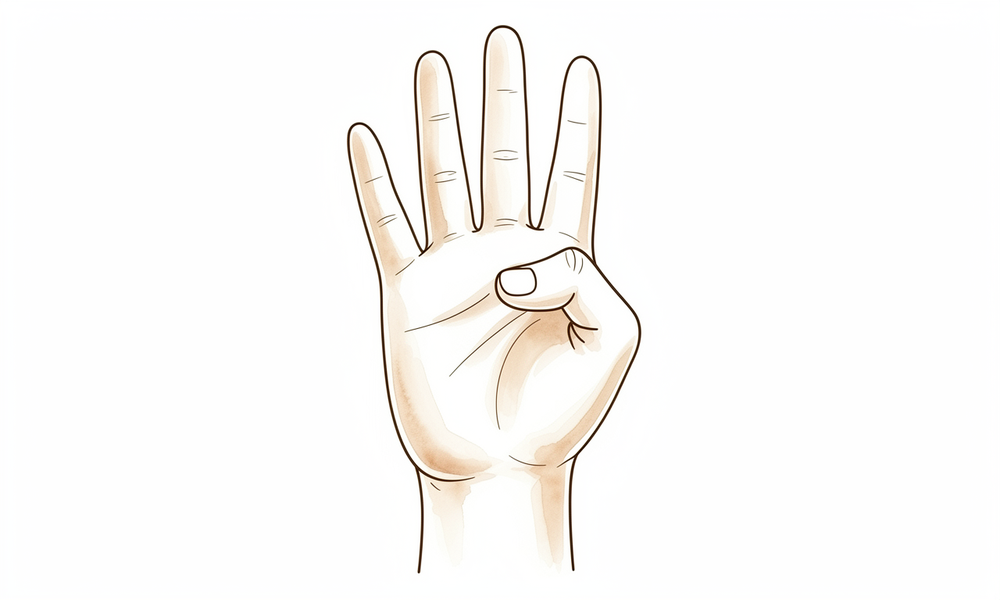
拇指运动(屈曲、伸直和对指)
轻柔地活动拇指,使其达到全范围:将拇指指尖向掌心方向弯曲,然后伸直,接着将整根拇指横向移动以触碰小指根部,再向外展开。动作请保持缓慢且舒适。早期进行拇指活动可保持已松解的肌腱正常滑动,防止其在愈合中的瘢痕组织中粘连。
每种10次,每天3–4次,以舒适为度
Kieran Hirpara 4.0
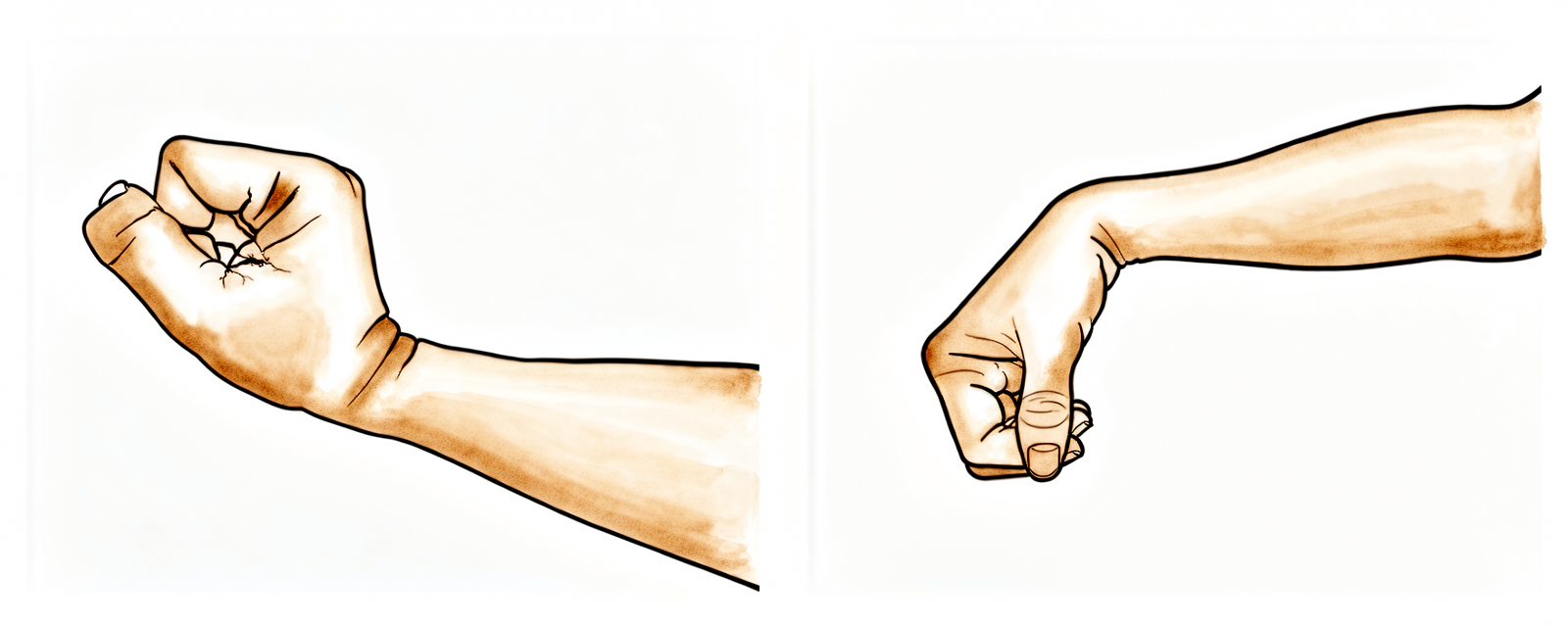
腕部活动(上下及左右方向)
将前臂平放在桌面上,轻轻上下屈伸手腕,然后向左右侧偏(先向拇指方向,再向小指方向)。仅在感到舒适的范围内活动。这有助于在伤口愈合期间保持手腕的灵活性。
每个方向10次,每天3–4次
Kieran Hirpara 4.0
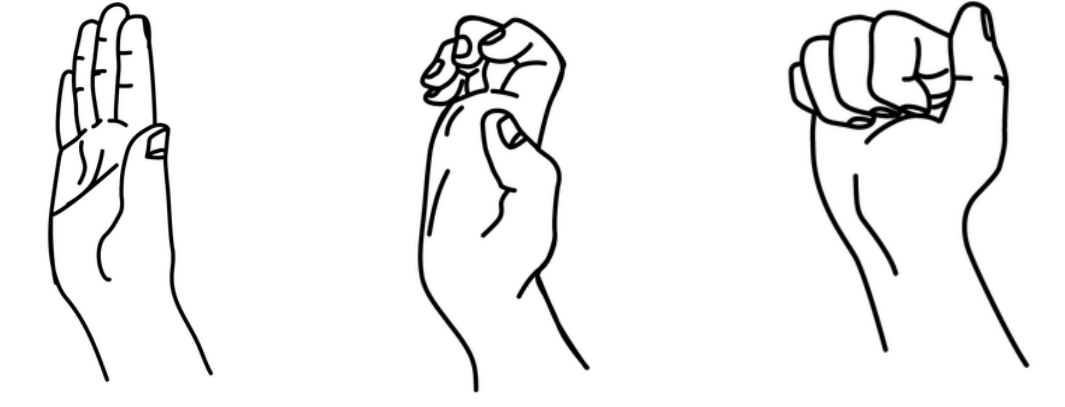
肌腱滑动(拇指和手指滑动)
将手完全张开,然后依次将拇指滑动至触碰每个指尖,接着握一个松散的拳头并再次张开。目标是平滑的滑动,而非用力。在早期数周内,保持肌腱在已松解的隧道内活动是避免僵硬和粘连的最重要事项。
5–10 慢速循环,每天 3–4 次
Kieran Hirpara 4.0
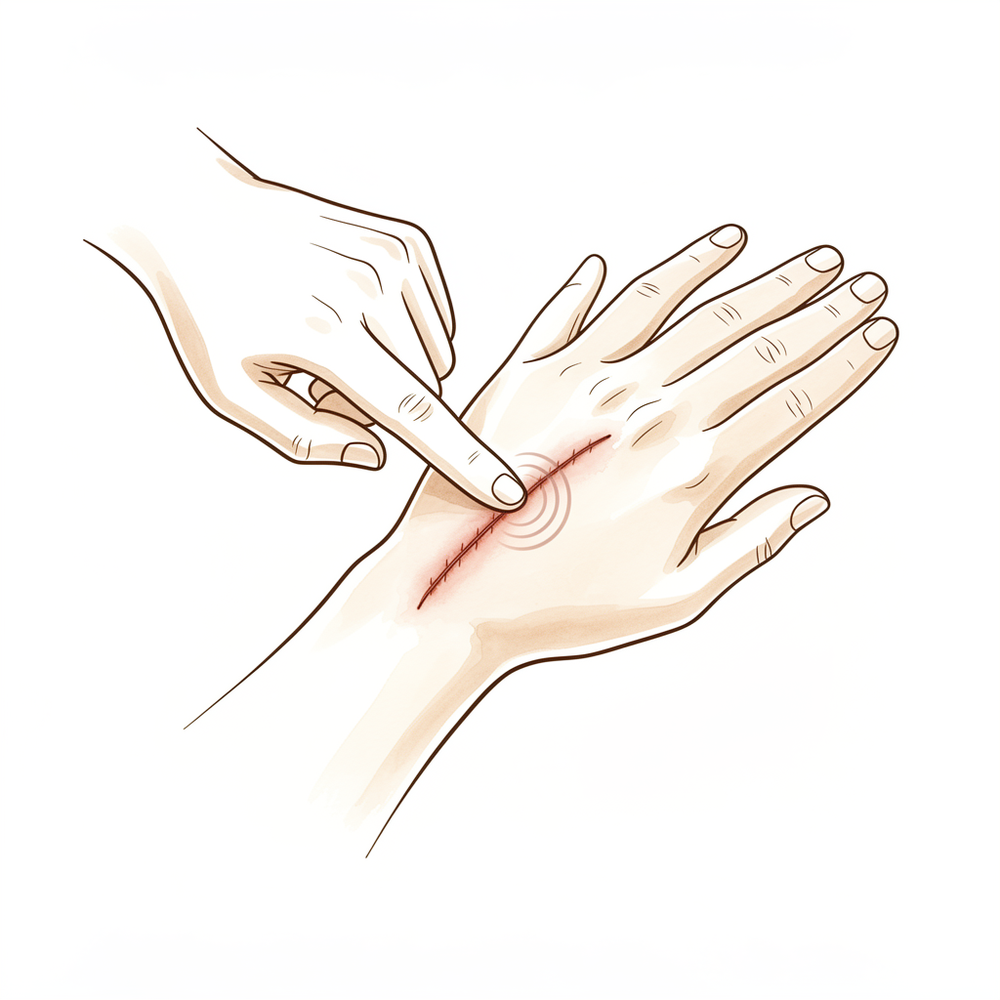
瘢痕按摩
待伤口完全愈合且敷料移除后(通常约两周左右),用少量无添加的润肤霜以小而坚定的画圈方式轻柔按摩疤痕一两分钟。此举可软化疤痕,并有助于皮肤及其下方敏感的神经分支恢复稳定。若该区域仍有未闭合或渗液,请停止按摩。
1–2 分钟,每天 2–3 次,愈合后
Kieran Hirpara 4.0
握力和捏力强化
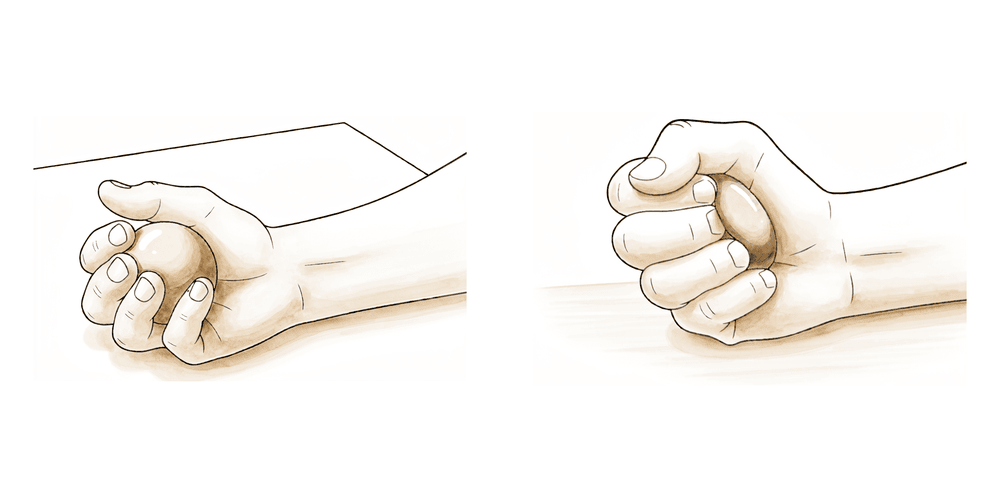
后期锻炼——通常在术后三至四周左右,待伤口愈合且活动舒适时进行。握持软球或治疗用橡皮泥以锻炼抓握力,并用拇指与指尖捏住一小块橡皮泥以锻炼捏力。逐步增加用力程度。这有助于重建术后必然下降的力量。
10–15 挤压/捏合,每天 2–3 次(从约 3–4 周开始)
Kieran Hirpara 4.0
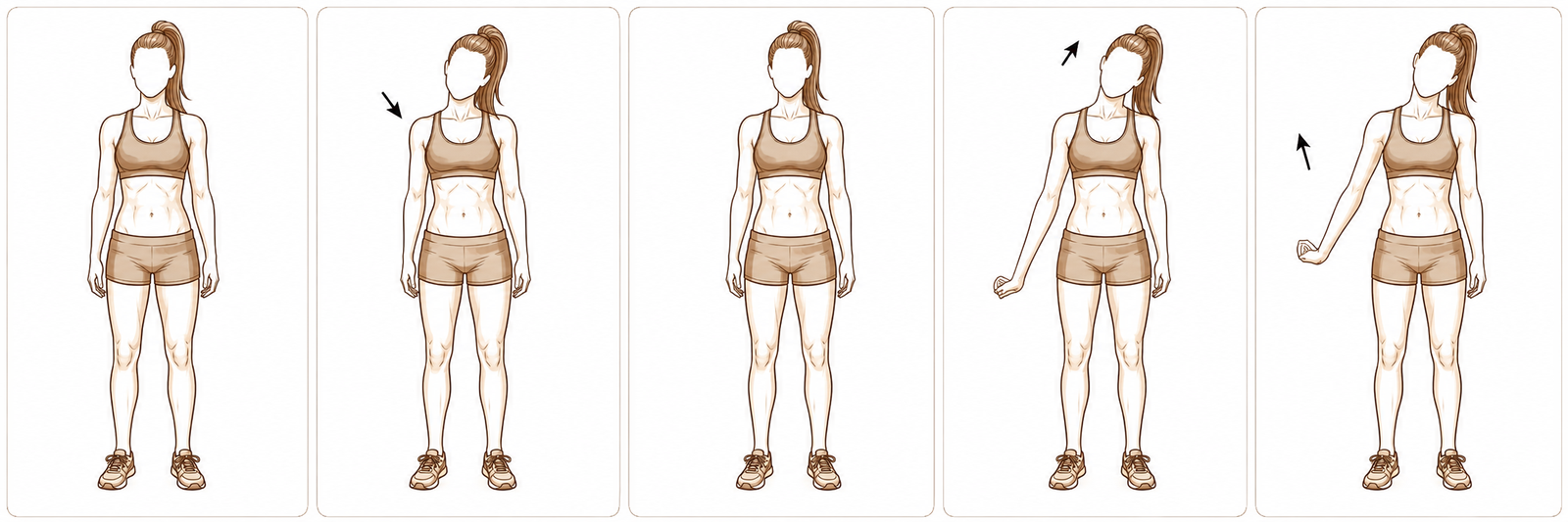
桡神经滑动(如果手腕背侧有刺痛感或压痛)
仅当您的手部治疗师开始指导时——针对拇指背部及手腕处的刺痛、压痛或敏感。手臂向前伸出,轻轻将手腕和拇指向下伸展至轻度拉伸,直至感到轻微牵拉感,保持片刻,然后放松。此动作绝不应引起疼痛或使刺痛感加重。这有助于舒缓直接经过手术部位的小皮神经。
5–10 次缓慢滑动,每天 1–2 次,仅按指导进行
这些是您的手册中列出的练习。请按照Hirpara医生和您的手部治疗师的指导开始进行。早期练习(拇指运动、腕部运动和肌腱滑动)旨在保持所有结构的运动和滑动,以防止松解后的肌腱粘连;这些练习应在术后最初几天内开始,以舒适为度。瘢痕按摩应在伤口愈合后开始。抓握和捏握力量训练是后期添加的内容,通常从三到四周左右开始。仅当手腕上方皮肤出现刺痛感或压痛时,才添加神经滑动练习。如果拇指侧手腕出现锐痛或放射痛,请立即停止任何相关活动。
您的临床方案
本页其余部分为德奎尔万病(第一背侧骨筋膜室)松解术后康复的分阶段临床方案。本节内容应提供给您的手部治疗师,每个阶段均以通俗易懂的语言解释当前正在发生的情况。这是一项减压手术,而非修复手术:第一背侧骨筋膜室已被切开,且旨在保持切开状态,因此没有需要保护的修复结构。因此,该方案是一条早期活动、基于滑动的路径:保持拇短展肌(APL)/拇长展肌(EPB)肌腱在手术创面中滑动以防止粘连,控制水肿,管理瘢痕及桡神经感觉支,并恢复抓握和捏持功能。
在治疗前,请查阅患者的手术报告,并与主刀医生就松解情况(纵向/背侧切口,是否发现并松解了独立的拇长展肌(EPB)亚鞘/间隔)、为预防掌侧肌腱半脱位而将松解置于背侧的定位,以及任何桡神经感觉支的处理进行沟通。Hirpara 医生通过背侧/纵向入路进行开放松解,保护桡神经感觉支分支,并将松解保持在背侧以避免掌侧半脱位;固定仅用于舒适(软敷料 ± 短期拇指人字石膏数天至约1–2周),早期拇指和腕部活动是默认设置。
第一阶段 — 早期活动、水肿及伤口护理(第0周至约第2周)
最初的一到两周旨在保护伤口并控制肿胀,同时立即开始活动。此处没有需要保护的活动范围:目标是让松解后的肌腱立即顺畅滑动。任何夹板仅用于提供舒适感,并在进行练习时取下。
致您的手部治疗师:
健康教育与注意事项 - 这是一项减压手术:没有需要保护的固定结构;早期主动活动是预期的默认状态 - 仅提供舒适性支撑:前数天至约1–2周内,可使用软敷料 ± 短期拇指人字石膏;进行练习和清洗时取下 - 在伤口愈合前保持清洁干燥;待皮肤完全闭合后再进行瘢痕处理 - 在此期间避免强力抓握、捏持、提重物及手腕扭转 - 筛查桡侧感觉神经分布区(拇指背桡侧/手腕)是否有感觉异常、感觉过敏或Tinel征阳性;在抗阻/主动拇指伸-外展时筛查拇短伸肌/拇长展肌腱半脱位
管理措施 - 伤口:按医嘱使用外科敷料;监测感染迹象 - 水肿:抬高患肢、轻柔的逆向按摩、必要时冰敷 - 练习:主动拇指活动度(屈曲/伸展、掌侧+桡侧外展、对掌)、主动腕关节活动度、拇短伸肌/拇长展肌腱滑动、全范围主动手指活动度;在舒适范围内进行轻度功能性手部使用
晋级标准 - 伤口愈合/趋于稳定;肿胀得到控制;拇指和腕关节主动活动舒适
第二阶段——恢复活动度与瘢痕管理(约第2至4周)
伤口愈合后,应弃用舒适夹板,重点转向完全且舒适的活动度,以及主动的瘢痕和神经脱敏。在此时间窗的后期开始进行轻度肌力训练。
致您的手部治疗师:
评估 - 拇指和腕关节主动/被动活动度(ROM);瘢痕质量;桡神经感觉症状;半脱位筛查
教育与注意事项 - 停止使用任何舒适夹板;鼓励正常轻度手部使用 - 在约3–4周之前,继续避免重力和强力抓握及捏持
管理 - 瘢痕:愈合后进行按摩及使用硅胶/保湿剂;若存在高敏感则进行脱敏 - 神经:若桡神经感觉神经易激惹,进行神经滑动/脱敏;在负重前需先稳定 - 练习:逐步恢复拇指和腕关节完全活动度;继续肌腱滑动;从约3–4周开始进行轻度抓握/捏持(治疗泥、软球)
晋级标准 - 拇指和腕关节完全且无痛的活动度;愈合且活动良好的瘢痕;神经症状趋于稳定
第三阶段——强化训练与活动恢复(约第4至6周及以后)
随着关节活动度恢复且伤口成熟,逐步增强抓握力和捏力,并让患者恢复完全活动。大多数患者在四到六周左右即可达到舒适的正常使用水平;较重的体力需求所需时间稍长,且以达标标准为依据。
致您的手部治疗师:
评估 - 抓握力和捏力与对侧对比;负重时的疼痛情况;视情况进行的机能性/工作特异性测试
宣教与注意事项 - 分级恢复抓握、捏取、提举和扭转动作;在舒适度和力量允许的情况下恢复完全活动 - 若持续存在背桡侧疼痛/麻木感或肌腱弹响 → 转回主刀医生处(考虑神经瘤、不完全松解或掌侧半脱位)
管理 - 练习:渐进性抓握和捏力强化训练;任务及工作特异性负重训练;继续处理任何残留的瘢痕/神经问题 - 当力量接近对称且功能恢复时,考虑出院 - 若恢复停滞或预后不佳,考虑转回主治医生处
出院/恢复完全活动的标准 - 抓握力和捏力接近对称;无疼痛的机能性及工作特异性使用
恢复工作与活动
鼓励从术后初期开始进行轻度日常手部活动(如进食、书写、穿衣、轻度任务),以舒适为限。由于手术部位位于手腕,且手部需要自由活动并安全抓握,一旦伤口感觉舒适、已拆除任何舒适支具,且能自信地抓握并转动方向盘,即可恢复驾驶。对于大多数人而言,这通常在术后第一至两周内实现,具体以复查时的确认为准。
强力抓握、捏取、提举及扭转动作需等待至术后约三至四周,随后逐步增加强度。办公室及轻体力工作通常在数天至一至两周内即可恢复;而依赖拇指和手腕承受强烈、重复负荷的较重体力劳动,通常在术后约四至六周恢复。恢复时间依据您恢复的力量和舒适度,而非仅凭日历时间,由Hirpara医生及您的手部治疗师共同评估决定。
方案之后
本方案与本诊所的总体康复建议配合使用:请参阅术后疼痛管理、伤口护理和疤痕管理。上述分阶段计划反映了已发表的关于De Quervain病松解术后康复的指导原则,您的持续康复将由Hirpara医生和您的手部治疗师根据您的手部进展情况提供个性化指导。
Evidence & references
This is the clinical evidence summary written for health professionals. It is technical, and it lists the research this page was built from. You do not need to read it to understand your treatment or to make a decision about it.
Topic scope: post-operative rehabilitation after surgical release of the first dorsal compartment of the wrist (abductor pollicis longus, APL, and extensor pollicis brevis, EPB) for refractory de Quervain's tenosynovitis. This is a decompression, not a reconstruction: the fibro-osseous tunnel is opened and is meant to stay open, so the rehabilitation is an early-motion pathway built around tendon gliding, oedema and scar control, and protection of the overlying radial sensory nerve — rather than months of protected healing.
Defining principle of the rehab here: de Quervain's release relieves a tendon entrapment and does not create a construct that needs protection. The divided extensor retinaculum is meant to stay divided. So (unlike a tendon or ligament repair) immediate, gentle active thumb and wrist motion is the default, and the only deliberate restraints are brief comfort support and a short window of heavy-grip/pinch/twist avoidance while the wound heals. The therapy programme exists to keep the APL/EPB tendons gliding through the healing surgical bed so they do not adhere, to settle the radial sensory nerve branches that cross the incision, and to rebuild grip and pinch — not to immobilise. The single branch points are (1) whether a separate EPB sub-sheath/septum was present and released (its retention is a classic cause of failed release) and (2) keeping the release dorsal so the tendons do not subluxate volarly.
A. PROCEDURE OUTCOMES (open release; endoscopic and retinaculum-sparing variants)
Surgical release of the first dorsal compartment is a reliable operation for de Quervain's that has failed non-operative care: the great majority of patients obtain durable symptom relief, and the principal debates are over technique details (incision orientation, completeness of EPB sub-sheath release, whether to preserve/lengthen the retinaculum) rather than whether to decompress.
- Open release gives durable, high-quality long-term outcomes. A series of 80 cases with a mean 9.5-year follow-up reported sustained relief with a low complication profile, establishing the long-term reliability of open release [Garçon et al., Orthop Traumatol Surg Res 2018]. Moderate (long-term cohort).
- Functional recovery is good and objectively measurable. A series using DASH scores to evaluate first-extensor-compartment release for refractory disease documented good functional outcomes, and emphasised identifying and releasing a separate EPB sub-compartment (septum) when present [Lee et al., Clin Orthop Surg 2014]. DASH is a validated, widely used outcome instrument across hand and wrist conditions [Baltzer, Novak & McCabe, J Hand Surg Am 2014 — scoping review]. Moderate (cohort) + instrument SR.
- Endoscopic and open release are broadly comparable. A comparative study of endoscopic versus open release found favourable results for the endoscopic approach with attention to the radial sensory nerve, while open release remains the standard reference technique [Kang et al., Bone Joint J 2013]. Moderate (comparative).
- The retinaculum can be partly resected, simply divided, or reconstructed. Partial resection of the extensor retinaculum gives good short-term results [Altay et al., Orthop Traumatol Surg Res 2011]; simple release and Z-plasty (retinaculum-lengthening) reconstruction give comparable outcomes, with Z-plasty proposed to reduce subluxation risk at the cost of complexity [Kim, Baek & Lee, J Hand Surg Eur 2019]. A longitudinal-incision technique series likewise reports good functional outcomes [Mangukiya et al., Musculoskelet Surg 2019]. Moderate (comparative/cohort).
- Dissatisfaction does occur and is worth counselling for. A focused study of dissatisfaction after first dorsal compartment release found that a minority of patients remain dissatisfied, often linked to residual pain, nerve symptoms or incomplete relief — a reminder that outcomes are good but not universal [Rogozinski & Lourie, J Hand Surg Am 2016]. Moderate (cohort).
B. REHABILITATION / THERAPY EVIDENCE
The central rehab questions are (1) whether to immobilise the thumb/wrist afterwards and for how long, and (2) whether formal hand therapy changes the outcome. The published base specific to post-de-Quervain-release rehabilitation is thin and consensus-driven: there are no high-quality trials comparing immobilisation regimens or therapy protocols. Practice converges on brief comfort support and early motion, with hand therapy used selectively.
- Early motion is the rationalised default; prolonged immobilisation is not supported. Because the release is a decompression with no construct to protect, early active thumb and wrist motion is used to keep the APL/EPB tendons gliding and prevent adhesion. Immobilisation, where used, is a soft dressing or short thumb spica for comfort only for days to ~1–2 weeks. The supporting evidence is mechanistic/consensus, mirroring the well-established early-motion rationale after other upper-limb decompressions. Weak–moderate (mechanism strong, outcome data sparse).
- De Quervain's is not always an isolated problem — therapy assessment matters. A hand-therapy review highlights that de Quervain's syndrome may coexist with other dorsoradial/wrist pathology, so post-operative therapy should reassess rather than assume a single diagnosis — relevant when symptoms persist after release [Redvers-Chubb, Hand Therapy 2015]. Consensus (narrative/therapy review).
- Hand therapy focus is glide, scar and nerve, then strength. The programme priorities are tendon gliding (adhesion prevention), oedema control, scar management and radial sensory nerve desensitisation, and graded grip/pinch strengthening. The benefit of formal supervised therapy over a home programme is not established by trial data; selective therapy is defensible. Weak / consensus.
Recovery trajectory (expected, evidence-anchored)
| Phase | Window | Restraint | Hand use / therapy focus | Strength / load | Notes |
|---|---|---|---|---|---|
| I — Early motion, oedema & wound care | Week 0–~2 | Comfort support only (soft dressing ± short thumb spica) | Immediate active thumb + wrist motion; APL/EPB tendon glides; elevation/oedema control; screen radial sensory nerve + subluxation | Light functional use only | No construct to protect; motion is the treatment. Keep wound clean/dry |
| II — Restore motion & scar/nerve care | Week ~2–4 | Splint discarded once healed | Full thumb + wrist ROM; scar massage once wound healed; radial sensory nerve glides/desensitisation if irritable | Begin light grip/pinch (putty, ball) from ~3–4 wk | Avoid forceful grip/pinch/twist until ~3–4 wk |
| III — Strengthening & return | Week ~4–6+ | Restrictions lifted, graded | Progressive grip/pinch and task-specific loading | Return to near-symmetrical grip/pinch; full activity as strength allows | Light/desk work days–1–2 wk; manual work ~4–6 wk, criterion-based |
(Phase windows are typical clinical guides, not trial-derived deadlines. Driving resumes once the wound is comfortable, any comfort splint is off, and the patient can grip and steer confidently — commonly within 1–2 weeks.)
C. KEY CONTROVERSIES / EVIDENCE QUALITY
- The EPB sub-sheath (septum) must be sought and released. A separate EPB sub-compartment is common and, if missed, is a classic cause of persistent symptoms / failed release. Series that emphasise identifying and releasing it report good outcomes [Lee 2014]. Moderate — strong mechanistic consensus.
- Volar tendon subluxation if released too volar. Dividing the retinaculum too far towards the palmar side can let the APL/EPB tendons subluxate volarly with thumb motion. Keeping the release dorsal, and retinaculum-lengthening (Z-plasty) reconstructions, are described specifically to mitigate this [Kim 2019; Altay 2011]. Moderate (technique-comparative).
- Radial sensory nerve injury is the signature complication. The superficial radial nerve branches cross the operative field; injury or scar entrapment produces dorsoradial numbness, hypersensitivity or painful neuroma and is a leading driver of dissatisfaction [Ilyas et al., J Am Acad Orthop Surg 2007; Rogozinski 2016]. Careful exposure with nerve protection is emphasised across open and endoscopic techniques [Kang 2013]. Moderate.
- Immobilise or move early? No trial settles the optimal post-operative regimen; consensus favours brief comfort support and early motion (decompression logic) over prolonged splinting. Weak — consensus, not trial-derived.
- Outcomes are good but not universal. A measurable minority remain dissatisfied, usually from residual pain, nerve symptoms or incomplete release — worth explicit pre-operative counselling [Rogozinski 2016]. Moderate.
D. EVIDENCE STRENGTH FLAGS (summary)
- MODERATE (cohort / comparative): durable long-term relief from open release (9.5-yr cohort); good DASH-measured functional outcomes; comparability of endoscopic vs open and of simple release vs Z-plasty / partial retinaculum resection; radial sensory nerve injury as the signature complication; a real, defined dissatisfaction rate.
- WEAK / CONSENSUS: the early-motion, glide-based rehabilitation programme itself (mechanistically rationalised; no trial comparing immobilisation regimens or therapy protocols after de Quervain's release); the role of formal supervised therapy vs a home programme; exact phase timings and return-to-activity windows (typical guides, not trial-derived). Outcomes and the two signature complications (radial sensory nerve injury; volar subluxation) are better studied than the rehabilitation protocol.
CITATIONS
RAG corpus (180,000+ Orthopaedic articles)
- Garçon JJ, Charruau B, Marteau E, et al. Results of surgical treatment of De Quervain's tenosynovitis: 80 cases with a mean follow-up of 9.5 years. Orthop Traumatol Surg Res. 2018. DOI: 10.1016/j.otsr.2018.04.022 (PMID 29909297)
- Lee HJ, Kim PT, Aminata IW, et al. Surgical Release of the First Extensor Compartment for Refractory de Quervain's Tenosynovitis: Surgical Findings and Functional Evaluation Using DASH Scores. Clin Orthop Surg. 2014. DOI: 10.4055/cios.2014.6.4.405
- Ilyas AM, Ast M, Schaffer AA, et al. de Quervain Tenosynovitis of the Wrist. J Am Acad Orthop Surg. 2007. DOI: 10.5435/00124635-200712000-00009 (PMID 18063716)
- Kang HJ, Koh IH, Jang JW, et al. Endoscopic versus open release in patients with de Quervain's tenosynovitis. Bone Joint J. 2013. DOI: 10.1302/0301-620X.95B7.31486 (PMID 23814248)
- Altay M, Ertürk C, Işıkan UE. De Quervain's disease treatment using partial resection of the extensor retinaculum: A short-term results survey. Orthop Traumatol Surg Res. 2011. DOI: 10.1016/j.otsr.2011.03.015
- Kim J, Baek J, Lee J. Comparison between simple release and Z-plasty of retinaculum for de Quervain's disease: a retrospective study. J Hand Surg Eur Vol. 2019. DOI: 10.1177/1753193418818341 (PMID 30669923)
- Mangukiya HJ, Kale A, Mahajan NP, et al. Functional outcome of De Quervain's tenosynovitis with longitudinal incision in surgically treated patients. Musculoskelet Surg. 2019. DOI: 10.1007/s12306-018-0585-1
- Rogozinski B, Lourie GM. Dissatisfaction After First Dorsal Compartment Release for de Quervain Tendinopathy. J Hand Surg Am. 2016;41(1). DOI: 10.1016/j.jhsa.2015.09.020 (PMID 26481556)
- Baltzer H, Novak CB, McCabe SJ. A Scoping Review of Disabilities of the Arm, Shoulder, and Hand Scores for Hand and Wrist Conditions. J Hand Surg Am. 2014. DOI: 10.1016/j.jhsa.2014.07.050 (PMID 25227601)
- Redvers-Chubb K. De Quervain's syndrome: It may not be an isolated pathology. Hand Therapy. 2015. DOI: 10.1177/1758998315599796
de Quervain's release literature (URLs)
- Lee HJ, et al. Surgical Release of the First Extensor Compartment for Refractory de Quervain's Tenosynovitis (DASH outcomes; EPB septum). Clin Orthop Surg 2014 (open access). https://doi.org/10.4055/cios.2014.6.4.405
- Garçon JJ, et al. Results of surgical treatment of De Quervain's tenosynovitis: 80 cases, mean 9.5-year follow-up. Orthop Traumatol Surg Res 2018. https://doi.org/10.1016/j.otsr.2018.04.022
- Ilyas AM, et al. de Quervain Tenosynovitis of the Wrist (review — radial sensory nerve, surgical technique, complications). J Am Acad Orthop Surg 2007. https://doi.org/10.5435/00124635-200712000-00009
- Rogozinski B, Lourie GM. Dissatisfaction After First Dorsal Compartment Release for de Quervain Tendinopathy. J Hand Surg Am 2016. https://doi.org/10.1016/j.jhsa.2015.09.020





