

கட்டைவிரல் அடிப்பகுதி மூட்டு மாற்று அறுவை சிகிச்சை (Touch) தகவல்
Mater Private Hospital Rockhampton-இல் டாக்டர் கியரன் ஹிர்பரா செய்யும், கட்டைவிரல் அடிப்பகுதி மூட்டழற்சிக்கான கட்டைவிரல் அடிப்பகுதி மூட்டு மாற்று அறுவை சிகிச்சைக்குப் (இரட்டை அசைவுத் திறன் கொண்ட முழு மூட்டு மாற்று அறுவை சிகிச்சை — Touch உள்பொருத்து) பிறகு உங்கள் மீட்சிக்கு இந்த நெறிமுறை வழிகாட்டுகிறது. இது உங்கள் வீட்டுப் பயிற்சித் திட்டத்துடன் தொடங்குகிறது; அதைத் தொடர்ந்து உங்கள் கை சிகிச்சையாளருக்காக எழுதப்பட்ட, கட்டமைக்கப்பட்ட மருத்துவ நெறிமுறை வருகிறது; உங்கள் மறுவாழ்வுப் பயிற்சி ஒருங்கிணைந்ததாக இருக்க, இந்தப் பக்கத்தையோ அதன் PDF-ஐயோ உங்கள் முதல் சிகிச்சைச் சந்திப்புக்குக் கொண்டு வாருங்கள். உங்கள் மீட்சி எப்படி முன்னேறுகிறது என்பதைப் பொறுத்து உங்கள் கை சிகிச்சையாளர் இந்தத் திட்டத்தை மாற்றியமைக்கலாம். உங்கள் மீட்சி முழுவதும் முறையான கை சிகிச்சையின் வழிகாட்டுதலின் கீழேயே நடைபெறுகிறது.
அறுவை சிகிச்சைக்குப் பிறகு உங்கள் காயம் பற்றி ஏதேனும் கவலை இருந்தால், கிளினிக்கைத் தொடர்பு கொள்ளுங்கள். காயத்தைப் புகைப்படம் எடுத்து, பார்வையிடுவதற்காக மின்னஞ்சலில் அனுப்புவது பெரும்பாலும் உதவியாக இருக்கும்.
என்ன எதிர்பார்க்கலாம்
உங்கள் கட்டைவிரலின் அடிப்பகுதியில் உள்ள மூட்டு (ட்ரப்பீசியோமெட்டாகார்பல், அல்லது CMC, மூட்டு) என்பது கட்டைவிரல் மணிக்கட்டைச் சந்திக்கும் இடம்; மூட்டழற்சி ஏற்படும் மிகவும் பொதுவான இடங்களில் இதுவும் ஒன்று. இந்த அறுவை சிகிச்சையில், தேய்ந்துபோன மூட்டுப் பரப்புகள் அகற்றப்பட்டு, அவற்றுக்குப் பதிலாக ஒரு சிறிய செயற்கை மூட்டு பொருத்தப்படுகிறது: அதுவே இரட்டை அசைவுத் திறன் கொண்ட உள்பொருத்து (dual-mobility implant) — ஒரு சிறிய பந்து-குழி மூட்டு; அதில் கூடுதலாக ஒரு அசையும் பரப்பு இருப்பதால் அது உறுதியாகவும் சுமுகமாகவும் செயல்படுகிறது. ட்ரப்பீசியம் (trapezium) எலும்பு அகற்றப்படாமல் வைக்கப்படுகிறது, உங்கள் கட்டைவிரலின் நீளமும் பேணப்படுகிறது; எனவே ட்ரப்பீசியெக்டமியைவிட (trapeziectomy — ஓர் எலும்பை அகற்றி, பல மாதங்களில் உருவாகும் வடுத் திசுவை நம்பியிருக்கும் பழைய அறுவை சிகிச்சை) மீட்சி பொதுவாக வேகமாக இருக்கும்.
சரியாக அமர்ந்த ஓர் உள்பொருத்து உறுதியானது; உடனடியாகவே எடையைப் பகிர்ந்துகொள்ளவும் கூடியது. அதனால்தான் கட்டைவிரலை வாரக்கணக்கில் அசைவின்றி வைத்திருக்க வேண்டியதில்லை; குறுகிய காலம் பாதுகாத்தால் போதும். மென்திசுக்களை அமைதியடையச் செய்து, பிறகு விரைவாக உங்கள் கட்டைவிரலை எதிர்நிலைக்குக் (opposition — விரல்களைத் தொடுவது) கொண்டுவந்து மீண்டும் அசையச் செய்து, அதன் பிறகு வலிமையை வளர்ப்பதே திட்டம்.
மீட்சி மூன்று கட்டங்களாக நடைபெறுகிறது:
- முதலில், பாதுகாத்தல் (சுமார் முதல் 2–3 வாரங்கள்). முதல் ஒரு வாரம் அளவுக்கு மென்மையான, திரட்சியான கட்டு (soft bulky dressing); பிறகு, காயமும் மென்திசுக்களும் அமைதியடையும்வரை புதிய மூட்டுக்கு ஓய்வளிக்க ஒரு கட்டைவிரல் சிம்பு (thumb splint). உங்கள் விரல்களையும், மணிக்கட்டையும், கையின் மற்றப் பகுதியையும் அசைவில் வைத்திருங்கள்.
- பிறகு, அசைத்தல் (சுமார் 2–3 வாரங்களிலிருந்து 6 வாரங்கள் வரை). பகல்நேரச் சிம்பிலிருந்து விடுபட்டு, மென்மையான சுய அசைவைத் தொடங்குகிறீர்கள் (எதிர்நிலை, கட்டைவிரலைத் தூக்குதல், இடைத்தோலை விரித்தல், வட்டமாகச் சுழற்றுதல்); அன்றாட இலேசான வேலைகளுக்குக் கையைப் பயன்படுத்துகிறீர்கள்.
- பிறகு, வலுப்படுத்துதல் (6 வாரங்களிலிருந்து). உள்பொருத்து எலும்புடன் ஒட்டிக்கொண்டதும், கிள்ளுப் பிடி மற்றும் பிடி வலுப்படுத்துதல் தொடங்கி, படிப்படியாக அதிகரிக்கப்படுகிறது. அடுத்து வரும் 6 முதல் 12 மாதங்கள் வரை வலிமை தொடர்ந்து மேம்படுகிறது.
ஆரம்பத்தில் மதிக்க வேண்டிய ஒரே ஒரு விஷயம் இதுதான்: மூட்டைச் சுற்றியுள்ள திசுக்கள் குணமடைவதற்கு முன், புதிய மூட்டை ஒரு தீவிர நிலைக்கு வலுக்கட்டாயமாகத் தள்ளினால் அது இடம் விலகிவிடலாம் (dislocate). இது அரிது; கட்டைவிரல் நிலைபெறும்வரை அதை வலுக்கட்டாயமாகத் தள்ளாமல் இருப்பதை அடிப்படையாகக் கொண்டே ஆரம்பத் திட்டம் அமைக்கப்பட்டுள்ளது.
முன்னெச்சரிக்கைகளும் கட்டுப்பாடுகளும்
- வழிகாட்டப்பட்டபடி உங்கள் கட்டைவிரல் சிம்பை அணியுங்கள் (முதல் 2–3 வாரங்களுக்குப் பகல்நேரச் சிம்பு, பிறகு 6 வாரங்கள் வரை இரவுநேரச் சிம்பு); உங்கள் கை சிகிச்சையாளர் உங்களை அடுத்த கட்டத்துக்கு நகர்த்தும் வரை, பாதுகாப்புக்காகச் சிம்பை அணிந்தே இருங்கள்.
- கட்டைவிரலைத் தீவிர நிலைகளுக்கு வலுக்கட்டாயமாகத் தள்ள வேண்டாம்; ஆரம்ப வாரங்களில் திடீரென்ற அல்லது விகாரமான பிடிப்புகளைத் தவிர்க்கவும்; மூட்டு நிலைபெறுவதற்கு முன் அது மிகத் தொலைவுக்குத் தள்ளப்பட்டால் இடம் விலகலாம். வசதிக்கு உட்பட்டு மட்டுமே அசையுங்கள்.
- சுமார் 6 வாரங்கள் வரை பலமாகக் கிள்ளுவது, பற்றிப் பிடிப்பது, திருகுவது (ஜாடி மூடிகள், சாவிகள், குழாய்கள்), தூக்குவது ஆகிய எதையும் செய்ய வேண்டாம்; உங்கள் கை சிகிச்சையாளர் தொடங்கும்போதுதான் வலுப்படுத்துதல் தொடங்குகிறது.
- தொடக்கத்திலிருந்தே உங்கள் விரல்களையும், மணிக்கட்டையும், கையின் மற்றப் பகுதியையும் அசைவில் வைத்திருங்கள்; வீக்கம் தணிய ஆரம்பத்தில் கையை உயர்த்தி வைத்திருங்கள்.
- சுமார் நான்கு முதல் ஆறு வாரங்கள் வரை வாகனம் ஓட்ட வேண்டாம்; சிம்பிலிருந்து விடுபட்டு, வாகனத்தின் சுக்கானை வசதியாகவும் வலியின்றியும் பிடிக்க முடிந்த பிறகே ஓட்டுங்கள்.
காயம், வீக்கம், வடு ஆகியவற்றைக் கையாள்வது பற்றி, கிளினிக்கின் காயப் பராமரிப்பு வழிகாட்டுதலைப் பாருங்கள்.
உங்கள் பயிற்சிகள்
Kieran Hirpara 4.0
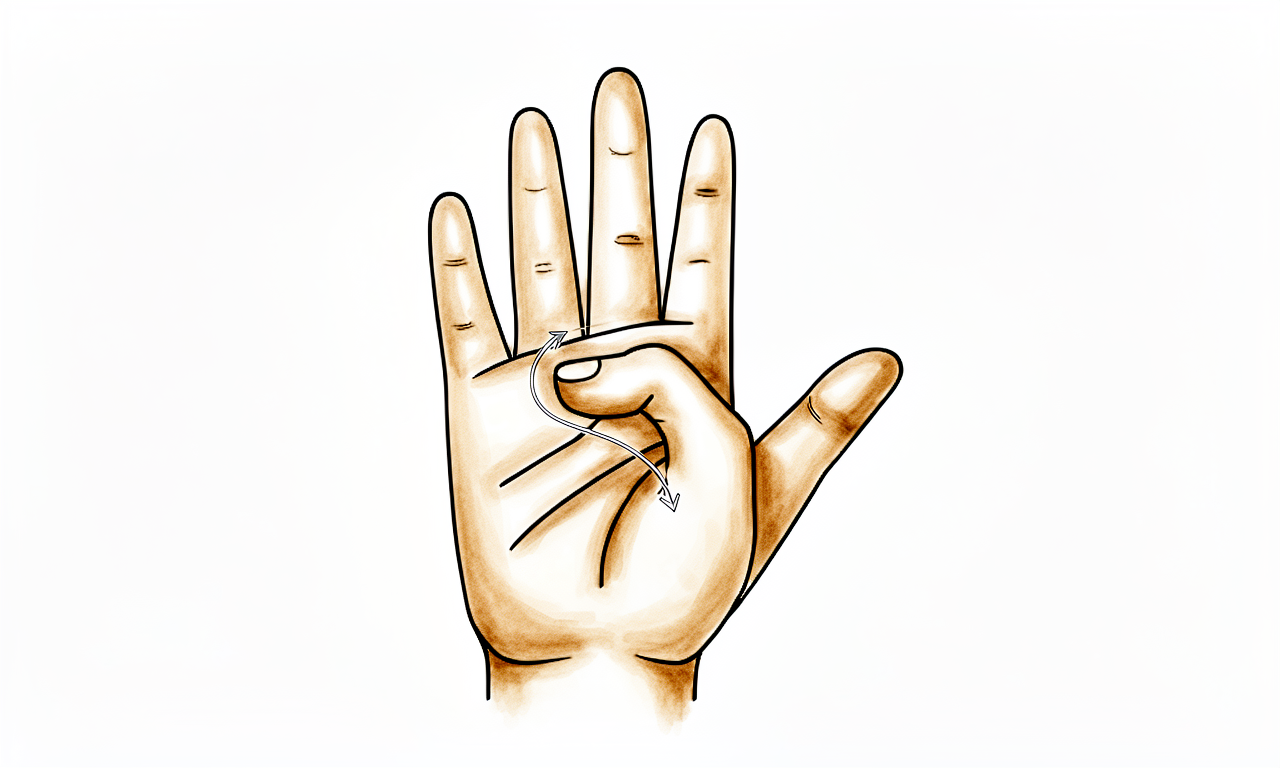
கட்டைவிரல் எதிர்நிலை (Kapandji ஏணி)
உங்கள் கட்டைவிரலின் நுனியை மெதுவாக ஆள்காட்டி விரலின் பக்கவாட்டில் தொடுங்கள்; பிறகு ஒவ்வொரு விரலின் நுனியிலும் முறையாகத் தொடுங்கள்; அதன் பிறகு சுண்டு விரலின் வழியே அதன் அடிப்பகுதியை நோக்கி இறங்குங்கள் — கை தளரத் தளர, 'ஏணியில்' சற்று மேலும் ஏறுங்கள். வசதியாக இருக்கும் அளவுக்கு மட்டுமே அசையுங்கள். கட்டைவிரல் அடிப்பகுதி மூட்டு மாற்று அறுவை சிகிச்சைக்குப் பிறகு மீட்க வேண்டிய முக்கிய அசைவு இதுவே; பகல்நேரச் சிம்பிலிருந்து விடுபட்டதும் (சுமார் இரண்டு முதல் மூன்று வாரங்களில்) இது மென்மையாகத் தொடங்கப்படுகிறது.
வசதிக்கு உட்பட்டு, ஏணியின் படிகளில் 5–10 முறை பயிற்சி செய்யுங்கள், நாளொன்றுக்கு 2–3 தடவை
Kieran Hirpara 4.0
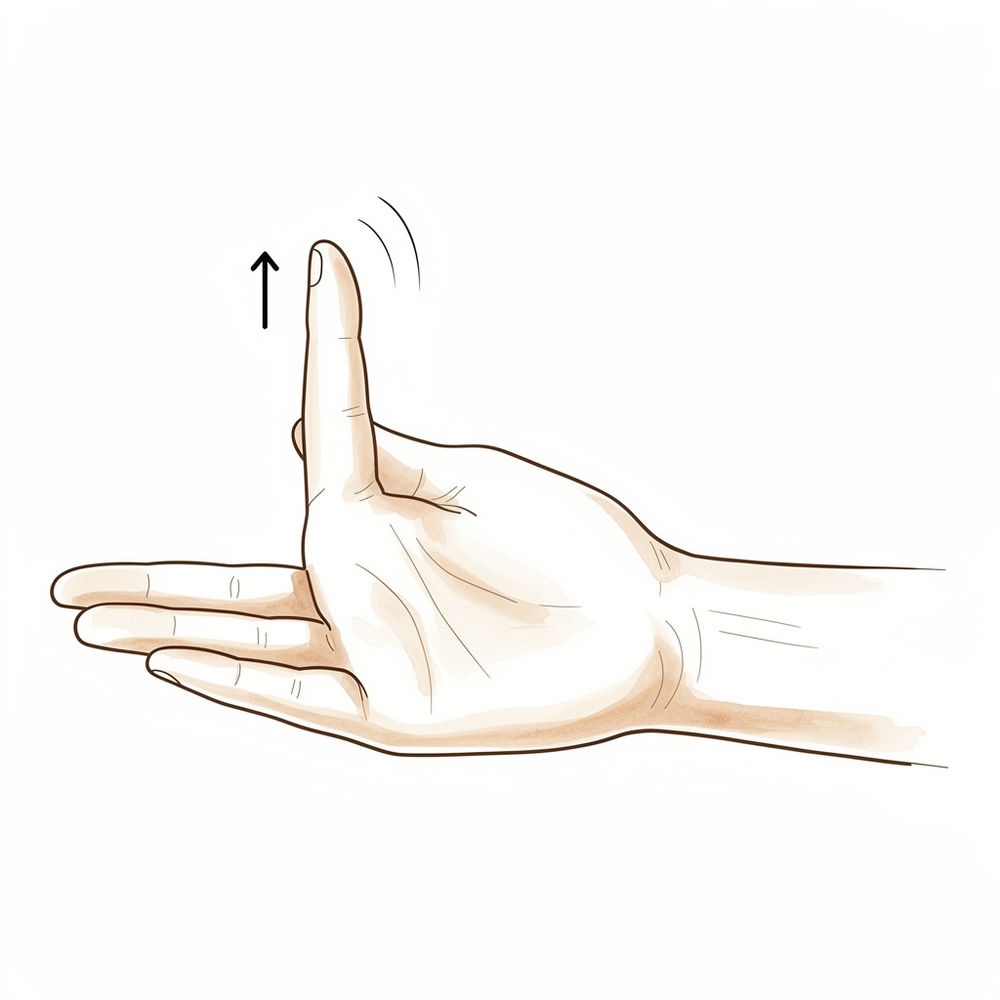
உள்ளங்கைப் பக்க விலக்கம் (palmar abduction — கட்டைவிரலை உள்ளங்கையிலிருந்து தூக்குதல்)
உங்கள் கையை உள்ளங்கை மேல்நோக்கித் தட்டையாக வையுங்கள். கட்டைவிரலை நேராக வைத்தபடி, ஒரு டப்பாவைப் பிடிப்பதற்காகக் கையை விரிப்பது போல, அதை உள்ளங்கையிலிருந்து விலக்கிக் கூரையை நோக்கித் தூக்குங்கள் — பிறகு மீண்டும் கீழே இறக்குங்கள். இது இடைத்தோலை விரித்து, கட்டைவிரலின் எட்டும் தூரத்தை மீட்டுத் தருகிறது. இதை மென்மையாகவும் வலுக்கட்டாயம் இல்லாமலும் செய்யுங்கள்; ஆரம்ப வாரங்களில் அசைவின் இறுதி முனைக்குள் தள்ள வேண்டாம்.
வசதிக்கு உட்பட்டு 10 முறை, நாளொன்றுக்கு 2–3 தடவை
Kieran Hirpara 4.0
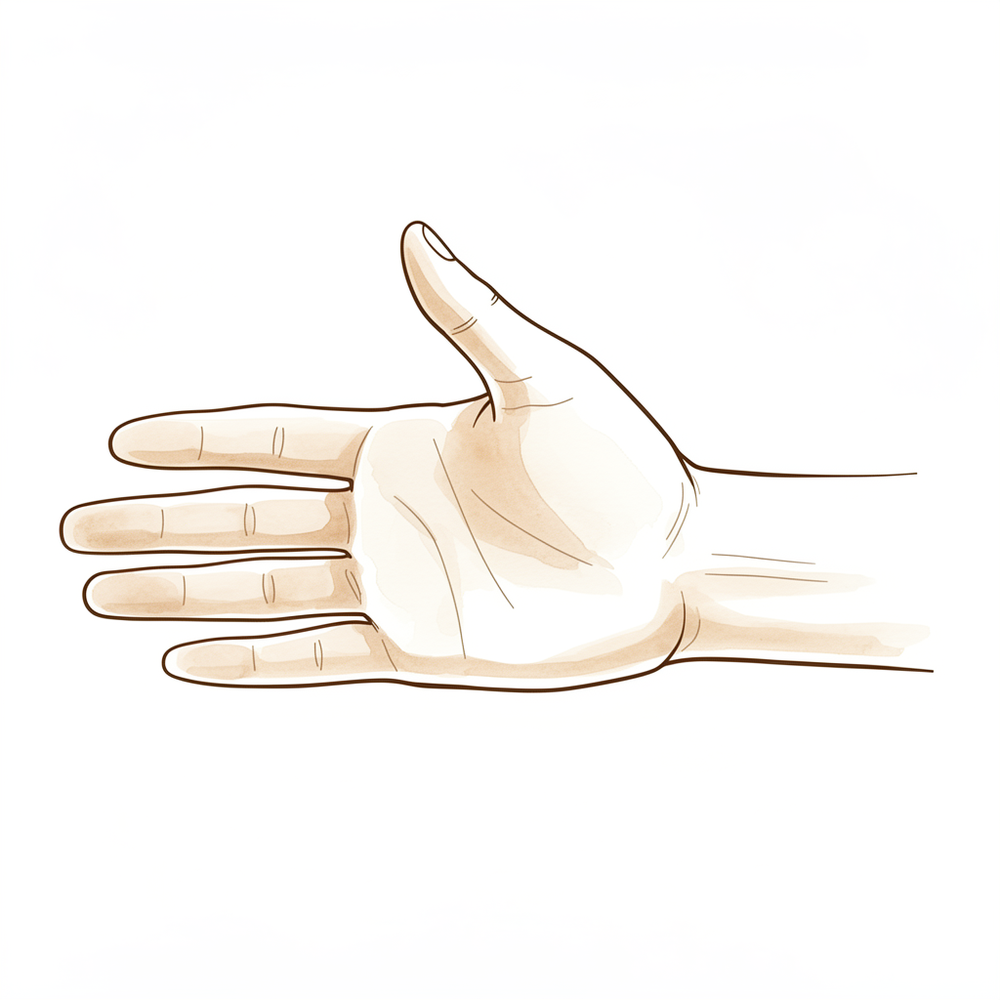
ஆரப் பக்க விலக்கம் (radial abduction — கட்டைவிரலைப் பக்கவாட்டில் விலக்குதல்)
உங்கள் கையை உள்ளங்கை கீழ்நோக்கித் தட்டையாக வையுங்கள். கட்டைவிரலை உள்ளங்கையின் அதே தட்டையான தளத்தில் வைத்தபடி, ஆள்காட்டி விரலிலிருந்து விலக்கிப் பக்கவாட்டில் நகர்த்துங்கள் — 'L' வடிவம் அமைப்பது போல — பிறகு மீண்டும் கொண்டு வாருங்கள். இது கட்டைவிரலின் பக்கவாட்டு எட்டும் தூரத்தை மீட்டுத் தருகிறது. மெதுவாக அசையுங்கள்; இழுவை ஏற்படுவதற்கு முன்பே நிறுத்துங்கள்.
வசதிக்கு உட்பட்டு 10 முறை, நாளொன்றுக்கு 2–3 தடவை
Kieran Hirpara 4.0
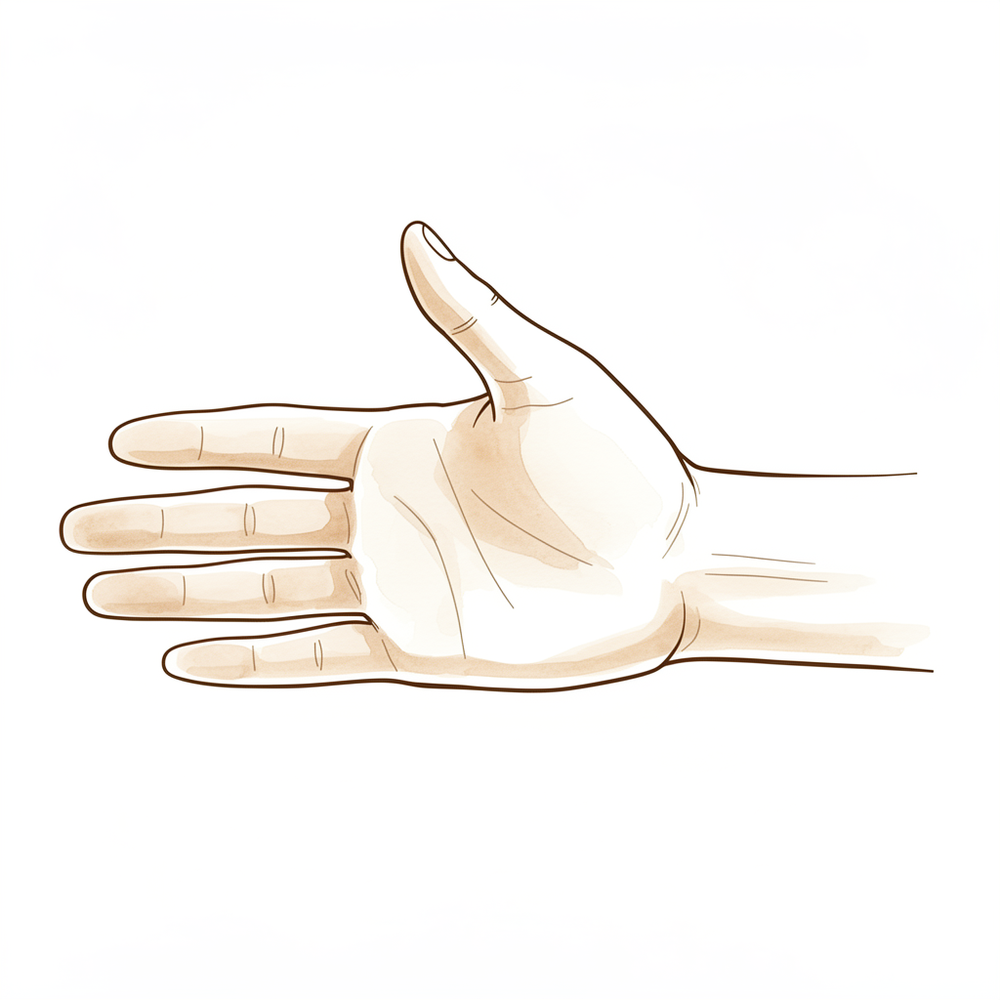
இடைத்தோல் நீட்சி (web-space stretch)
உங்கள் கட்டைவிரலுக்கும் ஆள்காட்டி விரலுக்கும் இடையிலான இடைவெளியை, வசதியாக இருக்கும் அளவுக்கு அகலமாக விரியுங்கள்; இடைத்தோல் முழுவதும் ஒரு மென்மையான நீட்சியை உணர்வீர்கள். கையை மேசையில் ஊன்றி, கட்டைவிரலைத் தானாக விரியவிடலாம்; அல்லது ஒரு உருண்டையான பொருளைச் சுற்றிக் கையைக் குவித்துப் பிடிக்கலாம். விரிந்த நிலையில் சிறிது நேரம் பிடித்து வையுங்கள், பிறகு தளர்த்துங்கள். நீங்கள் குணமாகும்போது இடைத்தோல் இறுகிவிடாமல் இது தடுக்கிறது — இதை மென்மையாகச் செய்யுங்கள், ஒருபோதும் வலுக்கட்டாயமாகச் செய்ய வேண்டாம்.
சுமார் 5 வினாடிகள் பிடித்து வையுங்கள், 5–10 முறை, நாளொன்றுக்கு 2–3 தடவை
Kieran Hirpara 4.0
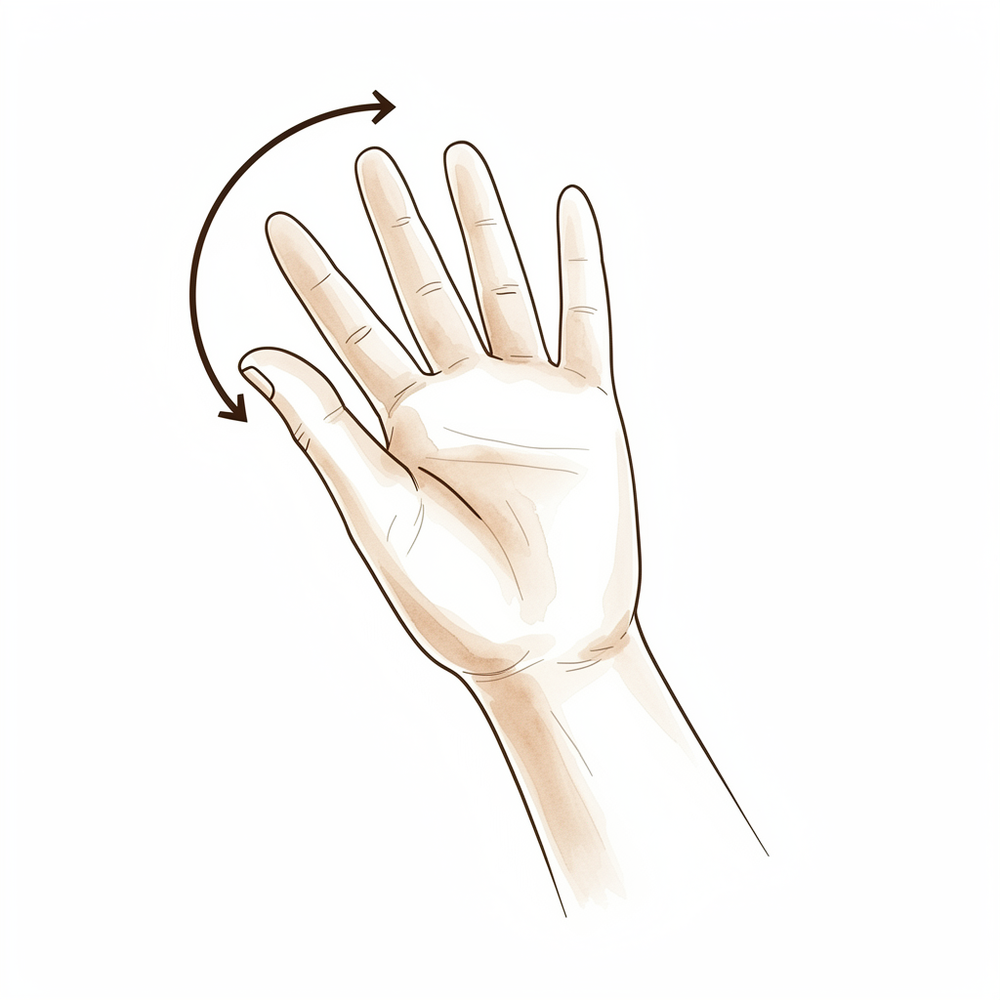
கட்டைவிரல் வட்டச் சுழற்சி (thumb circumduction)
கையைத் தளர்வாக வைத்து, கட்டைவிரலால் மெதுவான, சுமுகமான வட்டங்களை வரையுங்கள்; இரு திசைகளிலும் அதன் முழு வரம்பிலும் மெதுவாகச் சுழற்றுங்கள் — ஒரு சிறிய பாத்திரத்தைக் கிண்டுவது போல. வட்டங்களை இலகுவாகவும் வசதிக்கு உட்பட்டும் வையுங்கள். இது புதிய மூட்டின் ஒருங்கிணைந்த, உருளும் அசைவை மீட்டுத் தருகிறது; பகல்நேரச் சிம்பிலிருந்து விடுபட்டதும் இது மென்மையாகத் தொடங்கப்படுகிறது.
ஒவ்வொரு திசையிலும் 5–10 வட்டங்கள், நாளொன்றுக்கு 2–3 தடவை
Kieran Hirpara 4.0
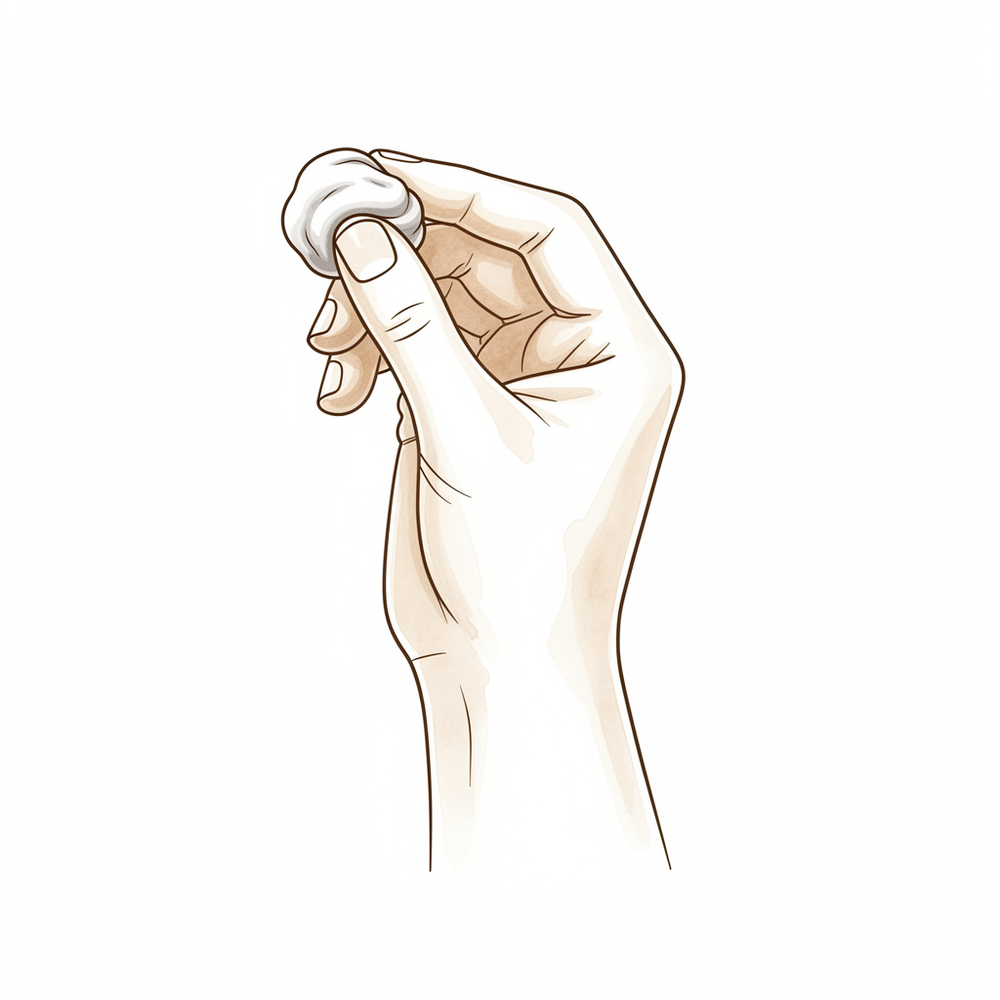
புட்டி / சாவிக் கிள்ளுப் பிடி (6-ஆவது வாரத்திலிருந்து)
இது பிற்பட்ட கட்டப் பயிற்சி — உங்கள் கை சிகிச்சையாளர் வலுப்படுத்தும் பயிற்சிகளைத் தொடங்கும் சுமார் ஆறு வாரங்களிலிருந்து மட்டுமே. ஒரு சிகிச்சைப் புட்டித் (therapy putty) துண்டை உங்கள் கட்டைவிரலுக்கும் ஆள்காட்டி விரலின் பக்கவாட்டுக்கும் இடையே கிள்ளிப் பிடியுங்கள் ('சாவி' கிள்ளுப் பிடி); கட்டைவிரலின் நுனியை உங்கள் விரல் நுனிகளில் அழுத்துங்கள் ('நுனி' கிள்ளுப் பிடி); அடுத்து வரும் வாரங்களிலும் மாதங்களிலும் முயற்சியைப் படிப்படியாக அதிகரியுங்கள். ஆறு வாரங்களுக்கு முன் பலமாகக் கிள்ளவோ பற்றிப் பிடிக்கவோ வேண்டாம் — புதிய மூட்டு நிலைபெற்று எலும்புடன் ஒட்டிக்கொள்ள அந்தக் காலம் தேவை.
உங்கள் கை சிகிச்சையாளர் வழிகாட்டும்படி (சுமார் 6 வாரங்களிலிருந்து), படிப்படியாக அதிகரித்து
இவை உங்கள் கையேட்டில் உள்ள பயிற்சிகள். டாக்டர் ஹிர்பராவும் உங்கள் கை சிகிச்சையாளரும் வழிகாட்டும்படி மட்டுமே இவற்றைத் தொடங்குங்கள்; உங்களுக்குத் தரப்பட்டுள்ள அசைவு வரம்புக்கும் கட்டுப்பாடுகளுக்கும் உட்பட்டு இருங்கள். ஆரம்பப் பயிற்சிகள் (எதிர்நிலை, கட்டைவிரலைத் தூக்குதல், பக்கவாட்டு அசைவு, இடைத்தோல் நீட்சி, மென்மையான வட்டங்கள்) புதிய மூட்டின் மீது எடை ஏற்றாமல் கட்டைவிரலின் அசைவை மீட்டுத் தருகின்றன; பகல்நேரச் சிம்பிலிருந்து விடுபட்டதும் அவை தொடங்குகின்றன. புட்டி மற்றும் சாவிக் கிள்ளுப் பிடி என்பது பிற்பட்ட கட்ட வலுப்படுத்தும் பயிற்சி; உங்கள் கை சிகிச்சையாளர் அதைத் தொடங்கும் சுமார் ஆறு வாரங்கள் வரை அதைத் தொடங்கக் கூடாது. ஆரம்ப வாரங்களில் ஒவ்வொரு அசைவையும் மென்மையாகவும் வலுக்கட்டாயம் இல்லாமலும் வைத்திருங்கள்; கட்டைவிரலின் அடிப்பகுதியில் கூர்மையான வலியை ஏற்படுத்தும் எதையும் நிறுத்துங்கள்.
உங்கள் மருத்துவ நெறிமுறை
இந்தப் பக்கத்தின் மீதிப் பகுதி, இரட்டை அசைவுத் திறன் கொண்ட ட்ரப்பீசியோமெட்டாகார்பல் (Touch) முழு மூட்டு மாற்று அறுவை சிகிச்சைக்குப் பிந்தைய மறுவாழ்வுப் பயிற்சிக்கான கட்டம் கட்டமான மருத்துவ நெறிமுறையாகும். இந்தப் பகுதி உங்கள் கை சிகிச்சையாளரிடம் வழங்கப்பட வேண்டியது; ஒவ்வொரு கட்டமும் என்ன நடக்கிறது என்பதற்கான எளிய விளக்கத்துடன் தொடங்குகிறது. ட்ரப்பீசியெக்டமியைப் போலன்றி, இந்த உள்பொருத்து உடனடியாகவே உறுதியானது, எடையைப் பகிர்ந்துகொள்வது; எனவே அசைவின்றி வைத்திருப்பது மிகக் குறைவு, சுய எதிர்நிலை ஆரம்பத்திலேயே மீட்டுத் தரப்படுகிறது. இந்த உள்பொருத்துக்கே உரிய ஆரம்ப அபாயம், தீவிர வரம்புக்கு வலுக்கட்டாயமாகத் தள்ளப்பட்டால் ஏற்படும் இடப்பெயர்வு; எனவே முதல் வாரங்கள் அசைவை மீட்டுத் தருவதோடு, வலுக்கட்டாயமான / வரம்பு-முனை நிலைகளிலிருந்து பாதுகாக்கின்றன; உள்பொருத்து எலும்புடன் ஒருங்கிணைந்ததும் (osseointegration) எடையேற்றிய வலுப்படுத்துதலுக்கு முன்னேறுகிறது.
சிகிச்சைக்கு முன், நோயாளியின் அறுவை சிகிச்சை அறிக்கையையும் கடந்தகால மருத்துவ வரலாற்றையும் பரிசோதியுங்கள்; உள்பொருத்து அமர்ந்திருக்கும் விதம்/அதன் உறுதி மற்றும் அறுவை சிகிச்சையின்போது எழுந்த கவலைகள் குறித்துச் சிகிச்சையளிக்கும் அறுவை சிகிச்சை நிபுணருடன் தொடர்பு கொள்ளுங்கள். டாக்டர் ஹிர்பராவின் வழிமுறை: 7–10 நாட்களுக்கு மென்மையான, திரட்சியான கட்டு; பிறகு 2–3 வாரங்களுக்குக் கட்டைவிரல் ஸ்பைக்கா (thumb spica) பகல்நேரச் சிம்பு; அதைத் தொடர்ந்து 6 வாரங்கள் வரை நீளும் இரவுநேரச் சிம்பு (மணிக்கட்டு நடுநிலையில், கட்டைவிரல் நடுத்தர உள்ளங்கைப் பக்க விலக்கத்தில், IP மூட்டு சுதந்திரமாக). ட்ரப்பீசியம் எலும்பு அகற்றப்படாமல் வைக்கப்படுகிறது, கட்டைவிரலின் நீளமும் பேணப்படுகிறது.
கட்டம் I — பாதுகாத்தல் (வாரம் 0 முதல் ~2–3 வரை)
முதல் சில வாரங்கள் மென்திசுக்களை அமைதியடையச் செய்து, புதிய மூட்டைப் பாதுகாக்கின்றன. கட்டைவிரல் முதலில் மென்மையான, திரட்சியான கட்டிலும், பிறகு கட்டைவிரல் ஸ்பைக்கா பகல்நேரச் சிம்பிலும் ஓய்வெடுக்கிறது; அதே நேரத்தில் விரல்களும், மணிக்கட்டும், கையின் மற்றப் பகுதியும் அசைந்துகொண்டே இருக்கின்றன. எதிர்ப்புடன் கூடிய கட்டைவிரல் பயிற்சி எதுவும் கூடாது; வலுக்கட்டாயமான அல்லது தீவிர கட்டைவிரல் நிலைகளும் கூடாது (ஆரம்ப இடப்பெயர்வே இந்த உள்பொருத்துக்கே உரிய அபாயம்).
உங்கள் கை சிகிச்சையாளருக்கு:
விளக்கமும் முன்னெச்சரிக்கைகளும் - கட்டைவிரல் அடிப்பகுதியை அசைவின்றி வைக்கவும்: மென்மையான, திரட்சியான கட்டு 7–10 நாட்கள் → சுமார் 2–3 வாரங்களுக்குக் கட்டைவிரல் ஸ்பைக்கா பகல்நேரச் சிம்பு (மணிக்கட்டு நடுநிலையில், கட்டைவிரல் நடுத்தர உள்ளங்கைப் பக்க விலக்கத்தில், IP மூட்டு சுதந்திரமாக) - வலுக்கட்டாயமான / தீவிர கட்டைவிரல் நிலைகளையும் திடீர்ப் பிடிப்புகளையும் தவிர்க்கவும்: இடப்பெயர்வே இந்த உள்பொருத்துக்கே உரிய ஆரம்ப அபாயம் - எதிர்ப்புடன் கூடிய கட்டைவிரல் பயிற்சி கூடாது (கிள்ளுதல், பற்றிப் பிடித்தல், திருகுதல், தூக்குதல் கூடாது) - உள்பொருத்தின் மீது எடை ஏற்ற வேண்டாம்; எடையேற்றாத இலேசான கைப் பயன்பாடு மட்டுமே
சிகிச்சை மேலாண்மை - காயம்: வழிகாட்டப்பட்டபடி அறுவை சிகிச்சைக் கட்டுகள்; தொற்றுக்குக் கண்காணிப்பு - வீக்கம்: கையை உயர்த்தி வைத்தல், மென்மையான கைப் பம்ப் அசைவுகள், தேவைக்கேற்பப் பனிக்கட்டி - பயிற்சிகள்: கட்டைவிரலின் IP மூட்டு, விரல்கள், மணிக்கட்டு ஆகியவற்றின் சுய அசைவு வரம்பு (ROM); கை முழுவதன் அசைவுத் திறனைப் பேணவும்; இன்னும் சுய CMC / எதிர்நிலைப் பயிற்சி கூடாது, எடையேற்றம் கூடாது
அடுத்த கட்டத்துக்குச் செல்வதற்கான அளவுகோல்கள் - காயம் அமைதியடைதல்; வசதியாக இருத்தல்; சுய அசைவுக்காகச் சுமார் 2–3 வாரங்களில் பகல்நேரச் சிம்பிலிருந்து விடுபடுதல்
கட்டம் II — இரவுநேரச் சிம்புடன் சுய அசைவு (வாரம் ~2–3 முதல் 6 வரை)
சுமார் இரண்டு முதல் மூன்று வாரங்களில் பகல்நேரச் சிம்பு கழற்றப்பட்டு, மென்மையான சுய கட்டைவிரல் அசைவு தொடங்குகிறது: எதிர்நிலை (Kapandji படிநிலை), உள்ளங்கைப் பக்க மற்றும் ஆரப் பக்க விலக்கம் (palmar and radial abduction), மென்மையான வட்டச் சுழற்சி (circumduction), இடைத்தோல் அசைவுப் பயிற்சி. இரவுநேரச் சிம்பு ஆறு வாரங்கள் வரை தொடர்கிறது. அன்றாட இலேசான பயன்பாடு ஊக்குவிக்கப்படுகிறது; கனமான பிடியும் கிள்ளுதலும் இன்னும் தவிர்க்கப்படுகின்றன.
உங்கள் கை சிகிச்சையாளருக்கு:
மதிப்பீடுகள் - சுய கட்டைவிரல் எதிர்நிலை (Kapandji மதிப்பெண்), உள்ளங்கைப் பக்க / ஆரப் பக்க விலக்கம், இடைத்தோலின் அகலம்; வலியும் வீக்கமும்; காயம்/வடு மறுபரிசீலனை
விளக்கமும் முன்னெச்சரிக்கைகளும் - பகல்நேரச் சிம்பிலிருந்து விடுபடுங்கள்; இரவுநேரச் சிம்பை 6 வாரங்கள் வரை தொடருங்கள் - எதிர்ப்பின்றிச் செய்யும் சுய கட்டைவிரல் அசைவு மட்டுமே: 6 வாரங்களுக்கு முன் கனமான பிடியோ கிள்ளுதலோ கூடாது - அசைவை வசதிக்கு உட்பட்டு வைத்திருங்கள்; வரம்பின் முனைக்கு வலுக்கட்டாயமாகத் தள்ளுவதைத் தவிர்க்கவும்
சிகிச்சை மேலாண்மை - பயிற்சிகள்: எதிர்ப்பின்றிச் செய்யும் சுய எதிர்நிலை (Kapandji படிநிலை), உள்ளங்கைப் பக்க மற்றும் ஆரப் பக்க விலக்கம், மென்மையான வட்டச் சுழற்சி, இடைத்தோல் அசைவுப் பயிற்சி; கையின் அன்றாட இலேசான செயல்பாட்டுப் பயன்பாடு; காயம் குணமானதும் வடு மசாஜைத் தொடங்கவும்
அடுத்த கட்டத்துக்குச் செல்வதற்கான அளவுகோல்கள் - நல்ல சுய எதிர்நிலை மீட்கப்பட்டிருத்தல்; காயம் குணமடைந்திருத்தல்; சுமார் 6 வாரங்களில் எதிர்ப்பின்றி வலியற்ற அசைவு
கட்டம் III — எடையேற்றமும் வலுப்படுத்துதலும் (வாரம் 6 முதல்)
சுமார் ஆறு வாரங்களிலிருந்து உள்பொருத்து எலும்புடன் ஒருங்கிணைந்துவிடுகிறது; அதன் மீது எடை ஏற்றலாம். கிள்ளுப் பிடி மற்றும் பிடி வலுப்படுத்துதல் தொடங்குகிறது (புட்டிக் கிள்ளுதல், சாவி மற்றும் நுனிக் கிள்ளுப் பிடி, எதிர்நிலை வலுப்படுத்துதல்); அது படிப்படியாக முன்னேற்றப்படுகிறது. அடுத்து வரும் 6 முதல் 12 மாதங்கள் வரை வலிமை தொடர்ந்து முதிர்ச்சியடைகிறது.
உங்கள் கை சிகிச்சையாளருக்கு:
மதிப்பீடுகள் - மறுபக்கத்துடன் ஒப்பிட்டுச் சாவி/நுனிக் கிள்ளுப் பிடி மற்றும் பிடி வலிமை; எதிர்நிலை; எடையேற்றத்துக்கு வலி/வீக்கத்தின் எதிர்வினை; பொருத்தமான அளவில் செயல்பாட்டு மற்றும் பணி சார்ந்த சோதனைகள்
விளக்கமும் முன்னெச்சரிக்கைகளும் - 6 வாரங்களிலிருந்து படிநிலையான கிள்ளுப் பிடி மற்றும் பிடி வலுப்படுத்துதலைத் தொடங்கவும்; எடையைப் படிப்படியாக அதிகரிக்கவும் - வலிமை 6–12 மாதங்களில் முதிர்ச்சியடையும் என எதிர்பார்க்கவும்; கனமான எடையேற்றத்தில் பொறுமை காக்குமாறு அறிவுறுத்தவும்
சிகிச்சை மேலாண்மை - பயிற்சிகள்: புட்டிக் கிள்ளுதல், சாவி/நுனிக் கிள்ளுப் பிடி, எதிர்நிலை வலுப்படுத்துதல், படிநிலையான எதிர்ப்பு; பிடி வலுப்படுத்துதல்; எஞ்சியுள்ள அசைவுப் பயிற்சிகளையும் வடு சார்ந்த பயிற்சிகளையும் தொடரவும் - வலிமை செயல்பாட்டுக்குப் போதுமானதாகி, செயல்பாடு பொருத்தமான அளவுக்குத் திரும்பியதும் சிகிச்சையிலிருந்து விடுவிப்பதைப் பரிசீலிக்கவும் - மீட்சி முன்னேறாமல் தேங்கினால், அல்லது விளைவு மோசமாக இருந்தால், சிகிச்சையளிக்கும் மருத்துவரிடம் மீண்டும் பரிந்துரைப்பதைப் பரிசீலிக்கவும்
சிகிச்சையிலிருந்து விடுவிப்பதற்கான அளவுகோல்கள் - செயல்பாட்டுக்குப் போதுமான, கிட்டத்தட்டச் சமச்சீரான கிள்ளுப் பிடியும் பிடியும்; வலியற்ற அன்றாட மற்றும் பணி சார்ந்த பயன்பாடு
வேலைக்கும் செயல்பாடுகளுக்கும் திரும்புதல்
அன்றாட இலேசான கைப் பயன்பாடு (சாப்பிடுதல், எழுதுதல், இலேசான சுய பராமரிப்பு) வசதிக்கு உட்பட்டு, தொடக்கத்திலிருந்தே ஊக்குவிக்கப்படுகிறது — அது கட்டைவிரலை வலுக்கட்டாயமாகத் தள்ளுவதையோ, பலமாகக் கிள்ளுவதையோ பற்றிப் பிடிப்பதையோ உள்ளடக்காத வரை. சிம்பிலிருந்து விடுபட்டு, வாகனத்தின் சுக்கானை வசதியாகப் பிடிக்க முடியும் வரை நீங்கள் வாகனம் ஓட்டக் கூடாது என்பதால், ஆரம்ப வாரங்களில் பயணத்துக்கு உதவி கிடைக்கும்படி திட்டமிட்டுக்கொள்ளுங்கள். வழக்கமாகச் சுமார் நான்கு முதல் ஆறு வாரங்களில், சுக்கானை வலியின்றிப் பிடிக்க முடிந்ததும், டாக்டர் ஹிர்பரா உறுதிசெய்த பிறகு வாகனம் ஓட்டுவது மீண்டும் தொடங்குகிறது.
அலுவலக வேலையும் இலேசான வேலையும் பொதுவாக இரண்டு முதல் நான்கு வாரங்களுக்குள் சாத்தியம்; கை உழைப்பு சார்ந்த, கனமான வேலைகள் சுமார் ஆறு வாரங்கள் வரை காத்திருந்து, பிறகு படிப்படியாக அதிகரிக்கப்படுகின்றன — ஏனெனில் பலமான கிள்ளுப் பிடி மற்றும் பிடி எடையேற்றம் ஆறு வாரங்களில்தான் தொடங்குகிறது. 6 முதல் 12 மாதங்கள் வரை வலிமை தொடர்ந்து மேம்படுகிறது; எனவே கனமான, அதிகத் தேவை வைக்கும் வேலைகளுக்கு ஒரே சமயத்தில் அல்லாமல் படிப்படியாகவே திரும்ப வேண்டும் — உங்கள் கட்டைவிரல் எப்படி எதிர்வினையாற்றுகிறது என்பதை வைத்து, நாள்காட்டியை மட்டும் பொறுத்து அல்லாமல், டாக்டர் ஹிர்பராவும் உங்கள் கை சிகிச்சையாளரும் தீர்மானிப்பார்கள்.
உங்கள் நெறிமுறைக்குப் பிறகு
இந்த நெறிமுறை கிளினிக்கின் பொதுவான மீட்சி ஆலோசனைகளுடன் இணைந்து செயல்படுகிறது; அறுவை சிகிச்சைக்குப் பிந்தைய வலியைக் கையாளுதல், காயப் பராமரிப்பு மற்றும் வடு பராமரிப்பு பக்கங்களைப் பாருங்கள். மேலே உள்ள கட்டம் கட்டமான திட்டம், இரட்டை அசைவுத் திறன் கொண்ட கட்டைவிரல் அடிப்பகுதி மூட்டு மாற்று அறுவை சிகிச்சைக்குப் பிந்தைய மறுவாழ்வுப் பயிற்சி குறித்து வெளியிடப்பட்ட வழிகாட்டுதல்களைப் பிரதிபலிக்கிறது; உங்கள் கட்டைவிரல் எப்படி முன்னேறுகிறது என்பதைப் பொறுத்து, டாக்டர் ஹிர்பராவும் உங்கள் கை சிகிச்சையாளரும் உங்கள் தொடர் மீட்சிக்குத் தனிப்பட்ட முறையில் வழிகாட்டுவார்கள்.
Evidence & references
This is the clinical evidence summary written for health professionals. It is technical, and it lists the research this page was built from. You do not need to read it to understand your treatment or to make a decision about it.
Topic scope: post-operative rehabilitation after a dual-mobility total joint replacement of the trapeziometacarpal (thumb base / CMC) joint for advanced thumb base osteoarthritis — the Touch implant. Unlike trapeziectomy, the trapezium is retained and thumb length preserved, and a correctly seated dual-mobility implant is immediately stable and load-sharing. The rehab is therefore a minimal-immobilisation, early-motion pathway: protect briefly against the implant-specific early dislocation risk, restore opposition within the first month, then load.
Defining principle of the rehab here: a trapeziectomy relies on a scar/haematoma "spacer" forming where the bone was removed, which takes roughly 12 months to mature — so rehab is slow by necessity. A dual-mobility thumb base replacement instead provides an immediately stable, load-sharing artificial joint, so immobilisation can be minimal, opposition is restored within the first month, and recovery is faster than trapeziectomy. The dual-mobility cup specifically reduces the early dislocation risk that drove longer immobilisation with older single-mobility implants. The one deliberate early restraint is therefore avoidance of forced/extreme thumb positions (the implant-specific dislocation risk) for the first few weeks, after which loaded pinch/grip strengthening begins. This is a newer implant: the evidence base is short-to-mid-term and low-to-moderate level, and rehab regimens are under-reported and not standardised.
A. PROCEDURE OUTCOMES (dual-mobility Touch TMC arthroplasty)
Dual-mobility total joint replacement of the thumb base is a comparatively new alternative to trapeziectomy for advanced trapeziometacarpal osteoarthritis. Early- to mid-term series report high implant survival and good restoration of pinch and function, with the principal trade-off being a higher complication/revision profile than the well-established trapeziectomy — though the dual-mobility design improves on the dislocation rate of earlier single-mobility implants.
- High short-to-mid-term implant survival and good function. A Touch-specific series reported 96% implant survival at 2 years with high key-pinch strength; the main adverse events were soft-tissue complications (de Quervain-type tenosynovitis, trigger digit) rather than implant failure [Herren 2023]. A 150-patient dual-mobility cohort similarly reports early normalisation of function. Moderate (case series / retrospective cohort).
- Faster recovery than trapeziectomy because the joint is immediately stable. Because the implant is load-sharing from the outset, the thumb is only briefly immobilised, patients return to near-normal activity early, and formal therapy may not always be required — contrasting with the ~12-month maturation of a trapeziectomy spacer [Duerinckx & Verstreken 2022]. Moderate (narrative review / cohort).
- Opposition and pinch/grip recover well. Using the MOOVIS dual-mobility implant, the Kapandji opposition score improved from 7 to 10 with improved pinch and grip [Dreant 2018]. Moderate (cohort).
- The dual-mobility design reduces dislocation. The extra articulation lowers the early dislocation risk that limited older single-mobility prostheses, supporting earlier mobilisation [Tchurukdichian 2019; Martins 2020]. Moderate (cohort / mechanistic).
- Lower reoperation than ball-and-socket designs; persistent revision risk overall. A network meta-analysis found dual-mobility implants had lower reoperation than ball-and-socket designs, with TOUCH reoperation around 1.0% [Burnett 2026 NMA]. Reported outcomes continue to evolve in ongoing reviews [Tosti & Duerinckx 2026]. Moderate (NMA of mostly observational data).
- Registry-level work-absence benchmark. Swedish registry data give a sense of real-world recovery: sick leave of roughly 94 days for men and 109 days for women — a benchmark to set realistic return-to-work expectations rather than a target. Moderate (registry).
B. REHABILITATION / THERAPY EVIDENCE
The central rehab questions are (1) how long to immobilise, and (2) when to start motion and loading. Because the implant is immediately stable, the modern answer is minimal immobilisation with early active opposition — but the literature is explicit that there is no consensus and wide variation between centres, and that rehab protocols are under-reported.
- Minimal immobilisation is justified by immediate stability. A correctly seated dual-mobility implant is stable and load-sharing, so prolonged casting is unnecessary; the thumb is briefly protected, then mobilised early, with opposition typically back within the first month [Duerinckx & Verstreken 2022]. Moderate (review).
- No standardised regimen — wide variation in immobilisation and motion timing. A dedicated review of immobilisation and rehabilitation after thumb-base arthroplasty found reported immobilisation ranging from 2 to 12 weeks and active range-of-motion commencing anywhere from 1 to 6 weeks, with no consensus across studies [Barrett 2022]. This is the key caveat for any protocol: the timings are a defensible, surgeon-confirmed plan, not a trial-derived standard. Moderate (systematic review of heterogeneous protocols).
- Early opposition recovery is achievable and is the functional priority. Improvement of the Kapandji opposition score (7→10) demonstrates that active opposition is the early rehab target and is realistically attainable in the first weeks-to-months [Dreant 2018]. Moderate (cohort).
- The early restraint is dislocation avoidance, not protected healing. The dual-mobility design reduces but does not abolish early dislocation; the practical implication is to avoid forced/extreme thumb positions in the first weeks rather than to immobilise for prolonged periods [Tchurukdichian 2019; Martins 2020]. Moderate / mechanistic.
Recovery trajectory (expected, evidence-anchored)
| Phase | Window | Restraint | Hand use / therapy focus | Strength / load | Notes |
|---|---|---|---|---|---|
| I — Protect | Week 0 to ~2–3 | Soft bulky dressing 7–10 d → thumb spica DAY splint | Keep IP/MCP/digits/wrist moving; oedema control; avoid forced/extreme thumb positions | No resisted thumb work | Early dislocation is the implant-specific risk; minimal immobilisation because the implant is immediately stable |
| II — Active motion | Week ~2–3 to 6 | NIGHT splint to 6 wk | Out of day splint; active unresisted opposition (Kapandji), palmar + radial abduction, gentle circumduction, web-space work; light everyday use; scar massage once healed | Still no heavy grip/pinch | Opposition typically restored within the first month; faster than trapeziectomy |
| III — Load / strengthen | Week 6+ | Restrictions lifted | Progress pinch/grip-specific loading and task use | Pinch + grip strengthening from 6 wk (putty, key/tip pinch); full weight-bearing ~6 wk | Strength matures over 6–12 months; return to heavy/manual work staged across this window |
(Phase windows reflect KH-confirmed parameters and are consistent with the wide ranges reported in the literature; they are typical guides, not trial-derived deadlines — see Barrett 2022.)
C. KEY CONTROVERSIES / EVIDENCE QUALITY
- Replacement vs trapeziectomy. Dual-mobility replacement restores the joint and gives a faster functional return (immediate stability, opposition back within a month) versus the ~12-month maturation of a trapeziectomy spacer, but at the cost of a higher complication and revision rate and a shorter evidence track record. Trapeziectomy remains the well-established, lower-risk benchmark. Moderate; trade-off, not a clear winner.
- How long to immobilise / when to start motion. No consensus — reported immobilisation spans 2–12 weeks and AROM start 1–6 weeks [Barrett 2022]. This page's day-splint-2–3-weeks → night-splint-to-6-weeks → strengthen-from-6-weeks plan is a defensible, surgeon-confirmed regimen within that reported range, not a proven standard. Weak–moderate.
- Dislocation risk. The dual-mobility cup reduces the early dislocation that limited older single-mobility implants, but the risk is not zero in the first weeks — hence the early forced/extreme-position restraint [Tchurukdichian 2019; Martins 2020]. Moderate / mechanistic.
- Complication profile. Soft-tissue complications (de Quervain-type tenosynovitis, trigger digit) are the commonest early issues rather than implant failure [Herren 2023]; reoperation is low for dual-mobility (TOUCH ~1.0%) and lower than ball-and-socket designs [Burnett 2026 NMA]. Moderate.
- Maturity of the evidence. This is a newer implant: outcomes are short-to-mid-term, evidence is low-to-moderate level (case series, retrospective cohorts, registry and NMA of mostly observational data), and rehabilitation is under-reported and not standardised. Tone should be appropriately cautious. Evidence base still maturing.
D. EVIDENCE STRENGTH FLAGS (summary)
- MODERATE (cohort / registry / NMA of observational data): high short-to-mid-term implant survival (96% at 2 yr, Touch) with good key-pinch; Kapandji opposition 7→10; dual-mobility lower reoperation than ball-and-socket (TOUCH ~1.0%); registry sick-leave benchmark (~94 d men / 109 d women); faster functional return than trapeziectomy.
- MODERATE (systematic review of heterogeneous protocols): no consensus on rehab — immobilisation 2–12 weeks, AROM start 1–6 weeks (Barrett 2022).
- WEAK / CONSENSUS: the specific immobilisation-then-early-opposition-then-strengthen phase timings (surgeon-confirmed, within the reported range; not trial-derived); the dislocation-avoidance rationale (mechanistic).
- CAVEAT: newer implant — short-to-mid-term, low-to-moderate-level evidence; higher complication/revision rates than trapeziectomy persist; rehab under-reported.
CITATIONS
RAG corpus (180,000+ Orthopaedic articles)
- Duerinckx J, Verstreken F. Dual mobility prosthesis for trapeziometacarpal joint arthritis. EFORT Open Rev. 2022. DOI: 10.1530/eor-22-0027
- Herren DB, et al. Trapeziometacarpal joint replacement with the Touch prosthesis: two-year results. J Hand Surg (Eur Vol). 2023. DOI: 10.1177/17531934231179581
- Dreant N, et al. Trapeziometacarpal arthroplasty with the dual-mobility MOOVIS prosthesis. Hand (NY). 2018. DOI: 10.1177/1558944718797341
- Tchurukdichian A, et al. Dual-mobility implant reduces the dislocation risk in trapeziometacarpal arthroplasty. Hand (NY). 2019. DOI: 10.1177/1558944719855690
- Martins A, et al. Dual-mobility trapeziometacarpal prosthesis. J Hand Surg (Eur Vol). 2020. DOI: 10.1177/1753193420901435
- Barrett H, et al. Immobilization and rehabilitation after trapeziometacarpal joint arthroplasty: a review. J Hand Surg Glob Online. 2022. DOI: 10.1016/j.jhsg.2022.05.011
- Tosti R, Duerinckx J. Trapeziometacarpal total joint arthroplasty: current concepts. J Hand Surg Am. 2026. DOI: 10.1016/j.jhsa.2026.01.003
- Burnett K, et al. Implant designs for trapeziometacarpal arthroplasty: a network meta-analysis of reoperation. J Hand Surg Am. 2026. DOI: 10.1016/j.jhsa.2025.12.011
Thumb base arthroplasty literature (URLs)
- Herren DB, et al. TOUCH trapeziometacarpal prosthesis — two-year results. PMC. https://pmc.ncbi.nlm.nih.gov/articles/PMC12098211/
- Dual-mobility trapeziometacarpal arthroplasty — 150-patient cohort. PMC. https://pmc.ncbi.nlm.nih.gov/articles/PMC12662895/
- TOUCH prosthesis case series. PMC. https://pmc.ncbi.nlm.nih.gov/articles/PMC8470025/
- KeriMedical — TOUCH thumb base prosthesis patient information. https://www.kerimedical.com/en/patients/





