

肩胛上神经减压 资料
本方案涵盖在 Mater Private Hospital Rockhampton 由 Kieran Hirpara 医生进行的孤立性关节镜下肩胛上神经减压术后的康复:即在肩胛上切迹和/或肩胛冈切迹处松解神经,且不进行任何其他修复。请在首次物理治疗就诊时携带本页面或其 PDF 文件,以确保您的康复过程协调一致。您的康复将由物理治疗师根据肩部恢复情况,通过以下阶段进行个体化推进。
重要:请先阅读。 肩胛上神经减压术常与肩袖修复术联合进行。本方案仅适用于孤立性减压术。如果您的手术还包含肩袖修复,请遵循肩袖修复方案:修复后的肌腱决定了较慢的恢复节奏,且该方案优先于本方案。如果您不确定自己接受的是哪种手术,请在开始前咨询手术室。
如果您对术后伤口有任何担忧,请联系手术室。拍摄伤口照片并通过电子邮件发送以供审阅通常很有帮助。
预期情况
当仅对神经进行松解时,无需保护肌腱修复部位,因此康复进程可以较快。悬吊带仅用于提供舒适感,且佩戴时间较短(通常仅在前一周左右,最多不超过两周),一旦肩部状况稳定,应尽可能取下悬吊带。在舒适度允许的范围内,应尽早开始轻柔的活动,大多数人可在数周内恢复正常日常活动。
神经本身的恢复遵循其自身的时间表,独立于肩部的活动。手术解除了对神经的压迫;由该压迫引起的疼痛通常会相对迅速地缓解。神经所支配肌肉(位于肩胛骨上的冈上肌和冈下肌)的肌力和肌肉体积恢复较慢,以月为单位。肌力和肌肉体积恢复的程度因人而异:部分患者可完全恢复,部分患者仅部分恢复,而长期存在的神经问题可能无法完全恢复。您的物理治疗包括在神经恢复过程中针对这些肌肉进行特定的再激活训练。您的物理治疗师和诊所将指导您了解您个人情况下的预期恢复情况。
第一阶段 — 早期活动(第 0–2 周)
Kieran Hirpara 4.0
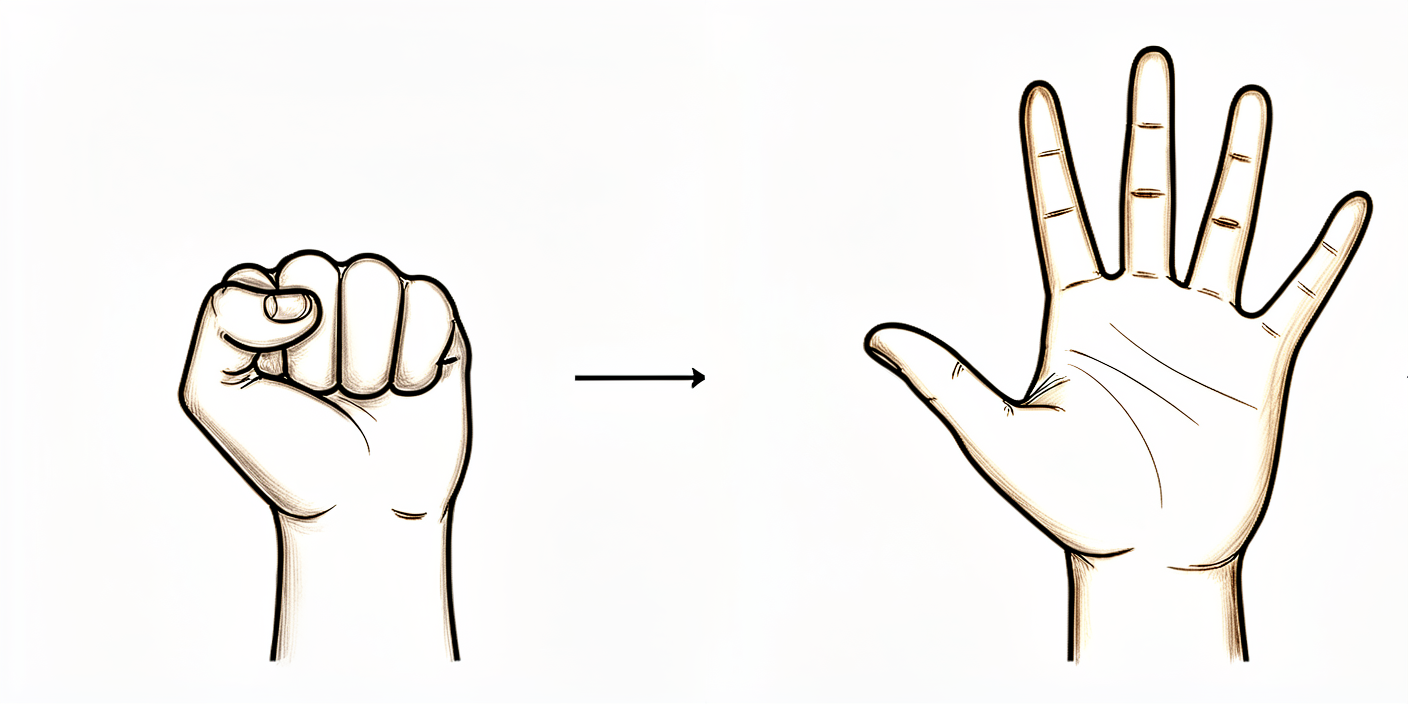
张开和握紧手
请通过张开和握紧手部及手指,或挤压软球来保持手部和手指的活动。请立即开始此练习,以便在肩部恢复稳定的过程中保持手部的功能。
在您的物理治疗师指导下
Kieran Hirpara 4.0
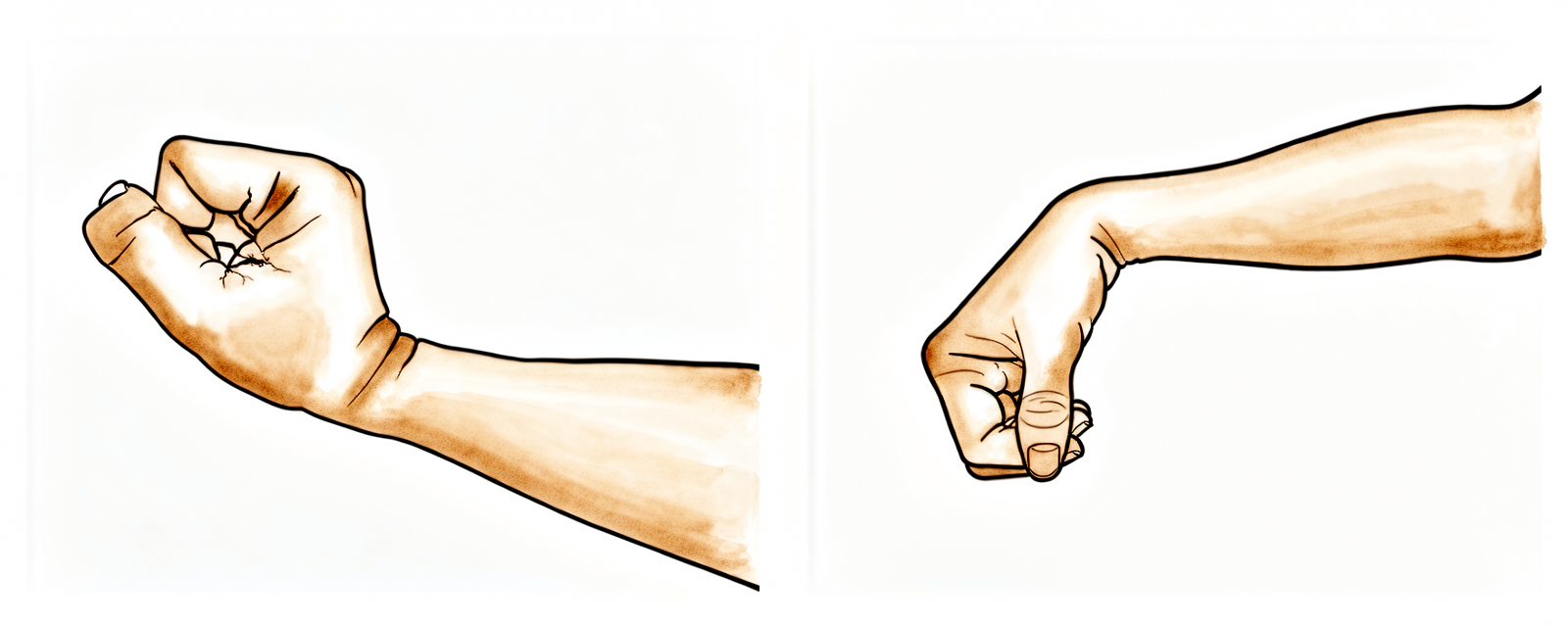
腕部运动
通过向前、向后及左右侧向弯曲手腕来保持手腕活动。在手臂脱离悬吊带时进行此动作,并与手部及肘部活动配合进行。
在您的物理治疗师指导下
Kieran Hirpara 4.0
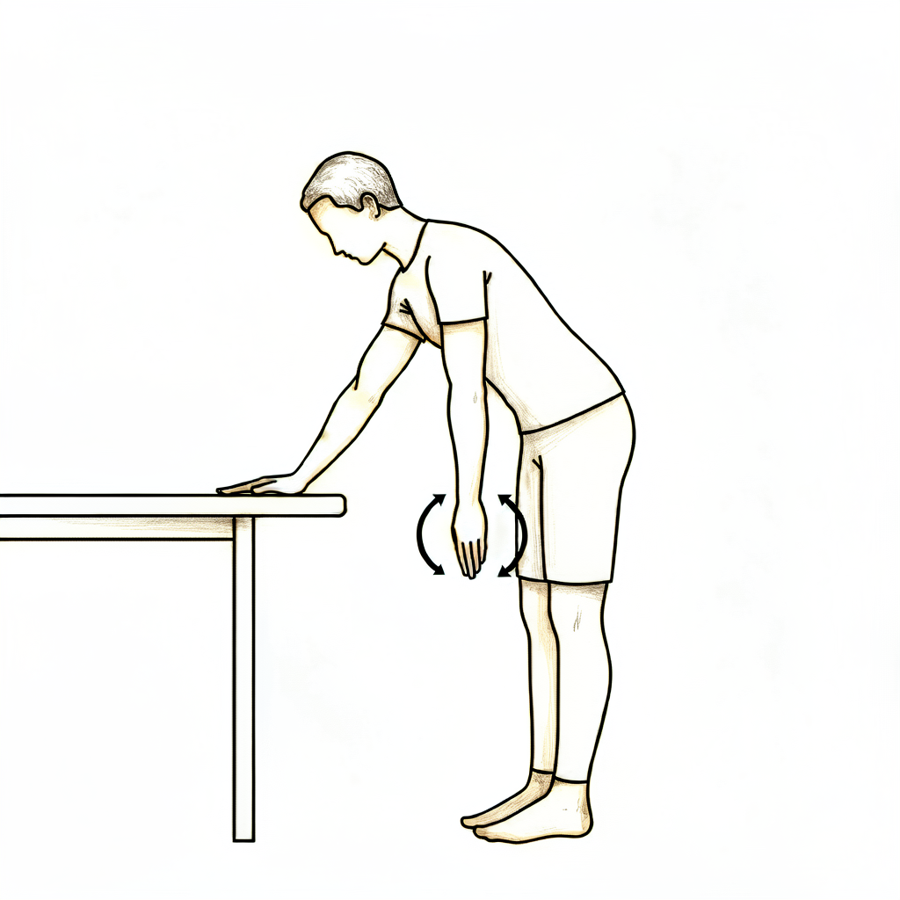
钟摆运动
弯腰前倾,让手术侧手臂自然下垂,远离身体。让手臂做小而放松的圆周摆动——动作应源自躯干,而非肩部肌肉。保持在舒适且无痛的范围内。
在您的物理治疗师指导下
Kieran Hirpara 4.0
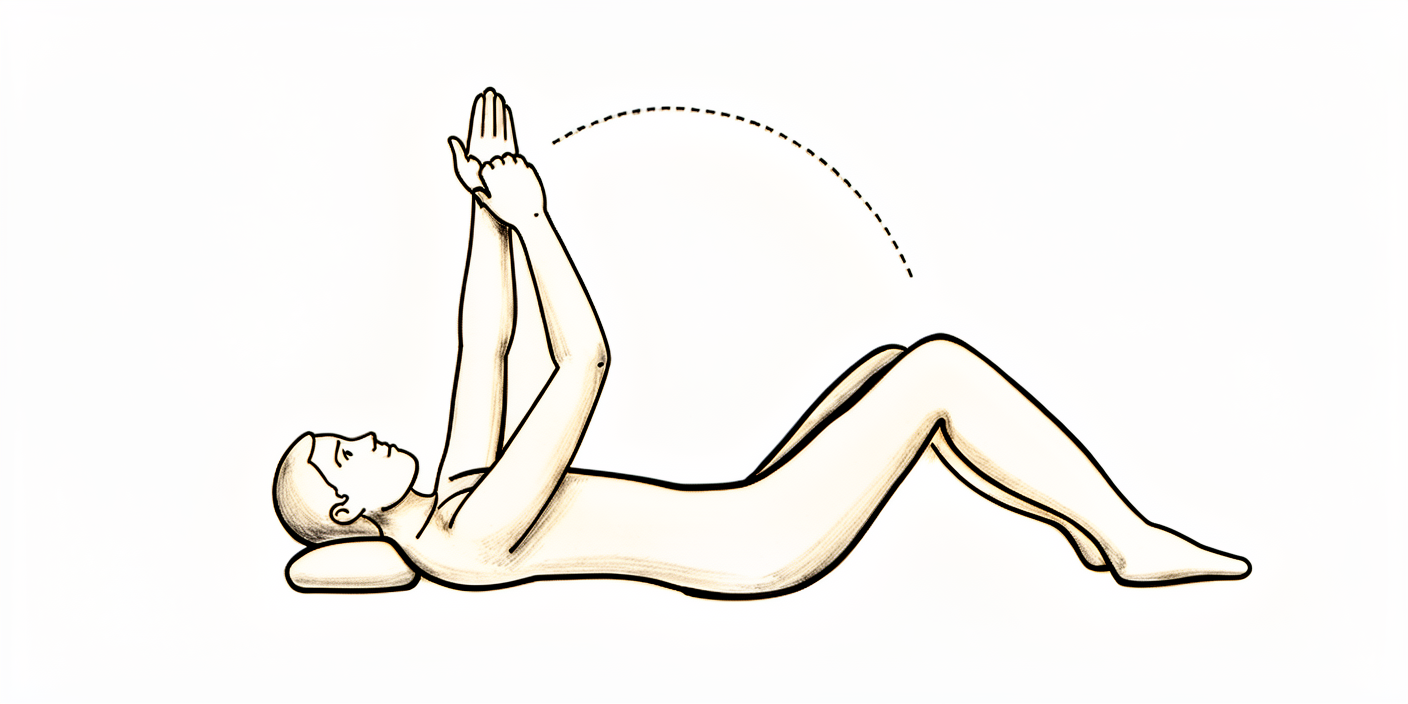
辅助抬举(仰卧位)
仰卧,用健侧手臂协助将患侧手臂向上抬起,然后仍由健侧手臂协助将其放下。仅在舒适、无痛的范围内活动——目标是温和、早期的活动,而非不惜代价地追求活动范围。
在您的物理治疗师指导下
Kieran Hirpara 4.0
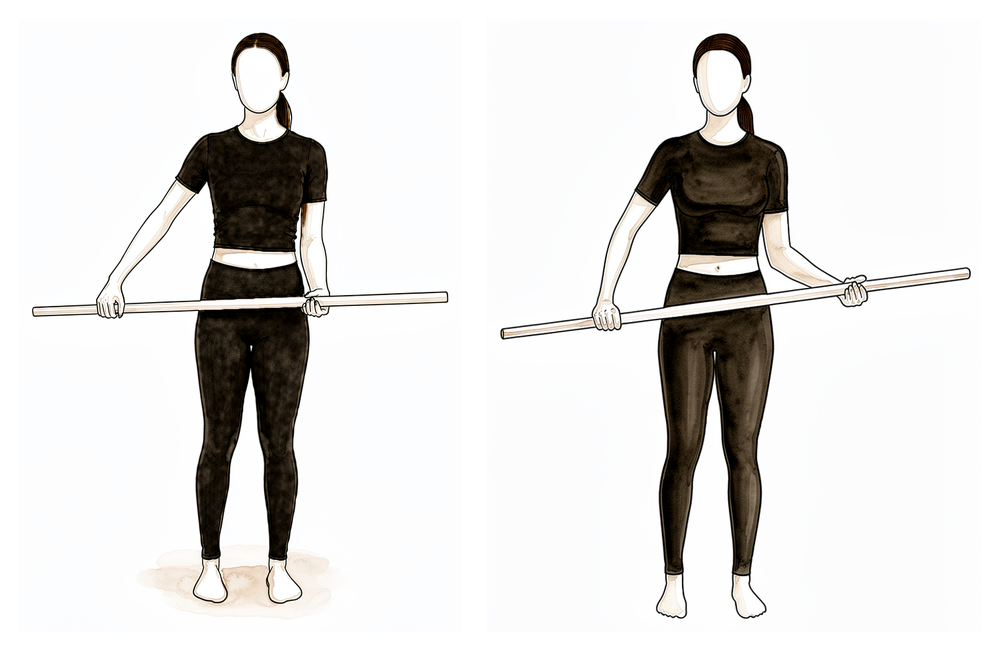
棒辅助外旋
仰卧,双手握住一根棍子或拐杖,双肘弯曲成直角并贴于身体两侧。用健侧手臂轻轻将手术侧前臂向外推,使其远离身体,然后复位。保持动作舒适且无痛。
在您的物理治疗师指导下
Kieran Hirpara 4.0
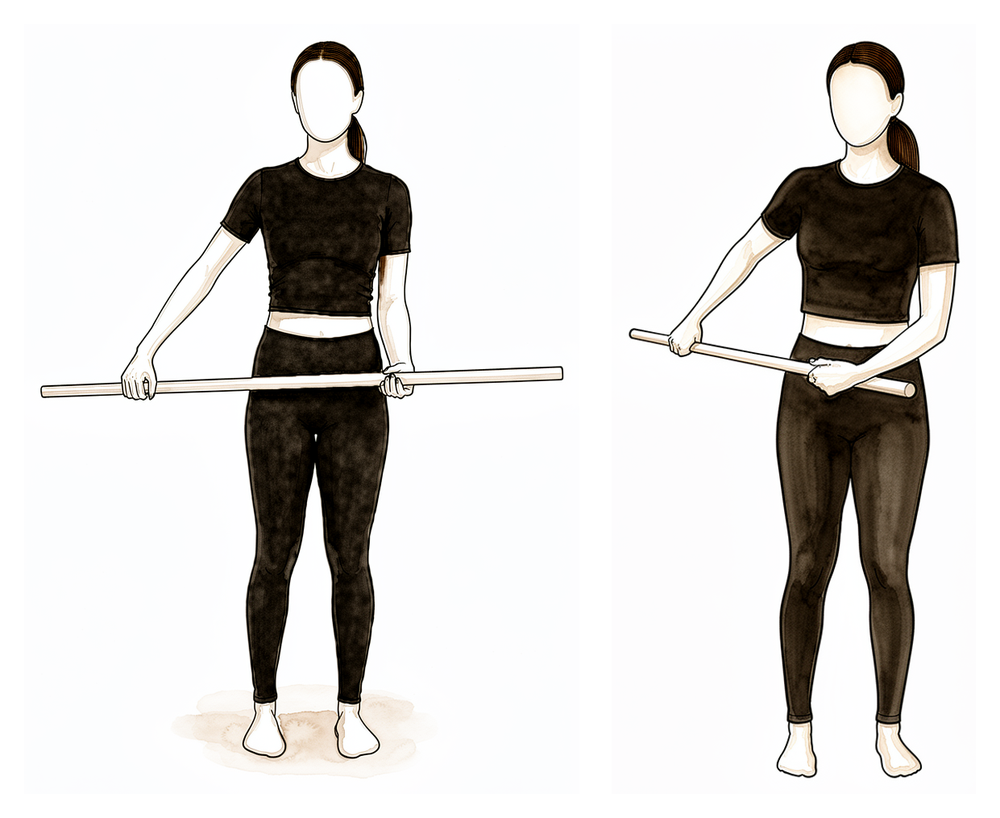
棒辅助内旋
双手持一根棍子置于背后。用健侧手臂轻轻引导术后手沿背部向上移动,然后缓缓放下。这有助于早期恢复舒适的内旋功能——请保持在无痛范围内。
在您的物理治疗师指导下
Kieran Hirpara 4.0
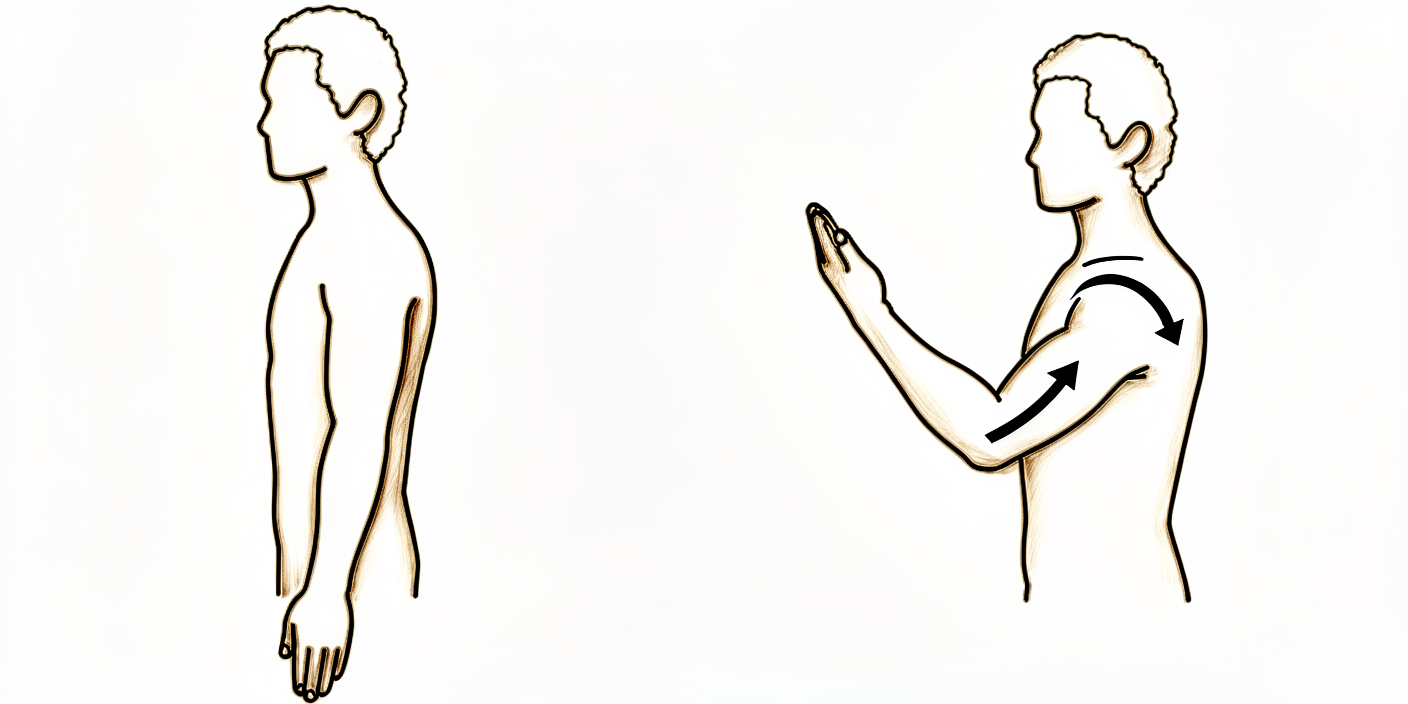
肘部弯曲
屈伸肘关节至全范围活动度。从开始就让手、腕和肘部保持活动,以便肩部稳定时,手臂其余部分仍保持柔韧。
在您的物理治疗师指导下
Kieran Hirpara 4.0
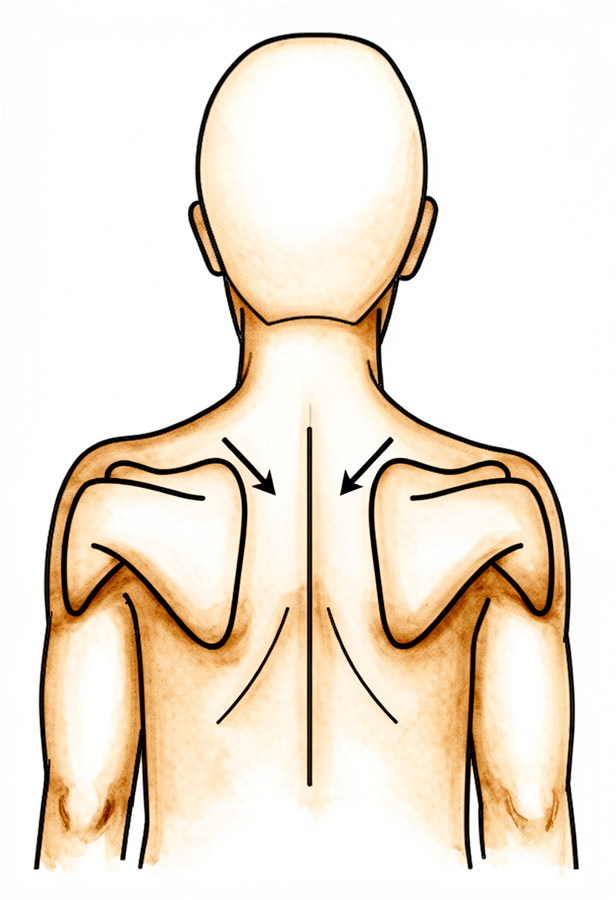
肩胛骨定位
坐直或站直,轻轻将肩胛骨向后、向下收拢,使其远离耳朵。保持几秒钟,然后放松。在术后早期,以舒适为度进行此练习。
在您的物理治疗师指导下
Kieran Hirpara 4.0
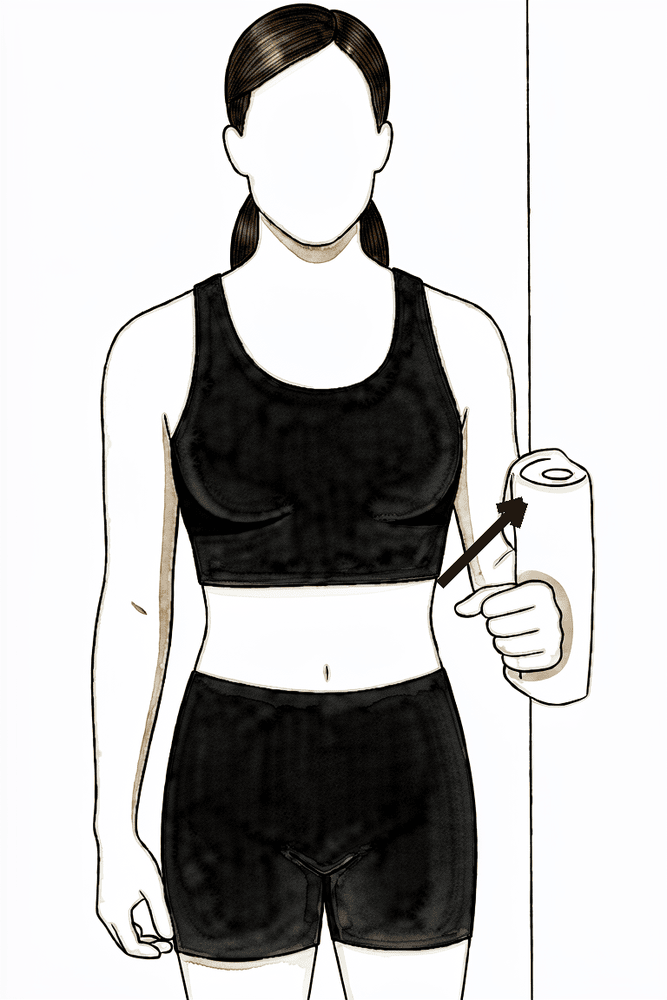
三角肌等长收缩
侧身靠墙站立,手术侧肘部贴于体侧。轻轻将手臂外侧抵向墙壁,做出向外抬起的动作,但手臂实际不移动。保持数秒,然后放松。在舒适允许的范围内,以无运动的方式轻柔激活三角肌。
在您的物理治疗师指导下
首要目标是舒适以及温和的早期活动。吊带仅用于提供舒适感,一旦肩部状况稳定,应尽可能取下;您无需佩戴吊带睡觉。任何肩部手术后,至少六周内请勿驾驶,即使已取下吊带也是如此;您的外科医生会在复查时(通常为术后六周)批准您驾驶。在早期几天内规律服用止痛药,以便开始活动手臂。从一开始就保持手、腕和肘部的活动,并按照建议,在舒适范围内开始温和的肩部活动。
致您的物理治疗师:
目标
- 舒适与伤口保护
- 在无痛限制范围内进行早期温和的活动范围训练
- 维持手、腕和肘部的活动
管理
- 吊带仅用于舒适,通常使用至术后第7天左右(若为舒适需要,最长可达两周),并根据症状允许的情况逐步停用
- 在舒适允许的情况下进行早期温和的活动范围训练:钟摆运动、被动及主动辅助抬举、外旋和内旋,以及肘关节屈曲/伸展
- 在舒适范围内进行等长三角肌收缩和肩胛骨固定
- 运动前使用镇痛药;必要时使用冷疗以缓解疼痛
注意事项
- 将早期活动保持在舒适、无痛的范围内
- 禁止重物提举、用力推或拉
- 六周内禁止驾驶(此规定适用于任何肩部手术)
晋级标准
- 疼痛舒适且趋于稳定
- 伤口愈合良好
- 能耐受早期活动范围训练
第二阶段 — 活动范围与肌肉再激活(第 2–6 周)
Kieran Hirpara 4.0
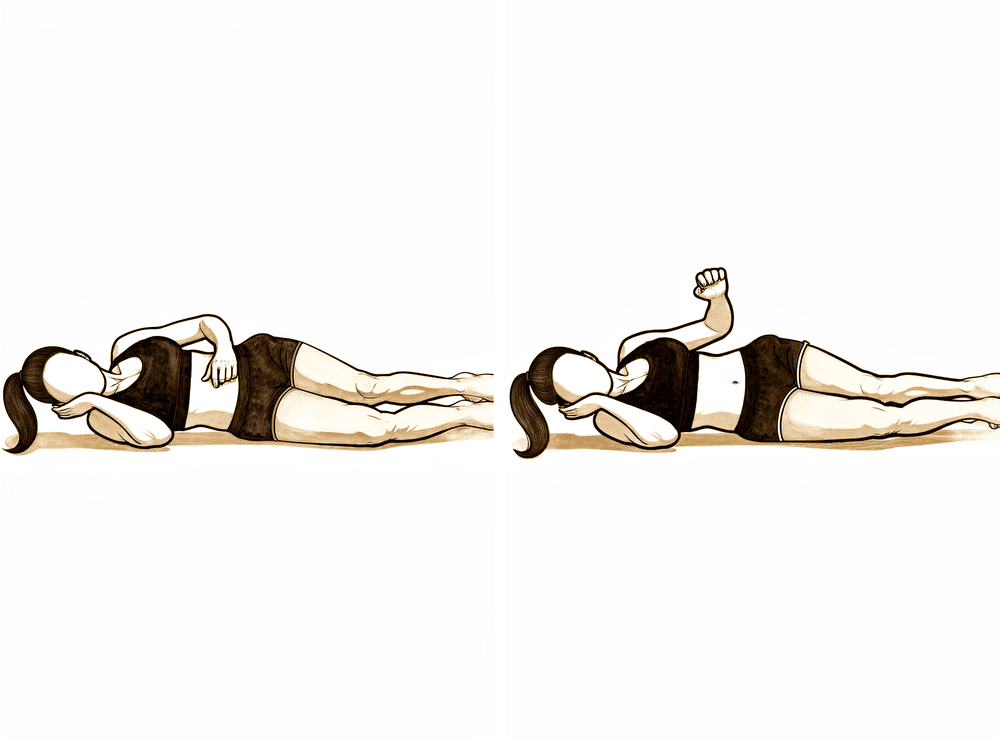
侧卧位外旋
侧卧于非手术侧,上方肘关节屈曲呈直角并紧贴身体。保持肘部位于体侧,将前臂向上(朝向天花板)旋转,然后有控制地放下。这种无痛的外旋有助于重新激活该神经支配的肌肉。
在您的物理治疗师指导下
Kieran Hirpara 4.0
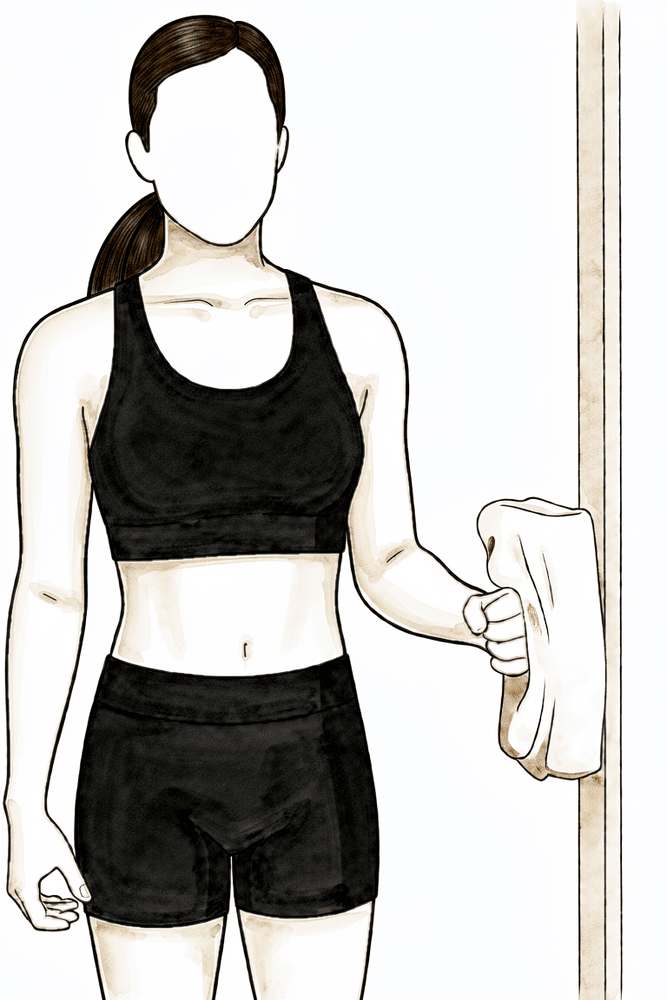
等长外旋
将肘部贴紧体侧并屈曲成直角,手背抵住墙壁或门框。轻轻向外推压,保持手臂不动,维持数秒,然后放松。这是重新激活神经支配肌肉的起始动作,之后可加入弹力带进行训练。
在您的物理治疗师指导下
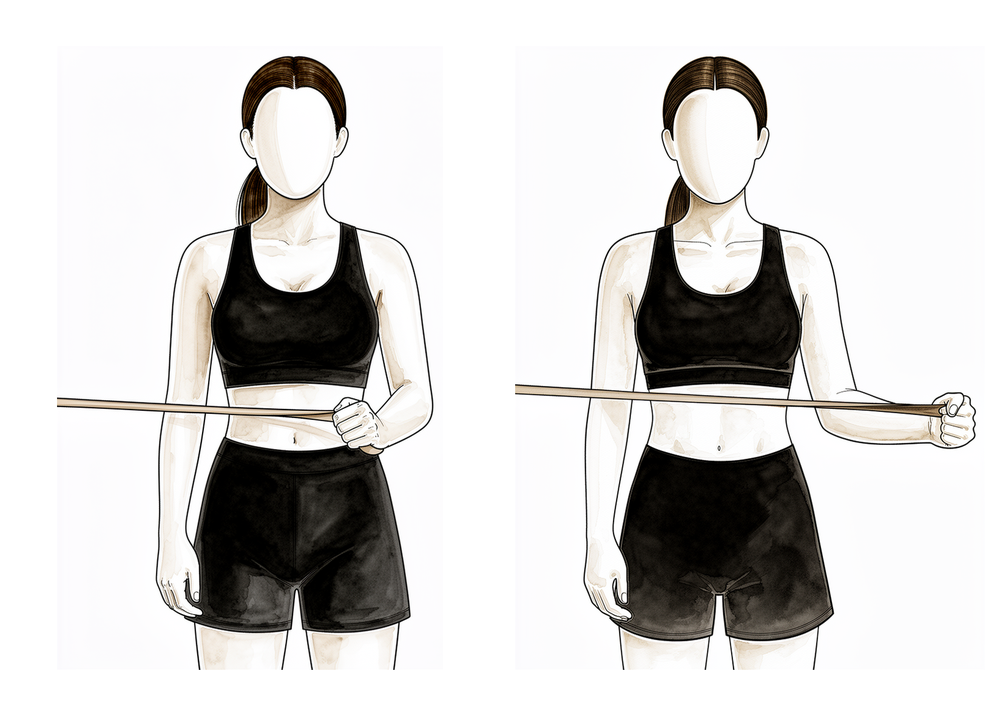
Kieran Hirpara 4.0
弹力带外旋
将肘部贴紧体侧并屈曲成直角,手持一条锚定在腰部高度的橡皮筋。保持肘部贴紧体侧,对抗橡皮筋阻力将前臂向外旋转,然后缓慢复位。采用低阻力、高重复次数——这是神经恢复期间重新激活冈下肌的关键外旋训练。
低负荷,高重复次数;按照您的物理治疗师的指导进行
Kieran Hirpara 4.0
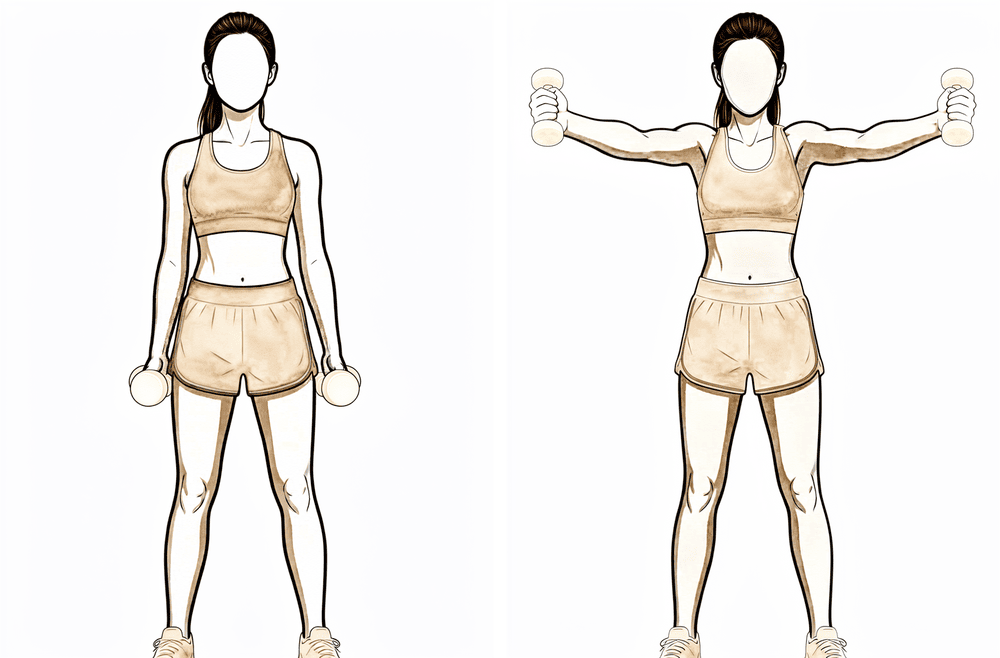
满罐式上举(肩胛平面上举)
站立,将患侧手臂向前并略向侧方抬起,拇指朝上,如同手持满罐,抬至约肩高,然后有控制地放下。此动作针对冈上肌——该神经支配的肌肉之一——并根据其恢复情况循序渐进,而非强行进行。
低负荷,较高重复次数;请遵循您的物理治疗师的指导
停止使用悬吊带后,此阶段旨在恢复全范围活动度并开始轻度强化训练,包括针对冈上肌和冈下肌的特定训练,以在神经恢复过程中重新激活这些肌肉。大多数人在此阶段可恢复正常日常活动。进展以舒适度为导向,而非严格遵循日历时间。
致您的物理治疗师:
目标
- 在所有平面内实现全主动活动范围
- 开始轻度强化训练及肩袖(冈上肌/冈下肌)再激活
- 日常生活活动独立自理
管理
- 逐步过渡至所有方向的全主动活动范围
- 从第 2 周左右开始轻度强化训练:从等长收缩过渡到使用弹力带进行肩袖、三角肌及肩胛骨稳定肌的训练,采用低负荷、高重复次数
- 特别关注无痛的外旋动作,以及在神经恢复过程中重新激活冈上肌和冈下肌
- 逐步恢复正常日常活动,通常在四周左右完成
注意事项
- 强化训练应保持在舒适范围内,不应引发持续性疼痛
- 在力量恢复期间,避免用力推、拉及提重物
- 预期力量将逐渐恢复:再激活训练的节奏应配合神经恢复进程,而非强行加速
晋级标准
- 全范围或接近全范围的无痛主动活动度
- 轻度强化训练可耐受,无疼痛发作
第三阶段 — 强化与活动恢复(第 6–12 周及以后)
Kieran Hirpara 4.0
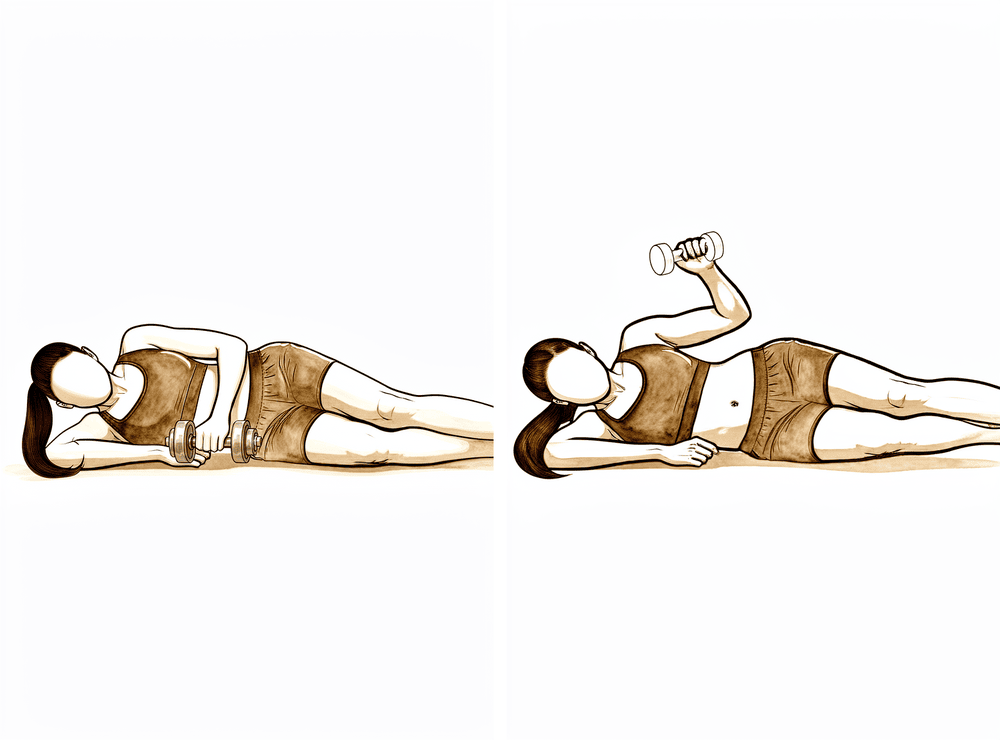
侧卧位负重外旋
从第12周左右开始,进行相同的侧卧位旋转动作,但需手持轻重量:肘关节屈曲至直角并贴紧体侧,将前臂向上旋转朝向天花板,然后缓慢放下。此动作旨在孤立锻炼正在恢复的神经所支配的肌肉——训练进度需根据神经恢复情况循序渐进,不可强行加量。
在您的物理治疗师指导下
Kieran Hirpara 4.0
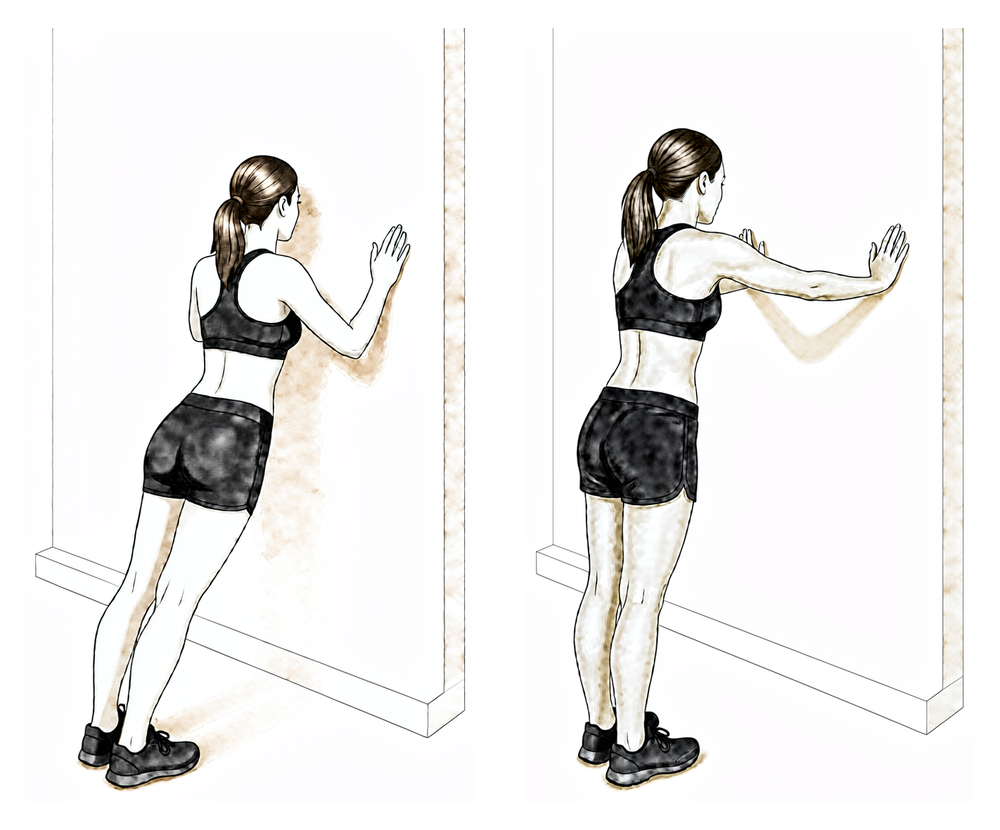
俯卧撑加肩胛前伸(push-up plus)
从大约六周开始,在墙壁、长凳或地面上做俯卧撑姿势(随着能力增强逐步过渡),完全推起身体后,再向前多推一点,使上背部呈弓形,肩胛骨相互分开。这是一种闭链运动,旨在建立肩胛骨控制能力,以支持肩袖。
在您的物理治疗师指导下
Kieran Hirpara 4.0
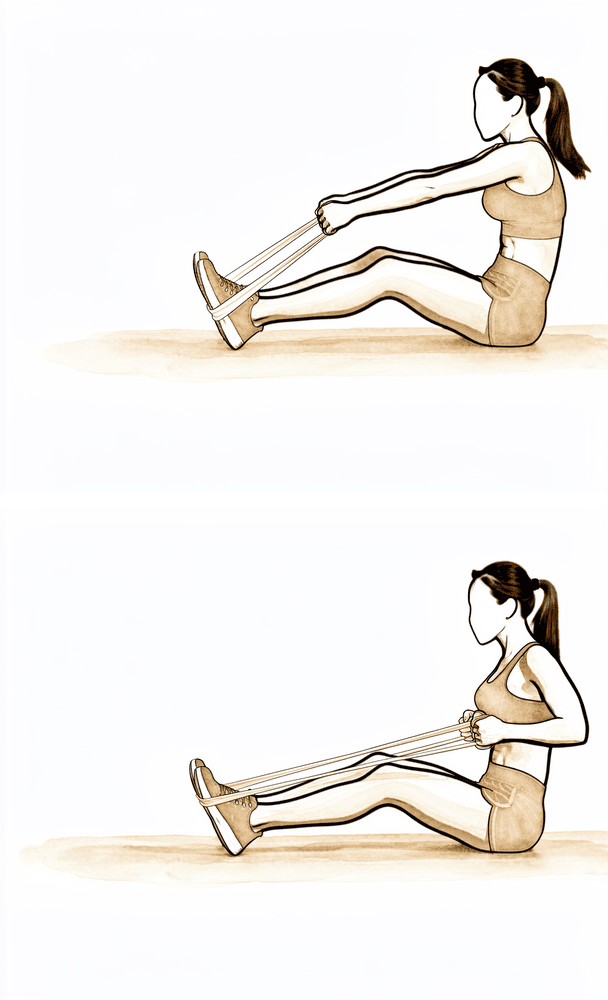
低位划船
手握一条固定于身前、位于腰部高度的弹力带。保持手臂相对伸直,将其向后下方拉向髋部,同时向下、向后收紧肩胛骨,然后缓慢还原。这是一种渐进性抗阻训练,旨在强化支撑肩袖的肩胛骨肌肉。
在您的物理治疗师指导下
从大约六周开始,强化训练在无特定限制的情况下逐步推进,旨在恢复过头任务、重体力劳动及体育运动。随着神经持续恢复(通常持续数月),冈上肌和冈下肌的孤立强化训练将逐步进阶。
致您的物理治疗师:
目标
- 无限制的全方位强化
- 逐步恢复过头活动、重体力劳动及体育运动
- 随着神经恢复,持续恢复肩袖肌群力量
管理
- 从大约第 6 周开始,进阶至全方位强化训练,包括闭链运动及渐进性抗阻训练
- 从大约第 12 周开始,进阶冈上肌和冈下肌的孤立强化训练
- 分阶段恢复过头工作及体育运动;较轻的过头任务通常在此阶段恢复,随后在力量允许且无痛的情况下,于接下来的数周至数月内逐步恢复体育运动
- 随着神经和肌肉持续恢复,继续维持训练计划
注意事项
- 训练进阶应以症状为导向
- 受累肌肉的力量和肌量可能在数月内持续恢复,且恢复可能不完全:请据此调整预期,并在力量未完全恢复时避免过度负荷
术后方案
上述阶段改编自关于关节镜下肩胛上神经减压术的已发表技术论文和临床研究。周数范围是典型值而非固定值,您的持续康复由您的物理治疗师根据肩部和神经的恢复情况,在诊所的配合下为您个性化指导。本页面与诊所的一般康复建议相辅相成;请参阅 术后疼痛管理 和 伤口护理。关于手术本身及其治疗的疾病,请参阅 肩胛上神经减压术。本方案背后的证据(关于神经减压的疼痛缓解和力量恢复文献)在证据部分进行了总结,可从本页面顶部下载 PDF 获取。
Evidence & references
This is the clinical evidence summary written for health professionals. It is technical, and it lists the research this page was built from. You do not need to read it to understand your treatment or to make a decision about it.
Topic scope: Post-operative rehabilitation after an isolated arthroscopic suprascapular nerve decompression / release — release of the nerve at the suprascapular notch (division of the transverse/superior scapular ligament) and/or the spinoglenoid notch, performed for nerve entrapment, often with excision of an associated paralabral / spinoglenoid ganglion cyst. This page covers the isolated decompression only; when the procedure is combined with a rotator cuff repair the slower, protected rotator-cuff-repair pathway takes precedence.
Defining principle of the rehab here: decompression relieves pressure on a nerve and creates no construct that needs months of protection — there is no tendon repair or capsular reconstruction to safeguard. So (like a debridement/decompression, and unlike a cuff repair or labral repair) this is an early-movement pathway: a short sling for comfort only (about the first week, two at most), early range of motion as comfort allows, and return to daily activities within a few weeks. The crucial separate timeline is the nerve itself: the compression pain often settles relatively quickly, but recovery of strength and bulk in the muscles the nerve supplies (supraspinatus and infraspinatus) is paced over weeks to months and is frequently only partial — functional recovery follows the nerve, not the calendar. The single branch point is whether a rotator cuff repair was also performed — if so, the recovery converts to the protected rotator-cuff-repair pathway.
The procedure
The suprascapular nerve can be entrapped at two fibro-osseous tunnels as it crosses the scapula: the suprascapular notch (under the superior transverse scapular ligament — entrapment here affects both supraspinatus and infraspinatus) and the spinoglenoid notch (under the spinoglenoid ligament — entrapment here is more selective for the infraspinatus). A paralabral ganglion cyst, often arising from a posterosuperior labral tear, is a common space-occupying cause at the spinoglenoid notch.
Arthroscopic decompression releases the offending ligament (and decompresses/excises any cyst); where the cyst arises from a labral tear, the labral source may be addressed at the same sitting. Because the operation removes a compressive lesion rather than creating a repair, there is no healing construct that dictates a protected immobilisation period — the rehab is governed by comfort and by the nerve's own recovery.
Evidence by theme
Pain relief is the most reliable benefit
Across cohorts and a systematic review, decompression gives good pain relief and functional improvement in the majority. In a retrospective series of 112 arthroscopic decompressions, VAS pain fell from a mean of 6.5 to 2.9 (p < 0.0001) at a mean follow-up of ~9 months, with no neurovascular injuries, infections or fractures [112-patient series, PMC6994808]. A 2018 systematic review of decompression outcomes reported broad improvements in patient-reported scores and high rates of return to sport/duty [systematic review, JSES 2018, DOI 10.1016/j.jse.2017.09.025]. A volleyball-player cohort and a spinoglenoid-notch technique series likewise report reliable return of arm function [Brzoska 2023; Plancher 2021]. Moderate (cohorts + SR of level III–IV studies).
Strength recovery follows the nerve — slower, and often incomplete
This is the key counselling point. The same 112-patient series showed measurable strength gains (supraspinatus 3.3 → 4.9; infraspinatus 3.3 → 4.8 on the 0–5 scale) but over months, not weeks [PMC6994808]. A systematic review of motor recovery after notch decompression found that full strength was NOT regained in the majority (~60%) of reported cases, and that established fatty (structural) muscle degeneration generally did not reverse — "patients should be informed about this" [motor-recovery SR, PubMed 32392599]. Open spinoglenoid-notch series report better external- rotation strength figures (e.g. ~66% regaining full ER strength) for cyst-related entrapment, where the lesion is discrete and recovery potential higher [open decompression, PubMed 23664748]. Earlier diagnosis and decompression, and a discrete compressive cause (cyst) rather than chronic idiopathic entrapment, predict more complete muscular recovery. Moderate–weak; consistent direction across studies.
Ganglion-cyst vs idiopathic entrapment
Cyst-related entrapment (a removable, space-occupying cause) tends to do well — decompression removes the cause and electrodiagnostic recovery of the nerve has been documented post- decompression [Feinberg 2019, Muscle Nerve]. Chronic idiopathic entrapment, longstanding denervation, and established fatty infiltration carry a more guarded prognosis for strength return. This distinction underlies the variable, partly-incomplete recovery seen in the pooled literature. Weak (case series / mechanistic).
The rehabilitation protocol itself is consensus/expert
The phased post-op programme below is drawn from published technique papers and patient-guidance protocols, not from a rehabilitation RCT — there is no trial defining the optimal post- decompression regimen. Phase timings are typical, not trial-derived. Weak/consensus.
Phased post-op timeline (isolated decompression — no cuff repair)
| Phase | Window | Sling | ROM / use | Strengthening | Notes |
|---|---|---|---|---|---|
| I — Early movement | Week 0–2 | Comfort only, ~first week (up to 2 wk), off ASAP; not worn to sleep | Early gentle ROM as comfort allows — pendulums, passive/active-assisted elevation, ER/IR, elbow flexion/extension; keep hand/wrist/elbow moving from day 1 | Isometric deltoid + scapular setting as comfortable | Settle post-op flare; no driving while in sling; no heavy lifting/forceful push-pull |
| II — Range & muscle reactivation | Week 2–6 | Off | Progress to full active ROM in all planes | Light strengthening from ~wk 2 (isometric → band), low-load/high-rep cuff, deltoid, scapular stabilisers; particular attention to pain-free ER and to reactivating supraspinatus/infraspinatus as the nerve recovers | Most return to normal daily activities (~wk 4); progress guided by comfort, not calendar |
| III — Strengthening / return | Week 6–12 and beyond | Off | Full ROM maintained | Full strengthening without restriction from ~wk 6; isolated supraspinatus/infraspinatus strengthening advanced from ~wk 12; staged return to overhead work and sport | Strength + muscle bulk may keep recovering over several months and may be only partial — pace expectations to the nerve |
Branch point — if a rotator cuff repair was also performed: recovery converts to the protected rotator-cuff-repair pathway (sling ~6 weeks, ROM restrictions, strengthening deferred). The surgeon confirms which pathway applies.
Key controversies / evidence quality
- Strength recovery is the honest weak point. Decompression reliably relieves pain but does not reliably restore full strength — a systematic review found ~60% of cases fell short of full strength recovery, and fatty muscle degeneration generally did not reverse [PubMed 32392599]. This is the single most important thing to counsel before surgery. Moderate (SR of level III–IV).
- Evidence is small cohorts and case series. The largest single series is ~112 patients; most are < 30; the systematic reviews pool level III–IV studies. There is no RCT for isolated decompression rehab, and no rehab trial at all. Weak overall evidence base — stated honestly.
- Indication / patient selection. When to decompress (especially for asymptomatic or mildly symptomatic cysts, or chronic idiopathic entrapment with established atrophy) remains debated — reflected in editorial commentary in the corpus ("should you have the nerve to do it?", Arthroscopy 2021, DOI 10.1016/j.arthro.2020.12.192). Consensus/expert.
- The rehab protocol is consensus, drawn from technique papers and surgeon patient-guidance documents rather than a rehab trial — phase timings are typical, not trial-derived.
Evidence-strength flags (summary)
- MODERATE (cohorts + SR): decompression relieves pain and improves function in the majority (112-patient series VAS 6.5→2.9; 2018 JSES SR; volleyball-player cohort).
- MODERATE–WEAK (SR of level III–IV): strength recovery is slower and often incomplete (~60% short of full strength; fatty degeneration usually does not reverse — motor-recovery SR).
- WEAK (case series / mechanistic): cyst-related entrapment outperforms chronic idiopathic entrapment; earlier decompression predicts fuller recovery; documented electrodiagnostic nerve recovery post-release.
- WEAK / CONSENSUS: the post-operative rehabilitation protocol itself (technique papers + surgeon patient-guidance; no defining rehab RCT).
Citations
RAG corpus (180,000+ Orthopaedic articles)
- Clinical outcomes of suprascapular nerve decompression. J Shoulder Elbow Surg. 2011. DOI: 10.1016/j.jse.2010.10.032
- Clinical outcomes of suprascapular nerve decompression: a systematic review. J Shoulder Elbow Surg. 2018. DOI: 10.1016/j.jse.2017.09.025
- Arthroscopic Decompression of the Suprascapular Nerve at the Spinoglenoid Notch and Suprascapular Notch Through the Subacromial Space. Arthroscopy. 2009. DOI: 10.1016/j.arthro.2008.10.024
- Arthroscopic suprascapular nerve decompression: indications and surgical technique. J Shoulder Elbow Surg. 2010. DOI: 10.1016/j.jse.2010.01.006
- Suprascapular neuropathy: what does the literature show? J Shoulder Elbow Surg. 2012. DOI: 10.1016/j.jse.2011.11.033
- The Evaluation and Management of Suprascapular Neuropathy. J Am Acad Orthop Surg. 2020. DOI: 10.5435/jaaos-d-19-00526
- Suprascapular Neuropathy. J Bone Joint Surg Am. 2010. DOI: 10.2106/jbjs.i.01743
- Outcomes of Arthroscopic Nerve Release in Patients Treated for Large or Massive Rotator Cuff Tears and Associated Suprascapular Neuropathy: A Prospective, Randomized, Double-Blinded Clinical Trial. Am J Sports Med. 2021. DOI: 10.1177/03635465211021834
- Editorial Commentary: Suprascapular Nerve Decompression Can Be Effective, But Should You Have the Nerve to Do It? Arthroscopy. 2021. DOI: 10.1016/j.arthro.2020.12.192
- Complete Fatty Infiltration of Intact Rotator Cuffs Caused by Suprascapular Neuropathy. Arthroscopy. 2014. DOI: 10.1016/j.arthro.2014.01.010
Literature (URLs)
- A retrospective review of 112 patients undergoing arthroscopic suprascapular nerve decompression (VAS 6.5→2.9; supraspinatus/infraspinatus strength gains; no neurovascular/infective/fracture complications). PMC. https://pmc.ncbi.nlm.nih.gov/articles/PMC6994808/
- Motor Recovery of the Suprascapular Nerve after Arthroscopic Decompression in the Scapular Notch — a Systematic Review (~60% do not regain full strength; fatty degeneration generally not reversed). PubMed. https://pubmed.ncbi.nlm.nih.gov/32392599/
- Suprascapular nerve entrapment isolated to the spinoglenoid notch: surgical technique and results of open decompression (~66% regained full ER strength). PubMed. https://pubmed.ncbi.nlm.nih.gov/23664748/
- Arthroscopic release of suprascapular nerve entrapment at the suprascapular notch: technique and preliminary results. PubMed. https://pubmed.ncbi.nlm.nih.gov/17210425/
- Compression of the suprascapular nerve by a ganglion cyst of the spinoglenoid notch: the arthroscopic solution. PubMed. https://pubmed.ncbi.nlm.nih.gov/14595536/
Published protocols / technique papers (basis for the phase structure)
- Plancher KD, Evely TB, Brite JE, Briggs KK, Petterson SC. Endoscopic/arthroscopic decompression of the suprascapular nerve at the spinoglenoid notch: indications and surgical technique. JSES Rev Rep Tech. 2021;1(3):198-206. https://www.sciencedirect.com/science/article/pii/S2666639121000250
- Harkin WE, Kerzner B, Scanaliato J, et al. Open Suprascapular Nerve Decompression at the Spinoglenoid Notch. Arthrosc Tech. 2024;13(9):103051. https://pmc.ncbi.nlm.nih.gov/articles/PMC11411363/
- Brzoska R, Laprus H, Klaptocz P, et al. Arm Function After Arthroscopic Decompression of the Suprascapular Nerve at the Spinoglenoid Notch and Suprascapular Notch in Volleyball Players. Orthop J Sports Med. 2023;11(2):23259671221147892. https://pmc.ncbi.nlm.nih.gov/articles/PMC9974621/
- Feinberg JH, Mehta P, Gulotta LV, et al. Electrodiagnostic evidence of suprascapular nerve recovery after decompression. Muscle Nerve. 2019;59(2):247-249. https://pubmed.ncbi.nlm.nih.gov/30291636/





