

பைசெப்ஸ் டெனோடெசிஸ் (Biceps Tenodesis) தகவல்
Mater Private Hospital Rockhampton-இல் டாக்டர் கியரன் ஹிர்பரா செய்யும் பைசெப்ஸ் டெனோடெசிஸ் (biceps tenodesis) அறுவை சிகிச்சைக்குப் பிந்தைய மறுவாழ்வுப் பயிற்சியை இந்த நெறிமுறை (protocol) விளக்குகிறது; அறுவை சிகிச்சை ஆர்த்ரோஸ்கோபிக் (arthroscopic; சாவித்துளை) முறையில் செய்யப்பட்டிருந்தாலும் சரி, அக்குளின் முன்பக்கத்துக்கு அருகே ஒரு சிறிய திறந்த கீறல் வழியாகச் செய்யப்பட்டிருந்தாலும் (திறந்த சப்பெக்டோரல் முறை, open subpectoral technique) சரி. உங்கள் மறுவாழ்வுப் பயிற்சி (rehabilitation) ஒருங்கிணைந்து இருக்க, இந்தப் பக்கத்தையோ அதன் PDF-ஐயோ உங்கள் முதல் இயன்முறை சிகிச்சைச் (physiotherapy) சந்திப்புக்குக் கொண்டு வாருங்கள். உங்கள் தோள்பட்டையும் கையும் எப்படி முன்னேறுகின்றன என்பதைப் பொறுத்து, கீழே உள்ள கட்டங்கள் வழியாக உங்கள் இயன்முறை சிகிச்சையாளர் உங்கள் மறுவாழ்வுப் பயிற்சியைத் தனிப்பட்ட முறையில் முன்னேற்றுவார்.
இந்த நெறிமுறை தனித்த பைசெப்ஸ் டெனோடெசிஸ் அறுவை சிகிச்சைக்கானது. உங்கள் அறுவை சிகிச்சையில் சுழற்சி தசைநாண் பட்டை (rotator cuff) பழுதுபார்ப்பும் அடங்கியிருந்தால், அதற்குப் பதிலாக சுழற்சி தசைநாண் பட்டை பழுதுபார்ப்பு நெறிமுறையைப் பின்பற்றுங்கள்; பழுதுபார்க்கப்பட்ட தசைநாண் மெதுவான வேகத்தையே அனுமதிக்கும்.
அறுவை சிகிச்சைக்குப் பிறகு உங்கள் காயம் பற்றி ஏதேனும் கவலை இருந்தால், கிளினிக்கைத் தொடர்பு கொள்ளுங்கள். காயத்தைப் புகைப்படம் எடுத்து, பார்வையிடுவதற்காக மின்னஞ்சலில் அனுப்புவது பெரும்பாலும் உதவியாக இருக்கும்.
என்ன எதிர்பார்க்கலாம்
பைசெப்ஸ் டெனோடெசிஸ் அறுவை சிகிச்சையில், பைசெப்ஸ் தசைநாணின் நீண்ட தலை (long head), தோள்பட்டைக்கு உள்ளே இருந்த அதன் அசல் இணைப்புப் புள்ளியிலிருந்து பிரிக்கப்பட்டு, அதற்குப் பதிலாக ஒரு நங்கூரம் (anchor) அல்லது திருகு (screw) மூலம் மேற்கை எலும்புடன் (humerus) பொருத்தப்படுகிறது. அந்தப் புதிய இணைப்பு எலும்புடன் உறுதியாகக் குணமடைய நேரம் தேவை; எனவே மறுவாழ்வுப் பயிற்சியின் ஆரம்ப வாரங்கள் அதைப் பாதுகாப்பதை மையமாகக் கொண்டே அமைக்கப்பட்டுள்ளன.
பைசெப்ஸ் தசை இரண்டு வேலைகளைச் செய்கிறது: அது முழங்கையை மடக்குகிறது, மேலும் உள்ளங்கையை மேல்நோக்கித் திருப்புகிறது (சுப்பினேஷன், supination). அதனால்தான் — ஒரு தோள்பட்டை அறுவை சிகிச்சைக்கு இது வழக்கத்துக்கு மாறானது — ஆரம்பக் கட்டுப்பாடுகள் பெரும்பாலும் முழங்கையைப் பற்றியவையாக இருக்கின்றன: முதல் சில வாரங்களுக்கு முழங்கை பிறரால் அசைக்கப்படுகிறது (மற்றொரு கை, அல்லது உங்கள் இயன்முறை சிகிச்சையாளர், மடக்கும் வேலையைச் செய்கிறார்); இதனால் குணமடையும் தசைநாண் இழுக்கும்படி கேட்கப்படுவதில்லை. அதே காரணத்தால், அறுவை சிகிச்சை செய்த கையால் தூக்குவதும் சுமப்பதும் ஆரம்பத்தில் அனுமதிக்கப்படுவதில்லை. தசைநாணுக்கு இழுவிசை கொடுக்கும் சில தோள்பட்டை நிலைகளும் தொடக்கத்தில் கட்டுப்படுத்தப்படுகின்றன: கையைச் சுமார் 40° தாண்டி வெளிப்புறமாகச் சுழற்றுவதும், கையை உடலின் கோட்டுக்குப் பின்னால் கொண்டு செல்வதும்.
நீங்கள் சுமார் மூன்று முதல் நான்கு வாரங்களுக்குக் கைத்தாங்கி (sling) அணிவீர்கள்; தூங்கும்போதும் அதை அணிய வேண்டும். வசதி அனுமதிக்கும்படி, சுமார் மூன்றாவது வாரத்திலிருந்து அதைப் படிப்படியாகக் குறைத்து நிறுத்தலாம். எந்தத் தோள்பட்டை அறுவை சிகிச்சைக்குப் பிறகும் குறைந்தது ஆறு வாரங்களுக்கு வாகனம் ஓட்ட வேண்டாம், கைத்தாங்கி கழற்றப்பட்ட பிறகும் கூட; உங்கள் அறுவை சிகிச்சை நிபுணர், பொதுவாக ஆறு வார மறுபரிசோதனையில், வாகனம் ஓட்ட அனுமதி தருவார்.
பயணம் ஒரே பார்வையில்:
- கட்டம் I — டெனோடெசிஸைப் பாதுகாத்தல் (தோராயமாக முதல் நான்கு வாரங்கள்)
- கட்டம் II — சுய அசைவு (வாரம் 4–6)
- கட்டம் III — வலுப்படுத்துதல் (வாரம் 6–12; வாரம் 10 முதல் எதிர்ப்புடன் கூடிய பைசெப்ஸ் பயிற்சி)
- கட்டம் IV — முழுச் செயல்பாட்டுக்குத் திரும்புதல் (வாரம் 12 முதல்)
வார வரம்புகள் நிலையானவை அல்ல, வழக்கமானவை; நாட்காட்டியை வைத்து அல்லாமல், உங்கள் கை எப்படிக் குணமடைந்து அசைகிறது என்பதை வைத்தே உங்கள் இயன்முறை சிகிச்சையாளர் உங்களை முன்னேற்றுவார். இயன்முறை சிகிச்சை பொதுவாக அறுவை சிகிச்சைக்குப் பிந்தைய முதல் ஓரிரு வாரங்களுக்குள் தொடங்குகிறது; நீங்களே ஏற்பாடு செய்துகொள்ளத் தேர்ந்தெடுக்கவில்லை என்றால், உங்கள் முதல் சந்திப்பின் விவரங்கள் வீடு திரும்பும்போது தரப்படும் ஆவணங்களில் (discharge pack) இருக்கும்.
கட்டம் I — டெனோடெசிஸைப் பாதுகாத்தல் (வாரம் 0–4)
Kieran Hirpara 4.0
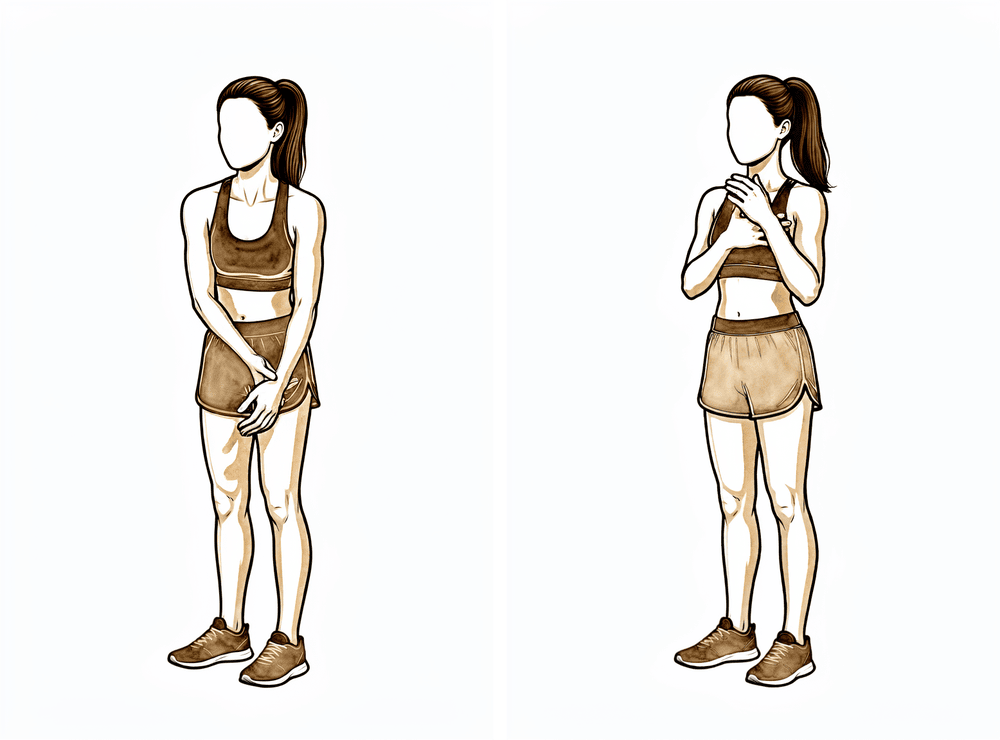
பிறர் அசைக்கும் முழங்கை மடக்கல் (passive elbow bending)
அறுவை சிகிச்சை செய்த கையை முற்றிலும் தளர்வாக ஓய்வில் வைத்து, உங்கள் மற்றொரு கையால் முழங்கையை மேல்நோக்கி மடக்குங்கள்; பின்னர் அது திரும்ப நேராக விரியட்டும். வேலை முழுவதையும் உங்கள் மற்றொரு கையே செய்ய வேண்டும் — குணமடையும் தசைநாண் இழுக்கும்படி கேட்கப்படாமல் இருக்க, பைசெப்ஸ் செயல்படாமல் இருக்க வேண்டும். உள்ளங்கையை மேல்நோக்கியும் கீழ்நோக்கியும் திருப்புவதற்கும் இதையே செய்யுங்கள்.
தினமும்
Kieran Hirpara 4.0
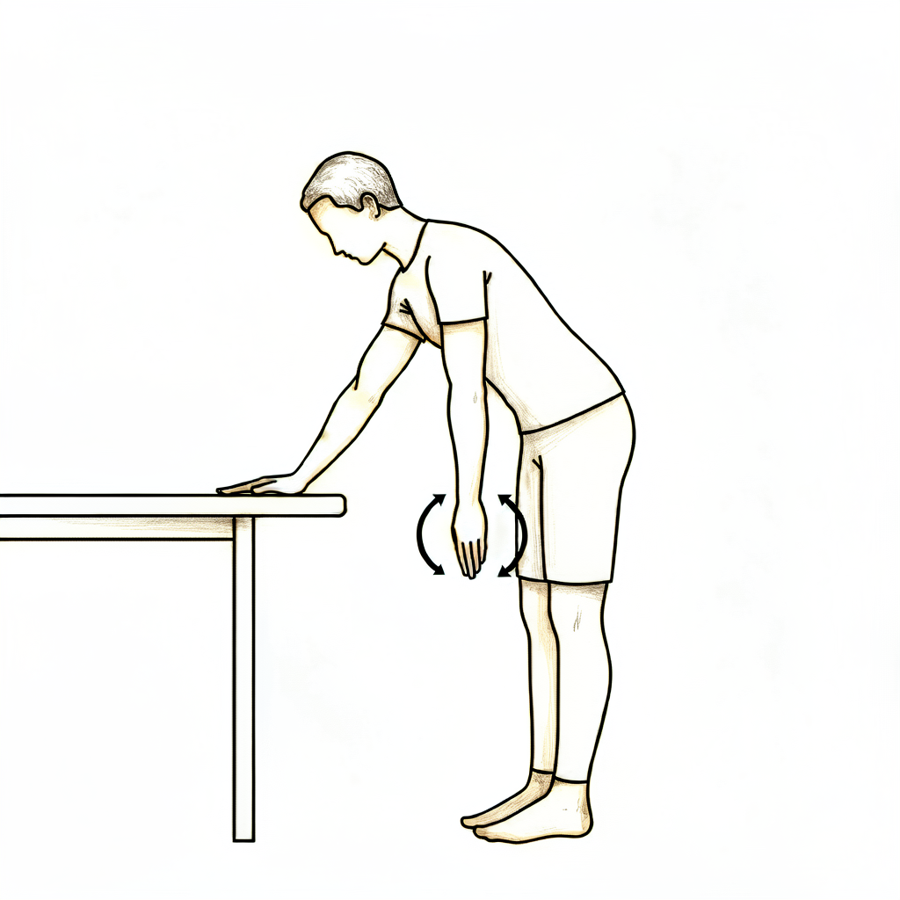
ஊசல் (pendulum) பயிற்சி
கைத்தாங்கியிலிருந்து கையை வெளியே எடுத்து, இடுப்பிலிருந்து முன்னோக்கிக் குனிந்து, அறுவை சிகிச்சை செய்த கையை உடலிலிருந்து விலகி மென்மையாகத் தொங்க விடுங்கள். கை சிறிய, தளர்வான வட்டங்களில் ஆடட்டும் — அசைவு தோள்பட்டை அல்லது கைத் தசைகளிலிருந்து அல்ல, உங்கள் உடலிலிருந்து வர வேண்டும். வசதியான அளவுக்குள் செய்து, பின்னர் கையைக் கைத்தாங்கிக்குள் திரும்பக் கொண்டு வாருங்கள்.
உங்கள் இயன்முறை சிகிச்சையாளர் வழிகாட்டியபடி
Kieran Hirpara 4.0
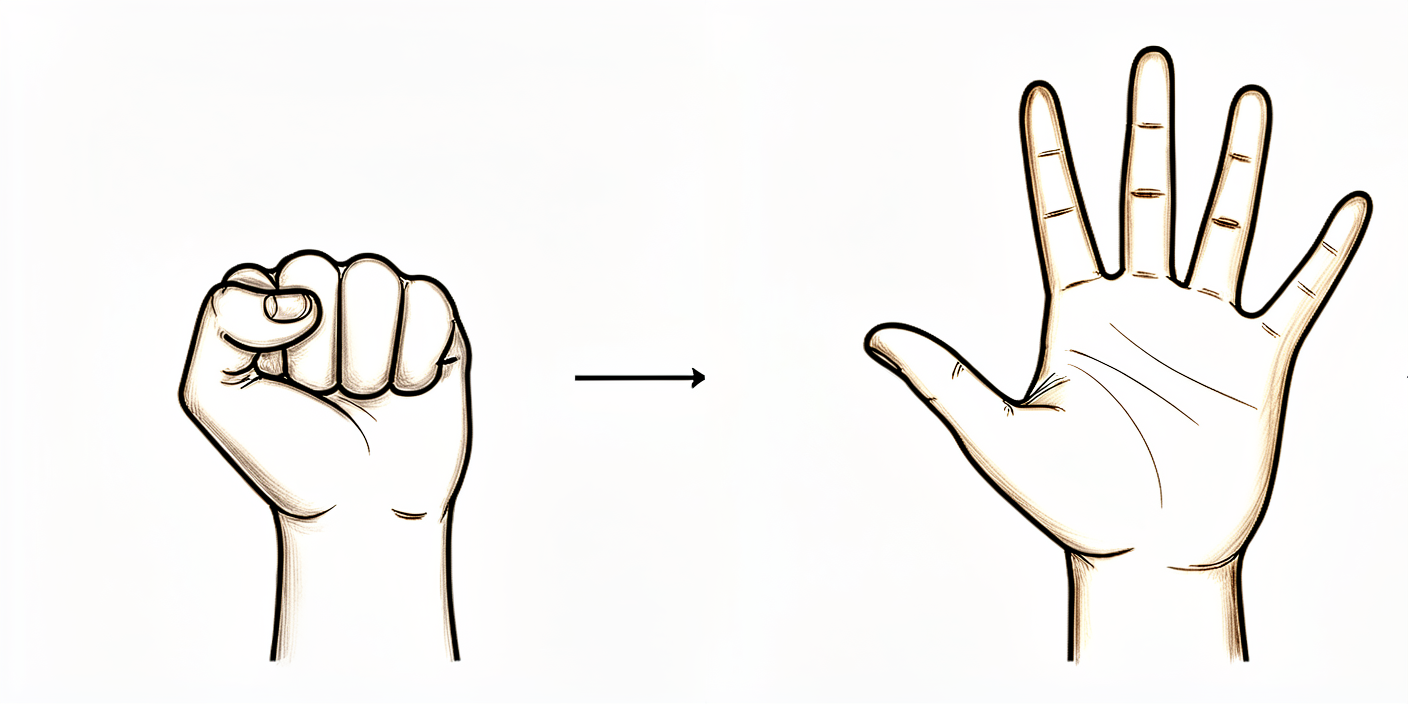
கை மற்றும் பிடிப் பயிற்சிகள்
கையைத் தாங்கி வைத்தபடி, முழுமையாக முஷ்டியை மடக்கி, பின்னர் விரல்களை நேராக விரியுங்கள். பிடிப் பயிற்சிக்கு ஒரு மென்மையான பந்தையோ சுருட்டிய காலுறையையோ அழுத்தலாம். கை, மணிக்கட்டு, விரல்கள் தொடக்கத்திலிருந்தே இயங்கிக்கொண்டிருக்க வேண்டும்.
உங்கள் இயன்முறை சிகிச்சையாளர் வழிகாட்டியபடி
Kieran Hirpara 4.0
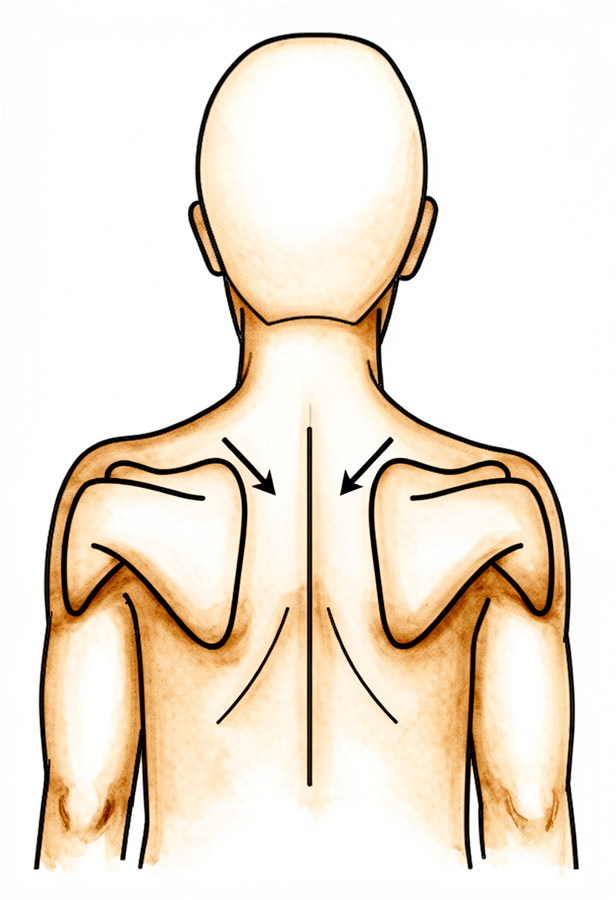
தோள்பட்டை எலும்பை நிலைப்படுத்துதல் (scapular setting)
கையைத் தாங்கி வைத்தபடி, உங்கள் தோள்பட்டை எலும்புகளை மென்மையாகப் பின்னோக்கி ஒன்றிணைத்து, காதுகளிலிருந்து விலகிக் கீழ்நோக்கி இழுங்கள். சில வினாடிகள் அப்படியே வைத்திருந்து, பின்னர் தளர்த்துங்கள். இது டெனோடெசிஸுக்குச் சுமை கொடுக்காமல், உடல்நிலைப்பாட்டையும் தோள்பட்டை எலும்புக் கட்டுப்பாட்டையும் இயங்க வைக்கிறது.
உங்கள் இயன்முறை சிகிச்சையாளர் வழிகாட்டியபடி
Kieran Hirpara 4.0
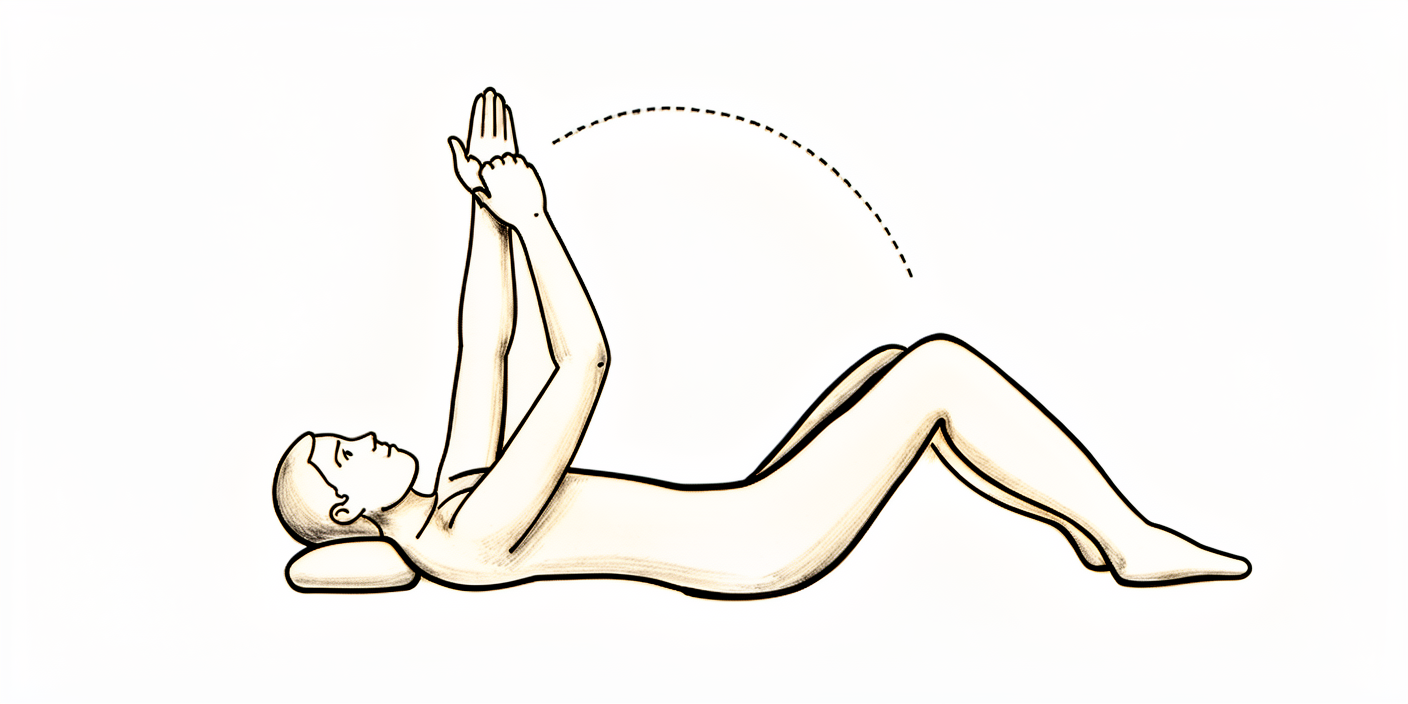
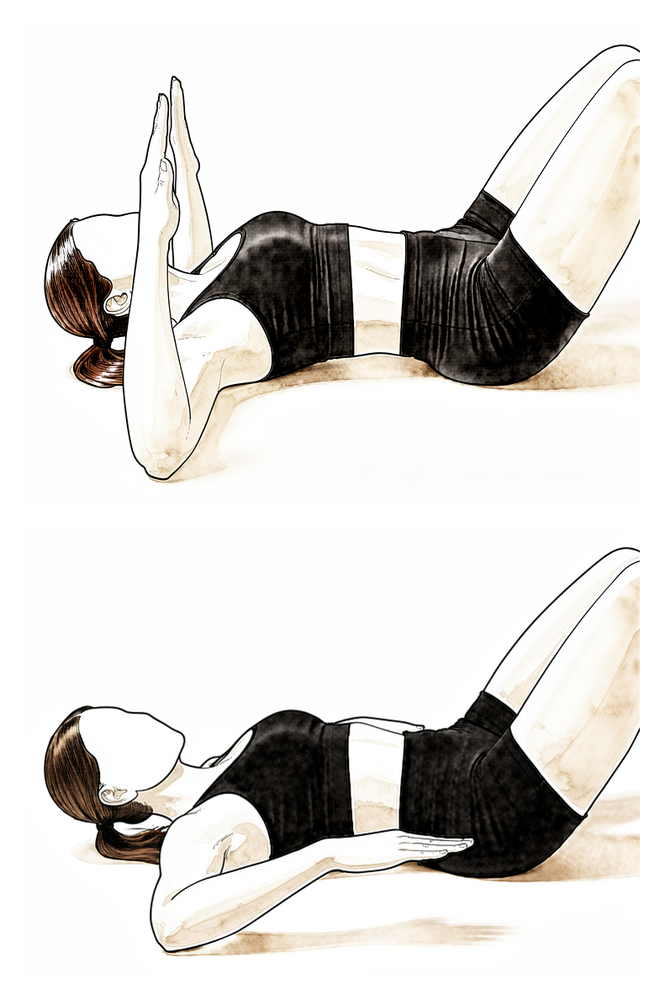
உதவியுடன் கையை மேலே உயர்த்துதல் (படுத்த நிலையில்)
மல்லாந்து படுத்து, உங்கள் நல்ல கையால் உதவி செய்து, அறுவை சிகிச்சை செய்த கையை உங்களுக்கு முன்னால் சுமார் தோள்பட்டை உயரம் வரை உயர்த்துங்கள்; பின்னர் நல்ல கை தொடர்ந்து உதவியபடியே அதைக் கீழே இறக்குங்கள். பைசெப்ஸ் தளர்வாக இருக்க, வேலையை உங்கள் மற்றொரு கையே செய்ய வேண்டும். வசதியான அளவுக்குள் செய்யுங்கள் — டெனோடெசிஸ் குணமடையும்போது இது தோள்பட்டையை அசைவில் வைத்திருக்கிறது.
உங்கள் இயன்முறை சிகிச்சையாளர் வழிகாட்டியபடி
Kieran Hirpara 4.0
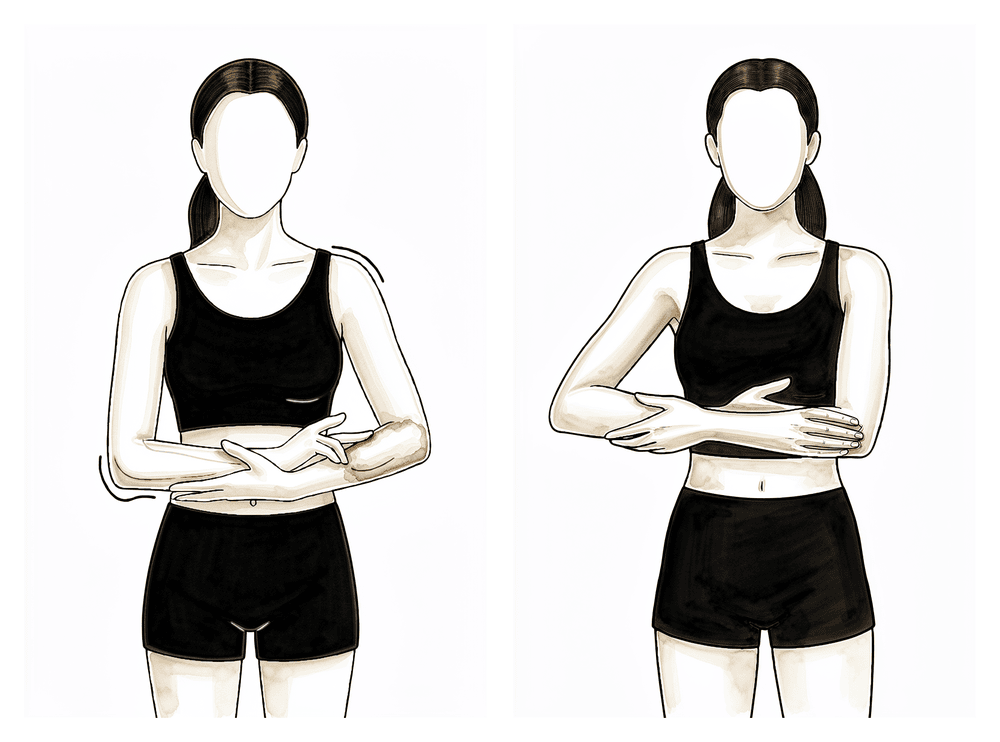
உதவியுடன் கையைப் பக்கவாட்டில் அசைத்தல்
அறுவை சிகிச்சை செய்த முன்கையை உங்கள் மற்றொரு கையால் தாங்கிப் பிடித்து, நல்ல கையே வேலையைச் செய்ய, இரண்டையும் மென்மையாகப் பக்கவாட்டில் உயர்த்துங்கள்; பின்னர் கட்டுப்பாட்டுடன் இறக்குங்கள். வசதியாகவும் ஆரம்பகால வரம்புகளுக்குள்ளும் வையுங்கள் — இது பைசெப்ஸ் வேலை செய்யும்படி கேட்காமல், தோள்பட்டையின் மென்மையான அசைவு வரம்பைப் பராமரிக்கிறது.
உங்கள் இயன்முறை சிகிச்சையாளர் வழிகாட்டியபடி
Kieran Hirpara 4.0
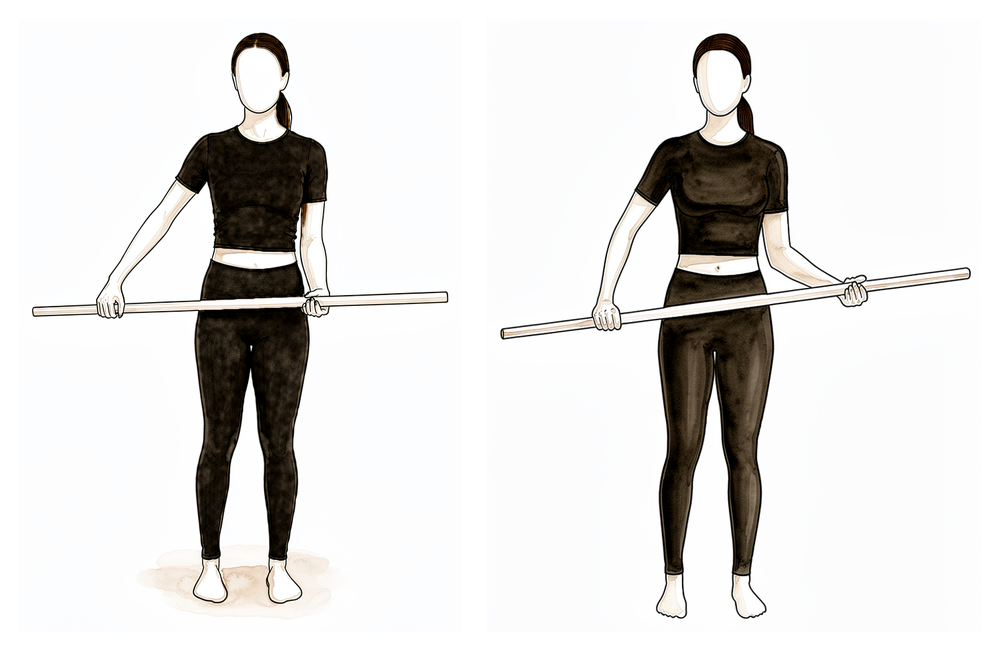
குச்சி உதவியுடன் வெளிப்புறச் சுழற்சி
மல்லாந்து படுத்து, முழங்கையை உடலின் பக்கவாட்டில் ஒட்டியபடி செங்கோணத்தில் மடக்குங்கள். இரு கைகளிலும் ஒரு குச்சியைப் பிடித்து, உங்கள் நல்ல கையால் அறுவை சிகிச்சை செய்த கையை வெளிப்புறமாகத் திருப்புங்கள். இந்த ஆரம்ப வாரங்களில் சுமார் 40° வரை மட்டுமே செல்லுங்கள் — குணமடையும் தசைநாணில் இழுவிசை விழாமல் இருக்க, இது முழுமையான நீட்சி அல்ல, வரம்புக்குட்பட்ட பாதுகாப்பான நீட்சி.
உங்கள் இயன்முறை சிகிச்சையாளர் வழிகாட்டியபடி, சுமார் 40° வரை
Kieran Hirpara 4.0
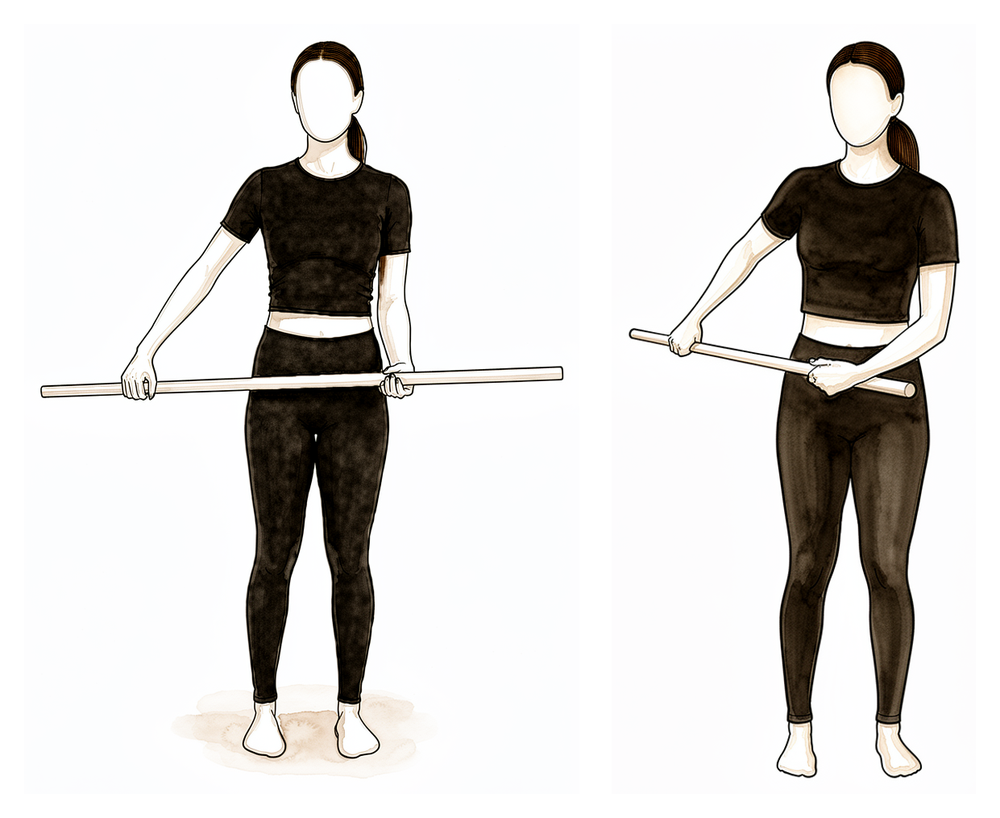
குச்சி உதவியுடன் உட்புறச் சுழற்சி
அதே குச்சியைப் பயன்படுத்தி, உங்கள் நல்ல கை அறுவை சிகிச்சை செய்த கையை உடலின் முன்பக்கத்தின் குறுக்கே மென்மையாக உட்புறமாக, சுமார் 45° வரை வழிநடத்தட்டும்; பின்னர் திரும்பக் கொண்டு வாருங்கள். அறுவை சிகிச்சை செய்த கையைத் தளர்வாக வைத்து, ஆரம்பகால வரம்புக்குள் இருங்கள் — இது டெனோடெசிஸுக்குச் சுமை கொடுக்காமல் உட்புறச் சுழற்சியைப் பராமரிக்கிறது.
உங்கள் இயன்முறை சிகிச்சையாளர் வழிகாட்டியபடி, சுமார் 45° வரை
முதல் சில வாரங்கள், தசைநாண் எலும்புடன் ஒட்டிக் குணமடைய அனுமதிப்பதற்கும், அதைச் சுற்றியுள்ள அனைத்தையும் அசைவில் வைத்திருப்பதற்குமானவை. உங்கள் கை, மணிக்கட்டு, விரல்கள் தொடக்கத்திலிருந்தே இயங்கிக்கொண்டிருக்க வேண்டும். உங்கள் முழங்கை தினமும் அசைக்கப்பட வேண்டும், ஆனால் பிறர் அசைக்கும் முறையில்: மடக்குவதையும், உள்ளங்கையை மேல்நோக்கி–கீழ்நோக்கித் திருப்புவதையும் உங்கள் மற்றொரு கை செய்யட்டும்; அப்போதுதான் பைசெப்ஸ் தளர்வாக இருக்கும். கீழே உள்ள வரம்புகளுக்குள், ஊசல் (pendulum) பயிற்சிகளுடனும் உதவியுடன் கூடிய அசைவுகளுடனும் தோள்பட்டை மென்மையாக அசைக்கப்படுகிறது. வலி நிவாரணத்துக்கு ஐஸ் பயன்படுத்துங்கள்; உங்கள் பயிற்சிகளுக்கும் இயன்முறை சிகிச்சை அமர்வுகளுக்கும் முன் வலி நிவாரணிகளை எடுத்துக்கொள்ளுங்கள்; படுக்கையில் உட்பட, கைத்தாங்கியை அணிந்தே இருங்கள். அறுவை சிகிச்சை செய்த கையால் எதையும் தூக்கவோ சுமக்கவோ வேண்டாம்; கைத்தாங்கி தேவைப்படும் வரை வாகனம் ஓட்ட வேண்டாம். முன்கையைத் தாங்கி வைத்துக்கொண்டு எழுதுவது அல்லது தட்டச்சு செய்வது போன்ற இலகுவான வேலைகளை, வசதி அனுமதிக்கும்படி பொதுவாகச் செய்யலாம்.
உங்கள் இயன்முறை சிகிச்சையாளருக்கு:
இலக்குகள்
- டெனோடெசிஸ் பொருத்தம் எலும்புடன் குணமடையும்போது அதைப் பாதுகாத்தல்
- வலி, வீக்கம், அழற்சி எதிர்வினை ஆகியவற்றைத் தணித்தல்
- முழங்கை மற்றும் முன்கையின் முழுமையான பிறர் அசைக்கும் அசைவு வரம்பு (passive range of motion); கீழே உள்ள வரம்புகளுக்குள் வசதியான தோள்பட்டை பிறர் அசைக்கும் அசைவு வரம்பு
- தோள்பட்டை எலும்பின் (scapula) செயல்பாட்டையும் உடல்நிலைப்பாட்டையும் (posture) பராமரித்தல்
சிகிச்சை மேலாண்மை
- கைத்தாங்கி சுமார் 3–4 வாரங்களுக்கு, இரவு உட்பட; சுமார் வாரம் 3 முதல் படிப்படியாகக் குறைத்து நிறுத்துதல்
- முழங்கையின் பிறர் அசைக்கும் அசைவு வரம்பு: மடக்குதல்/நீட்டுதல் (flexion/extension) மற்றும் முன்கை சுப்பினேஷன்/ப்ரோனேஷன் (supination/pronation)
- மணிக்கட்டு மற்றும் கையின் சுய அசைவு வரம்பு; பந்தை அழுத்துதல்
- வரம்புகளுக்குள் தோள்பட்டையின் பிறர் அசைக்கும் மற்றும் மென்மையான உதவியுடன் கூடிய சுய அசைவு வரம்பு: ஊசல் பயிற்சிகள்; தொடக்கத்தில் முன்னோக்கிய உயர்த்தலும் (flexion) தோள்பட்டை எலும்புத் தளத்தில் உயர்த்தலும் (scaption) சுமார் 90° வரை, வசதி அனுமதிக்கும்படி முன்னேற்றுதல்; வெளிப்புறச் சுழற்சி 40° வரை; உட்புறச் சுழற்சி சுமார் 45° வரை
- தோள்பட்டை எலும்பை நிலைப்படுத்துதல் மற்றும் பின்னிழுத்தல் (கை தாங்கப்பட்ட நிலையில்), பின்னர் தோள்பட்டை எலும்பு ஐசோமெட்ரிக் (isometric) பயிற்சிகளுக்கு முன்னேற்றுதல்; கழுத்தின் அசைவு வரம்பும் உடல்நிலைப்பாட்டுப் பயிற்சியும்
- வலிக்கும் வீக்கத்துக்கும் குளிர் சிகிச்சை (cryotherapy); பயிற்சிகளுக்கும் அமர்வுகளுக்கும் முன் வலி நிவாரணி
- மல்லாந்து படுக்கும்போது முழங்கைக்குக் கீழே சுருட்டிய துண்டு அல்லது சிறிய தலையணை, தோள்பட்டை பின்னோக்கி நீளுவதைத் (shoulder extension) தவிர்க்க
முன்னெச்சரிக்கைகள்
- சுயமாக முழங்கையை மடக்குதல் வேண்டாம்; எதிர்ப்புடன் முன்கை சுப்பினேஷன் வேண்டாம்; பைசெப்ஸ் மீது எந்தச் சுமையும் இருக்கக் கூடாது
- தோள்பட்டையின் சுய அசைவு வரம்பு வேண்டாம்; 40° தாண்டி வெளிப்புறச் சுழற்சி வேண்டாம்; நடுநிலையைத் தாண்டி தோள்பட்டையைப் பின்னோக்கி நீட்டுதல் அல்லது கிடைமட்டமாக வெளிநோக்கி விரித்தல் (horizontal abduction) வேண்டாம்
- அறுவை சிகிச்சை செய்த கையால் தூக்குதலோ சுமத்தலோ வேண்டாம்
- மேல்முனைப் பைசெப்ஸ் / டெனோடெசிஸ் இடத்தின் மீது உராய்வு மசாஜ் வேண்டாம்
- ஆறு வாரங்களுக்கு வாகனம் ஓட்ட வேண்டாம் (இது எந்தத் தோள்பட்டை அறுவை சிகிச்சைக்கும் பொருந்தும்)
அடுத்த கட்டத்துக்குச் செல்வதற்கான அளவுகோல்கள்
- காயம் ஆறியிருத்தல், வலி நன்கு கட்டுப்பாட்டில் இருத்தல்
- முழங்கையை மடக்குதல்/நீட்டுதல் மற்றும் முன்கைச் சுழற்சி ஆகியவை பிறர் அசைக்கும் முறையில் முழுமையாகச் செய்ய முடிதல்
- பரிந்துரைக்கப்பட்ட வரம்புகளுக்குள் வசதியான தோள்பட்டை பிறர் அசைக்கும் அசைவு வரம்பு
கட்டம் II — சுய அசைவு (வாரம் 4–6)
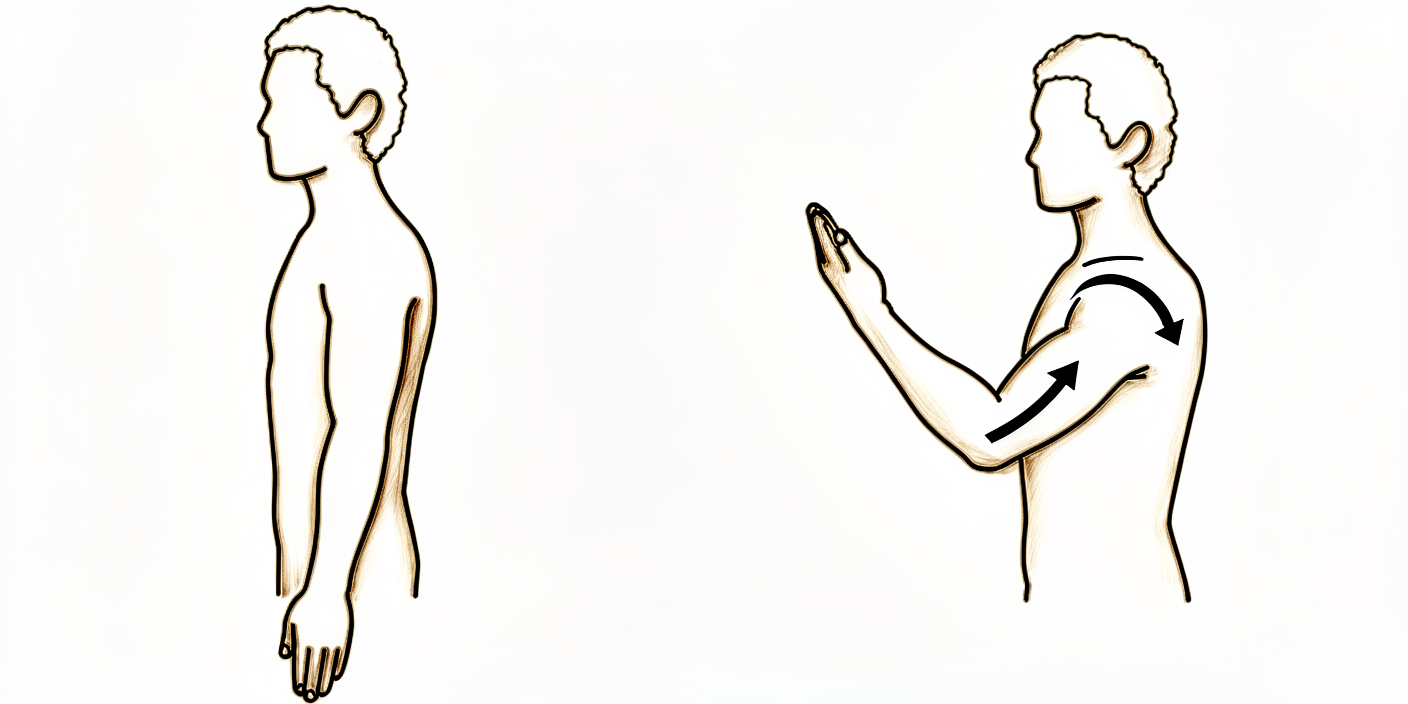
Kieran Hirpara 4.0
சுயமாக முழங்கையை மடக்கி நேராக்குதல்
கையில் எதுவும் இல்லாமல், முழங்கையை அதன் சொந்த சக்தியால் மடக்கி நேராக்குங்கள்; உள்ளங்கையையும் மேல்நோக்கியும் கீழ்நோக்கியும் திருப்புங்கள். பைசெப்ஸ் இப்போது அசைகிறது, ஆனால் இன்னும் சுமைக்கு எதிராக வேலை செய்யவில்லை — உங்கள் இயன்முறை சிகிச்சையாளர் உங்களை முன்னேற்றும் வரை, தூக்குவதைக் குறைந்தபட்சமாக வையுங்கள் (அந்தக் கையால் ஒரு கப் தேநீரை விடக் கனமான எதையும் தூக்க வேண்டாம்).
உங்கள் இயன்முறை சிகிச்சையாளர் வழிகாட்டியபடி
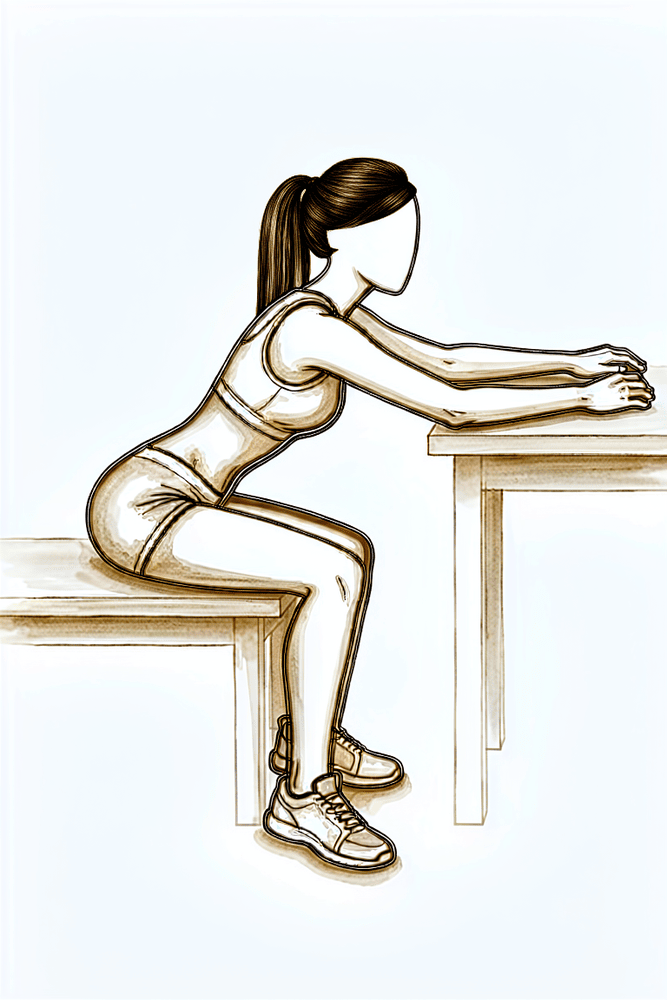
Kieran Hirpara 4.0
மேசையில் கையை நழுவவிடுதல்
ஒரு மேசையில் அமர்ந்து, உங்கள் கையை ஒரு துண்டின் அல்லது துணியின் மீது வையுங்கள். மேசைப் பரப்பில் கையை முன்னோக்கி நழுவவிட்டு, சிறிது முன்னோக்கிச் சாய்ந்து கை உங்களுக்கு முன்னால் மேலே செல்லட்டும்; பின்னர் திரும்ப நழுவவிடுங்கள். மேசை கையின் எடையைத் தாங்குவதால், உங்கள் அசைவு வரம்பு திரும்பும்போது தோள்பட்டை சுயமாக அசைய இது உதவுகிறது.
உங்கள் இயன்முறை சிகிச்சையாளர் வழிகாட்டியபடி
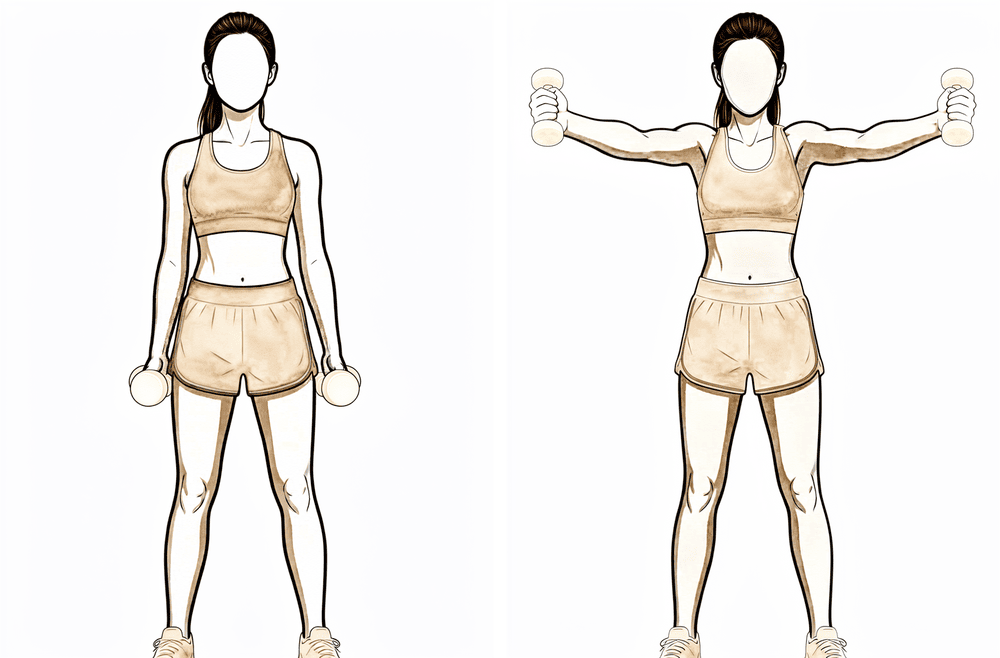
Kieran Hirpara 4.0
தோள்பட்டை எலும்புத் தளத்தில் சுயமாகக் கையை உயர்த்துதல்
நின்று, கட்டைவிரல் மேல்நோக்கி இருக்கும்படி — நிரம்பிய டப்பாவைப் பிடித்திருப்பது போல — அறுவை சிகிச்சை செய்த கையை மேலேயும் சற்று முன்னோக்கியும் உயர்த்துங்கள்; அதாவது நேராக முன்பக்கத்துக்கும் பக்கவாட்டுக்கும் இடையில் சுமார் பாதி அளவில். வசதியான அளவுக்குள் உங்கள் சொந்த சக்தியால் உயர்த்தி, பின்னர் மெதுவாக இறக்குங்கள். இது எந்தக் கூடுதல் எடையும் இல்லாமல் தோள்பட்டையைச் சுயமாக உயர்த்தும் திறனை மீட்டெடுக்கிறது.
உங்கள் இயன்முறை சிகிச்சையாளர் வழிகாட்டியபடி
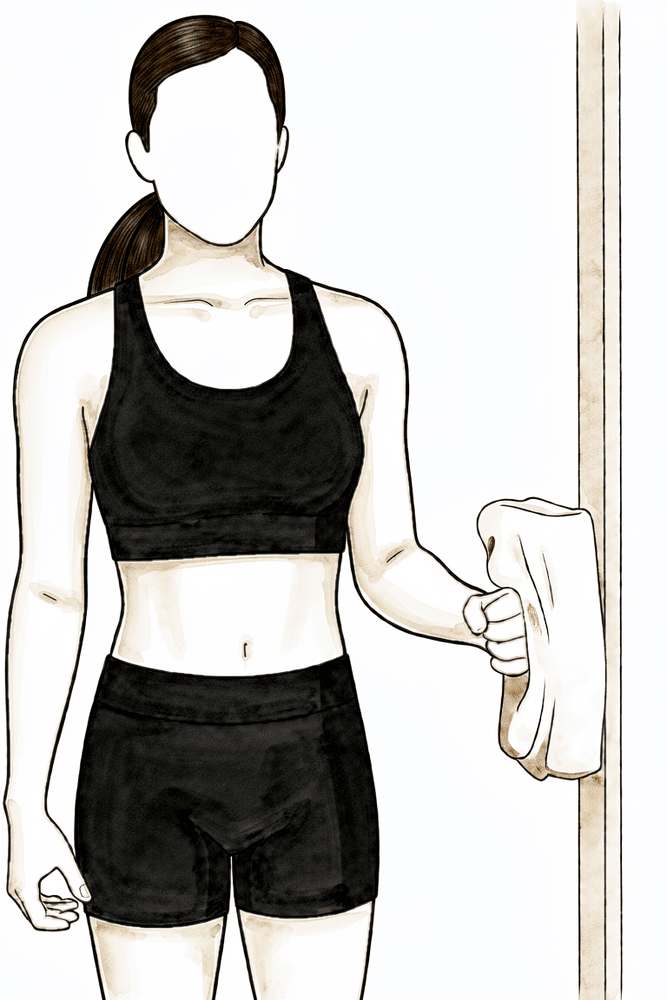
Kieran Hirpara 4.0
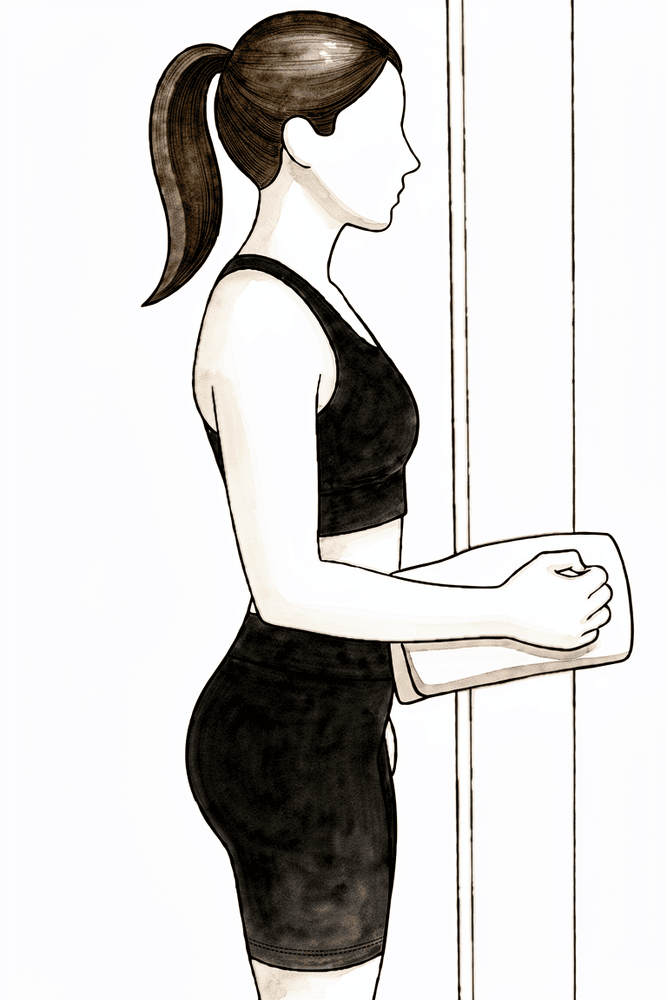
ஐசோமெட்ரிக் (isometric) வெளிப்புறச் சுழற்சி
முழங்கையை உடலின் பக்கவாட்டில் ஒட்டியபடி செங்கோணத்தில் மடக்கி, உங்கள் புறங்கையைச் சுவரிலோ கதவின் சட்டத்திலோ வைத்து நில்லுங்கள். கை அசையாமல், மென்மையாக வெளிப்புறமாக அதில் அழுத்துங்கள்; சில வினாடிகள் அப்படியே வைத்திருந்து, பின்னர் தளர்த்துங்கள். இது எந்த அசைவும் இல்லாமல், பைசெப்ஸ் மீது எந்தச் சுமையும் இல்லாமல் சுழற்சி தசைநாண் பட்டையைக் கட்டியெழுப்பத் தொடங்குகிறது.
சில வினாடிகள் அப்படியே வைத்திருங்கள், பல முறை; உங்கள் இயன்முறை சிகிச்சையாளர் வழிகாட்டியபடி
Kieran Hirpara 4.0
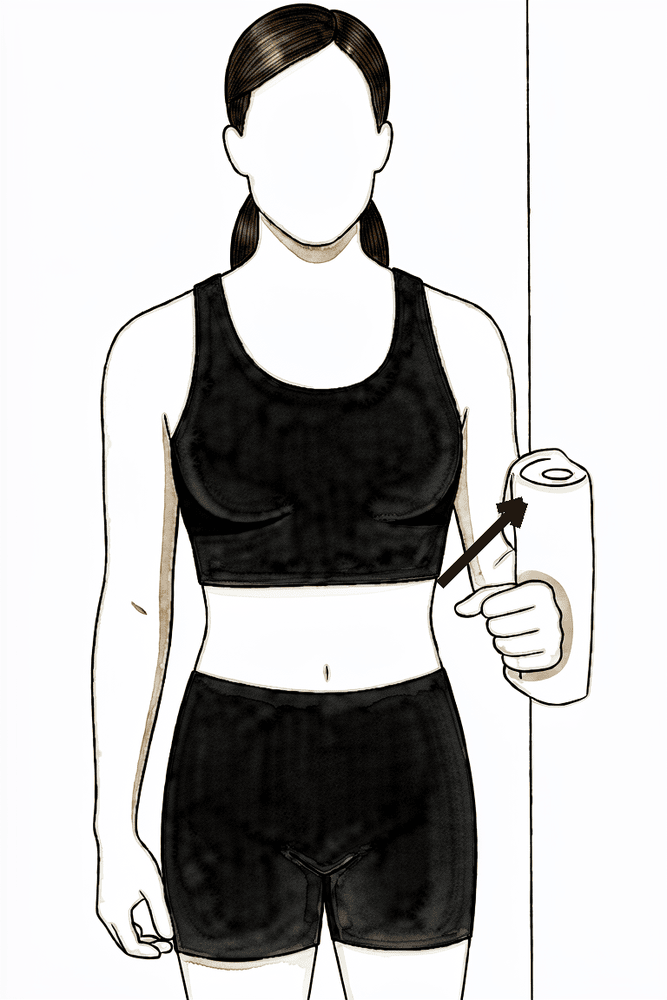
ஐசோமெட்ரிக் உட்புறச் சுழற்சி
முழங்கையை உடலின் பக்கவாட்டில் ஒட்டியபடி செங்கோணத்தில் மடக்கி, உங்கள் உள்ளங்கையைச் சுவரிலோ கதவின் சட்டத்திலோ வைத்து நில்லுங்கள். கை அசையாமல், மென்மையாக உட்புறமாக அதில் அழுத்துங்கள்; சில வினாடிகள் அப்படியே வைத்திருந்து, பின்னர் தளர்த்துங்கள். இது அதிகபட்சத்துக்குக் குறைவான அழுத்தம் — உறுதியாக, ஆனால் எளிதாக; ஒருபோதும் சிரமப்படும் அளவுக்கு அல்ல.
சில வினாடிகள் அப்படியே வைத்திருங்கள், பல முறை; உங்கள் இயன்முறை சிகிச்சையாளர் வழிகாட்டியபடி
Kieran Hirpara 4.0
ஐசோமெட்ரிக் பக்கவாட்டு உயர்த்தல் (abduction)
முழங்கை உடலின் பக்கவாட்டில் இருக்க, சுவருக்குப் பக்கவாட்டாக நில்லுங்கள். கையைப் பக்கவாட்டில் உயர்த்துவது போல, உங்கள் மேற்கையின் வெளிப்புறத்தைச் சுவரில் மென்மையாக அழுத்துங்கள்; அது அசையாமல் சில வினாடிகள் அப்படியே வைத்திருந்து, பின்னர் தளர்த்துங்கள். சுய சுமைப் பயிற்சி தொடங்குவதற்கு முன், இது தோள்பட்டைத் தசைகளை அசைவின்றி வலுப்படுத்துகிறது.
சில வினாடிகள் அப்படியே வைத்திருங்கள், பல முறை; உங்கள் இயன்முறை சிகிச்சையாளர் வழிகாட்டியபடி
Kieran Hirpara 4.0
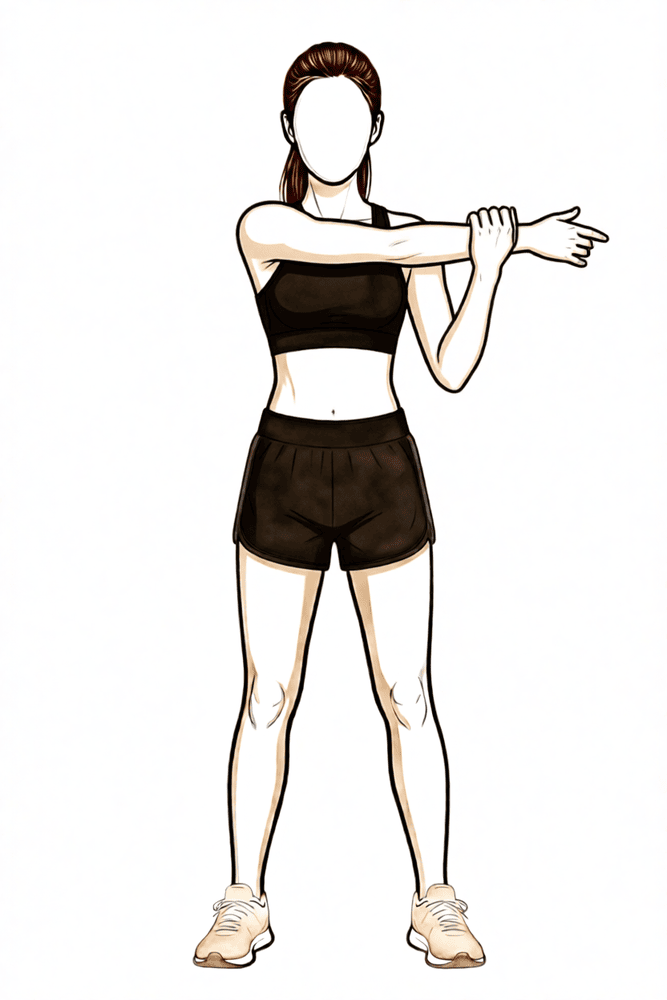
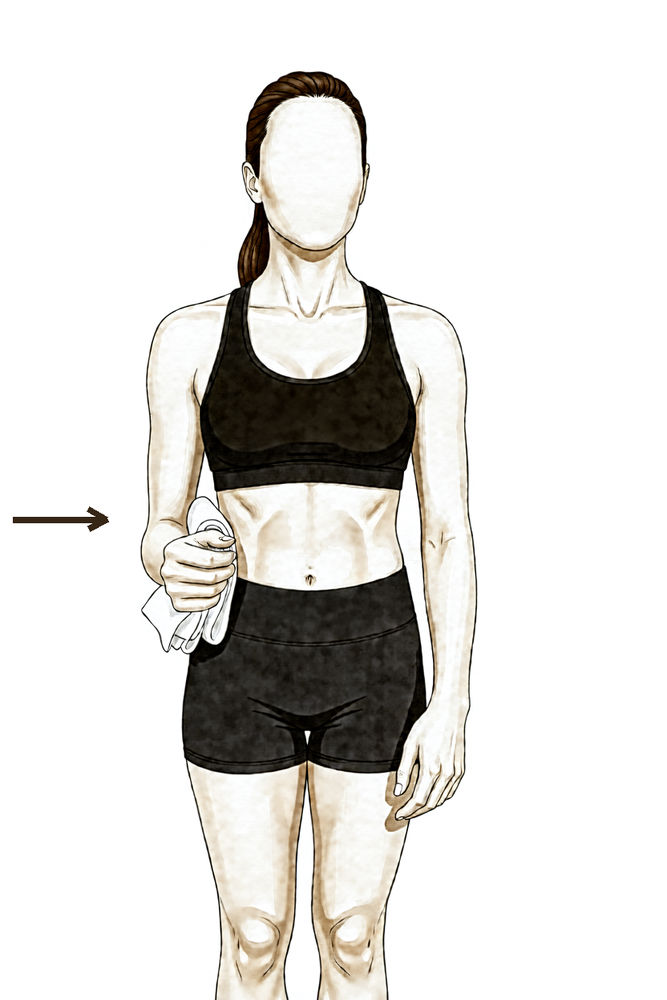
உடலின் குறுக்கே நீட்சி
அறுவை சிகிச்சை செய்த கையை உங்கள் மார்பின் குறுக்கே கொண்டு வந்து, தோள்பட்டையின் பின்பகுதியில் வசதியான நீட்சி உணரும் வரை உங்கள் மற்றொரு கையால் அதை மென்மையாக மேலும் குறுக்கே இழுங்கள். அப்படியே வைத்திருந்து, பின்னர் தளர்த்துங்கள். உங்கள் சுய அசைவு வரம்பு திரும்பும்போது, இது தோள்பட்டையின் பின்பகுதியில் உள்ள இறுக்கத்தைத் தணிக்கிறது.
உங்கள் இயன்முறை சிகிச்சையாளர் வழிகாட்டியபடி
Kieran Hirpara 4.0
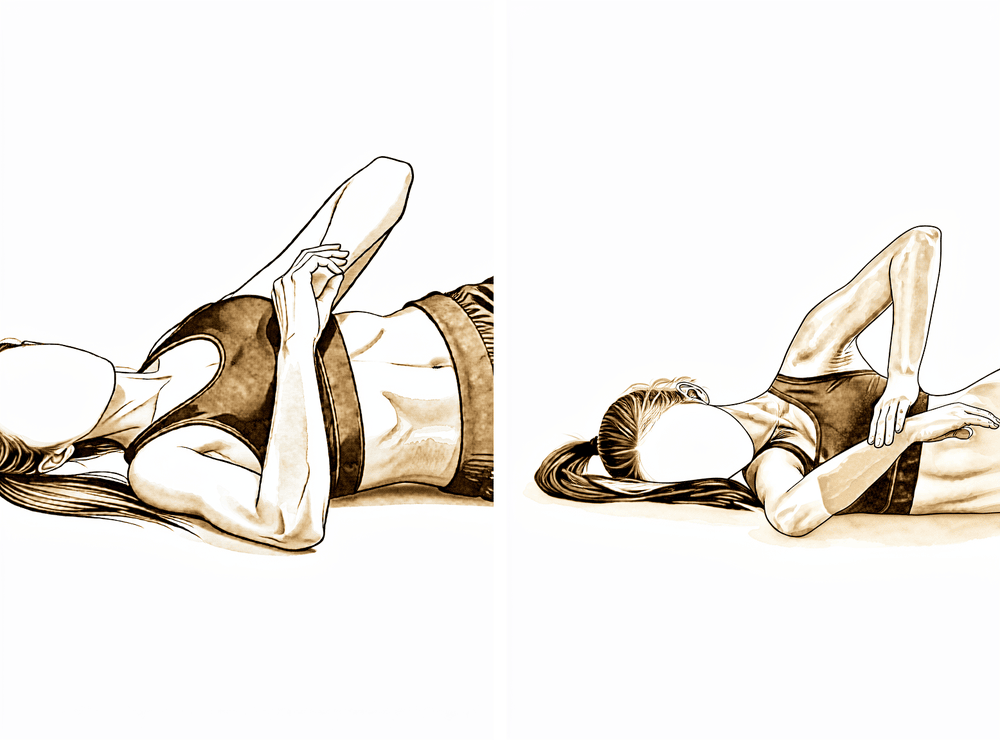
ஸ்லீப்பர் நீட்சி (sleeper stretch)
அறுவை சிகிச்சை செய்த பக்கத்தில், அந்தக் கையை முன்னால் நீட்டி, முழங்கையைச் செங்கோணத்தில் மடக்கிப் படுங்கள். தோள்பட்டையின் பின்பகுதியில் நீட்சி உணரும் வரை, உங்கள் மற்றொரு கையால் முன்கையைப் படுக்கையை நோக்கி மென்மையாகக் கீழ்நோக்கி அழுத்துங்கள். மென்மையாகவே வையுங்கள் — வலுக்கட்டாயமாகச் செய்யாமல், நீட்சிக்குள் தளர்ந்து செல்லுங்கள்.
உங்கள் இயன்முறை சிகிச்சையாளர் வழிகாட்டியபடி
Kieran Hirpara 4.0
ஐசோமெட்ரிக் உள்நோக்கி இறுக்குதல் (adduction)
முழங்கையை உடலின் பக்கவாட்டில் ஒட்டியபடி, உங்கள் மேற்கைக்கும் உடலுக்கும் இடையில் சுருட்டிய துண்டு ஒன்றை வைத்து நில்லுங்கள். கையை அசைக்காமல், துண்டுக்கு எதிராக மென்மையாக உள்நோக்கி இறுக்குங்கள் — இது மென்மையான முயற்சி, உங்கள் வலிமையில் சுமார் கால் பங்கு, வலி இல்லாமல். அப்படியே வைத்திருந்து, பின்னர் தளர்த்துங்கள்.
~5 வினாடிகள் அப்படியே வைத்திருங்கள், மென்மையாக (~25% முயற்சி), உங்கள் இயன்முறை சிகிச்சையாளர் வழிகாட்டியபடி
கைத்தாங்கி கழற்றப்பட்ட பிறகு, கை தன் சொந்த சக்தியால் அசையத் தொடங்குகிறது. தோள்பட்டை, உதவியுடன் கூடிய அசைவுகளிலிருந்து எல்லாத் திசைகளிலும் சுய அசைவுக்கு முன்னேறுகிறது; முழங்கையும் இப்போது தானாகவே மடங்கித் திரும்புகிறது, ஆனால் இன்னும் எந்தச் சுமையும் இல்லாமல். பைசெப்ஸ் அசைகிறது, ஆனால் இன்னும் வேலை செய்யவில்லை: தூக்குவதைக் குறைந்தபட்சமாக வையுங்கள் (அந்தக் கையால் ஒரு கப் தேநீரை விடக் கனமான எதையும் தூக்க வேண்டாம்); தள்ளுதல், இழுத்தல், சுமத்தல் ஆகியவற்றை மற்றொரு பக்கத்துக்கே விட்டுவிடுங்கள். இந்தக் கட்டத்தில் மேசையில் அமர்ந்து செய்யும் இலகுவான வேலை பொதுவாக வசதியாக இருக்கும். உங்கள் அறுவை சிகிச்சை நிபுணர் அனுமதி தந்த பிறகு, வாகனத்தை வசதியாகவும் பாதுகாப்பாகவும் கட்டுப்படுத்த முடியும் என்ற நிலையில், ஆறு வாரங்களிலிருந்து வாகனம் ஓட்டுவதை மீண்டும் தொடங்கலாம்.
உங்கள் இயன்முறை சிகிச்சையாளருக்கு:
இலக்குகள்
- தோள்பட்டை மற்றும் முழங்கையின் முழு சுய அசைவு வரம்பைப் படிப்படியாக மீட்டெடுத்தல்
- அசைவின்போது இயல்பான தோள்பட்டை எலும்பு இயக்கவியல்
- அதிகபட்சத்துக்குக் குறைவான (submaximal) தோள்பட்டை ஐசோமெட்ரிக் பயிற்சிகளைத் தொடங்குதல்
- இடுப்பு உயரத்தில் கையை இலகுவான செயல்பாட்டுக்குப் பயன்படுத்துதல்
சிகிச்சை மேலாண்மை
- எல்லாத் தளங்களிலும் தோள்பட்டையின் உதவியுடன் கூடிய சுய அசைவிலிருந்து சுய அசைவு வரம்புக்கு முன்னேற்றுதல் (எடுத்துக்காட்டாக, சாய்வு நாற்காலி முறையில் படிப்படியான உயர்த்தல் (lawn-chair progression), சுவர் மற்றும் கம்பி வழியாக நழுவுதல், மல்லாந்து படுத்த நிலையில் முன்னோக்கிய உயர்த்தலிலிருந்து நின்றபடி தோள்பட்டை எலும்புத் தளத்தில் உயர்த்தலுக்கு (scaption))
- எதிர்ப்பின்றி, சுயமாக முழங்கையை மடக்குதல்/நீட்டுதல் மற்றும் முன்கை சுப்பினேஷன்/ப்ரோனேஷன்
- அதிகபட்சத்துக்குக் குறைவான தோள்பட்டை ஐசோமெட்ரிக் பயிற்சிகள்: உட்புறச் சுழற்சி, வெளிப்புறச் சுழற்சி, பக்கவாட்டு உயர்த்தல் (abduction), உள்நோக்கி இழுத்தல் (adduction)
- தோள்பட்டை எலும்பை நிலைப்படுத்தும் பயிற்சியையும் உடல்நிலைப்பாட்டுப் பயிற்சியையும் தொடர்தல்
- காயம் முதிர்ச்சியடையும்போது வடுவுக்கு மசாஜ்; டெனோடெசிஸ் இடத்தின் மீது குறுக்கு உராய்வு மசாஜ் வேண்டாம்
- தேவைக்கேற்பப் பின்புற மூட்டுறை (posterior capsule) நீட்சி (உடலின் குறுக்கே நீட்சி, ஸ்லீப்பர் நீட்சி)
- உடற்தகுதிக்கு நடத்தல் அல்லது நிலையான சைக்கிள்; பாதிக்கப்பட்ட கையின் வழியாக எடை தாங்க வேண்டாம்
முன்னெச்சரிக்கைகள்
- எதிர்ப்புடன் கூடிய பைசெப்ஸ் பயிற்சி வேண்டாம்; முழங்கையை மடக்கும் தசைகளுக்கோ உள்ளங்கையை மேல்நோக்கித் திருப்பும் தசைகளுக்கோ சுமை வேண்டாம்
- அறுவை சிகிச்சை செய்த கையால் தூக்க வேண்டாம்; இன்னும் ஓட வேண்டாம்
- கடுமையான நீட்சியாலோ கைமுறை சிகிச்சையாலோ (manual therapy) குணமடையும் தசைநாணுக்கு அளவுக்கு மீறிய அழுத்தம் கொடுப்பதைத் தவிர்த்தல்
அடுத்த கட்டத்துக்குச் செல்வதற்கான அளவுகோல்கள்
- தோள்பட்டை, முழங்கை, முன்கை ஆகியவற்றின் முழு, வலியில்லாத சுய அசைவு வரம்பு
- அசைவின்போதும் இலகுவான செயல்பாட்டின்போதும் சரியான தோள்பட்டை எலும்பு இயக்கவியல்
- வலி நன்கு கட்டுப்பாட்டில் இருத்தல்
கட்டம் III — வலுப்படுத்துதல் (வாரம் 6–12)
Kieran Hirpara 4.0
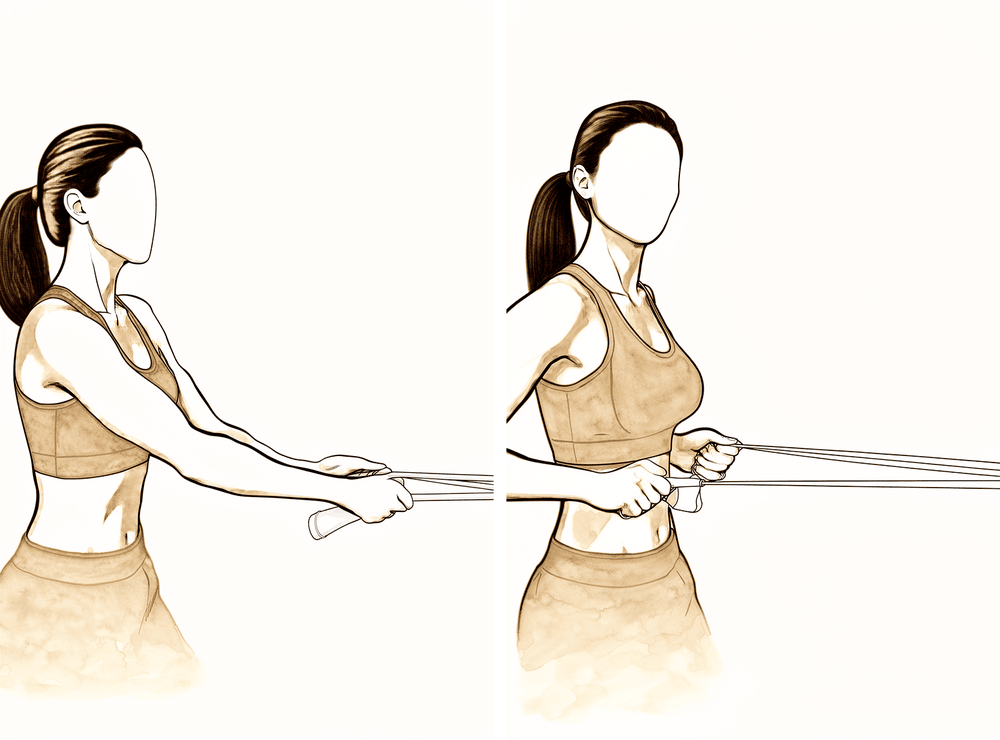
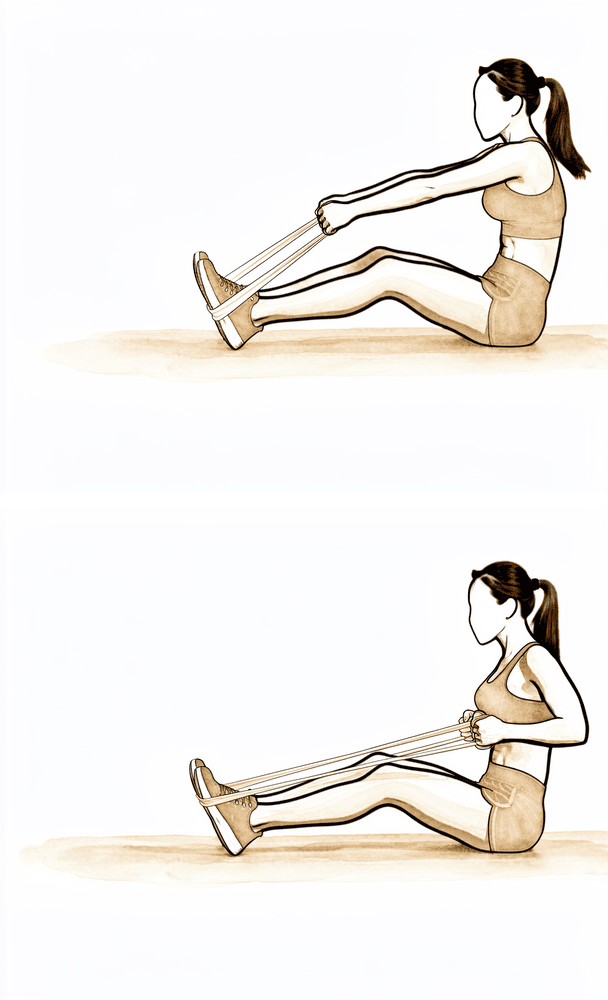
எலாஸ்டிக் பட்டையுடன் இழுப்பு (row)
ஒரு எலாஸ்டிக் பயிற்சிப் பட்டையை உங்களுக்கு முன்னால் சுமார் இடுப்பு உயரத்தில் நிலையாகக் கட்டுங்கள். முழங்கை உங்கள் பக்கவாட்டைக் கடந்து செல்லும்போது தோள்பட்டை எலும்பைப் பின்னோக்கியும் கீழ்நோக்கியும் இழுத்தபடி, பட்டையை உங்களை நோக்கி இழுங்கள்; பின்னர் கட்டுப்பாட்டுடன் திரும்பவும். இது தோள்பட்டை எலும்புத் திட்டத்தின் ஒரு பகுதி — சுமையைக் குறைவாகவும், செய்யும் எண்ணிக்கையை அதிகமாகவும் வையுங்கள்.
உங்கள் இயன்முறை சிகிச்சையாளர் வழிகாட்டியபடி
Kieran Hirpara 4.0
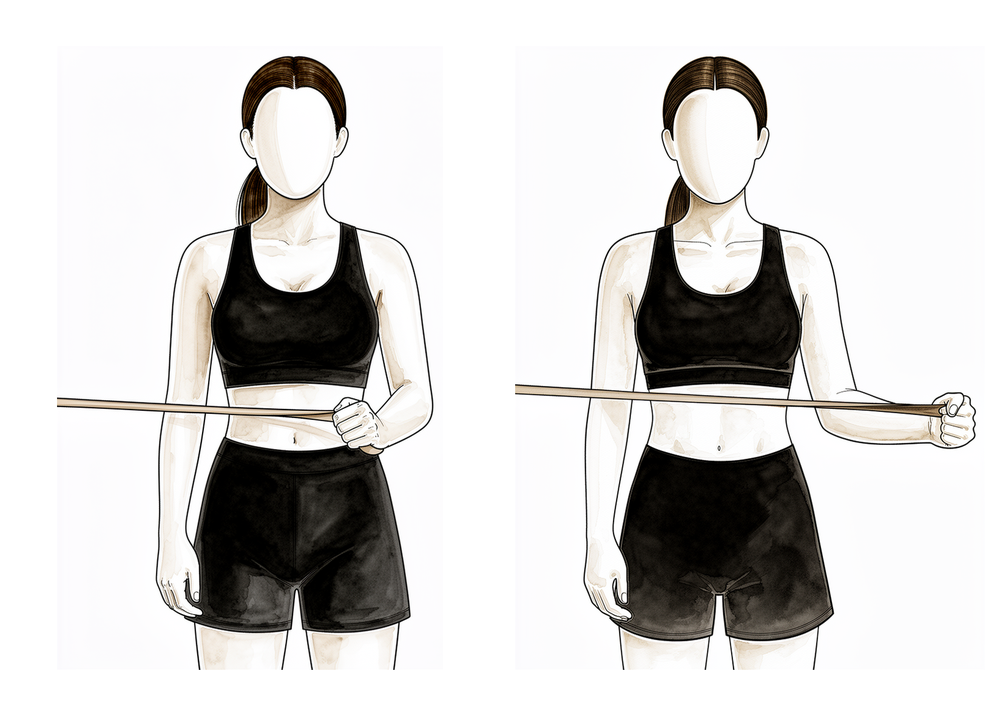
எலாஸ்டிக் பட்டையுடன் வெளிப்புறச் சுழற்சி
ஒரு எலாஸ்டிக் பட்டையை இடுப்பு உயரத்தில் நிலையாகக் கட்டுங்கள். முழங்கையை உடலின் பக்கவாட்டில் ஒட்டியபடி செங்கோணத்தில் மடக்கி, முன்கையை உடலிலிருந்து விலகிச் சுழற்றியபடி பட்டையை வெளிப்புறமாக இழுங்கள்; பின்னர் மெதுவாகத் திரும்பவும். அதிக எண்ணிக்கையுடன் இலகுவாகத் தொடங்குங்கள் — இது சுழற்சி தசைநாண் பட்டையை வலுப்படுத்துகிறது.
உங்கள் இயன்முறை சிகிச்சையாளர் வழிகாட்டியபடி — குறைந்த சுமை, அதிக எண்ணிக்கை
Kieran Hirpara 4.0
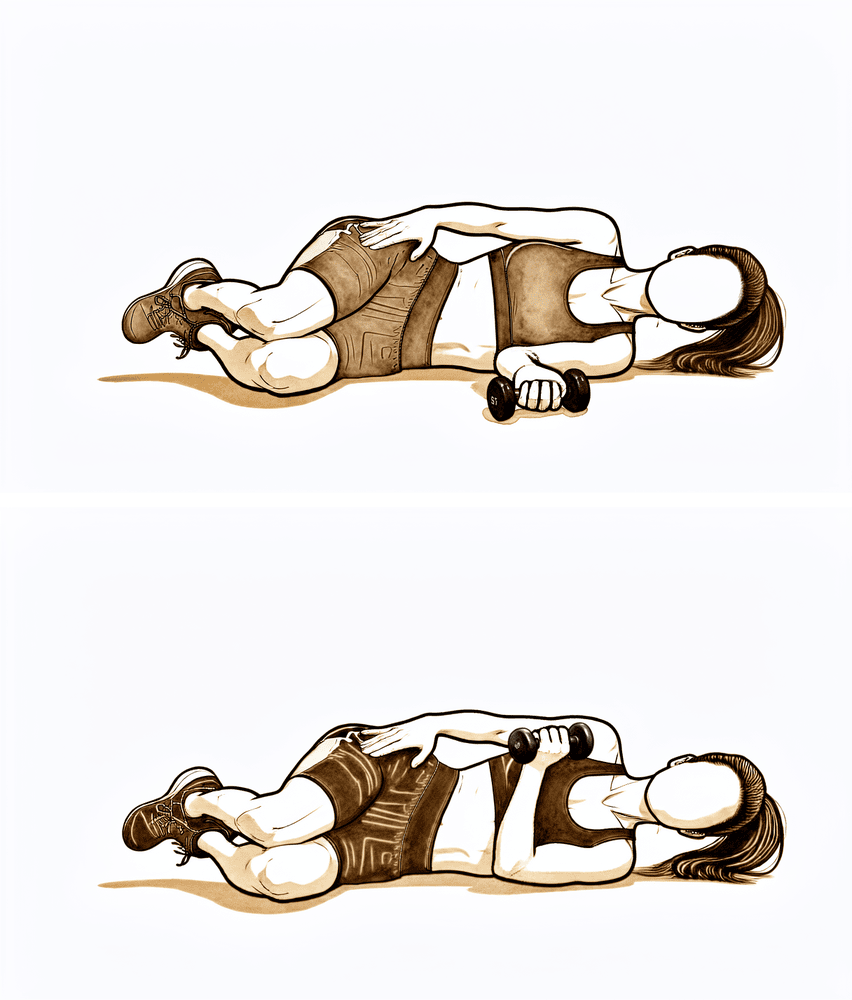
எதிர்ப்புடன் உட்புறச் சுழற்சி
அறுவை சிகிச்சை செய்த பக்கத்தில், கையில் ஓர் இலகுவான எடையுடன், முழங்கையை உடலின் பக்கவாட்டில் மடக்கிப் படுங்கள். முன்கையை உங்கள் உடலை நோக்கி மேல்நோக்கிச் சுழற்றி எடையை உயர்த்துங்கள்; பின்னர் மெதுவாக இறக்குங்கள். இது சுழற்சி தசைநாண் பட்டையின் உட்புறச் சுழற்சித் தசைகளை வலுப்படுத்துகிறது — தொடக்கத்தில் சுமையை இலகுவாக வையுங்கள்.
உங்கள் இயன்முறை சிகிச்சையாளர் வழிகாட்டியபடி — குறைந்த சுமை, அதிக எண்ணிக்கை
Kieran Hirpara 4.0
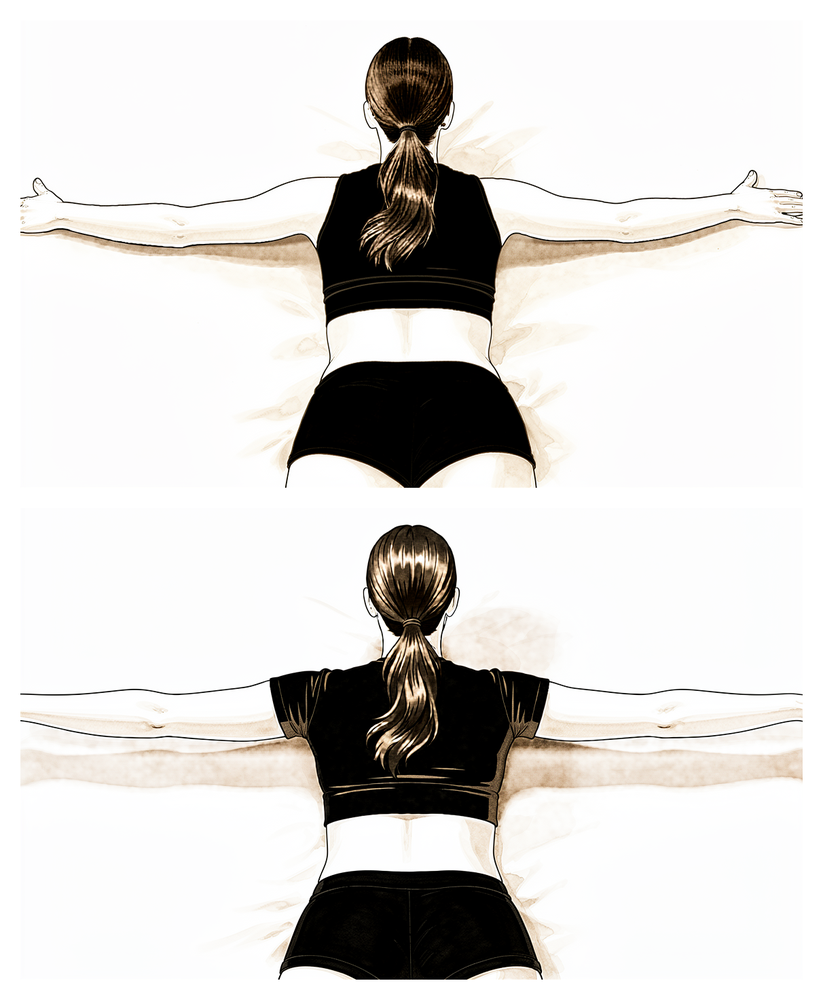
குப்புறப் படுத்து T உயர்த்தல்
குப்புறப் படுத்து, கைகளை விளிம்பிலிருந்து கீழே தொங்கவிடுங்கள். தோள்பட்டை எலும்பை இறுக்கியபடி, அறுவை சிகிச்சை செய்த கையைப் பக்கவாட்டில் தோள்பட்டை உயரம் வரை உயர்த்துங்கள்; அப்போது கைகள் T வடிவம் உருவாக்கும். பின்னர் மெதுவாக இறக்குங்கள். இது தோள்பட்டை எலும்புத் திட்டத்தின் ஒரு பகுதி — எடையை விடக் கட்டுப்பாடே முக்கியம்.
உங்கள் இயன்முறை சிகிச்சையாளர் வழிகாட்டியபடி
Kieran Hirpara 4.0
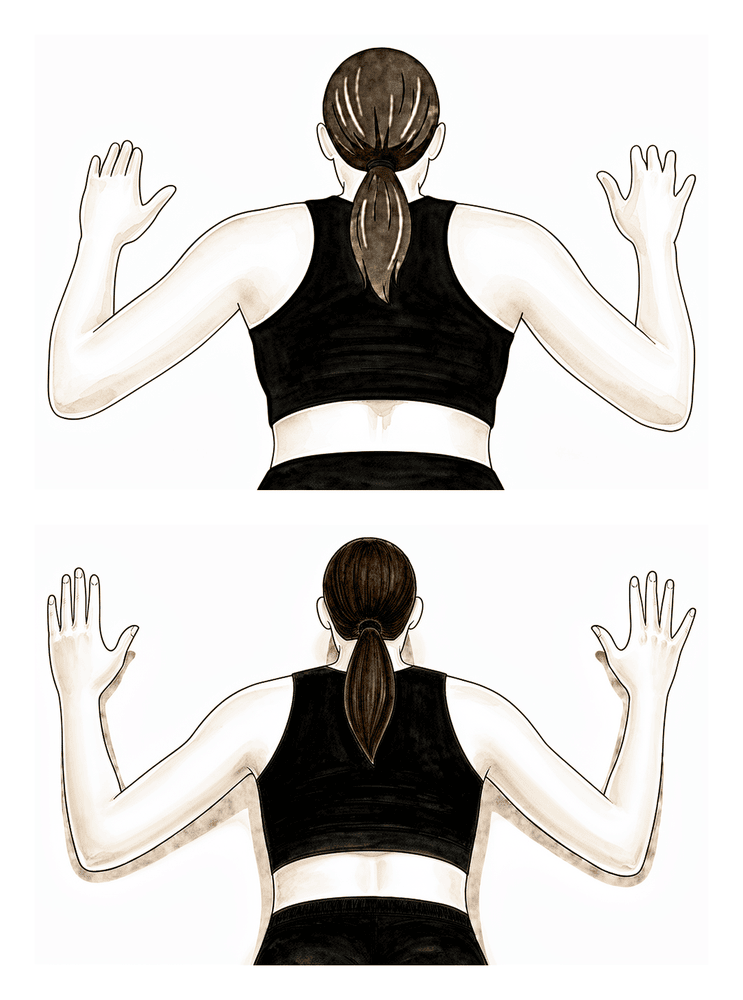
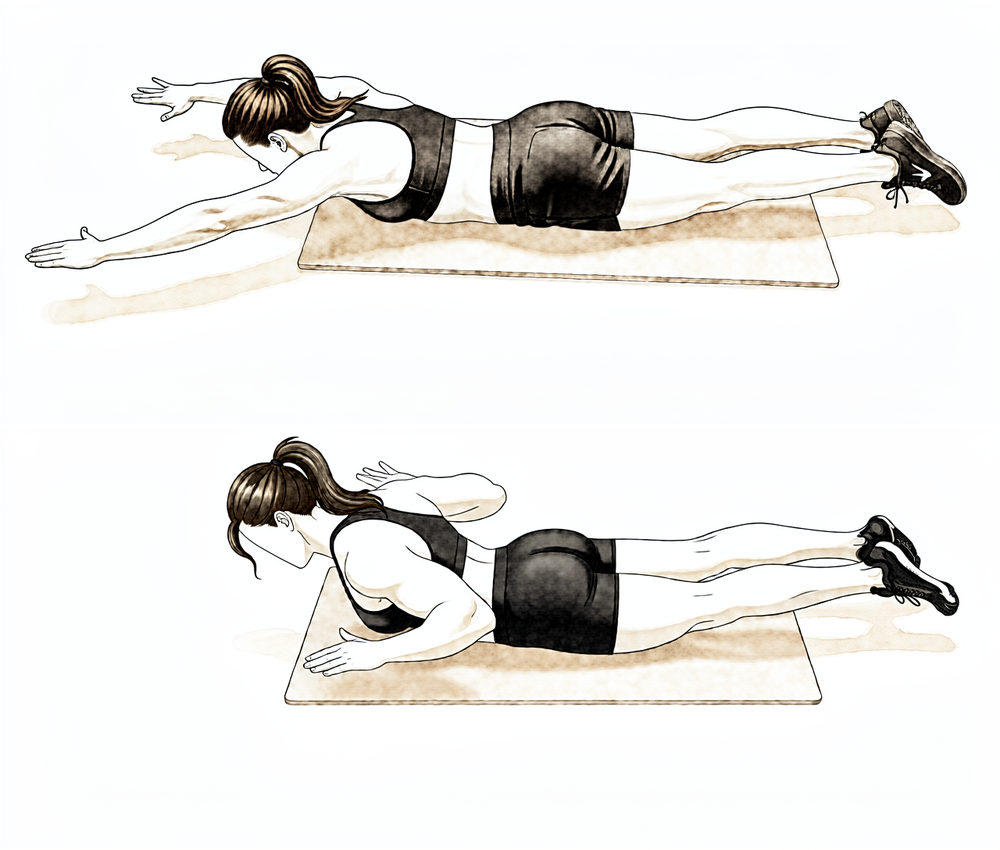
குப்புறப் படுத்து W உயர்த்தல்
குப்புறப் படுத்து, முழங்கைகளை மடக்கியபடி உங்கள் இடுப்பை நோக்கிப் பின்னோக்கியும் கீழ்நோக்கியும் இழுங்கள்; அப்போது கைகள் W வடிவம் உருவாக்கும். தோள்பட்டை எலும்புகளை ஒன்றாக இறுக்கி, பின்னர் மெதுவாக இறக்குங்கள். இது நல்ல உடல்நிலைப்பாட்டைத் தாங்கும், தோள்பட்டை எலும்பின் கீழ்ப்பகுதித் தசைகளைப் பயிற்றுவிக்கிறது.
உங்கள் இயன்முறை சிகிச்சையாளர் வழிகாட்டியபடி
Kieran Hirpara 4.0
தாழ்வான இழுப்பு (low row)
கை உடலின் பக்கவாட்டில் இருக்க, ஒரு பட்டையையோ பரப்பையோ கீழ்நோக்கியும் பின்னோக்கியும் அழுத்தி, தோள்பட்டை எலும்பைக் கீழ்நோக்கியும் உள்நோக்கியும் இழுங்கள்; பின்னர் விடுங்கள். இது தோள்பட்டை எலும்புத் திட்டத்தின் ஒரு பகுதி; தோள்பட்டை எலும்பைச் சுற்றிய கீழ்ப்பகுதியில் கட்டுப்பாட்டைக் கட்டியெழுப்புகிறது.
உங்கள் இயன்முறை சிகிச்சையாளர் வழிகாட்டியபடி
Kieran Hirpara 4.0
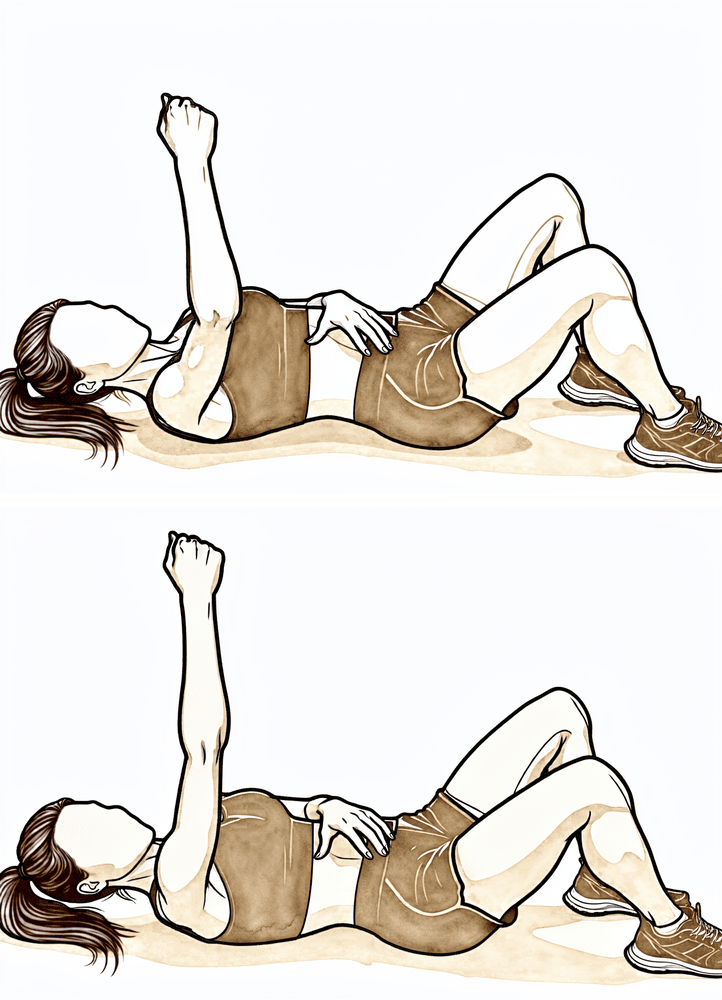
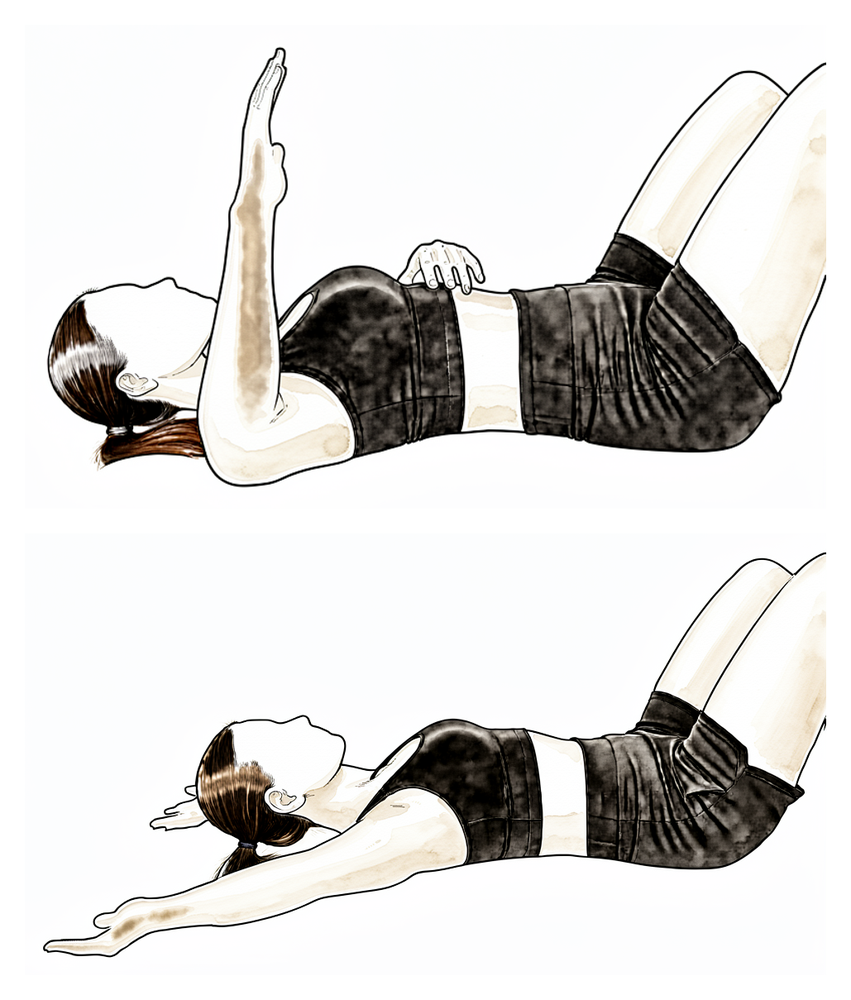
செரேட்டஸ் குத்து (serratus punch)
மல்லாந்து படுத்து, அறுவை சிகிச்சை செய்த கையை நேராக மேல்நோக்கிக் கூரையை நோக்கி நீட்டுங்கள். தோள்பட்டை எலும்பு தரையிலிருந்து சற்று உயரும்படி, இன்னும் சிறிது மேல்நோக்கிக் குத்துங்கள்; பின்னர் அதைத் திரும்ப இறக்குங்கள். இது தோள்பட்டை எலும்பை விலா எலும்புகளுடன் சேர்த்துப் பிடித்து வைத்திருக்கும் செரேட்டஸ் தசையைப் பயிற்றுவிக்கிறது.
உங்கள் இயன்முறை சிகிச்சையாளர் வழிகாட்டியபடி
Kieran Hirpara 4.0
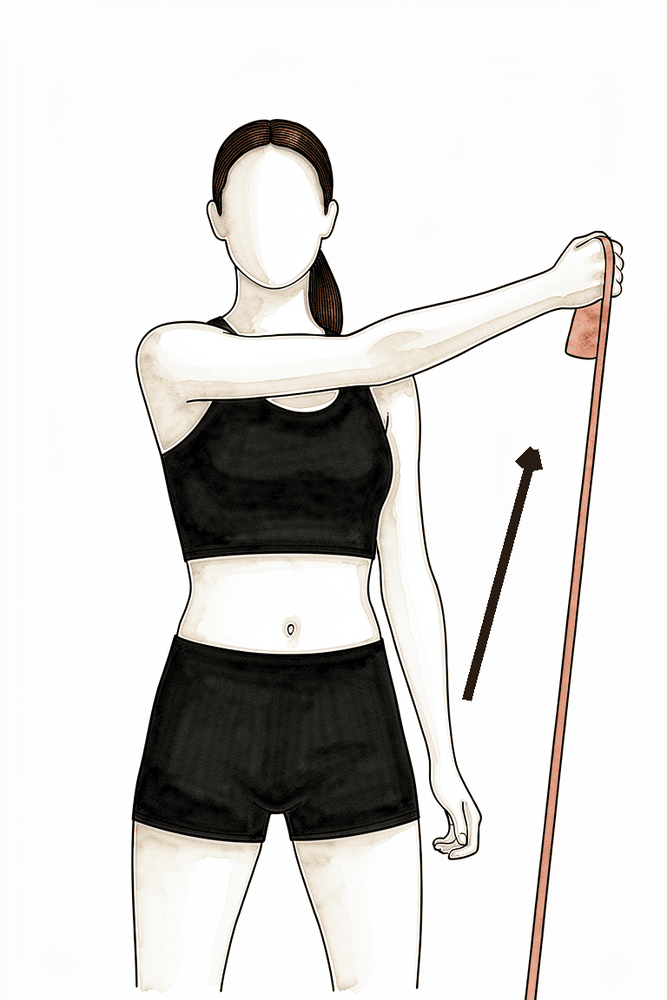
குறுக்குவாட்டு பட்டை அசைவு முறை (D1)
ஓர் எலாஸ்டிக் பட்டையைப் பயன்படுத்தி, உங்கள் உடலின் முன்பக்கத்தின் குறுக்கிலிருந்து கையை மேல்நோக்கியும் உங்களிடமிருந்து விலகி வெளிநோக்கியும் குறுக்குவாட்டில் இழுங்கள்; பின்னர் கட்டுப்பாட்டுடன் திரும்பவும். இந்தக் குறுக்குவாட்டு அசைவு முறைகள், ஒருங்கிணைந்த, செயல்பாட்டு ரீதியான தோள்பட்டை வலிமையை மீண்டும் கட்டியெழுப்புகின்றன.
உங்கள் இயன்முறை சிகிச்சையாளர் வழிகாட்டியபடி
Kieran Hirpara 4.0
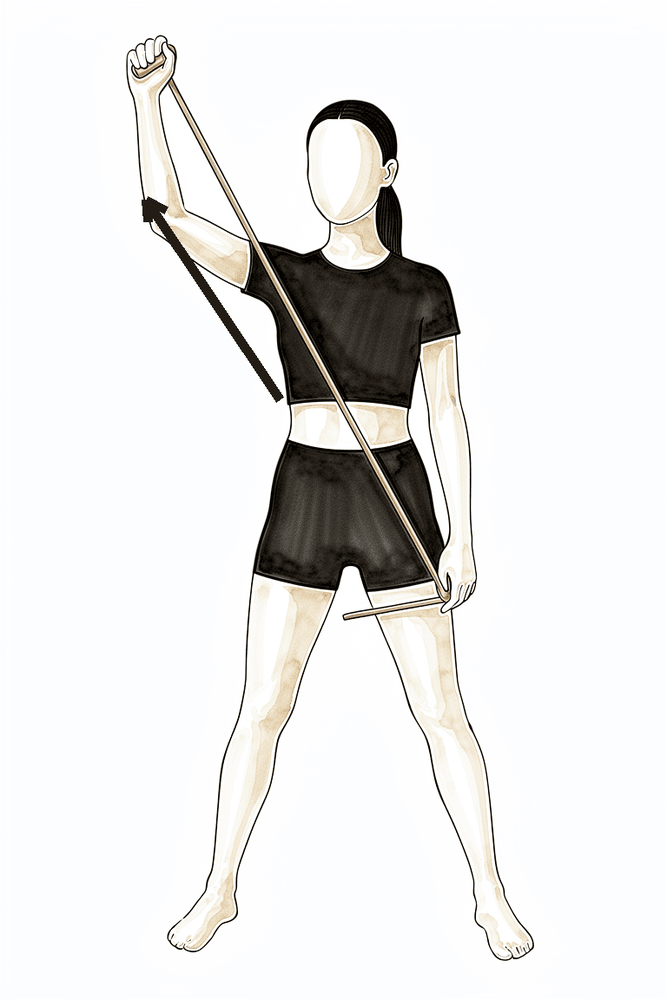
குறுக்குவாட்டு பட்டை அசைவு முறை (D2)
ஓர் எலாஸ்டிக் பட்டையைப் பயன்படுத்தி, உங்கள் உடலின் குறுக்கே தாழ்வான நிலையிலிருந்து கையை மேல்நோக்கியும் வெளிநோக்கியும் தலைக்கு மேல் வரை குறுக்குவாட்டில் வீசுங்கள்; பின்னர் கட்டுப்பாட்டுடன் அதைக் கீழே கொண்டு வாருங்கள். இது இரண்டாவது குறுக்குவாட்டு அசைவு முறை; இது முழுமையான, விளையாட்டுக்கு நிகரான அசைவு வரம்புகள் வழியாக வலிமையைக் கட்டியெழுப்புகிறது.
உங்கள் இயன்முறை சிகிச்சையாளர் வழிகாட்டியபடி
Kieran Hirpara 4.0
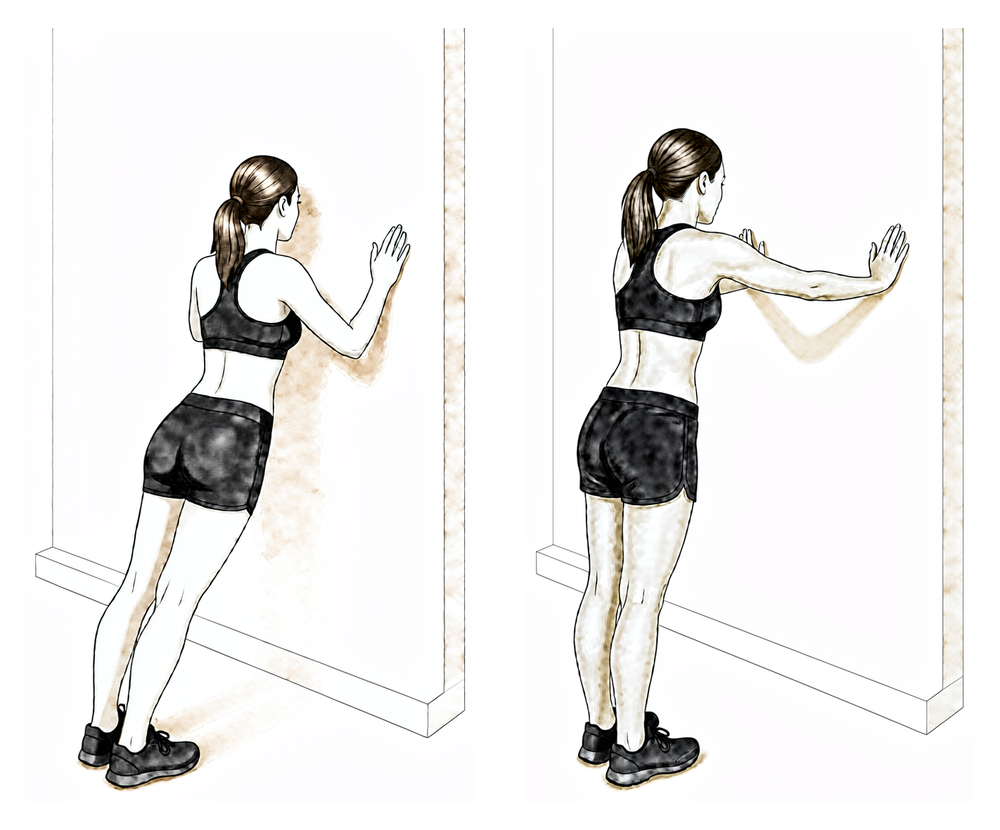
சுவரில் புஷ்-அப் பிளஸ் (push-up plus)
இரு கைகளையும் தோள்பட்டை உயரத்தில் சுவரில் வைத்து நில்லுங்கள். முழங்கைகளை நேராக வைத்தபடி, தோள்பட்டை எலும்புகள் முன்னோக்கி வளையும்படி மார்பைச் சுவரிலிருந்து விலக்கித் தள்ளுங்கள்; பின்னர் திரும்பத் தளர்த்துங்கள். இது புஷ்-அப் பிளஸ் படிப்படியான முன்னேற்றத்தின் தொடக்கம் — வழிகாட்டப்படும்படி, சுவர், பின்னர் மேசை விளிம்பு, பின்னர் முழங்கால், பின்னர் தரை.
உங்கள் இயன்முறை சிகிச்சையாளர் வழிகாட்டியபடி
Kieran Hirpara 4.0
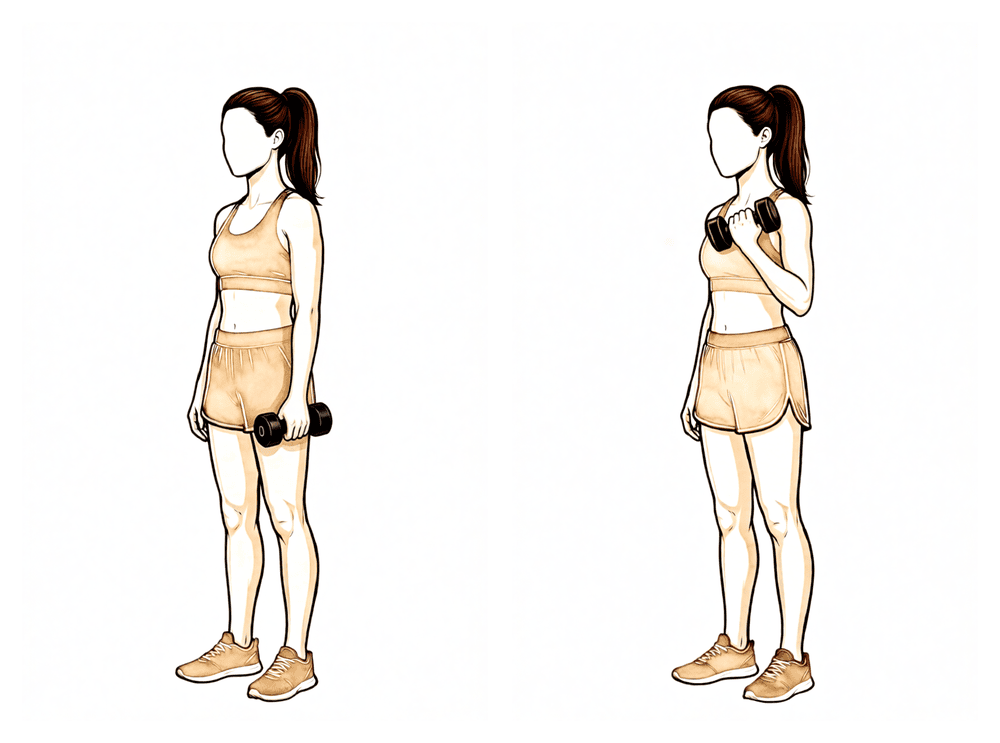
பைசெப்ஸ் கர்ல் (biceps curl)
வாரம் 10-க்கு முன் வேண்டாம். கையில் ஓர் இலகுவான எடையுடன், முழங்கையை உடலின் பக்கவாட்டில் வைத்து, முழங்கையை மடக்கி எடையை உயர்த்துங்கள்; பின்னர் மெதுவாக இறக்குங்கள். எதிர்ப்புடன் உள்ளங்கையை மேல்நோக்கித் திருப்பும் பயிற்சியும் இதே முறையில் சேர்க்கப்படுகிறது. இலகுவாகத் தொடங்கி மெதுவாக முன்னேறுங்கள் — குணமடையும் தசைநாணுக்குச் சுமை கொடுக்கும் கடைசிப் பயிற்சி இதுவே; அது வேண்டுமென்றே அப்படி வைக்கப்பட்டுள்ளது.
வாரம் 10 முதல் — குறைந்த சுமை, அதிக எண்ணிக்கை
Kieran Hirpara 4.0
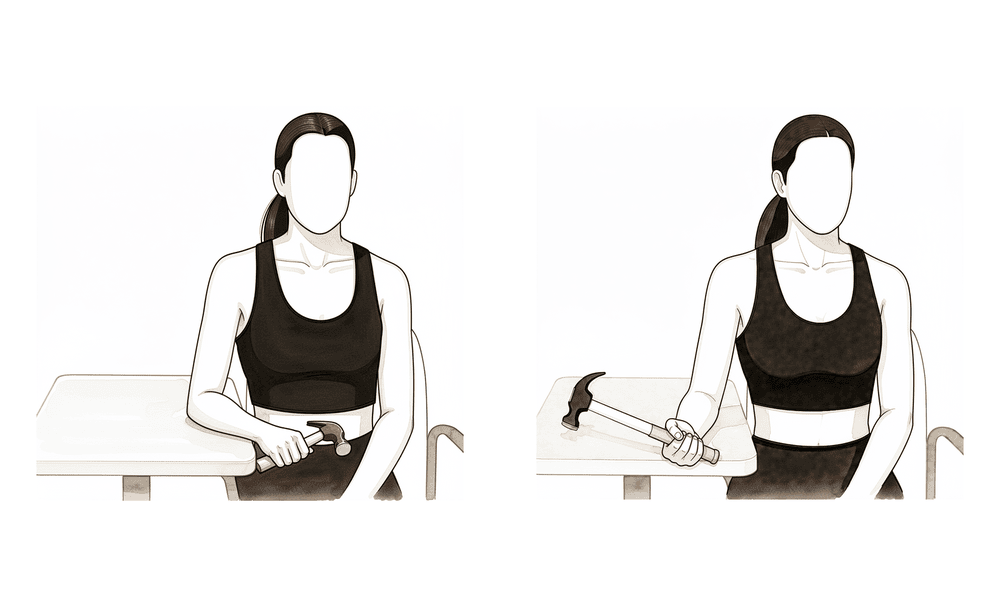
எதிர்ப்புடன் முன்கைச் சுழற்சி
வாரம் 10-க்கு முன் வேண்டாம். கை மேசையின் விளிம்புக்கு வெளியே இருக்கும்படி முன்கையை மேசையில் வைத்து, ஓர் இலகுவான எடையைப் பிடியுங்கள். அசைவைக் கட்டுப்பாட்டுடன் வைத்தபடி, மெதுவாக உள்ளங்கையை மேல்நோக்கித் திருப்புங்கள்; பின்னர் கீழ்நோக்கித் திருப்புங்கள். உள்ளங்கையை மேல்நோக்கித் திருப்புவது பைசெப்ஸை நேரடியாக வேலை செய்ய வைக்கிறது; எனவே இது கர்ல்களுடன் சேர்ந்தே காத்திருக்கிறது — இலகுவாகத் தொடங்கிப் படிப்படியாக அதிகரியுங்கள்.
வாரம் 10 முதல் — குறைந்த சுமை, அதிக எண்ணிக்கை
Kieran Hirpara 4.0
90/90 நிலையில் வெளிப்புறச் சுழற்சி (பட்டையுடன்)
கையைப் பக்கவாட்டில் தோள்பட்டை உயரத்தில் வைத்து, முழங்கையைச் செங்கோணத்தில் மடக்கியபடி, ஓர் இலகுவான பட்டைக்கோ எடைக்கோ எதிராக முன்கையைப் பின்னோக்கியும் மேல்நோக்கியும் சுழற்றுங்கள்; பின்னர் மெதுவாக இறக்குங்கள். இது கையை உயர்த்திய (எறியும்) நிலையில் சுழற்சி தசைநாண் பட்டையின் வலிமையைக் கட்டியெழுப்புகிறது.
10 முதல் 15 முறைகள் கொண்ட 2 முதல் 3 செட்கள், குறைந்த எதிர்ப்பு
Kieran Hirpara 4.0
90/90 நிலையில் உட்புறச் சுழற்சி (பட்டையுடன்)
கையைப் பக்கவாட்டில் தோள்பட்டை உயரத்தில் வைத்த அதே நிலையிலிருந்து, ஓர் இலகுவான பட்டைக்கோ எடைக்கோ எதிராக முன்கையை முன்னோக்கியும் உங்கள் பாதங்களை நோக்கிக் கீழ்நோக்கியும் சுழற்றுங்கள்; பின்னர் கட்டுப்பாட்டுடன் திரும்பவும்.
10 முதல் 15 முறைகள் கொண்ட 2 முதல் 3 செட்கள், குறைந்த எதிர்ப்பு
Kieran Hirpara 4.0
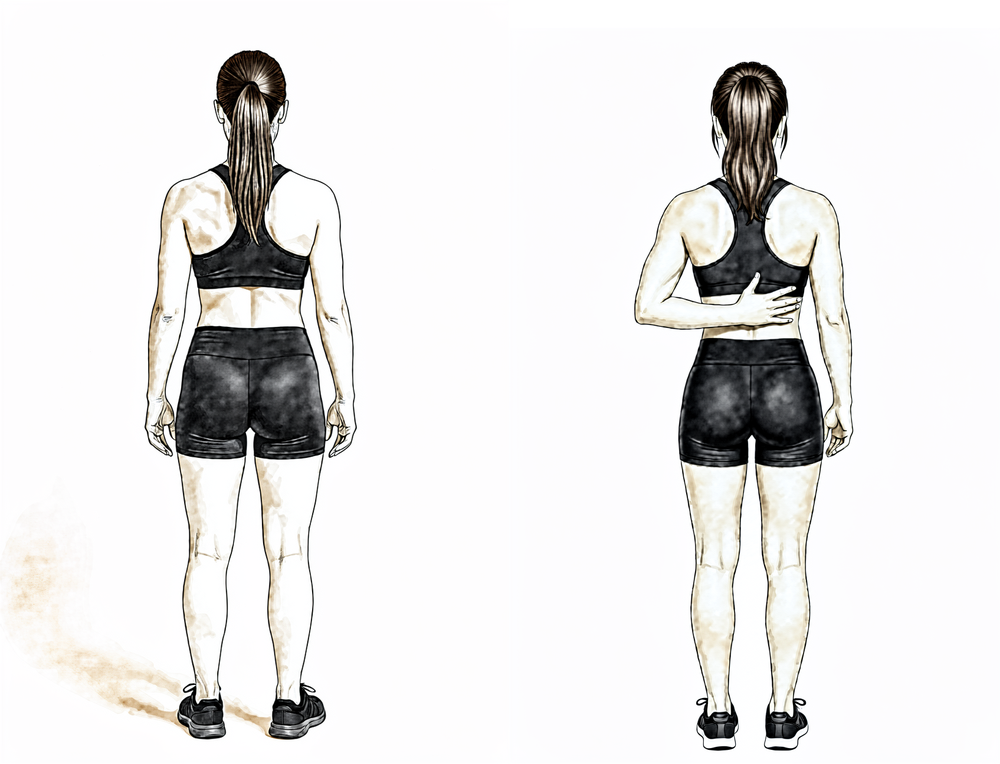
கையை முதுகுக்குப் பின்னால் கொண்டு செல்லுதல்
நின்றபடி, அறுவை சிகிச்சை செய்த கையின் புறங்கையை உங்கள் இடுப்புக்கு மேலுள்ள முதுகுப் பகுதியில் வைத்து, உங்கள் சொந்தத் தசைகளைப் பயன்படுத்தி வசதியாக முடிந்த அளவு முதுகுத்தண்டு வழியாக மென்மையாக மேல்நோக்கி நகர்த்துங்கள்; பின்னர் இறக்குங்கள். வசதியான வரம்புக்குள் மட்டுமே அசையுங்கள்; ஒருபோதும் வலுக்கட்டாயமாகச் செய்ய வேண்டாம்.
உங்கள் இயன்முறை சிகிச்சையாளர் வழிகாட்டியபடி
Kieran Hirpara 4.0
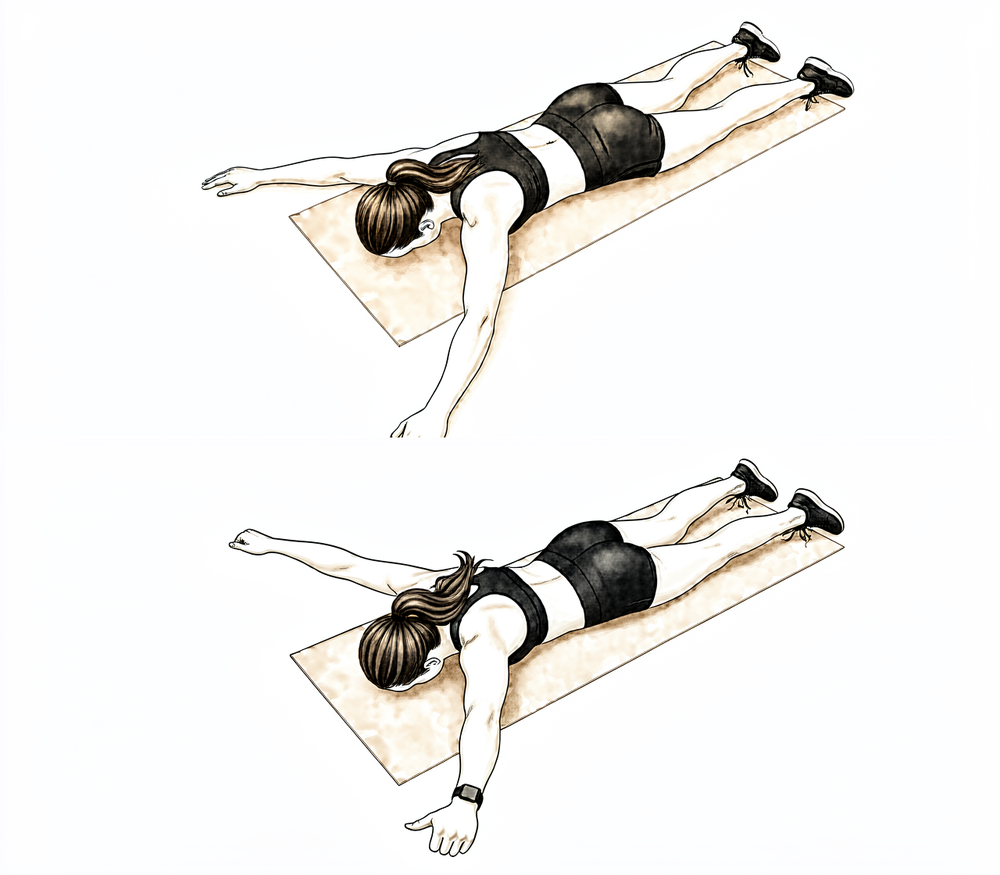
குப்புறப் படுத்து Y (தோள்பட்டை எலும்பின் கீழ்ப்பகுதி)
குப்புறப் படுத்து, கட்டைவிரல் மேல்நோக்கி இருக்க, அறுவை சிகிச்சை செய்த கையைத் தலைக்கு மேல் நீட்டி, சுமார் 45° வெளிநோக்கி விரித்து Y வடிவம் உருவாக்குங்கள். தோள்பட்டை எலும்பைக் கீழ்நோக்கியும் பின்னோக்கியும் இழுத்து, கையைப் பரப்பிலிருந்து சிறிது உயர்த்துங்கள்; பின்னர் மெதுவாக இறக்குங்கள். இலகுவாகவே வையுங்கள் — இது தோள்பட்டை எலும்பின் கீழ்ப்பகுதித் தசைகளை இலக்காகக் கொள்கிறது.
உங்கள் இயன்முறை சிகிச்சையாளர் வழிகாட்டியபடி — இலகுவாக, அதிக எண்ணிக்கை
Kieran Hirpara 4.0
குப்புறப் படுத்து இழுப்பு (prone row)
குப்புறப் படுத்து, அறுவை சிகிச்சை செய்த கையைத் தரையை நோக்கிக் கீழே தொங்கவிடுங்கள். தோள்பட்டை எலும்பை உங்கள் முதுகுத்தண்டை நோக்கி உள்ளிழுத்தபடி, முழங்கையைக் கூரையை நோக்கி மேலே இழுங்கள்; பின்னர் மெதுவாக இறக்குங்கள். எடை இல்லாமல் தொடங்கி, அசைவைக் கட்டுப்பாட்டுடன் வையுங்கள்.
உங்கள் இயன்முறை சிகிச்சையாளர் வழிகாட்டியபடி
வலுப்படுத்துதல் மென்மையாகத் தொடங்கி, தோள்பட்டை எலும்பிலிருந்து வெளிநோக்கி நகர்கிறது: முதலில் சுழற்சி தசைநாண் பட்டை மற்றும் தோள்பட்டை எலும்புத் தசைகள், எலாஸ்டிக் பட்டைகளுடனும் இலகுவான எடைகளுடனும், குறைந்த சுமையிலும் அதிக எண்ணிக்கையிலும். எதிர்ப்புடன் கூடிய பைசெப்ஸ் பயிற்சி (கர்ல்ஸ் மற்றும் எதிர்ப்புடன் உள்ளங்கையை மேல்நோக்கித் திருப்புதல்) வாரம் 10 வரை காத்திருக்கிறது; பின்னர் இலகுவாகத் தொடங்கி மெதுவாக முன்னேறுகிறது. வெளியிடப்பட்ட நெறிமுறைகள் இதை வாரம் 6-க்கும் வாரம் 10-க்கும் இடையில் எப்போது வேண்டுமானாலும் அறிமுகப்படுத்துகின்றன; சுமை கொடுக்கப்படுவதற்கு முன் டெனோடெசிஸ் பொருத்தத்துக்கு மிக நீண்ட கால அவகாசம் கிடைக்கும் வகையில், இந்த நெறிமுறை அந்த வரம்பின் அதிகம் பாதுகாக்கும் முனையையே பின்பற்றுகிறது. இந்தக் கட்டத்தில் இயல்பான அன்றாடச் செயல்கள் பெரும்பாலும் வழக்கம்போல் திரும்பியிருக்க வேண்டும்; உங்கள் இயன்முறை சிகிச்சையாளர் வழிகாட்டியபடி, சுமார் வாரம் 8 முதல் நீங்கள் பொதுவாக ஓடுதல், சைக்கிள் ஓட்டுதல், கோல்ஃப் ஆகியவற்றுக்குத் திரும்பலாம்.
உங்கள் இயன்முறை சிகிச்சையாளருக்கு:
இலக்குகள்
- வலிமை, தாங்குதிறன், நரம்பு–தசைக் கட்டுப்பாடு ஆகியவற்றை இயல்பாக்குதல்
- இடுப்பு உயரத்திலிருந்து மார்பு உயரம் வழியாகத் தலைக்கு மேல் வரை செயல்பாட்டை மீட்டெடுத்தல்
சிகிச்சை மேலாண்மை
- கட்டம் முழுவதும் தோள்பட்டை மற்றும் முழங்கையின் முழு அசைவு வரம்பைப் பராமரித்தல்
- ஐசோடானிக் (isotonic) சுழற்சி தசைநாண் பட்டை வலுப்படுத்துதல்: இலகுவான எதிர்ப்புடன் உட்புற மற்றும் வெளிப்புறச் சுழற்சி, நடுநிலையிலிருந்து தொடங்கி 90° பக்கவாட்டு உயர்த்தலை (abduction) நோக்கி முன்னேற்றுதல்
- தோள்பட்டை எலும்புத் திட்டம்: கட்டம் முழுவதும் முன்னேறும் குப்புறப் படுத்துச் செய்யும் பயிற்சித் தொடர்; எதிர்ப்புடன் செரேட்டஸ் குத்து (serratus punch), தாழ்வான இழுப்பு (low row), புஷ்-அப் பிளஸ் படிப்படியான முன்னேற்றம் (சுவர், மேசை விளிம்பு, முழங்கால், தரை)
- வாரம் 10 முதல் எதிர்ப்புடன் பைசெப்ஸ் கர்ல்ஸ், சுப்பினேஷன், ப்ரோனேஷன்; முதலில் குறுகிய நெம்புகோல் (short lever), குறைந்த சுமை, அதிக எண்ணிக்கை, கவனத்துடன் படிப்படியாக முன்னேற்றுதல்
- தாள ஒழுங்குடன் நிலைப்படுத்தும் பயிற்சி (rhythmic stabilisation) மற்றும் குறுக்குவாட்டு (D1/D2) அசைவு முறைகள்; மூடிய சங்கிலி (closed-chain) நிலைப்படுத்தும் பயிற்சி
- சரியான உடல் இயக்க நுட்பத்துடன், சுமார் வாரம் 8 முதல் ஓடுதல், சைக்கிள் ஓட்டுதல், கோல்ஃப் ஆகியவற்றுக்குத் திரும்புதல்
முன்னெச்சரிக்கைகள்
- கட்டத்தின் தொடக்கத்தில், நீண்ட நெம்புகோல் நிலையில் எதிர்ப்புடன் முழங்கையை மடக்குதலையும் சுப்பினேஷனையும் தவிர்த்தல்
- வலிமை மீளும் வரை கனமாகத் தூக்குதலோ சுமத்தலோ வேண்டாம்
- இந்தக் கட்டத்தில் நீச்சலோ எறிதலோ வேண்டாம்
- அசைவு வரம்பு கிட்டத்தட்ட முழுமையாகும் வரை வலுப்படுத்துதல் காத்திருக்கிறது; அது வலியில்லாமலேயே தொடர வேண்டும்
அடுத்த கட்டத்துக்குச் செல்வதற்கான அளவுகோல்கள்
- இயல்பான தோள்பட்டை எலும்பு–மேற்கை எலும்பு ஒத்திசைவுடன் (scapulohumeral rhythm) முழு, வலியில்லாத சுய அசைவு வரம்பு
- தோள்பட்டை எலும்புத் தளத்தில் 90° பக்கவாட்டு உயர்த்தலில் சுழற்சி தசைநாண் பட்டை வலிமை 5/5, மற்றும் தோள்பட்டை எலும்பு–விலா எலும்புக்கூடு (scapulothoracic) வலிமை 5/5
- அறிகுறிகள் மீண்டும் தூண்டப்படாமல் வலுப்படுத்துதலைத் தாங்க முடிதல்
கட்டம் IV — முழுச் செயல்பாட்டுக்குத் திரும்புதல் (வாரம் 12 முதல்)
இறுதிக் கட்டம், கனமான வேலை, தலைக்கு மேலான செயல்பாடு, விளையாட்டு ஆகியவற்றுக்குப் படிப்படியாகத் திரும்புவது. பெரும்பாலானோர் மூன்று முதல் நான்கு மாதங்களுக்கு இடையில், சுமையைப் படிப்படியாக அதிகரித்தபடி, ஜிம், கைத்தொழில் வேலை, பொழுதுபோக்கு விளையாட்டு ஆகியவற்றுக்கு அனுமதிக்கப்படுகிறார்கள்; தலைக்கு மேல் கையைப் பயன்படுத்தும் மற்றும் உடல் மோதும் விளையாட்டுகளில் (எறிதல், நீச்சல், ராக்கெட் விளையாட்டுகள்) ஈடுபடுபவர்கள் நீண்ட காலத்தில் கட்டம் கட்டமாகத் திரும்புகிறார்கள் — பெரும்பாலும் நான்கு முதல் ஐந்து மாதங்கள் அல்லது அதற்கும் மேல். அதற்குப் பிறகும் பல மாதங்களுக்குப் பைசெப்ஸ் வலிமையையும் நம்பிக்கையையும் தொடர்ந்து பெற்றுக்கொண்டே இருக்கும்; எனவே இந்தக் கட்டத்தில் முன்னேற்றம் தேதியை வைத்து அல்ல, கை என்ன செய்ய முடிகிறது என்பதை வைத்தே மதிப்பிடப்படுகிறது.
உங்கள் இயன்முறை சிகிச்சையாளருக்கு:
இலக்குகள்
- ஈடுசெய்யும் அசைவு முறைகள் இல்லாமல் முழு வலிமையும் ஆற்றலும்
- அதிக வேகமான மற்றும் விளையாட்டுக்கே உரிய அசைவுகளில் நிலைத்தன்மையும் கட்டுப்பாடும்
- இயல்பான விளையாட்டு மற்றும் வேலைச் செயல்பாடுகளுக்குத் திரும்புதல்
சிகிச்சை மேலாண்மை
- பல மூட்டுகளை உள்ளடக்கிய கூட்டு வலுப்படுத்துதல், சுமையை நிலையாக அதிகரித்தபடி
- பிளையோமெட்ரிக் (plyometric) பயிற்சி: இரு கைகளாலும் தோள்பட்டை உயரத்துக்குக் கீழே தொடங்கி, ஒற்றைக் கைக்கும் தலைக்கு மேலான நிலைக்கும் முன்னேற்றுதல்
- பொருத்தமான இடங்களில், எறிதல், நீச்சல் அல்லது ராக்கெட் விளையாட்டுகளுக்கான இடைவெளித் திட்டங்கள் மூலம் விளையாட்டுக்குத் திரும்புதல்
- தோள்பட்டை ஈடுசெய்ய வேண்டியிராதபடி, உடல் மையப் பகுதி (core) மற்றும் இடுப்பின் வலிமையையும் கட்டுப்பாட்டையும் கவனத்தில் கொள்ளுதல்
முன்னெச்சரிக்கைகள்
- தோள்பட்டையின் முன்பகுதிக்கு அழுத்தம் கொடுக்கும் பயிற்சிகளை (எடுத்துக்காட்டாக பெஞ்ச் பிரஸ், நிமிர்ந்த இழுப்பு (upright row)) மெதுவாக முன்னேற்றுதல்
- மற்றொரு கையுடன் ஒப்பிடுகையில் தோராயமாக 90% வலிமையும், அதிக வேகமான, விளையாட்டுக்கே உரிய அசைவுகளை வலியின்றிக் கட்டுப்படுத்தும் திறனும் இருக்கும் நிலையில், அனுமதி பெற்ற பிறகே விளையாட்டுக்குத் திரும்புதல்
உங்கள் நெறிமுறைக்குப் பிறகு
மேலே உள்ள கட்டங்கள், தனித்த பைசெப்ஸ் டெனோடெசிஸுக்காக வெளியிடப்பட்ட மறுவாழ்வு நெறிமுறைகளிலிருந்து தழுவி எடுக்கப்பட்டவை: Massachusetts General Brigham Sports Medicine, the University of Virginia Department of Orthopaedic Surgery, The Ohio State University Wexner Medical Center மற்றும் UW Health (University of Wisconsin). வார வரம்புகள் நிலையானவை அல்ல, வழக்கமானவை; உங்கள் கை எப்படி மீள்கிறது என்பதன் அடிப்படையில், கிளினிக்குடன் இணைந்து பணியாற்றும் உங்கள் இயன்முறை சிகிச்சையாளர் உங்கள் தொடர் மறுவாழ்வுப் பயிற்சிக்குத் தனிப்பட்ட முறையில் வழிகாட்டுவார். இந்தப் பக்கம் கிளினிக்கின் பொதுவான மீட்சி ஆலோசனைகளுடன் இணைந்து செயல்படுகிறது; அறுவை சிகிச்சைக்குப் பிந்தைய வலியைக் கையாளுதல் மற்றும் காயப் பராமரிப்பு பக்கங்களைப் பாருங்கள். அறுவை சிகிச்சை பற்றி அறிய, பைசெப்ஸ் டெனோடெசிஸ் பக்கத்தைப் பாருங்கள். இந்த நெறிமுறைக்குப் பின்னால் உள்ள சான்றுகள் (பொருத்தமும் குணமடைதலும், டெனோடெசிஸுக்கும் டெனோடமிக்கும் (tenotomy) இடையிலான தேர்வு, சிக்கல் மற்றும் தோல்வி விகிதங்கள், மறுவாழ்வுப் பயிற்சியின் வேகம் எப்படித் தேர்ந்தெடுக்கப்படுகிறது ஆகியவை) சான்றுகள் பகுதியில் சுருக்கமாகத் தரப்பட்டுள்ளன; அது இந்தப் பக்கத்தின் மேலே PDF-ஆகக் கிடைக்கிறது.
Evidence & references
This is the clinical evidence summary written for health professionals. It is technical, and it lists the research this page was built from. You do not need to read it to understand your treatment or to make a decision about it.
Topic scope: the evidence behind post-operative rehabilitation after isolated biceps tenodesis (re-anchoring the long head of biceps to the humerus) — fixation methods and their healing implications, when to protect versus load the construct (active elbow flexion and resisted supination), shoulder ROM restrictions, return-to-activity timing, and the failure/complication profile (Popeye deformity, fixation failure). The combined cuff-repair pathway defers to the rotator-cuff-repair protocol and is out of scope here.
Defining principle of the surgical rehab here: a tenodesis is a healing construct that must be protected — the tendon has been detached from its native anchor and fixed into bone, and that bone–tendon interface needs weeks to heal. Because the biceps bends the elbow and turns the palm up (supination), the early restrictions are unusually centred on the elbow, not the shoulder: active elbow flexion and resisted supination are the loads that pull directly on the fresh tenodesis, so they are deferred while the construct heals. The shoulder itself is generally less restricted — only positions that tension the tendon (external rotation past ~40°, extension/horizontal abduction behind the body) are limited early. This is the inverse of a rotator-cuff or labral repair, where the shoulder is the protected structure.
A. THE PROCEDURE & WHY THE REHAB IS SHAPED THIS WAY
In a biceps tenodesis the long head of biceps is released from its origin on the superior glenoid/labrum and re-fixed into the proximal humerus, most commonly with an interference screw, a suture anchor, or a cortical/unicortical button (or combinations). The location is either suprapectoral (higher, usually all-arthroscopic, in or above the bicipital groove) or subpectoral (lower, usually open, below the pectoralis major tendon). Both achieve the same goal — remove the painful intra-articular biceps as a pain generator while preserving the muscle's length-tension relationship to avoid a Popeye deformity and cramping.
The rehab is built around the time for the tendon to incorporate into the bone tunnel/socket. The biceps' two actions — elbow flexion and forearm supination — are precisely the movements that load the tenodesis, so resisted/active use of these is staged in last. Shoulder motion is restored earlier because most shoulder positions do not pull hard on the construct.
B. EVIDENCE BY THEME
1. Tenodesis vs tenotomy — the decision upstream of rehab
Tenotomy (simply releasing the tendon) and tenodesis give broadly equivalent pain relief and function, but tenodesis trades a slightly more demanding recovery for a lower rate of Popeye deformity and cramping/fatigue, particularly relevant in younger, leaner and more active patients. A prospective double-blinded RCT and multiple reviews support this trade-off [Castricini RCT; Frost/Hackney review; Slenker review]. Moderate–strong (RCT + SR). This is why a tenodesis — and therefore a protected construct needing staged rehab — is chosen in the first place.
2. Fixation strength and what it permits
Interference screws and suture anchors both provide clinically adequate fixation; biomechanical load-to-failure figures vary between studies and clinical outcomes do not differ meaningfully by fixation type [biomechanical cadaver series; clinical comparisons]. The practical point for rehab: the construct is strong at time zero but the biological bond to bone is what is healing over the first 6–12 weeks — which is why loaded elbow flexion is deferred regardless of the hardware used. Moderate (biomechanical + clinical cohorts).
3. Does the rehab pace actually need to be slow? — the key controversy
The traditional protocol protects the elbow for ~6 weeks before active flexion and reserves resisted biceps work for ~10–12 weeks. However, Mazzocca et al. challenged this: in 105 open subpectoral tenodeses (dual-fixation button + interference screw) rehabilitated with immediate, unrestricted motion and no postoperative restrictions, the failure rate was only 2.2% (2 of 98) at minimum 2-year follow-up, with excellent ASES/DASH scores. Both failures occurred early (5 and 9 weeks). The conclusion: with a robust dual-fixation construct, early mobilisation is reasonable and may improve outcomes [Mazzocca, JSES 2018, DOI 10.1016/j.jse.2018.02.061]. A subsequent comparison of early versus delayed active ROM reached similar reassurance [PMID 34458384]. Moderate (single-arm cohort + comparative). This protocol nonetheless follows the more protective published pace — it is the safer default across mixed fixation methods and does not assume a dual-fixation construct.
4. Complications and failure rates — what rehab is protecting against
A review of 1,526 shoulders found a low overall complication rate: persistent anterior shoulder pain ~11–13%, Popeye deformity ~4.6–4.7%, with no meaningful difference by fixation type or location; reported fixation failure/re-rupture is ~0.8% [Nho/Virk review, DOI 10.1016/j.jse.2018.09.005]. The small early-failure window (the Mazzocca failures at 5 and 9 weeks) is exactly the period the protective phases cover. Moderate (large pooled review).
5. Suprapectoral vs subpectoral — does it change rehab?
A systematic review and meta-analysis of arthroscopic suprapectoral versus open subpectoral tenodesis found comparable clinical outcomes and complication profiles [DOI 10.1177/2325967120945322]. The rehabilitation pathway is therefore the same for both techniques — this protocol covers arthroscopic and open subpectoral alike. Moderate (SR-MA).
C. PHASED POST-OP TIMELINE (isolated tenodesis)
Consistent with the synthesis protocol. The hallmark is protect the elbow (no active flexion / no resisted supination) while keeping the hand, wrist, scapula and most of the shoulder moving.
| Phase | Window | Sling | ROM | Strengthening | Notes |
|---|---|---|---|---|---|
| I — Protecting the tenodesis | Week 0–4 | Yes, incl. at night; wean from ~wk 3 | Passive elbow flexion/extension + forearm rotation; active hand/wrist; gentle shoulder PROM/AAROM — flexion/scaption to ~90°, ER to 40°, IR to ~45°; pendulums | None (biceps stays unloaded) | No active elbow flexion, no resisted supination; no shoulder extension / horizontal abduction past neutral; no lifting/carrying. No driving while in the sling. |
| II — Active movement | Week 4–6 | Off | Progress shoulder AAROM → AROM all planes; active (unloaded) elbow flexion/extension + supination/pronation begins | Submaximal shoulder isometrics | Biceps moving but not working — keep lifting minimal (≤ a cup of tea). Driving once out of sling and able to control the car safely. |
| III — Strengthening | Week 6–12 | Off | Maintain full ROM | Cuff + scapular strengthening from wk 6; resisted biceps curls / resisted supination from ~week 10 | Resisted biceps deliberately last; published protocols introduce it wk 6–10, this protocol uses the protective end. Running/cycling/golf from ~wk 8. |
| IV — Return to full activity | Week 12+ | Off | Full | Progressive load, power, sport-specific | Gym/manual work/recreational sport ~3–4 months; overhead/throwing/contact staged over ~4–5 months+. |
Branch point — combined cuff repair: if a rotator cuff repair was performed at the same time, the rotator-cuff-repair protocol takes priority (sling ~6 weeks, ROM restrictions, slower strengthening, ~5 months total). The surgeon confirms post-operatively which pathway applies.
D. KEY CONTROVERSIES / EVIDENCE QUALITY
- How fast is safe? The strongest single piece of rehab-specific evidence (Mazzocca 2018) suggests immediate unrestricted motion is safe with a robust dual-fixation construct (2.2% failure). But this is a single-arm cohort with one specific construct; it does not license fast rehab across all fixation methods. The protective default remains the prudent generalisation. Moderate.
- Tenodesis vs tenotomy is well studied (RCT + SRs) and favours tenodesis for cosmesis/cramping — but this is the indication decision, not a rehab-timing trial. Moderate–strong.
- The rehab protocol timings themselves are consensus/expert, drawn from published academic physiotherapy guidelines (MGH Brigham, UVA, Ohio State, UW Health) rather than head-to-head rehab RCTs. Week ranges are typical, not trial-derived. Weak/consensus.
- Resisted-biceps start week varies (6–10) across published protocols; the choice of week 10 here is a deliberate protective bias, not a trial-supported threshold. Weak/consensus.
E. EVIDENCE-STRENGTH FLAGS (summary)
- MODERATE–STRONG (RCT / SR-MA): tenodesis vs tenotomy equivalence with lower Popeye/cramping after tenodesis; suprapectoral vs subpectoral outcome equivalence (SR-MA).
- MODERATE (cohorts / large pooled review): immediate-unrestricted-motion safety with dual fixation (Mazzocca, 2.2% failure); low overall complication profile (1,526-shoulder review — Popeye ~4.6%, fixation failure ~0.8%); fixation-type clinical equivalence.
- WEAK / CONSENSUS: the post-operative rehabilitation protocol itself (academic PT guidelines, no defining rehab RCT); the specific week-10 resisted-biceps threshold.
CITATIONS
RAG corpus (180,000+ Orthopaedic articles)
- Mazzocca AD, et al. Immediate physical therapy without postoperative restrictions following open subpectoral biceps tenodesis: low failure rates and improved outcomes at a minimum 2-year follow-up. J Shoulder Elbow Surg. 2018. DOI: 10.1016/j.jse.2018.02.061
- Complications of biceps tenodesis based on location, fixation, and indication: a review of 1526 shoulders. J Shoulder Elbow Surg. 2019. DOI: 10.1016/j.jse.2018.09.005
- Biceps tenotomy versus tenodesis: a review of clinical outcomes and biomechanical results. J Shoulder Elbow Surg. 2011. DOI: 10.1016/j.jse.2010.08.019
- Biceps Tenodesis Versus Tenotomy in the Treatment of Lesions of the Long Head of the Biceps Tendon in Patients Undergoing Arthroscopic Shoulder Surgery: A Prospective Double-Blinded Randomized Controlled Trial. Am J Sports Med. 2020. DOI: 10.1177/0363546520912212
- Outcomes and Complications After Primary Arthroscopic Suprapectoral Versus Open Subpectoral Biceps Tenodesis for SLAP Tears or Biceps Abnormalities: A Systematic Review and Meta-analysis. Orthop J Sports Med. 2020. DOI: 10.1177/2325967120945322
- Arthroscopic Proximal Biceps Tenodesis at the Articular Margin: Evaluation of Outcomes, Complications, and Revision Rate. Arthroscopy. 2014. DOI: 10.1016/j.arthro.2014.08.024
- Clinical and Biomechanical Evaluation of an All-Arthroscopic Suprapectoral Biceps Tenodesis. Orthop J Sports Med. 2014. DOI: 10.1177/2325967114553558
- All-Arthroscopic Suprapectoral Versus Open Subpectoral Tenodesis of the Long Head of the Biceps Brachii Without the Use of Interference Screws. Arthroscopy. 2016. DOI: 10.1016/j.arthro.2016.07.007
Literature (URLs)
- Early Versus Delayed Active Range of Motion After Open Subpectoral Biceps Tenodesis. PubMed. https://pubmed.ncbi.nlm.nih.gov/34458384/
- Complications of biceps tenodesis based on location, fixation, and indication: a review of 1526 shoulders. PubMed. https://pubmed.ncbi.nlm.nih.gov/30573431/
- Mazzocca — immediate PT without restrictions (minimum 2-year follow-up). PubMed. https://pubmed.ncbi.nlm.nih.gov/29804912/
- Interference Screw vs. Suture Anchor Fixation for Open Subpectoral Biceps Tenodesis: Does it Matter? PMC. https://www.ncbi.nlm.nih.gov/pmc/articles/PMC2553411/
Published rehab protocols (patient-guidance — basis for the phase structure)
- Massachusetts General Brigham Sports Medicine. Rehabilitation Guidelines for Biceps Tenodesis. https://www.massgeneral.org/assets/MGH/pdf/orthopaedics/sports-medicine/physical-therapy/rehabilitation-protocol-for-biceps-tenodesis.pdf
- UVA Department of Orthopaedic Surgery, University of Virginia. Isolated Biceps Tenodesis Post-operative Rehabilitation Protocol. https://med.virginia.edu/orthopaedic-surgery/wp-content/uploads/sites/242/2021/06/Isolated-Biceps-Tenodesis.pdf
- The Ohio State University Wexner Medical Center. Biceps Tenodesis Clinical Practice Guideline. https://medicine.osu.edu/-/media/files/medicine/departments/sports-medicine/medical-professionals/shoulder-and-elbow/bicep-tenodesis-2020.pdf
- UW Health Sports Medicine, University of Wisconsin. Rehabilitation Guidelines for Biceps Tenodesis. https://bynder.uwhealth.org/m/8a7c2438102f495f/original/Rehab-Guideline-Biceps-Tenodesis.pdf





