

மருத்துவமனையில் செய்யும் பயிற்சிகள் — சுழற்சி தசைநாண் பட்டை & நிலைப்படுத்தல் தகவல்
சுழற்சி தசைநாண் பட்டை (rotator cuff) பழுதுபார்ப்புக்கோ தோள்பட்டை நிலைப்படுத்தலுக்கோ பிறகு மருத்துவமனையில் தொடங்க வேண்டிய மென்மையான பயிற்சிகள் இவை. பழுதுபார்ப்பு குணமாகும்போது, கை, முழங்கை, தோள்பட்டை ஆகியவை அசைந்துகொண்டே இருக்க இவை உதவுகின்றன.
உங்கள் பயிற்சிகள்
Kieran Hirpara 4.0
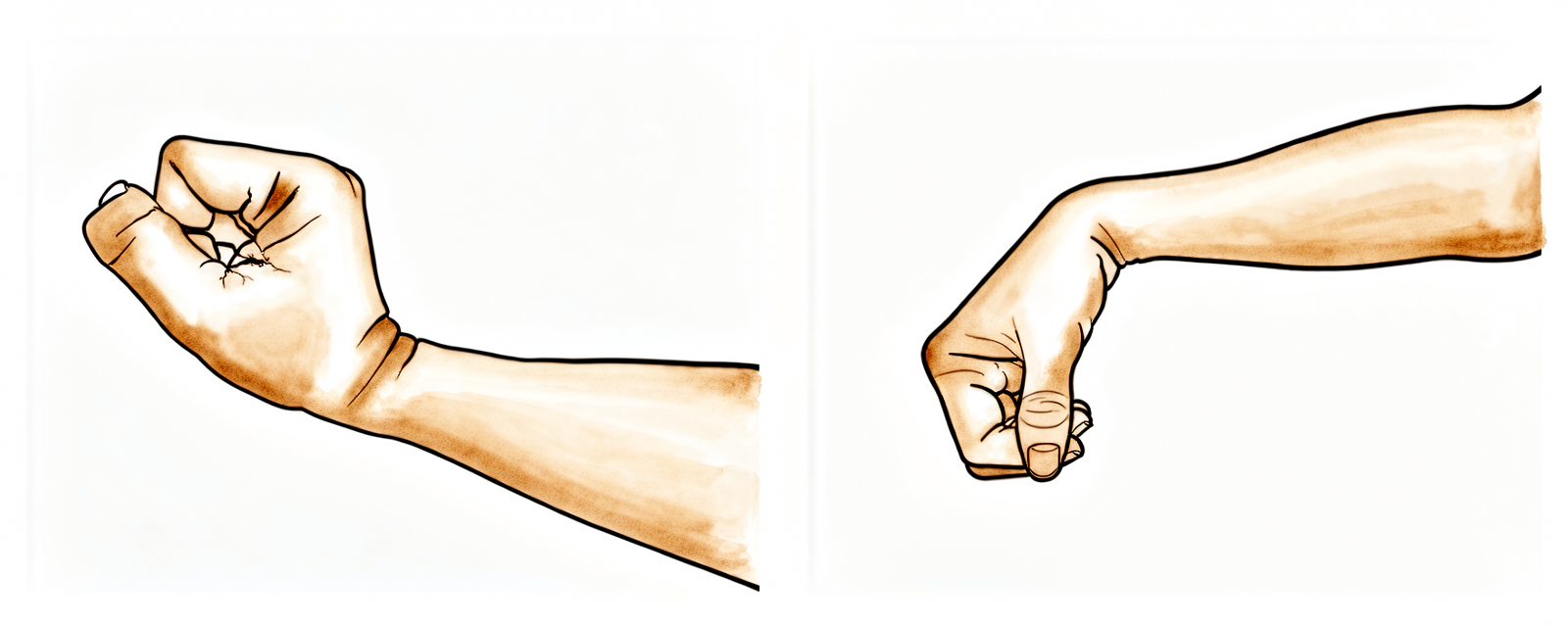
மணிக்கட்டு அசைவு
உங்கள் மணிக்கட்டை முன்னோக்கியும், பின்னோக்கியும், பக்கவாட்டில் இருபுறமும் வளைத்து உங்கள் கையை அசைத்துக்கொண்டே இருங்கள்.
10 முறை, நாளொன்றுக்கு 3 முறை
Kieran Hirpara 4.0
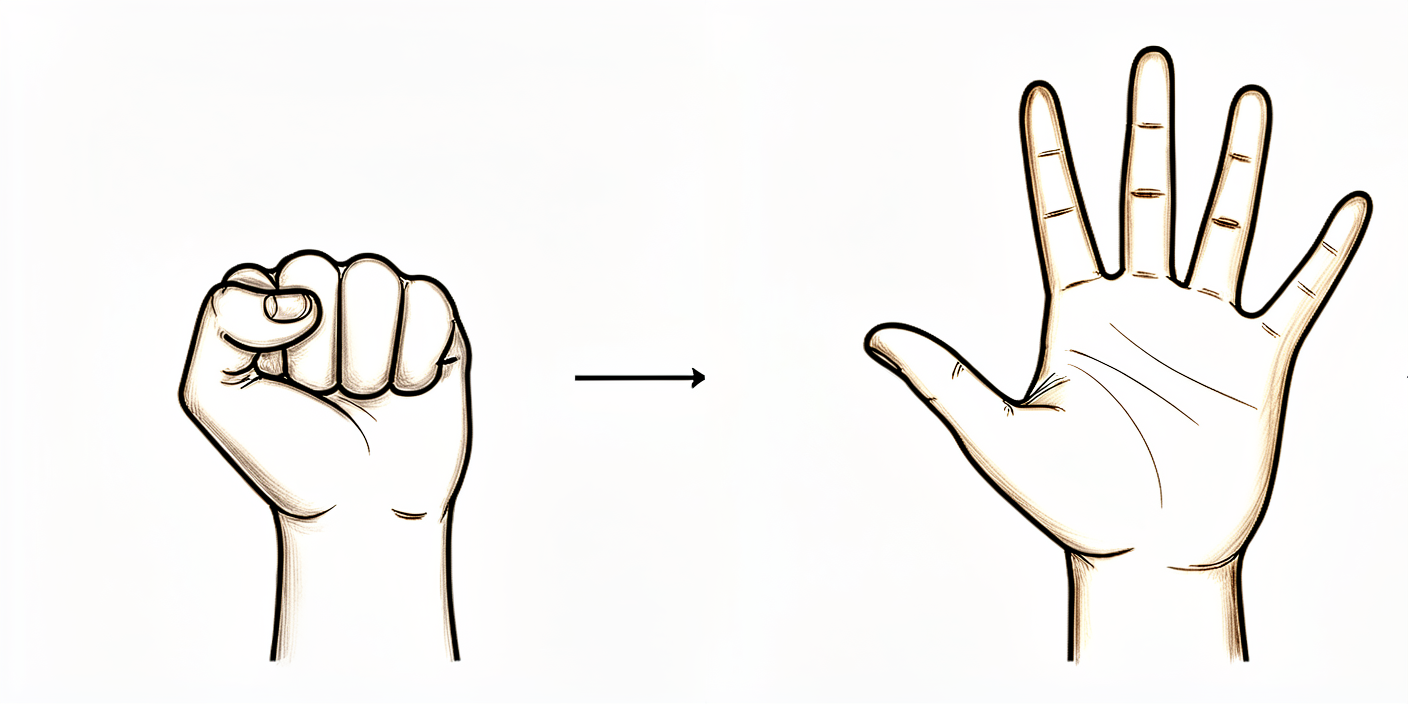
கையை விரித்து மூடுதல்
உங்கள் கையையும் விரல்களையும் விரித்து மூடுவதன் மூலம், அல்லது ஓர் அழுத்தப் பந்தை (stress ball) அழுத்துவதன் மூலம், அவற்றை அசைத்துக்கொண்டே இருங்கள்.
10 முறை, நாளொன்றுக்கு 3 முறை
Kieran Hirpara 4.0
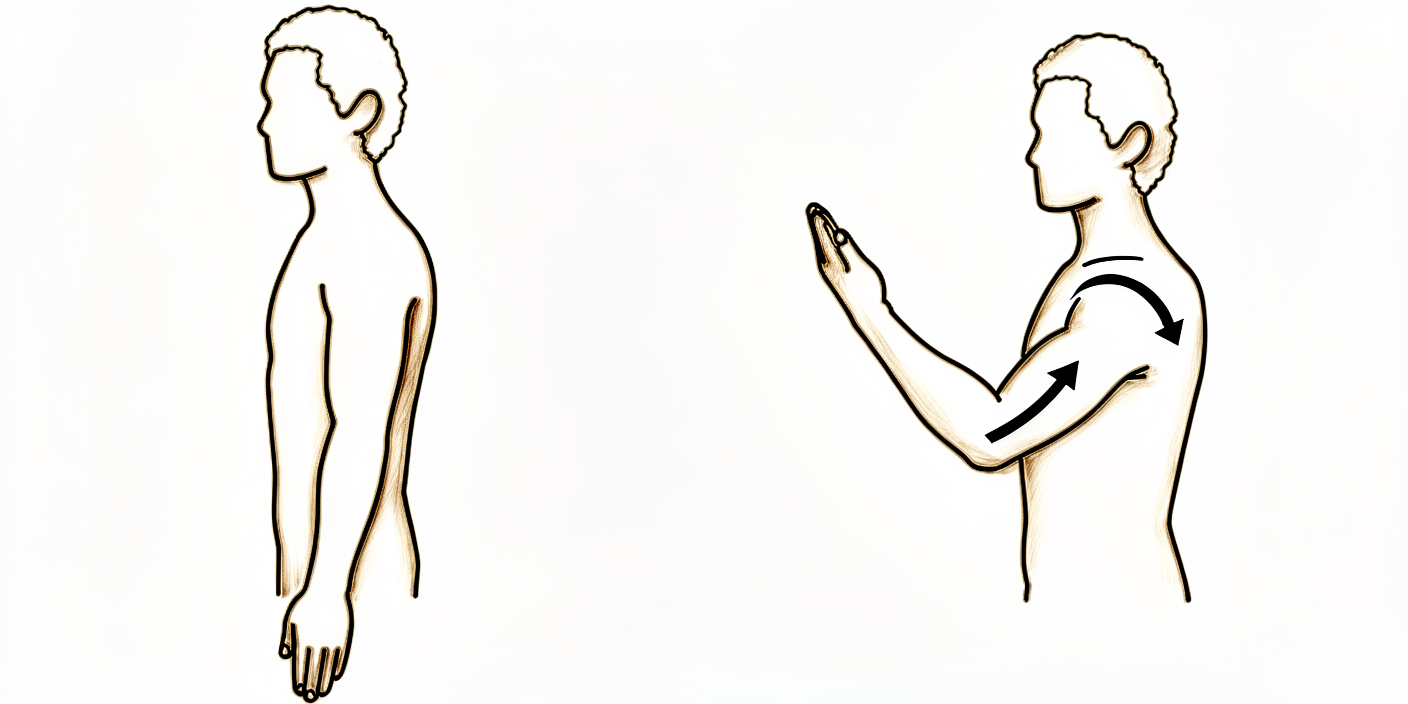
முழங்கையை மடக்குதல்
உங்கள் முழங்கையை மடக்கி நேராக்குங்கள்.
10 முறை, நாளொன்றுக்கு 3 முறை
Kieran Hirpara 4.0
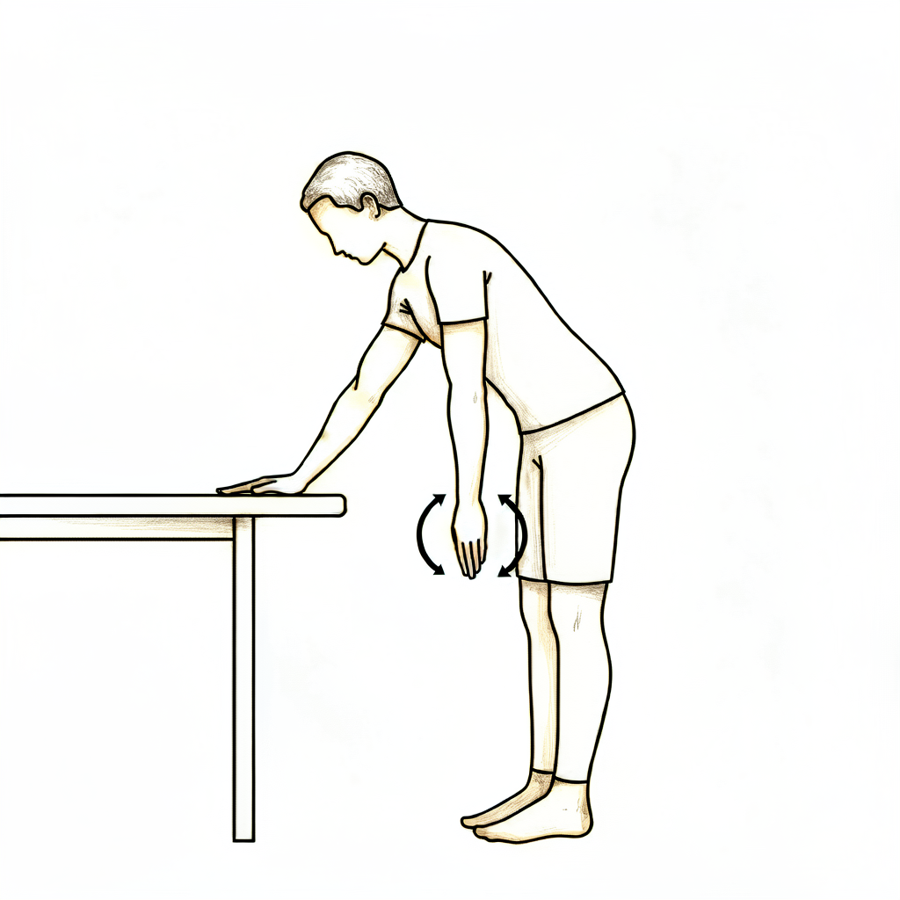
ஊசல் (pendulum) பயிற்சிகள்
இது ஒரு செயலற்ற (passive) பயிற்சி. முன்னோக்கிக் குனிந்து, உங்கள் கை தளர்ந்து கீழே தொங்கட்டும். கையை வலஞ்சுழியாகவோ இடஞ்சுழியாகவோ மென்மையாக அசைக்கவும், அத்துடன் முன்னோக்கியும், பின்னோக்கியும், பக்கவாட்டில் இருபுறமும் அசைக்கவும், உங்கள் உடலைப் பயன்படுத்துங்கள்.
ஒவ்வொரு திசையிலும் சுமார் 30 வினாடிகள், நாளொன்றுக்கு 3 முறை
Kieran Hirpara 4.0
உதவியுடன் முன்னோக்கி உயர்த்துதல்
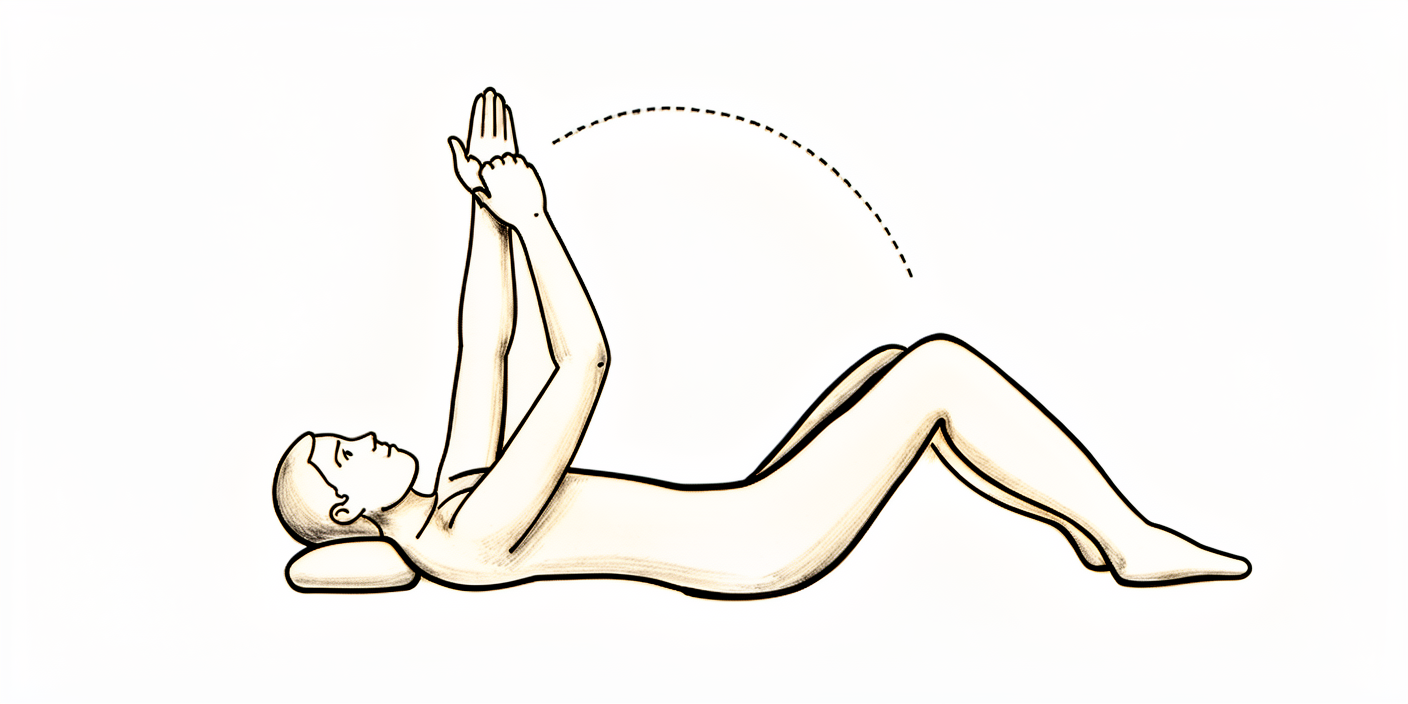
நாற்காலியில் அமர்ந்து முன்னோக்கிச் சாய்ந்து, அறுவை சிகிச்சை செய்த கையை மற்றொரு கையால் தாங்கிப் பிடித்து, உங்களுக்கு முன்னால் அதை மென்மையாக மேல்நோக்கி அசையுங்கள். அறுவை சிகிச்சை செய்யாத கையின் உதவியுடன் அதை மீண்டும் கீழே இறக்குங்கள். நீங்கள் விரும்பினால், படுக்கையில் மல்லாந்து படுத்துக்கொண்டும் கையை மேல்நோக்கி உயர்த்த உதவலாம்.
10 முறை, நாளொன்றுக்கு 3 முறை
Kieran Hirpara 4.0
உதவியுடன் பக்கவாட்டில் விரித்தல்
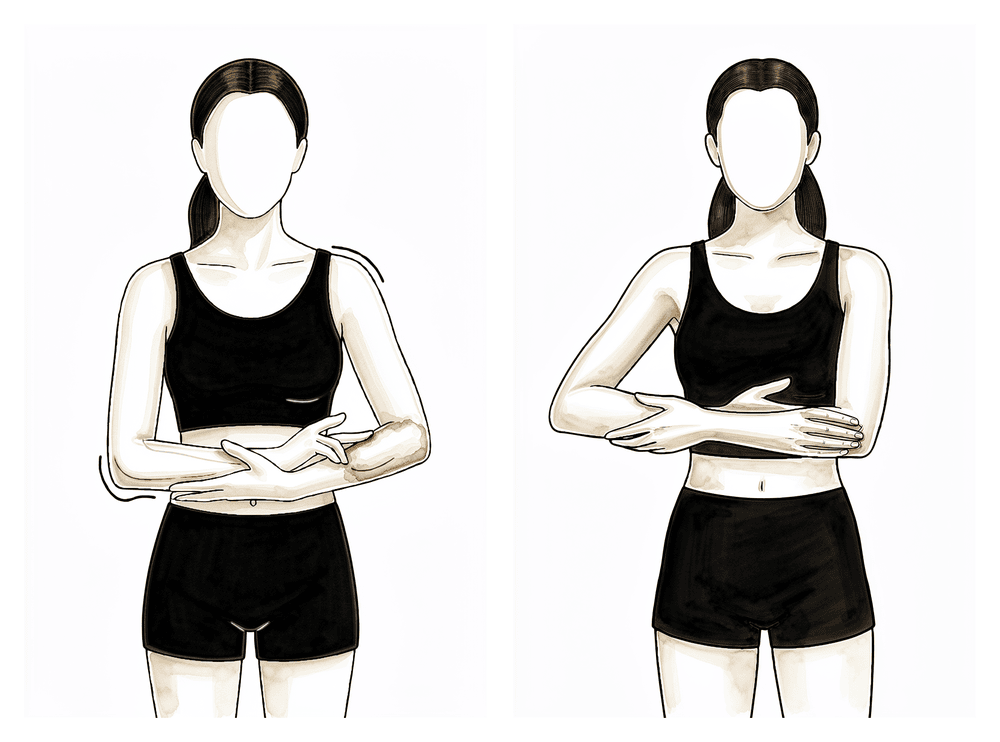
நாற்காலியில் அமர்ந்து முன்னோக்கிச் சாய்ந்து, மீண்டும் கையைத் தாங்கிப் பிடித்து, அதைப் பக்கவாட்டில் வெளியே கொண்டு செல்ல உதவுங்கள் (குழந்தையைத் தொட்டிலாட்டுவது போல).
10 முறை, நாளொன்றுக்கு 3 முறை
Kieran Hirpara 4.0
வெளிப்புறச் சுழற்சி
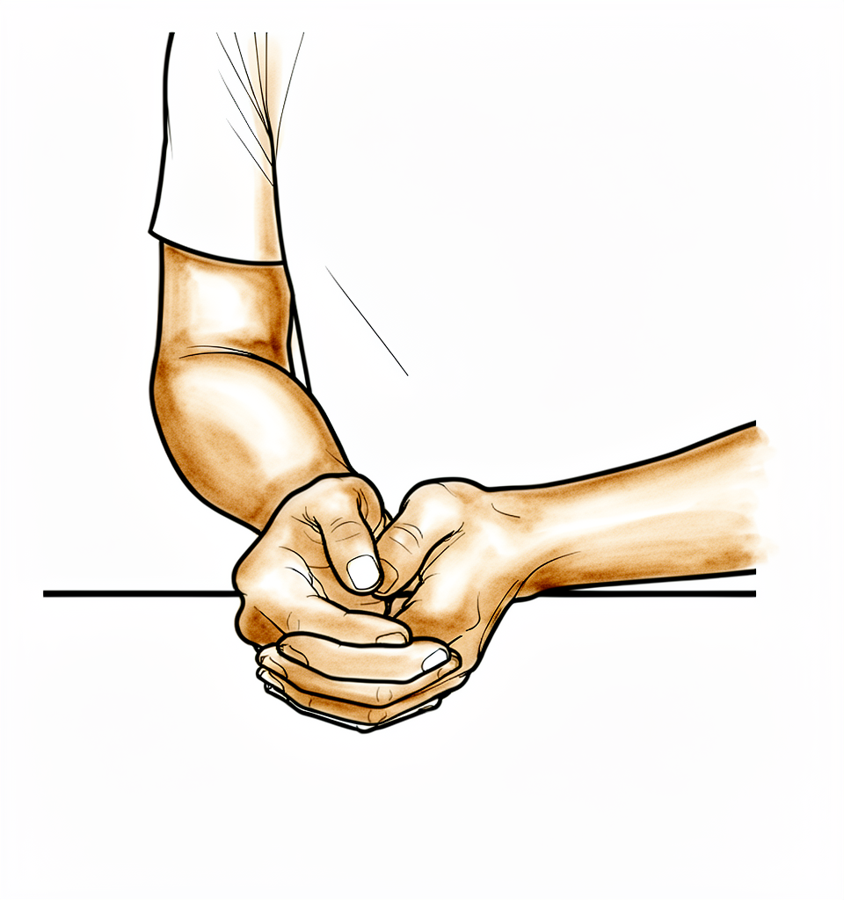
நாற்காலியில் அமர்ந்து, கைத்தாங்கியில் அது இருக்கும் நிலையிலிருந்து உங்களுக்கு நேர் முன்னால் சுட்டிக்காட்டும் நிலை வரை மட்டுமே உங்கள் கையை அசையுங்கள். அதற்கு மேல் வெளிப்புறமாகச் செல்ல வேண்டாம்.
10 முறை, நாளொன்றுக்கு 3 முறை
Kieran Hirpara 4.0
கீழ் ட்ரெப்பீசியஸ் (lower trapezius) தசையை இறுக்குதல்
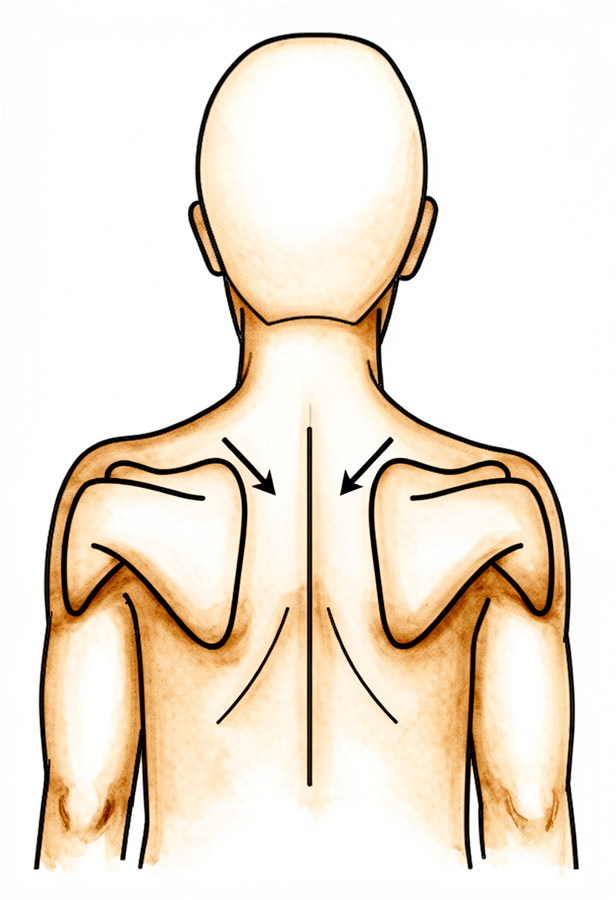
உங்கள் தோள்பட்டை எலும்புகளை (shoulder blades) கீழ்நோக்கியும் ஒன்றோடொன்று நெருக்கியும் இறுக்குங்கள்.
5 வினாடிகள் பிடித்து வைக்கவும், 5 முறை, நாளொன்றுக்கு 3 முறை
Kieran Hirpara 4.0
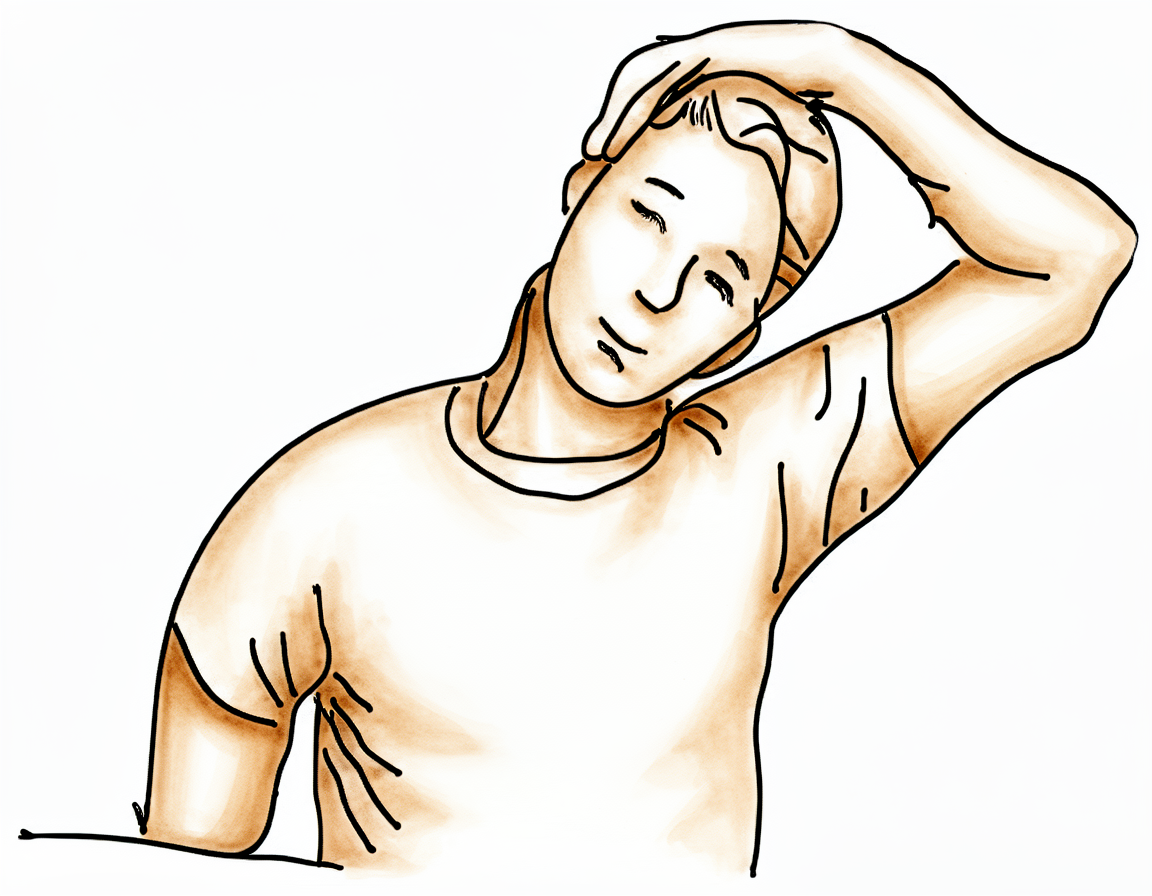
மேல் ட்ரெப்பீசியஸ் (upper trapezius) நீட்சி
அறுவை சிகிச்சை செய்த பக்கத்திலிருந்து விலகி, உங்கள் காதைத் தோள்பட்டையை நோக்கிக் கொண்டு வர, அறுவை சிகிச்சை செய்யாத கையைப் பயன்படுத்துங்கள்.
10 வினாடிகள் பிடித்து வைக்கவும், 3 முறை, நாளொன்றுக்கு 3 முறை
Kieran Hirpara 4.0
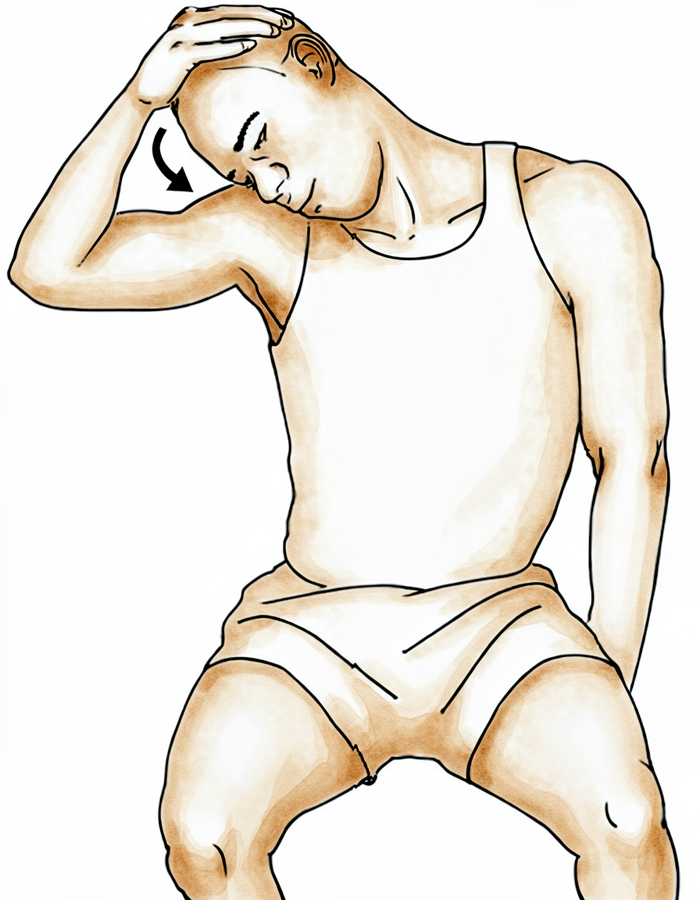
லெவேட்டர் ஸ்கேபுலே (levator scapulae) நீட்சி
அறுவை சிகிச்சை செய்த பக்கத்திலிருந்து விலகி, உங்கள் மூக்கை அக்குள் பகுதியை நோக்கிக் கொண்டு வர, அறுவை சிகிச்சை செய்யாத கையைப் பயன்படுத்துங்கள்.
10 வினாடிகள் பிடித்து வைக்கவும், 3 முறை, நாளொன்றுக்கு 3 முறை
இந்த மென்மையான பயிற்சிகளை மருத்துவமனையில் தொடங்கி, வீட்டிலும் அவற்றைத் தொடருங்கள். அவை வசதியாக இருக்க வேண்டும்; வலி அதிகரித்தால் சற்று பின்வாங்குங்கள்.
உங்கள் கைத்தாங்கியை அணிதல்
- உங்கள் பயிற்சிகளுக்காகவும் குளிப்பதற்காகவும் கைத்தாங்கியிலிருந்து (sling) உங்கள் கையை வெளியே எடுக்க அனுமதி உண்டு.
- குறிப்பாக வீட்டை விட்டு வெளியே செல்லும்போது, 6 வாரங்களுக்கு நீங்கள் உங்கள் கைத்தாங்கியை அணிய வேண்டும்.
- கைத்தாங்கியை அணிந்து தூங்க வேண்டிய அவசியம் இல்லை.
- தேவைப்பட்டால் வலி நிவாரணத்திற்கு ஐஸ் பயன்படுத்துங்கள்.
- கைத்தாங்கியை அணிந்திருக்கும்போது, உங்கள் தோள்பட்டையைத் தளர்த்தி, உங்கள் கையின் எடையைக் கைத்தாங்கி தாங்கட்டும்.
- உங்கள் பயிற்சிகளைச் செய்வதற்கு முன்பும், உங்கள் இயன்முறை சிகிச்சைச் சந்திப்புகளுக்கு முன்பும் உங்கள் வலி நிவாரணிகளை எடுத்துக்கொள்ளுங்கள்.
- நீங்களே உங்கள் இயன்முறை சிகிச்சையை ஏற்பாடு செய்துகொள்ளவில்லை என்றால், உங்களுக்காக ஒரு சந்திப்பு ஏற்பாடு செய்யப்பட்டுள்ளது; அதன் விவரங்கள் வீடு திரும்பும்போது தரப்படும் ஆவணங்களில் (discharge pack) உள்ளன.
- ஏதேனும் சிக்கல் இருந்தால், கிளினிக்கைத் தொடர்பு கொள்ளுங்கள் அல்லது உங்கள் இயன்முறை சிகிச்சையாளரிடம் தெரிவியுங்கள்.
நீங்கள் வீட்டுக்குச் செல்லும்போது
நீங்கள் வீடு திரும்பியதும், உங்கள் அறுவை சிகிச்சைக்கான முழு மறுவாழ்வு நெறிமுறையுடன் (protocol) உங்கள் மீட்சி தொடர்கிறது: சுழற்சி தசைநாண் பட்டை பழுதுபார்ப்பு; முன்புற நிலைப்படுத்தல் & லேட்டர்ஜே; பின்புற நிலைப்படுத்தல்.
உங்கள் நெறிமுறைக்குப் பிறகு
சுழற்சி தசைநாண் பட்டை பழுதுபார்ப்புக்கும் தோள்பட்டை நிலைப்படுத்தலுக்கும் பொதுவான, மருத்துவமனையில் தொடங்கும் புள்ளியே இந்த ஆரம்பகாலப் பயிற்சிகள்: பழுதுபார்ப்பு பாதுகாக்கப்படும்போது, கை, முழங்கை, தோள்பட்டை ஆகியவை மென்மையாக அசைந்துகொண்டே இருக்க இவை உதவுகின்றன. அளவுகள் நிலையானவை அல்ல, வழக்கமானவை; உங்கள் தோள்பட்டை எப்படி மீள்கிறது என்பதன் அடிப்படையில், கிளினிக்குடன் இணைந்து பணியாற்றும் உங்கள் இயன்முறை சிகிச்சையாளர் உங்கள் தொடர் மறுவாழ்வுப் பயிற்சிக்குத் தனிப்பட்ட முறையில் வழிகாட்டுவார். இந்தப் பக்கம் கிளினிக்கின் பொதுவான மீட்சி ஆலோசனைகளுடன் இணைந்து செயல்படுகிறது: அறுவை சிகிச்சைக்குப் பிந்தைய வலியைக் கையாளுதல் மற்றும் காயப் பராமரிப்பு பக்கங்களைப் பாருங்கள். அறுவை சிகிச்சைக்கே உரிய முழுமையான பாடத்திட்டம் உங்கள் சொந்த நெறிமுறையில் (மேலே இணைக்கப்பட்டுள்ளது) தொடர்கிறது. இந்த ஆரம்பகட்டத்தின் பின்னணியில் உள்ள ஆதாரங்கள் (தசைநாண் பட்டை பழுதுபார்ப்புக்குப் பிறகு ஆரம்பகால அசைவுக்கும் தாமதப்படுத்தப்பட்ட அசைவுக்கும் இடையிலான ஆய்வுகள், மற்றும் நிலைப்படுத்தலுக்குப் பிறகு கையை அசைவின்றி வைத்திருப்பது குறித்த ஆதாரங்கள்) ஆதாரப் பிரிவில் சுருக்கமாகத் தரப்பட்டுள்ளன; அது இந்தப் பக்கத்தின் மேற்பகுதியிலிருந்து PDF ஆகக் கிடைக்கிறது.
Evidence & references
This is the clinical evidence summary written for health professionals. It is technical, and it lists the research this page was built from. You do not need to read it to understand your treatment or to make a decision about it.
Topic scope: This is the early in-hospital / early-protected phase of a combined pathway covering patients who had a rotator cuff repair and/or a shoulder stabilisation procedure (anterior labral/Bankart repair, Latarjet, or posterior labral/capsular repair). It deliberately stops at the point of discharge plus the first protected weeks — the gentle hand/elbow/shoulder exercises that keep the limb moving while the repair is protected by the sling. The full, operation-specific rehabilitation course lives in the parent protocols, which this page hands the patient back to once they go home:
Defining principle of this early phase — PROTECT the repair: Unlike a frozen-shoulder release (where immediate aggressive motion is the goal), a cuff repair and a labral/capsular stabilisation both create a construct that must heal undisturbed. So the early phase is the same for both: sling immobilisation, gentle/passive-only motion within safe limits, and NO active or resisted shoulder work. Tendon-to-bone and labrum-to-bone healing is weak in the first weeks, so the sling and the movement limits are the protectors. The hand, wrist and elbow are kept moving freely throughout (these don't stress the repair) to prevent swelling and stiffness; the shoulder itself is only moved passively/with assistance within the limits the surgeon and physiotherapist set.
The early in-hospital phase (what this page covers)
In the first hours-to-days after surgery the aims are simple and shared across both operation families:
- Protect the repair — arm in the sling, no active lifting or reaching, no loading.
- Keep the rest of the limb moving — wrist, fingers and elbow exercises to prevent swelling and stiffness (these put no stress on the cuff or labral repair).
- Gentle, assisted shoulder motion only — pendulums and assisted/passive elevation within a safe arc; for an anterior repair, external rotation is limited; for a posterior repair, internal rotation and reaching behind the back are limited (the at-risk directions are opposite).
- Pain control and a safe discharge plan — analgesia before exercise, sling instructions, and a physiotherapy follow-up arranged in the discharge pack.
The standalone protocols then drive the rest of recovery (the full sling-weaning schedule, when active motion and strengthening begin, and return to work/sport). The same first-phase principles appear at the head of each of those protocols — this inpatient page simply consolidates that shared early phase for patients who had the procedure(s) performed together or are still in hospital.
Evidence by theme
Theme 1 — Early vs delayed motion after rotator cuff repair (the central debate)
This is the best-studied question that shapes the early phase, and the corpus is rich on it. Two competing concerns: early passive motion reduces post-operative stiffness, while delayed/immobilisation may better protect tendon-to-bone healing (lower retear), especially in larger tears.
- Multiple RCTs and systematic reviews of overlapping meta-analyses converge on the same bottom line: early and delayed passive motion give superior early range of motion for the early group but equivalent final outcomes by ~6–12 months for small-to-medium tears — so timing is largely surgeon preference and does not change the end result [Saltzman 2017; Mazzocca 2017].
- For large/massive tears the balance tilts toward a delayed / protected approach to favour healing [systematic-review/meta-analysis evidence; BMC Musculoskelet Disord 2025].
- A "knowing the speed limit" theme runs through the reviews: tendon repairs are mechanically weak early, and very aggressive early therapy can compromise the construct [Thigpen 2015 review].
Practical consequence for this page: the early in-hospital phase is passive/assisted-only with the sling on regardless of which approach the surgeon ultimately chooses for the home phase — the disagreement in the literature is about how soon to progress, not about whether to protect the repair in the first days. A defining surgical decision (early vs delayed progression, and how it is size-stratified) is made by the surgeon and detailed in the cuff-repair protocol.
Theme 2 — Immobilisation after stabilisation (anterior and posterior)
The stabilisation literature also supports an early protected phase, though high-level evidence is sparser and protocols are more consensus-driven.
- Anterior (Bankart/capsulolabral) repair: the American Society of Shoulder and Elbow Therapists' consensus guideline recommends 0–4 weeks of absolute immobilisation, then relative immobilisation (out of the sling only for exercises) to ~6 weeks, with no forced external rotation/extension for ~3 months; early ER is progressed gradually (e.g. ~15° at 0–2 wk → ~35° at 2–4 wk → ~55° at 4–6 wk). A simple sling is used in the large majority of published protocols.
- Posterior (labral/capsular) repair: the precaution is reversed — the sling is positioned in slight abduction and neutral/slight external rotation, the arm is kept in front of the body, and internal rotation, adduction and reaching behind the back are avoided early. Posterior instability is uncommon (~3–5%), so the protocols are biomechanically reasoned (Level IV–V) rather than RCT-tested.
- Both share the same headline as the cuff-repair early phase: sling on, gentle motion within the safe arc, no active/resisted shoulder work while the labrum/capsule heals.
Early-phase timeline (consolidated; first weeks only)
This focuses on the shared early-protected window and is consistent with the synthesis page. The full operation-specific schedules continue in the parent protocols.
| Phase | Window | Sling | Shoulder motion | Active / strengthening | Notes |
|---|---|---|---|---|---|
| Inpatient / immediate | Day 0 — discharge | On at all times (off only for exercises & showering) | Wrist/hand/elbow moving freely; pendulums; gentle assisted/passive elevation within safe limits | None for the shoulder (no active lift, no resisted work) | Analgesia before exercises; ice for comfort; physiotherapy follow-up arranged |
| Early protected | Week 0–6 | Worn ~6 weeks, especially out of the house; not needed for sleep | Continue gentle assisted/passive motion within limits — anterior repair: limit external rotation; posterior repair: limit internal rotation / no reaching behind the back | Still no active/resisted shoulder work | The sling and the direction limits are the protectors; ease back if pain rises |
| Handover to parent protocol | ~Week 6 onward | Weaned per the operation-specific protocol | Active-assisted → active motion begins in the parent protocol, not here | Strengthening begins later (cuff repair typically ~12 wk; stabilisation per its own schedule) | Recovery continues with the rotator cuff repair, anterior stabilisation & Latarjet, or posterior stabilisation protocol |
The sling duration, the exact motion limits, and when active motion and strengthening begin are surgeon-set clinical decisions; the windows above are the typical shared early phase, not trial-derived precise cut-offs.
Key controversies / evidence quality
- Early vs delayed progression after cuff repair is the one well-studied question, and it is about the home phase rather than the in-hospital phase. RCTs/meta-analyses show equivalent final outcomes for small/medium tears and a protect-healing tilt for large/massive tears — the early in-hospital protected phase is common ground either way. Strong (RCT / SR-MA), but Cochrane-level certainty for any single optimal schedule remains low.
- Stabilisation immobilisation duration and sling position are largely consensus/biomechanical — there is no RCT defining the optimal early regimen, and posterior protocols in particular are extrapolated. Weak–moderate / consensus.
- The combined early-phase protocol itself is a surgeon patient-guidance consolidation, not a trial-derived schedule. It is deliberately brief and defers to the parent protocols for the full course.
Evidence-strength flags (summary)
- STRONG (RCT / SR-MA): early-vs-delayed passive motion after cuff repair → equivalent final outcomes for small/medium tears, protect-healing tilt for large/massive (Saltzman 2017; Mazzocca 2017; BMC Musculoskelet Disord 2025 SR-MA).
- MODERATE / CONSENSUS: anterior stabilisation immobilisation schedule (ASSET/JOSPT consensus guideline); graded early ER limits.
- WEAK / CONSENSUS (Level IV–V): posterior stabilisation sling position and precautions (biomechanical, no RCT); the consolidated early in-hospital protocol itself.
Citations
RAG corpus (180,000+ Orthopaedic articles)
- Saltzman BM, Zuke WA, Go B, et al. Early Versus Delayed Motion After Rotator Cuff Repair: A Systematic Review of Overlapping Meta-analyses. Am J Sports Med. 2017. DOI: 10.1177/0363546517692543
- Mazzocca AD, Arciero RA, Shea KP, et al. The Effect of Early Range of Motion on Quality of Life, Clinical Outcome, and Repair Integrity After Arthroscopic Rotator Cuff Repair. Arthroscopy. 2017. DOI: 10.1016/j.arthro.2016.10.017
- Effects of early exercise and immobilization after arthroscopic rotator cuff repair surgery: a systematic review and meta-analysis of randomized controlled trials. BMC Musculoskelet Disord. 2025. DOI: 10.1186/s12891-025-08500-7
- Which is better? Early versus delayed rehabilitation after arthroscopic rotator cuff repair. Knee Surg Sports Traumatol Arthrosc. 2024. DOI: 10.1002/ksa.12129
- Thigpen CA, Shaffer MA, Kissenberth MJ. Knowing the Speed Limit (post-cuff-repair rehab progression). Clin Sports Med. 2015. DOI: 10.1016/j.csm.2014.12.007
- Rehabilitation Following Arthroscopic Rotator Cuff Repair. J Bone Joint Surg. DOI: 10.2106/jbjs.m.00034
- Anterior Shoulder Instability Part I — Diagnosis, Nonoperative Management, and Bankart Repair — An International Consensus Statement. Arthroscopy. 2021. DOI: 10.1016/j.arthro.2021.07.022
Literature / consensus guidelines (URLs)
- The American Society of Shoulder and Elbow Therapists' Consensus Rehabilitation Guideline for Arthroscopic Anterior Capsulolabral Repair of the Shoulder. JOSPT. 2010. https://www.jospt.org/doi/10.2519/jospt.2010.3186
- Rehabilitation Protocol Variability Following Arthroscopic Bankart Repair and Remplissage: A Systematic Review. Int J Sports Phys Ther. https://pmc.ncbi.nlm.nih.gov/articles/PMC11446737/
- Current Concepts in Rehabilitation for Traumatic Anterior Shoulder Instability. PMC. https://pmc.ncbi.nlm.nih.gov/articles/PMC5685970/
- Rehabilitation Following Posterior Shoulder Stabilization (clinical commentary). PMC8168996. https://pmc.ncbi.nlm.nih.gov/articles/PMC8168996/
Published patient/rehab protocols (basis for the early-phase structure)
- Massachusetts General Hospital — Rehabilitation Protocol for Bankart Repair. https://www.massgeneral.org/assets/MGH/pdf/orthopaedics/sports-medicine/physical-therapy/rehabilitation-protocol-for-bankart-repair.pdf
- University of Virginia Sports Medicine — Posterior Labral Repair Rehabilitation Protocol. https://med.virginia.edu/orthopaedic-surgery/wp-content/uploads/sites/242/2021/06/Posterior-Labral-Repair.pdf
- Brigham & Women's Hospital — Arthroscopic Rotator Cuff Repair Protocol (early protected phase, tear-size stratification). https://www.brighamandwomens.org/assets/BWH/patients-and-families/rehabilitation-services/pdfs/shoulder-arthroscopic-rct-repair-protocol-hybrid-patient-therapist.pdf





