

பகுதி மணிக்கட்டு இணைப்பு (Partial Wrist Fusion) தகவல்
Mater Private Hospital Rockhampton-இல் டாக்டர் கியரன் ஹிர்பராவுடன் செய்யப்படும் பகுதி மணிக்கட்டு இணைப்பு (partial wrist fusion) அறுவை சிகிச்சைக்குப் பிறகு உங்கள் மீட்சிக்கு இந்த நெறிமுறை (protocol) வழிகாட்டுகிறது; இந்த அறுவை சிகிச்சையில் தேய்ந்துபோன ஸ்காஃபாய்டு (scaphoid) எலும்பு அகற்றப்பட்டு, மணிக்கட்டின் நடுவில் உள்ள சிறிய எலும்புகள் ஒன்றாக இணைக்கப்படுகின்றன — பெரும்பாலும் கேபிடேட் (capitate) எலும்பு லூனேட் (lunate) எலும்புடன், ஒரு கேபிடோலூனேட் இணைப்பாக (capitolunate fusion). இது உங்கள் வீட்டுப் பயிற்சித் திட்டத்துடன் தொடங்குகிறது; அதைத் தொடர்ந்து உங்கள் கை சிகிச்சையாளருக்காக (hand therapist) எழுதப்பட்ட முறைப்படுத்திய மருத்துவ நெறிமுறை வருகிறது: உங்கள் மறுவாழ்வுப் பயிற்சி ஒருங்கிணைந்து இருக்க, இந்தப் பக்கத்தையோ அதன் PDF-ஐயோ உங்கள் முதல் சிகிச்சைச் சந்திப்புக்குக் கொண்டு வாருங்கள். உங்கள் மீட்சி எப்படி முன்னேறுகிறது என்பதைப் பொறுத்து உங்கள் கை சிகிச்சையாளர் இந்தத் திட்டத்தை மாற்றியமைக்கலாம்.
அறுவை சிகிச்சைக்குப் பிறகு உங்கள் காயம் பற்றி ஏதேனும் கவலை இருந்தால், கிளினிக்கைத் தொடர்பு கொள்ளுங்கள். காயத்தைப் புகைப்படம் எடுத்து, பார்வையிடுவதற்காக மின்னஞ்சலில் அனுப்புவது பெரும்பாலும் உதவியாக இருக்கும்.
என்ன எதிர்பார்க்கலாம்
பழைய ஸ்காஃபாய்டு எலும்புப் பிரச்சினையைத் தொடர்ந்து வரும் பாதையில் தேய்ந்துபோன (மூட்டழற்சி) ஒரு மணிக்கட்டுக்குப் பகுதி மணிக்கட்டு இணைப்பு சிகிச்சையளிக்கிறது: அந்தப் பிரச்சினை ஸ்காஃபோலூனேட் தசைநார்க் காயமாக (ஒரு "SLAC" மணிக்கட்டு) இருக்கலாம், அல்லது ஒருபோதும் குணமாகாத பழைய ஸ்காஃபாய்டு முறிவாக (ஒரு "SNAC" மணிக்கட்டு) இருக்கலாம். சேதமடைந்த ஸ்காஃபாய்டு அகற்றப்படுகிறது; மணிக்கட்டின் நடுப்பகுதி எலும்புகள் இனி ஒன்றோடொன்று உராயாதபடி ஒன்றாக இணைக்கப்படுகின்றன. டாக்டர் ஹிர்பரா பெரும்பாலும் கேபிடேட் எலும்பை லூனேட் எலும்புடன் இணைக்கிறார் (ஒரு கேபிடோலூனேட் இணைப்பு), சில சமயங்களில் அண்டை எலும்புகளையும் சேர்த்து; லூனேட், கேபிடேட், டிரைகுவெட்ரம் (triquetrum), ஹேமேட் (hamate) ஆகிய அனைத்தும் இணைக்கப்படும்போது அது நான்கு-மூலை இணைப்பு (four-corner fusion) என்று அழைக்கப்படுகிறது; அதுவும் இதே மீட்சிக் கோட்பாடுகளையே பின்பற்றுகிறது.
இந்த அறுவை சிகிச்சையின் பின்னால் உள்ள முக்கியக் கருத்து என்னவென்றால், மணிக்கட்டின் ஒரு பகுதி மட்டுமே இணைக்கப்படுகிறது, முழுவதும் அல்ல. லூனேட் எலும்புக்கும் முன்கை எலும்புக்கும் (ரேடியஸ் — radius) இடையிலான மூட்டு வேண்டுமென்றே தொடாமல் விடப்படுகிறது. அப்படிப் பாதுகாக்கப்பட்ட அந்த மூட்டுதான் மணிக்கட்டு தொடர்ந்து அசைய அனுமதிக்கிறது:
- தேய்ந்த மேற்பரப்புகளை இணைப்பது வலியை நீக்குகிறது: அதுவே முக்கிய இலக்கு; அது நம்பகமான முறையில் அடையப்படுகிறது.
- ரேடியஸ்–லூனேட் மூட்டைத் தக்க வைப்பது என்பது, பயனுள்ள அசைவை நீங்கள் தக்க வைப்பதாகும். ஈடுகொடுப்பு என்னவென்றால் அசைவு குறைகிறது: பெரும்பாலானோருக்கு முன்பு இருந்த மடக்கும் வரம்பில் தோராயமாகப் பாதி முதல் மூன்றில் இரண்டு பங்கு வரையும், மறுபக்கத்தின் பிடி வலிமையில் சுமார் முக்கால் பங்கும் எஞ்சுகின்றன. இது இயல்பான, எதிர்பார்க்கப்படும் விளைவு (ஒரு சிக்கல் அல்ல); வலிமிகுந்த, தேய்ந்த ஒரு மணிக்கட்டுக்கு இது பொதுவாக மிகவும் பயனுள்ள ஒரு பரிமாற்றம்.
ஒரு முறிவைப் போலவே, இணைக்கப்பட்ட எலும்புகளும் உறுதியாக ஒன்றாக ஒட்டிக்கொள்ளக் கால அவகாசம் தேவை. இது நடக்கும்போது, சுமார் முதல் ஆறு வாரங்களுக்கு மணிக்கட்டு ஒரு சிம்பில் (splint) அசையாமல் வைக்கப்படுகிறது. அந்தக் காலத்தில் விரல்கள், கட்டைவிரல், முன்கை ஆகியவை சுதந்திரமாக அசைந்துகொண்டே இருக்கின்றன; ஆனால் மணிக்கட்டுக்கு ஓய்வு கொடுக்கப்படுகிறது. எலும்புகள் இணைந்துவிட்டன என்பதை அறுவை சிகிச்சை நிபுணர் எக்ஸ்-ரேயில் உறுதி செய்ததும், மணிக்கட்டு அசைவும், பின்னர் வலுப்படுத்துதலும் கவனமான கட்டங்களாகத் திறக்கப்படுகின்றன. உங்கள் எதிர்பார்ப்புகளை ஆரம்பத்திலேயே அமைத்துக்கொள்வது (முழுமையாக அசையக்கூடிய மணிக்கட்டு அல்ல, வசதியான, பயனுள்ள மணிக்கட்டு) மீட்சியின் ஒரு முக்கியப் பகுதி.
முன்னெச்சரிக்கைகளும் கட்டுப்பாடுகளும்
- இணைப்பு குணமாகிவிட்டது என்பதை உங்கள் அறுவை சிகிச்சை நிபுணர் உறுதி செய்யும்வரை (பொதுவாகச் சுமார் ஆறு வாரங்கள்) உங்கள் மணிக்கட்டைச் சிம்பில் அசையாமல் வைத்திருங்கள்: மணிக்கட்டு அசைக்கப்படுவதற்கு முன் எலும்புகள் ஒட்டிக்கொள்ள வேண்டும்.
- முதல் நாளிலிருந்தே உங்கள் விரல்கள், கட்டைவிரல், முன்கை ஆகியவை அசைந்துகொண்டே இருக்கட்டும்; ஆனால் அனுமதி கிடைக்கும்வரை மணிக்கட்டை அசைக்க வேண்டாம்.
- இணைப்பு உறுதியானது என உறுதி செய்யப்படும்வரை, வலுவாகப் பிடிக்கவோ, தூக்கவோ, தள்ளவோ, இழுக்கவோ, மணிக்கட்டின் வழியாக எடை தாங்கவோ வேண்டாம்: இது குணமாகும் எலும்பையும், தகடு, திருகுகள் அல்லது ஸ்டேபிள்கள் (staples) எதுவாக இருந்தாலும் அவற்றையும் பாதுகாக்கிறது.
- இறுதி அசைவு வரம்பு குறைவாக இருக்கும் என எதிர்பாருங்கள்: இது மணிக்கட்டின் ஒரு பகுதியை இணைத்ததன் திட்டமிட்ட விளைவு; ஏதோ தவறு நடந்துவிட்டதற்கான அறிகுறி அல்ல.
- சிம்பையும் கட்டையும் சுத்தமாகவும் உலர்வாகவும் வைத்திருங்கள்; நீங்கள் சிம்பில் இருக்கும்போதோ, ஸ்டியரிங்கைப் பாதுகாப்பாகக் கட்டுப்படுத்த முடியாதபோதோ வாகனம் ஓட்ட வேண்டாம்.
காயம், வீக்கம், வடு ஆகியவற்றைக் கையாள்வது குறித்து, கிளினிக்கின் காயப் பராமரிப்பு வழிகாட்டுதலைப் பாருங்கள்.
உங்கள் பயிற்சிகள்
Kieran Hirpara 4.0
விரல் மற்றும் கட்டைவிரல் அசைவு
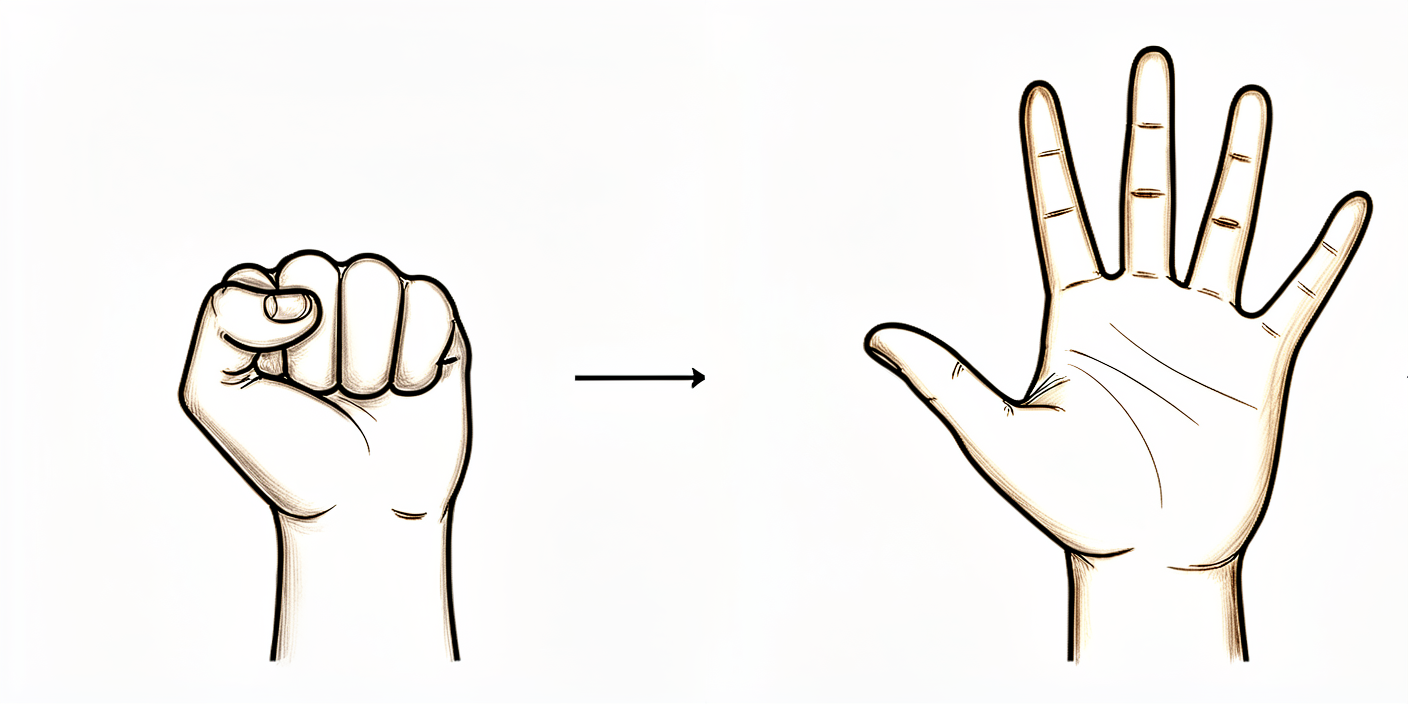
அறுவை சிகிச்சை நாளிலிருந்தே, மணிக்கட்டு பிளாஸ்தர் கட்டிலோ சிம்பிலோ ஓய்வெடுக்கும் அதே வேளையில், உங்கள் விரல்களும் கட்டைவிரலும் அசைந்துகொண்டே இருக்கட்டும். உங்கள் எல்லா விரல்களையும் முழுமையாக நேராக்குங்கள், பின்னர் முழுமையான முஷ்டி மூடுங்கள், பின்னர் ஒவ்வொரு விரலின் நுனியையும் முறையாகக் கட்டைவிரலால் தொடுங்கள். மணிக்கட்டு எலும்புகள் ஒன்றாக ஒட்டிக்கொள்ளும்போது, இது கை விறைத்துப் போவதைத் தடுத்து, தசைநாண்களை நழுவிக்கொண்டே இருக்கச் செய்கிறது. மணிக்கட்டை அசைக்க வேண்டாம்.
ஒவ்வொன்றும் 10 முறை, நாளொன்றுக்குப் பல முறை, தொடக்கத்திலிருந்து தினமும்
Kieran Hirpara 4.0
முன்கைச் சுழற்சி (உள்ளங்கை மேல்நோக்கி / உள்ளங்கை கீழ்நோக்கி)
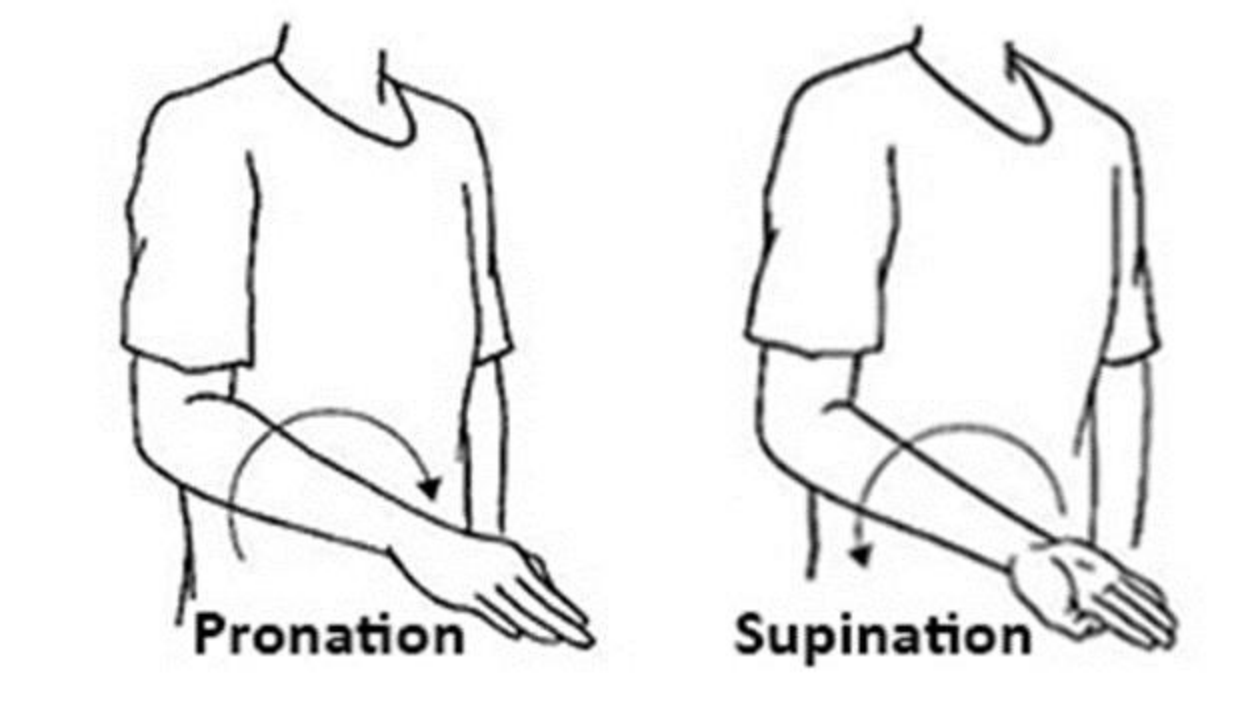
உங்கள் முழங்கையை உடலின் பக்கத்தில் ஒட்டியபடி, செங்கோணத்தில் மடக்கி வைத்து, உங்கள் உள்ளங்கையை மென்மையாக மேல்நோக்கிக் கூரையைப் பார்க்கும்படித் திருப்புங்கள்; பின்னர் கீழ்நோக்கித் தரையைப் பார்க்கும்படித் திருப்புங்கள். அசைவு மணிக்கட்டிலிருந்து அல்ல, முன்கையிலிருந்து வரட்டும். இது முன்கையை நெகிழ்வாக வைத்திருக்கிறது, குணமாகிவரும் இணைப்பைத் தொந்தரவு செய்வதில்லை; எனவே இதை உடனடியாகவே தொடங்கலாம்.
ஒவ்வொரு திசையிலும் 10 முறை, நாளொன்றுக்கு 2–3 முறை
Kieran Hirpara 4.0
மணிக்கட்டு அசைவு (எலும்பு இணைந்த பிறகு)
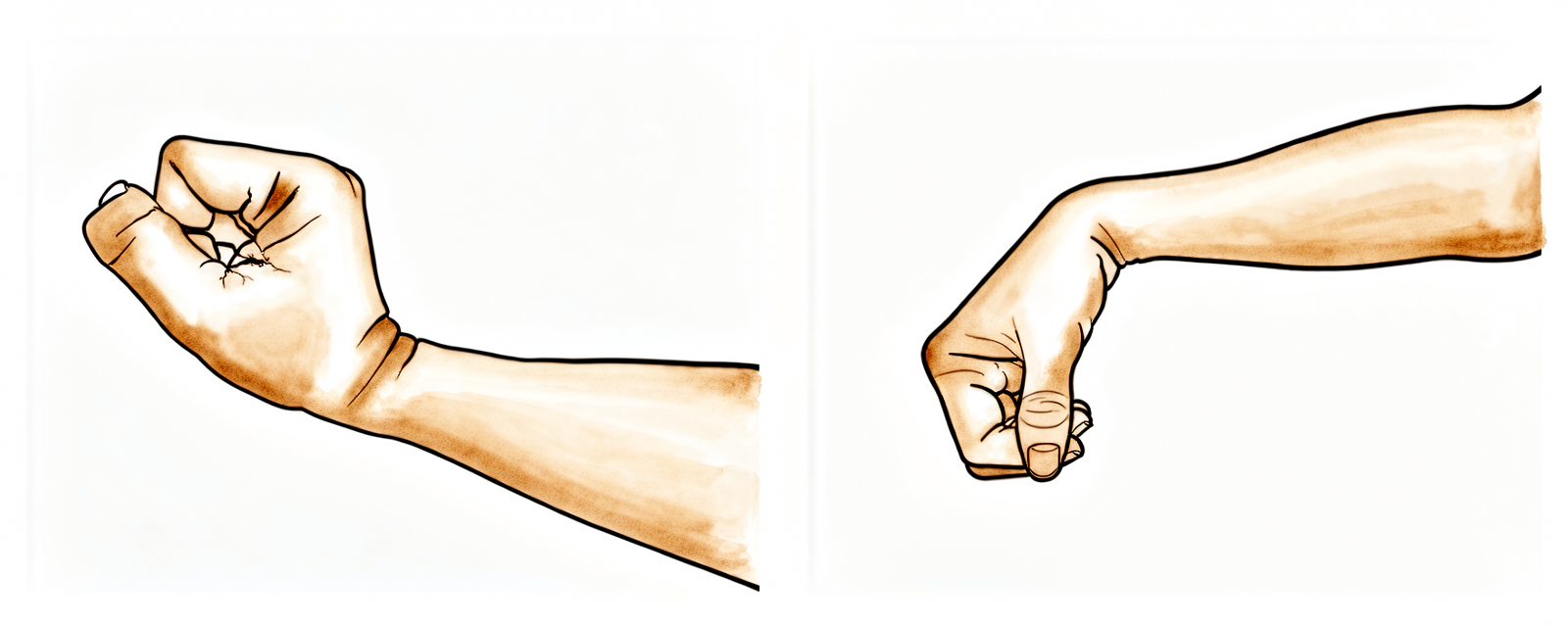
இது ஒரு பிற்கட்டப் பயிற்சி — இணைப்பு குணமாகி, உங்கள் அறுவை சிகிச்சை நிபுணரும் கை சிகிச்சையாளரும் மணிக்கட்டு அசைவுக்கு அனுமதி அளித்த பிறகுதான் (பொதுவாகச் சுமார் ஆறு முதல் எட்டு வாரங்களுக்குப் பிறகு). மணிக்கட்டை மென்மையாக மேல்நோக்கி (பின்னோக்கி) வளைத்து, பின்னர் கீழ்நோக்கி (முன்னோக்கி) வளையுங்கள்; பின்னர் அதைக் கட்டைவிரல் பக்கமும் சுண்டு விரல் பக்கமும் சாயுங்கள் — வசதியான அளவுக்கு மட்டுமே அசையுங்கள். மணிக்கட்டின் இணைக்கப்பட்ட பகுதி அசையாது என்பதை நினைவில் வையுங்கள் — பாதுகாக்கப்பட்ட மூட்டிலிருந்து வரும் அசைவைத்தான் நீங்கள் மீட்டெடுக்கிறீர்கள்; எனவே இறுதி வரம்பு முன்பை விடச் சிறியதாக இருக்கும், அது எதிர்பார்க்கப்படுவதே.
ஒவ்வொரு திசையிலும் 10 முறை, நாளொன்றுக்கு 2–3 முறை, வசதிக்கு உட்பட்டு (எலும்பு இணைந்த பிறகு)
Kieran Hirpara 4.0
வடு பராமரிப்பு
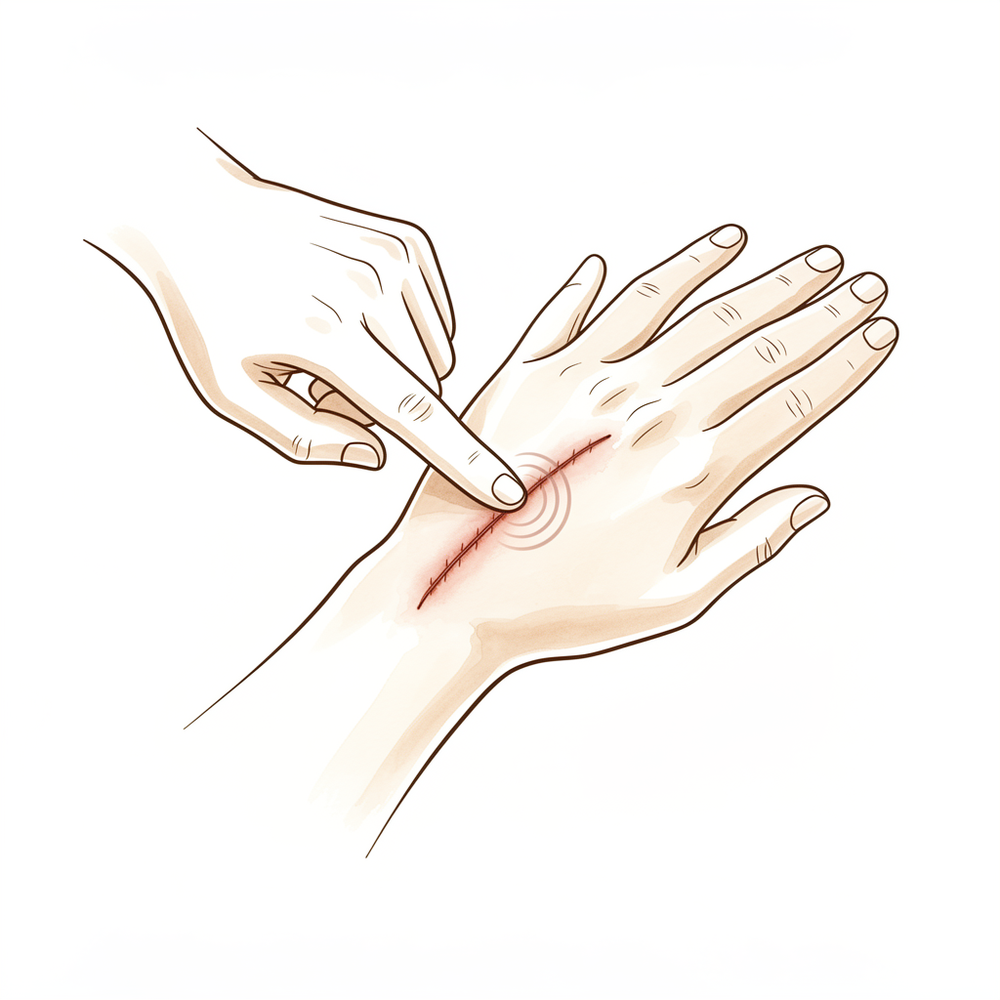
காயம் முழுமையாகக் குணமாகி உலர்ந்ததும், நறுமணமற்ற சிறிதளவு ஈரப்பதக் களிம்புடன், மறுபக்கக் கட்டைவிரலால் சிறிய, உறுதியான வட்டங்களாகச் சில நிமிடங்கள் வடுவை மசாஜ் செய்யுங்கள். இது வடுவை மென்மையாக்கி, உணர்திறனைக் குறைக்கிறது. காயம் மூடி, உங்கள் சிகிச்சையாளர் திருப்தி அடையும்வரை இதைத் தொடங்க வேண்டாம்.
2–3 நிமிடங்கள், நாளொன்றுக்கு இரு முறை, காயம் குணமானதும்
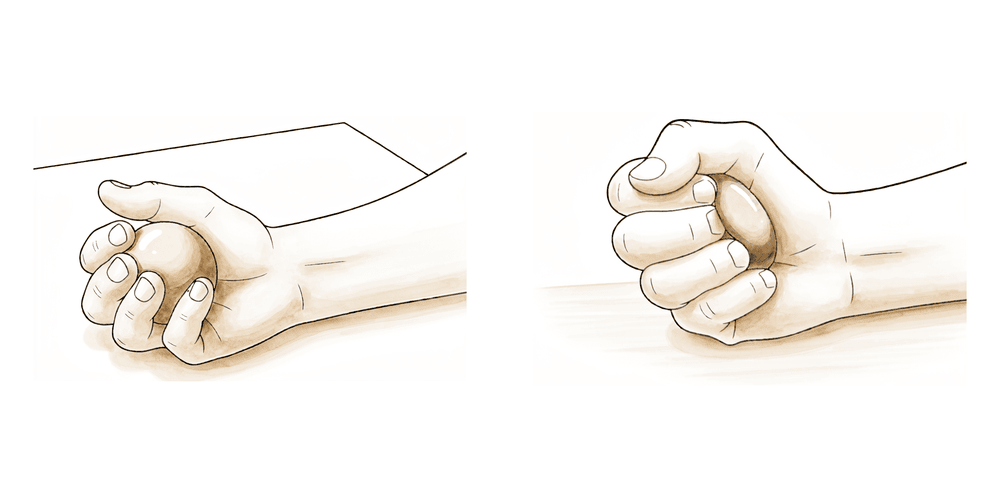
Kieran Hirpara 4.0
பிடி வலுப்படுத்துதல்
இது ஒரு பிற்கட்டப் பயிற்சி — இணைப்பு உறுதியாகி, வலுப்படுத்துதலுக்கு அனுமதி கிடைத்த பிறகுதான் தொடங்கப்படுகிறது (பொதுவாகச் சுமார் பன்னிரண்டு வாரங்களிலிருந்து). ஒரு மென்மையான பந்தையோ சிகிச்சைப் பிசினையோ உள்ளங்கையில் அழுத்தி, சிறிது நேரம் பிடித்து, பின்னர் விடுங்கள். பல வாரங்களில் முயற்சியைப் படிப்படியாக அதிகரியுங்கள். எலும்புகள் முழுமையாக இணைந்துவிட்டன என்று உங்கள் அறுவை சிகிச்சை நிபுணர் உறுதி செய்யும்வரை, வலுவாகப் பிடித்தல், தூக்குதல், மணிக்கட்டின் வழியாக எடை தாங்குதல் ஆகியவை தவிர்க்கப்படுகின்றன.
10–15 முறை அழுத்துதல், நாளொன்றுக்கு 2–3 முறை, படிப்படியாக அதிகரித்தல் (பிற்கட்டம்)
இவை உங்கள் கையேட்டில் உள்ள பயிற்சிகள். டாக்டர் ஹிர்பராவும் உங்கள் கை சிகிச்சையாளரும் வழிகாட்டும்படி மட்டுமே இவற்றைத் தொடங்குங்கள்; உங்களுக்குத் தரப்பட்ட அசைவு வரம்புக்கும் கட்டுப்பாடுகளுக்கும் உட்பட்டு இருங்கள். ஆரம்பப் பயிற்சிகள், குணமாகிவரும் இணைப்பைத் தொந்தரவு செய்யாமல் விரல்கள், கட்டைவிரல், முன்கை ஆகியவற்றை அசைந்துகொண்டே இருக்கச் செய்கின்றன; மணிக்கட்டு அதன் பிளாஸ்தர் கட்டிலோ சிம்பிலோ அசையாமல் இருக்கிறது. மணிக்கட்டு அசைவும் பிடி வலுப்படுத்துதலும் பிற்கட்டங்களுக்கு உரியவை; எலும்புகள் இணைந்துவிட்டன என்பதை உங்கள் அறுவை சிகிச்சை நிபுணர் உறுதி செய்யும்வரை அவற்றைத் தொடங்கக் கூடாது. மணிக்கட்டின் மீது கூரிய வலியை ஏற்படுத்தும் எதையும் நிறுத்திவிடுங்கள்.
உங்கள் மருத்துவ நெறிமுறை
இந்தப் பக்கத்தின் மீதிப்பகுதி, பகுதி மணிக்கட்டு இணைப்புக்குப் (கேபிடோலூனேட் ± ஸ்காஃபாய்டு அகற்றல்; அதே கோட்பாடுகள் நான்கு-மூலை இணைப்புக்கும் பொருந்தும்) பிறகான மறுவாழ்வுப் பயிற்சிக்கான கட்ட வாரியான மருத்துவ நெறிமுறை. இந்தப் பகுதி உங்கள் கை சிகிச்சையாளரிடம் கொடுக்கப்பட வேண்டியது; ஒவ்வொரு கட்டமும் என்ன நடக்கிறது என்பதன் எளிய விளக்கத்துடன் தொடங்குகிறது. ஒரு தசைநாண் பழுதுபார்ப்பைப் போலன்றி, இங்கு அமைப்பு எலும்பு சார்ந்தது; முன்னேற்றம் ஒரு நிலையான நாட்காட்டியால் அல்ல, எக்ஸ்-ரேயில் இணைப்பின் எலும்பு ஒட்டுதலால் (radiographic union) தீர்மானிக்கப்படுகிறது. அறுவை சிகிச்சை நிபுணர் இணைப்பை உறுதி செய்யும்வரை மணிக்கட்டு அசையாமல் வைக்கப்படுகிறது; விரல்கள், கட்டைவிரல், முன்கை மட்டுமே அசைக்கப்படுகின்றன. அதன் பிறகு மணிக்கட்டின் அசைவு வரம்பும், பின்னர் சுமையும் மீட்டெடுக்கப்படுகின்றன; நடைமுறைக்கு ஒத்த உச்சவரம்பாக, மறுபக்கக் கையின் மடக்குதல்–நீட்டுதல் வளைவில் தோராயமாக 50–65% மற்றும் பிடி வலிமையில் சுமார் 70–80%.
சிகிச்சைக்கு முன், நோயாளியின் அறுவை சிகிச்சை அறிக்கையைப் பரிசோதித்து, பயன்படுத்தப்பட்ட பொருத்தத்தை (வட்ட/முதுகுப்புறத் தகடு, தலையில்லா அழுத்தத் திருகுகள், ஸ்டேபிள்கள் அல்லது K-கம்பிகள்) உறுதி செய்யுங்கள்; ஸ்காஃபாய்டு அகற்றப்பட்டதா என்பதையும் உறுதி செய்யுங்கள். சிகிச்சையளிக்கும் அறுவை சிகிச்சை நிபுணர் எக்ஸ்-ரேயில் எலும்பு இணைப்பை உறுதி செய்யும்வரை (பொதுவாக 6–8 வாரங்கள், திருகு அல்லது ஸ்டேபிள் பொருத்தத்தில் சில சமயங்களில் அதற்கும் அதிகம்) மணிக்கட்டு அசைவைத் தொடங்க வேண்டாம். வலியில்லாத, செயல்படும் மணிக்கட்டு — வேண்டுமென்றே குறைக்கப்பட்ட அசைவு வளைவுடன், முழு அசைவுத் திறன் அல்ல — என்பதே இலக்கு என்பதை முதல் சந்திப்பிலிருந்தே நோயாளிக்கு எடுத்துரையுங்கள்.
கட்டம் I — எலும்பு இணைப்பு வரை பாதுகாக்கப்பட்ட அசையாமை (வாரம் 0 முதல் சுமார் 6–8 வரை)
இணைப்பு ஒரு முறிவைப் போலவே குணமாகிறது; எனவே எலும்புகள் ஒட்டிக்கொள்ளும்வரை மணிக்கட்டு அசையாமல் வைக்கப்படுகிறது. விறைப்பையும் தசைநாண் ஒட்டுதலையும் தடுக்கக் கையும் முன்கையும் முழுமையாக அசையக்கூடியதாக வைக்கப்படுகின்றன; ஆனால் மணிக்கட்டு அசைக்கப்படுவதில்லை.
உங்கள் கை சிகிச்சையாளருக்கு:
கல்வியும் முன்னெச்சரிக்கைகளும் - அறுவை சிகிச்சை நிபுணர் எக்ஸ்-ரேயில் எலும்பு இணைப்பை உறுதி செய்யும்வரை (பொதுவாக 6–8 வாரங்கள்) மணிக்கட்டு ஒரு பிளாஸ்தர் கட்டிலோ சிம்பிலோ அசையாமல் வைக்கப்படுகிறது - இந்தக் கட்டத்தில் சுயமான அல்லது பிறர் அசைக்கும் மணிக்கட்டு அசைவு கூடாது - அறுவை சிகிச்சை செய்த மணிக்கட்டின் வழியாக பிடித்தல், தூக்குதல், தள்ளுதல், இழுத்தல் அல்லது எடை தாங்குதல் கூடாது - எதிர்பார்ப்பை ஆரம்பத்திலேயே அமைத்துக்கொள்ளுங்கள்: இறுதி அசைவு குறைவாகவே இருக்கும் (ரேடியோலூனேட் மூட்டு பாதுகாக்கப்படுகிறது; நடு-கார்பல் (midcarpal) மூட்டு இணைக்கப்படுகிறது)
சிகிச்சை மேலாண்மை - காயம்: வழிகாட்டப்பட்டபடி அறுவை சிகிச்சைக் கட்டுகள்; சுமார் 10–14 நாட்களுக்குப் பருமனான கட்டு/சிம்பு, பின்னர் குறுங்கை (short-arm) பிளாஸ்தர் கட்டு அல்லது தெர்மோபிளாஸ்டிக் சிம்பு; தொற்று உள்ளதா எனக் கண்காணிக்கவும் - வீக்கம்: இதய மட்டத்துக்கு மேலே உயர்த்தி வைத்தல், மென்மையாகக் கையை மூடித் திறத்தல், தேவைக்கேற்ப ஐஸ் - பயிற்சிகள்: விரல், கட்டைவிரல் மற்றும் MCP/IP மூட்டுகளின் முழுமையான சுய அசைவு வரம்பு; முன்கை உள்ளங்கை கீழ்நோக்கி/மேல்நோக்கிச் சுழற்சி (pronation/supination); மென்மையான தோள்பட்டை மற்றும் முழங்கை அசைவு வரம்பு; மணிக்கட்டு அசைவு கூடாது
அடுத்த கட்டத்துக்குச் செல்வதற்கான அளவுகோல்கள் - அறுவை சிகிச்சை நிபுணரால் எக்ஸ்-ரேயில் எலும்பு இணைப்பு உறுதி செய்யப்படுதல் (நாட்காட்டியை மட்டும் வைத்து முன்னேற வேண்டாம்); காயம் குணமாதல்; வீக்கம் கட்டுப்பாட்டில் இருத்தல்
கட்டம் II — மணிக்கட்டு அசைவை மீட்டெடுத்தல் (எலும்பு இணைப்பிலிருந்து, சுமார் வாரம் 6–8 முதல் 12 வரை)
இணைப்பு உறுதியானது என அறுவை சிகிச்சை நிபுணர் உறுதி செய்ததும், மணிக்கட்டு பிளாஸ்தர் கட்டிலிருந்து வெளியே வருகிறது; மென்மையான மணிக்கட்டு அசைவு தொடங்குகிறது. முன்னேற்றம் படிப்படியானது; இணைக்கப்பட்ட பகுதி அசையாது என்பதும், எட்டக்கூடிய அசைவு வளைவு முன்பை விடச் சிறியது என்பதும் நோயாளிக்கு நினைவூட்டப்படுகிறது.
உங்கள் கை சிகிச்சையாளருக்கு:
மதிப்பீடுகள் - மணிக்கட்டின் சுய மற்றும் பிறர் அசைக்கும் அசைவு வரம்பு (மடக்குதல்/நீட்டுதல், கட்டைவிரல் பக்கம்/சுண்டு விரல் பக்கம் சாய்தல்), முன்கைச் சுழற்சி, பிடி வலிமையின் அடிப்படை அளவு, வலியும் வீக்கமும், காயம்/வடு பரிசீலனை
கல்வியும் முன்னெச்சரிக்கைகளும் - வசதிக்கு உட்பட்டு சுய மற்றும் உதவியுடன் கூடிய சுய மணிக்கட்டு அசைவு வரம்பைத் தொடங்குங்கள்; அமர்வுகளுக்கு இடையில் வசதிக்கும் பாதுகாப்புக்கும் கழற்றக்கூடிய மணிக்கட்டுச் சிம்புக்கு மாறுங்கள் - வலுப்படுத்துதலுக்கு அனுமதி கிடைக்கும்வரை, மணிக்கட்டின் வழியாக கனமாகப் பிடித்தல், எடையுடன் தூக்குதல், எடை தாங்குதல் ஆகியவற்றைத் தொடர்ந்து தவிர்க்கவும் - குறைந்த அசைவு என்ற எதிர்பார்ப்பை மீண்டும் வலியுறுத்துங்கள் (இலக்கு: மறுபக்கக் கையின் மடக்குதல்–நீட்டுதல் வளைவில் சுமார் 50–65%)
சிகிச்சை மேலாண்மை - பயிற்சிகள்: சுய/உதவியுடன் கூடிய சுய மணிக்கட்டு மடக்குதல், நீட்டுதல், கட்டைவிரல் பக்கம் மற்றும் சுண்டு விரல் பக்கம் சாய்தல்; காயம் முழுமையாகக் குணமானதும் வடு மசாஜ் மற்றும் உணர்திறன் தணிப்பைத் தொடங்குங்கள்; விரல்/கட்டைவிரலின் முழு அசைவு வரம்பையும் முன்கைச் சுழற்சியையும் தொடருங்கள்; தேவைக்கேற்ப வீக்க மேலாண்மை
அடுத்த கட்டத்துக்குச் செல்வதற்கான அளவுகோல்கள் - எதிர்பார்க்கப்பட்ட குறைந்த வரம்புக்குள் வசதியான, கட்டுப்பாட்டுடன் கூடிய மணிக்கட்டு அசைவு வளைவு; வலி தணிந்து வருதல்; வலுப்படுத்துதலுக்கு அறுவை சிகிச்சை நிபுணரின் அனுமதி
கட்டம் III — வலுப்படுத்துதலும் செயல்பாட்டுக்குத் திரும்புதலும் (சுமார் 12 வாரங்களிலிருந்து)
இணைப்பு உறுதியாகி, அசைவு அதன் பயனுள்ள உச்சவரம்புக்கு மீட்டெடுக்கப்பட்ட நிலையில், வலுப்படுத்துதலும் படிப்படியான சுமையும் தொடங்கி, வாரங்கள் முழுவதும் கட்டியெழுப்பப்படுகின்றன. உடலுழைப்பு வேலைக்கும் விளையாட்டுக்கும் திரும்புவது அளவுகோல்களின் அடிப்படையிலானது.
உங்கள் கை சிகிச்சையாளருக்கு:
மதிப்பீடுகள் - மறுபக்கத்துடன் ஒப்பிடும்போது பிடி மற்றும் கிள்ளும் வலிமை; சுமைக்கு வலி/வீக்கத்தின் எதிர்வினை; பணிக்கும் வேலைக்கும் உரிய செயல்பாட்டுச் சோதனை
கல்வியும் முன்னெச்சரிக்கைகளும் - அனுமதி கிடைத்ததும் படிப்படியான பிடி மற்றும் மணிக்கட்டு வலுப்படுத்துதலைத் தொடங்குங்கள் (பிசின், பந்து, பின்னர் படிப்படியான எதிர்ப்பு) - சுமையுடன் கூடிய மற்றும் எடை தாங்கும் பணிகளைப் படிப்படியாக அறிமுகப்படுத்துங்கள்; ஒரே நேரத்தில் அல்லாமல், பல வாரங்களில் கட்டியெழுப்புங்கள் - எதிர்பார்க்கப்படும் இறுதிநிலை: மறுபக்கத்தின் சுமார் 70–80% அளவை நோக்கிப் பிடி வலிமை மீளுதல், மற்றும் ஒரு பயனுள்ள, வலியில்லாத, குறைந்த அசைவு வளைவு
சிகிச்சை மேலாண்மை - பயிற்சிகள்: படிப்படியான பிடித்தலும் முன்கை/மணிக்கட்டு வலுப்படுத்துதலும்; படிப்படியான செயல்பாட்டு மற்றும் வேலைப் பாவனைப் பயிற்சி; தொடர்ச்சியான வடு மேலாண்மையும் அசைவு வரம்புப் பராமரிப்பும் - நீட்டும்போது மணிக்கட்டின் முதுகுப்புறத்தில் தொடர்ந்து வலி இருந்தால் (முதுகுப்புற இடைமோதல் (dorsal impingement) இருக்கலாம்), எலும்பு இணையாமை (nonunion) சந்தேகிக்கப்பட்டால், அல்லது மீட்சி ஒரே இடத்தில் தேங்கினால், அதைக் கவனித்து அறுவை சிகிச்சை நிபுணரிடம் திரும்பப் பரிந்துரையுங்கள் - நோயாளியின் அன்றாட மற்றும் தொழில் சார்ந்த தேவைகளுக்கு வலிமையும் செயல்பாடும் போதுமானதாக இருந்ததும், சிகிச்சையிலிருந்து விடுவிப்பதைப் பரிசீலியுங்கள்
சுமைக்கும் வேலைக்கும் திரும்புவதற்கான அளவுகோல்கள் - உறுதியாக இணைந்த இணைப்பு, மீட்டெடுக்கப்பட்ட அசைவு வளைவுக்குள் வலியின்மை, பணிக்குப் போதுமான பிடி வலிமை; கனமான உடலுழைப்புத் தேவைகள் சுமார் 4–6 மாதங்கள் வரை ஒத்திவைக்கப்பட்டு, படிப்படியாக அதிகரிக்கப்படுகின்றன
வேலைக்கும் செயல்பாடுகளுக்கும் திரும்புதல்
மணிக்கட்டின் மீது சுமை கொடுக்காத, அதைத் திருகாத வரை, வசதிக்கு உட்பட்டு, அன்றாட இலகுவான கைப் பயன்பாடு (உணவு உண்ணுதல், எழுதுதல், இலகுவான சுய பராமரிப்பு) தொடக்கத்திலிருந்தே ஊக்குவிக்கப்படுகிறது. உங்கள் மணிக்கட்டு பிளாஸ்தர் கட்டில் இருக்கும்போதோ, ஸ்டியரிங்கைப் பாதுகாப்பாகக் கட்டுப்படுத்த முடியாதபோதோ நீங்கள் வாகனம் ஓட்டக் கூடாது என்பதால், ஆரம்ப வாரங்களில் போக்குவரத்துக்கு உதவி கிடைக்கத் திட்டமிடுங்கள்; பிளாஸ்தர் கட்டிலிருந்து வெளியே வந்து, நம்பிக்கையுடன் காரைக் கட்டுப்படுத்த முடிந்ததும், உங்கள் மறுபரிசோதனையில் உறுதி செய்யப்பட்டபடி, வாகனம் ஓட்டுவது மீண்டும் தொடங்குகிறது.
மணிக்கட்டின் வழியாகப் பிடித்தல், தூக்குதல், எடை தாங்குதல் ஆகியவை, இணைப்பு உறுதியானது என உறுதி செய்யப்படும்வரை (பொதுவாகச் சுமார் ஆறு முதல் எட்டு வாரங்களுக்குப் பிறகு) காத்திருக்கின்றன; அதன் பிறகு படிப்படியாகக் கட்டியெழுப்பப்படுகின்றன. மேசை சார்ந்த அல்லது இலகுவான வேலை செய்பவர்கள் பெரும்பாலும் சுமார் மூன்று மாதங்களில் திரும்புகிறார்கள்; கனமான உடலுழைப்பு வேலை பொதுவாக நான்கு முதல் ஆறு மாதங்களுக்கு நெருக்கமாக இருக்கிறது, கட்டம் கட்டமாக மீண்டும் அறிமுகப்படுத்தப்படுகிறது. முழுவதிலும், திட்டமிடப்பட்ட விளைவு என்பது குறைந்த அசைவு வரம்புடன் கூடிய வசதியான, பயனுள்ள ஒரு மணிக்கட்டு என்பதை நினைவில் வையுங்கள்; இது மணிக்கட்டு எப்படி உணரப்படுகிறது, எப்படிச் செயல்படுகிறது என்பதை வைத்து மதிப்பிடப்படுகிறது; நாட்காட்டி மட்டும் அல்ல, டாக்டர் ஹிர்பராவும் உங்கள் கை சிகிச்சையாளரும் இதன் வேகத்துக்கு வழிகாட்டுகிறார்கள்.
உங்கள் நெறிமுறைக்குப் பிறகு
இந்த நெறிமுறை கிளினிக்கின் பொதுவான மீட்சி ஆலோசனைகளுடன் இணைந்து செயல்படுகிறது: அறுவை சிகிச்சைக்குப் பிந்தைய வலியைக் கையாளுதல், காயப் பராமரிப்பு மற்றும் வடு மேலாண்மை பக்கங்களைப் பாருங்கள். மேலே உள்ள கட்ட வாரியான திட்டம், பகுதி மணிக்கட்டு இணைப்புக்குப் பிறகு வெளியிடப்பட்ட மறுவாழ்வு வழிகாட்டுதலைப் பிரதிபலிக்கிறது; உங்கள் மணிக்கட்டு எப்படிக் குணமாகி முன்னேறுகிறது என்பதற்கேற்ப, டாக்டர் ஹிர்பராவும் உங்கள் கை சிகிச்சையாளரும் உங்கள் தொடர் மீட்சிக்குத் தனிப்பட்ட முறையில் வழிகாட்டுகிறார்கள்.
Evidence & references
This is the clinical evidence summary written for health professionals. It is technical, and it lists the research this page was built from. You do not need to read it to understand your treatment or to make a decision about it.
Topic scope: post-operative rehabilitation after midcarpal partial wrist arthrodesis for scapholunate advanced collapse (SLAC) or scaphoid nonunion advanced collapse (SNAC). The index procedure here is a capitolunate fusion (the capitate fused to the lunate, usually with excision of the worn scaphoid); the closely related four-corner fusion (lunate–capitate– triquetrum–hamate) follows the same rehabilitation principles. This is a bony arthrodesis, so the rehabilitation is a union-gated pathway: the mid-wrist is immobilised until the fusion consolidates, after which a deliberately reduced wrist arc and grip are restored.
Defining principle of the rehab here: a partial wrist fusion is a motion-preserving salvage. The arthritic midcarpal surfaces are fused to abolish pain, while the radiolunate joint is intentionally preserved to retain movement. The construct that needs protecting is healing bone (plate, headless screws, staples or K-wires across the fusion), not a soft-tissue repair — so progression is gated by radiographic union, not a calendar. Counselling the patient that the planned end-point is a pain-free, functional wrist with a reduced arc (~50–65% of normal flexion–extension, ~70–80% grip) is itself part of the treatment: the reduced motion is the intended trade-off, not a failure. The two principal branch points are the fixation method (which sets the immobilisation window and union risk) and whether scaphoid excision was performed (standard in the SLAC/SNAC setting).
A. PROCEDURE OUTCOMES (capitolunate / four-corner fusion for SLAC–SNAC)
Partial wrist fusion is a well-established, durable salvage for the SLAC/SNAC wrist. The dominant debate is which motion-preserving salvage (four-corner / capitolunate fusion vs proximal row carpectomy), not whether to operate; both reliably relieve pain at the cost of some motion.
- Reliable pain relief with a useful but reduced arc. Across series, midcarpal fusion abolishes the painful midcarpal arthritis while preserving radiolunate motion. Typical results are roughly 50–65% of contralateral flexion–extension and ~70–80% of contralateral grip strength, with high rates of pain relief and return to work — the expected, planned trade-off of a partial fusion [Enna Hand Clin 2005; Strauch J Hand Surg Am 2011; Merrell J Hand Surg Am 2008; long-term series J Wrist Surg 2015]. Moderate (cohort/consensus).
- Capitolunate fusion (± scaphoid excision) performs comparably to full four-corner fusion while fusing fewer joints, simplifying the construct. A systematic review of capitolunate arthrodesis and comparative work report comparable motion, grip and union to four-corner fusion, supporting it as a sound index choice [Dunn J Hand Surg Am 2020 (systematic review); lunocapitate series J Hand Surg Eur 2009; J Chin Med Assoc 2017]. Moderate.
- A meta-analysis of two-, three- and four-corner constructs finds the number of fused columns does not materially change motion, grip, union or complications — biomechanically consistent with the radiolunate joint being the motion-determining segment [Hundepool J Hand Surg Am 2025 (SR/meta-analysis); Hernandez-Soria J Hand Surg Am 2016 (capitate-position biomechanics)]. Moderate (SR) + mechanistic.
- Modern fixation is forgiving but union is not guaranteed. Circular dorsal plates, headless compression screws and nitinol staples all achieve consolidation in the great majority, with nonunion and dorsal impingement the characteristic failures to watch for [Merrell J Hand Surg Am 2008 (circular plate); Ahmady J Hand Surg Glob Online 2025 (nitinol staples)]. Moderate.
B. REHABILITATION / THERAPY EVIDENCE
The rehab questions are (1) how long to immobilise, (2) what gates the start of wrist motion, and (3) how to set the patient's expectation of reduced motion. The evidence and published surgeon protocols converge on a union-gated sequence: immobilise the wrist (mobilise the hand and forearm) for ~6–8 weeks, then restore a reduced arc, then strengthen.
- Immobilise until radiographic union, not by the calendar. Because the construct is bony, wrist motion is withheld until the surgeon confirms consolidation — typically 6–8 weeks, longer with some screw/staple fixations. Published institutional protocols use a bulky dressing/splint for ~10–14 days, a short-arm cast to ~4–6 weeks, then a removable splint as motion begins. Moderate (consensus protocols).
- Keep the hand and forearm fully mobile from day one. Immediate active finger, thumb and forearm rotation prevents stiffness and tendon adhesion without disturbing the fusion — the same glide-preserving logic used across hand rehab. Consensus.
- Restore motion gradually after union, against a realistic ceiling. Once united, active and active-assisted wrist ROM is introduced; patients should be counselled that the fused midcarpal segment will not move and the achievable arc is smaller than pre-operatively (the radiolunate joint alone supplies wrist motion). Consensus + mechanistic (capitate-position biomechanics, Hernandez-Soria 2016).
- Strengthen and load only once the fusion is solid. Grip and loaded/weight-bearing work begins after union and is built up gradually; heavy manual demands are deferred to ~4–6 months. Consensus.
Recovery trajectory (expected, evidence-anchored)
| Phase | Window | Restraint | Hand use / therapy focus | Strength / load | Notes |
|---|---|---|---|---|---|
| I — Immobilisation (union) | Week 0 to ~6–8 | Wrist immobilised (cast/splint) | Full active finger, thumb & forearm motion; oedema control, elevation; no wrist motion | None through the wrist | Fusion knits like a fracture; progress is gated by radiographic union, not the calendar |
| II — Restoring wrist motion | From union (~wk 6–8) to 12 | Heavy-load avoidance; removable splint | Begin active/active-assisted wrist flexion/extension & deviation; scar massage once healed | No loaded grip yet | Counsel the reduced-arc expectation (~50–65% of normal flexion–extension) |
| III — Strengthening & return | From ~12 weeks (post-union) | Restrictions lifted progressively | Progressive grip/wrist strengthening; graded job simulation | Grip recovers toward ~70–80% of the other side | Desk work ~3 months; heavy manual ~4–6 months. Watch for dorsal impingement / nonunion |
(Phase windows mirror the precautions in the patient protocol and published surgeon protocols; they are typical guides anchored to union, not trial-derived deadlines.)
C. KEY CONTROVERSIES / EVIDENCE QUALITY
- Capitolunate vs four-corner vs proximal row carpectomy (PRC). All three are accepted motion-preserving salvages for SLAC/SNAC. PRC tends to give a slightly larger arc and avoids fusion-specific complications (nonunion, dorsal impingement, hardware), while fusion may give marginally better grip and is preferred where capitate-head or proximal-capitate cartilage is compromised. Systematic reviews and a meta-analysis find no consistent superiority of one over the other; choice is individualised [Mulford J Hand Surg Eur 2009; J Hand Surg Am 2024 meta-analysis; Strauch J Hand Surg Am 2011]. Moderate (SR/meta-analysis of mostly observational data).
- Capitolunate vs full four-corner construct. Fusing fewer columns (capitolunate) simplifies the construct without clearly compromising motion, grip or union versus four-corner — consistent with the radiolunate joint being the motion-determining segment [Dunn 2020 SR; Hundepool 2025 meta-analysis; Hernandez-Soria 2016]. Moderate.
- When can wrist motion safely start? Union timing varies with fixation, and protocols differ on exact cast duration. The defensible position is surgeon-confirmed radiographic union gates wrist ROM rather than a fixed week number. Weak–moderate (consensus; protocol variation).
- Reduced motion is the plan, not a complication. The preserved radiolunate joint supplies a smaller arc by design; mislabelling the expected ~50–65% range as a poor result drives unnecessary dissatisfaction. Strong mechanistically; cohort-supported.
- Characteristic failures: nonunion and dorsal impingement. Both are recognised, fixation-related complications; persistent dorsal wrist pain on extension or a non-progressing fusion warrants surgical review rather than more therapy [Merrell 2008; Ahmady 2025; long-term series 2015]. Moderate.
D. EVIDENCE STRENGTH FLAGS (summary)
- STRONG (mechanistic / well-supported): the reduced final arc is the planned consequence of preserving the radiolunate joint while fusing the midcarpal segment (capitate-position biomechanics); reliable pain relief from the fusion.
- MODERATE: typical outcome envelope (~50–65% flexion–extension, ~70–80% grip); equivalence of capitolunate and four-corner constructs; no consistent superiority of fusion vs PRC (SR/meta-analysis of largely observational data); modern fixation achieves high union with defined nonunion / dorsal impingement risk.
- WEAK / CONSENSUS: the specific union-gated immobilise → restore-motion → strengthen therapy sequence and exact phase timings (institutional/surgeon protocols, anchored to radiographic union rather than trial-derived).
CITATIONS
RAG corpus (180,000+ Orthopaedic articles)
- Enna M, Hoepfner P, Weiss AC. Scaphoid excision with four-corner fusion. Hand Clin. 2005. DOI: 10.1016/j.hcl.2005.08.012
- Dunn JC, Polmear MM, Scanaliato JP, et al. Capitolunate arthrodesis: a systematic review. J Hand Surg Am. 2020. DOI: 10.1016/j.jhsa.2019.10.007
- Hundepool CA, Duraku LS, Quanjel TJ, et al. Two-, three-, or four-corner arthrodesis for midcarpal osteoarthritis: a systematic review and meta-analysis. J Hand Surg Am. 2025. DOI: 10.1016/j.jhsa.2023.04.018
- Strauch RJ. Scapholunate advanced collapse and scaphoid nonunion advanced collapse arthritis — update on evaluation and treatment. J Hand Surg Am. 2011. DOI: 10.1016/j.jhsa.2011.01.018
- Merrell GA, McDermott EM, Weiss AC. Four-corner arthrodesis using a circular plate and distal radius bone grafting: a consecutive case series. J Hand Surg Am. 2008. DOI: 10.1016/j.jhsa.2008.02.001
- Hernandez-Soria A, Das De S, Model Z, et al. The effect of capitate position on coronal plane wrist motion after simulated 4-corner arthrodesis. J Hand Surg Am. 2016. DOI: 10.1016/j.jhsa.2016.07.101
- Ahmady AA, Zalzaleh M, Riedel BB. Midterm outcomes of four-corner fusion surgery using nitinol staples. J Hand Surg Glob Online. 2025. DOI: 10.1016/j.jhsg.2025.100805
- Mulford JS, Ceulemans LJ, Nam D, Axelrod TS. Proximal row carpectomy vs four corner fusion for scapholunate (SLAC) or scaphoid nonunion advanced collapse (SNAC) wrists: a systematic review of outcomes. J Hand Surg Eur Vol. 2009. DOI: 10.1177/1753193408100954
- Four-corner fusion versus proximal row carpectomy for scapholunate advanced collapse and scaphoid nonunion advanced collapse wrist: a systematic review and meta-analysis. J Hand Surg Am. 2024. DOI: 10.1016/j.jhsa.2024.01.011
- Long-term results of lunocapitate arthrodesis with scaphoid excision for SLAC and SNAC wrists. J Hand Surg Eur Vol. 2009. DOI: 10.1177/1753193409105683
- Lunocapitate fusion with scaphoid excision for the treatment of scaphoid nonunion advanced collapse or scapholunate advanced collapse wrist. J Chin Med Assoc. 2017. DOI: 10.1016/j.jcma.2016.10.001
- The long-term outcome of four-corner fusion. J Wrist Surg. 2015. DOI: 10.1055/s-0035-1549277
Partial wrist fusion rehabilitation literature (protocols & guidance — basis for the union-gated phase structure)
- University of Virginia Department of Orthopaedic Surgery. Wrist Partial Fusion (4-Corner) Rehabilitation Guidelines. https://med.virginia.edu/orthopaedic-surgery/wp-content/uploads/sites/242/2024/09/Wrist-Partial-Fusion-4-corner.pdf
- Oregon Health & Science University (OHSU). Four-Corner Partial Wrist Fusion — Surgery Guide. https://www.ohsu.edu/sites/default/files/2020-12/Four-Corner%20Partial%20Wrist%20Fusion.pdf
- Alaska Orthopedic Specialists. Four-Corner Fusion with Scaphoid Excision — Post-operative Protocol. https://www.akortho.com/wp-content/uploads/Four-Corner-Fusion-with-Scaphoid-Excision-1.pdf
- Twin Cities Orthopedics (Olson). Scaphoid Excision 4-Corner Fusion Post-operative Protocol. https://www.toportho.com/wp-content/uploads/2024/10/olson-_4-Corner-Fusion-Protocol.pdf
- The long-term outcome of four-corner fusion (open-access full text). PMC. https://pmc.ncbi.nlm.nih.gov/articles/PMC4408128/