

Dupuytren's exercises Info
Reviewed by Dr Kieran Hirpara, Specialist Orthopaedic Surgeon Last reviewed
Prepared in association with Extend Rehabilitation
Name: ____________________ Date: ____________
What is Dupuytren’s Disease
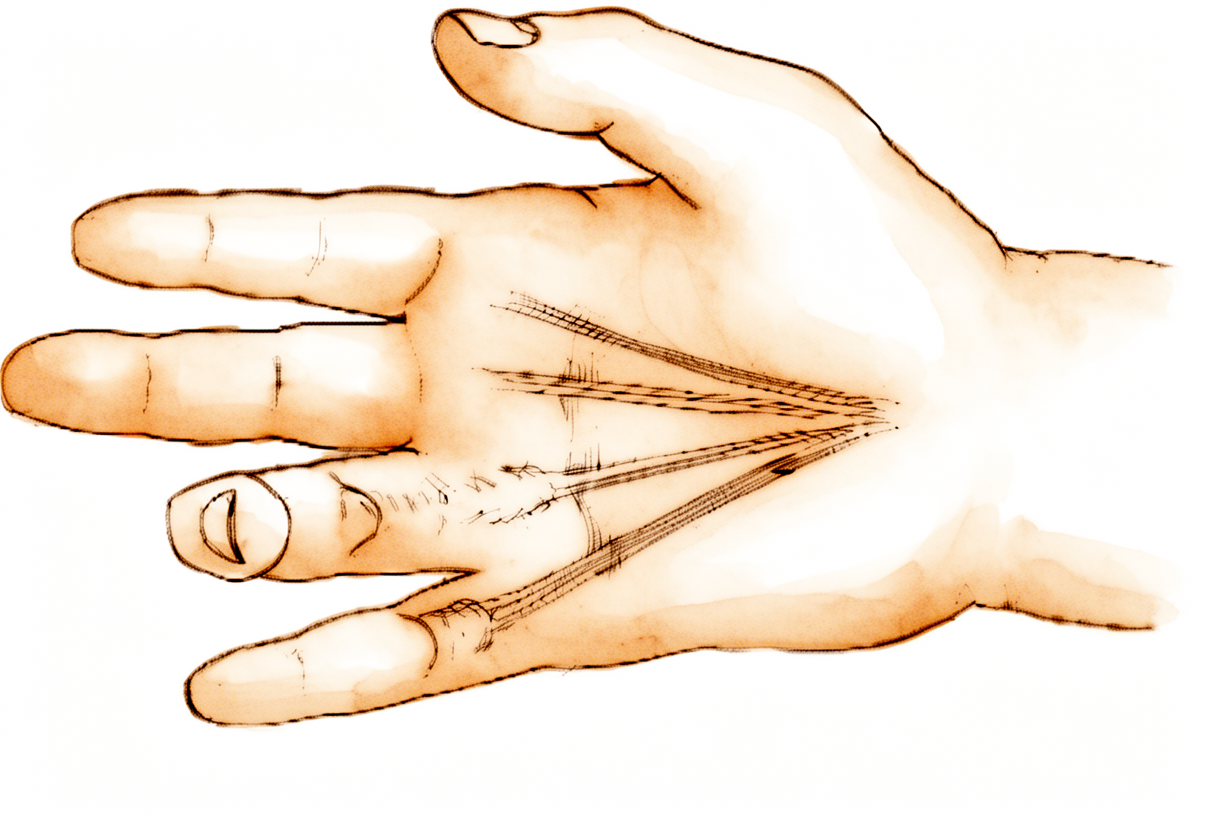
Dupuytren’s Disease presents as abnormal lumps and ‘cords’ of tissue in the palm and fingers. These lumps and cords represent an abnormal growth of the palmar fascia (fibrous tissue that holds the skin of the palm in place).
As the Dupuytren’s cords tighten over time, the joints of the fingers are pulled into flexion, causing the fingers to remain bent. It most commonly affects the ring and little fingers. The thumb may also be affected, though this is less common.
The rate at which symptoms progress is highly variable among patients. In many patients the disease may be stable over a long time and require observation only. In others, it may progress more rapidly and require earlier surgical intervention.
What causes it?
Dupuytren’s Disease mostly affects people with ancestors from Northern Europe. It occurs more often in men than in women, and usually starts after the age of 40. In many cases the disease runs in families.
Treatment
There is no permanent cure for Dupuytren’s Disease. Surgery can relieve the bending of the fingers into the palm, but the condition may return with time. The goal of surgery for Dupuytren’s Disease is to excise the diseased fascia and restore finger extension (straightening).
What happens after surgery?
Usually you will be referred to a Hand Therapist 2-3 days after surgery. They will make you a plastic splint to maintain the finger in an extended position and will instruct you to perform some gentle exercise.
When do I wear the splint? And when can I use my hand?
Initially you may need to wear the splint day and night, removing only for exercise. Usually after a week or so you will only need to wear your splint at night. You can begin to use your hand for light activity during the day at this time. Usually the splint needs to be worn at night for 3 months, and in some cases for up to 6 months. Your therapist/surgeon will advise you specifically regarding splint wear and activity.
Wound care
It is important to keep the wound clean and dry until your sutures are removed. Once sutures are removed, you can wet the skin, however avoid submerging your hand in water for another week.
Exercises
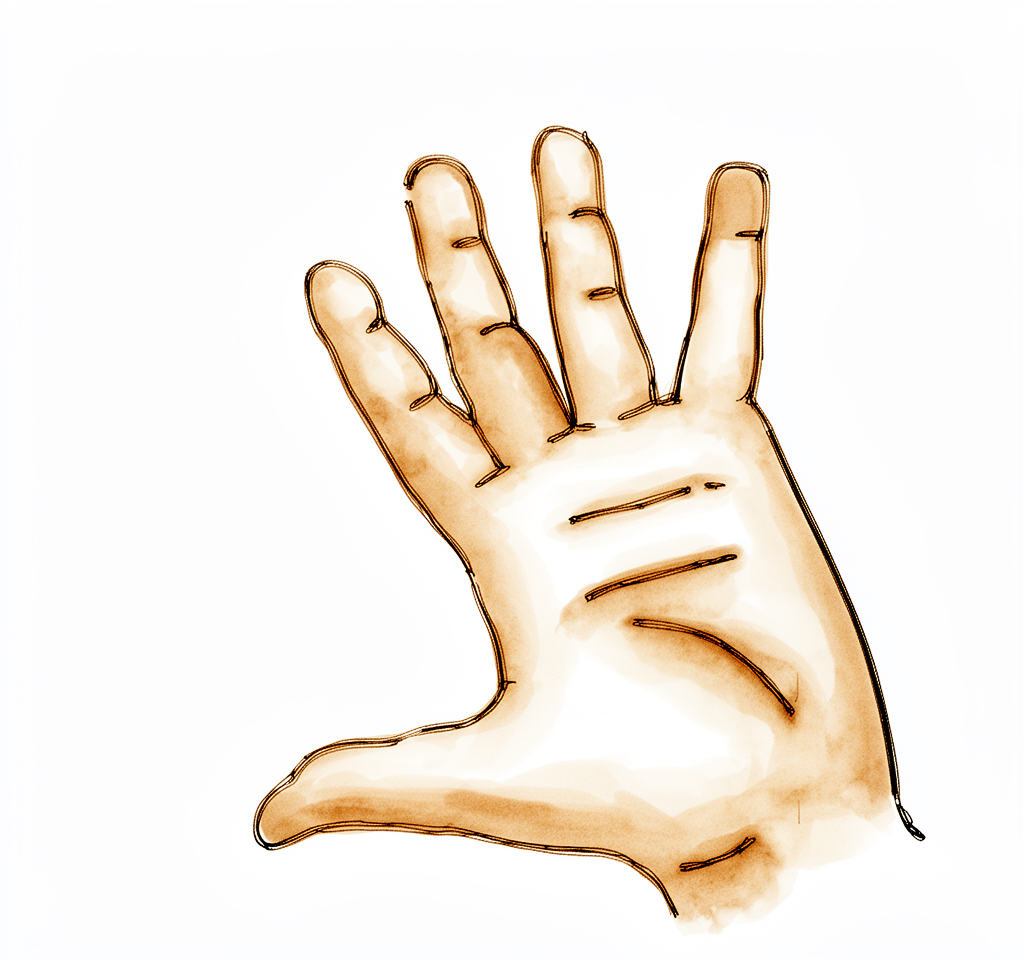
Active Extension
With your wrist straight, straighten and spread your fingers. You may assist with your other hand. Relax.
As prescribed by your hand therapist — ____ reps, ____ times per day
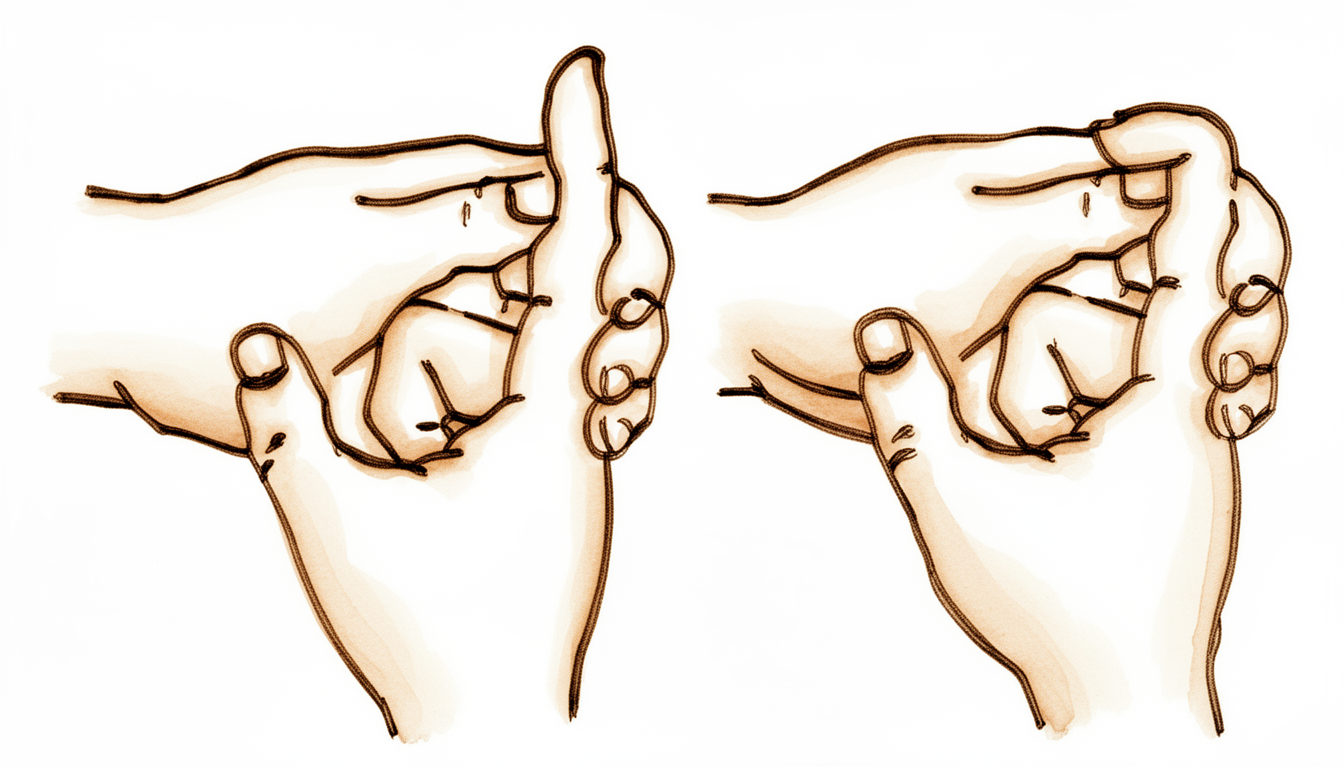
Active DIP Flexion
Support below the crease of the end joint with your other hand. Bend the end joint firmly.
As prescribed by your hand therapist — ____ reps, ____ times per day
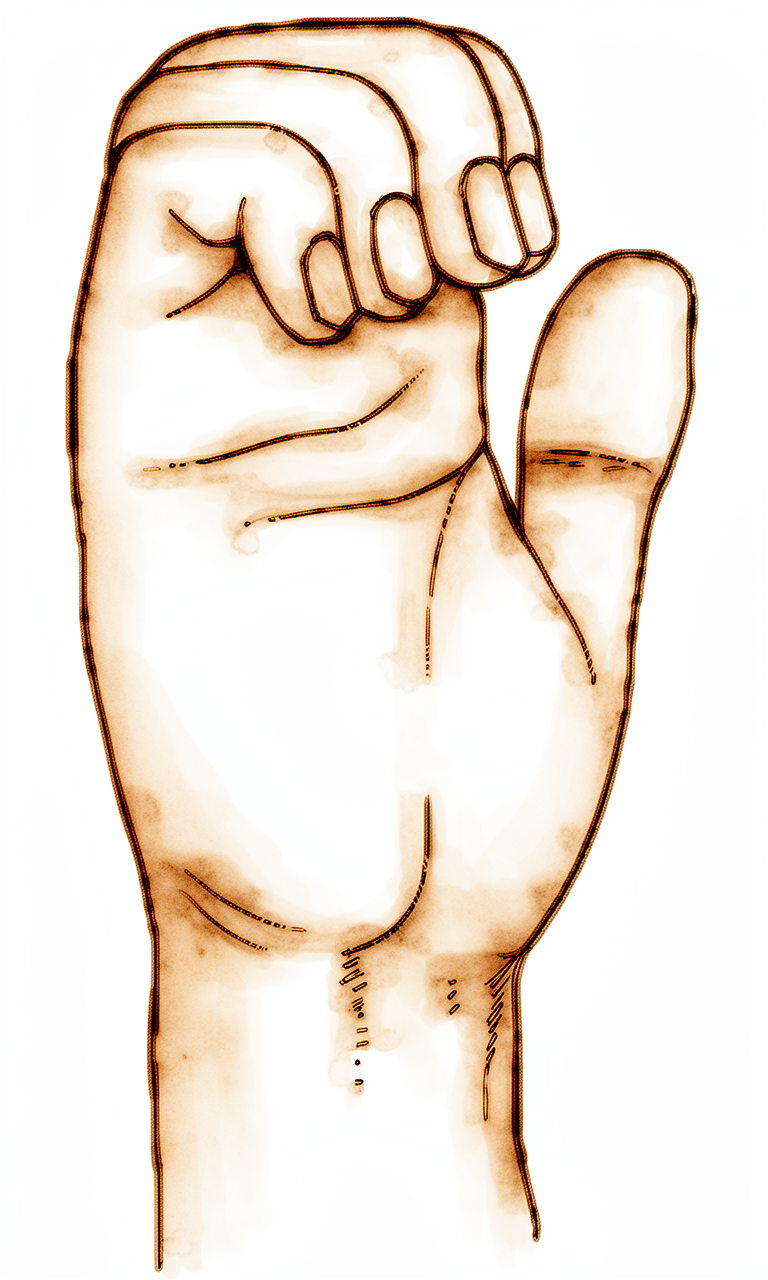
Active DIP/PIP Flexion
Place a pen at the base of your fingers. Curl your fingers around the pen so that both IP joints bend.
As prescribed by your hand therapist — ____ reps, ____ times per day
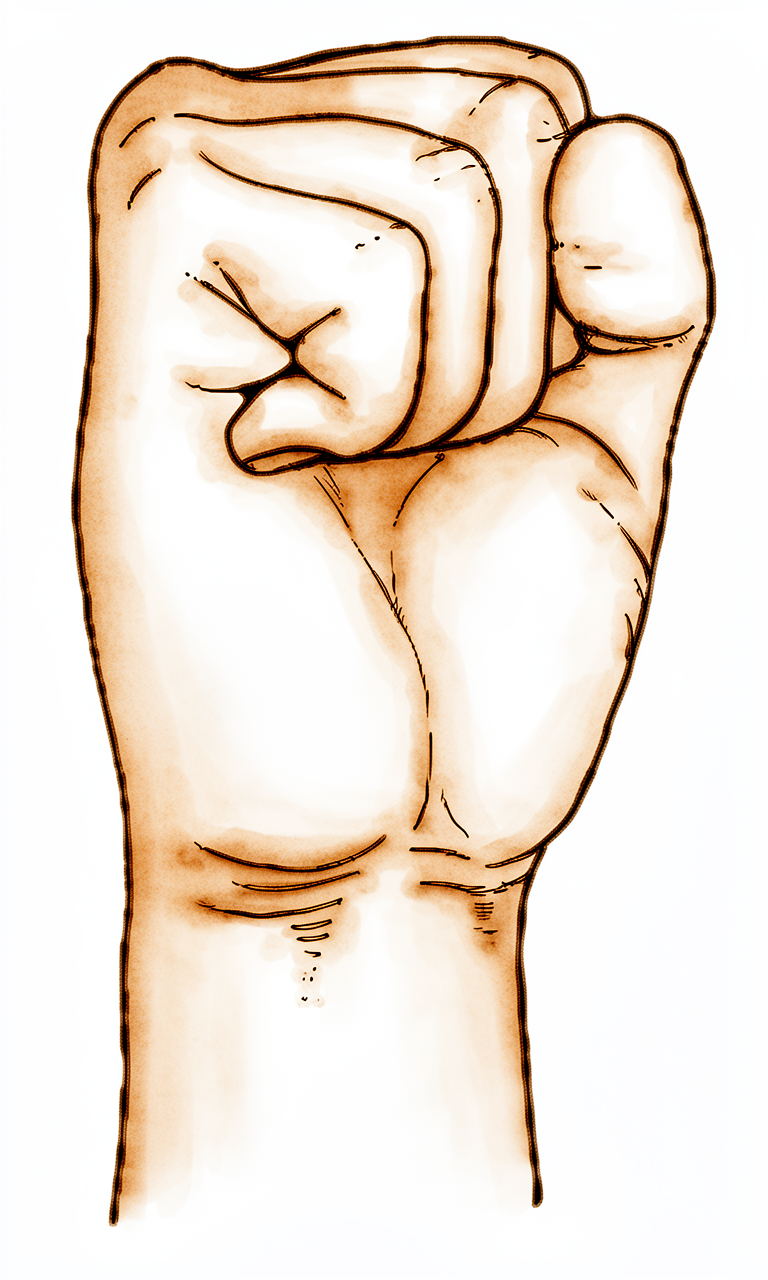
Composite Flexion
Gently make a loose fist.
As prescribed by your hand therapist — ____ reps, ____ times per day
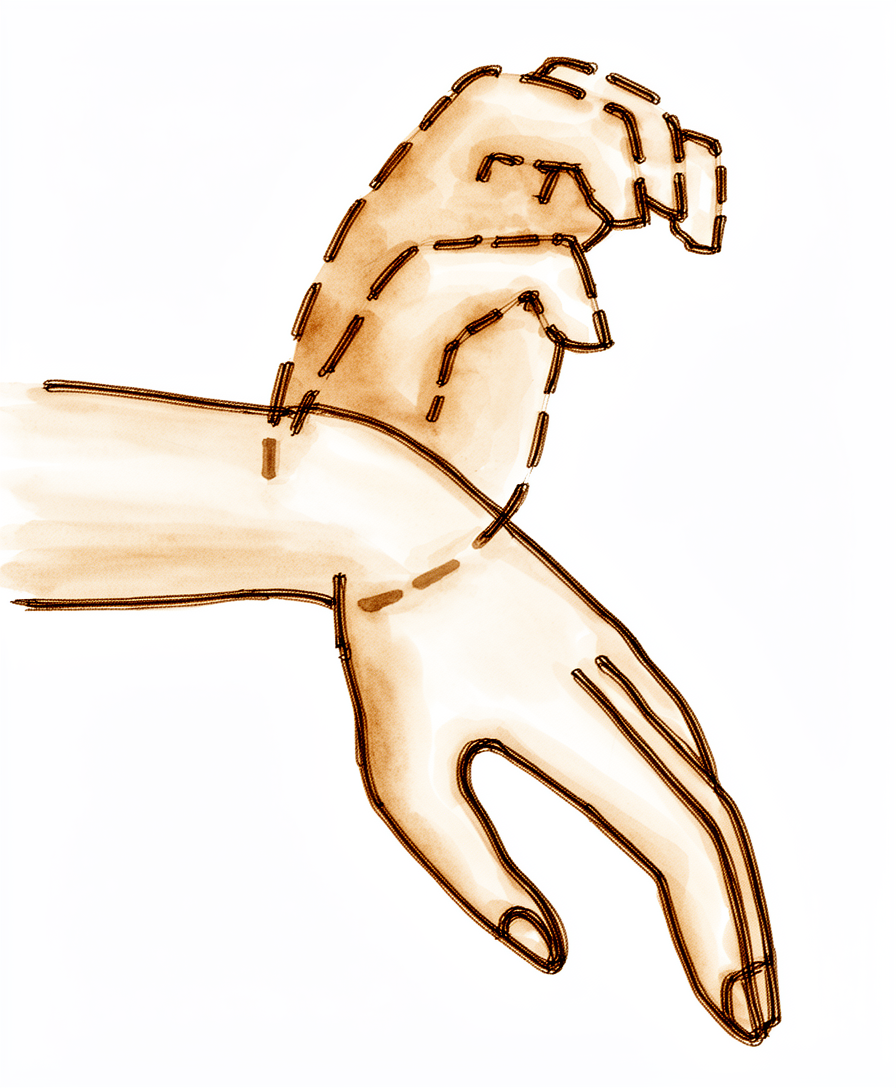
Wrist Tenodesis
Resting on elbow with fingers relaxed, bend wrist forward and then backwards.
As prescribed by your hand therapist — ____ reps, ____ times per day
Exercises to be completed __________ times a day
CARDSFor the full phase-by-phase recovery plan, see the Dupuytren's release rehabilitation protocol.





