



Specialist shoulder, elbow,
wrist and hand surgery
From the fingertips to the shoulder, in trauma and elective practice. Each region is approached with the same goal: restore function with the least disruption, and offer non-surgical management when it is the right answer. Patients travel from across Central Queensland; the case for seeing a fellowship-trained surgeon is on its own page.
See sports injuries or workplace injuries for the pathway tailored to those entry points.
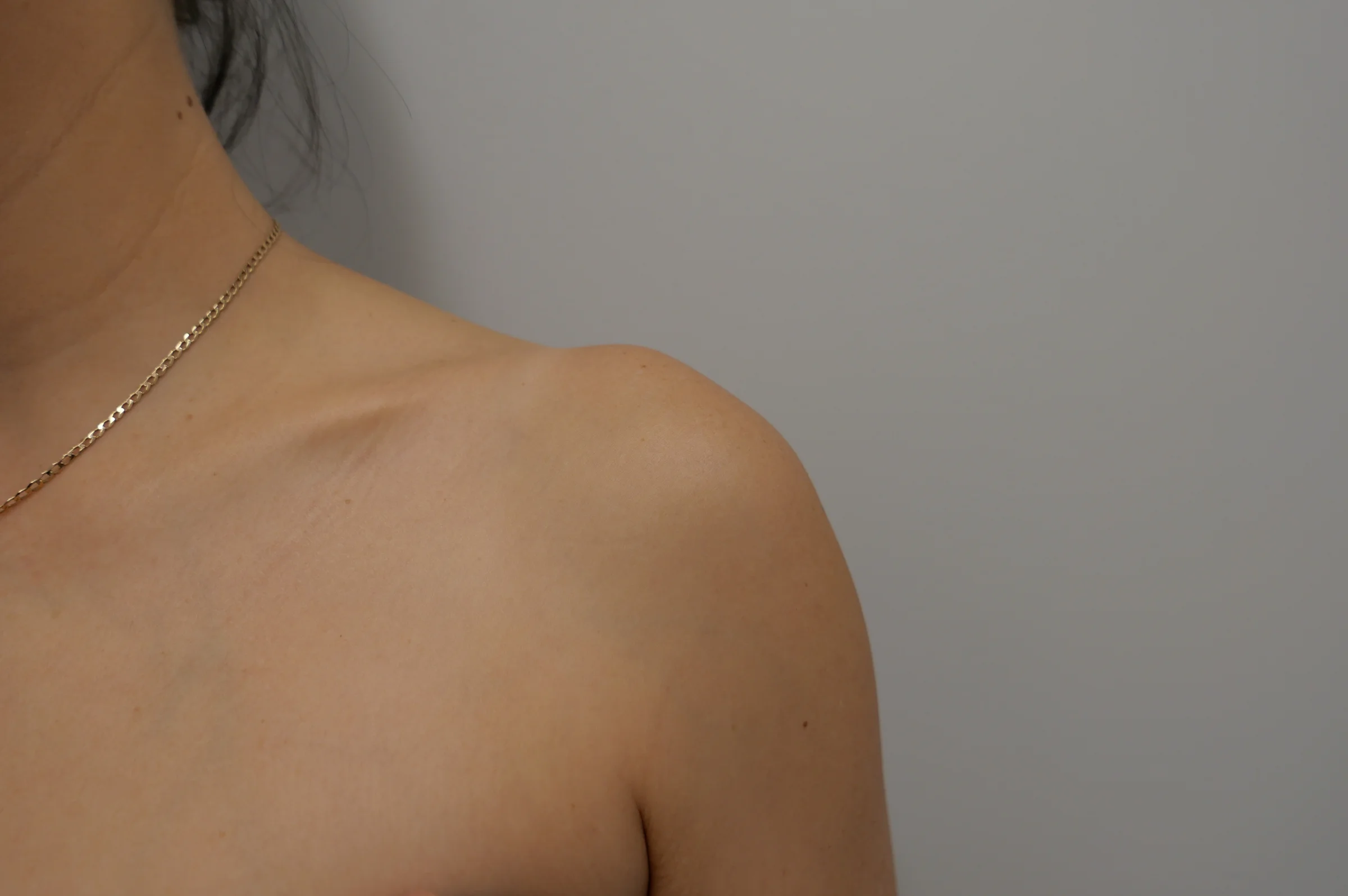
Shoulder
The shoulder is the most-mobile joint in the body and pays for it with instability, impingement, cuff tears and arthritis. The practice covers the full range — from arthroscopic stabilisation through to total replacement.
The story patients usually tell is pain at night, weakness reaching overhead, or a shoulder that pops out. Behind those are rotator cuff tears, instability after dislocations, frozen shoulder, and arthritis. Some need surgery; many do not, and the consult sorts that out before anyone books theatre.
Recovery is sling time first, physio second. Cuff repairs and stabilisations are protected for six weeks; replacements move sooner. Most patients are back to their regular activities by three to six months.
The shoulder loses sleep before it loses strength — most patients come because they cannot sleep on that side.
Common procedures
- Arthroscopic rotator cuff repair
- Arthroscopic shoulder stabilisation
- Latarjet procedure
- Reverse shoulder replacement
- Total shoulder replacement
- Frozen shoulder release
- Biceps tenodesis
- Calcific tendinitis excision
- Subacromial decompression
- Superior capsular reconstruction
- Distal clavicle excision
- Proximal humerus ORIF
- Shoulder replacement for fracture
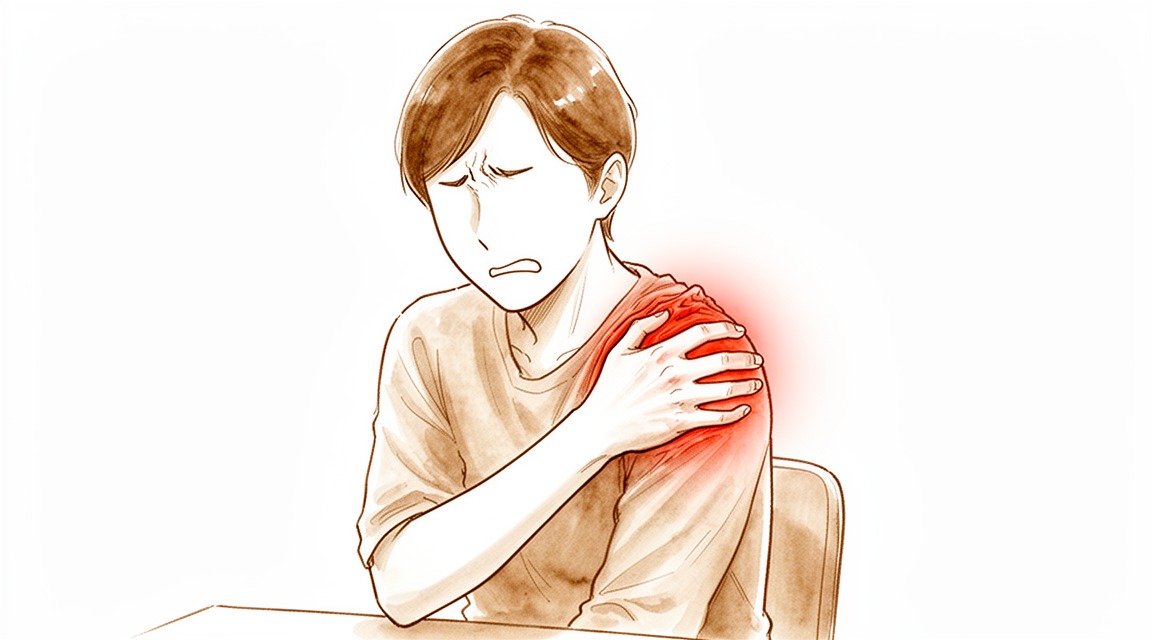 Read up — Shoulder Rotator Cuff Disorders Rotator cuff disorders: common causes of shoulder pain, ranging from mild ache to debilitating injury.
Browse all shoulder topics
Read up — Shoulder Rotator Cuff Disorders Rotator cuff disorders: common causes of shoulder pain, ranging from mild ache to debilitating injury.
Browse all shoulder topics


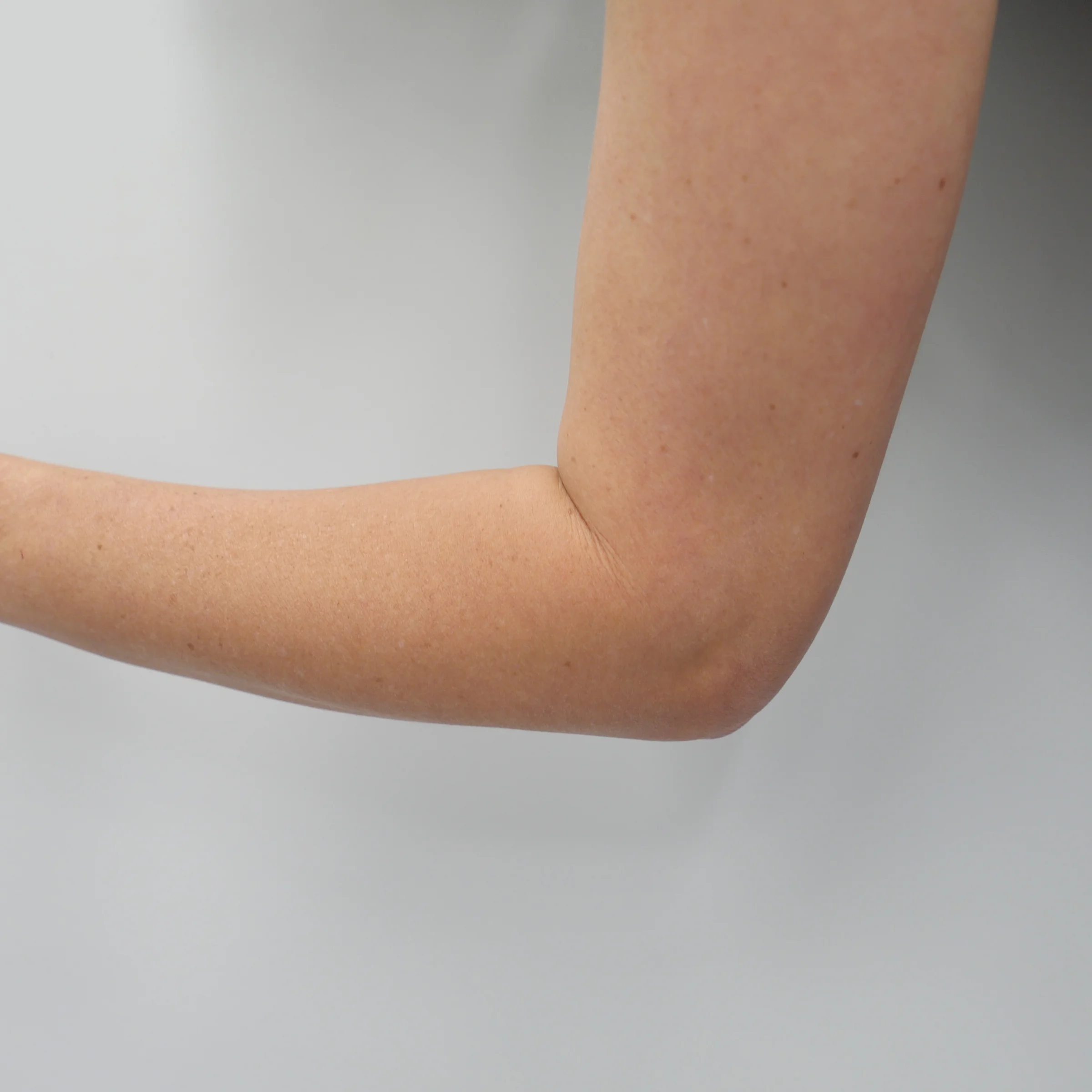
Elbow
Elbow surgery in Rockhampton covers the joint, the tendons and the nerves that make the forearm and hand work. Stiffness or instability is more disabling than people expect — symptoms felt in the hand or shoulder often start at the elbow.
Patients looking for an elbow surgeon in Rockhampton commonly arrive with tennis elbow that has not settled, cubital tunnel symptoms running into the little finger, or an acute injury such as a distal biceps rupture. Trauma is the other half of the practice — dislocations, radial head fractures and ligament injuries.
The elbow stiffens fast when injured, so most operations are designed to allow movement straight away. Therapy starts in the first week. Late stiffness is much harder to fix than early movement.
An elbow that locks up costs you more than an elbow that hurts.
Common procedures
- Cubital tunnel release
- Radial tunnel release
- Tennis / golfer's elbow release
- Distal biceps repair
- Elbow arthroscopy
- Ligament repair / reconstruction
- Radial head fracture fixation
- Elbow replacement
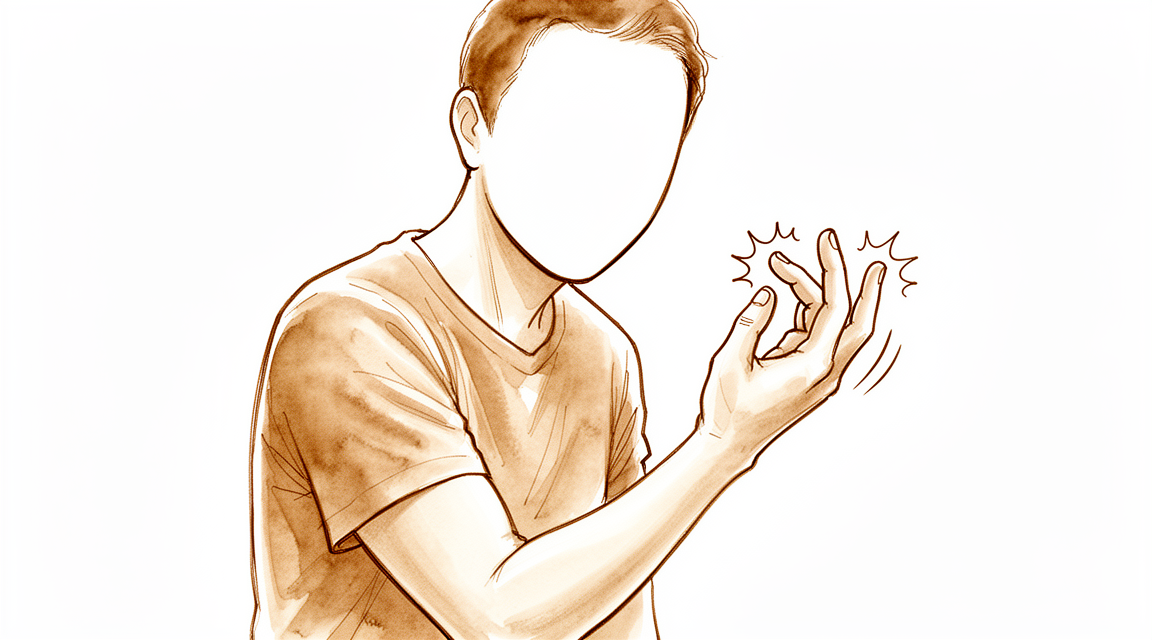 Read up — Elbow Cubital Tunnel Syndrome Cubital tunnel syndrome causes ulnar nerve compression at the elbow — symptoms, diagnosis, and treatment options.
Browse all elbow topics
Read up — Elbow Cubital Tunnel Syndrome Cubital tunnel syndrome causes ulnar nerve compression at the elbow — symptoms, diagnosis, and treatment options.
Browse all elbow topics
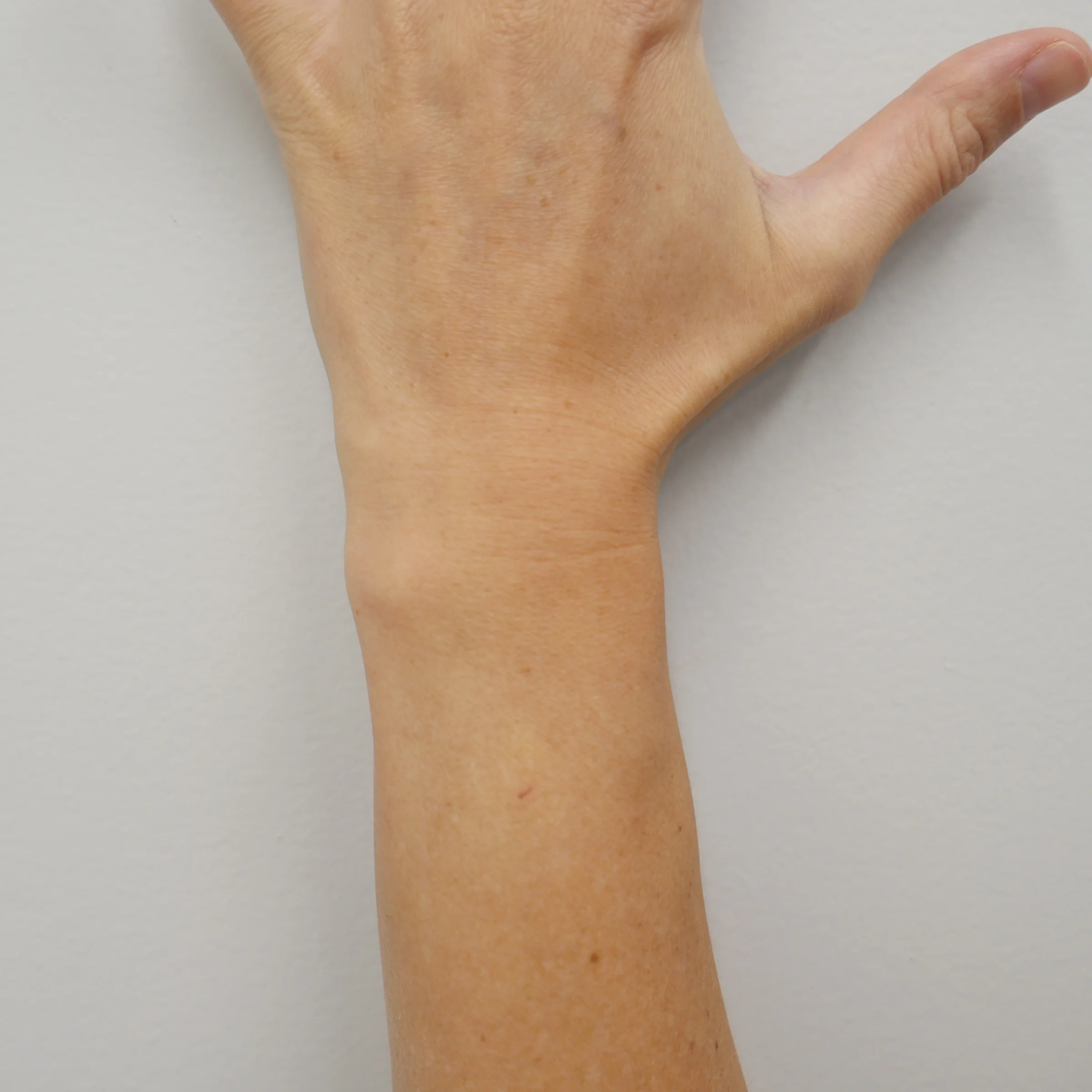
Wrist
The wrist is small but does a lot. The aim is to take pain away while keeping as much movement as possible — and to manage injuries early so they do not become chronic problems years later.
Common stories: a fall on the outstretched hand (distal radius fracture), repetitive-use pain (carpal tunnel, De Quervain's, ganglia), and old injuries that did not heal right (scaphoid non-unions, malunited fractures, ligament damage that became arthritis).
Most operations get patients moving in a few weeks. Bone-grafting and ligament reconstructions need longer protection. Hand therapy with Ruby starts straight after most procedures — earlier movement, better hand.
A mobile wrist that hurts is no use; a wrist that does not hurt is.
Common procedures
- Distal radius ORIF
- Carpal tunnel release
- De Quervain's release
- Scaphoid fixation
- Scaphoid bone grafting
- Wrist arthroscopy
- TFCC repair
- Total wrist fusion
- Partial wrist fusion
- DRUJ replacement
- Ganglion excision
 Read up — Wrist Carpal Tunnel Syndrome Carpal tunnel syndrome causes hand numbness, tingling, and weakness—diagnosis and treatment options explained.
Browse all wrist topics
Read up — Wrist Carpal Tunnel Syndrome Carpal tunnel syndrome causes hand numbness, tingling, and weakness—diagnosis and treatment options explained.
Browse all wrist topics


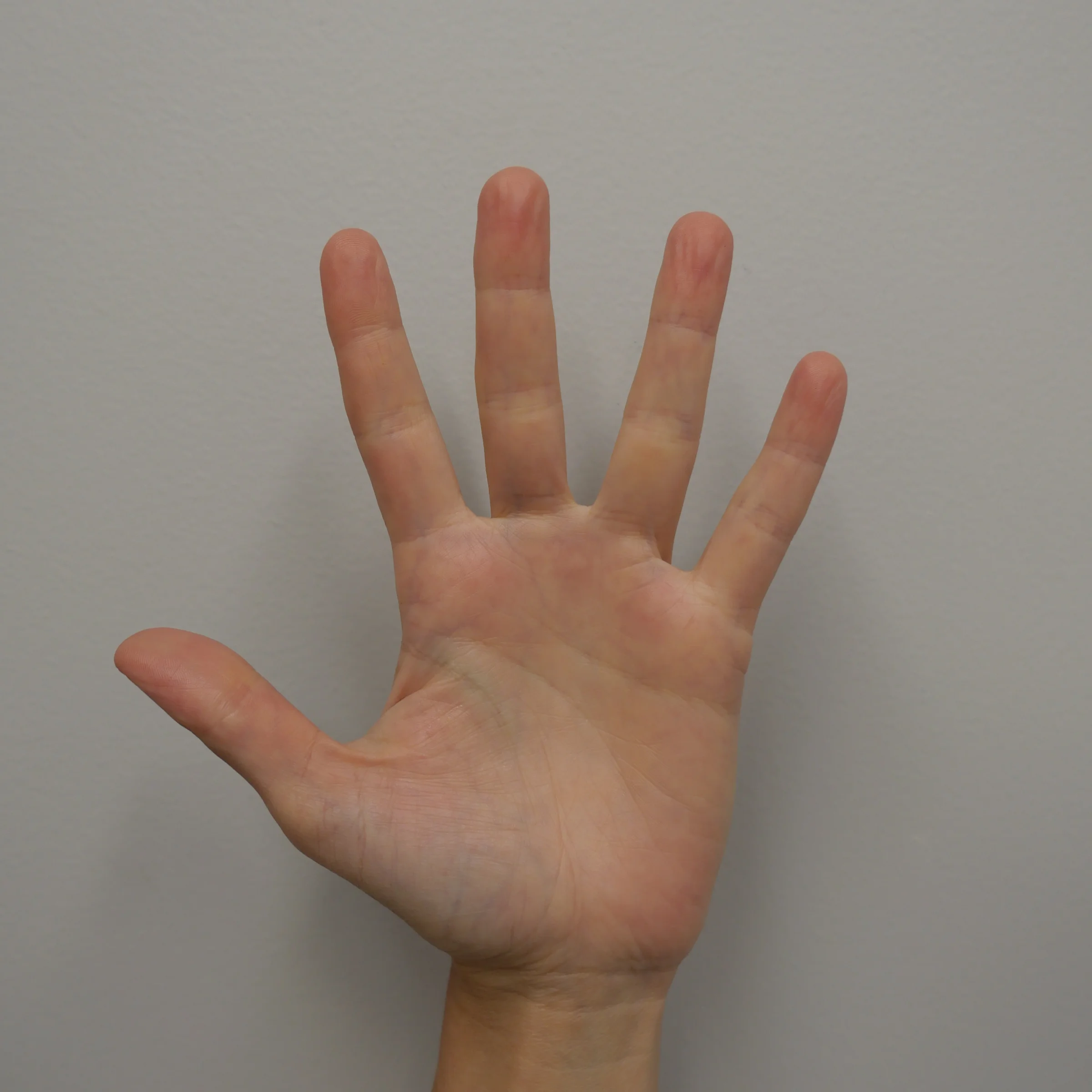
Hand
Hands are how we touch and reach into the world. The aim is to restore function with the least disruption to your life — and offer non-surgical options when they are the right answer.
Patients arrive with everything from a fingertip caught in a door to long-standing trigger finger or basal thumb arthritis. Most of what comes through clinic does not need an operation; the consult is where surgical and non-surgical paths get sorted.
Recovery looks different for every operation. Some patients are out of a splint within days; tendon and nerve repairs need months of structured therapy with Ruby. The plan is set out at consult so the year ahead is clear before anything is booked.
Most hand problems are not fixed in theatre — they are fixed in the consult that decides whether theatre is the right answer.
Common procedures
- Carpal tunnel release
- Trigger finger release
- Dupuytren's fasciectomy
- Tendon and nerve repair
- Basal thumb arthritis
- Thumb joint replacement
- Finger joint replacement
- Finger fracture fixation
- Microsurgical reconstruction
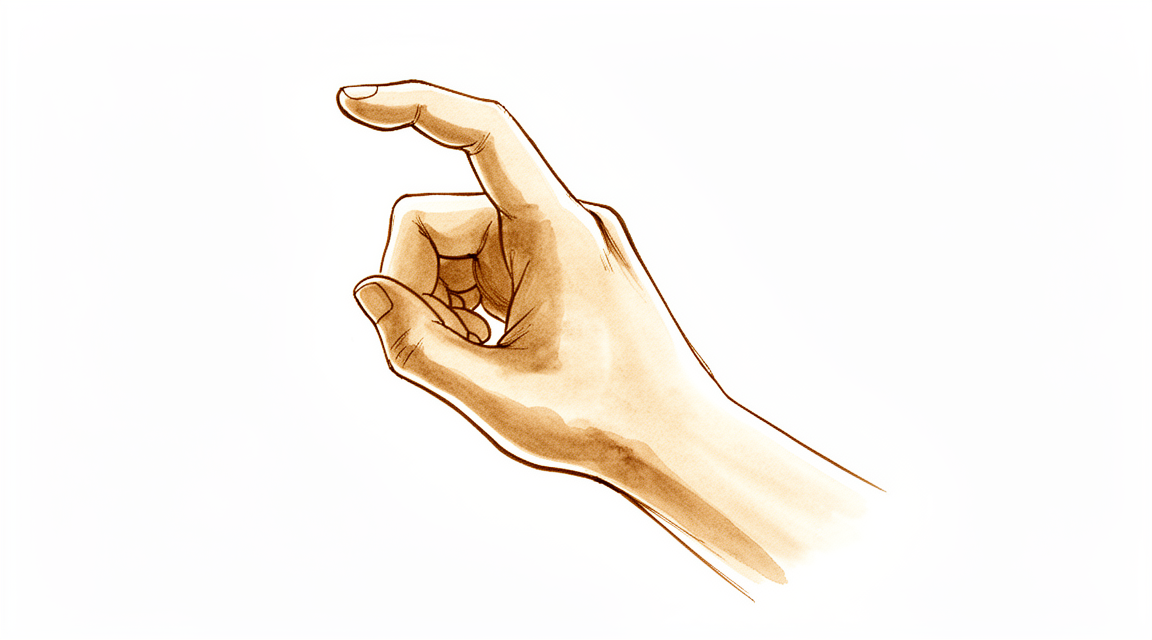 Read up — Hand Trigger Finger Trigger finger causes painful catching or locking of a finger, often treated with splinting or steroid injection.
Browse all hand topics
Read up — Hand Trigger Finger Trigger finger causes painful catching or locking of a finger, often treated with splinting or steroid injection.
Browse all hand topics
Speak to your surgeon
Most consultations need a GP referral. Once that is in hand, ring the practice or email — we will find a time within the operating and consult schedule. Itemised fees and the surgery-quote process are published; everything else is in the FAQs.





