

鹰嘴骨折(切开复位内固定术) 资料
本方案旨在指导您在 Mater Private Hospital Rockhampton 由 Kieran Hirpara 医生进行尺骨鹰嘴(肘部骨性突起)骨折切开复位内固定术(ORIF)后的康复过程。内容首先为您介绍居家锻炼计划,随后是为您物理治疗师或手部治疗师编写的结构化临床方案。请在首次治疗就诊时携带此页面或其 PDF 文件,以确保您的康复过程协调一致。您的治疗师可能会根据您的康复进展调整计划。
如果您对术后伤口有任何疑虑,请联系诊所。通常,拍摄伤口照片并通过电子邮件发送以供审阅会很有帮助。
预期情况
鹰嘴是肘部的骨性突起。手臂背侧的大肱三头肌附着于此,并构成肘部内部铰链关节的一部分。当鹰嘴骨折时,肱三头肌的牵拉往往会将骨折块拉开,因此骨折需通过手术固定:对于干净、平直的骨折,使用钢丝和钢针构成的“张力带”;对于粉碎性或成角骨折,则使用钢板和螺钉。固定装置旨在牢固地保持骨骼连接,以便您能尽早开始活动肘关节。
此次康复的核心在于平衡。如果肘部长时间保持静止,会迅速变得僵硬,因此我们希望尽早开始活动。然而,正是那根将骨折块拉开的肱三头肌,也是伸直肘关节的肌肉。因此,在最初六周内,我们通过避免主动伸直来保护修复部位,同时自由地进行肘关节屈曲和前臂旋转训练。待骨骼有时间愈合后,将逐渐重新引入伸直动作:首先仅利用手臂自身的重量,且仅在很久之后才进行抗阻训练。
关于伤口、肿胀和疤痕管理,请参阅本诊所的伤口护理指南。
从一开始就值得了解的是,即使鹰嘴骨折固定良好,大多数人仍会遗留完全伸直末端的 10–15 度 永久性活动度丧失。这是正常的,在日常生活中很少被察觉,也不代表出现了任何问题。
注意事项与限制
应当
- 佩戴您的简易吊带以获得舒适度和支撑,做练习时取下。您不需要硬质夹板或支具。
- 尽早开始进行肘部屈曲和前臂旋转(掌心向上 / 掌心向下)练习,保持在舒适范围内。
- 保持手部、腕部和肩部自由活动,并握球以维持抓握力量。
不应当
- 前 6 周内,不要主动伸直肘部(即不依靠自身肌肉力量);仅依靠重力使其伸直。主动伸直会牵拉肱三头肌,可能导致骨折移位。
- 在约 3 个月之前,不要进行任何抗阻或负重伸直练习,直至您的治疗师确认可以开始。
- 在早期几周,不要用手术侧手臂提举、推或拉物体,也不要通过该手臂承重。
这些是您手册中的练习,旨在恢复肘部和前部的活动度。做练习时请取下吊带。请按照 Dr Hirpara 和治疗师的指导开始进行。
您的练习
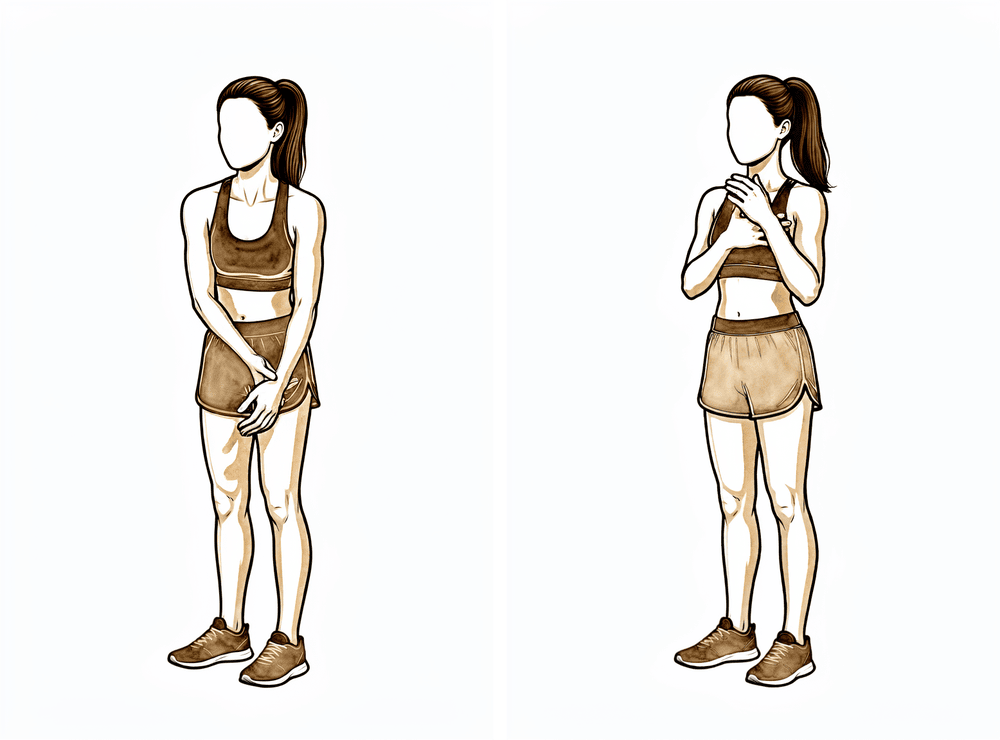
Kieran Hirpara 4.0
肘关节被动屈曲
将手术侧手臂置于掌心向上的休息位。用另一只手轻柔地将手术侧肘关节弯曲至舒适的最大范围,通过外力辅助其活动,而非依靠手术侧手臂自身的肌肉力量。在舒适活动范围的末端保持数秒,然后缓慢伸直恢复。此方法可在不增加修复部位负荷的情况下增强肘关节屈曲功能。
10 次,3–4 次/天
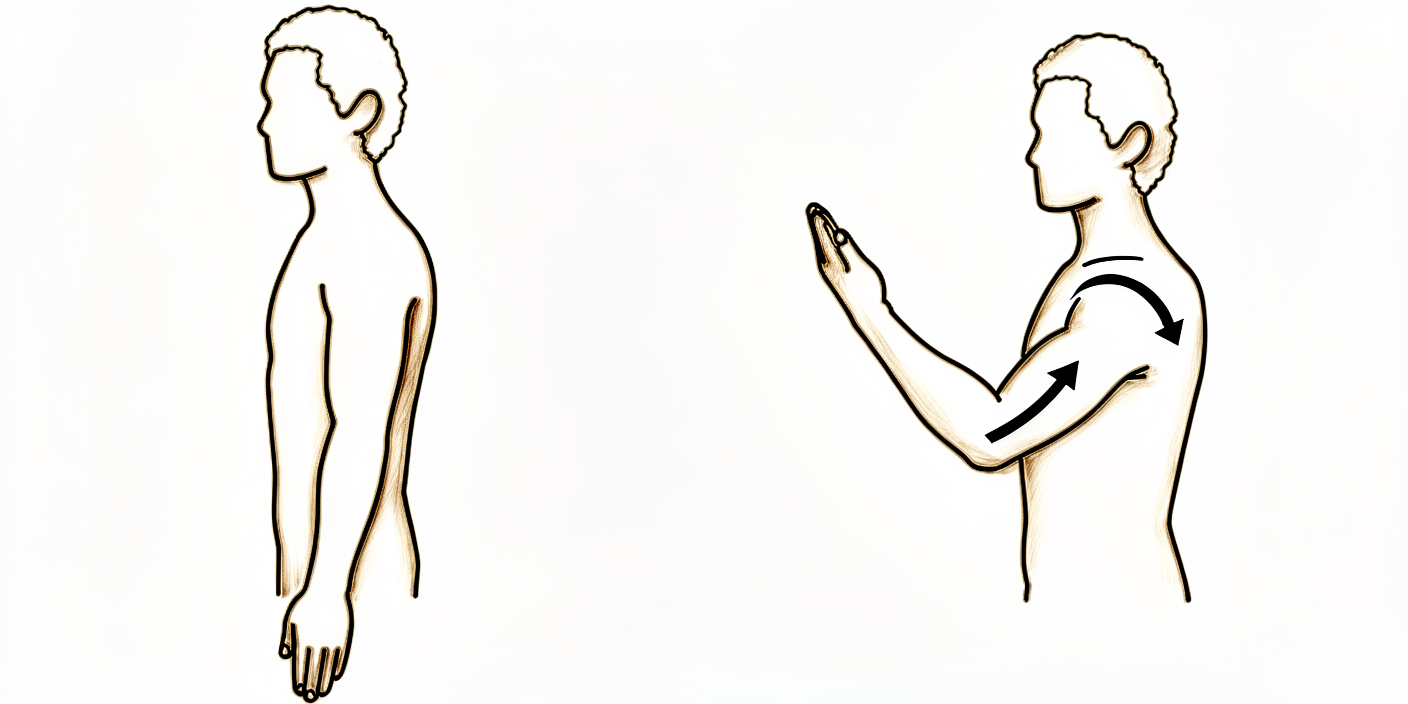
Kieran Hirpara 4.0
主动肘关节屈曲
掌心向上,上臂贴于体侧,尽可能轻柔地弯曲肘关节,随后在控制下缓慢伸直。在前六周内,应依靠重力让肘关节自然伸直——切勿主动使用肌肉力量将其推直。
10–15 次,每天 3–4 次
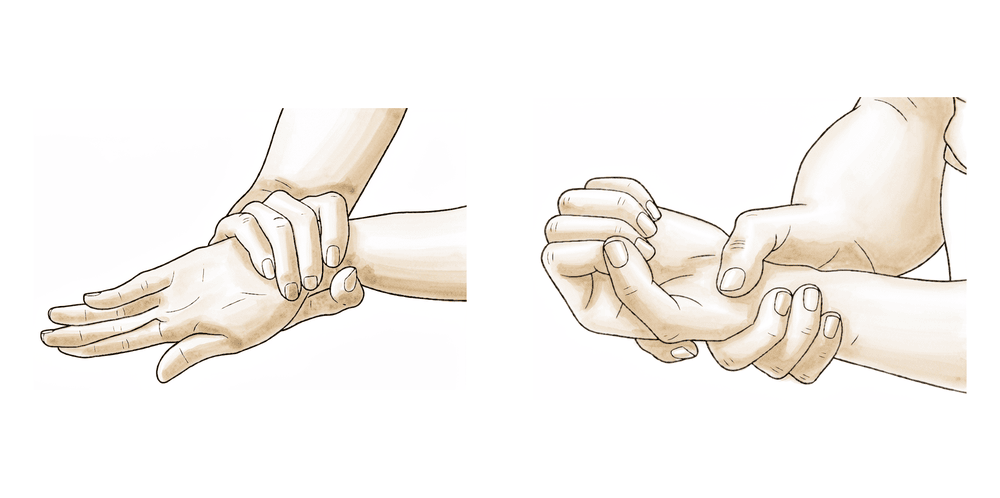
Kieran Hirpara 4.0
前臂旋转
将肘部紧贴身体一侧,弯曲至约直角。缓慢将掌心向上转向天花板,保持3–5秒,然后向下转向地面。在整个过程中,保持肘部静止并紧贴身体。您可以轻轻用另一只手辅助完成该动作。
每个方向10次,每天3–4次
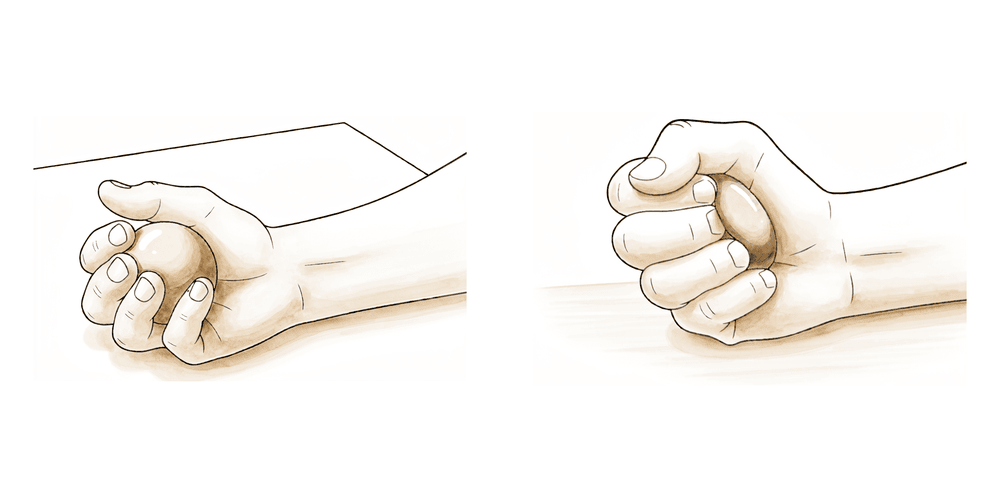
Kieran Hirpara 4.0
握力强化
在手中挤压一个软球或一团橡皮泥,保持几秒钟,然后松开。这可以在保护肘部的同时保持手和前臂的力量。它不会对肘部修复部位施加负荷。
10–15 次挤压,每天 2–3 次
Kieran Hirpara 4.0
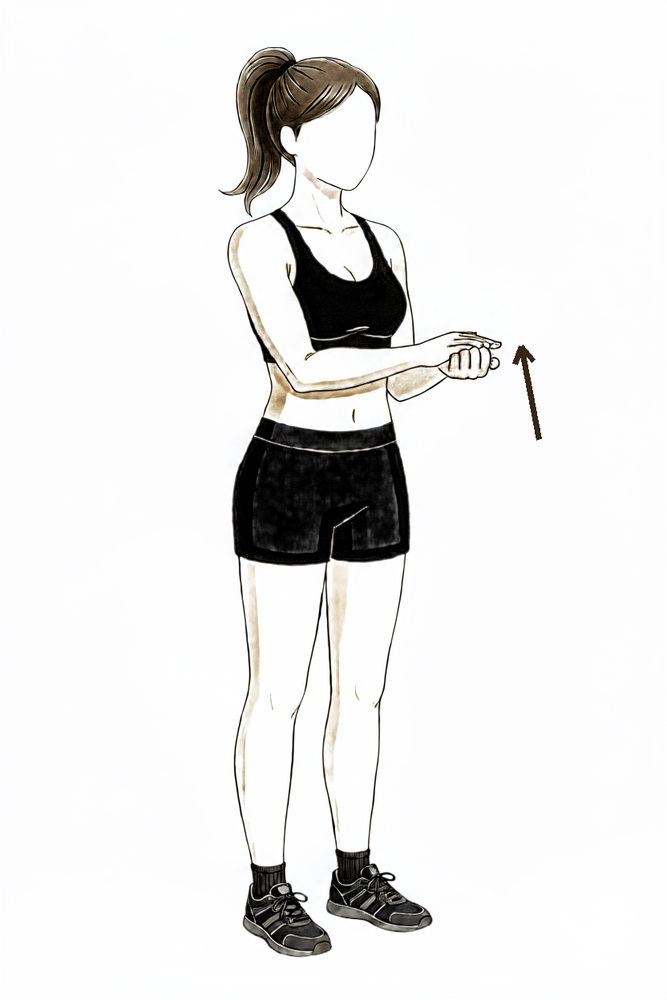
等长屈肘保持
屈肘,掌心向上,将另一只手置于前臂下方。保持另一只手固定前臂,轻轻尝试进一步屈肘,使肌肉收缩但手臂不移动。轻柔保持,然后放松。这是一种肌肉激活(等长)训练——仅锻炼屈肌,不负荷肱三头肌或修复部位。
保持5秒,5–10次,每天2–3次
Kieran Hirpara 4.0
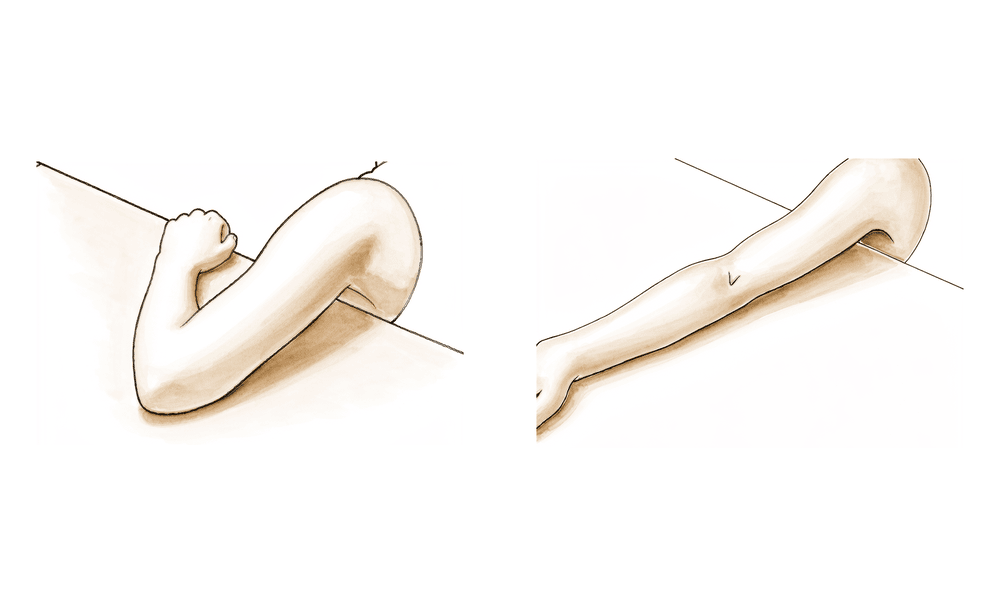
主动肘关节伸展(对抗重力)
仅在您的外科医生或治疗师允许后开始此练习,通常从术后六周开始。在上臂得到支撑的情况下,缓慢地依靠自身肌肉力量伸直肘关节,然后有控制地弯曲回去。仅对抗重力进行练习——在治疗师为您进阶训练之前(通常在术后三个月左右),切勿添加任何重量或阻力。
10次,2–3 次/天 — 仅从第6周开始
Kieran Hirpara 4.0
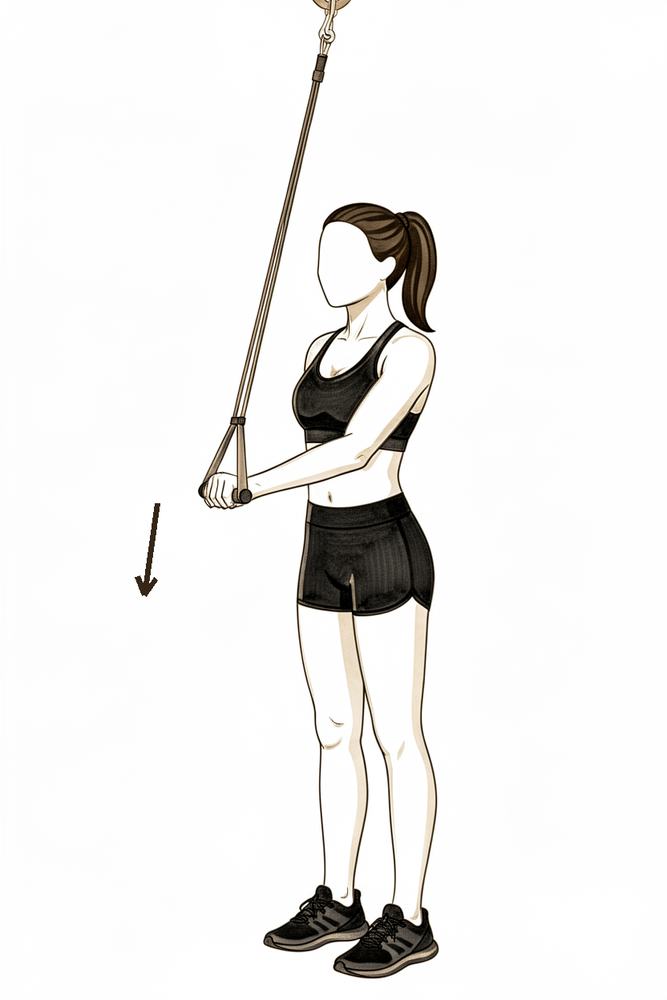
抗阻力带伸展
这是一项后期练习,仅在治疗师批准后约三个月时开始。固定一条轻阻力带,对抗其拉力伸直肘关节,然后缓慢复位。从最轻的阻力带开始,仅在指导下逐步过渡到轻重量(约 0.5–2 kg)。抗阻伸直会直接对肱三头肌和修复部位施加负荷,因此该练习被延迟进行。
10–15 次,每周 3 次 — 仅从约 3 个月起
请仅在 Dr Hirpara 和您的手部治疗师的指导下开始进行下面这些练习,并严格保持在您被允许的关节活动范围和限制之内。此处特意仅列出两项练习。早期肘部需要的是被动和主动的屈曲——与丧失屈曲功能相比,肘部更容易僵硬于伸展位——同时保护肱三头肌修复部位。在术后早期几周,请勿用手术侧手臂进行提举、推或拉的动作,也不要通过该手臂承重;肱三头肌的牵拉力正是内固定装置所防护的力。请在每次练习之间保持手部、腕部和肩部的自由活动。若肘部特定部位出现锐痛,请立即停止任何动作。
您的临床方案
本页其余部分为针对采用切开复位内固定术治疗的鹰嘴骨折的临床方案。本节内容应提供给您的物理治疗师或手部治疗师,且以下每个阶段均以通俗易懂的语言解释当前正在发生的情况。将此方案与通用肘部骨折方案区分开来的最重要单一规则是肱三头肌保护:主动伸肘动作推迟至约6周,抗阻伸肘动作推迟至约3个月,因为肱三头肌止于鹰嘴,并对内固定装置产生负荷。
在治疗前,请检查患者的X光片、手术报告及既往病史,并与主刀医生就内固定结构(张力带钢丝 vs 钢板)、其稳定性以及可能的预后进行沟通。
第 0–1 周:固定
第一周的重点在于让软组织休息、控制肿胀,并维持其他部位的活动。肘部佩戴简单吊带,屈曲约 90°,做练习时取下。不使用刚性后侧夹板或支具。
致您的物理治疗师:
- 固定: 简单吊带,肘部屈曲约 90°,做练习时取下。不使用石膏夹板或支具。
- 目标: 软组织休息;水肿控制(抬高、轻柔加压、冷敷)。
- 练习: 手、腕和肩关节的主动活动度;若内固定结构稳定,可从第 2–3 天开始轻柔的肘部和前臂主动活动度练习。
- 注意事项: 上肢不负重;禁止提举、推或拉;禁止主动伸肘。
- 进展标准: 伤口和水肿趋于稳定。
第 1–6 周:保护性活动(限制伸展)
这是肱三头肌保护期。屈曲活动稳步进阶,而伸展仅通过被动方式或重力完成,绝不可依靠肘关节自身的伸展力量。吊带约从第 4 周开始逐步停用。
致您的物理治疗师:
- 活动度上限: 在无张力范围内,屈曲活动每周进阶约 10°;目标为 6 周时达到完全被动伸展、无张力屈曲至 120° 以及前臂完全旋转。仅限被动伸展:禁止主动伸展。
- 练习: 主动及主动辅助屈曲,加上旋前/旋后;被动活动度训练可于约第 4 周开始。仅进行腕部、肩胛周围及前臂的等长收缩训练,而非肘部伸展。
- 矫形器: 于 第 4 周 停用吊带(此后仅在外出及夜间佩戴以提供舒适感)。
- 进阶标准: 完全被动伸展,屈曲至约 120°,完全旋转;疼痛 ≤3/10。
第 6–12 周:引入主动伸展
待骨骼愈合六周后,重新引入主动伸直动作,仅在对抗重力下进行,且不施加额外负重。屈曲动作逐步推进至全范围,并通过手臂的负重训练温和地逐步增加负荷。
致您的物理治疗师:
- 目标: 完成全范围运动;引入温和的主动伸展。
- 练习: 从第 6 周起,仅在对抗重力下进行主动肘关节伸展;将屈曲动作推进至全范围(目标是在约第 9 周时达到完全无张力的全范围活动)。根据耐受情况,逐步推进负重训练:桌面支撑 → 墙面支撑 → 四肢支撑。可开始针对屈曲/旋转的渐进性抗阻训练,但仍禁止进行抗阻伸展:抗阻伸展需保留至术后 3 个月。
- 晋级标准: 全范围主动活动;伸展滞后无加重;影像学显示骨性愈合。
3–6 个月:抗阻伸肘与功能恢复
抗阻伸直(直接加载肱三头肌及修复组织的步骤)仅在此时开始,即骨折愈合后。
致您的物理治疗师:
- 抗阻肘关节伸肌训练 始于约 3 个月(从弹力带逐步过渡至轻重量,约 0.5–2 公斤 / 1–5 磅,每周 3 次)。
- 运动及工作特异性训练始于约 4.5 个月。
- 提重物及重体力劳动 在达到完全肌力及骨愈合后恢复,通常在 6 个月左右。
- 鹰嘴固定术后常需取出内固定物(尤其是张力带钢丝,这是人体中最常取出的植入物),通常在骨愈合后进行,目的是缓解内固定物突出或刺激引起的不适,而非常规步骤。
恢复工作与活动
在遵循上述注意事项的前提下,早期即可进行轻度的、双手置于膝上的手臂自我护理活动,但任何对肘部施加负荷的活动需等待相应时机。弯曲和前臂旋转通常在约六周时感觉舒适;主动伸直功能从六周开始恢复,并在随后数周内稳步改善。
较高强度的需求分阶段进行:约三个月前禁止抗阻或负重伸直训练;约四个半月后开始针对运动和职业的特异性训练;通常在约六个月后,一旦您的肌力及骨骼愈合情况允许,即可恢复提举重物及重体力劳动。基于办公桌的轻体力工作通常可更早恢复;请在复诊时与Hirpara医生讨论具体时机,因为这取决于您的工作性质及手术侧手臂。当您脱离悬吊带,且经复诊确认能够用双臂安全操控车辆时,即可恢复驾驶。
请记住,伸直功能末端可能会有10–15度的永久性小幅丧失;这是正常现象,通常对日常功能没有影响。
方案之后
本方案与诊所的通用康复建议配合使用:请参阅术后疼痛管理和伤口护理。关于损伤本身,请参阅鹰嘴骨折。上述分阶段计划与已发表的鹰嘴切开复位内固定术后康复方案一致,您的持续康复将由物理治疗师或手部治疗师根据您的肘部进展情况进行个体化指导。
Evidence & references
This is the clinical evidence summary written for health professionals. It is technical, and it lists the research this page was built from. You do not need to read it to understand your treatment or to make a decision about it.
Topic scope: Post-operative rehabilitation after ORIF of a displaced olecranon fracture — tension-band wiring (TBW) for simple transverse patterns, or plate-and-screw fixation for comminuted / oblique / Monteggia-type / proximal-ulna patterns. The olecranon fracture is an intra-articular fracture of the extensor mechanism: the fixation construct must resist the triceps pull that distracts the fragment, and the rehabilitation is built around protecting that construct while preventing the stiffness to which the elbow is highly prone.
Defining principle (the inverse of an arthrolysis): unlike a stiff-elbow release, here there is a fixation construct to protect, and the deforming force is the triceps. So active and resisted elbow EXTENSION — and lifting / pushing — are restricted early, while flexion and forearm rotation are advanced relatively freely to prevent stiffness. Dr Hirpara's practice override: the operated elbow is rested in a simple sling, not a posterior splint or brace; active extension is withheld for 0–6 weeks (protecting the tension band / triceps insertion), resisted extension is delayed to ~3 months, flexion is advanced ~10°/week, and the patient is counselled to expect a permanent 10–15° loss of terminal extension.
Evidence-strength flag: MODERATE-to-STRONG. Two concordant institutional physiotherapy protocols (Brigham & Women's Hospital; The Christ Hospital / Rao) give explicit phase timelines, and the biomechanical rationale — anatomic reduction plus stable fixation to permit early motion of an intra-articular fracture — is universally agreed. Consensus is strong on early protected motion + delayed active / resisted extension and triceps loading. The evidence is weaker (equipoise-level) on TBW vs plate, and on operative vs non-operative management in the elderly.
Phased rehabilitation timeline
| Phase | Window | Sling / immobilisation | ROM / use | Strengthening | Criteria to progress |
|---|---|---|---|---|---|
| I — Immobilisation | Weeks 0–1 | Simple sling at ~90° (KH — no posterior splint/brace), off for exercises | Active hand/wrist/shoulder ROM; gentle active elbow + forearm ROM from day 2–3 if stable; NO active extension | — (oedema control) | Wound and swelling settling |
| II — Protected motion, extension restricted | Weeks 1–6 | Wean sling at week 4 (out-of-house + night thereafter) | Flexion advanced ~10°/week in a tension-free zone; passive extension only; PROM may begin ~wk 4; goal full passive extension + flexion to 120° + full rotation by 6 wk | Cuff / periscapular / forearm isometrics only | Full passive extension, flexion ~120°, full rotation; pain ≤3/10 |
| III — Active extension introduced | Weeks 6–12 | Discontinued | Active extension against gravity only from wk 6; advance flexion to full (full tension-free arc by ~wk 9); progress weight-bearing tabletop → wall → quadruped | PRE to flexion/rotation; still NO resisted extension | Full active arc; no worsening extension lag; radiographic union |
| IV — Resisted extension + return | 3–6 months | — | Return to lifting/loading staged | Resisted extension from ~3 months (bands → light weights 1–5 lb, 3×/wk); sport/job-specific ~4.5 mo | Full strength + union; lifting/heavy labour ~6 mo |
Evidence by theme
The triceps-pull rule (the rehab-defining constraint) — Consensus, strong biomechanical rationale
The triceps inserts on the olecranon; active and resisted extension distract the fracture and load the tension band. Active extension against gravity is therefore deferred to ~6 weeks and resisted extension to ~3 months. This is the single most important rule distinguishing olecranon ORIF from a generic elbow-fracture rehabilitation, and both published protocols enforce it (The Christ Hospital / Rao explicitly prohibit active extension for the first six weeks).
Early protected motion to prevent stiffness — Strong consensus
There is universal agreement that an intra-articular extensor-mechanism fracture needs early motion to prevent stiffness; how early depends on construct stability and surgeon confidence. Brigham permits active ROM from day 2–3; the more conservative Christ / Rao protocol protects the first weeks with no active extension. The tension throughout is "prevent stiffness" versus "protect the triceps repair," resolved by advancing flexion and rotation freely while restricting extension.
Construct choice — TBW vs plate — Moderate / equipoise
Both constructs aim to be stable enough for early motion. TBW is simpler and adequate for simple transverse fractures but carries the highest symptomatic-hardware / removal rate and can lose compression in comminuted or osteoporotic bone. Plate fixation better controls comminution, oblique and diaphyseal-extension patterns; Hume & Wiss's randomized study favoured plate over TBW for comminuted patterns, while Anderson et al. reported a mean ~13.5° flexion contracture after plating. Rehabilitation phases are broadly the same — a more stable construct simply allows the surgeon to liberalise motion sooner.
Operative vs non-operative in the elderly — Moderate (RCT, equipoise)
A prospective RCT of displaced olecranon fractures in elderly patients was stopped early for a high operative complication rate, with comparable patient-reported outcomes — shifting practice toward non-operative management and earlier free mobilisation in low-demand older patients. Geriatric locking plates reduce fixation failure in osteoporotic bone but still carry meaningful complication and implant-failure rates.
Expected residual deficit — Moderate (corpus, observational)
Even with stable fixation and early motion, isolated olecranon fractures lose ~10–15° of terminal extension on average. Patients should be counselled that this is the expected norm, not a complication.
Hardware removal — Moderate (observational)
Olecranon hardware — especially TBW K-wires / wires — is the most commonly removed implant in the body; prominent subcutaneous hardware drives a high secondary-removal rate (up to roughly half of TBW cases in some series). Removal is typically performed after union (often ≥4–6 months) and largely for symptom relief, not as a routine staged step. Plate fixation has fewer wire-irritation issues but a non-trivial removal rate.
Evidence strength flags (summary)
- STRONG / CONSENSUS: early protected motion to prevent stiffness; the triceps-pull rule deferring active extension to ~6 weeks and resisted extension to ~3 months (biomechanical rationale
- two concordant institutional protocols).
- MODERATE: TBW vs plate construct choice (Hume & Wiss; Anderson ~13.5° contracture after plating); operative vs non-operative in the elderly (RCT stopped early for operative complications); expected 10–15° terminal-extension loss; high TBW hardware-removal rate.
- CONSENSUS / EXPERT: the precise phase timings (drawn from surgeon patient-guidance protocols rather than a rehabilitation RCT); the simple-sling immobilisation (KH practice override).
CITATIONS
RAG corpus (180,000+ Orthopaedic articles)
- Chalidis BE, Sachinis NC, Samoladas EP, Dimitriou CG, Pournaras JD. Is tension band wiring technique the "gold standard" for the treatment of olecranon fractures? A long-term functional outcome study. J Orthop Surg Res. 2008;3:9. DOI: 10.1186/1749-799X-3-9
- Hume MC, Wiss DA. Olecranon fractures: a clinical and radiographic comparison of tension band wiring and plate fixation (randomized comparison; plate favoured for comminuted patterns). (Cited in retrieved corpus text.)
- Anderson et al. — mean ~13.5° flexion contracture after olecranon plate fixation (retrieved corpus text).
- Prospective RCT, operative vs non-operative management of displaced olecranon fractures in the elderly — stopped early for a high rate of complications in the operative group, comparable patient-reported outcomes (retrieved corpus text).
- Geriatric olecranon locking-plate case series — major/minor complication and implant-failure rates (J Shoulder Elbow Surg, retrieved corpus text).
- Retrieved corpus text: isolated olecranon fractures lose an average of ~10–15° of terminal extension despite stable fixation and early ROM; anatomic reduction and early range of motion to restore functional elbow motion and strength; high re-operation / hardware-removal rate after TBW.
Published rehabilitation protocols (URLs)
- The Christ Hospital / Rao — "Olecranon ORIF Physical Therapy Protocol." https://www.thechristhospital.com/landingpages/Documents/Rao%20PT%20Protocols/Operative/Elbow/Rao%20Olecranon%20ORIF%20r1.pdf
- Brigham & Women's Hospital, Department of Rehabilitation Services — "Elbow Fracture Post-Op (Radial Head / Olecranon ORIF) Hand Therapy Guideline" (2021). https://www.brighamandwomens.org/assets/BWH/patients-and-families/rehabilitation-services/pdfs/elbow-fracture-orif-hand-therapy-protocol.pdf
- Physiopedia — "Olecranon Fracture" (general background). https://www.physio-pedia.com/Olecranon_Fracture





