

Education · recovery
Surgery & Recovery
Last reviewed
General guides that apply to most upper-limb operations — getting ready for surgery, looking after yourself in the early days at home, and getting back to driving, work and sport.
Before your operation
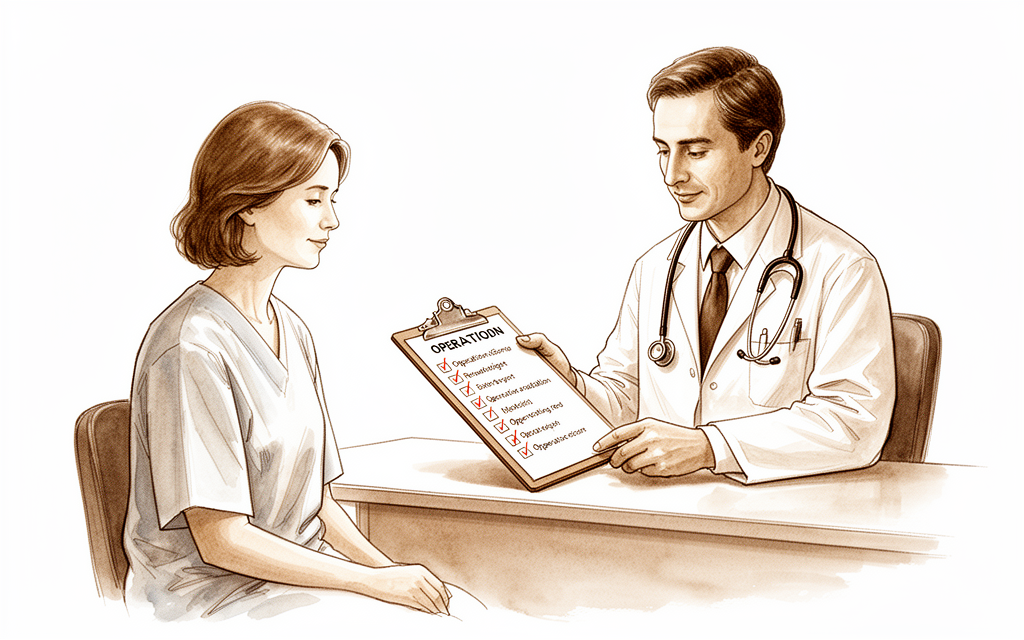 Preparing for SurgeryGeneral checklist for the days before upper-limb surgery — fasting, what to bring, medications.
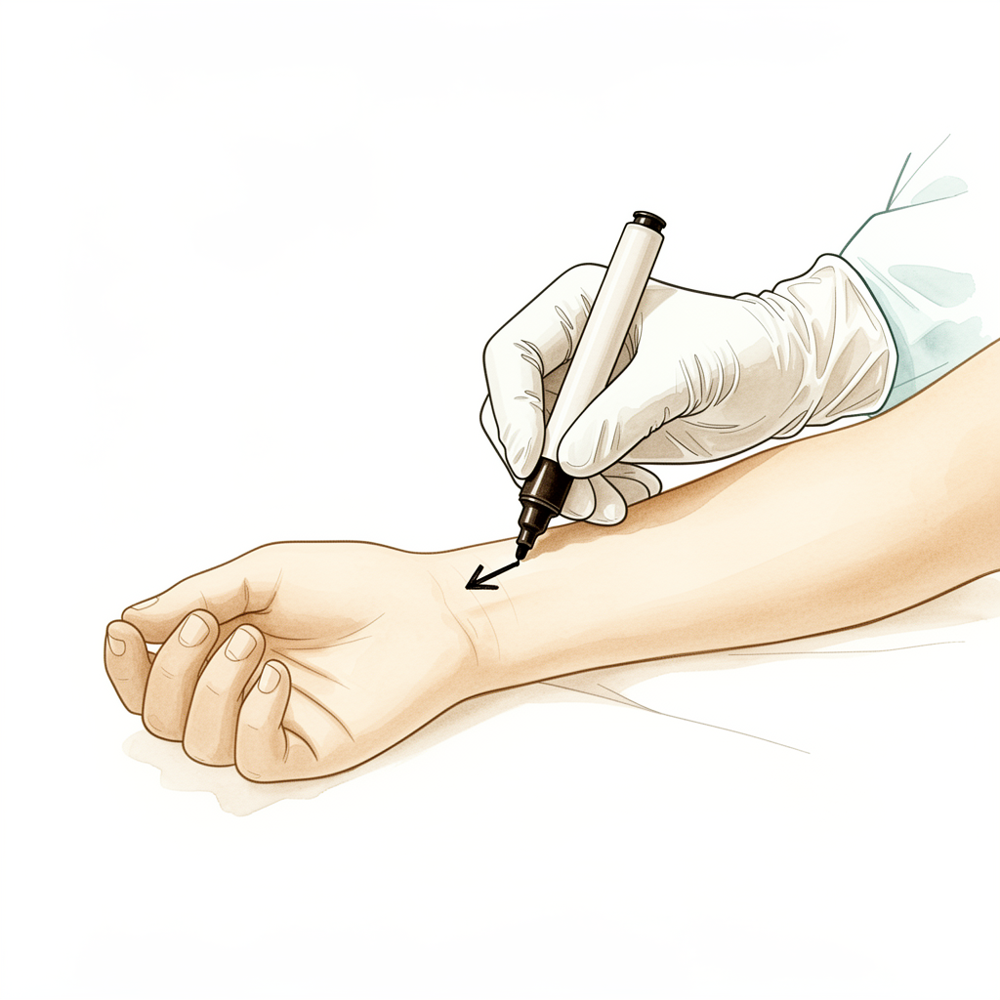 The day of your surgeryWhat to expect on the day of day-case upper-limb surgery, from arrival and meeting the team to waking up and going home.
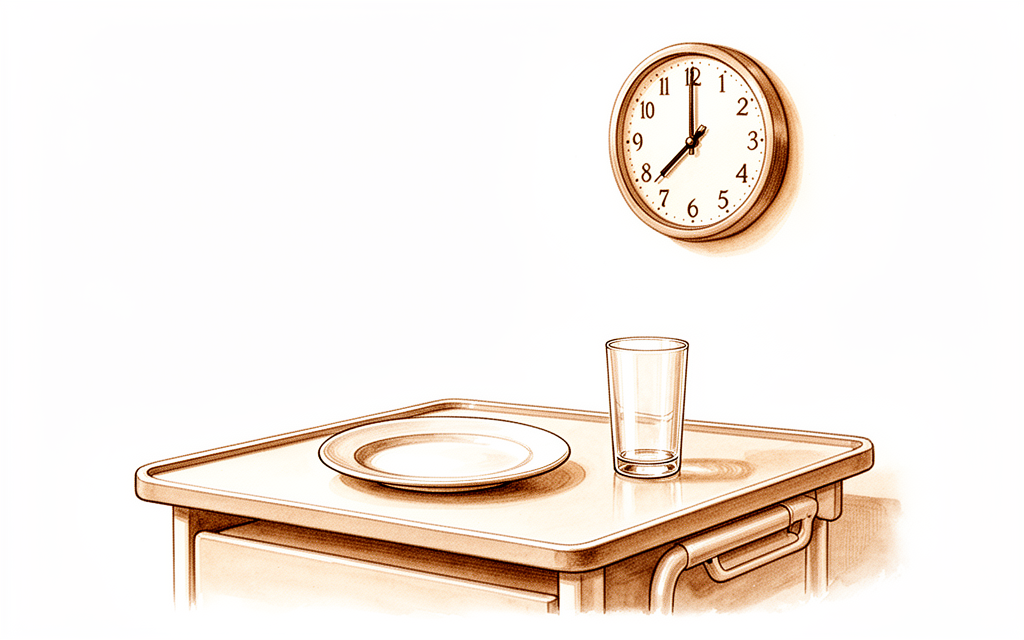 Fasting Before Surgery: What You Can Eat and Drink, and WhyWhy you must stop eating before an anaesthetic, when you can still sip water, and what can happen if you do not fast. The clear fasting rules that keep your stomach empty and your lungs safe during surgery.
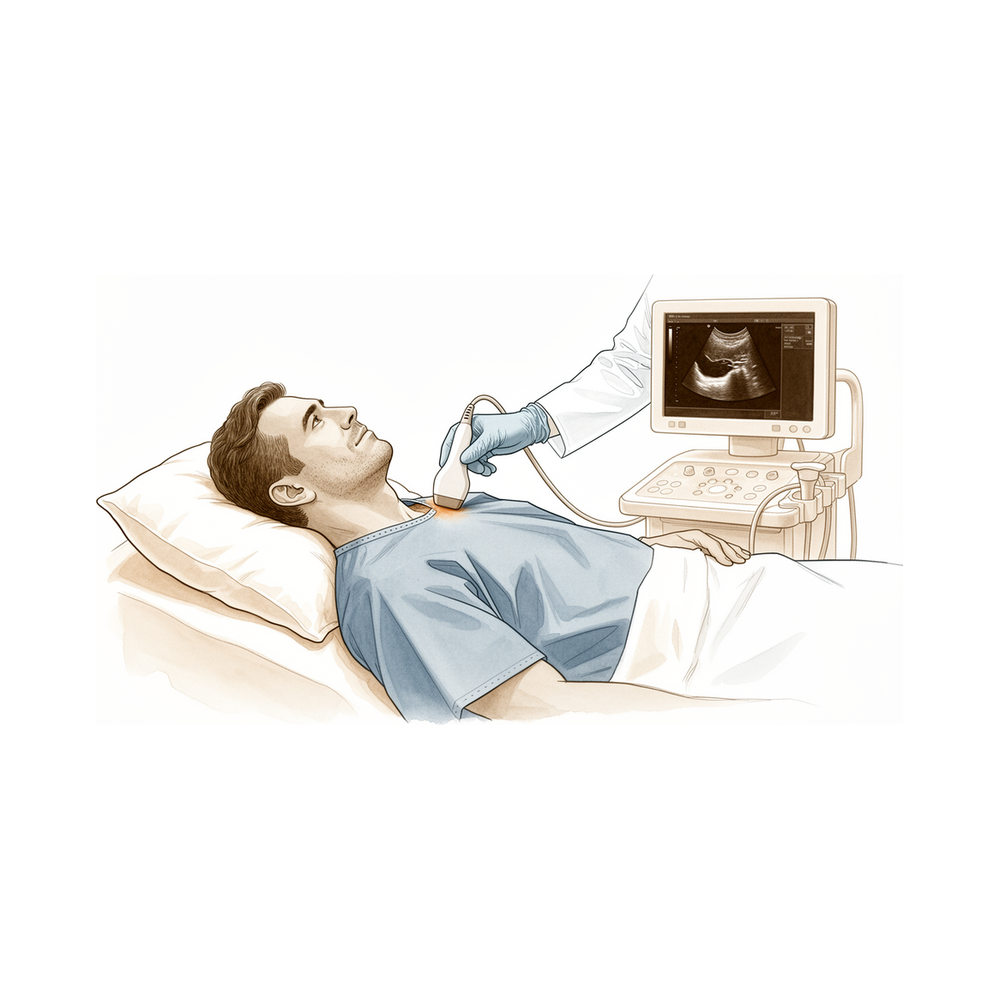 Your shoulder nerve blockThe nerve block we use for shoulder surgery — how it numbs your arm, why it controls pain so well, and what to expect as it wears off.
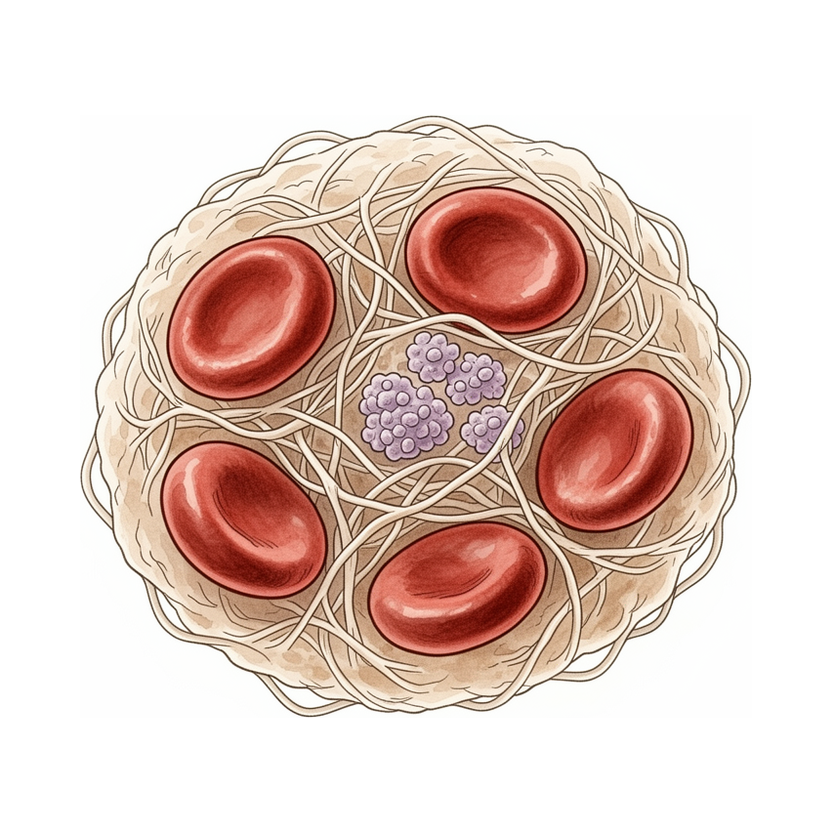 Blood Thinners Around SurgeryHow anticoagulants and antiplatelets work, and why the timing of stopping each before surgery differs — platelet turnover, half-lives and clot risk.
The first days and weeks
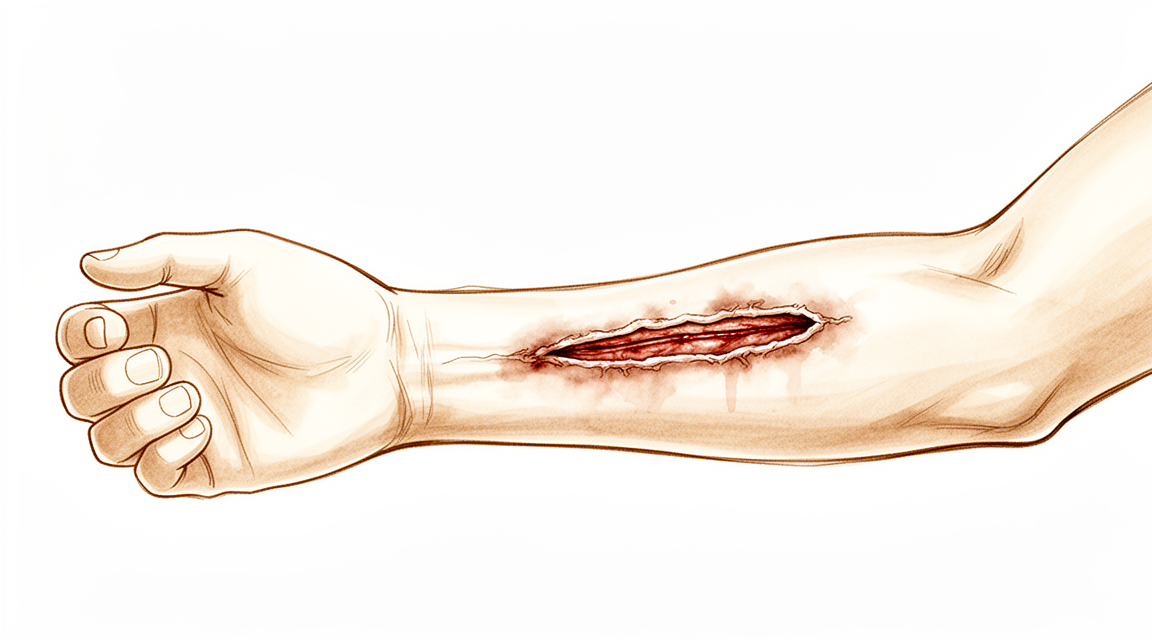 Looking after your woundDressings, showering, and signs of infection after upper-limb surgery.
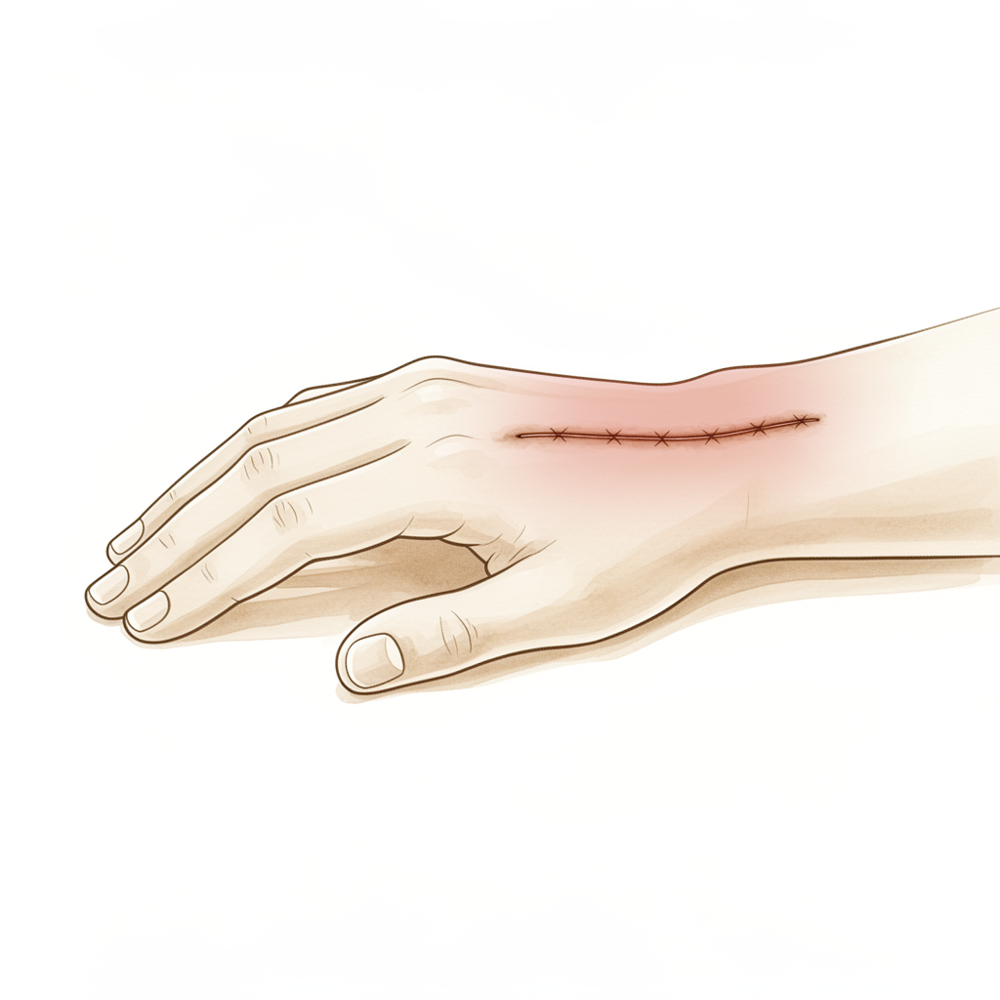 Is my wound infected?How to tell normal healing from a wound infection after surgery — the warning signs and when to seek help.
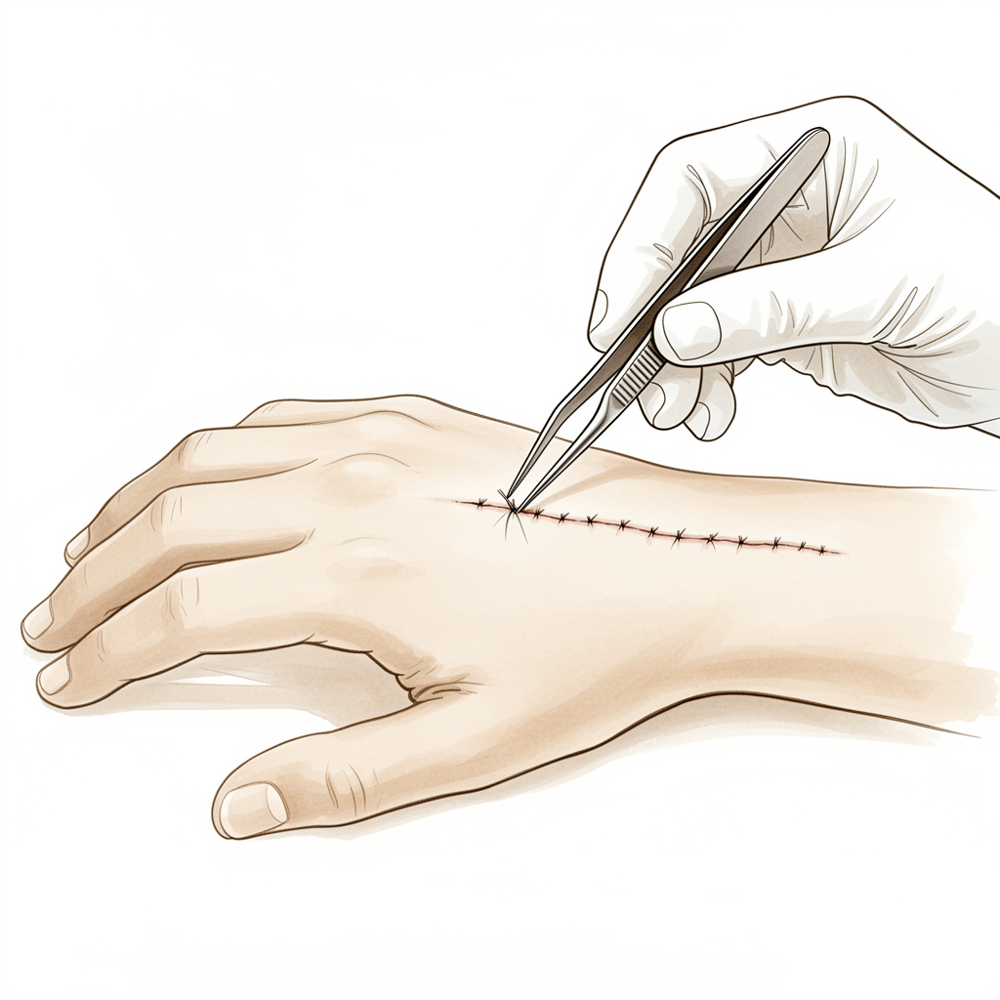 Your wound check and stitch removalWhat happens at the post-op wound check, dissolvable vs removable stitches, what removal feels like, and when to seek help sooner.
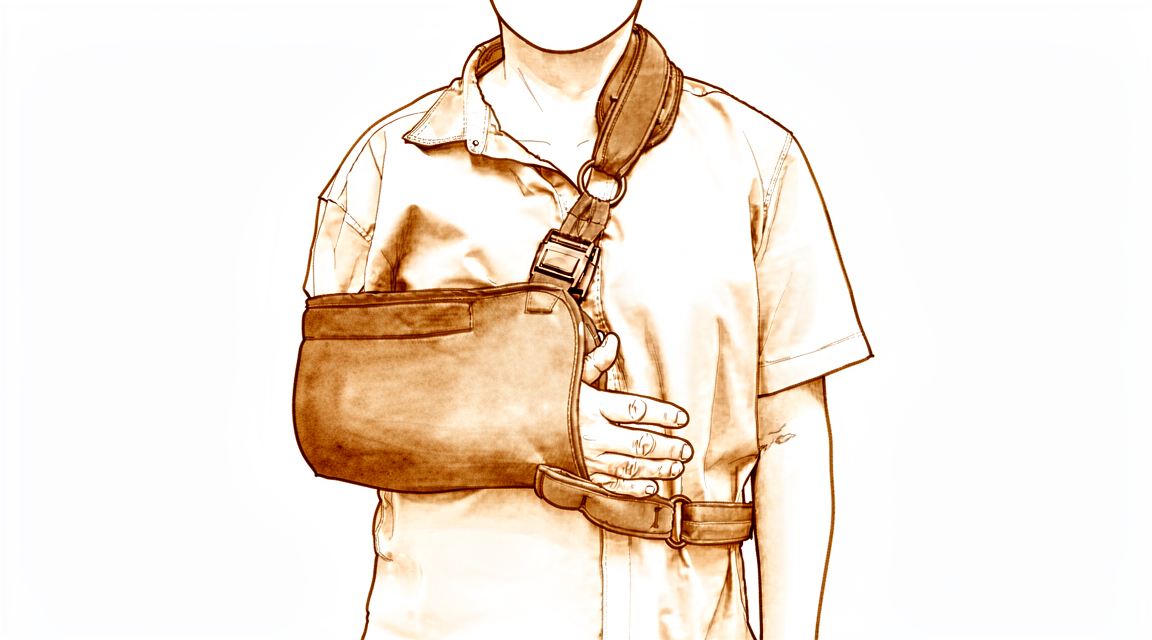 Wearing and Sleeping in an Arm SlingHow to sleep in an arm sling, get the sling position right, and look after it after shoulder, elbow or wrist surgery, including whether to keep the sling on overnight.
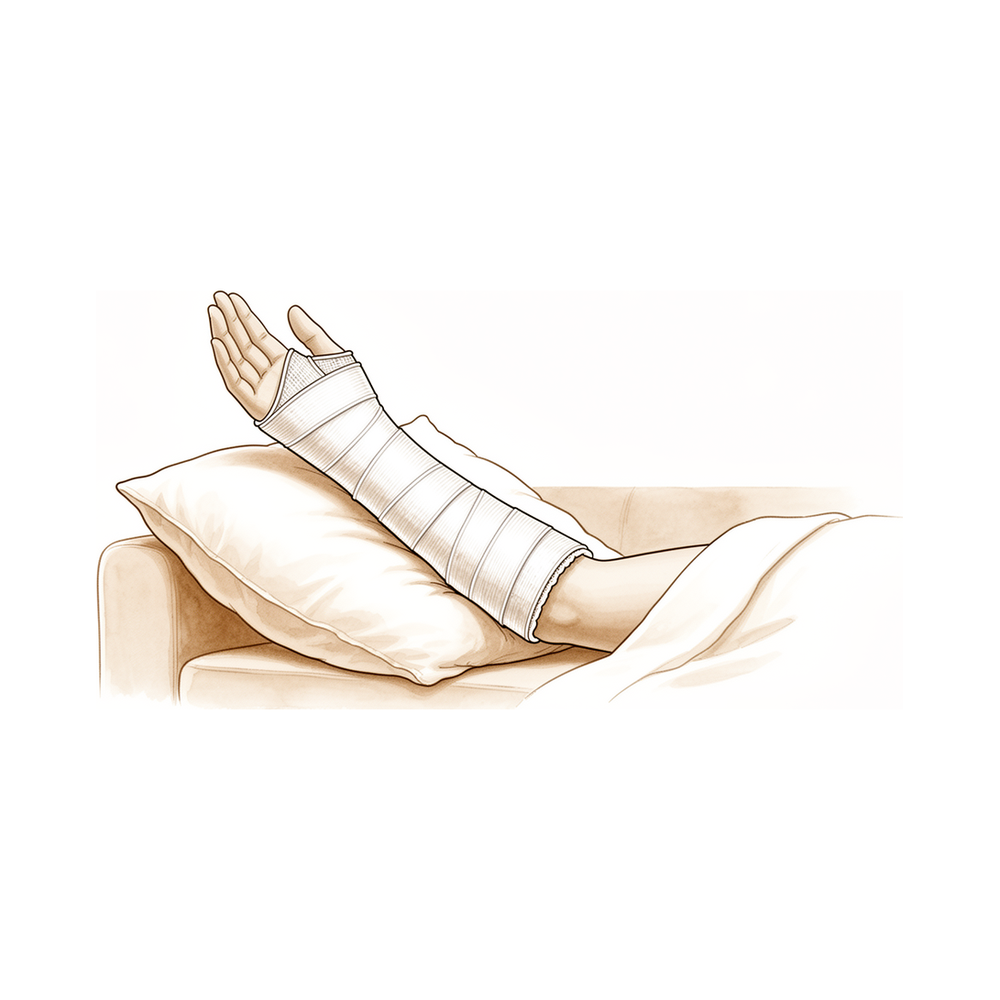 Cast and splint care at homeLooking after a plaster or splint at home — keeping it dry, elevation, keeping joints moving, and the urgent signs of a too-tight cast.
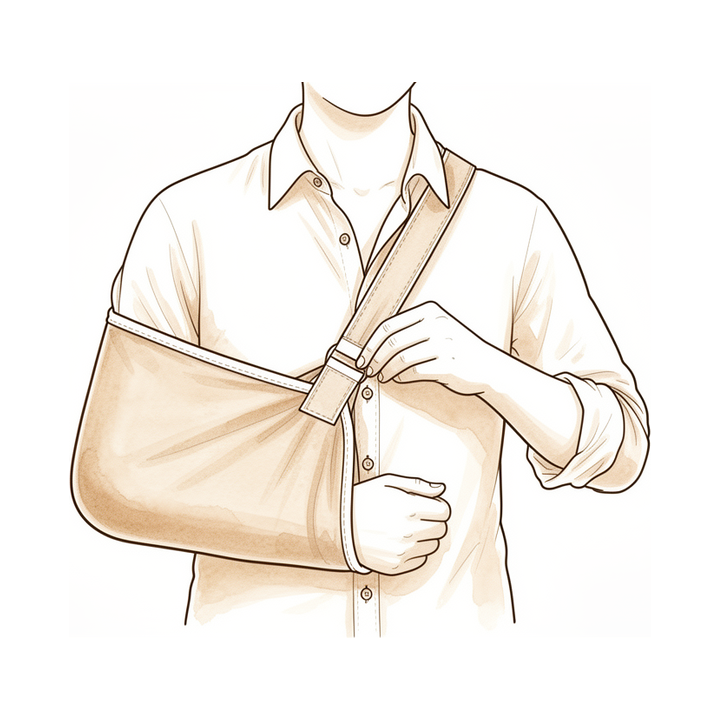 Daily life after shoulder surgeryWashing, dressing, sleeping and managing day-to-day with the operated arm in a sling after shoulder surgery.
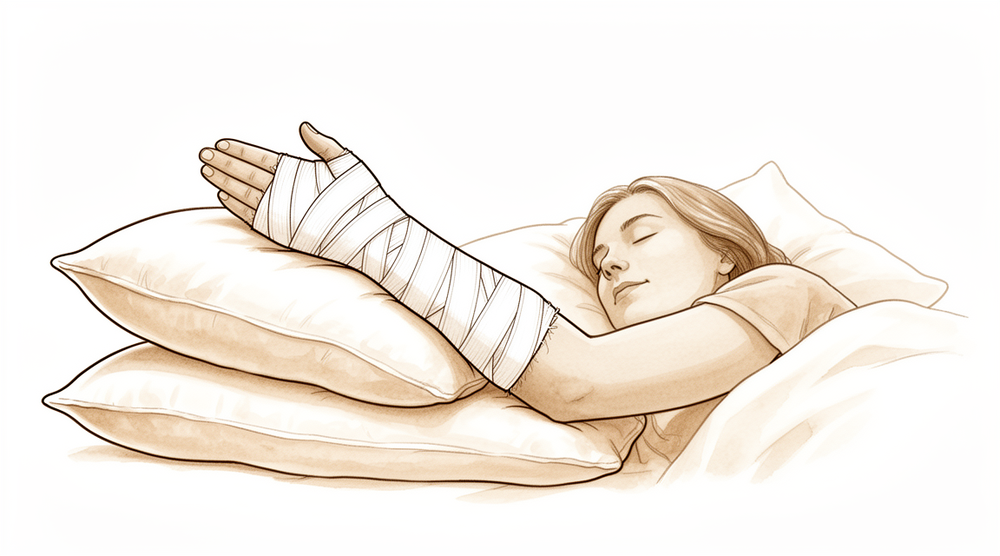 Daily life after hand, wrist or elbow surgeryKeeping a hand or wrist dressing dry, elevation to control swelling, and one-handed living after hand, wrist or elbow surgery.
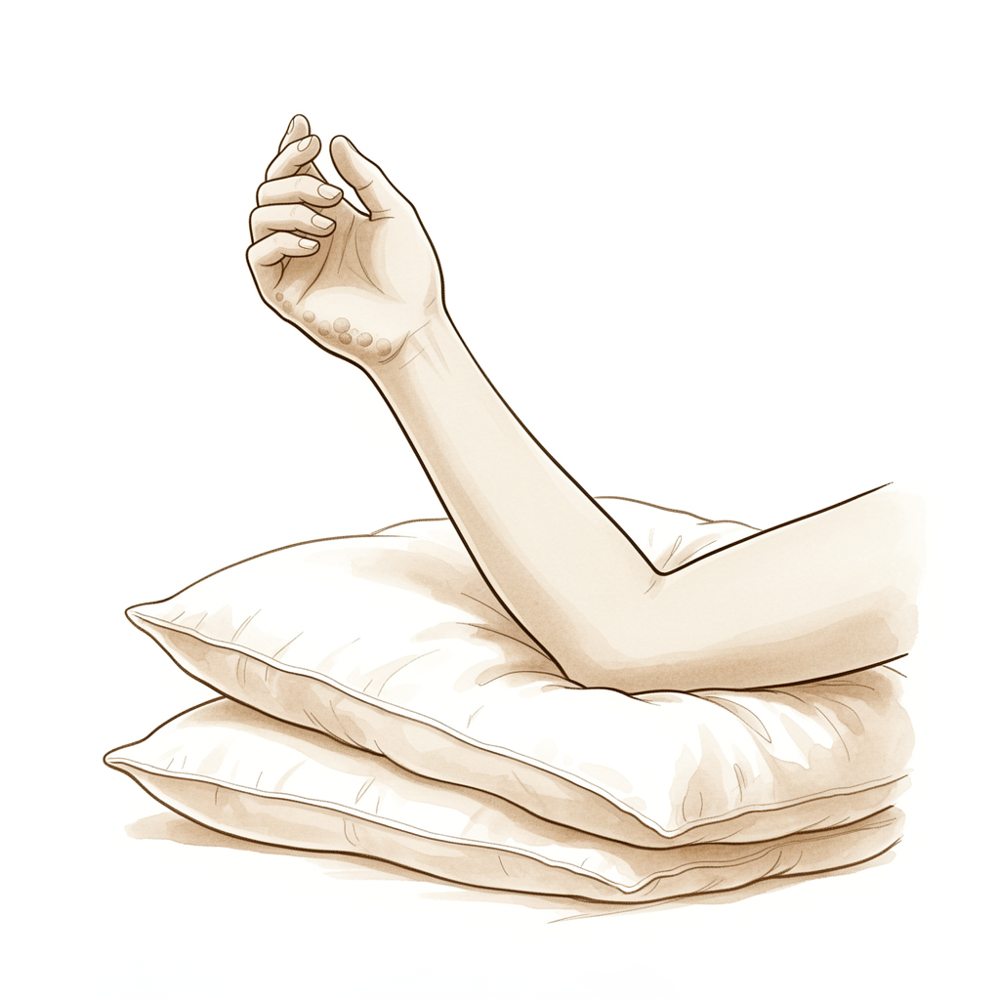 Swelling and elevation after surgeryWhy a hand or arm swells after surgery, how elevation and gentle movement control it, and when swelling is a warning sign.
 Managing pain after surgeryWhat pain to expect, how to use pain relief well, and when to call.
 Constipation and gut care after surgeryWhy constipation is common after surgery (especially with strong painkillers) and how to prevent and manage it.
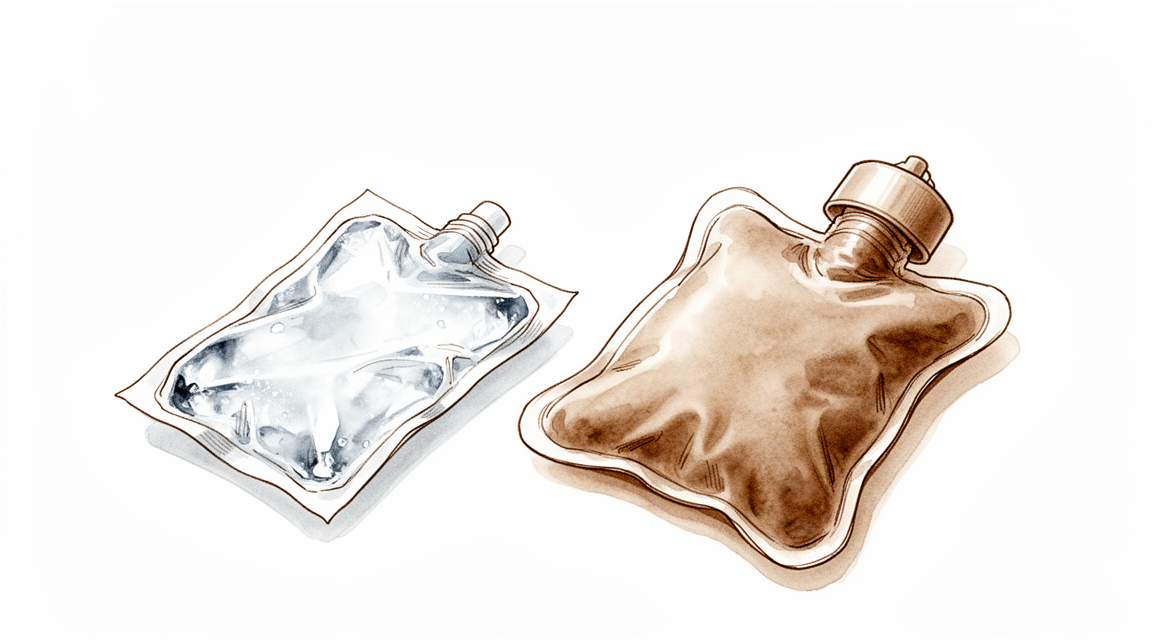 Heat vs IceWhen ice helps, when heat helps, and how to use either safely on the upper limb.
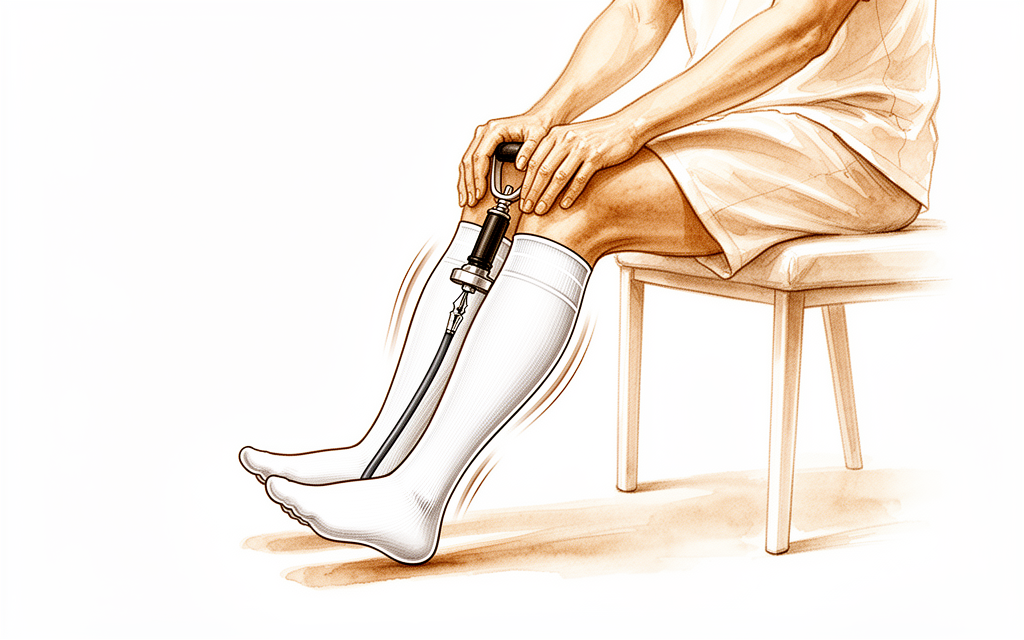 Preventing Blood Clots After SurgeryReducing the risk of deep vein thrombosis after upper-limb surgery — mobilisation, hydration, medication.
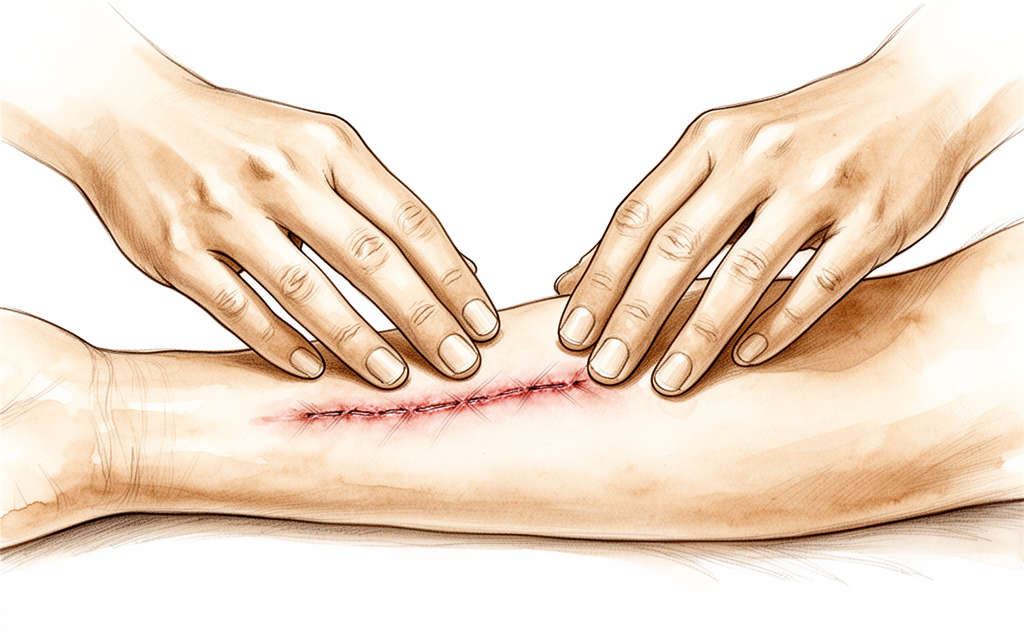 Scar ManagementMassage, silicone, sun protection and the 12-month timeline for surgical scars to soften and fade.
Getting back to normal
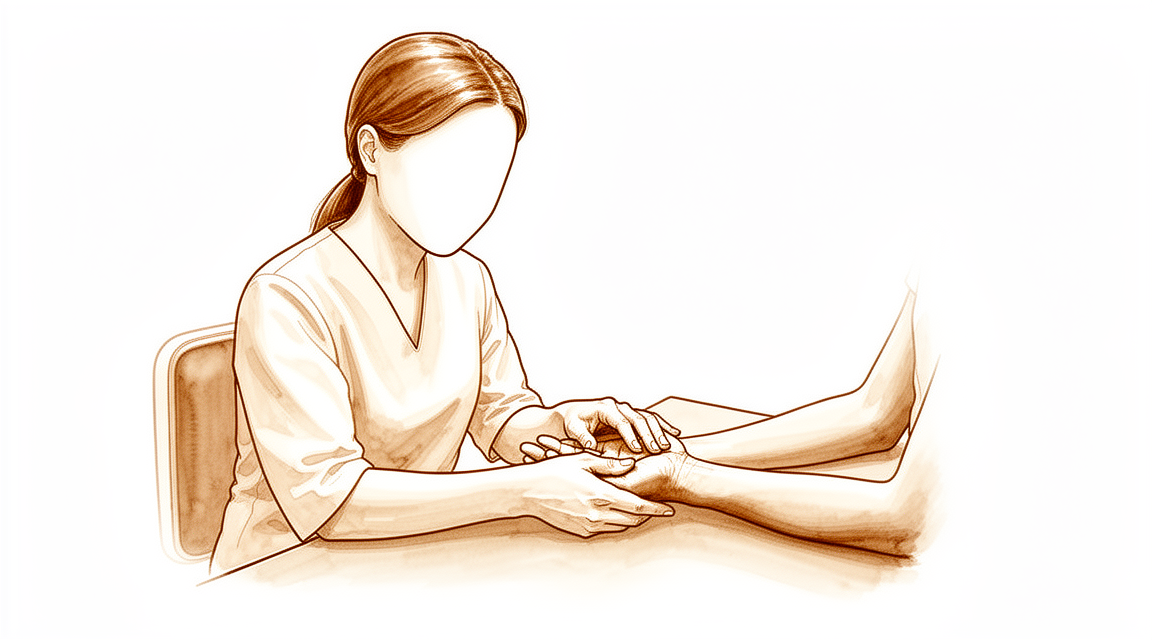 Hand therapy basicsWhat to expect from hand therapy, how often you'll go, and what good rehab looks like.
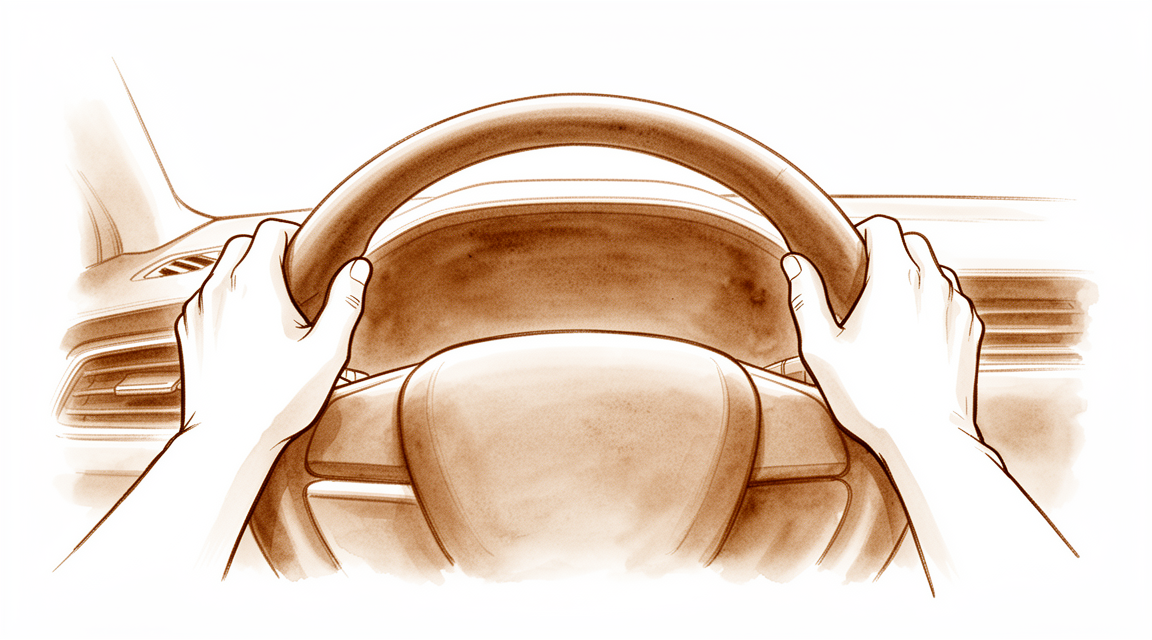 Driving After Shoulder and Arm Surgery: When Is It Safe and Legal?After most shoulder surgery, including rotator cuff repair, you usually cannot drive for about six weeks, and not while your arm is in a sling. When it is safe and legal to get back to the wheel after hand, wrist, elbow or shoulder surgery.
 Returning to workWhen you can return to desk, light, and heavy work after upper-limb surgery.
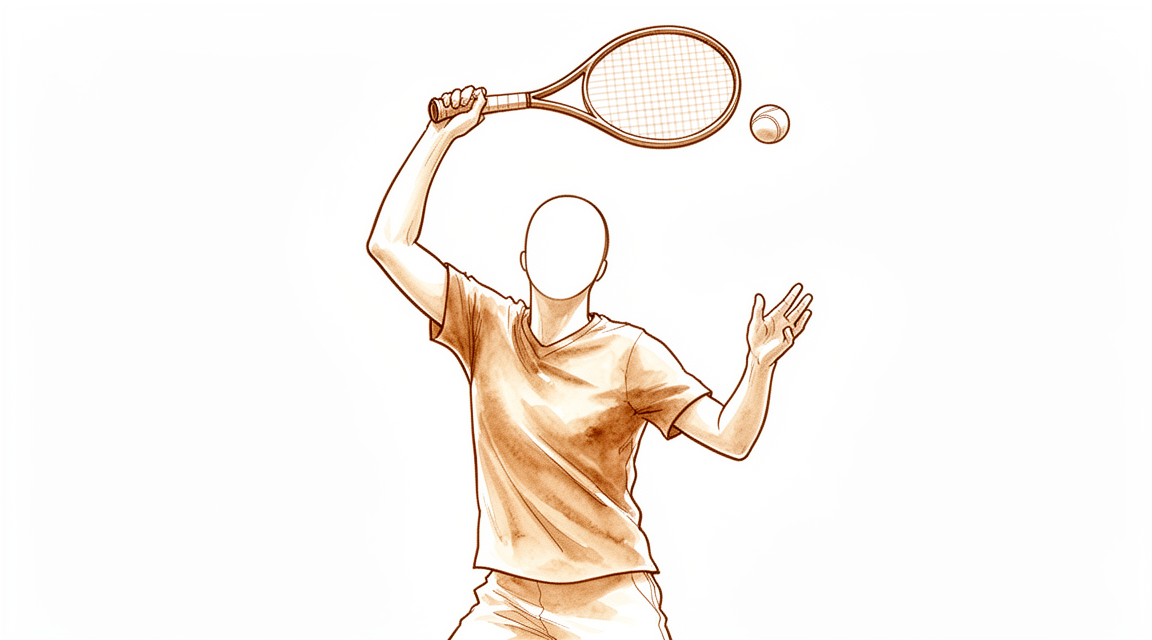 Returning to sportPhased return to sport after upper-limb surgery, and when contact sport is safe again.
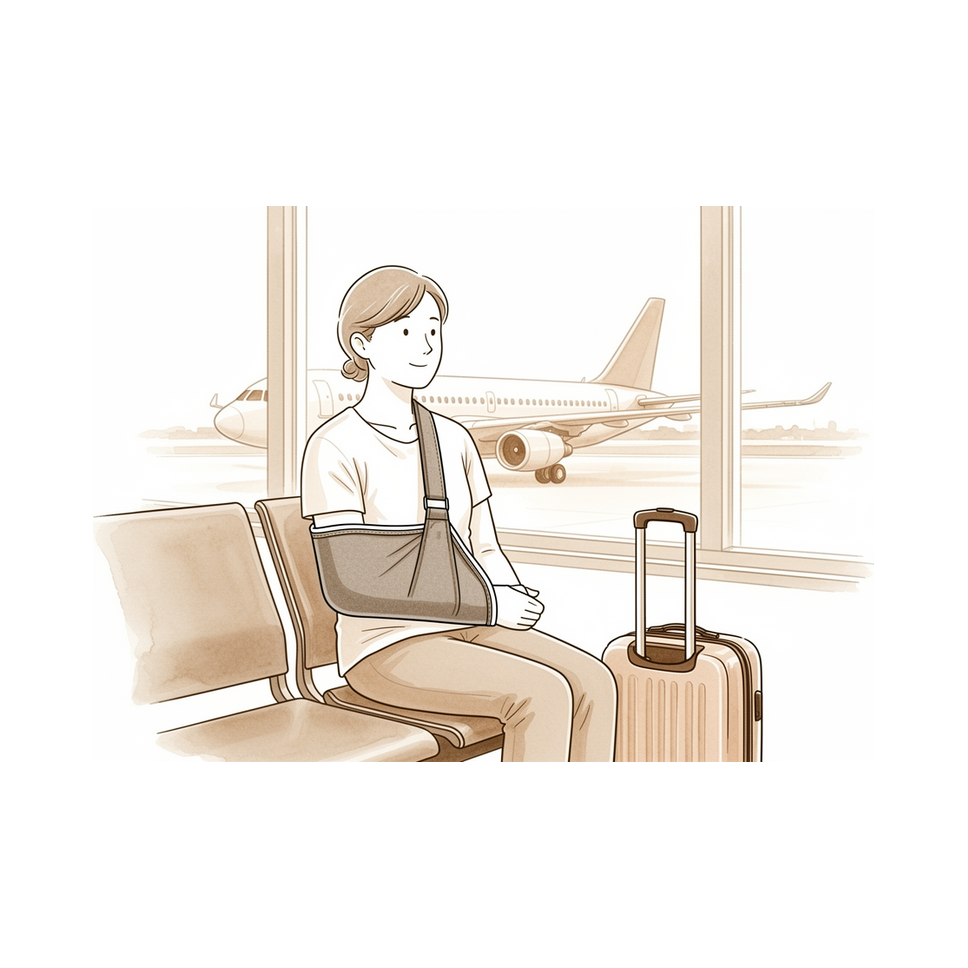 Flying and travel after surgeryClot risk, cast tightness at altitude, fitness to fly and the practicalities of travelling after upper-limb surgery.
Looking after yourself
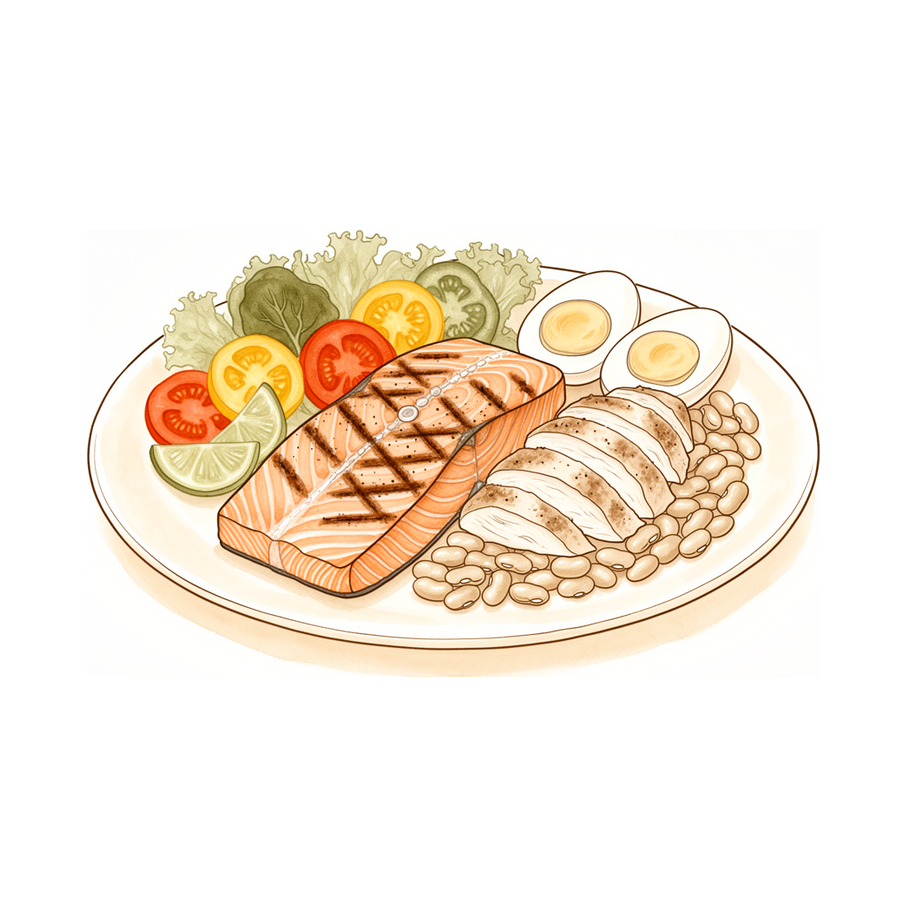 Eating well for healingEveryday food to support recovery after surgery — protein, energy, healing vitamins, and preventing constipation.
 Sleep, Pain and RecoveryHow sleep and pain affect each other, why surgery and shoulder problems disturb sleep, and what helps you rest and recover.
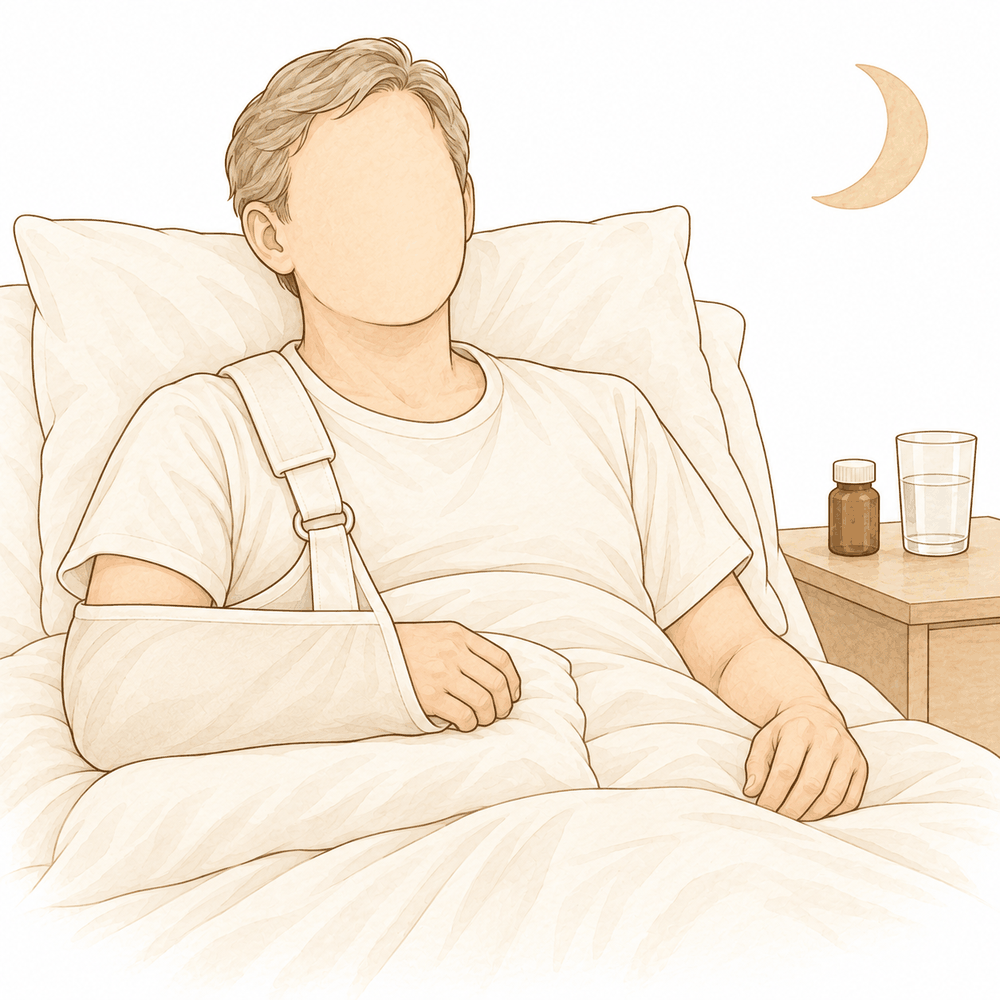 Melatonin After Shoulder SurgeryWhy we prescribe melatonin after shoulder surgery, what the trial evidence shows, the dose we use, and what to expect from it.
 Mind, Stress and RecoveryHow stress, low mood, anxiety and worry about pain affect recovery and surgical outcomes — and what helps.





