General & whole-body health
Last reviewed
Bone, tendon and joint problems are rarely confined to the joint itself — whole-body factors shape who develops them, how severe they become, and how well treatment works. Hormonal change is the clearest example: the loss of oestrogen through perimenopause and menopause drives a recognised cluster of musculoskeletal problems — joint and tendon pain, loss of muscle mass, accelerating bone loss, and a sharp rise in conditions seen in the upper-limb clinic, including frozen shoulder, carpal tunnel syndrome and thumb-base arthritis. Bone density, smoking, diabetes, nutrition and activity levels similarly influence fracture risk, tendon healing and recovery after surgery. The guides below explain these whole-body connections in plain language: what is happening, what the evidence supports, and what patients can do about it — alongside, not instead of, treatment for the specific condition. They are written from an upper-limb surgical practice, where these patterns are seen every week.
Conditions
 Alcohol, Bone and Wound HealingHow alcohol weakens bone and slows wound healing, its risks around surgery, and why cutting down before and after helps.
 Complex Regional Pain Syndrome (CRPS)What CRPS is, why it sometimes follows a wrist or hand injury or operation, how it is recognised and treated, and what recovery looks like.
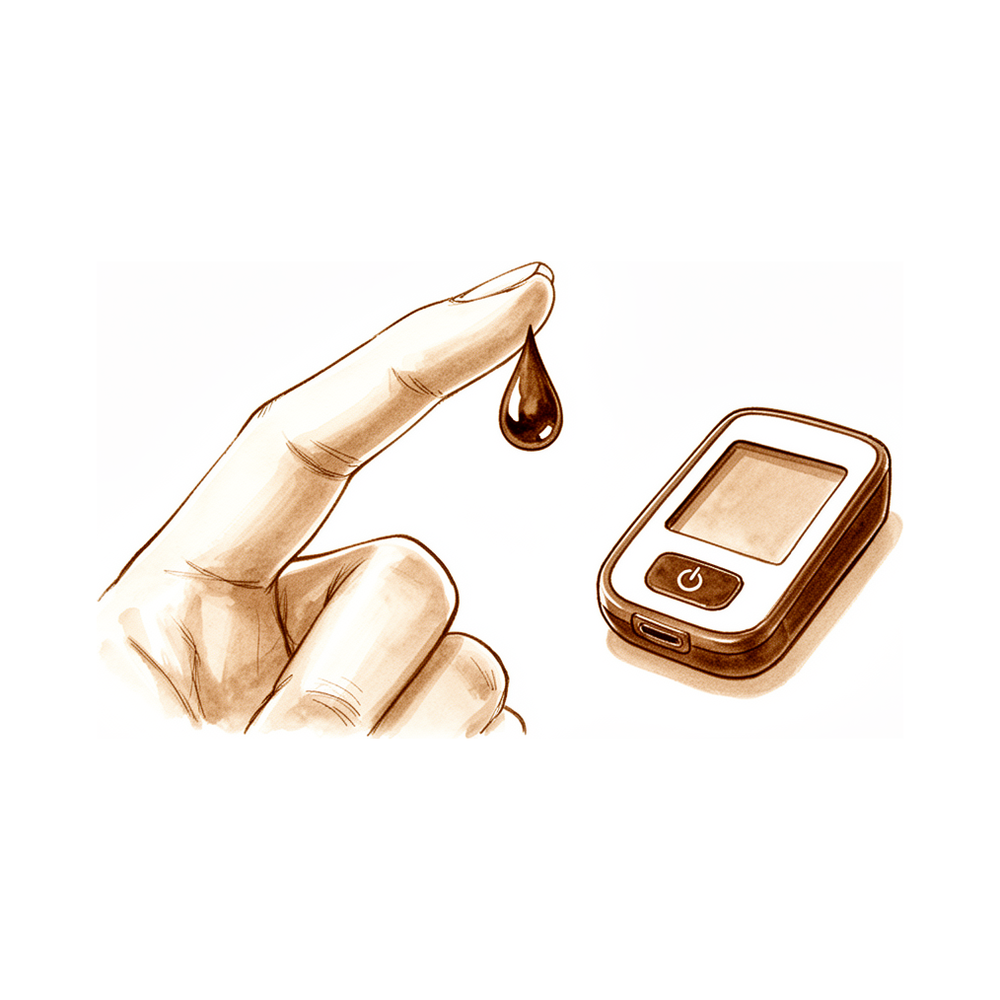 Diabetes and Upper-Limb ConditionsWhy diabetes makes frozen shoulder, trigger finger, carpal tunnel syndrome and Dupuytren's more common, and how it affects healing and surgery.
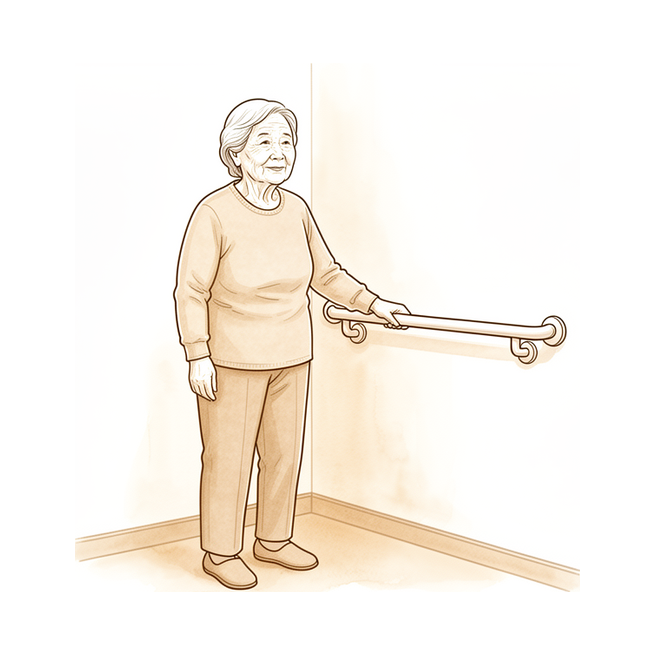 Falls Prevention and Fragility FracturesA wrist or shoulder broken in a simple fall is often the first sign of thinning bone — treating the bone and preventing the next fall.
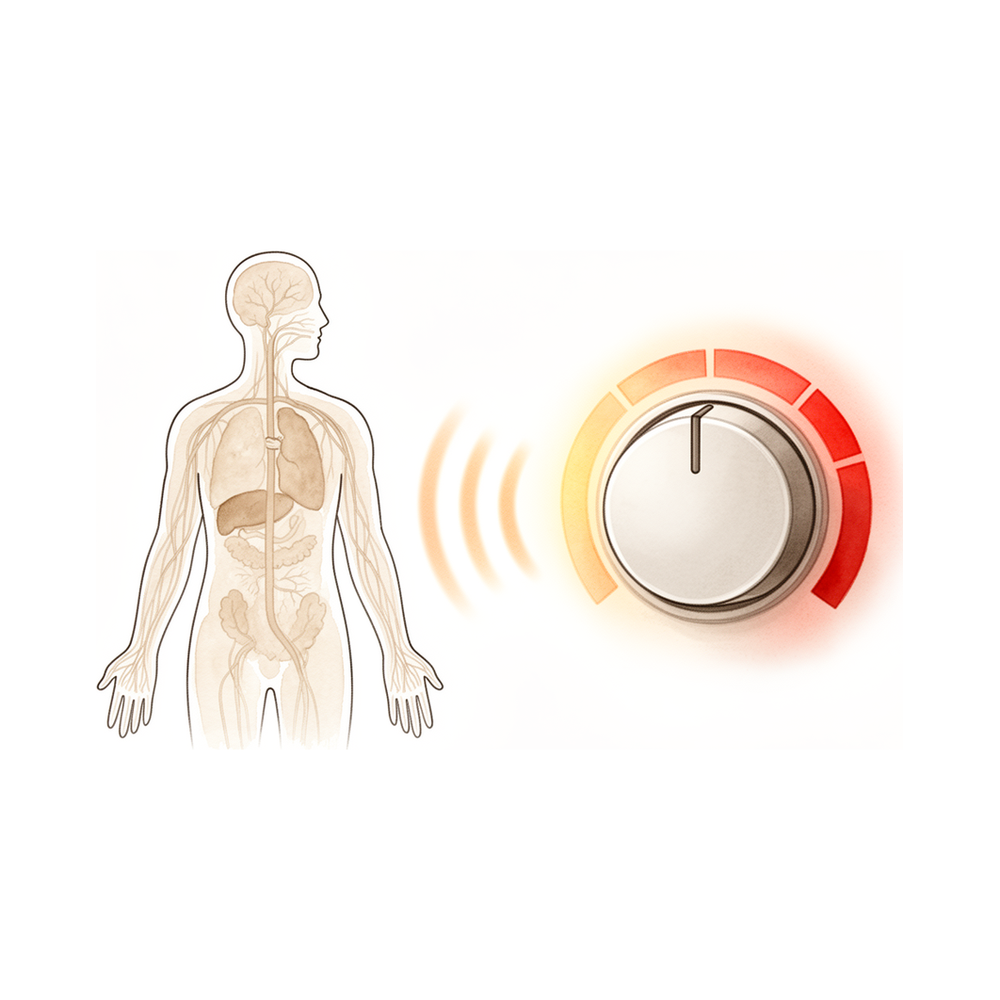 FibromyalgiaWidespread pain and fatigue from an over-sensitised nervous system — what it is, and why movement, sleep and pacing help most.
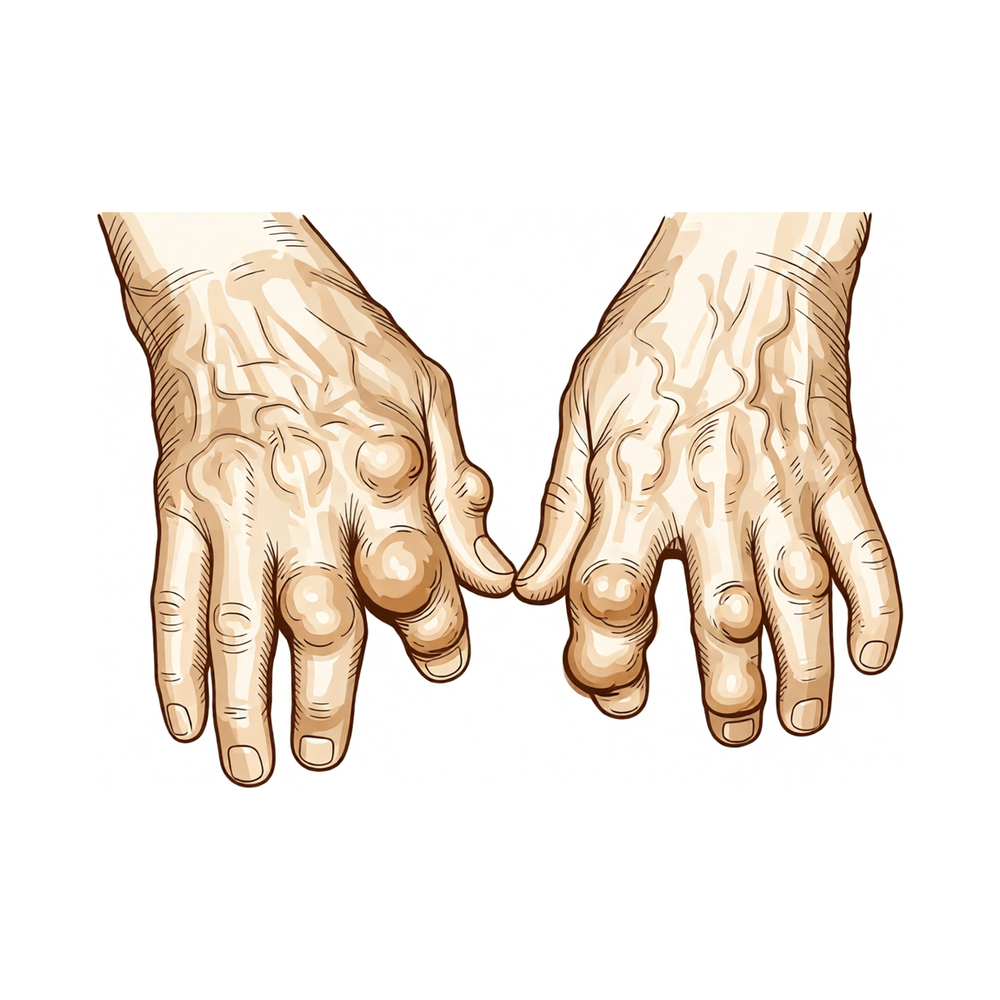 Gout in the Hand, Wrist and ElbowGout in the upper limb — what causes the attacks and lumps (tophi), how flares and high urate are treated, and when surgery is needed.
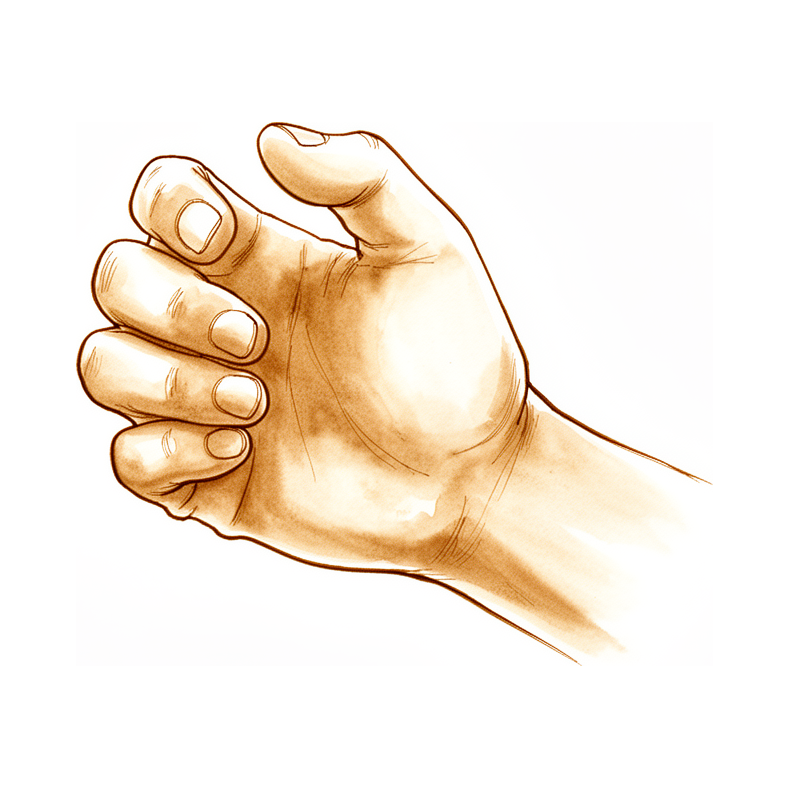 Inflammatory and Rheumatoid ArthritisRheumatoid, psoriatic and gouty arthritis affecting the hand, wrist and upper limb — what they are, how they are managed, and when surgery helps.
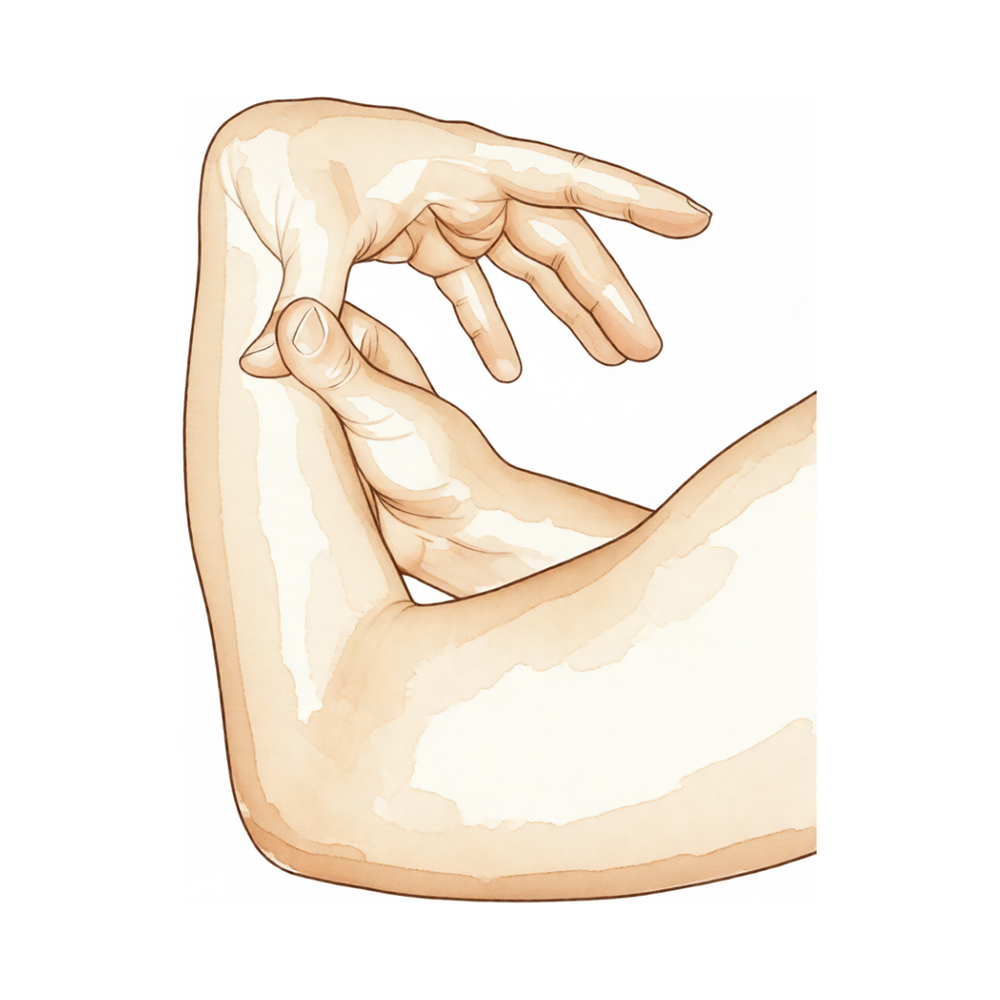 Joint Hypermobility and Ehlers-Danlos SyndromeBendy joints that can slip or ache — the spectrum from benign hypermobility to hEDS, and why strengthening is the mainstay.
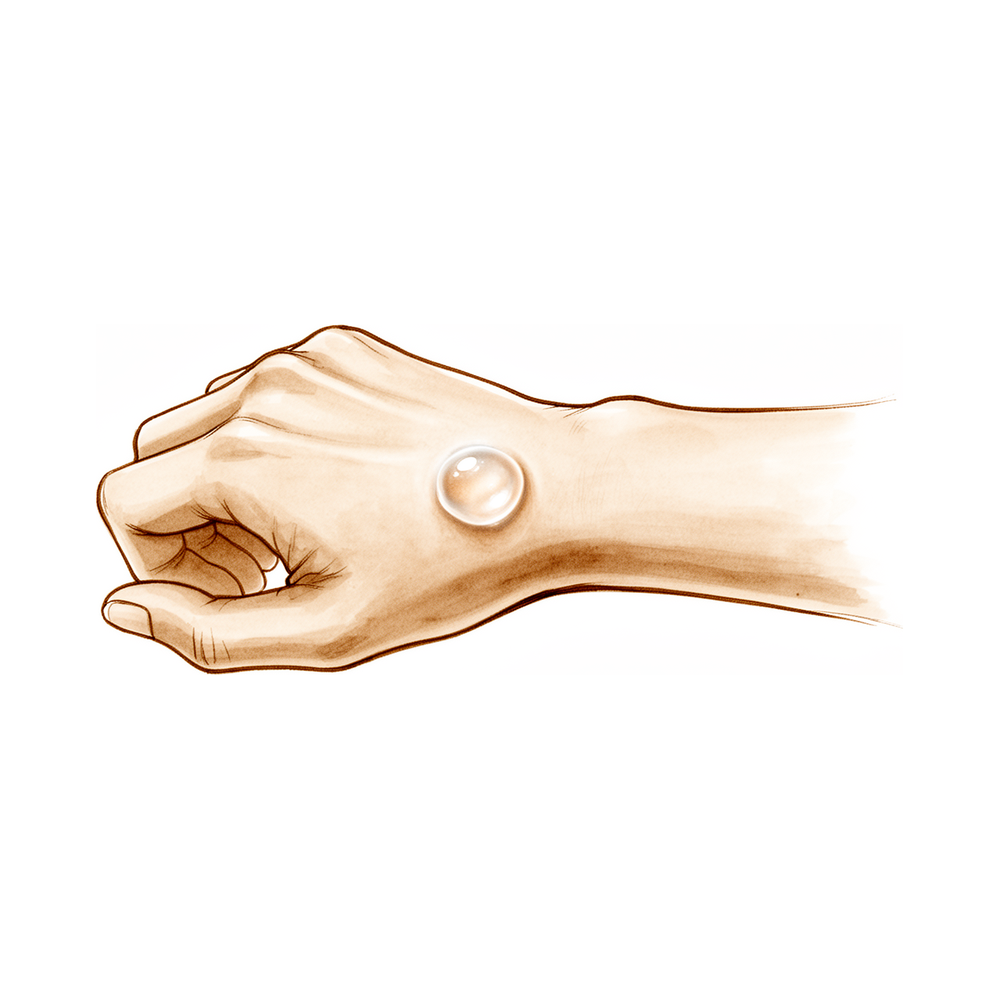 Lumps and Bumps on the Hand, Wrist and FingersFound a lump on your hand, wrist or finger? The common causes and what they mean: ganglion cysts, fatty lumps (lipomas), giant cell tumours, mucous cysts and carpal bossing, and when to see someone.
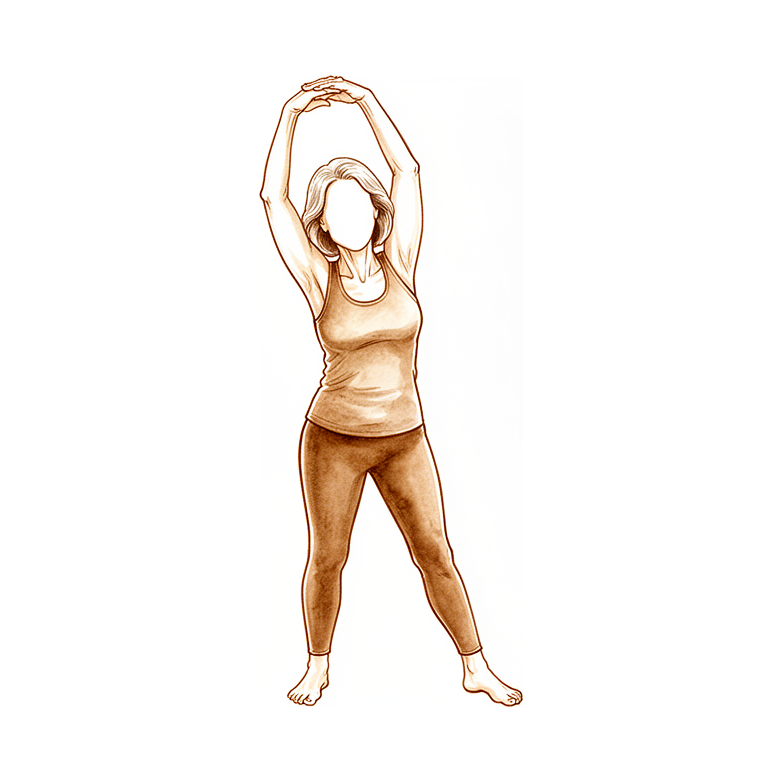 Musculoskeletal Syndrome of MenopauseHow the menopausal transition and oestrogen withdrawal drive joint, tendon and muscle symptoms — arthralgia, tendinopathy, frozen shoulder, greater trochanteric pain and myalgia — and the evidence on hormone therapy.
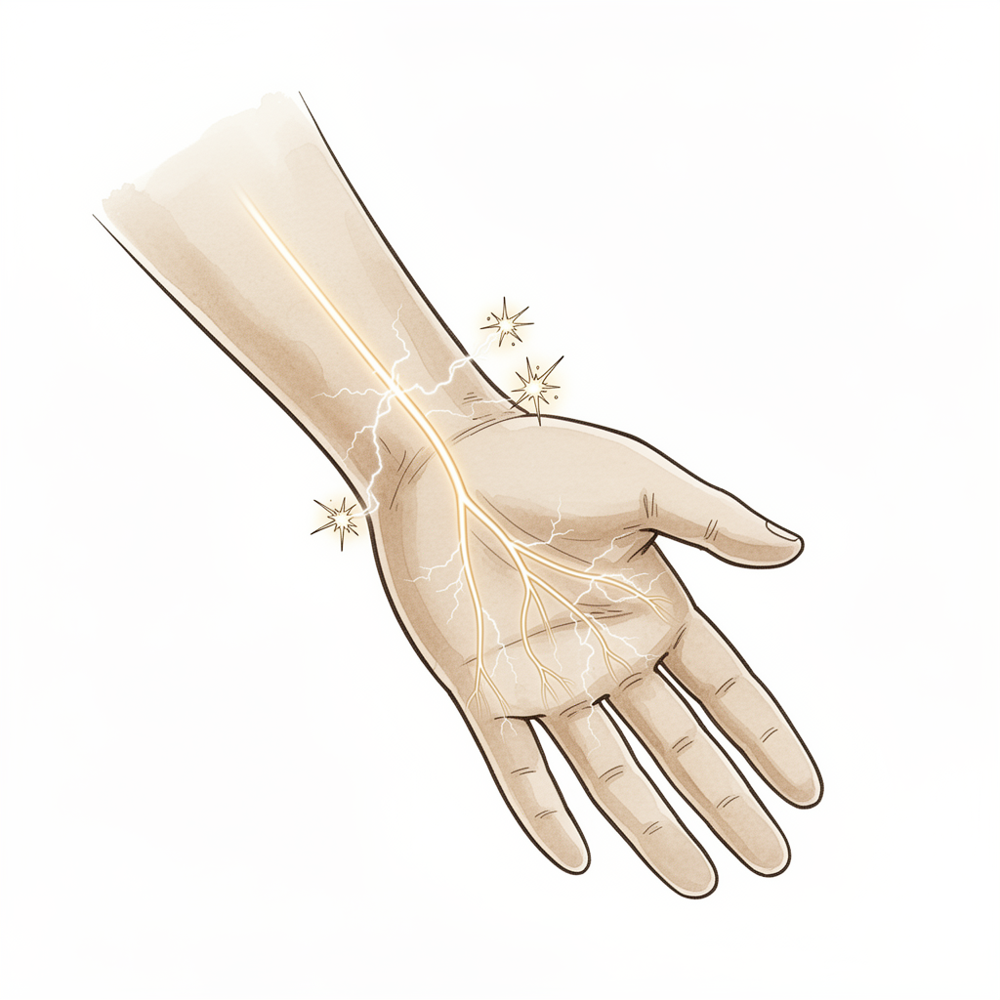 Nerve Pain Medicines (Gabapentin and Pregabalin)How medicines like gabapentin and pregabalin settle nerve pain, why they are built up slowly, their side effects, and using them safely.
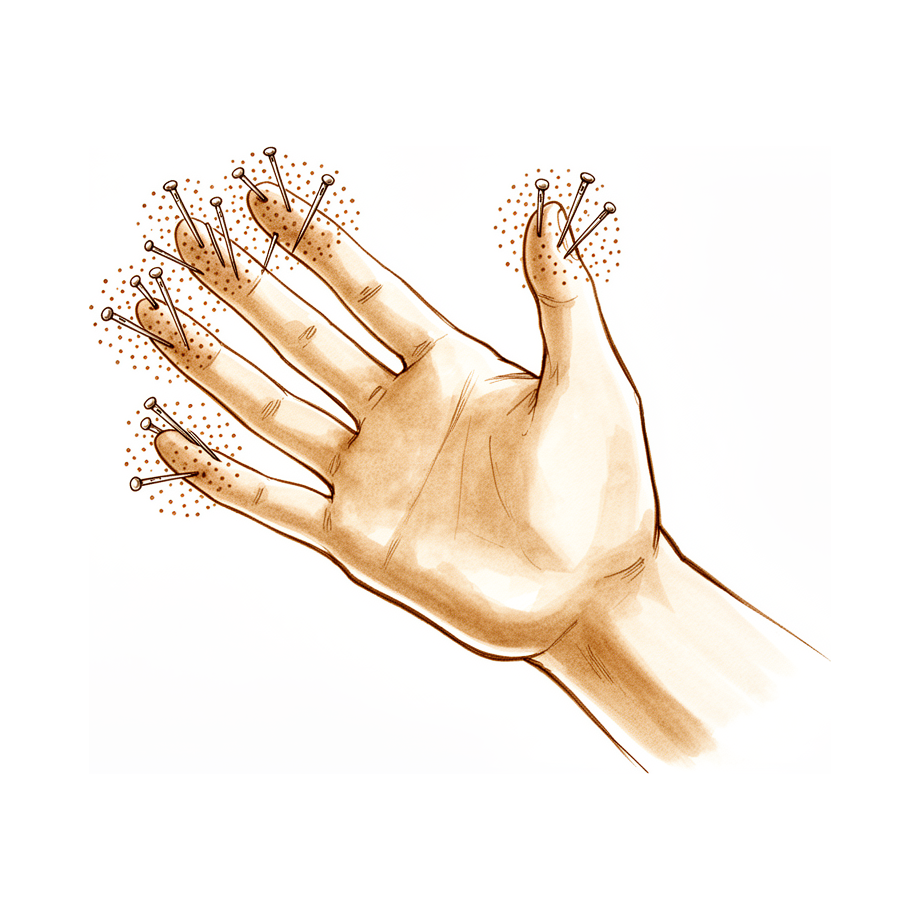 Numbness and Tingling in the Hand and ArmWhat causes numbness, tingling or 'pins and needles' in the hand and arm — from carpal tunnel and cubital tunnel to other nerve problems — when it matters, and what helps.
 Oral Steroids, Bone and HealingHow long-term steroid tablets affect bone, wound healing and surgery, and why they must never be stopped suddenly.
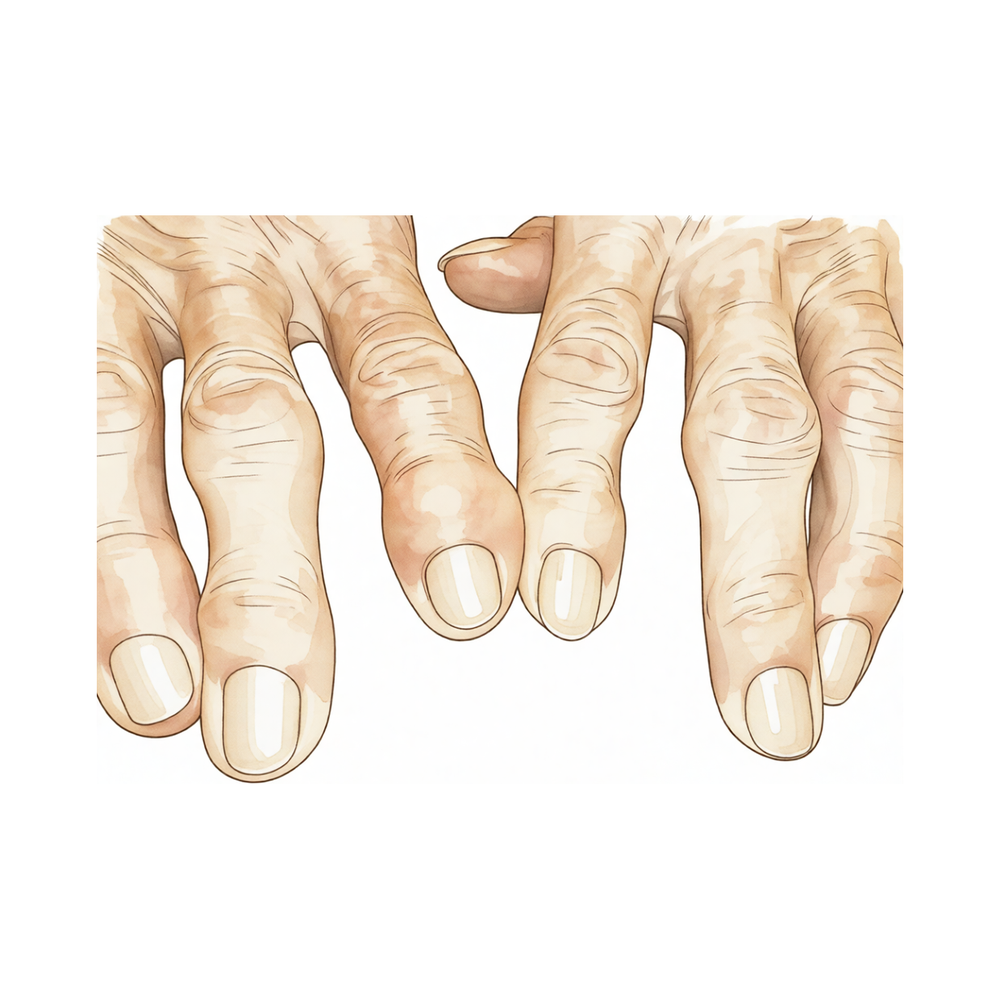 OsteoarthritisThe commonest arthritis — cartilage wear in the thumb base, fingers, wrist and shoulder — its symptoms, management ladder and outlook.
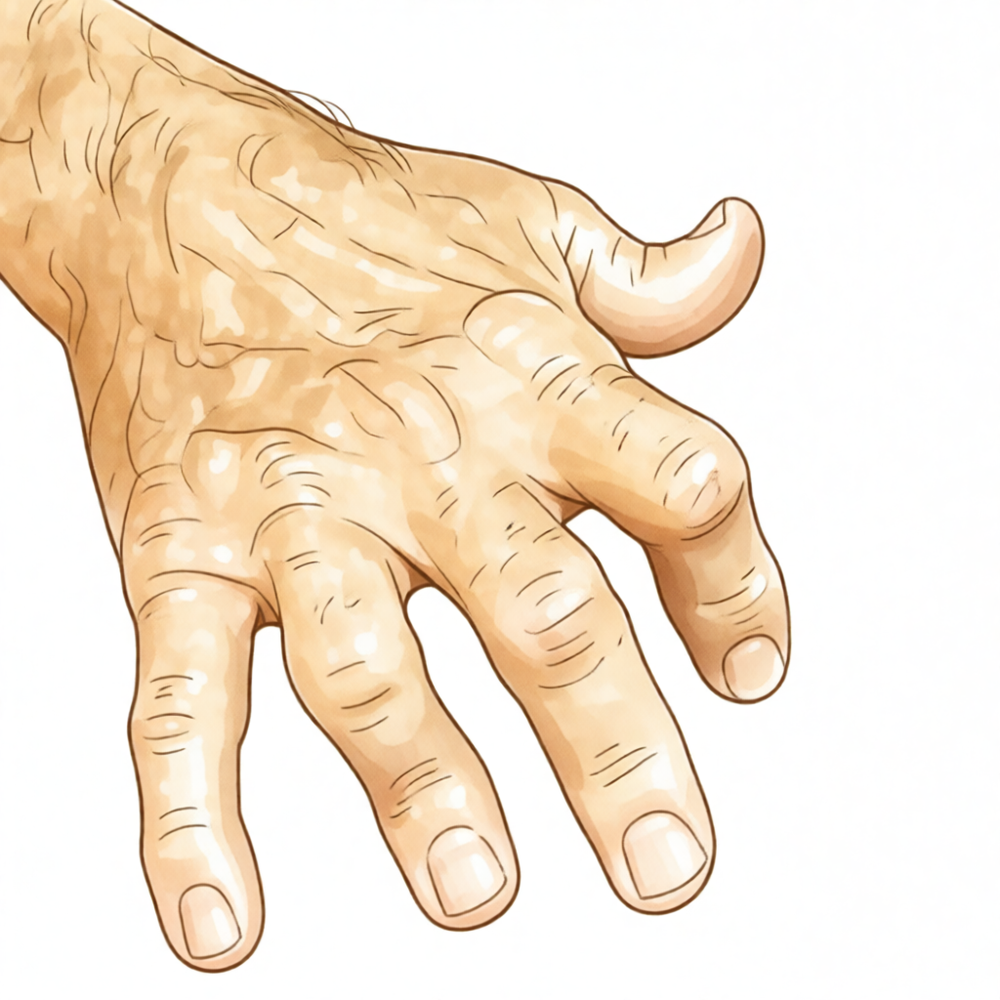 Psoriatic ArthritisAn inflammatory arthritis linked to psoriasis — sausage digits, nail changes and end-joint involvement — and why early treatment protects the joints.
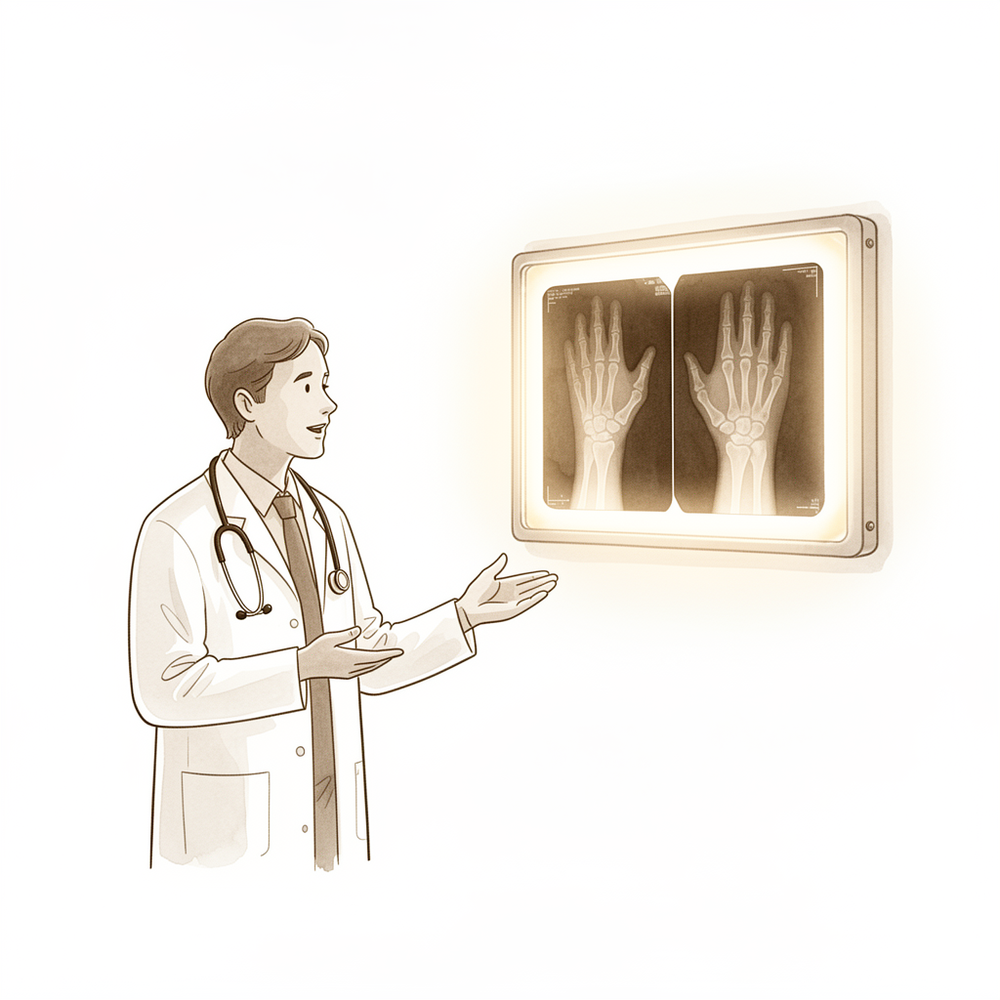 Understanding Your Scans (X-ray, Ultrasound, MRI, CT)What X-rays, ultrasound, MRI and CT each show, and why your surgeon chooses one over another.
Treatments & Health Topics
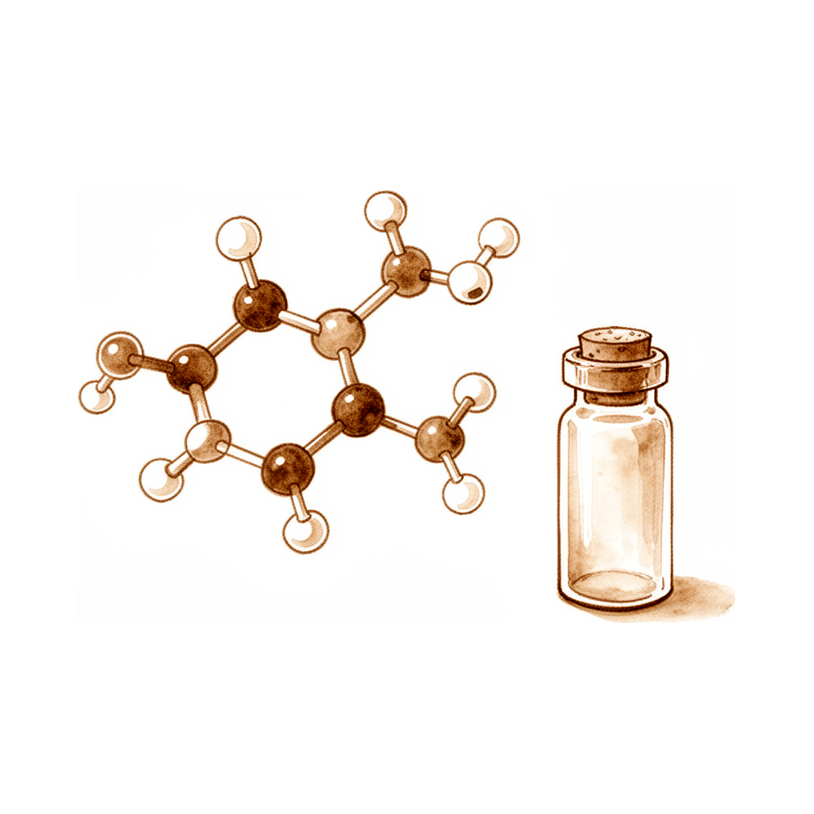 Anabolic Steroids, Testosterone and Tendon Rupture RiskAnabolic steroids and testosterone are linked to a higher risk of tendon rupture, including the rotator cuff, biceps and quadriceps. How steroids and TRT affect tendons, joints, bone and recovery from surgery.
 Autologous Tenocyte Implantation (ATI)Cultured tendon-cell injection (OrthoATI) for chronic tendinopathy — how it is made and given, what the published evidence does and does not show, and its regulatory standing in Australia.
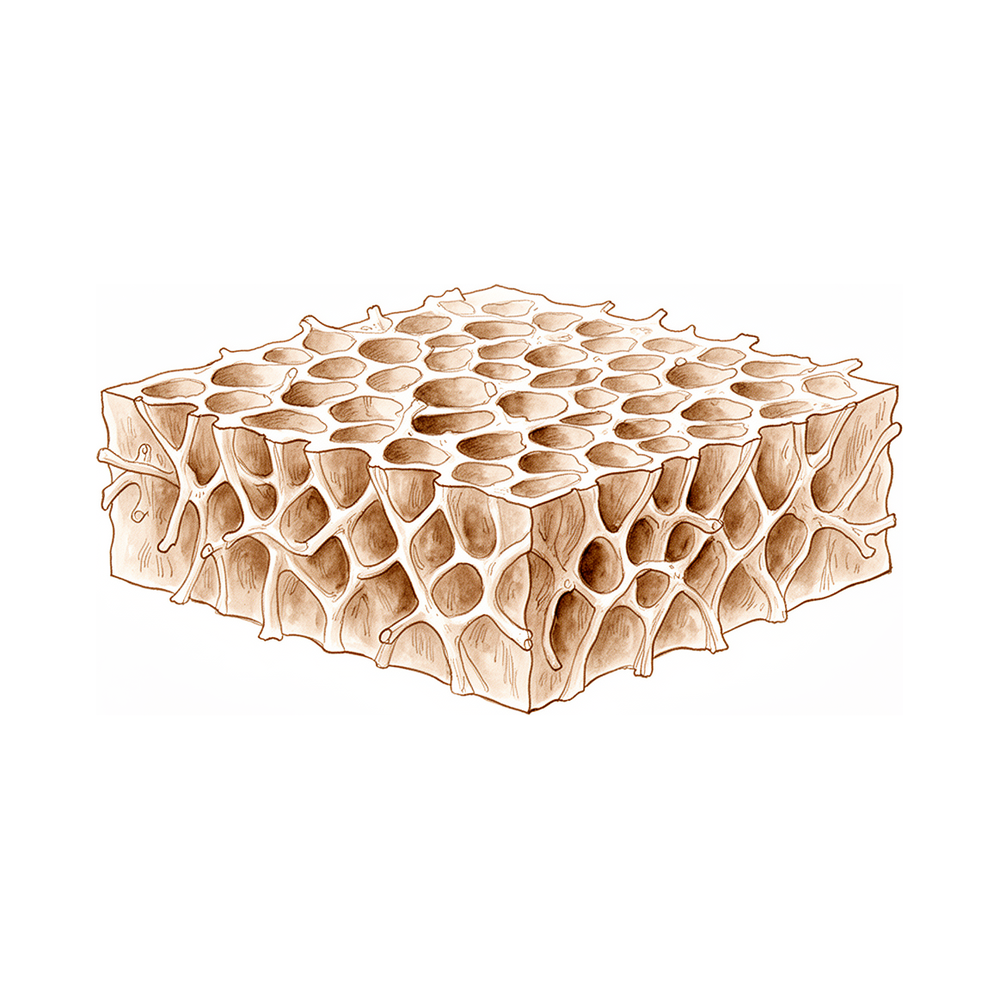 Bone Health and OsteoporosisHow bone strength affects fractures, fixation and recovery — bone density, fragility fractures, and what helps keep bones strong (lifestyle, supplements and medications).
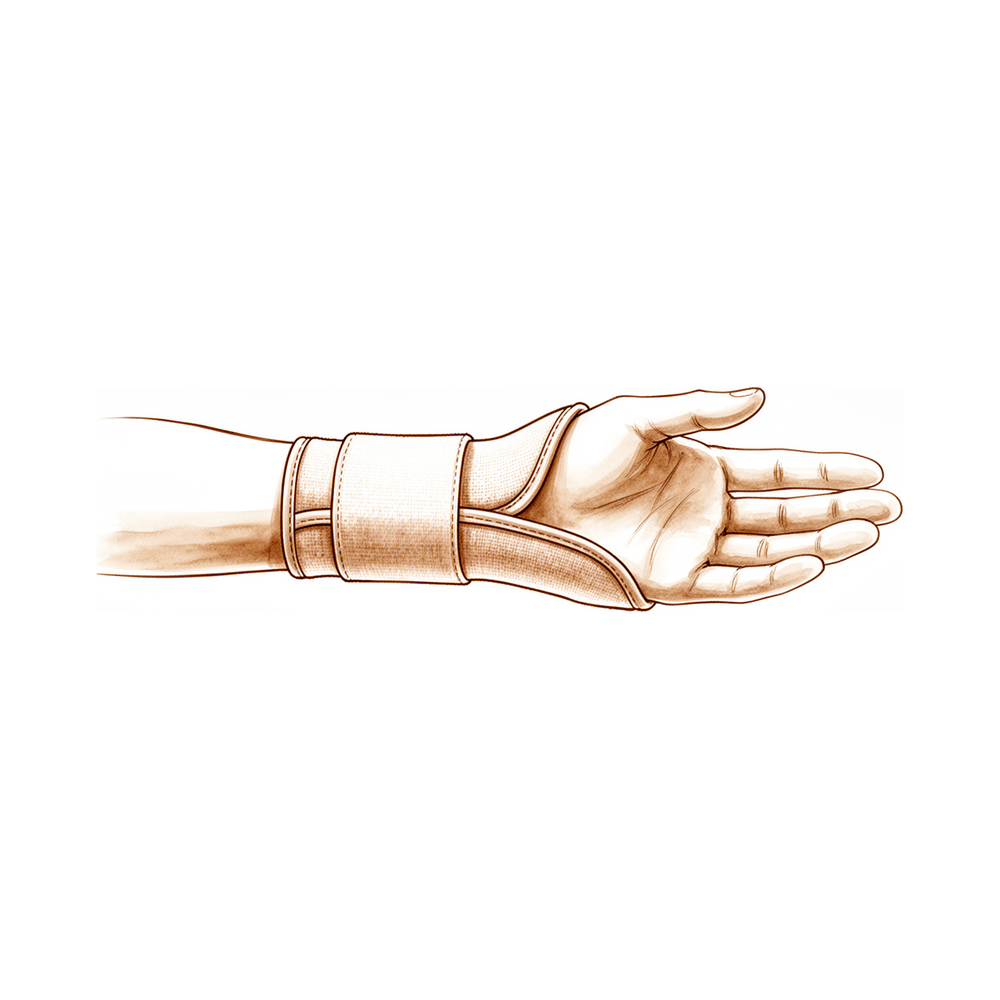 Braces, Splints and SupportsWhen braces, splints and supports help upper-limb conditions, the main types, how to use them, and what the evidence shows for sprains, tendon problems, arthritis and after surgery.
 Cannabis and CBD for PainWhat the evidence does and doesn't show for cannabis and CBD in musculoskeletal pain, and practical and safety considerations.
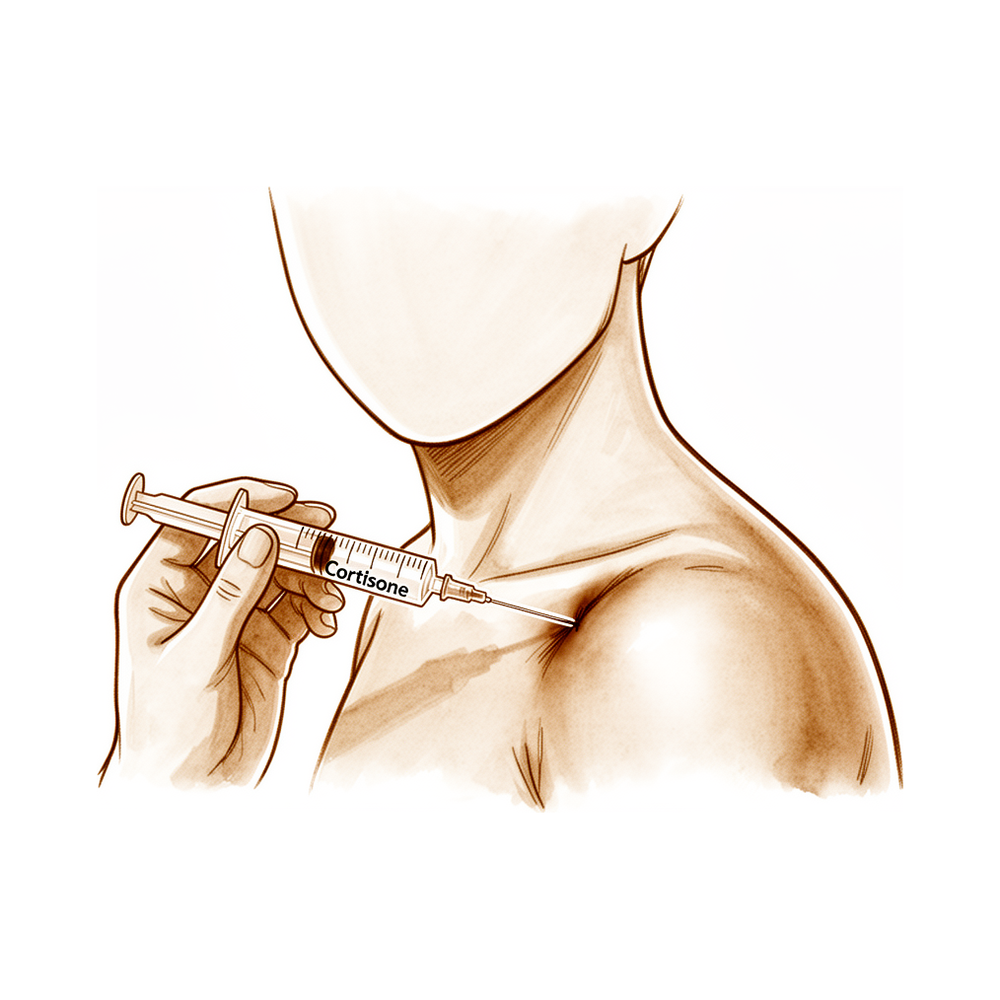 Cortisone and Corticosteroid InjectionsWhat cortisone injections do, when they help, how long the effect lasts, and the risks of repeated injections for shoulder, elbow, wrist and hand conditions.
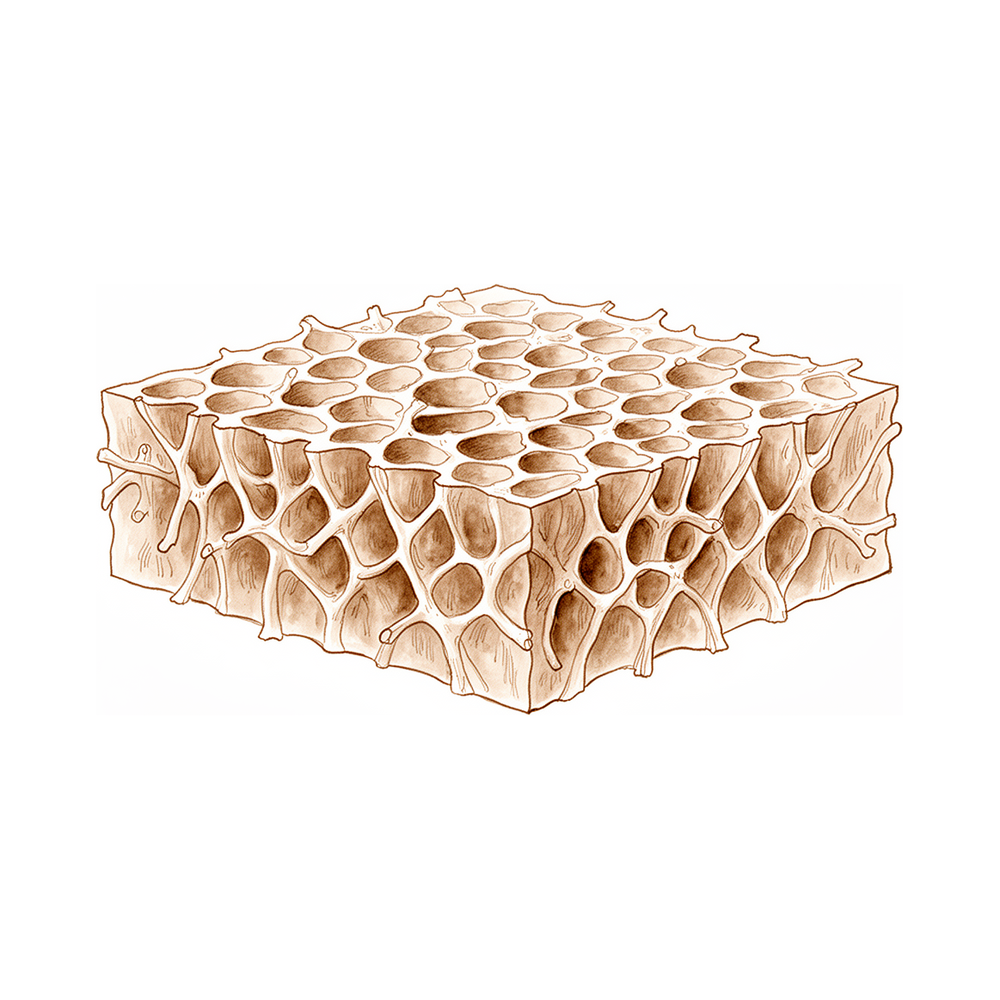 How Bone Heals and RemodelsBone feels solid and permanent, but it is living tissue, laced with cells and blood vessels, and it is being taken apart and rebuilt every day of your life. That is exactly why a broken bone can knit back together into something as strong as it was before. Healing follows a…
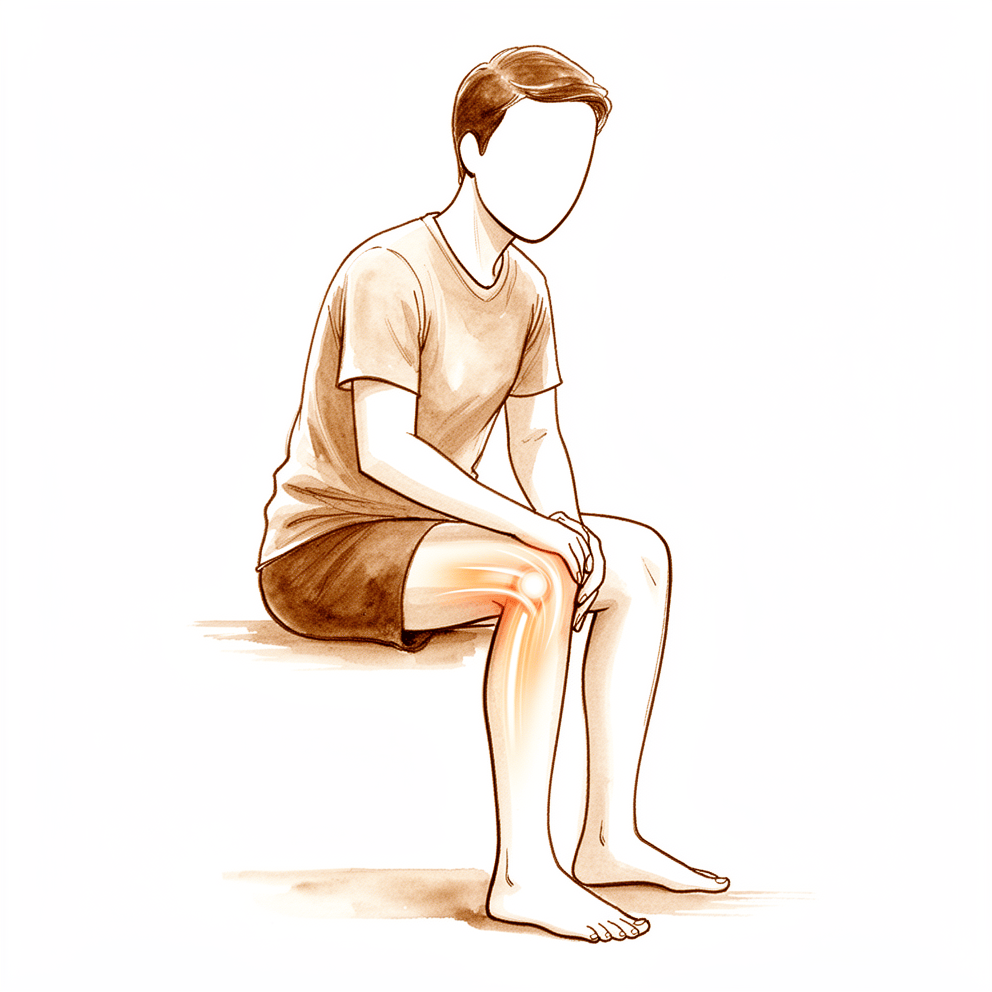 How Cartilage Works (and Why It Struggles to Heal)Cartilage is the smooth, glistening surface that caps the ends of the bones inside a joint. It is one of the most remarkable materials in the body: slipperier than ice, able to cushion a lifetime of loading, and yet unlike bone and tendon it has almost no ability to repair…
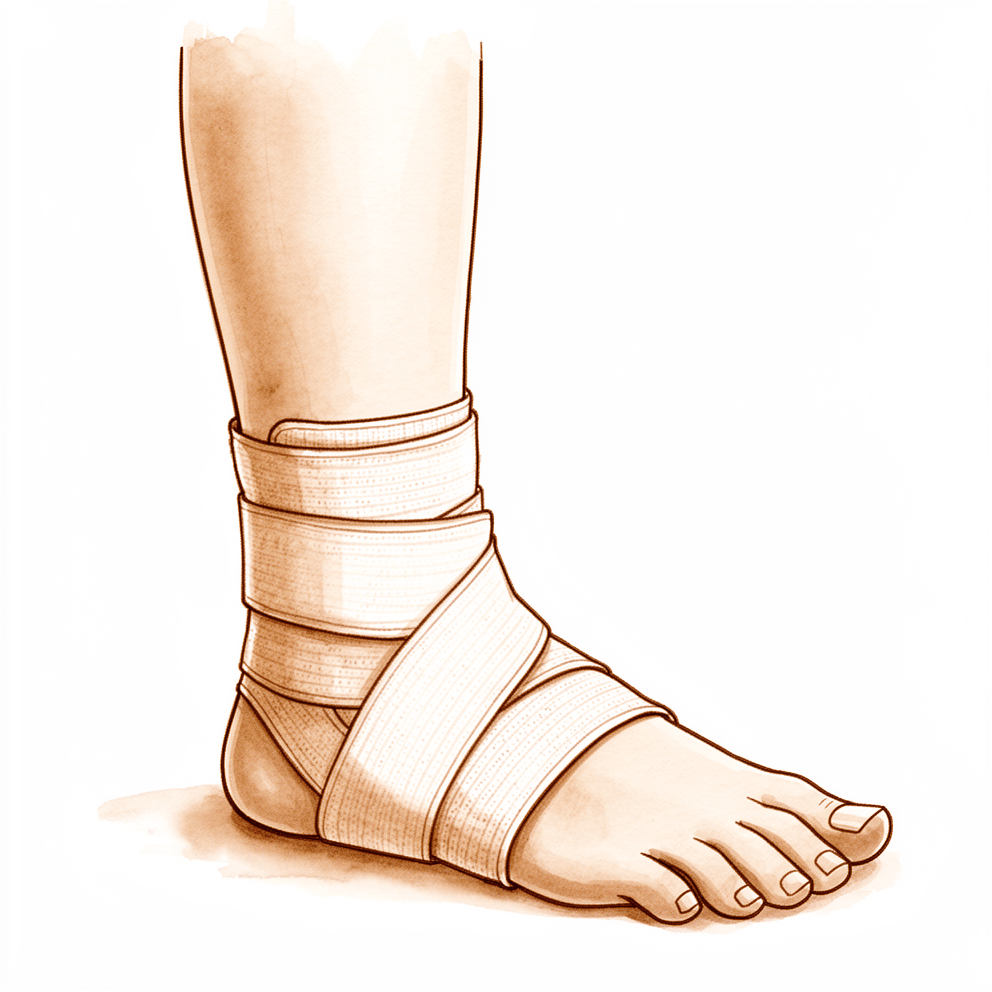 How Ligaments Work and HealLigaments are the joint's straps: tough bands that tie bone to bone, hold joints in line, and quietly tell your brain where the joint is in space. When a ligament is overstretched or torn (a "sprain"), the joint can feel loose or give way. One of the most useful things to…
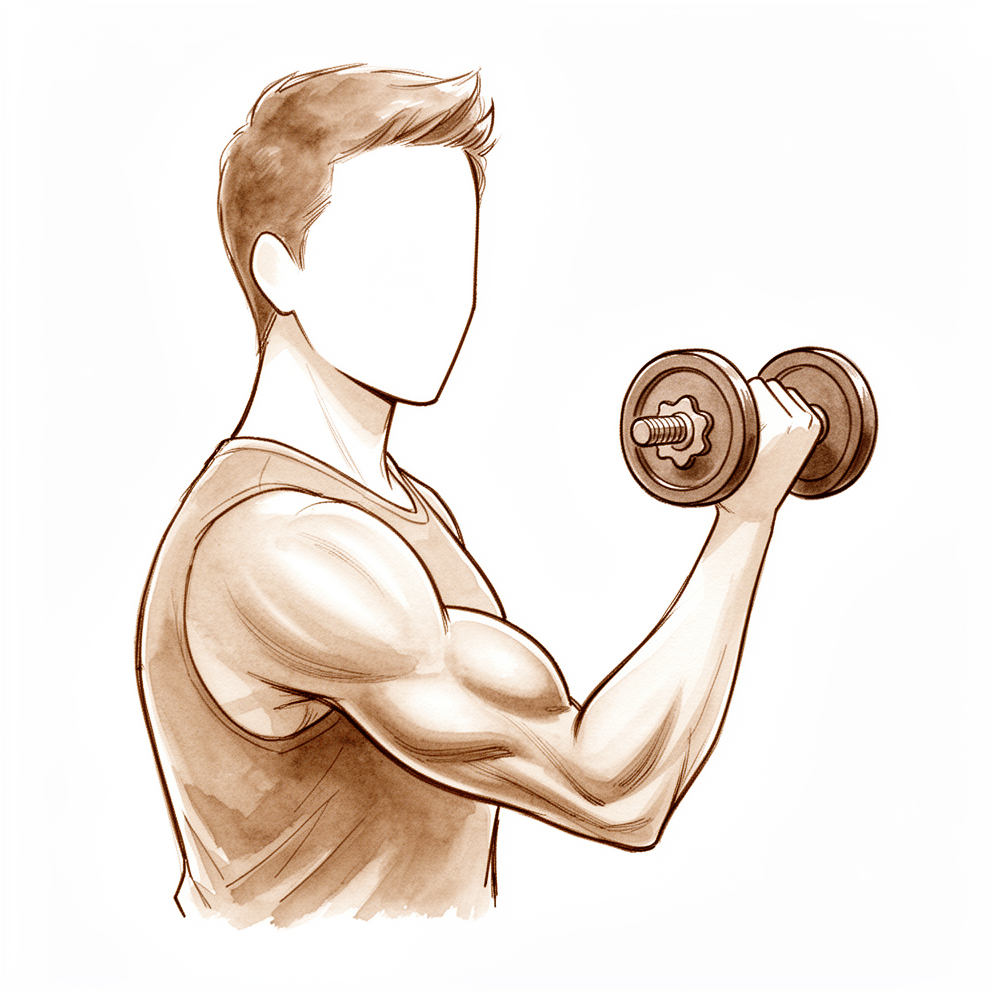 How Muscles Work and HealMuscles are the body's engines: they turn the brain's instructions into movement and force, and they make up much of your body weight. Unlike cartilage, muscle has a genuine ability to repair and even rebuild itself, thanks to a reserve of dedicated stem cells. But that repair…
 How Nerves Work and HealHow nerves carry signals, sense the world, and heal after injury — in plain English, with an in-depth section.
 How Pain WorksPain is the body's alarm system. It protects you by making you stop, withdraw and rest while something heals, and in the short term it is one of the most useful things the nervous system does. But pain is more complicated than a simple "damage meter." Understanding it genuinely…
 How Tendons Work and HealTendons are the body's cables, tough cords that connect muscle to bone and transmit the pull of the muscle into movement. When you bend a finger or lift your arm, it is tendons doing the work of carrying that force across the joint. Tendons are strong, but they heal slowly and…
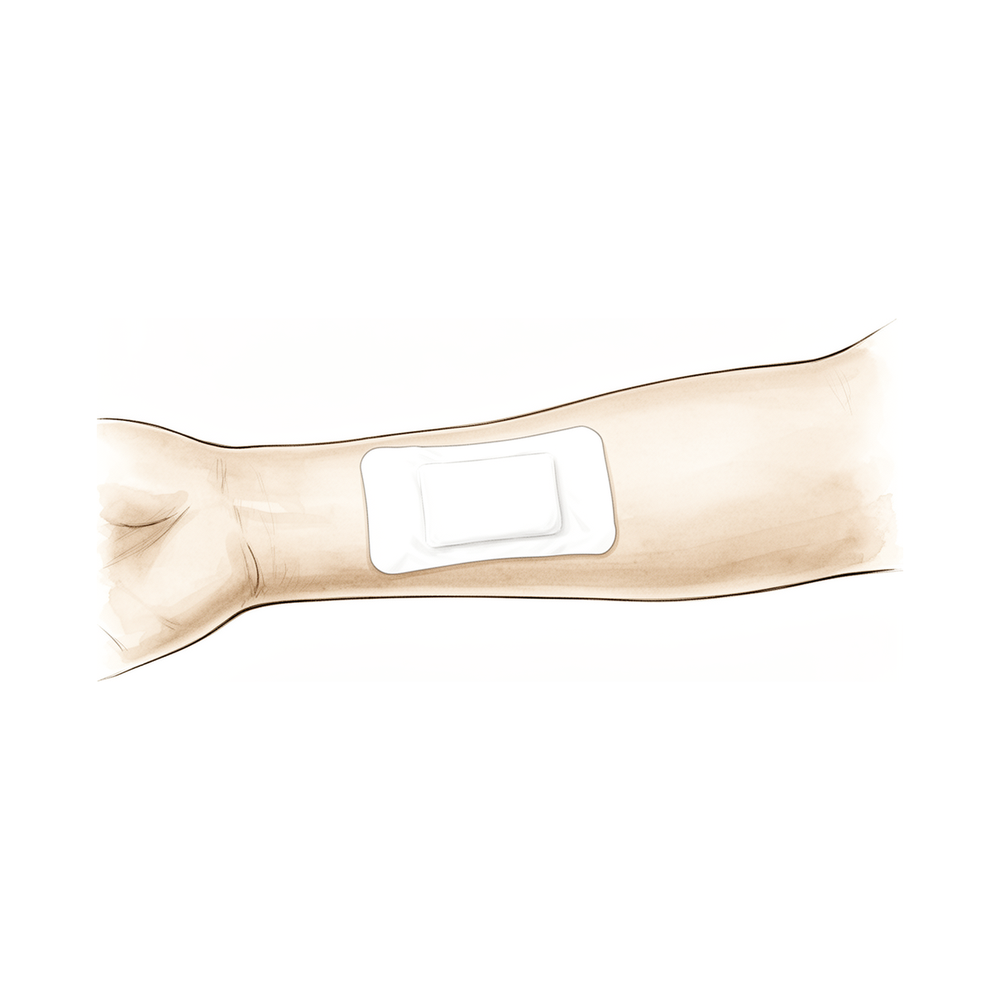 How Wounds and Scars HealEvery cut, graze and surgical incision heals through the same remarkable, predictable sequence, and every one leaves a scar , because healed skin is repaired, not perfectly regrown. Understanding how wounds heal explains why a fresh scar is red and firm before it fades, why a…
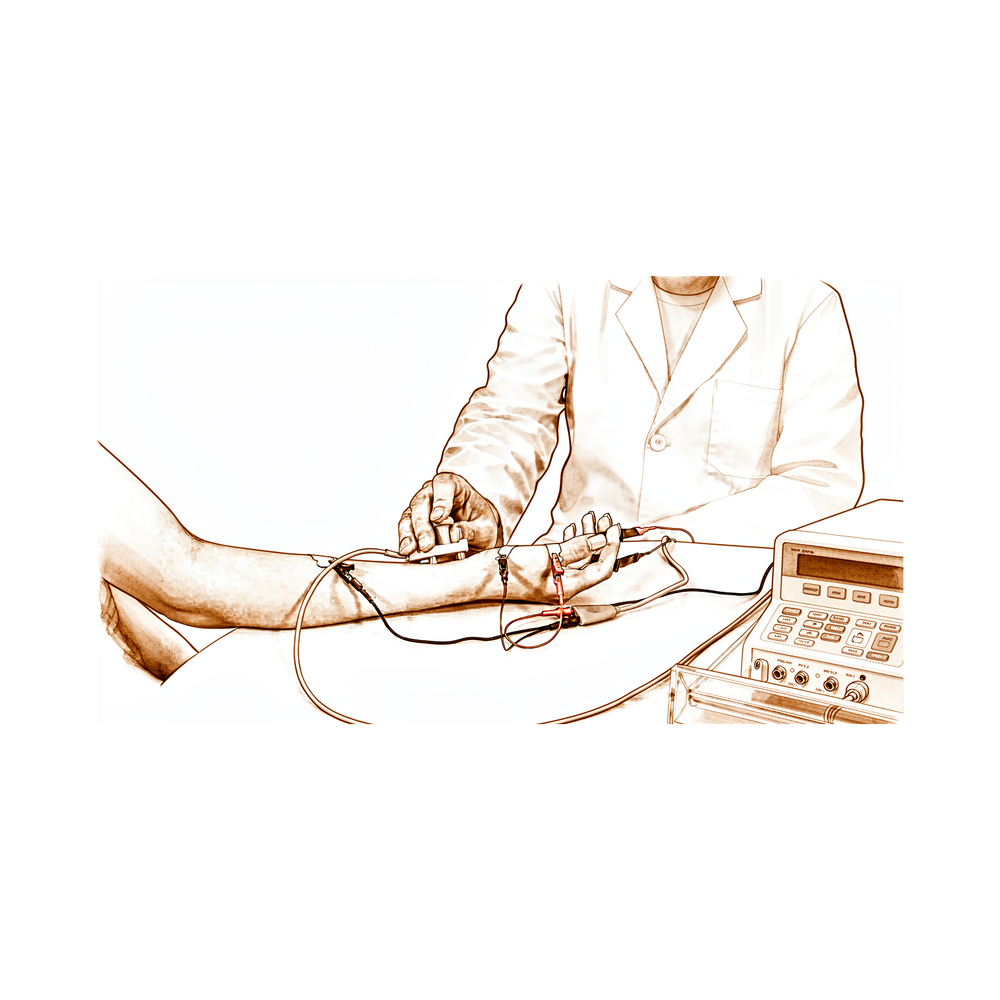 Nerve Tests and Conduction StudiesWhat nerve conduction studies and EMG are, why they are done for carpal tunnel and other nerve problems, what to expect, and how accurate they are.
 Nutritional Supplements for Musculoskeletal HealthEvidence on dietary supplements for joint, muscle and bone health — protein and amino acids, creatine, collagen peptides, glucosamine and chondroitin, and omega-3 — including perioperative recovery and osteoarthritis.
- Outcome scores: what they measure, and what they don'tWhat PROMs (patient-reported outcome measures) like the DASH, QuickDASH, SPADI, ASES and PRWE actually are, and how to read your own score. They exist to track how YOUR symptoms and function change over time, and to compare groups of patients in research. They are not a test…
 Peptide Therapy in Musculoskeletal MedicineInjectable and regenerative peptide therapies in orthopaedics and sports medicine — what the evidence shows for tendon, cartilage and bone healing, and where the hype outpaces the data.
 Platelet-Rich Plasma (PRP) and Injection TherapiesWhat the evidence shows for platelet-rich plasma and related injection therapies in tendinopathy, osteoarthritis and rotator cuff disease — where they help and where the data is weak.
 Smoking and Musculoskeletal HealingHow smoking and nicotine affect bone healing, fracture union, spinal fusion, tendon and wound healing, and surgical complications — and the benefits of stopping before surgery.
 Staying Active for Joint HealthWhy physical activity protects joints and tendons, how exercise helps osteoarthritis and recovery, and how to stay active safely.
 Stem Cell and Regenerative InjectionsWhat stem-cell and bone-marrow-derived injections claim to do for joints and tendons, what the evidence actually shows, and the safety and regulatory caveats.
 Vitamin D and Musculoskeletal HealthHow vitamin D affects bone, muscle strength, falls, fracture and tendon healing, and surgical outcomes — including who benefits from supplementation.
 Weight, Obesity and Joint HealthHow body weight and obesity affect joint load, osteoarthritis, and the risks and outcomes of joint surgery — including the role of weight loss before an operation.