

Education · rehabilitation
Rehabilitation
Last reviewed
Step-by-step rehabilitation protocols and exercise guides for upper-limb procedures. Your surgeon or hand therapist will confirm which protocol applies to you and may adjust the timings to your operation.
Shoulder protocols
 AC Joint StabilisationRehabilitation after AC joint stabilisation or reconstruction, with the protective phase and staged return to sport.
 Anterior Bankart RepairRehabilitation protocol after arthroscopic anterior Bankart (labral) repair for anterior shoulder instability — apprehension-position precautions and staged return to sport.
 Biceps TenodesisRehabilitation after isolated biceps tenodesis, protecting the tenodesis fixation through staged return of biceps loading.
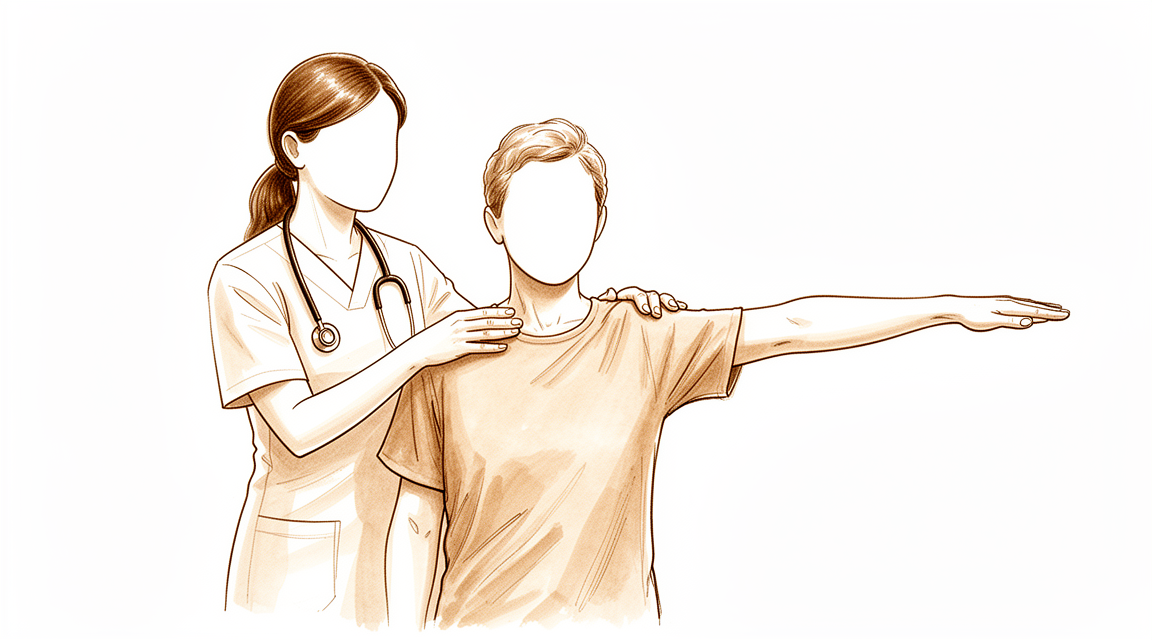 Calcific TendinitisRecovery after arthroscopic excision of a calcific deposit, from early movement to full activity.
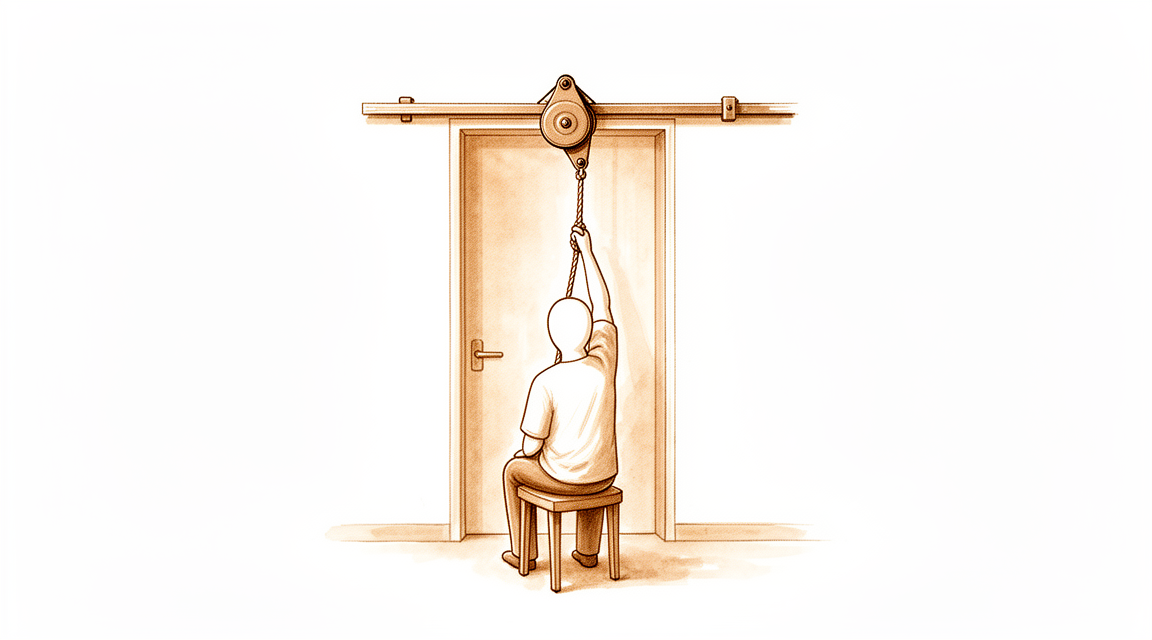 Capsular ReleaseRehabilitation after arthroscopic capsular release for frozen shoulder — early in-hospital program and the outpatient phases that keep the range won at surgery.
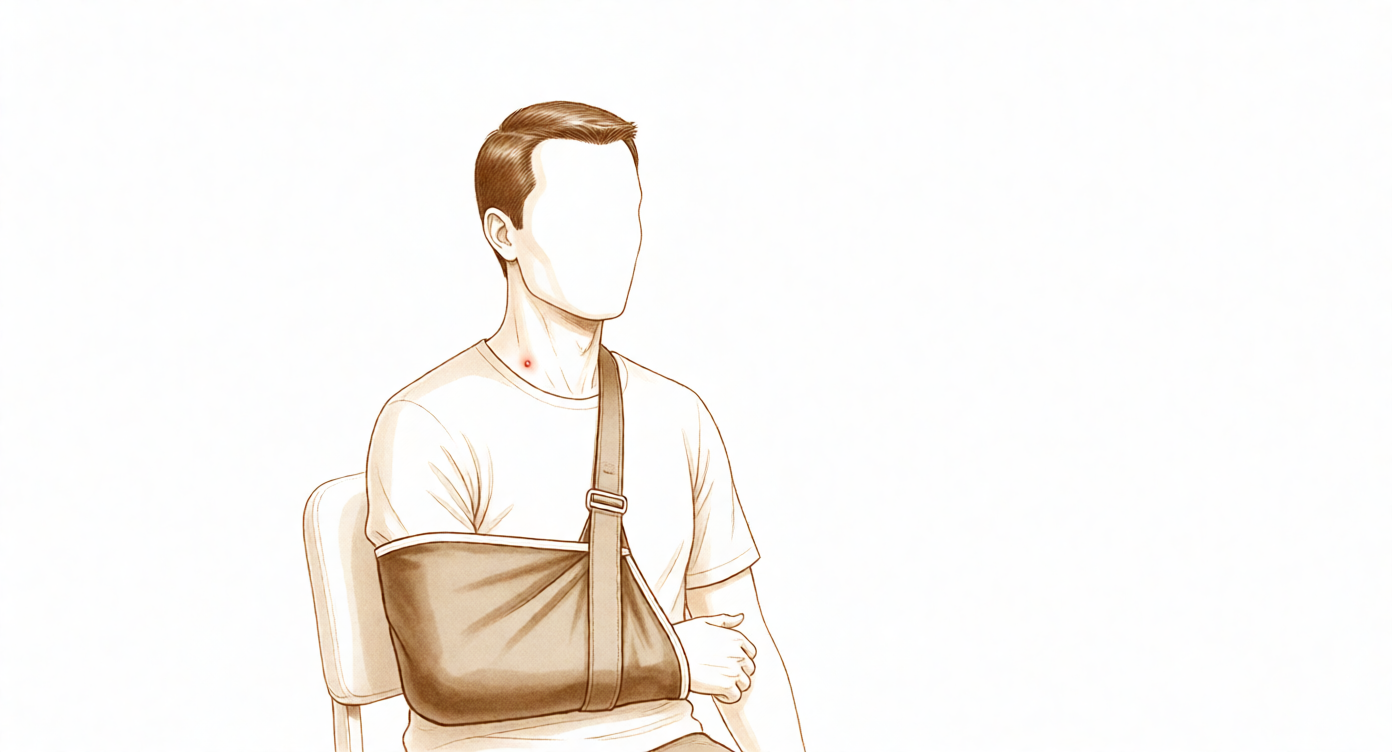 Clavicle Fixation (ORIF)Rehabilitation after plate fixation of a clavicle fracture, gated on radiographic healing at review.
 Comprehensive Arthroscopic Management (CAM)
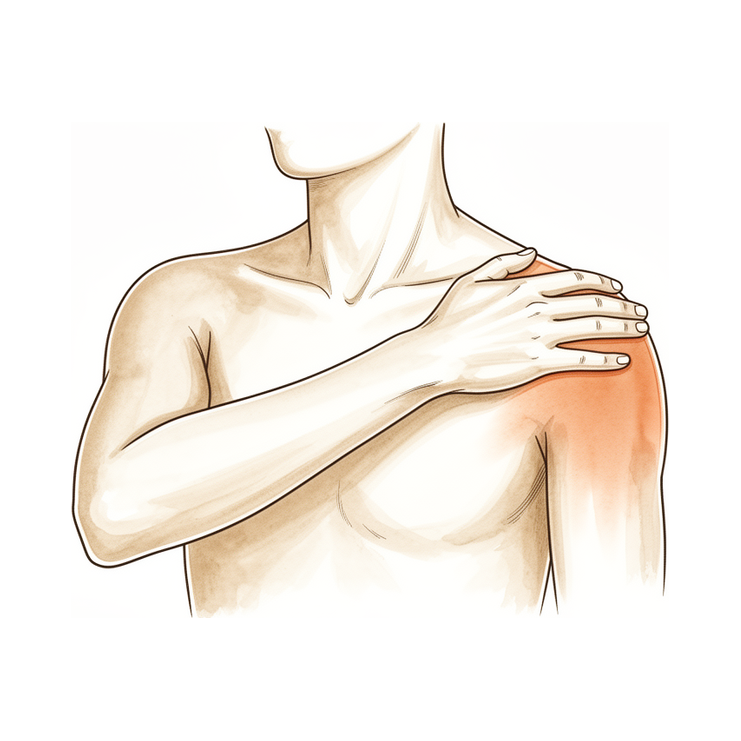 Distal Clavicle ExcisionRehabilitation after isolated arthroscopic distal clavicle excision; combined cases follow the rotator cuff repair protocol.
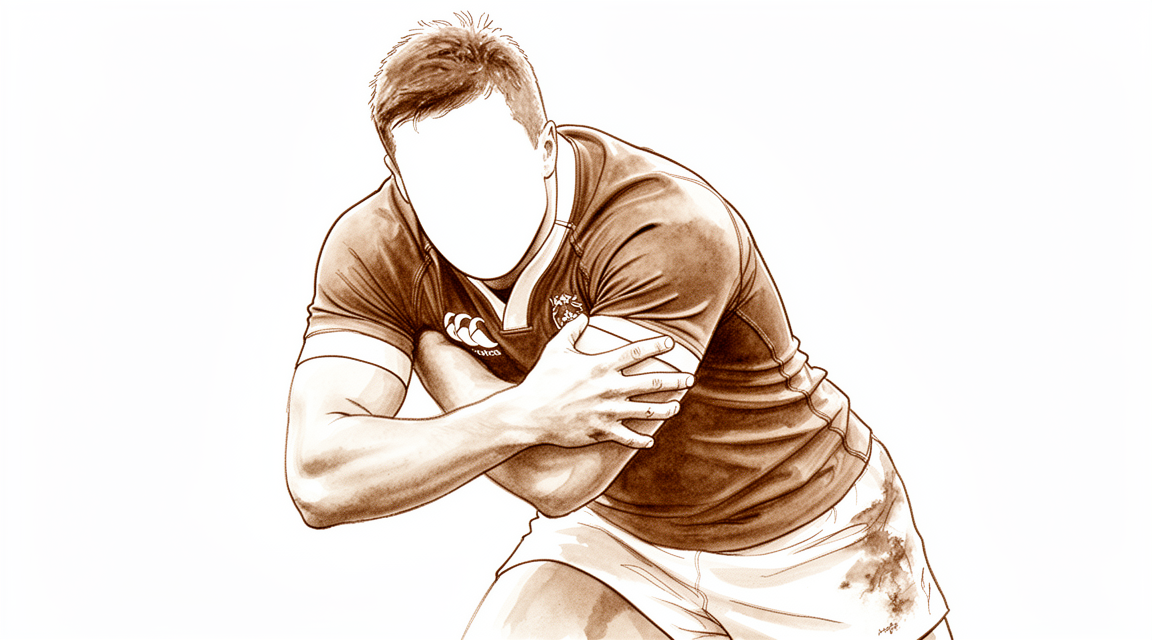 Latarjet ProcedureRehabilitation protocol after the Latarjet coracoid bone-block transfer for anterior shoulder instability — union-gated loading and subscapularis/graft precautions.
 Pectoralis Major RepairRehabilitation protocol after pectoralis major repair, with the protected safe zone and staged return to chest loading.
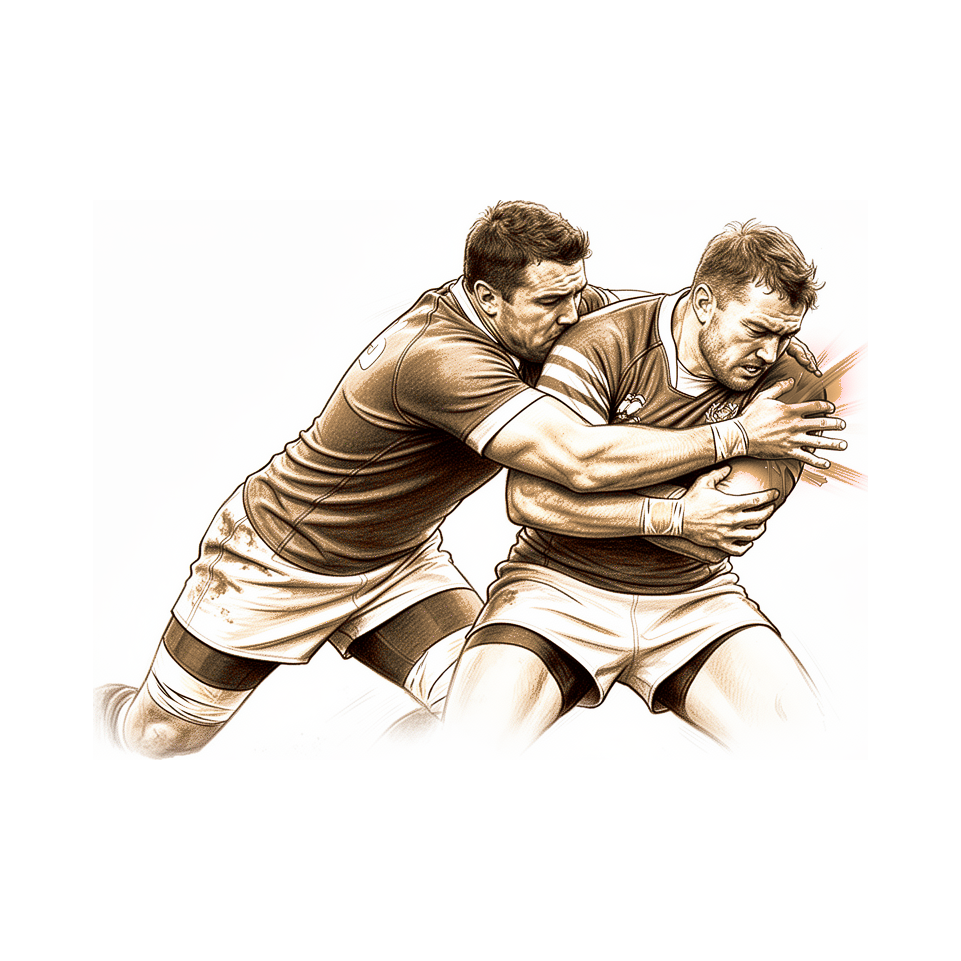 Posterior StabilisationRehabilitation protocol after posterior shoulder stabilisation, with posterior-specific precautions and return-to-sport criteria.
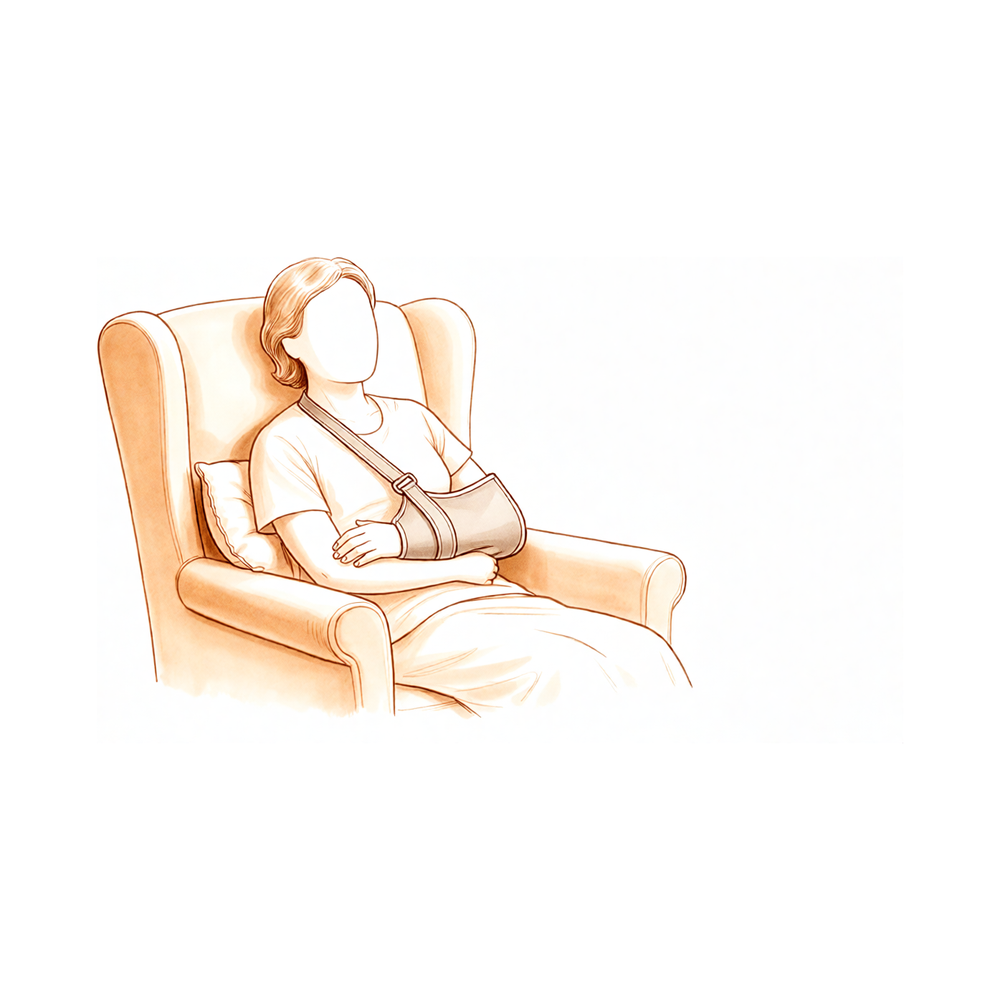 Shoulder Replacement for FractureRehabilitation after hemiarthroplasty or reverse shoulder replacement for a proximal humerus fracture — slower than elective replacement while the tuberosities heal.
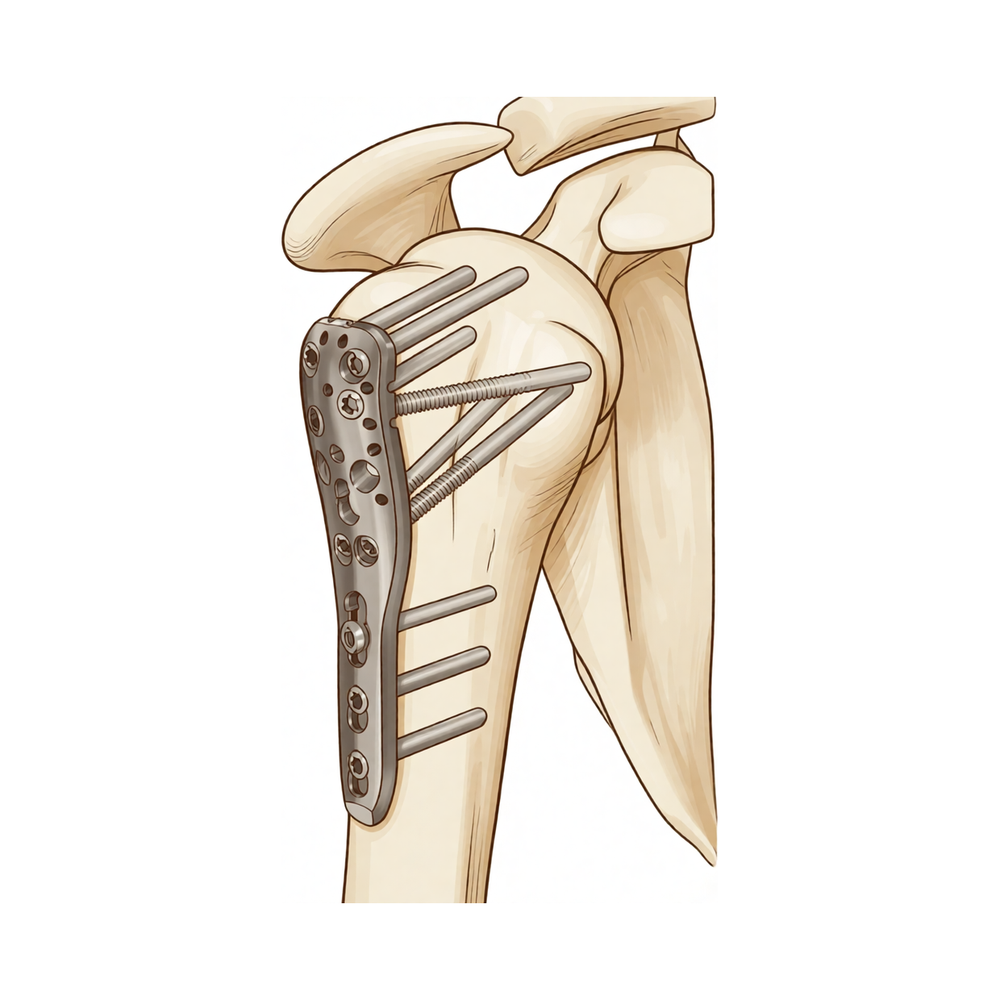 Proximal Humerus Fixation (ORIF)Rehabilitation after locking-plate fixation of a proximal humerus fracture, gated on radiographic healing at review.
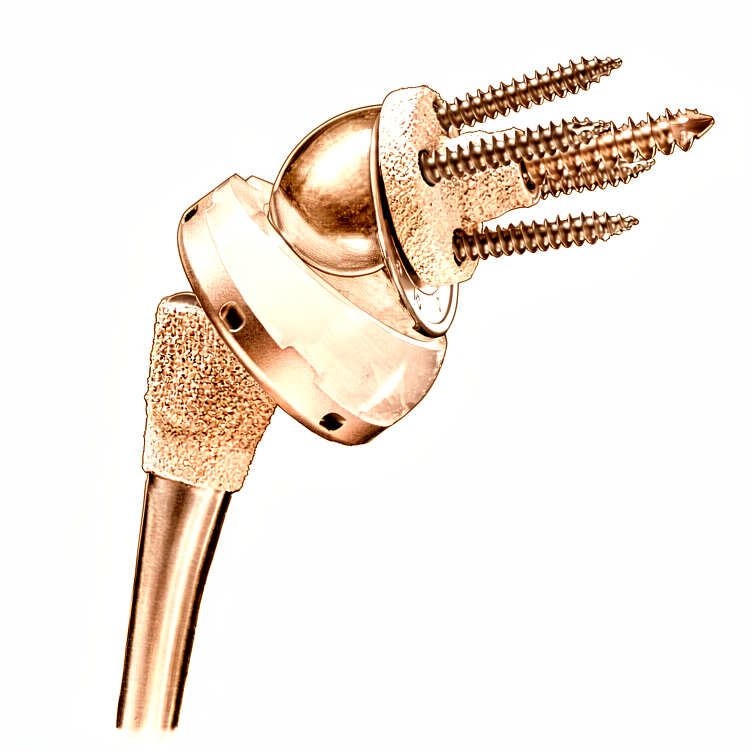 Reverse Shoulder ArthroplastyPhase-by-phase rehabilitation protocol after reverse shoulder replacement, including dislocation precautions and the early exercise program.
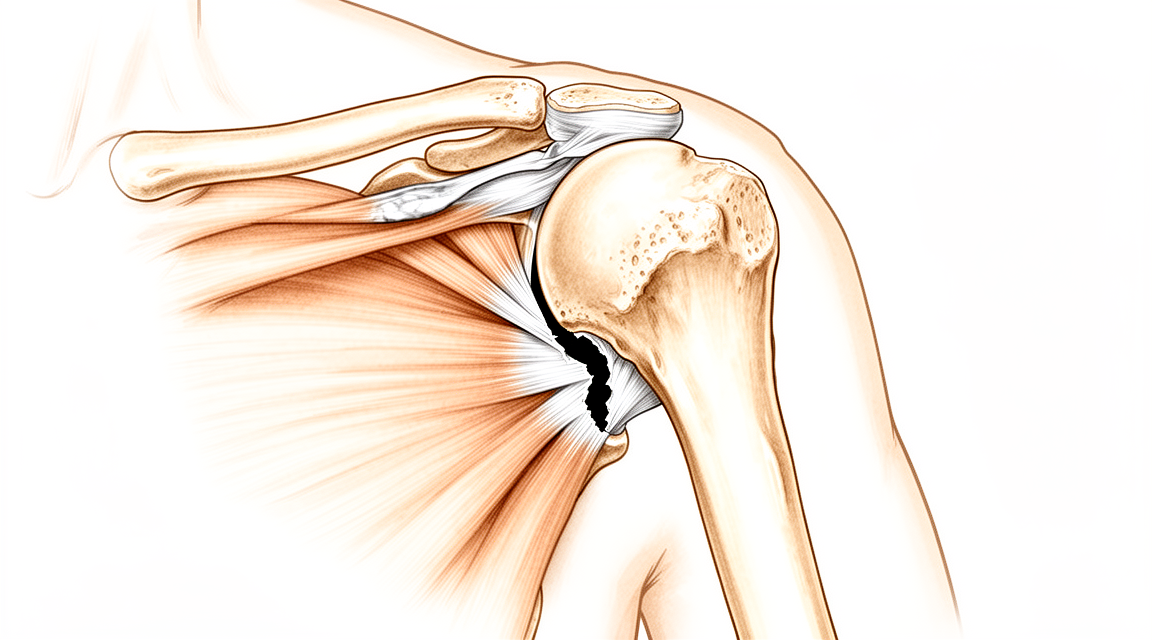 Rotator Cuff RepairStaged rehabilitation protocol after rotator cuff repair at Mater Private Hospital Rockhampton, with the early exercise program.
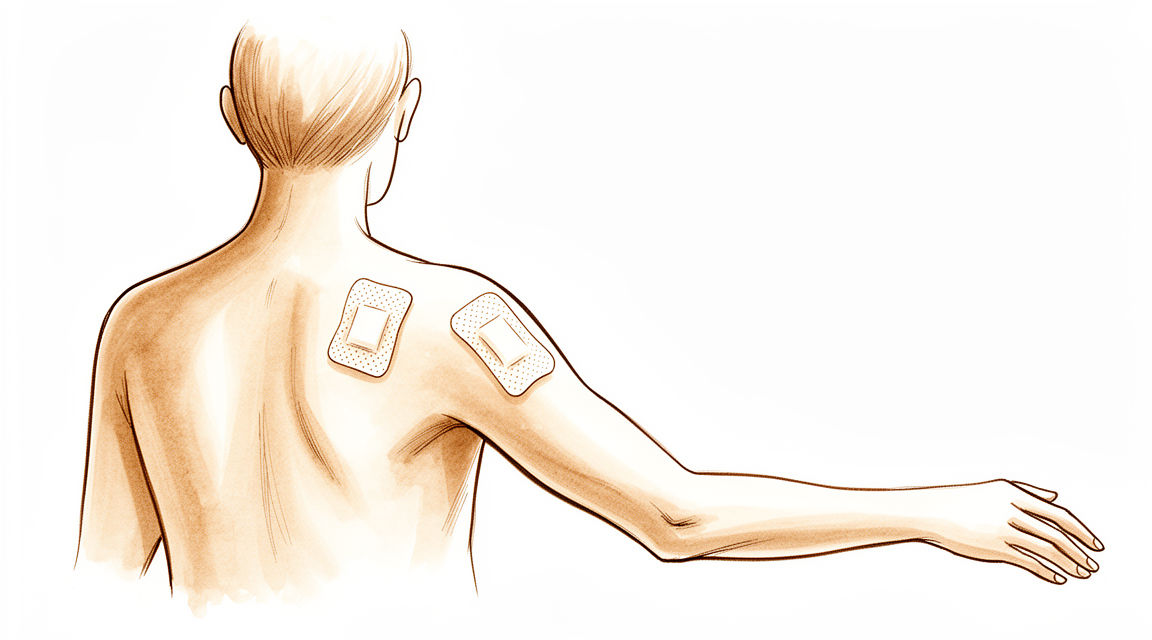 Shoulder ArthroscopyRecovery after simple or diagnostic shoulder arthroscopy with no repair — an early-mobilisation fast pathway.
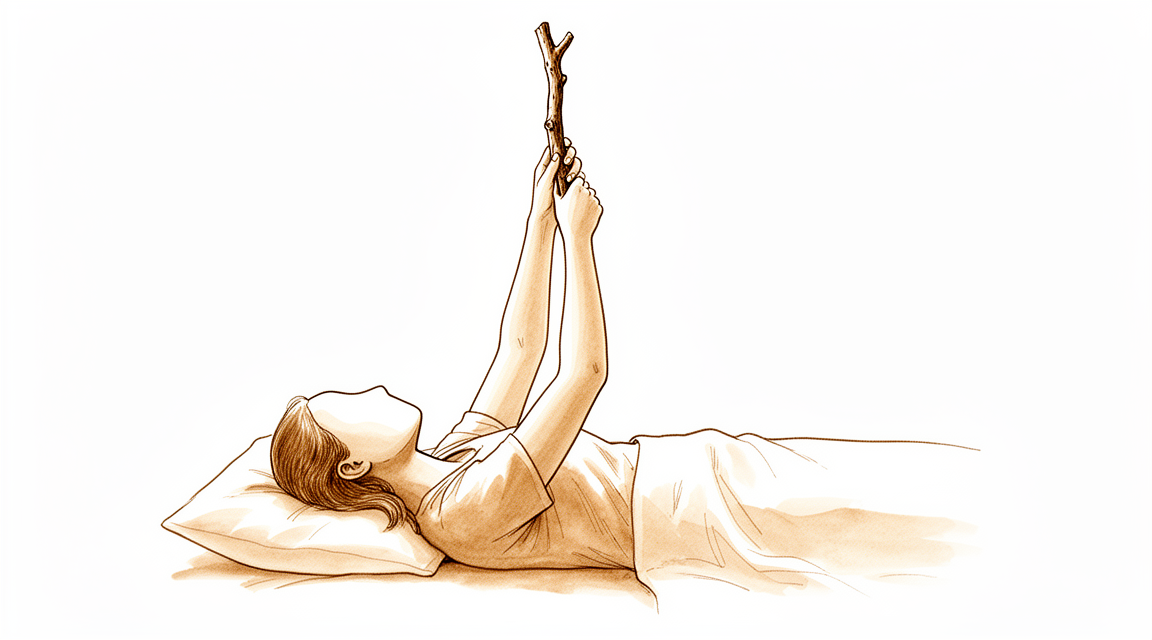 Subacromial DecompressionRehabilitation after isolated arthroscopic subacromial decompression — early movement, staged strengthening and return to activity.
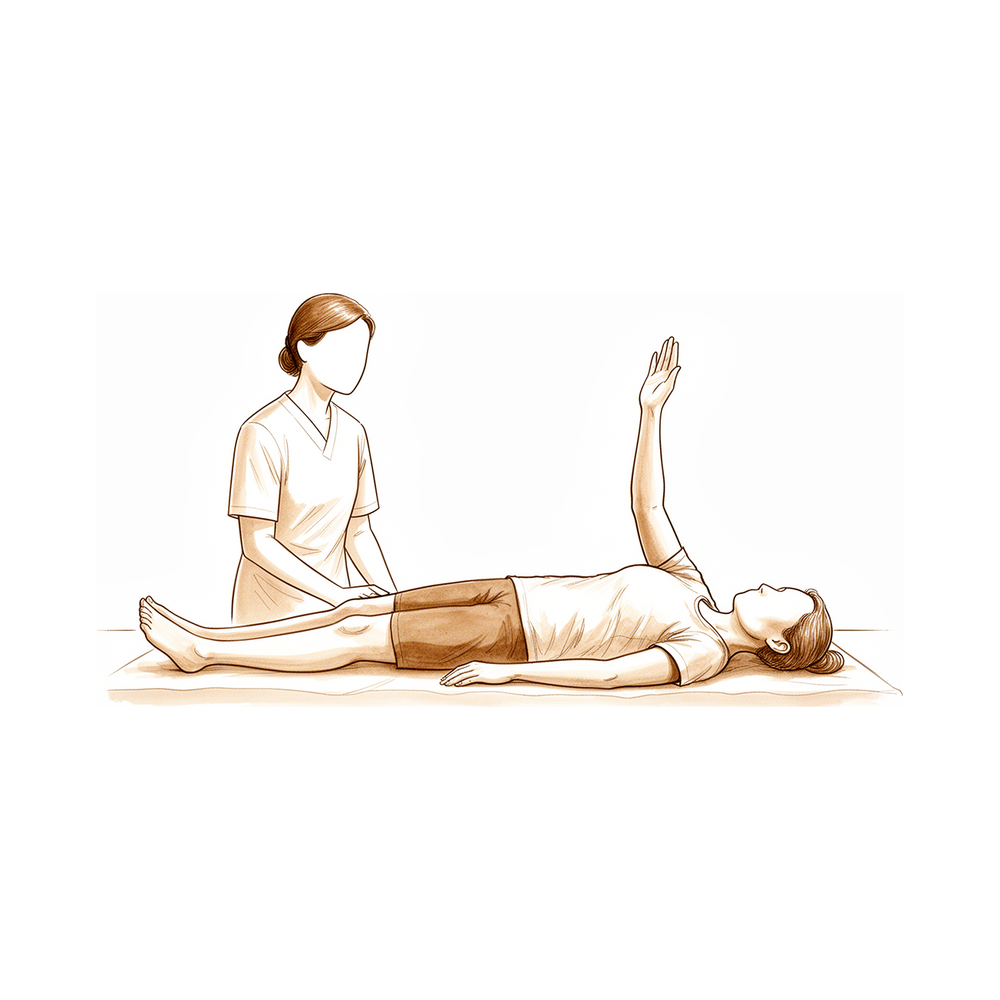 Suprascapular Nerve DecompressionRehabilitation after isolated arthroscopic suprascapular nerve decompression, with honest framing of nerve recovery.
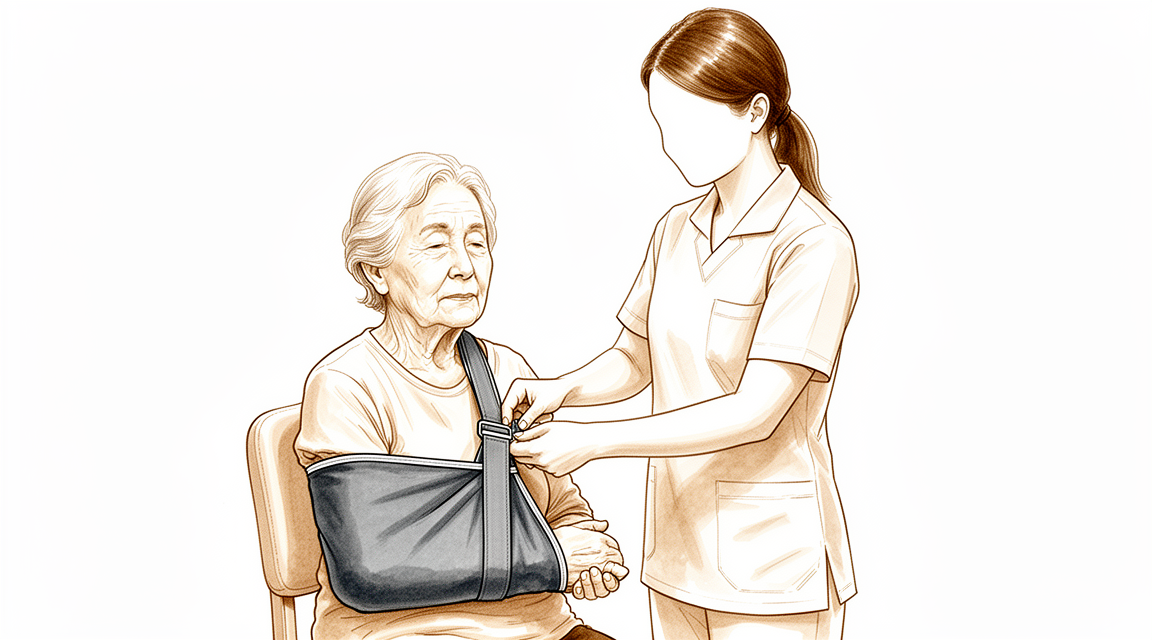 Total Shoulder ArthroplastyPhase-by-phase rehabilitation protocol after total shoulder replacement, with criteria to progress and the early exercise program.
Elbow protocols
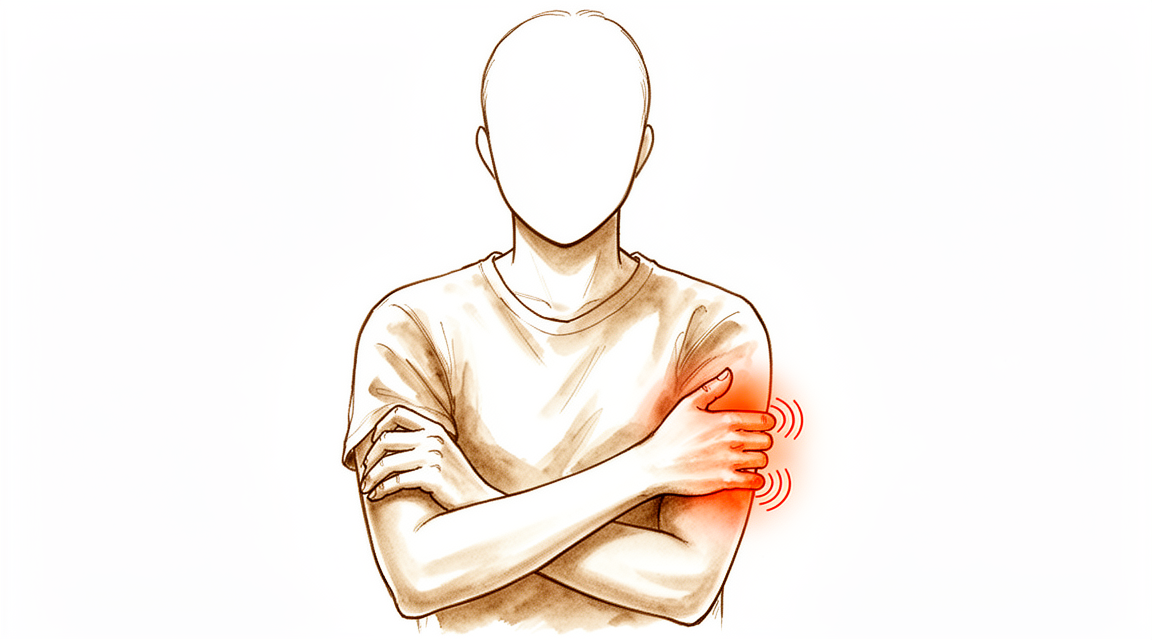 Cubital Tunnel ReleaseRecovery after surgical decompression of the ulnar nerve at the elbow, covering both in-situ (simple) release and anterior transposition.
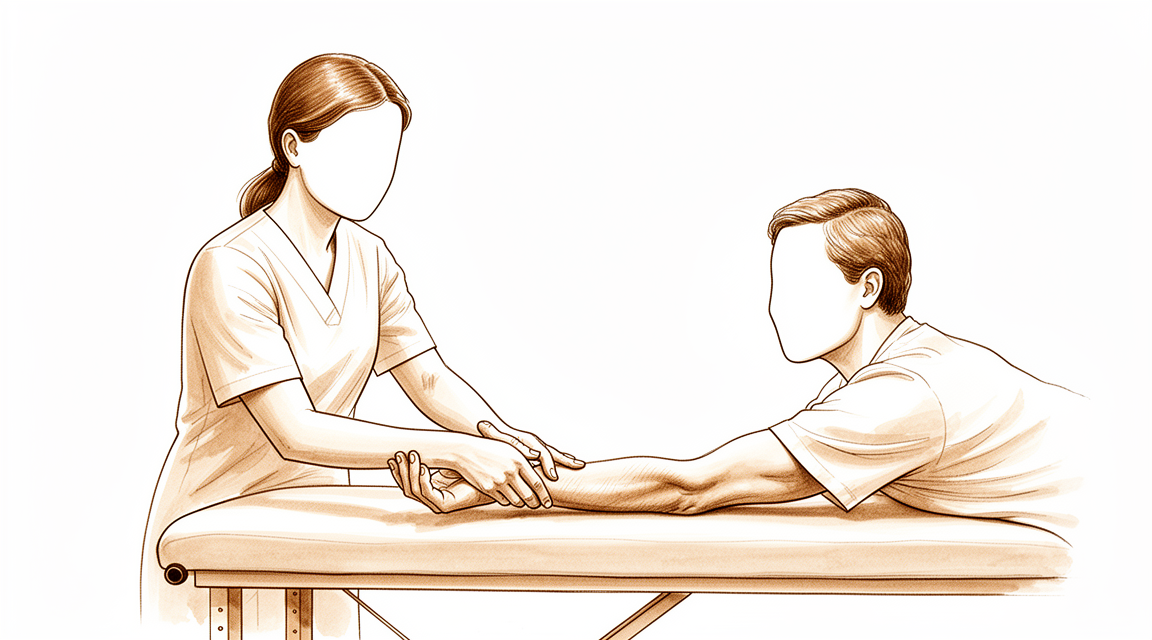 Radial Tunnel ReleasePost-operative exercises and precautions after radial tunnel release, including radial nerve glides.
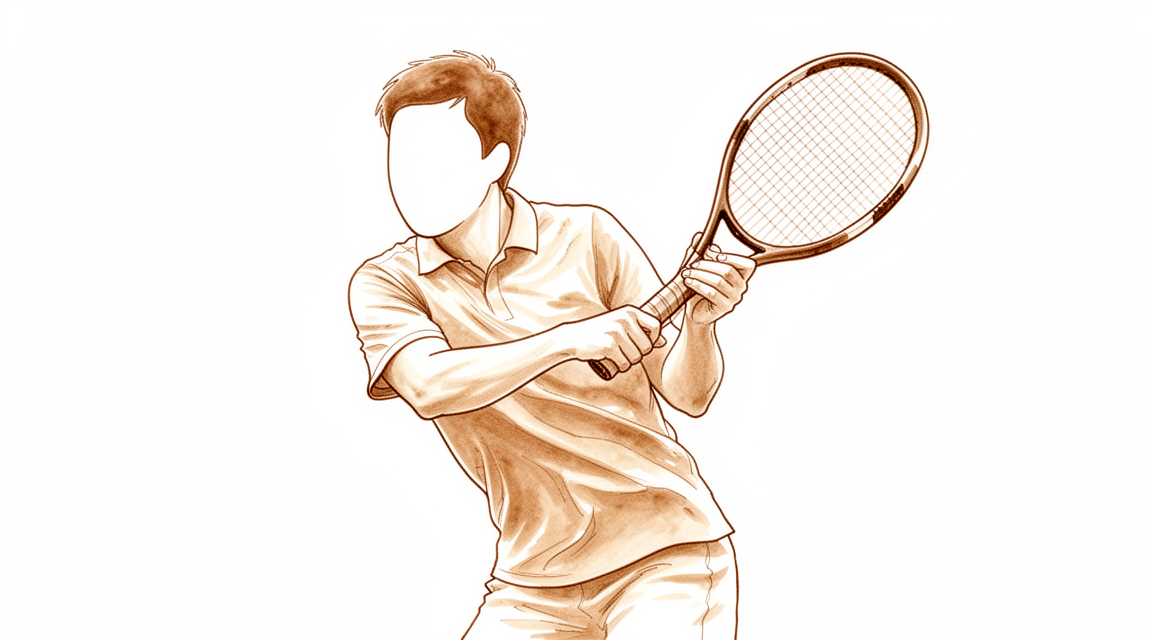 Lateral Epicondylitis (Tennis Elbow)A loading-based rehabilitation program for tennis elbow — settling pain then progressively strengthening the tendon — covering both non-operative care and recovery after ECRB tendon debridement.
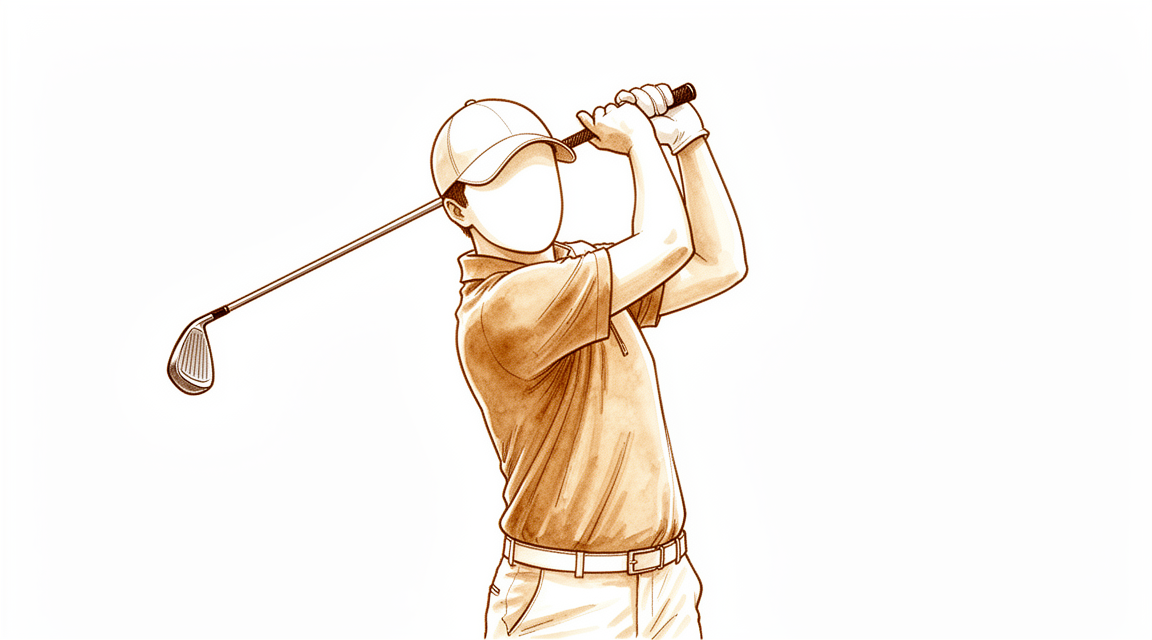 Medial Epicondylitis (Golfer's Elbow)Loading-based rehabilitation for golfer's elbow (flexor-pronator tendinosis), with ulnar-nerve screening, eccentric reverse-Tyler-twist loading, and a separate post-operative pathway for the minority who need surgery.
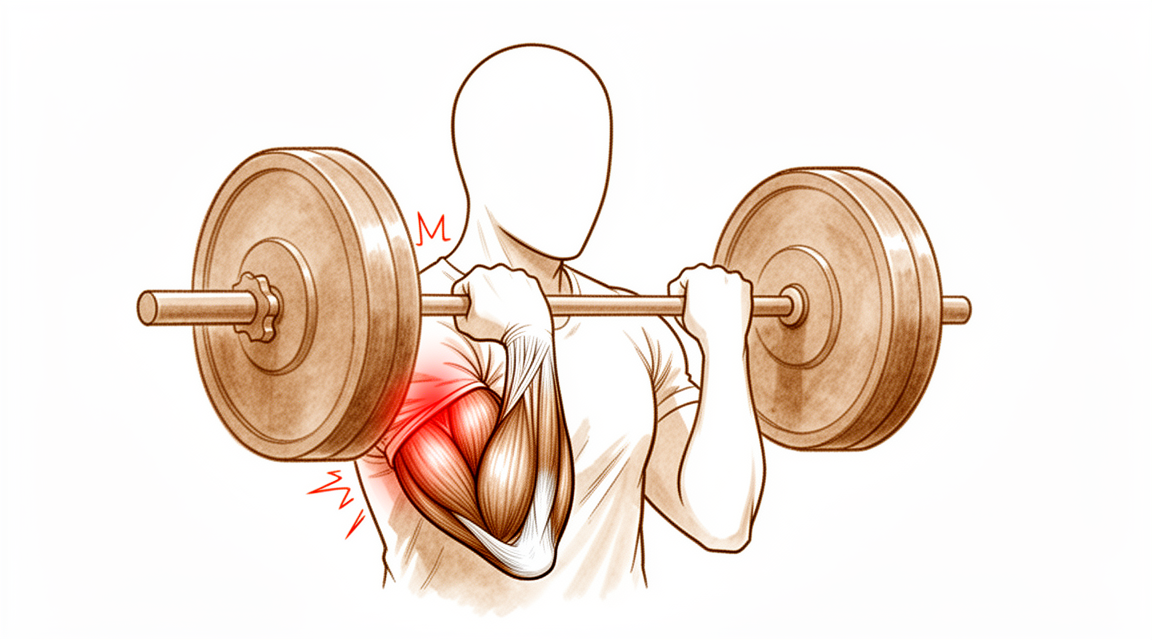 Distal Biceps Tendon RepairA protected early-motion recovery plan after surgical repair of a ruptured distal biceps tendon, allowing comfortable movement from day one while guarding the repair from resisted lifting until strength is rebuilt in stages.
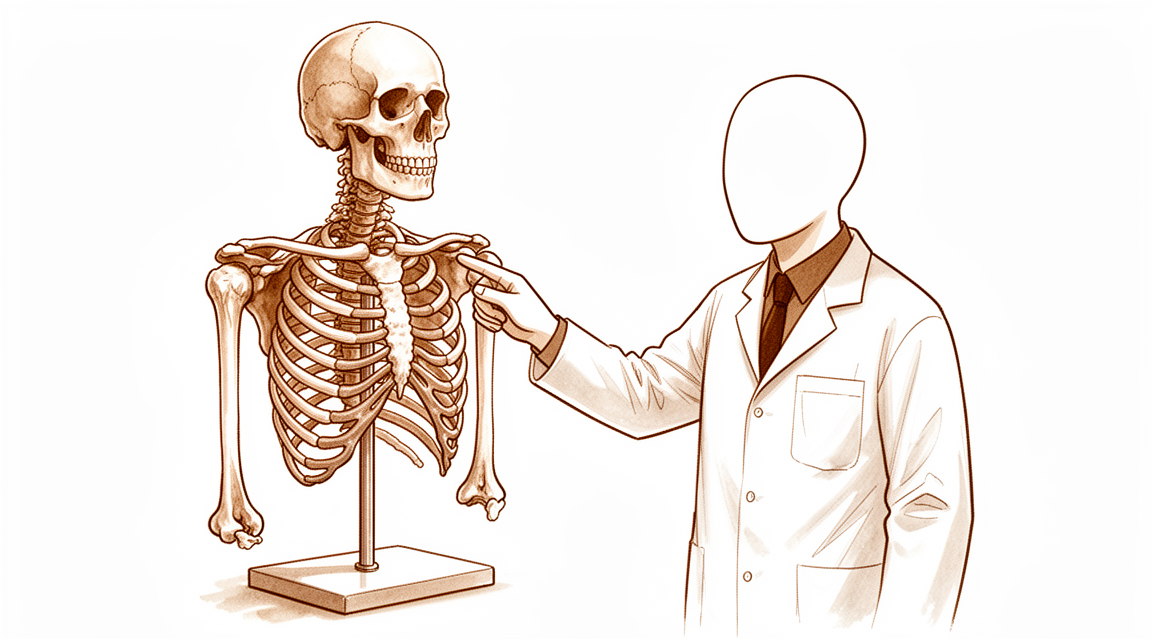 Distal Triceps Tendon RepairA protected recovery plan after repair of the distal triceps tendon at the elbow, resting the arm in a simple sling at 90 degrees and freeing movement, then active straightening, then strength in careful stages.
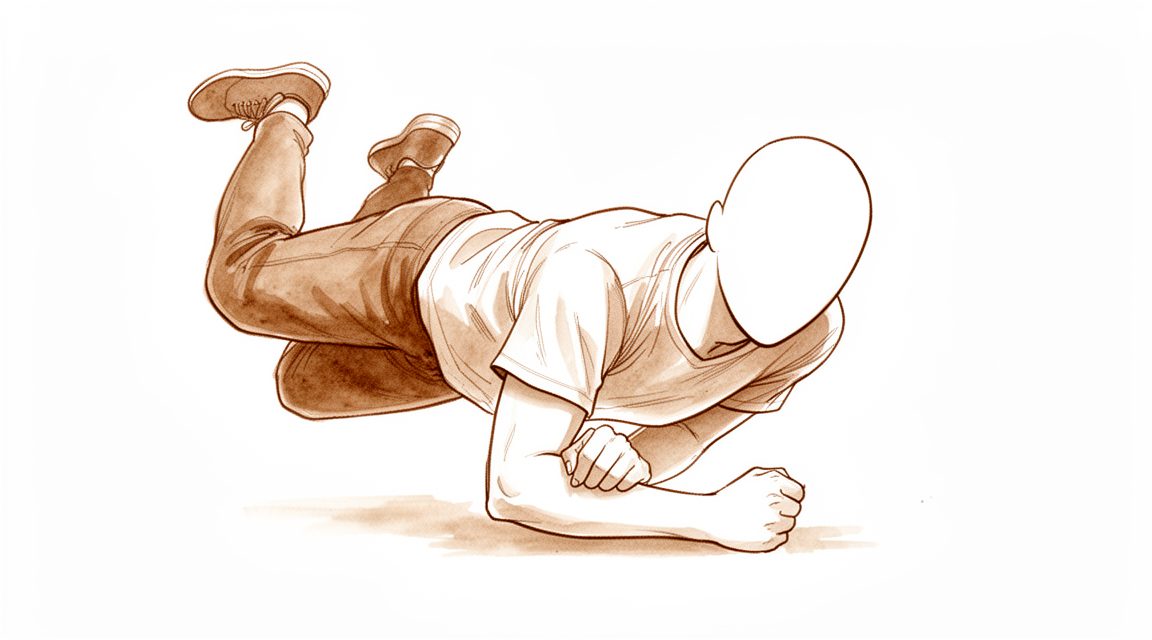 Olecranon Fracture (ORIF)Recovery after surgical fixation of an olecranon (point-of-elbow) fracture, protecting the triceps repair while restoring movement, with a simple sling and a staged return of active extension.
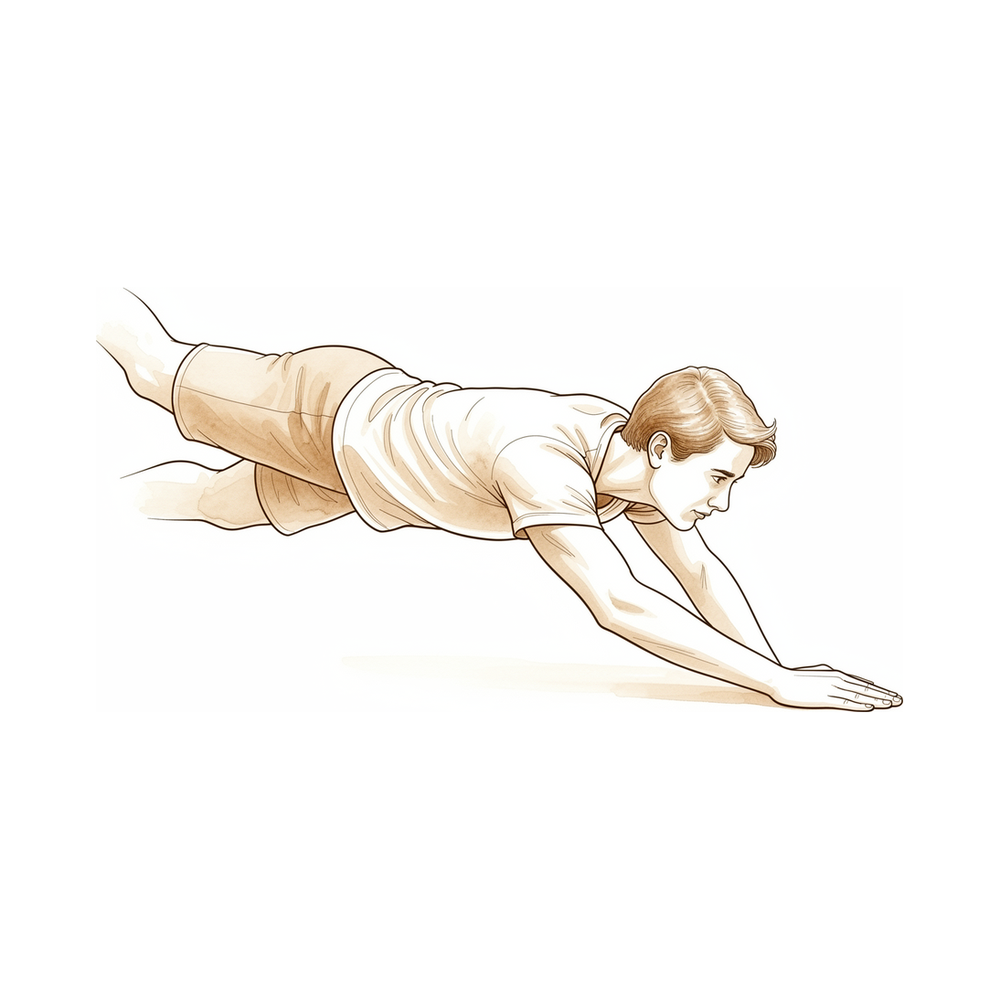 Radial Head ReplacementA protected recovery plan after replacement of the radial head at the elbow with a metal implant, built around early protected elbow and forearm movement to prevent stiffness, with the forearm positioned to protect any repaired ligaments and the elbow rested in a simple sling for comfort.
 Elbow InstabilityRehabilitation after surgery for elbow instability, covering both lateral (terrible triad / LCL) injuries and throwing (medial UCL) injuries, built around protected early movement rather than immobilisation.
 Stiff Elbow Release (Arthrolysis)An early, aggressive movement recovery plan after an operation to free up a stiff elbow — the surgeon regains the bend and straightening on the table, and the whole job of rehabilitation is to keep that range, starting from day one with no sling and no protection phase.
 Total Elbow Replacement (Arthroplasty)Recovery after a total elbow replacement: gentle assisted motion in a simple sling early, a functional movement arc as the goal, and a permanent lifelong lifting limit to protect the implant.
Hand & wrist protocols
 Carpal Tunnel ReleasePost-operative exercises and precautions after carpal tunnel release, including tendon and nerve glides.
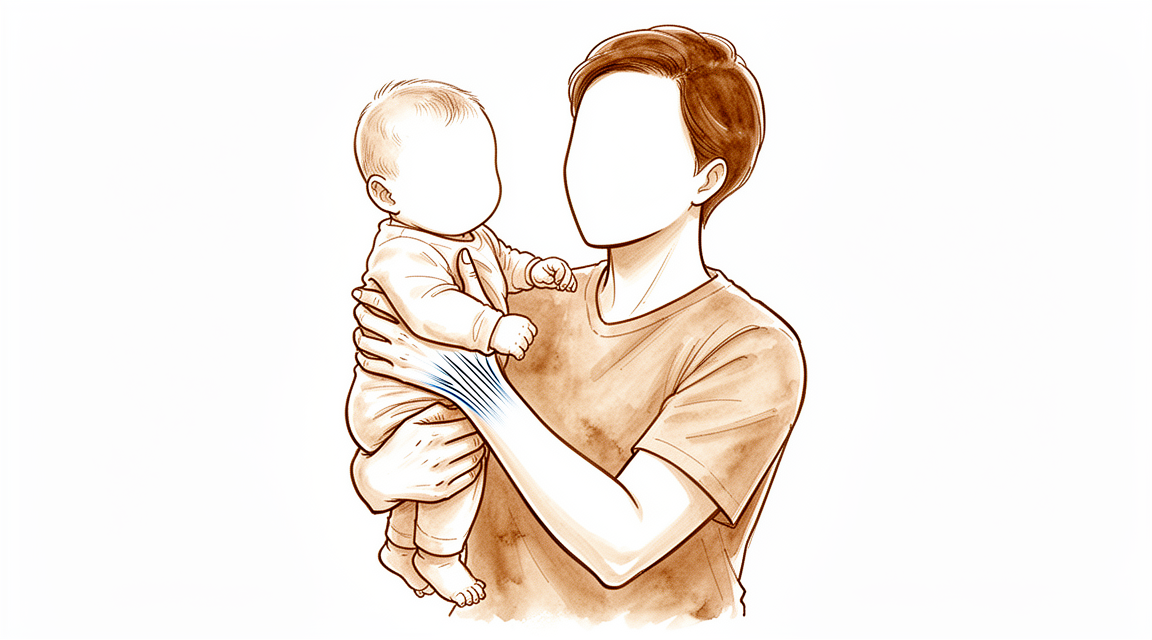 de Quervain's ReleaseAn early-motion recovery plan after surgical release of the first dorsal compartment for de Quervain's tenosynovitis, with brief comfort support, gentle thumb and wrist movement from the start to prevent stiffness, scar care, and a graded return to grip and pinch strength by around four to six weeks.
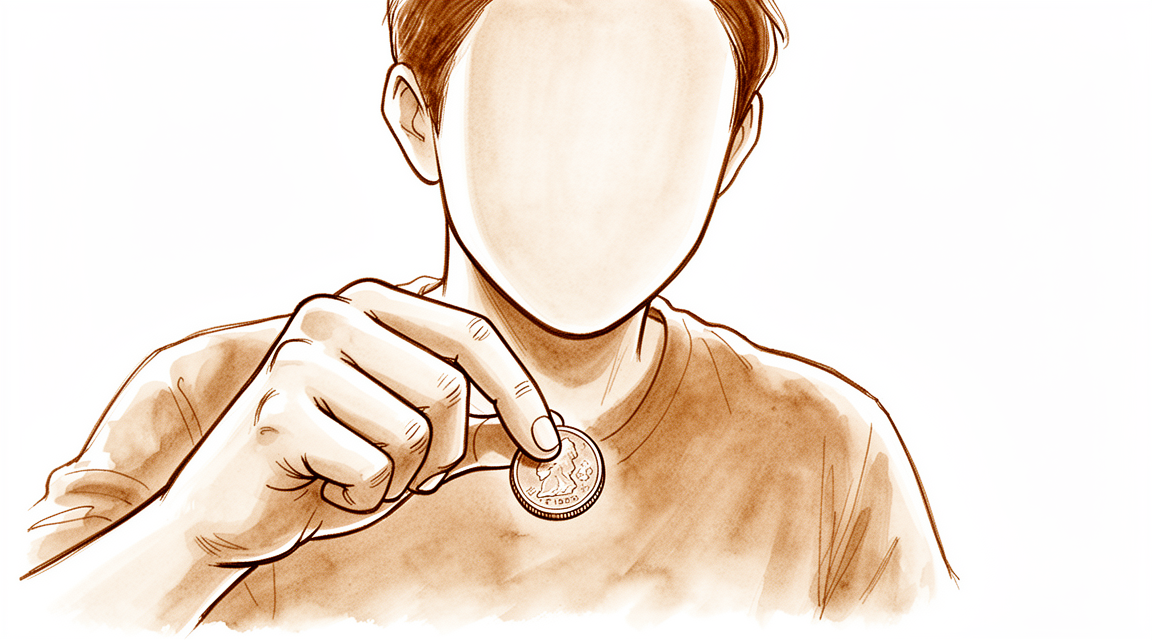 DIP Joint FusionA protected recovery plan after fusion (arthrodesis) of the small fingertip joint nearest the nail, keeping the fingertip splinted while every other joint stays moving and swelling is controlled, then progressively rebuilding pinch and grip once the bone has joined.
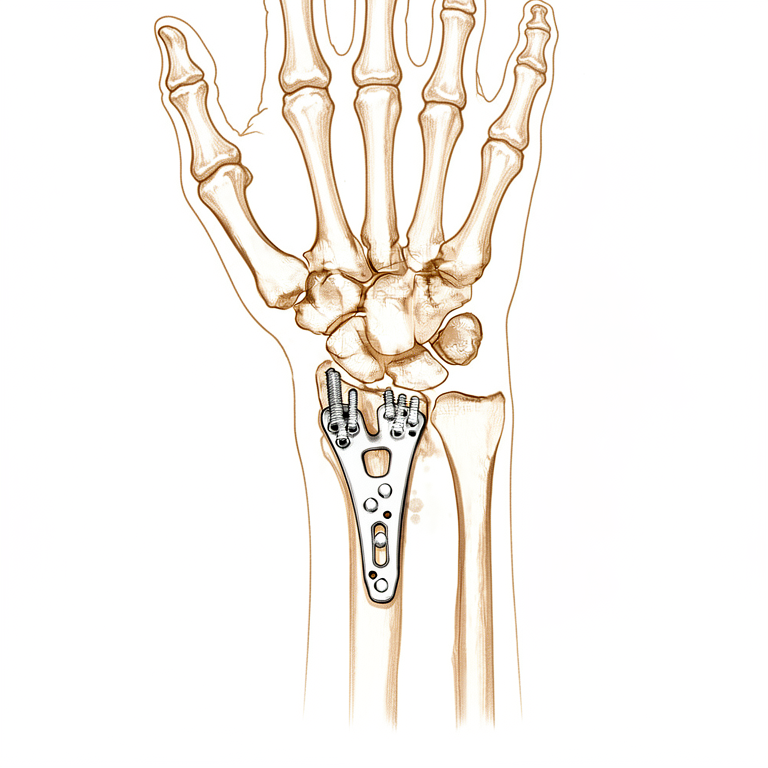 Distal Radius Fracture (ORIF)Staged rehabilitation after plate fixation of a distal radius fracture, from the first days to return to full activity.
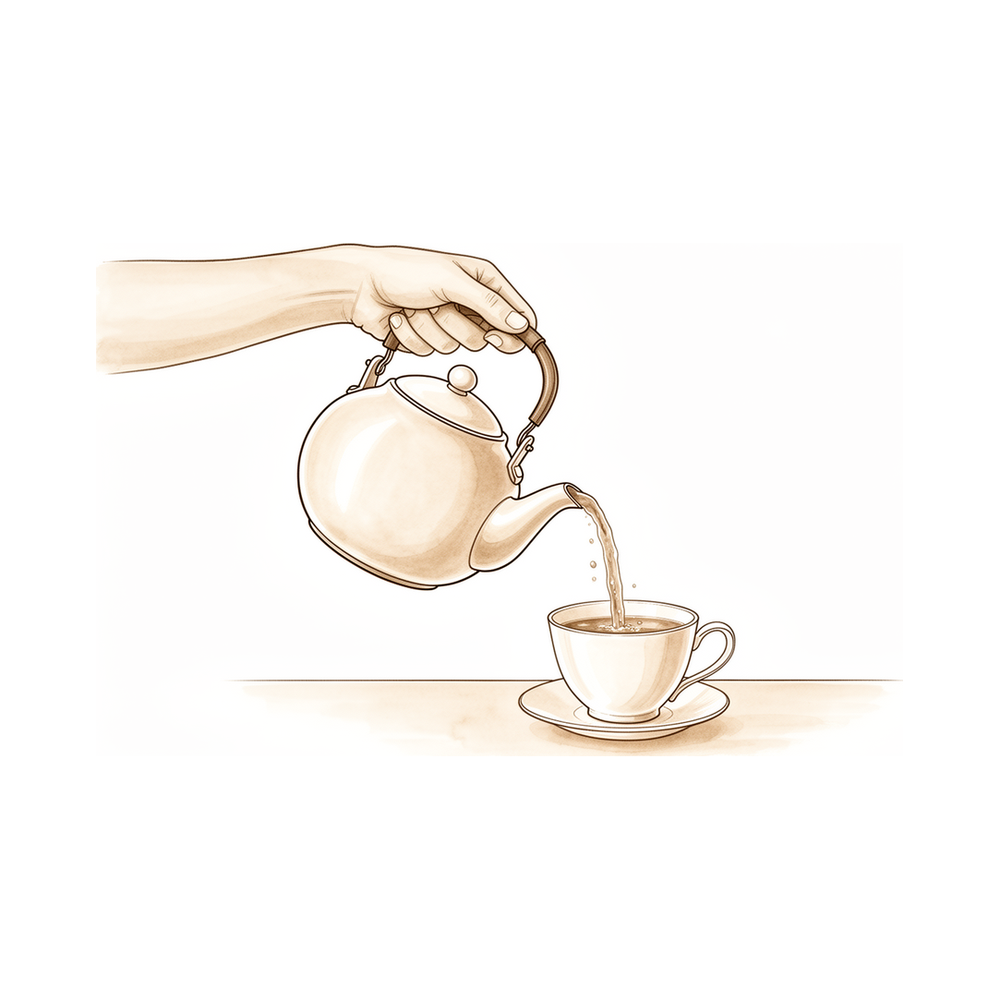 DRUJ Hemiresection ArthroplastyA recovery plan after hemiresection-interposition arthroplasty of the distal radioulnar joint, where the worn part of the ulnar head is partially removed to restore pain-free forearm rotation; after a brief period of protection, early forearm rotation (turning the palm up and down) is the priority, with heavier loading added gradually.
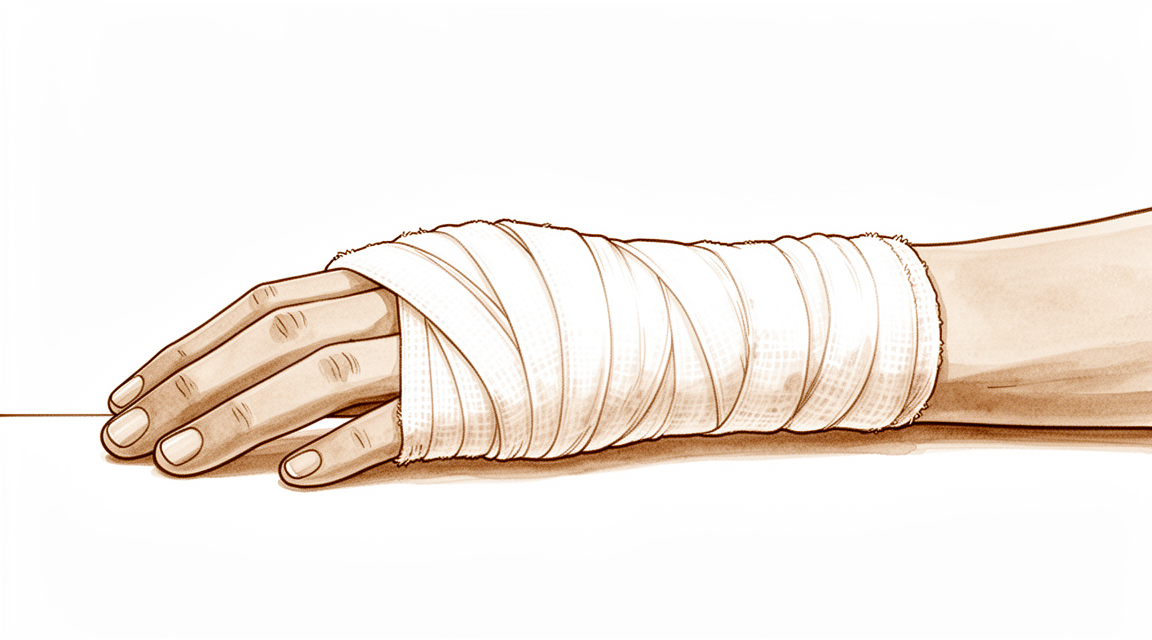 Dupuytren's ReleaseRehabilitation after Dupuytren's fasciectomy — the extension splint regime and exercise program, with hand-therapist follow-up.
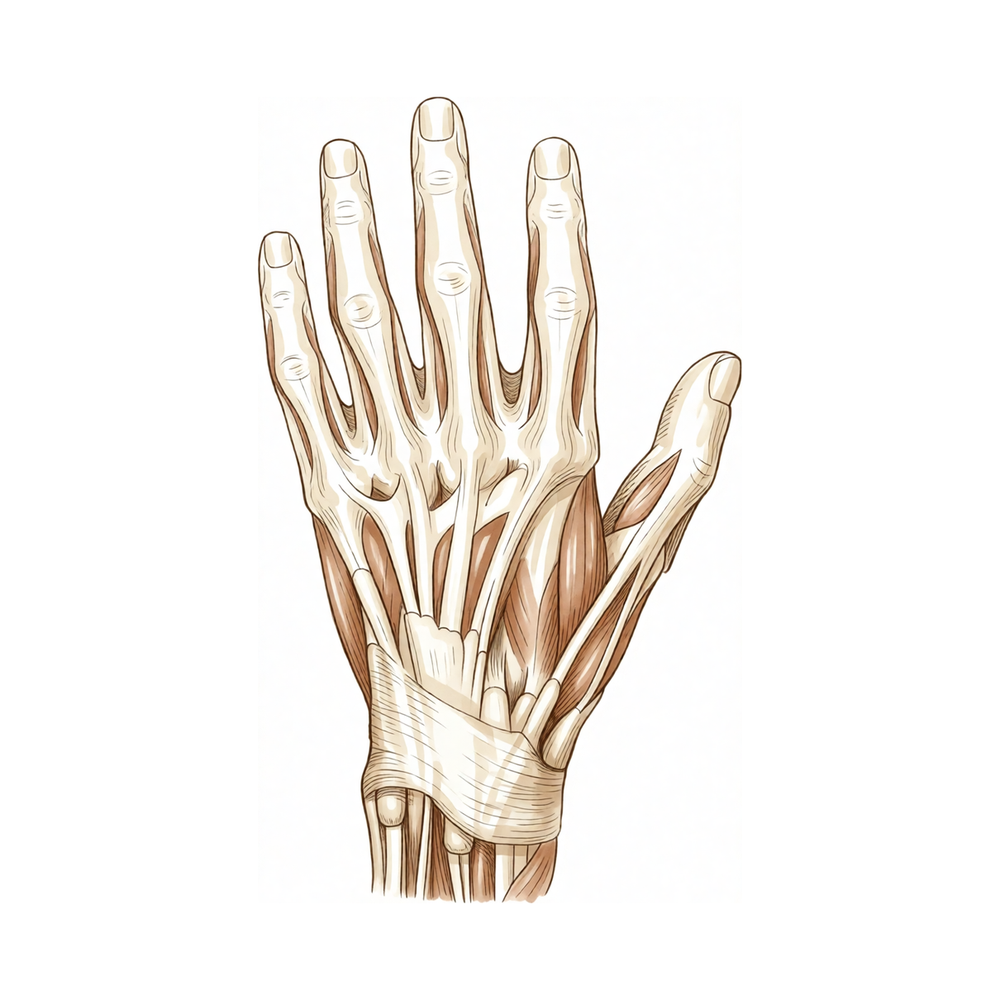 Extensor Tendon RepairA recovery plan after repair of an extensor tendon on the back of the finger or hand (zones IV to VII), using a relative-motion (yoke) splint that lets you use the hand straight away while protecting the repair, then weaning the splint and building strength in careful stages.
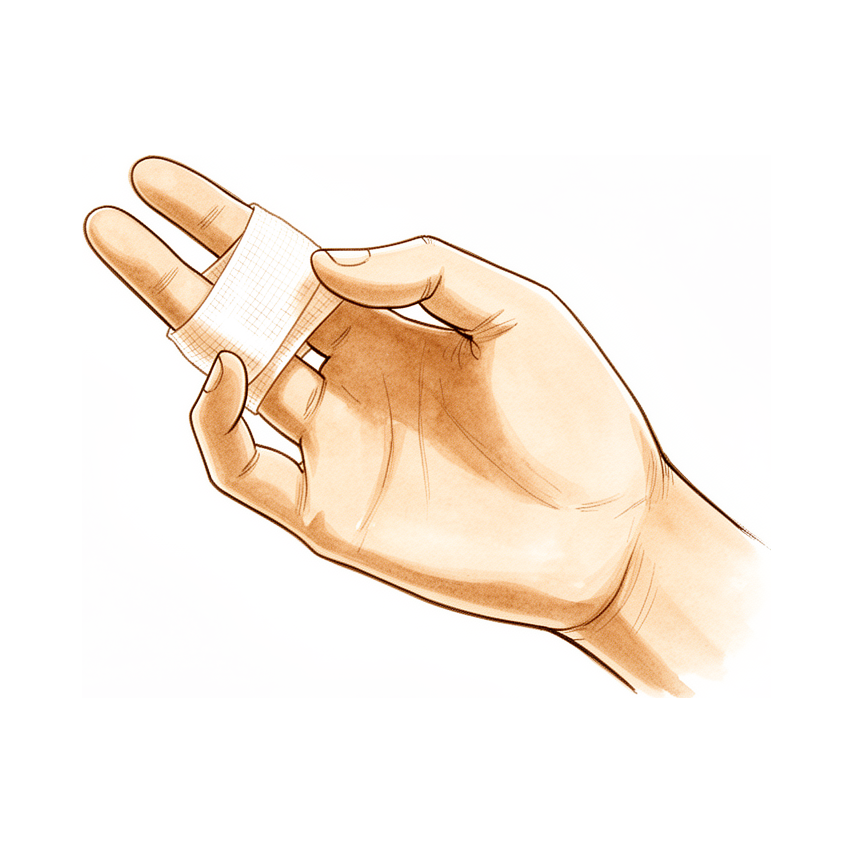 Finger SurgeryPost-operative exercises and precautions after finger surgery, including joint blocking and tendon glides.
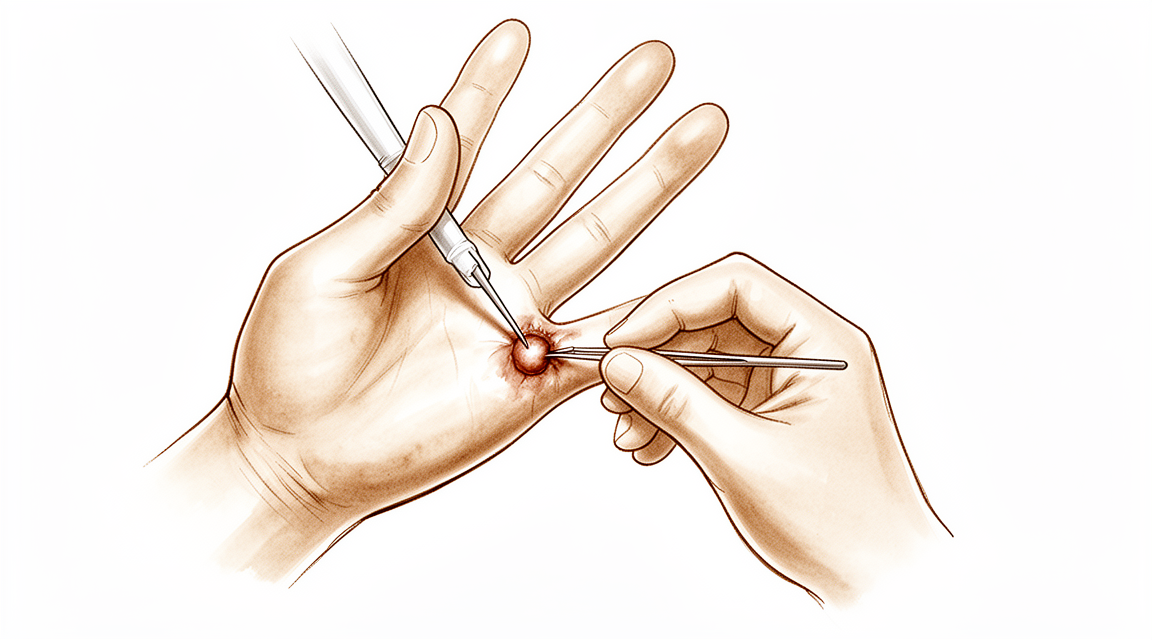 Flexor Sheath Ganglion ExcisionA quick, motion-led recovery plan after excision of a flexor tendon sheath ganglion (volar retinacular cyst) at the base of a finger, protecting a small palm wound while you start gentle finger movement within days, then add scar care and grip as the wound settles.
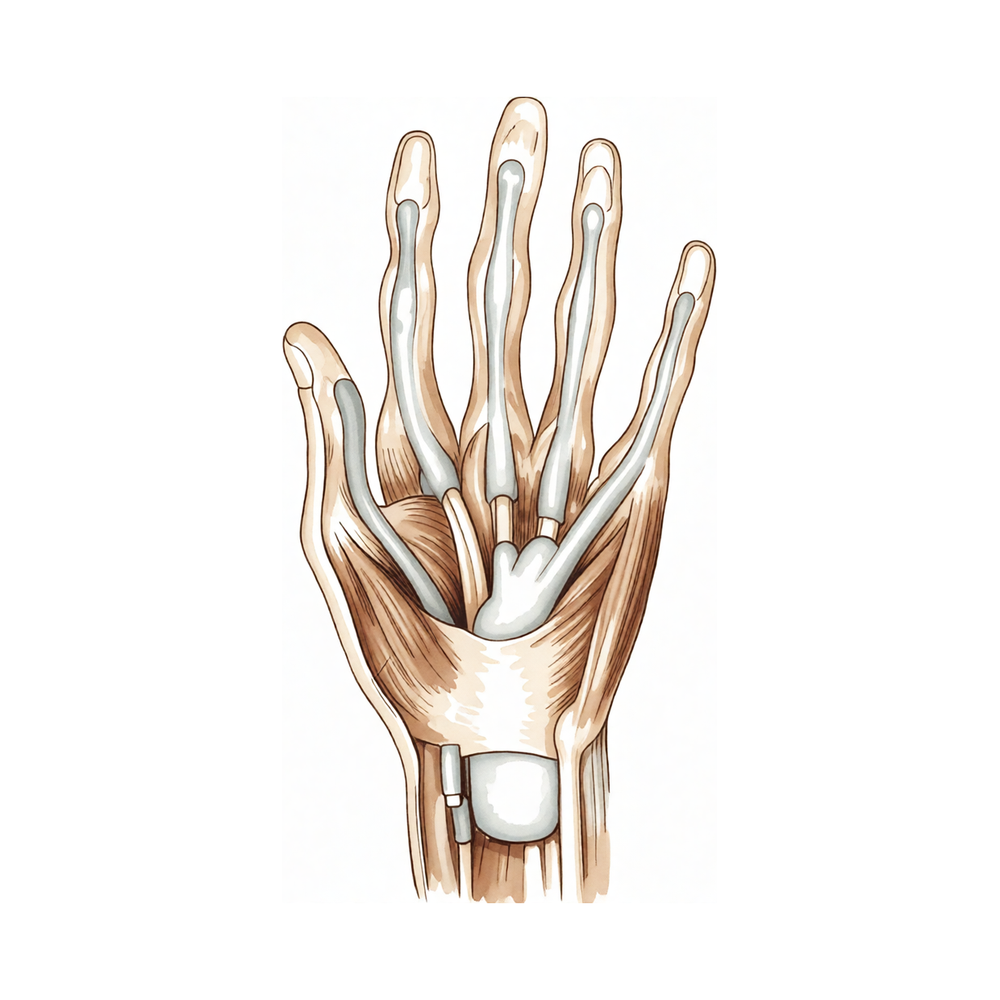 Flexor Tendon RepairAn early-active-motion recovery plan after repair of a flexor tendon in the finger, using the Manchester short splint to move the healing tendon gently and safely from the first week while protecting the repair for six weeks.
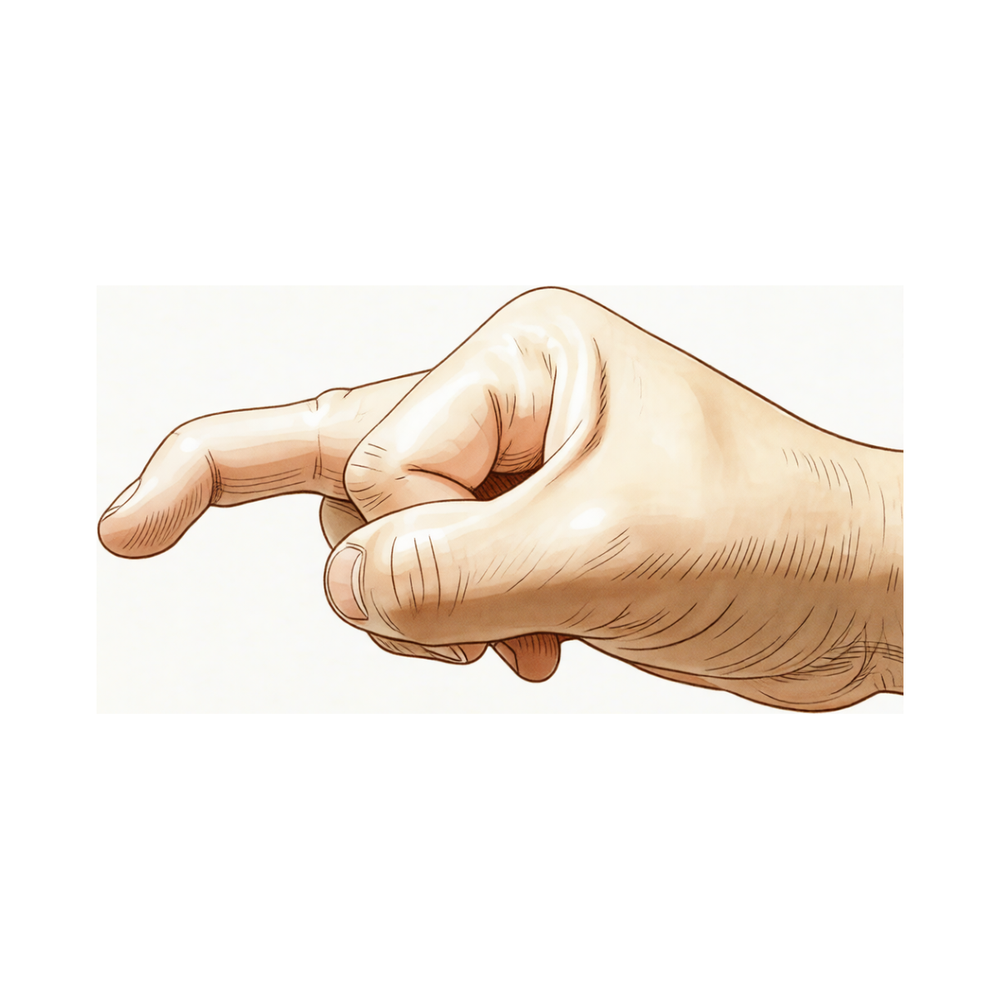 Mallet FingerA splint-led recovery plan for mallet finger, holding the fingertip joint completely straight without interruption for about six to eight weeks so the extensor tendon can heal, while the other finger joints keep moving.
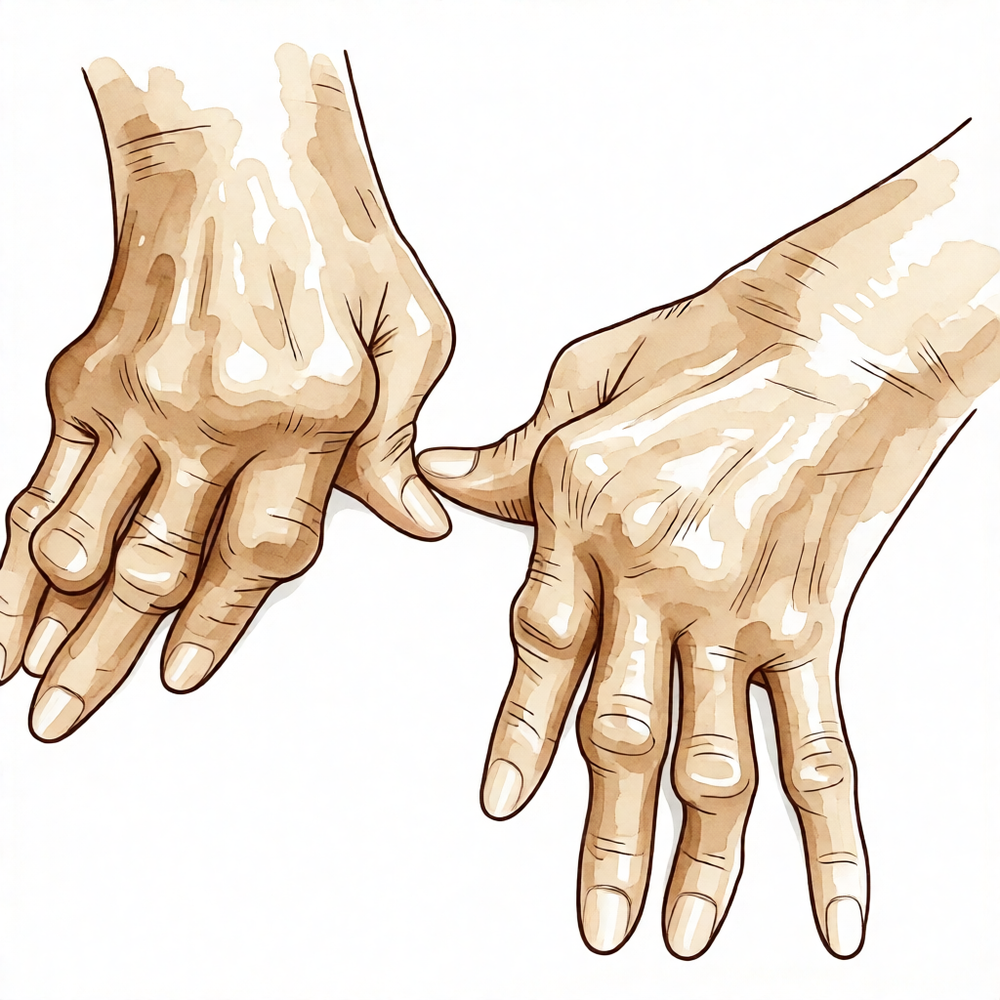 MCP Joint ReplacementA hand-therapy-led recovery plan after silicone (Swanson) knuckle-joint replacement, built around a dynamic extension splint that holds the knuckles straight and slightly radial while you bend them early — re-shaping the joints in a corrected position and reversing ulnar drift.
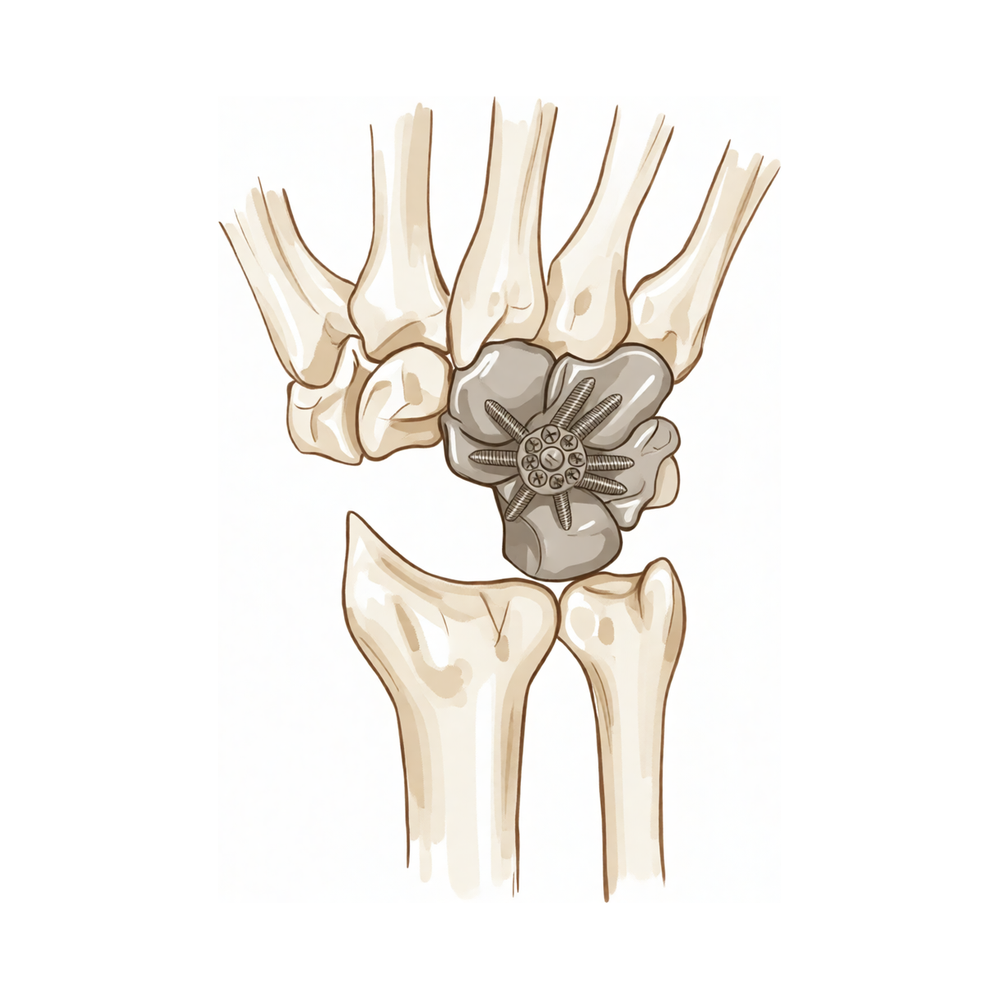 Partial Wrist FusionA protected recovery plan after a partial wrist fusion (capitolunate fusion, usually with removal of the scaphoid) for a worn-out wrist, immobilised until the bones knit at about six to eight weeks, then progressively restoring a useful but deliberately reduced arc of wrist movement and grip strength.
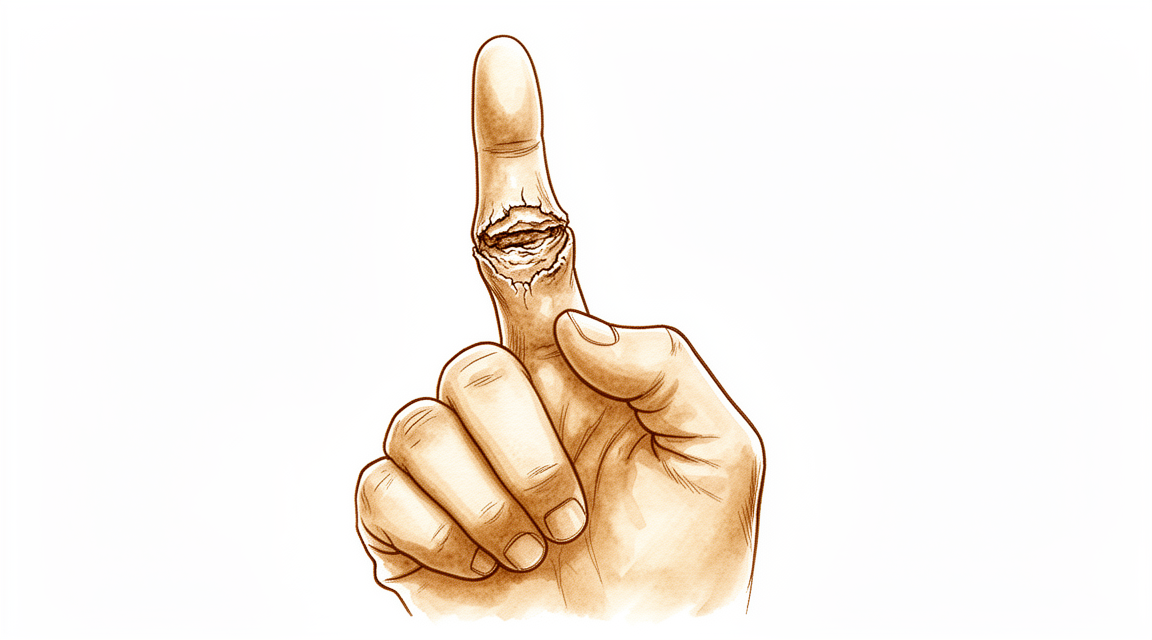 PIP Joint FusionA protected recovery plan after fusion (arthrodesis) of the middle finger joint, holding the fused joint still in a splint while keeping every other joint moving from day one, then restoring grip and pinch once the bone has united.
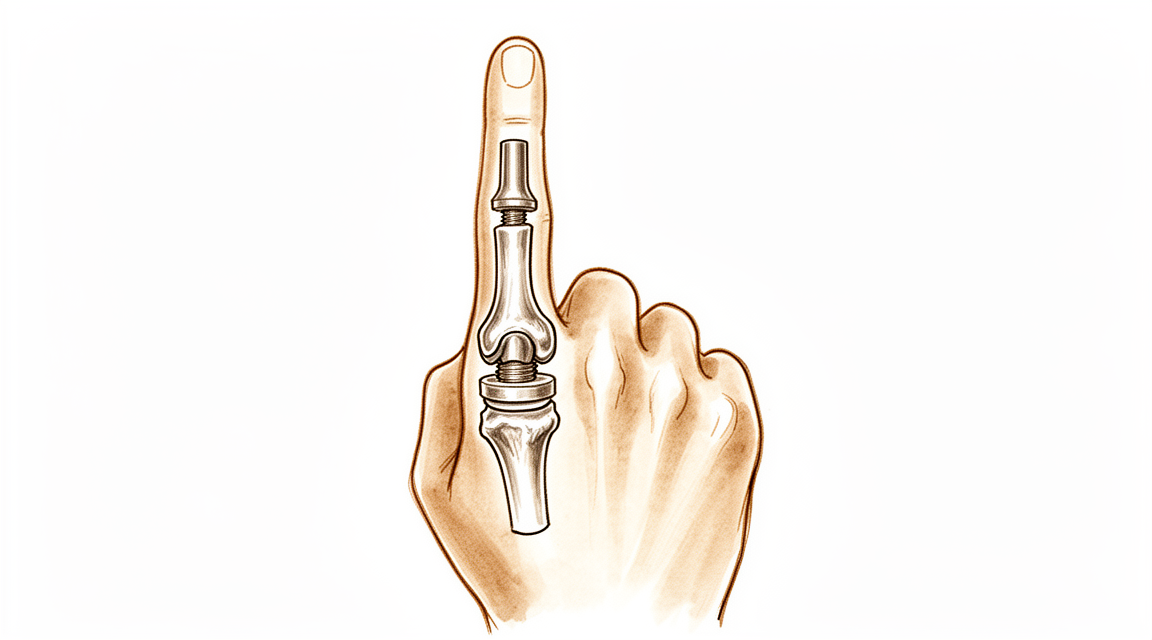 PIP Joint ReplacementA protected recovery plan after silicone replacement of the worn middle joint of a finger (the PIP joint), where the speed of starting movement depends on whether the surgeon went in from the front (palm side) or the back of the finger.
 Scaphoid FixationA protected recovery plan after surgical fixation of a scaphoid fracture with a buried headless compression screw, easing the wrist back into movement early under the screw's protection while the slow-healing bone unites, then building grip and strength, with loading and contact sport held back until union is confirmed.
 Thumb Base Joint Replacement (Touch)A staged recovery plan after a dual-mobility total joint replacement of the arthritic thumb base (the Touch implant), protecting the new joint in a thumb splint at first, then restoring opposition and movement, then building pinch and grip strength.
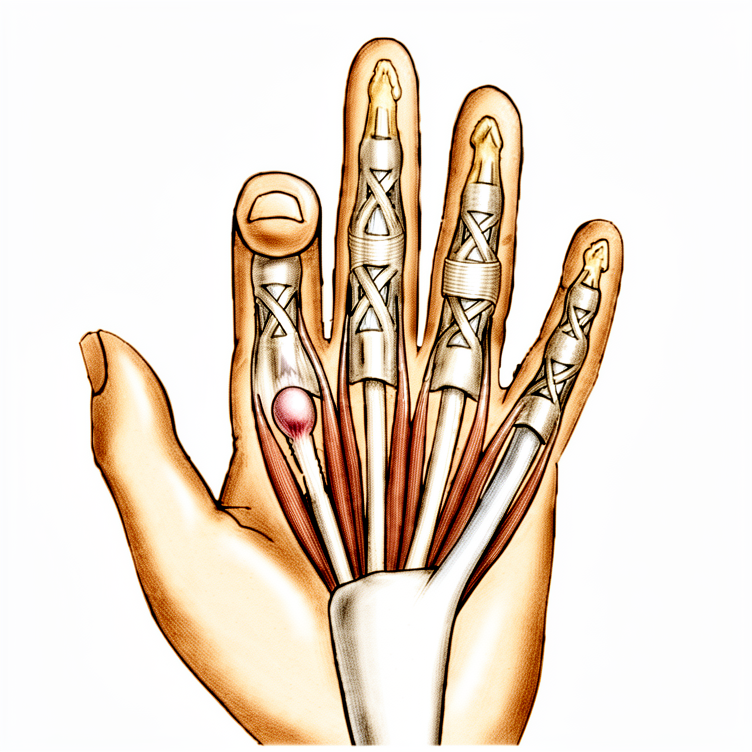 Trigger Finger ReleasePost-operative exercises and precautions after trigger finger release, including tendon glides and joint blocking exercises.
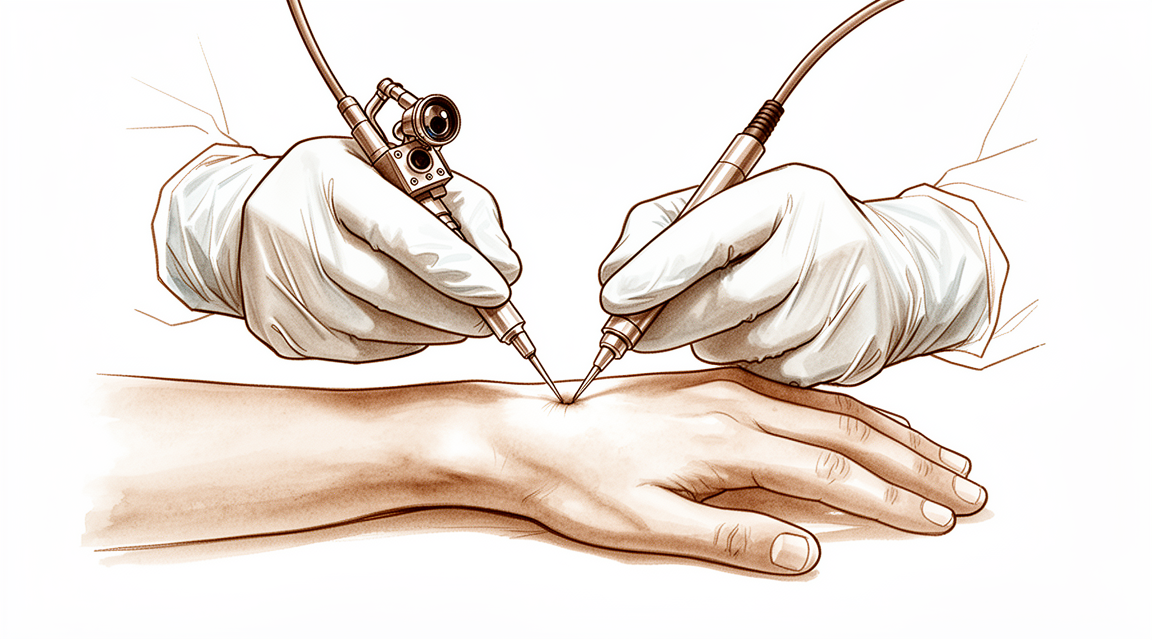 Wrist ArthroscopyA recovery plan after keyhole (arthroscopic) wrist surgery, where the pace depends on what was done inside: a clean-up (debridement, synovectomy, ganglion or central TFCC tidy-up) allows early movement and a quick return, while a TFCC repair protects forearm rotation in a splint or cast for about four to six weeks before motion and strength are rebuilt.
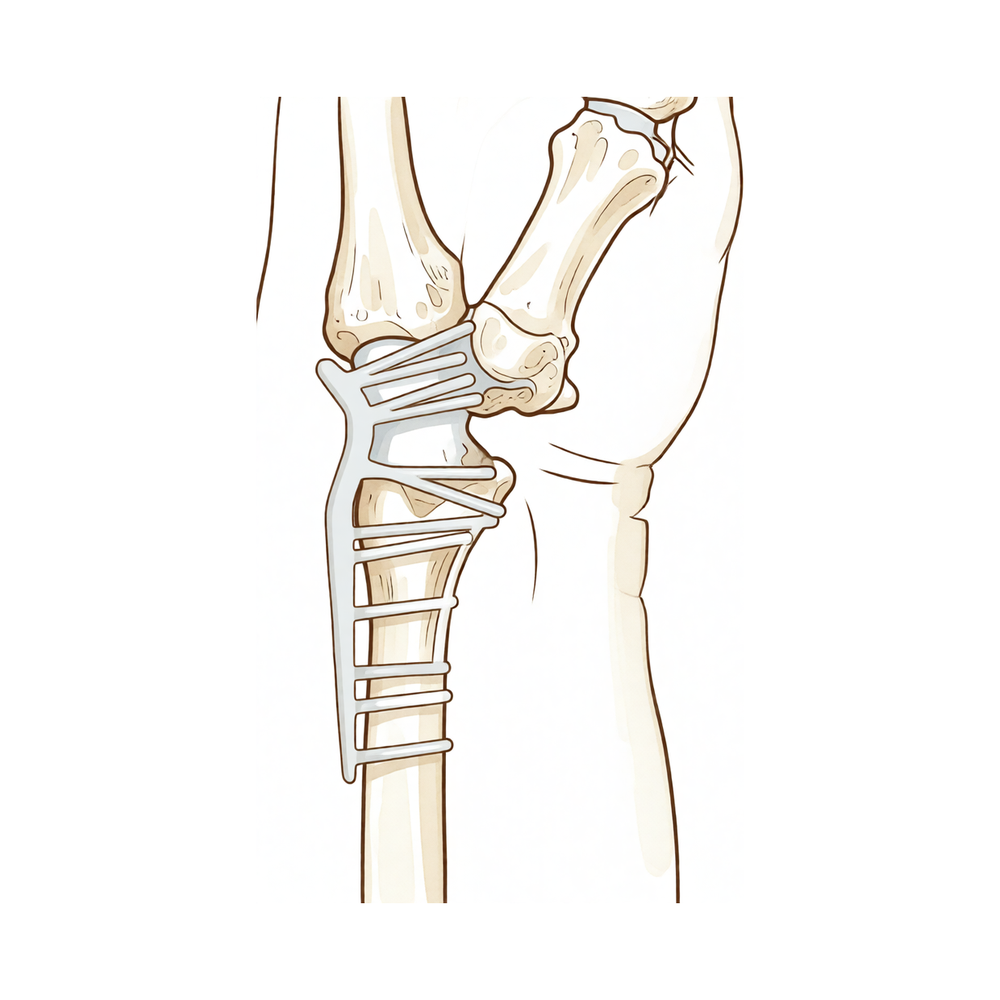 Wrist FusionA recovery plan after total wrist fusion (arthrodesis), where the worn-out wrist is joined solid with a dorsal plate so it no longer moves by design, while the fingers, thumb and forearm rotation are kept moving from the start and grip is built up once the bone has united.
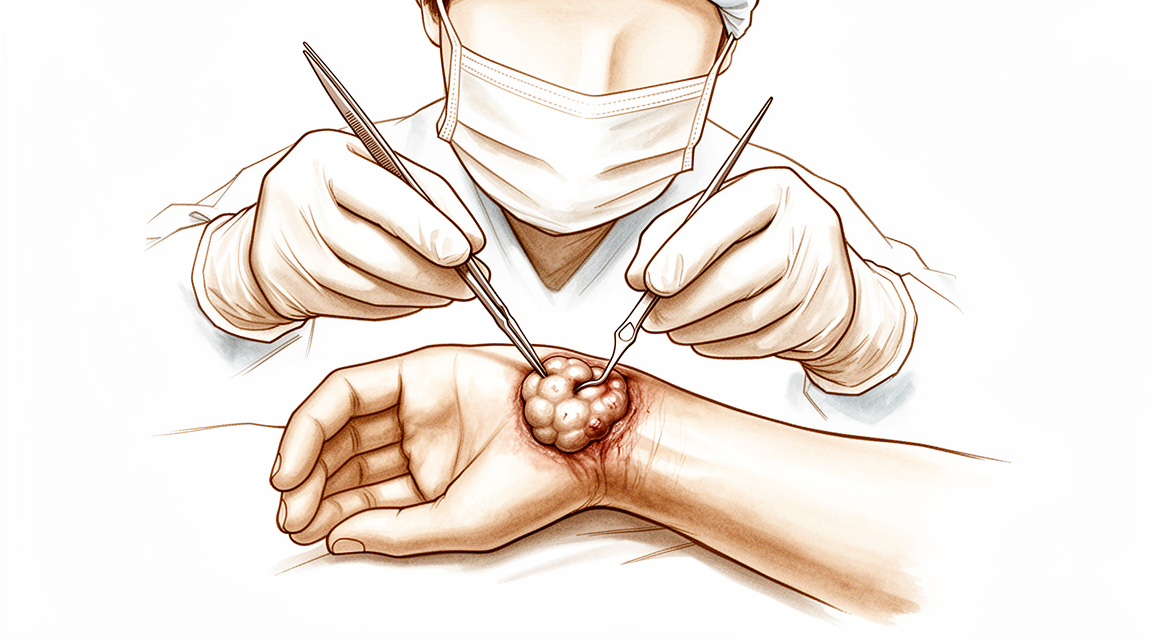 Wrist Ganglion ExcisionAn early-motion recovery plan after excision of a dorsal or volar wrist ganglion, using minimal immobilisation then prompt movement of the wrist in every direction to prevent the stiffness that is the most common problem after this operation.
Exercise guides
 Tendon glidesFinger tendon-glide exercise handout — hook and tabletop glide sequences, recreated from an Extend Rehabilitation sheet.
- Carpal tunnel exercisesExercise handout for after endoscopic carpal tunnel release — wrist tenodesis, fist/hook glides and thumb opposition, recreated from an Extend Rehabilitation sheet.
- Dupuytren's exercisesExercise handout following Dupuytren's release — extension, DIP/PIP flexion and wrist tenodesis exercises, recreated from an Extend Rehabilitation sheet.
- Trigger finger exercisesExercise handout after trigger digit release — tenodesis, composite extension, blocked flexion and thumb opposition, recreated from an Extend Rehabilitation sheet.
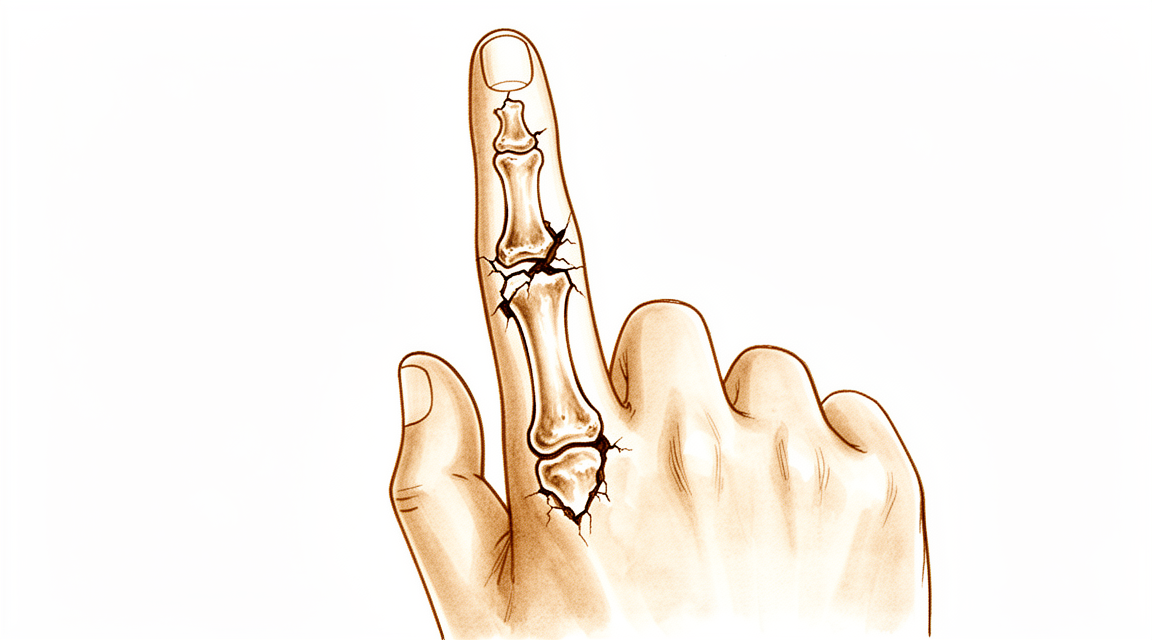 Volar plate exercisesFinger exercise handout — tip bends, hook bends and full fist, recreated from an Extend Rehabilitation sheet.
Inpatient programmes
- Inpatient exercises — shoulder replacementEarly in-hospital exercises after a shoulder replacement (total, reverse, or for fracture) — gentle hand, elbow and shoulder movement, with sleep-in-sling precautions for the first six weeks.
- Inpatient exercises — rotator cuff & stabilisationEarly in-hospital exercises after rotator cuff repair or shoulder stabilisation — gentle hand, elbow and shoulder movement, with six-week sling precautions.
- Inpatient exercises — capsular release & subacromial decompressionEarly in-hospital exercises after capsular release or subacromial decompression — gentle movement with a comfort-only sling to keep the shoulder moving freely.





